
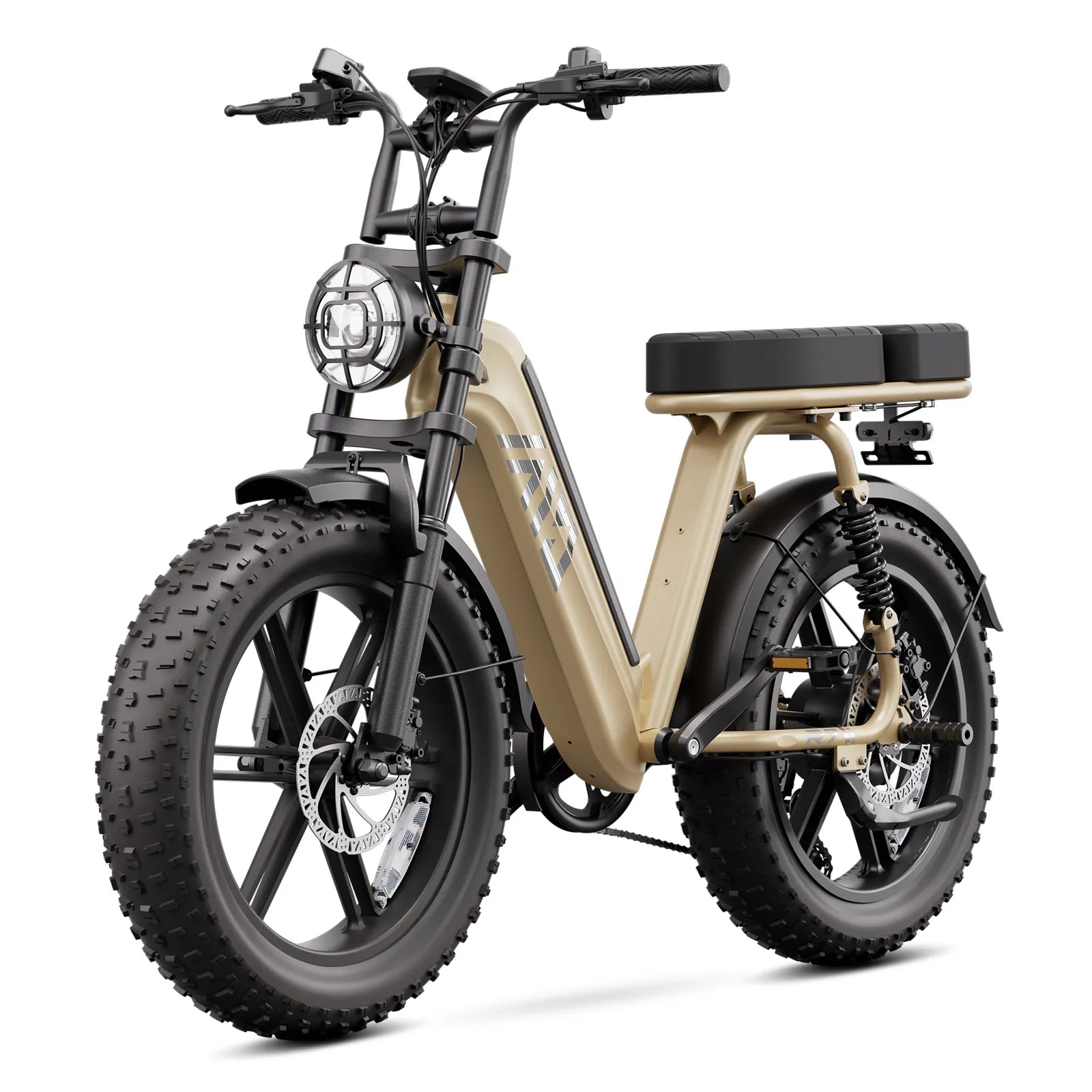
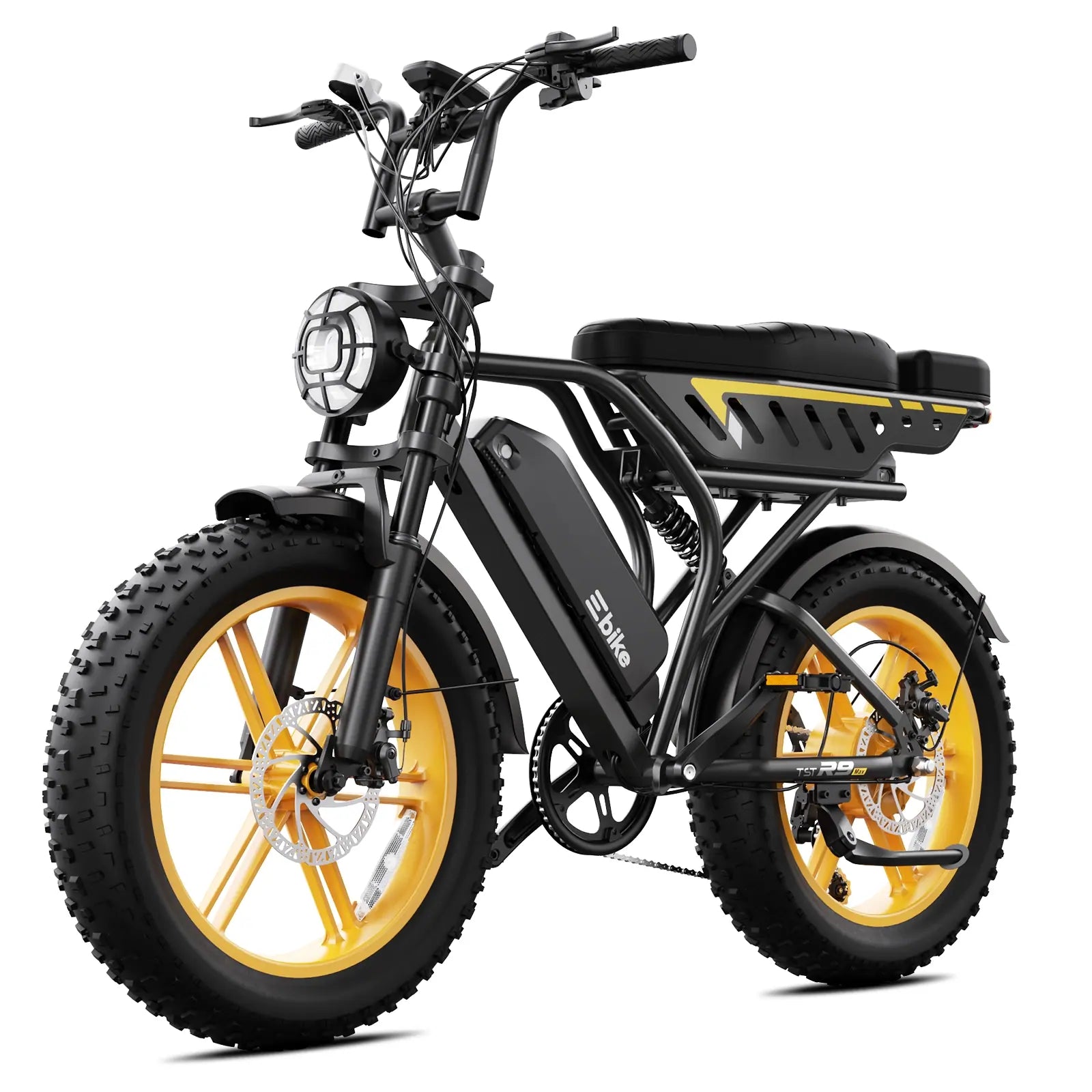
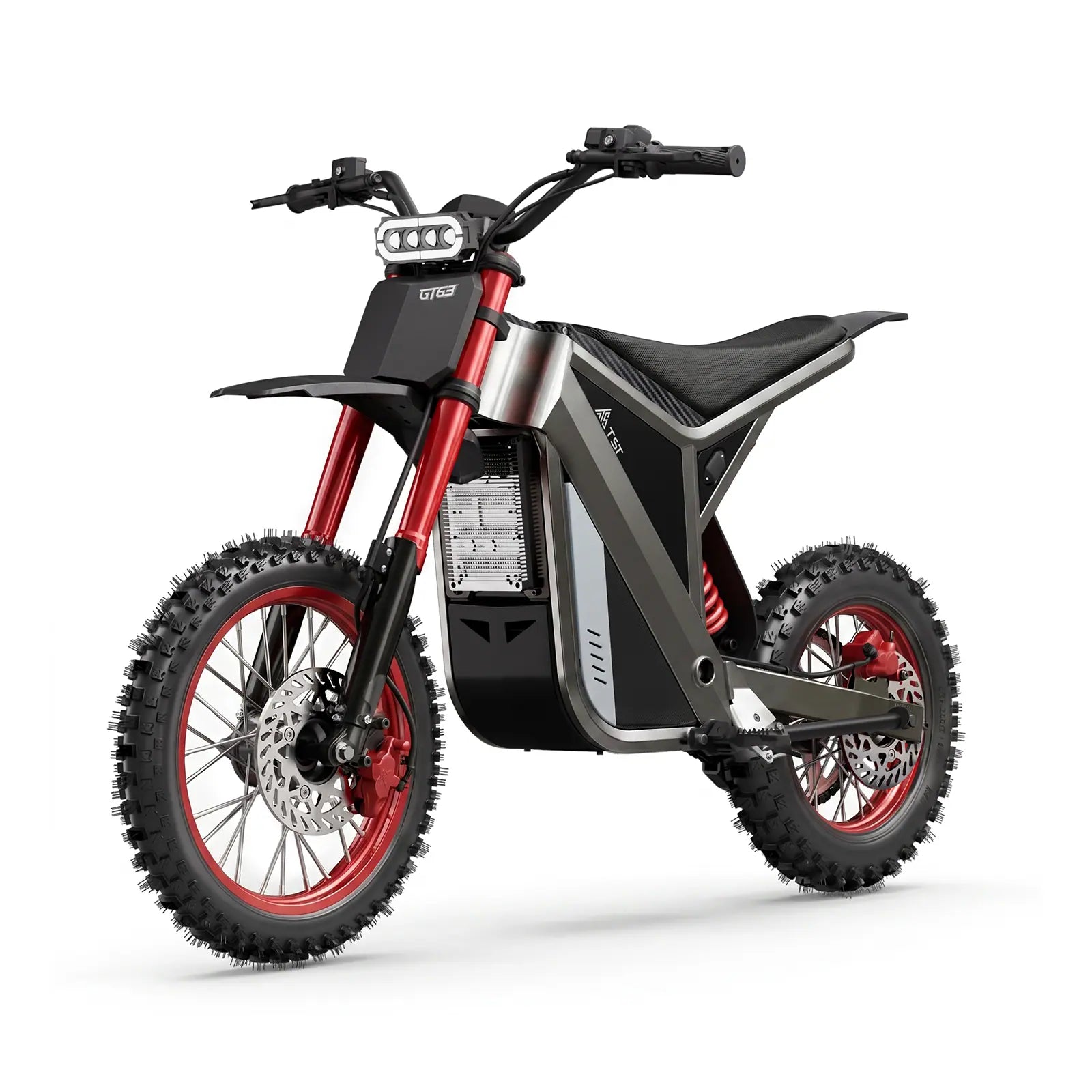
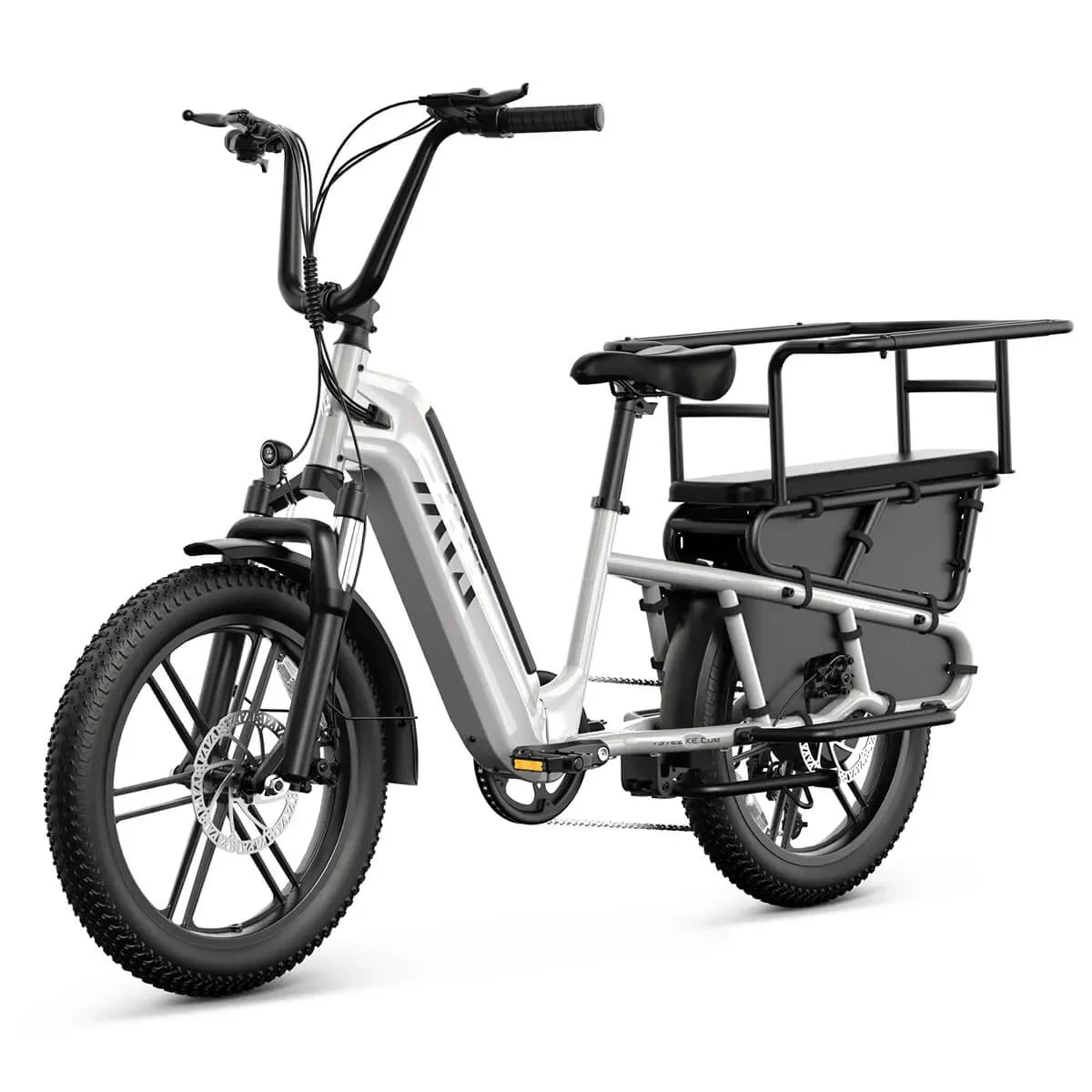
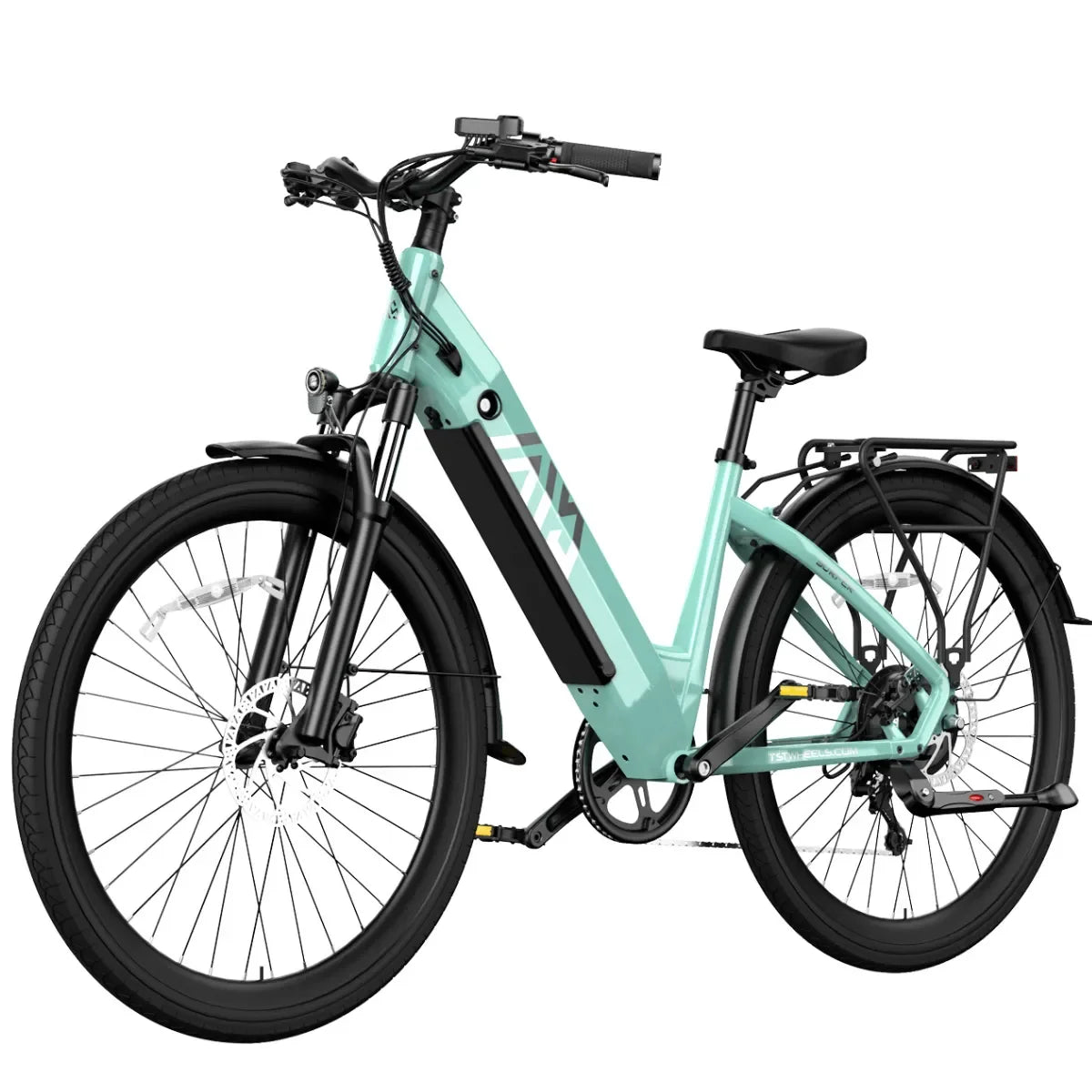
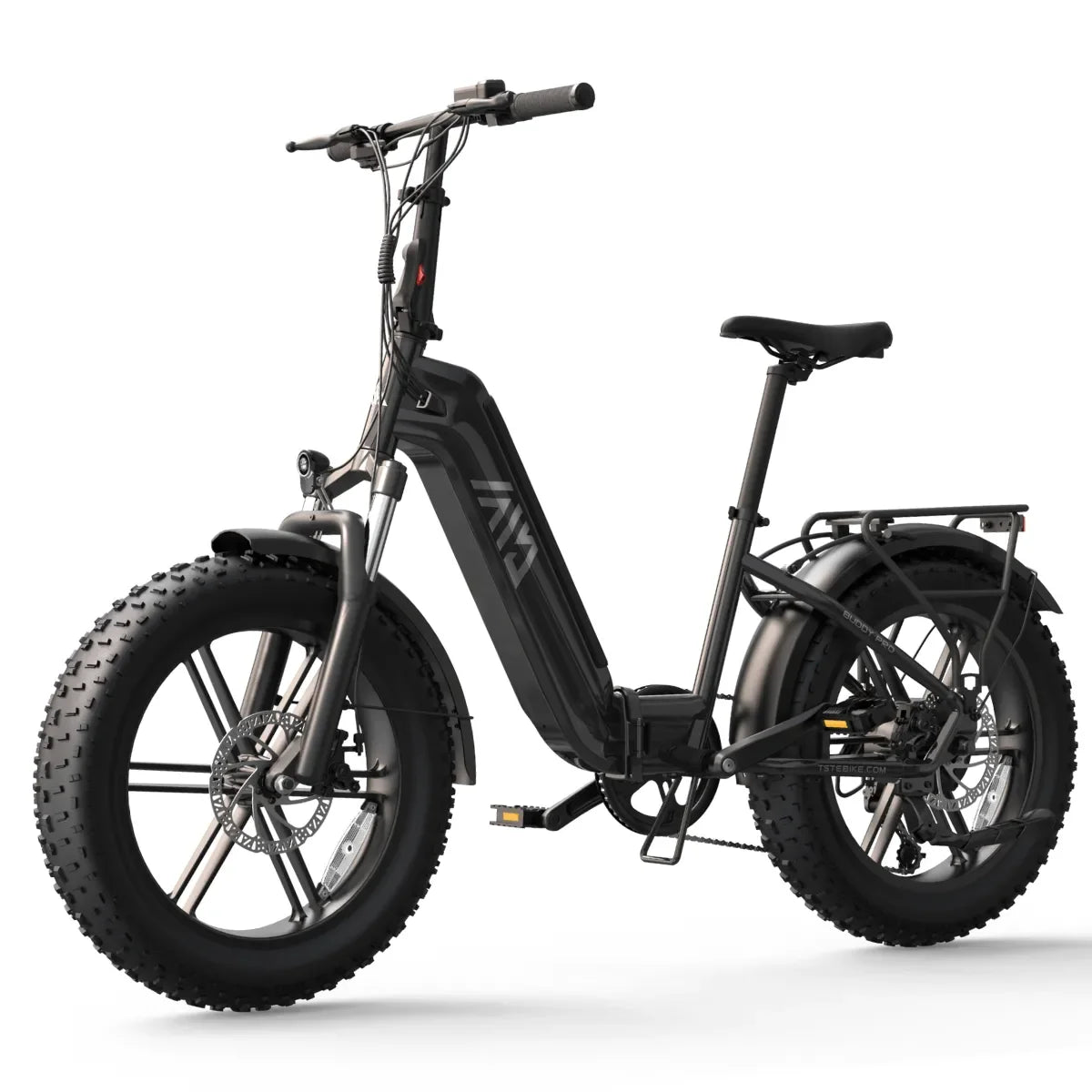
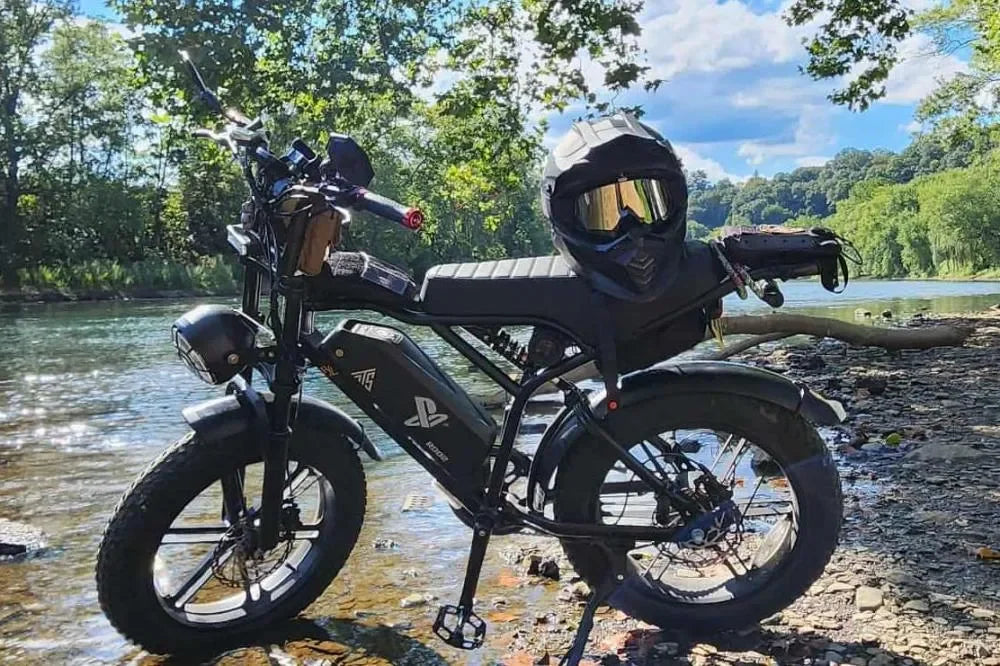
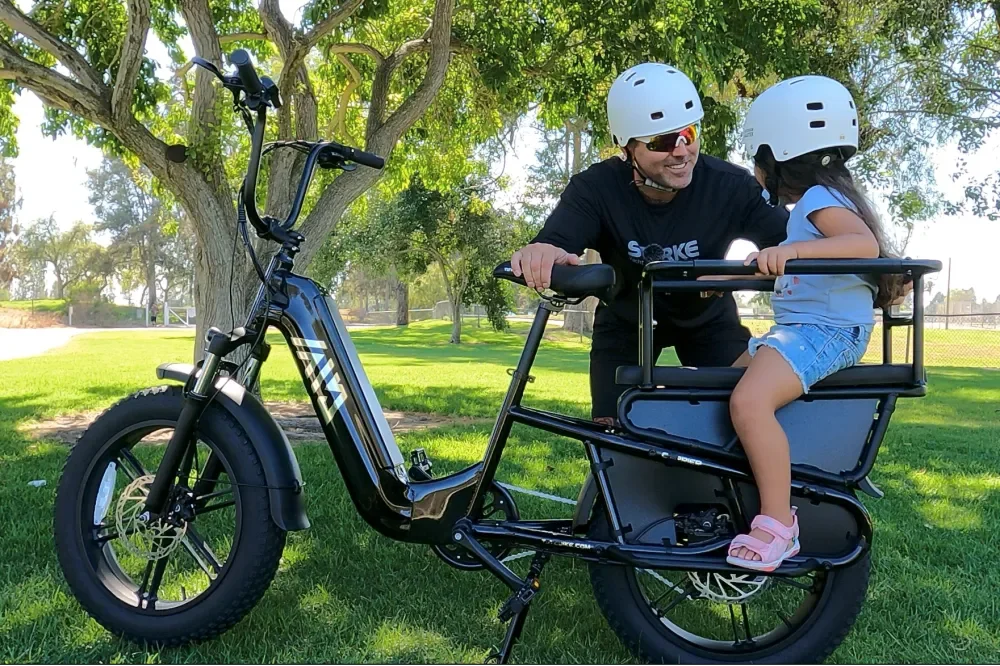


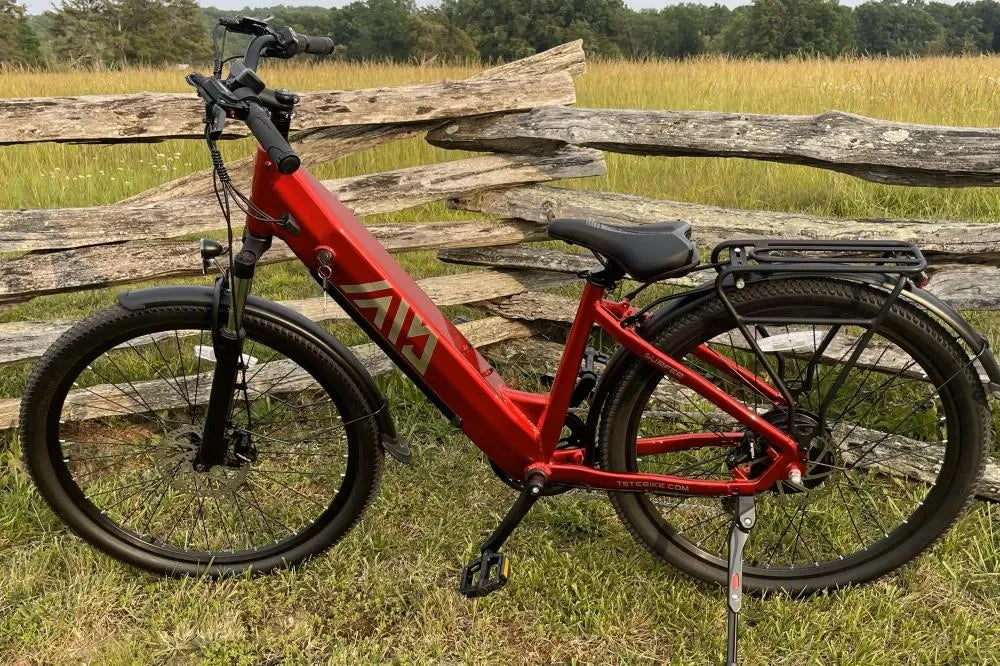

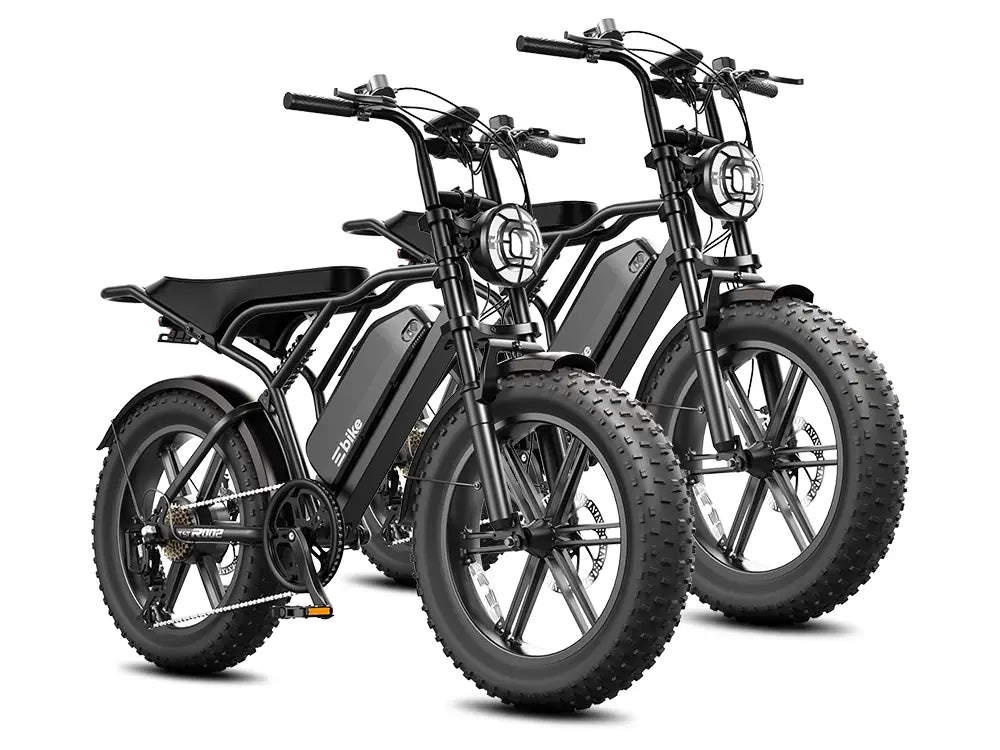
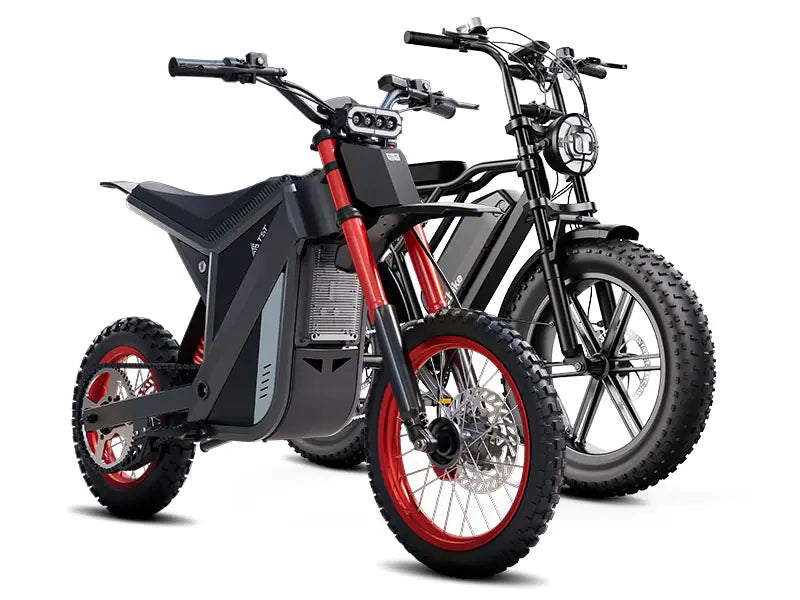
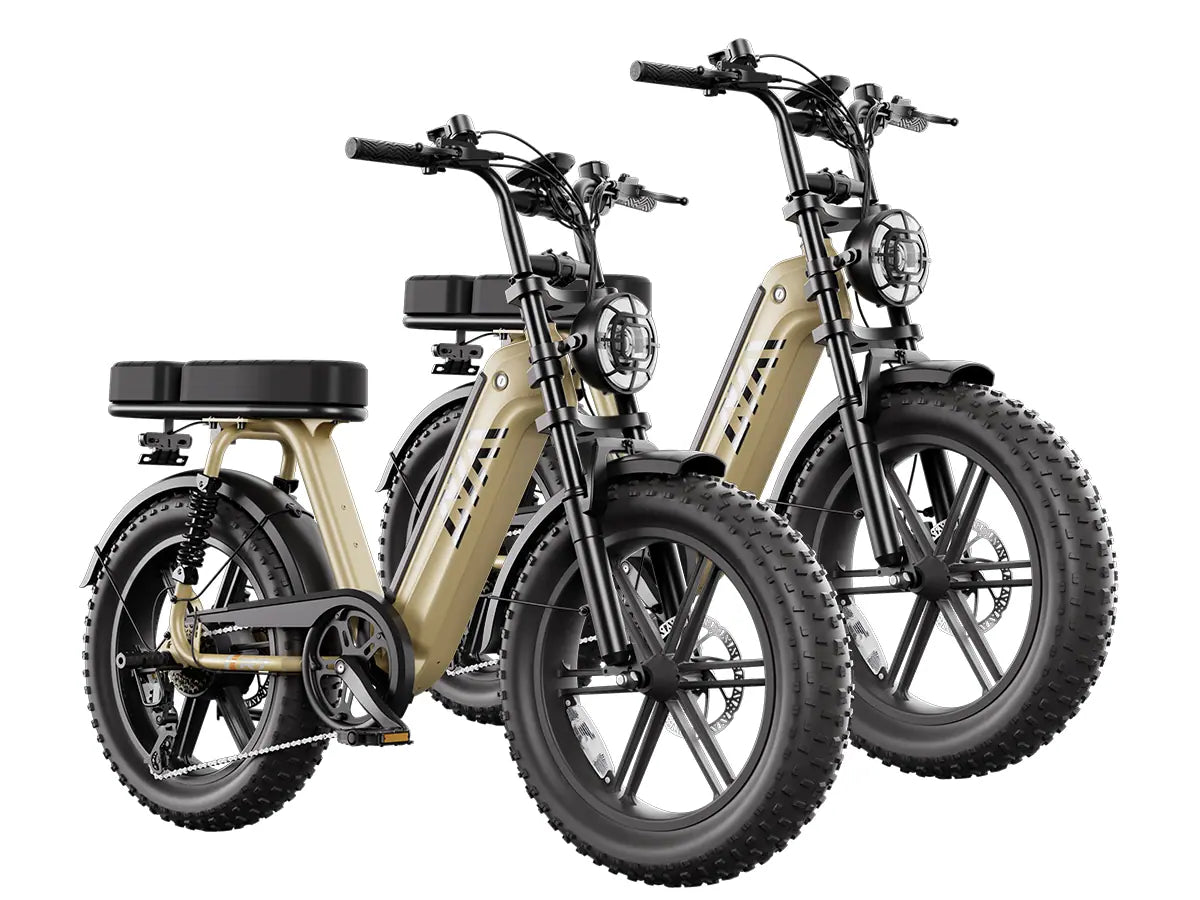
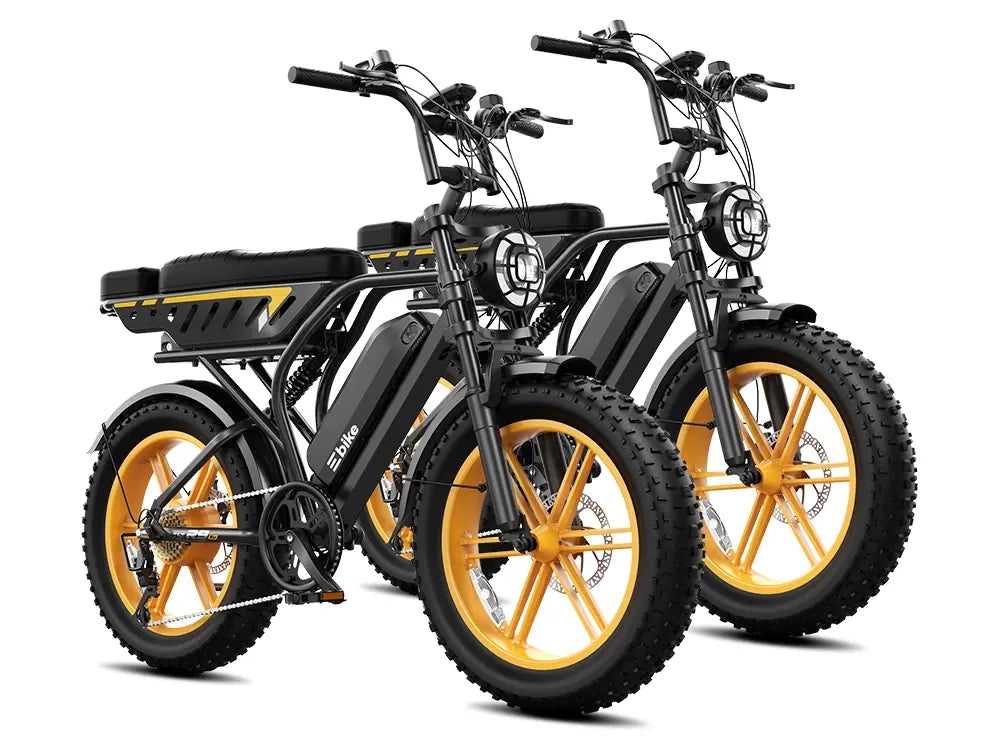
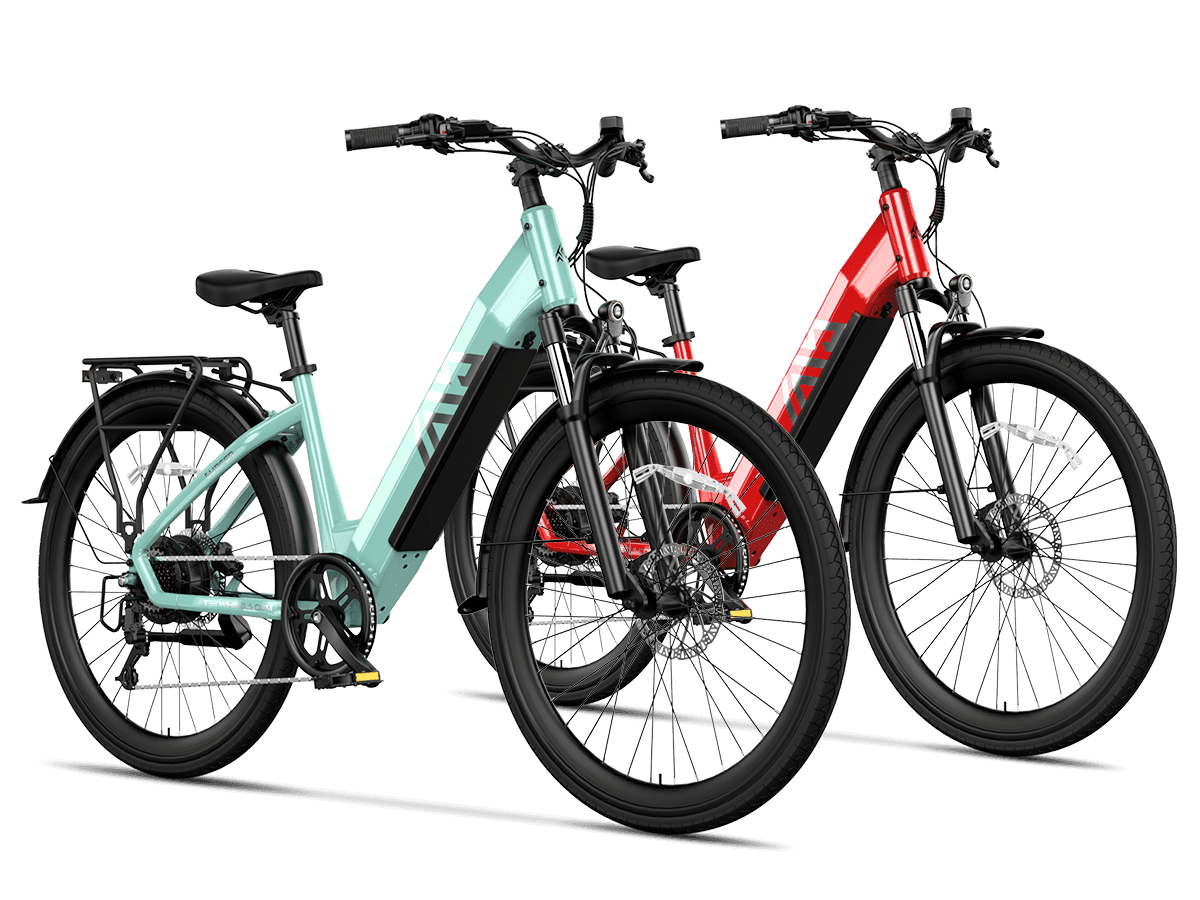
The TST Carrier is better than the RadRunner 3 Plus for buyers who want maximum cargo capability and family hauling at a lower price, while the RadRunner 3 Plus wins on accessory ecosystem, brand maturity, and refinement. Both are excellent utility bikes, and the choice comes down to budget, load needs, and how much brand polish matters to you.
Key Facts
- Rival: RadRunner 3 Plus, Rad Power Bikes' do-everything utility model.
- Carrier edge: higher payload rating and lower price.
- RadRunner edge: mature accessory ecosystem and refined finish.
- Range: comparable, about 25-45 miles for both.
- Decision: load needs and budget versus ecosystem and polish.
- Support: TST EBike direct service and parts.
TST Carrier vs RadRunner 3 Plus: The Key Differences
The Carrier focuses on load capacity and value with a reinforced rack and long wheelbase, while the RadRunner 3 Plus focuses on versatility with a mature accessory ecosystem and refined finish.
The two bikes share the utility-bike philosophy: upright riding, strong motors, and racks built for real loads. The Carrier pushes the cargo angle further, with a chassis and rack designed around heavy daily hauling and family use. The RadRunner 3 Plus is Rad Power's do-everything model, famous for its accessories, from passenger kits to cargo buckets. The practical difference is emphasis: the Carrier optimizes payload per dollar, while the RadRunner optimizes ecosystem and polish per dollar.
Payload and rack design compared head to head
The Carrier's reinforced rack and long wheelbase are engineered for heavier loads, while the RadRunner 3 Plus offers a solid rack with a wider range of official accessories.
Payload is where the Carrier leads. Its rack is bolted through the frame and its geometry is tuned to stay stable with several hundred pounds aboard, which loaded testing confirmed. The RadRunner 3 Plus has a capable rack and a lower factory payload expectation, but it compensates with the largest accessory catalog in the class: passenger seats, benches, cabs, and buckets that attach cleanly. The honest comparison is load rating versus versatility. Heavy daily hauling favors the Carrier; modular configuration favors the RadRunner.
Which bike is better for carrying children safely?
Both can carry children with the right accessories, but the Carrier's higher payload rating and low standover height make it the stronger choice for heavier family loads.
Family hauling is the classic use for both bikes. The RadRunner's passenger kit is a proven, polished solution with a bench seat and pegs. The Carrier's advantage is margin: its higher payload ceiling and long wheelbase keep the bike stable with two kids and a backpack of school gear. The low standover height helps children climb on independently. For one child on occasional rides, either bike works; for daily school runs with growing kids, the Carrier's extra payload headroom is the safer, more comfortable choice.
Ride character under a realistic family load
The Carrier feels more planted under load thanks to its long wheelbase, while the RadRunner 3 Plus feels slightly nimbler and more refined at moderate speeds.
Ride character follows geometry. The Carrier's longer wheelbase prioritizes stability, which shows when loaded: the bike tracks straight and corners predictably. The RadRunner 3 Plus is a touch more agile, easier to maneuver in tight spaces, and its finish quality gives it a slightly more premium feel. Unloaded, the RadRunner feels livelier; loaded, the Carrier feels more secure. For riders who spend most of their time hauling, the Carrier's planted feel is the right trade; for riders who mix solo commuting with occasional cargo, the RadRunner's agility is appealing.
Which bike delivers better real-world range?
Range is comparable, with both bikes delivering roughly 25-45 miles depending on load and assist, and neither offers a dual-battery option like the TST R9.
Range parity keeps the decision on other factors. In similar conditions, the Carrier and RadRunner 3 Plus both average around 30-35 miles in mixed riding, with light assist stretching toward 45 and heavy loads cutting into the 20s. The RadRunner benefits from Rad Power's mature battery ecosystem, while the Carrier benefits from the shared TST EBike 48V platform. Neither bike is a distance machine; both are daily utility bikes. Buyers who need 50-plus-mile range should look at a dual-battery model instead of either of these.
Price and overall value compared fairly
The Carrier is typically the better value, undercutting the RadRunner 3 Plus by a meaningful margin while delivering comparable or greater cargo capability.
Price is the Carrier's strongest card. Rad Power's premium positioning and accessory ecosystem push the RadRunner 3 Plus above the Carrier's price point, and the difference can be hundreds of dollars. The Carrier matches or exceeds the RadRunner's core capability, especially payload, for less money. The RadRunner's extra cost buys the brand, the finish, and the accessory depth. For value-focused buyers who plan to haul heavy loads, the Carrier delivers more capability per dollar; for buyers who will spend on Rad's accessories, the ecosystem may justify the premium.
Why Does Rack Mounting Design Matter for Cargo?
Rack mounting design determines how much weight a cargo bike can safely carry, because a through-frame mount distributes load to the frame, while a bolt-on mount concentrates stress on the dropouts.
Here is the engineering difference hidden in the photos. A rack bolted through the frame shares its load across the structure, which is why the Carrier's rack can carry heavier loads safely. A rack that mounts to the axle and fender points concentrates force on a few fasteners, which limits its safe capacity. This is why two bikes with similar-looking racks can have very different payload ratings. When comparing utility bikes, ask how the rack mounts and what the rated payload is, because that determines how much the bike can really carry over years of use.
Which utility e-bike should you buy for your loads?
Buy the Carrier for heavy daily hauling, family loads, and maximum payload per dollar; buy the RadRunner 3 Plus for its accessory ecosystem, polish, and brand maturity.
The decision follows your load and your priorities. Families with growing kids, daily groceries, and heavy school bags get more from the Carrier's payload headroom and lower price. Riders who want the broadest accessory catalog, a refined finish, and an established brand will enjoy the RadRunner 3 Plus, especially for lighter, more modular loads. Both are dependable utility bikes, and the honest tie-breaker is payload versus ecosystem. Test the loaded ride if you can, because the difference in stability under weight is easy to feel.
TST EBike Expert Views
"Utility bikes are bought on payload and lived on stability. The Carrier's rack is bolted through the frame, which is why it carries heavier loads safely than bikes with bolt-on racks, and its long wheelbase keeps those loads stable. The RadRunner 3 Plus is a polished bike with the best accessory catalog in the class, and we respect what Rad Power has built. The comparison comes down to where the money goes: the Carrier puts it into payload and stability per dollar, and the RadRunner puts it into ecosystem and finish. Families who haul daily will feel the difference on the first loaded ride; buyers who love accessories will feel theirs in the catalog."
— TST EBike Product Research Team (this article is written by TST EBike's editorial team, which works for the manufacturer)
Conclusion
The TST Carrier beats the RadRunner 3 Plus on payload capacity, stability under load, and value, while the RadRunner wins on accessory ecosystem, finish, and brand maturity. Both are excellent utility bikes with comparable range. Choose the Carrier for heavy family hauling and budget, and the RadRunner for modular versatility and polish.
Key Takeaways
- The Carrier delivers higher payload capacity at a lower price.
- The RadRunner 3 Plus wins on accessory catalog and finish.
- Range is comparable at roughly 25-45 miles for both.
- Through-frame rack mounting gives the Carrier its payload edge.
- Decide on load needs versus ecosystem and brand.
Utility Bike Checklist
- What is my typical load: groceries, kids, work gear, or mixed?
- Do I need maximum payload or maximum accessory options?
- Is the price difference worth the brand and finish to me?
- Have I compared rack mounting and rated payload on paper?
- Can I test both bikes with a realistic load?
See the TST Carrier product page for the payload spec, browse the cargo e-bike collection, and compare against the full lineup before you buy.
FAQs
Which bike carries more? The Carrier, with a reinforced through-frame rack and higher payload rating.
Is the RadRunner 3 Plus worth more money? For riders who want its accessory ecosystem and polish, yes; for heavy hauling, the Carrier delivers more capability per dollar.
Can both bikes carry children? Yes, with the right accessories, but the Carrier's payload headroom makes it the stronger choice for heavier family loads.
Which has better range? Range is comparable, with both delivering roughly 25-45 miles depending on load and assist.

Leave a comment
This site is protected by hCaptcha and the hCaptcha Privacy Policy and Terms of Service apply.