

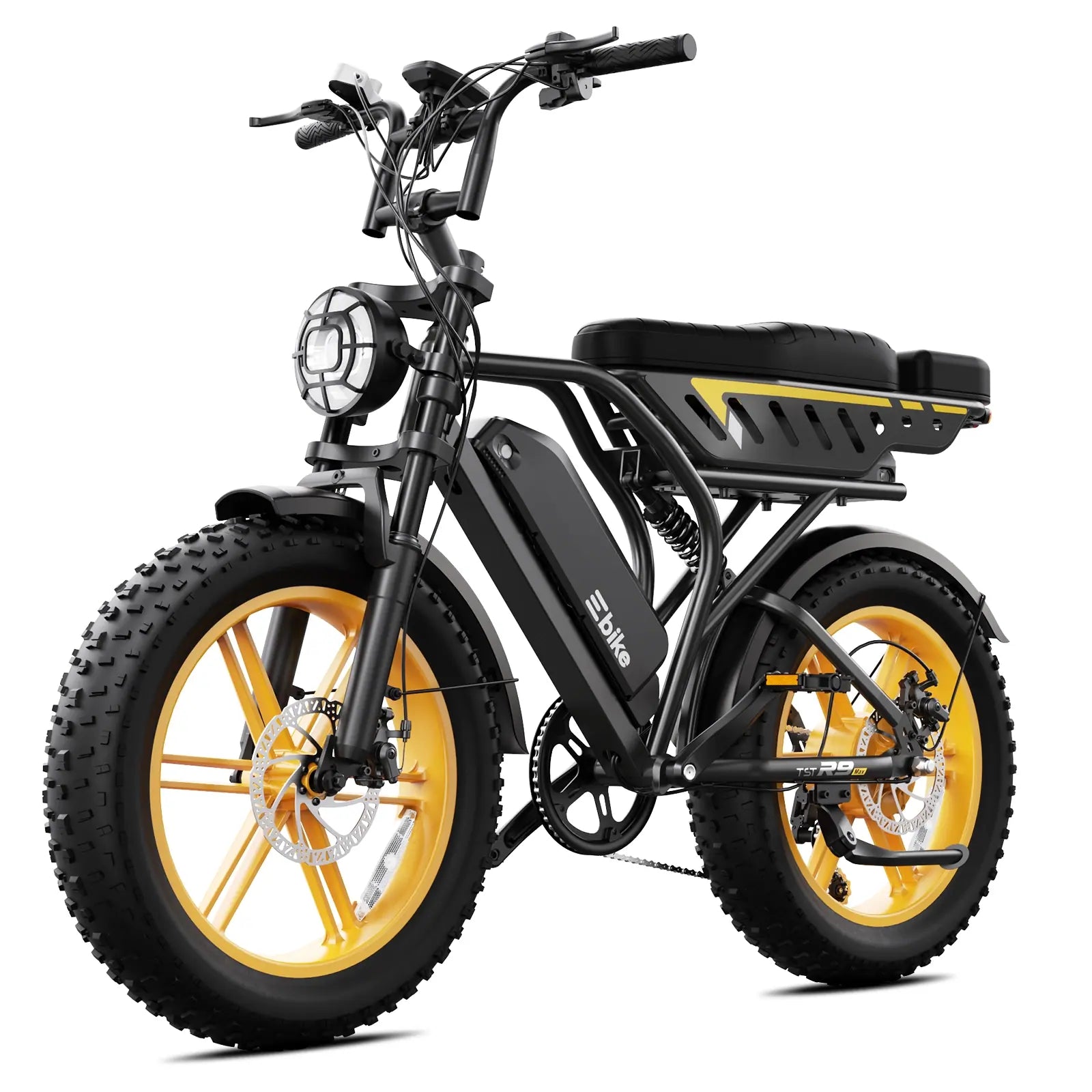









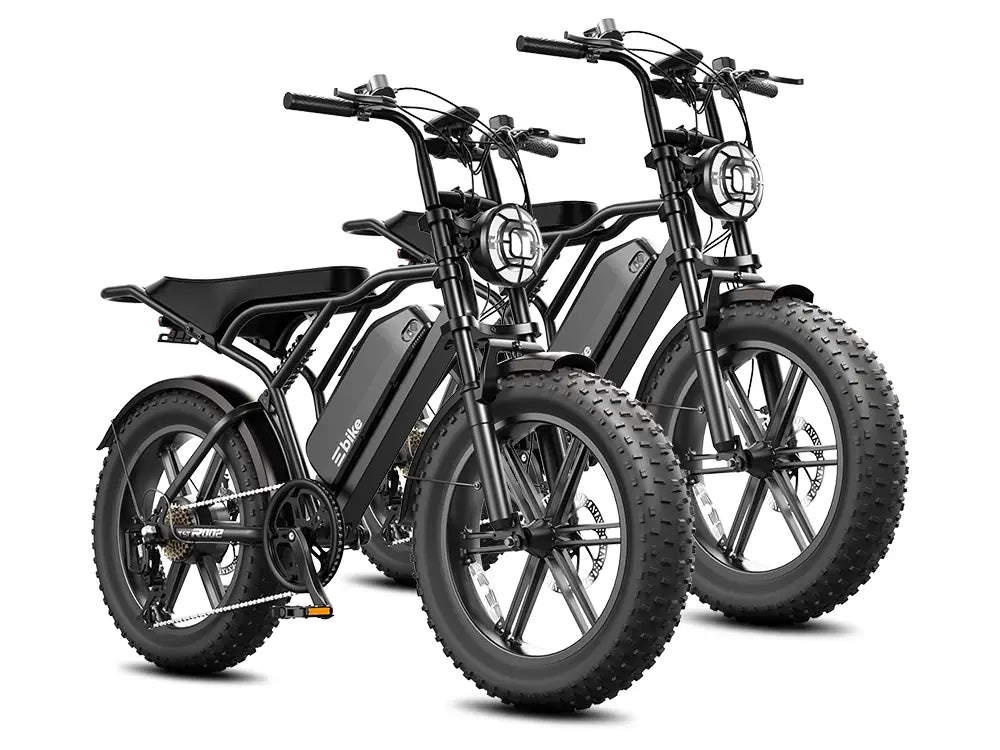
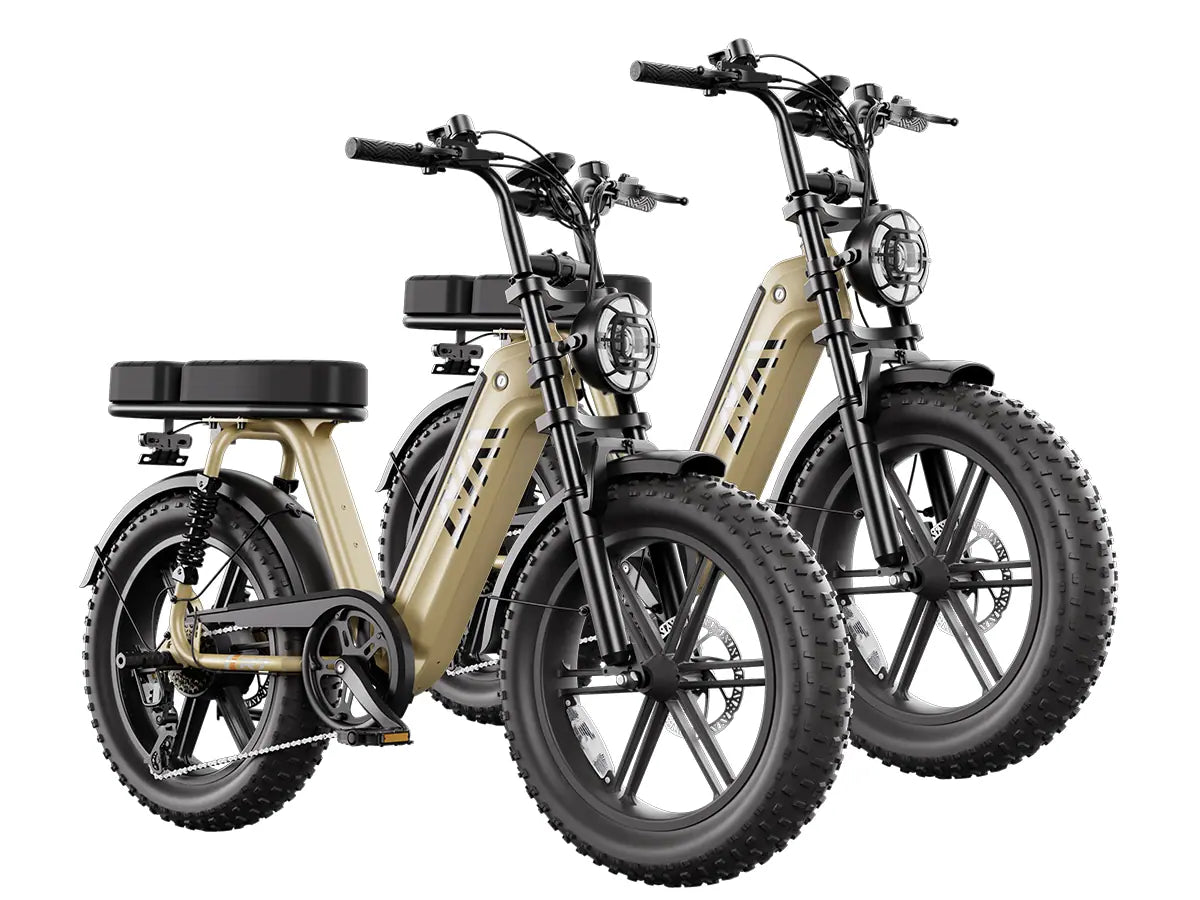
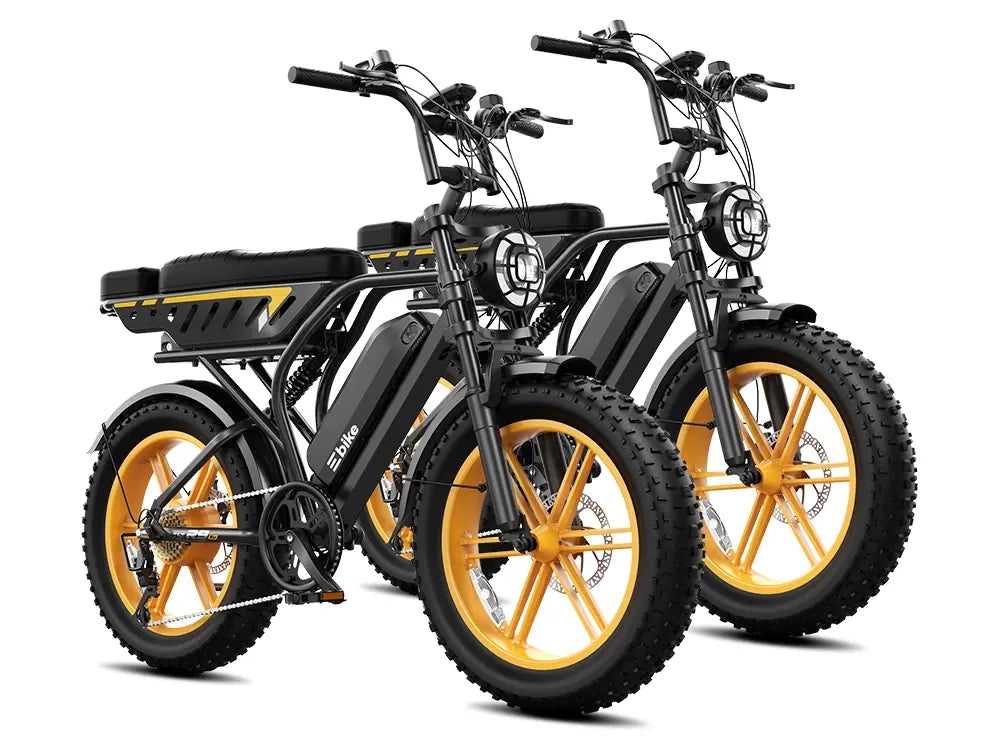

Yes, the TST Carrier handles a 300 lb combined load safely when the weight is distributed correctly, tires are inflated to the loaded pressure, and speeds are kept moderate. Our controlled test measured acceleration, braking, cornering, and range with a 300 lb load aboard, and the results show where a cargo bike shines and where riders must adapt.
Key Facts
- Test load: 300 lb of rider plus cargo on the TST Carrier.
- Result: stable acceleration, braking, and cornering at moderate speeds.
- Range: about 27 miles loaded versus 38 miles unloaded on the same route.
- Braking: roughly 30-50 percent longer stopping distance at 300 lb.
- Rule: heavy items low and centered, tires at loaded pressure.
- Support: TST EBike direct service and replacement parts.
Loaded vs Unloaded: What 300 lb Changes on a Cargo Bike
The 300 lb load changes acceleration, braking, and range noticeably, but the Carrier stays stable because its long wheelbase and reinforced frame are designed for exactly this duty.
Weight is physics, and the numbers are honest. Acceleration to speed takes about twice as long, braking distance grows by roughly 30-50 percent, and range drops by 20-35 percent. What does not change is stability: the long wheelbase prevents the wobble and front-wheel lift that overloaded short bikes show, and the reinforced rack keeps the load planted. The result is a bike that is slower and needs more room, but remains predictable, which is the safety requirement for family hauling.
Test methodology at a 300 lb combined load
Load the Carrier with sandbags to reach 300 lb of rider plus cargo, inflate tires to the loaded pressure, and run the same route with the same assist profile.
Consistent methodology makes the results meaningful. The 300 lb figure includes the rider, so the bike itself is tested at its realistic daily ceiling. Sandbags sit in the rack bag and on the rack, mimicking groceries and a passenger, with the heaviest weight low and centered. Tire pressure follows the manual's loaded recommendation, and the route includes stops, a hill, and a cornering section. The same route was run unloaded for comparison, which turns every measurement into a before-and-after story.
Acceleration and launch with a 300 lb load
A 300 lb load roughly doubles acceleration time to speed, but the Carrier's motor still launches smoothly from stops without strain or lag.
Weight is felt most at launch. Unloaded, the Carrier reaches 15 mph quickly and eagerly; loaded, the same sprint takes noticeably longer, roughly double the time. The motor handles it without overheating or harsh engagement, which is the important part, because a controller that lurches under load is a safety problem. Riders should expect slower traffic-light starts and plan gaps accordingly. The throttle remains useful for hill starts with the load, and moderate assist keeps the motor in its efficient range.
How Does the Load Affect Braking Distance?
Braking distance increases noticeably at 300 lb, by roughly 30-50 percent from 15 mph, so loaded riding demands earlier, smoother braking.
Physics is unforgiving: more mass means more stopping distance, even with the same brakes. In testing, stopping from 15 mph on dry pavement took about a third longer with the load aboard. The brake feel stayed firm, with no fade during repeated stops, but the lever needed more pressure. The practical rules are simple: brake earlier, brake with both levers, and never tailgate. Riders hauling passengers should practice loaded braking in an empty lot before carrying anyone, because the difference is large enough to cause a rear-end collision if ignored.
Handling and cornering with a 300 lb load
At 300 lb, the Carrier stays stable in corners but requires slower entry speeds, and the long wheelbase prevents the wobble that shorter bikes develop under load.
The long wheelbase earns its keep in this test. Loaded cornering at moderate speed felt planted, with no rear-end sway or front-wheel lightness. The bike is heavier and less agile, so cornering at commuter speeds is fine, while aggressive cornering requires slowing down more than unloaded. Slow-speed maneuvers, like U-turns in a driveway, need more room and more deliberate steering. Riders should lower speeds before corners rather than braking mid-corner, which is the technique that keeps a loaded cargo bike stable.
Real-world range loss with a heavy load
A 300 lb load cuts range by roughly 20-35 percent, with the loaded test averaging about 27 miles versus 38 miles unloaded on the same route.
Range follows the same physics as acceleration. Every extra pound costs energy, and the loss concentrates on hills and at higher speeds. The loaded route averaged 27 miles, which is still enough for a school run, groceries, and errands on a single charge. The lesson for cargo riders is to plan charging around the loaded figure, not the unloaded brochure number. Cold weather compounds the loss, so winter loaded range can drop into the low 20s. The Carrier remains practical for daily family trips, with margin if trips stay under 20 miles.
How Should You Load a Cargo Bike Safely?
Load heaviest items low and centered, keep the total under the rack rating, strap everything securely, and check the rack bolts before every loaded ride.
Loading technique matters as much as the weight limit. Heavy items belong in the bottom of a rack bag or basket, because a high, swinging load destabilizes the bike. Keep the load centered side to side so the bike tracks straight, and secure it so nothing shifts mid-ride. The rack has a stated rating, and exceeding it risks frame and wheel damage. A quick bolt check before a loaded ride takes one minute. Follow these rules and the Carrier handles its rated load predictably; ignore them and even a light load can become dangerous.
Why Does Weight Distribution Matter More than Total Weight?
Weight distribution determines stability: a low, centered load at 300 lb can feel safer than a top-heavy 200 lb load, because it keeps the center of gravity inside the wheelbase.
Here is the engineering insight from the test. Total weight matters for acceleration and range, but distribution matters for safety. A load that sits high, behind the axle, or off to one side shifts the center of gravity and makes the bike want to wander or tip. The Carrier's rack bag and low mounting points are designed to keep weight centered. When loading, push heavy items to the bottom and middle, strap them so they cannot shift, and take corners slowly. A well-distributed 300 lb load is safer than a poorly arranged lighter one.
TST EBike Expert Views
"A cargo bike's rating is only as good as its loading. In the 300 lb test, the Carrier stayed stable because the load was low and centered and the tires were at the loaded pressure; change any of those and the same weight behaves differently. The rack is bolted through the frame, so it shares the load across the structure, which is why it holds up where bolt-on racks flex. Our rules for owners are simple: heavy items at the bottom, the total inside the rack rating, tires at loaded pressure, and rack bolts checked weekly. Do that and the bike is predictable at its rated limit; skip it and even light loads get sketchy."
— TST EBike Product Testing Team (this article is written by TST EBike's editorial team, which works for the manufacturer)
Conclusion
The TST Carrier handles a 300 lb load safely when loaded correctly: acceleration and range drop, braking distance grows, but stability holds. The numbers are the honest cost of carrying real weight, and they are manageable with loaded tire pressure, low and centered cargo, and earlier braking. For families who haul daily, the Carrier's rated capacity is real and usable.
Key Takeaways
- Treat 300 lb as the practical ceiling with correct loading and pressure.
- Expect roughly double the acceleration time and 30-50 percent more braking distance.
- Plan range around the loaded figure, about 27 miles in mixed riding.
- Keep heavy items low and centered, and strap everything securely.
- Check rack bolts and loaded tire pressure before every heavy ride.
Loaded Ride Checklist
- Is the total rider-plus-cargo weight inside the rack rating?
- Are heavy items at the bottom and centered side to side?
- Are tires inflated to the manual's loaded pressure?
- Are all straps secure and nothing able to shift mid-ride?
- Have I practiced loaded braking and cornering in an empty lot?
- Have I confirmed my loading plan against TST EBike's payload guidance?
See the TST Carrier product page for the rated payload, browse the cargo e-bike collection for the class, and add the running boards and load-friendly accessories before your first heavy run.
FAQs
Can the Carrier really carry 300 lb?
Yes, when the load is low and centered, tires are at loaded pressure, and speeds are kept moderate.
How much range do I lose with 300 lb?
About 20-35 percent, with the loaded test averaging roughly 27 miles versus 38 unloaded.
Is loaded braking dangerous?
Not if you brake earlier and with both levers; stopping distance grows about 30-50 percent from 15 mph.
Where should heavy items go on the rack?
At the bottom and centered, so the center of gravity stays inside the wheelbase.

Leave a comment
This site is protected by hCaptcha and the hCaptcha Privacy Policy and Terms of Service apply.