











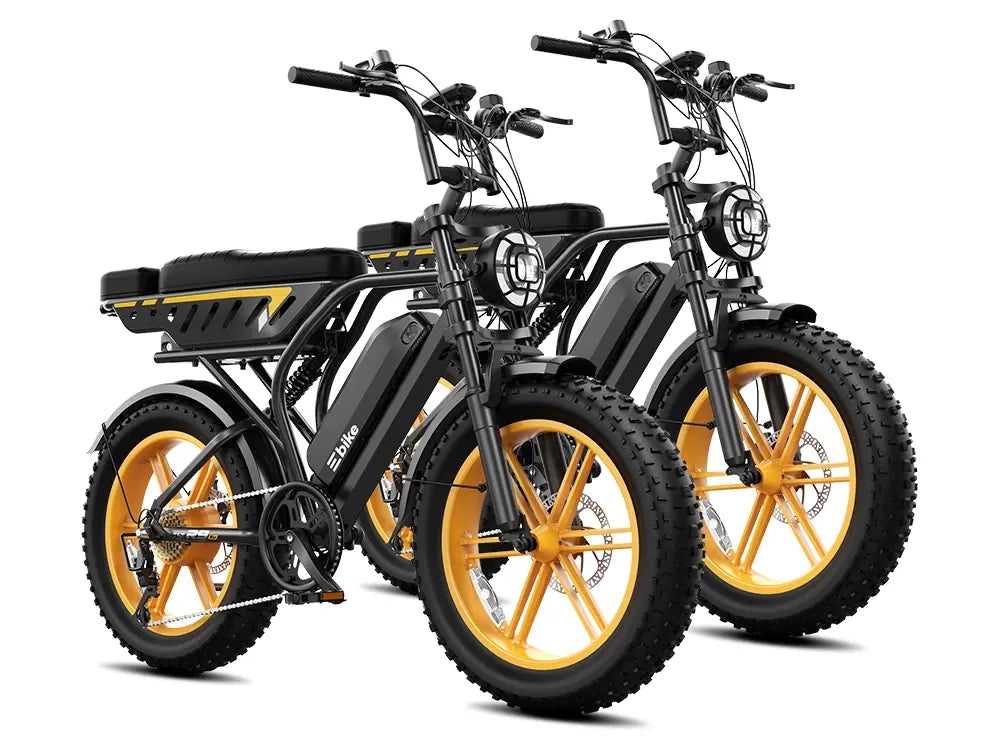

A moped-style e-bike and a cargo e-bike can look almost identical from across a parking lot: fat tires, a long padded saddle, a rear rack. But the question that actually matters isn't which one looks more like a hauler — it's whether the rack, frame, and accessory hardware on that specific model are rated and documented for the passenger or cargo load you plan to carry. A long seat is not a cargo rating, and a high "max load" number on a spec sheet is not the same as an approved child seat or rear-rack weight limit.
This distinction gets lost in most buying guides, which tend to describe the two styles by silhouette — moped look versus box-bike look — without checking what each model's own documentation says about who or what can legally and safely ride on the back. That gap is where wrong-fit purchases happen: a rider buys a moped-styled bike expecting cargo-bike utility, or assumes a stated 450-lb "max load" figure means the rear rack can take a child seat, when the rack itself may carry a much lower rating.
Start With the Task, Not the Look
Before comparing any two bikes, define what you actually need to do: carry a passenger or child, haul groceries and gear, or simply commute solo with occasional light cargo. Each of these tasks points to a different verification step, not a different aesthetic.
If the task is passenger or child transport, the only facts that matter are whether the manufacturer sells and documents a compatible child seat for that exact model, what weight limit the rack itself carries (not the bike's total payload figure), and what your local jurisdiction requires for e-bike passengers. If the task is grocery or gear hauling, you need the rack's cargo rating, the payload distribution the manual describes, and realistic range under load rather than the unloaded "up to" figure on the box. If the task is commuting with occasional light cargo, a standard rear rack and a documented — not assumed — weight limit may be all that's needed, and neither a moped-styled bike nor a dedicated cargo bike is automatically the right answer.
Moped Styling Is a Design Language, Not a Cargo Certification
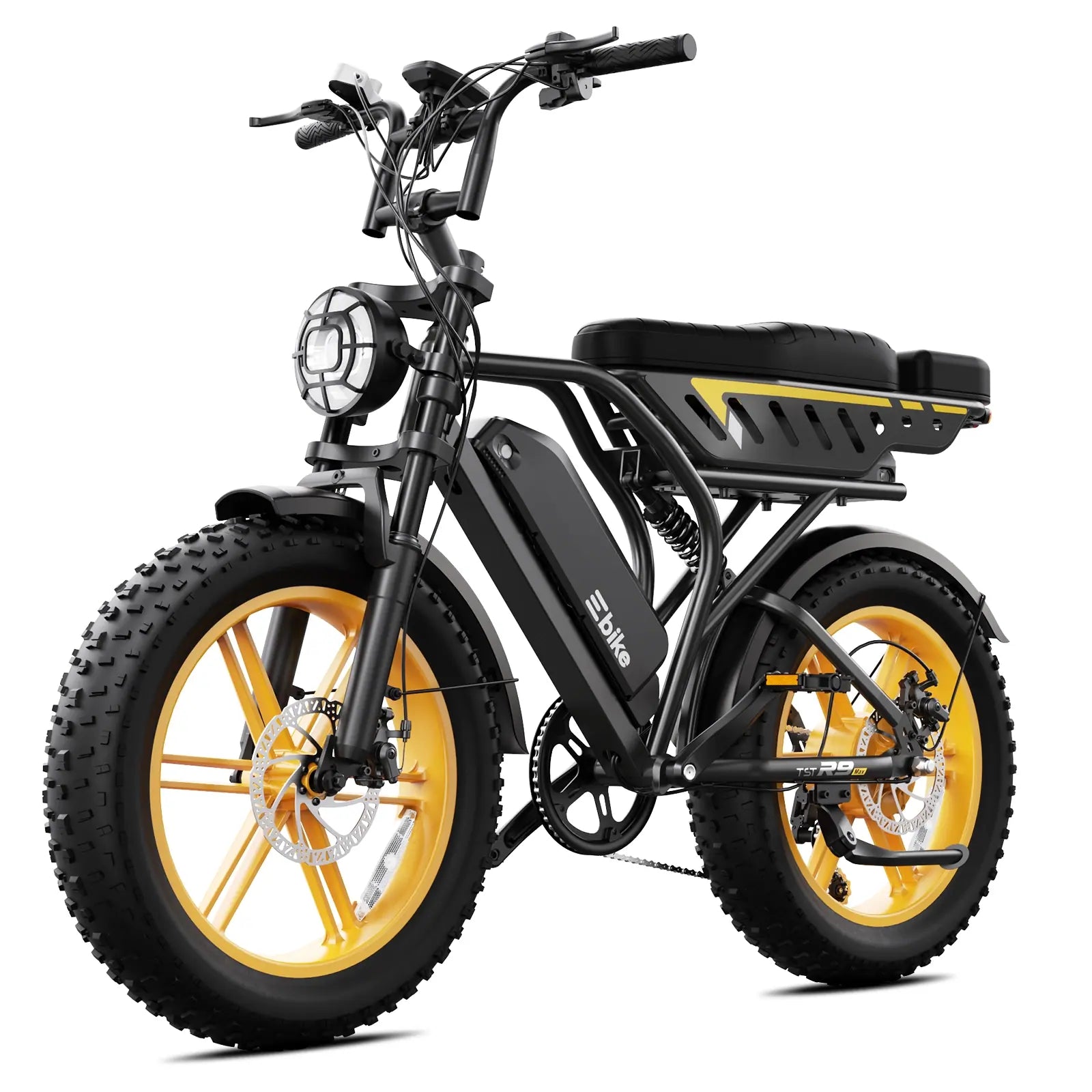
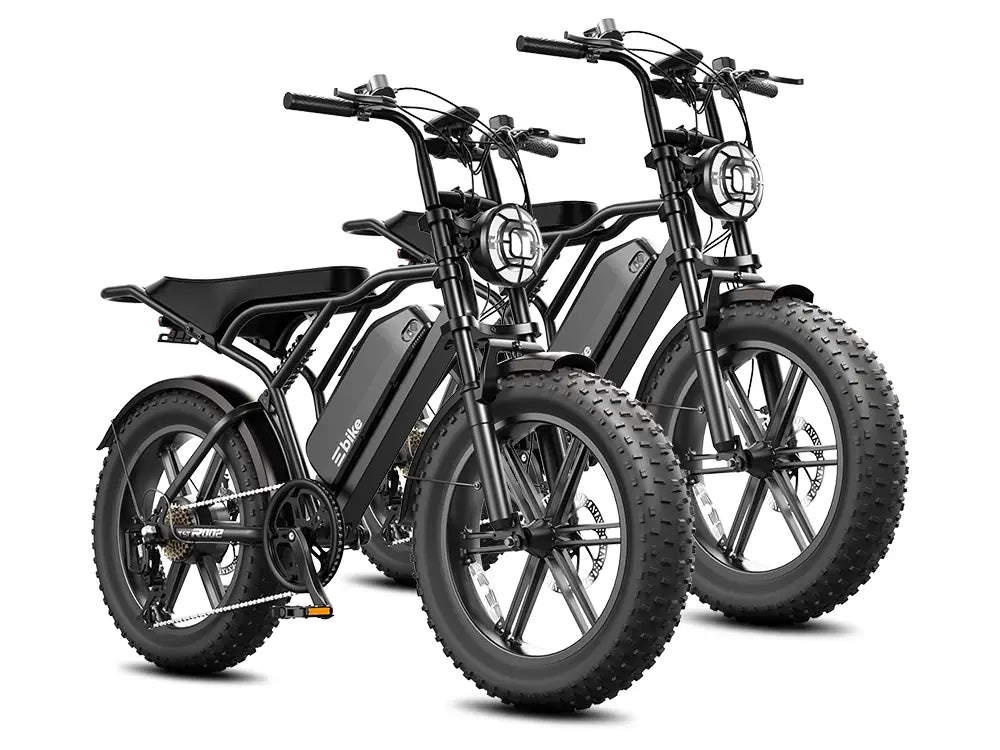
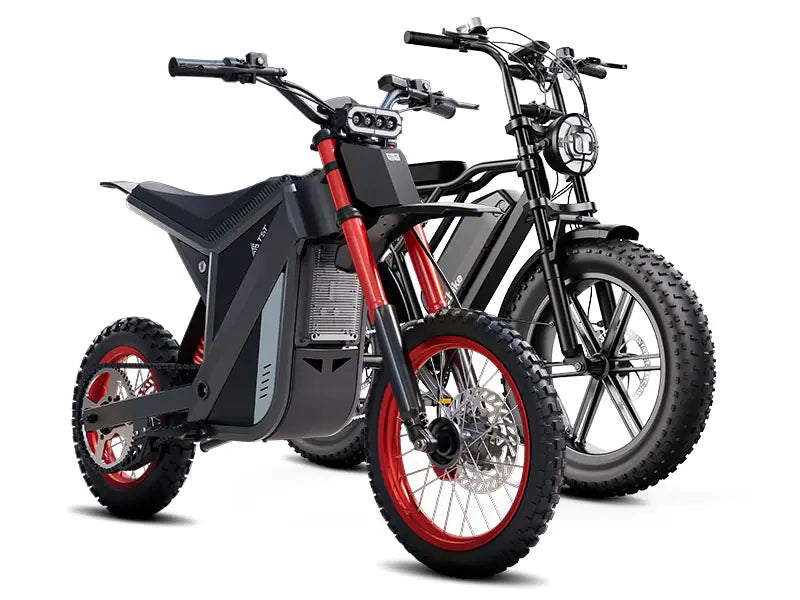
TST's own moped-style model, the R002, illustrates the core risk directly. It is built with a full-suspension frame, a 1,500 W peak rear hub motor, a 48V 15–25Ah removable battery, 20-by-4-inch fat tires, and hydraulic disc brakes, with a manufacturer-stated top speed of up to 32 mph and a claimed range of 65–100 miles depending on battery size. TST markets it as suitable for riders roughly 5'2" to 6'4", with a bike weight of about 71.9 lbs and a maximum load capacity of 450 lbs.
None of those figures says anything about approved passenger or child transport. The R002's saddle is a single, non-adjustable moped-style bench, and one independent review that measured the bike directly described it as "one size fits all" with a fixed seat position, not a rack-and-seat cargo system. TST's own marketing for the R002 references "solo or snug two-up" riding for its Standard and Plus configurations, but that phrase describes seat length, not a certified passenger accessory, harness, or load-tested rear structure. A long bench seat that can physically fit a second person is not the same evidence as a rack rated in pounds and an installation-tested child seat.
The same review noted that the R002 ships in a throttle-limited mode capped around 20 mph even though the motor and controller are capable of 32 mph, with the higher speed accessible through the manufacturer's companion app. That detail matters for classification, not just performance: how a bike is configured out of the box, and whether that configuration is later changed, can move it in or out of the low-speed e-bike categories that most state laws use.
Cargo Design Puts the Rating on the Rack, Not Just the Bike
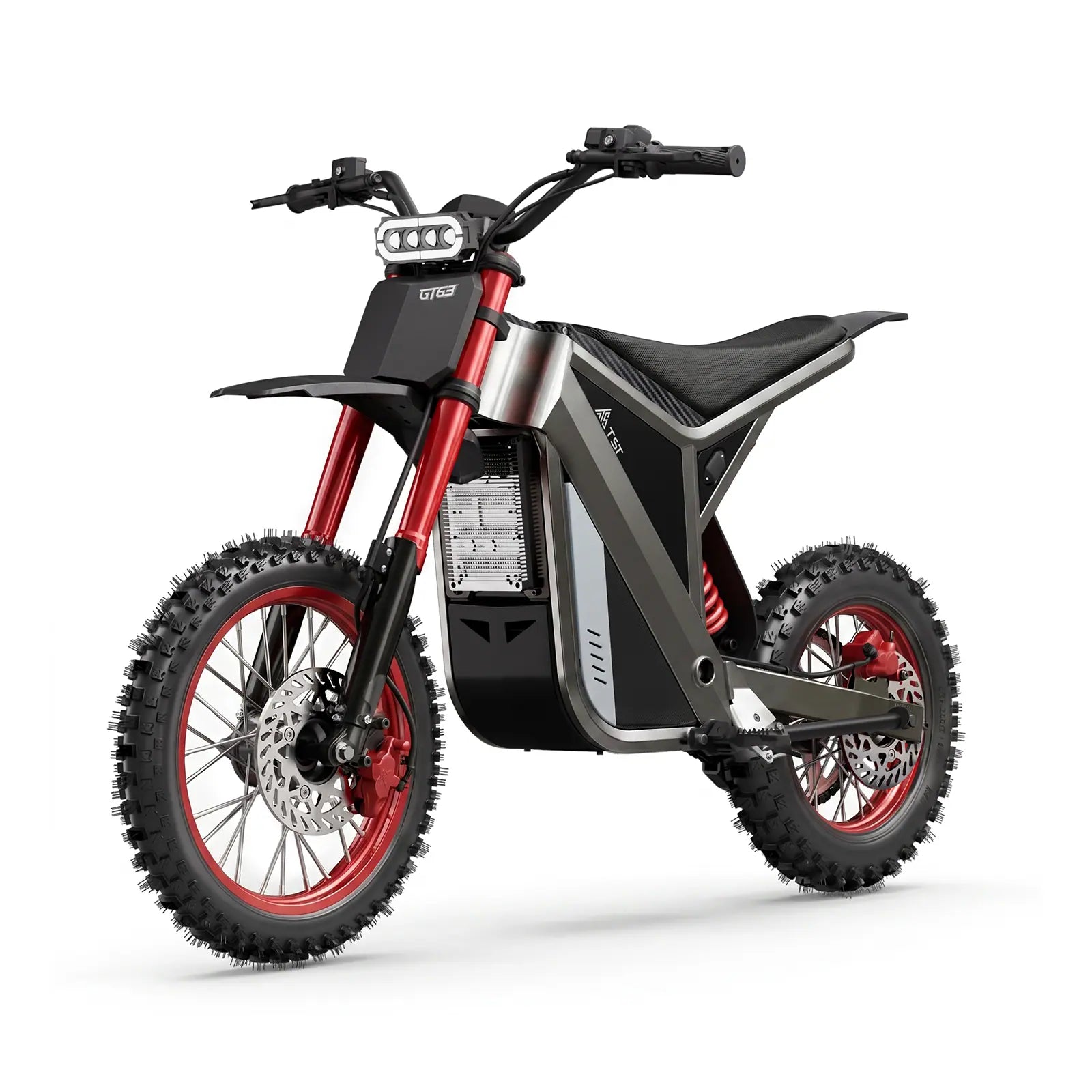
TST's cargo-labeled model, the Carrier 20", uses a 1,300 W peak rear hub motor, a 48V 15Ah battery, front suspension only, and a manufacturer-stated top speed of 28 mph with a claimed range up to 60 miles. Its overall bike weight is about 90.4 lbs — roughly 18 lbs heavier than the R002 — reflecting the reinforced frame and longer wheelbase (48.1 inches versus 37.5 inches on the R002) that a true cargo layout needs.
Here is where a careful reader has to slow down: TST's own published figures for the Carrier are not fully consistent with each other. The product page states a 450-lb total payload capacity and separately describes swapping "from child seat to 200 lb cargo deck" on the rear rack. A companion article on the same domain instead states the rear rack "supports up to 150 lbs of cargo or passengers." These are two different numbers for what should be the single most decision-critical spec on a cargo bike — the rack's own working limit, as distinct from the bike's total advertised payload capacity, which also includes rider weight. Given this conflict, treat the rack's true weight limit as unverified until you confirm the number printed in your unit's owner's manual or displayed on the rack itself, and do not rely on either published figure alone when deciding whether the rack can safely hold a specific child seat and child.
The Carrier does ship with a children's seat and running boards included in a bundled accessory package, which is a stronger passenger-readiness signal than the R002 offers. But "includes a children's seat" and "the rack is rated for X lbs" are two separate facts, and only the second one tells you whether a specific child's weight is within bounds. A real-world caution reinforces this: at least one buyer of a similarly sized longtail cargo e-bike reported the bike tipping with children aboard, and noted that a 150-lb rear-rack rating is a common ceiling for this bike category — well below the marketed total payload figure. That is a single reported experience, not a documented defect finding, but it illustrates why the rack number — not the total bike payload number — is the one to verify before loading a child seat.
The Comparison That Actually Decides the Purchase
Where the Two Formats Actually Diverge — and Where They Don't
A cargo format earns its role when the task requires a rack rated for a known weight, a documented child-seat mounting point, and a frame geometry built around carrying a second load zone stably at low speed. The Carrier's longer wheelbase and included accessory package point toward that role, but only once you've confirmed the rack's true rating from the manual rather than either marketing figure.
A moped-style format like the R002 earns its role when the task is a single rider who wants higher speed, more range, and motorcycle-inspired ergonomics, not family or grocery hauling. Its shorter wheelbase, fixed one-piece saddle, and lack of a documented passenger accessory make it a wrong-fit choice for child transport regardless of how spacious the seat looks or how high the "450-lb max load" figure reads on the spec sheet. That max-load number describes what the frame and wheels can structurally bear in total — rider plus any strapped-down cargo — not an approved arrangement for carrying a second person.
Neither model's page constitutes proof of road legality. Federal law defines a "low-speed electric bicycle" as a two- or three-wheeled vehicle with operable pedals and a motor under 750 watts that cannot exceed 20 mph on motor power alone with a 170-lb rider. Both the R002 (1,500 W peak, up to 32 mph) and the Carrier (1,300 W peak, 28 mph) exceed that federal threshold on paper, meaning their legal treatment depends on the exact state and local vehicle code where they'll be ridden, not on the manufacturer's "e-bike" label. Most states instead use a three-class model — Class 1 and 2 capped at 20 mph, Class 3 capped at 28 mph pedal-assist — but adoption and exact wording vary by state, and unlocking a throttle-limited speed cap, as one reviewer described doing with the R002's companion app, can move a bike out of its as-shipped classification entirely. Confirm your state's specific rule before assuming either bike is street-legal without a license, registration, or insurance.
Verify Before You Buy or Load Either Bike
Confirm four things directly against the exact model and current documentation, not against how the bike looks in photos: the printed rack weight rating in the manual or on the rack decal itself; whether a manufacturer-listed child seat or passenger accessory exists for that specific model and has installation instructions; your state and local law on e-bike classification, since both models' motor output and top speed sit above the federal 750 W / 20 mph low-speed threshold; and the bike's configured (not unlocked) speed mode, since altering it can change both safety margins and legal status.
Once those four points are confirmed for your situation, compare the exact current specifications and pricing for the TST Carrier cargo e-bike against the TST R002 moped-style e-bike, or review the full lineup on the TST model comparison page to weigh other frame styles against your specific rack and passenger requirements.

Leave a comment
This site is protected by hCaptcha and the hCaptcha Privacy Policy and Terms of Service apply.