
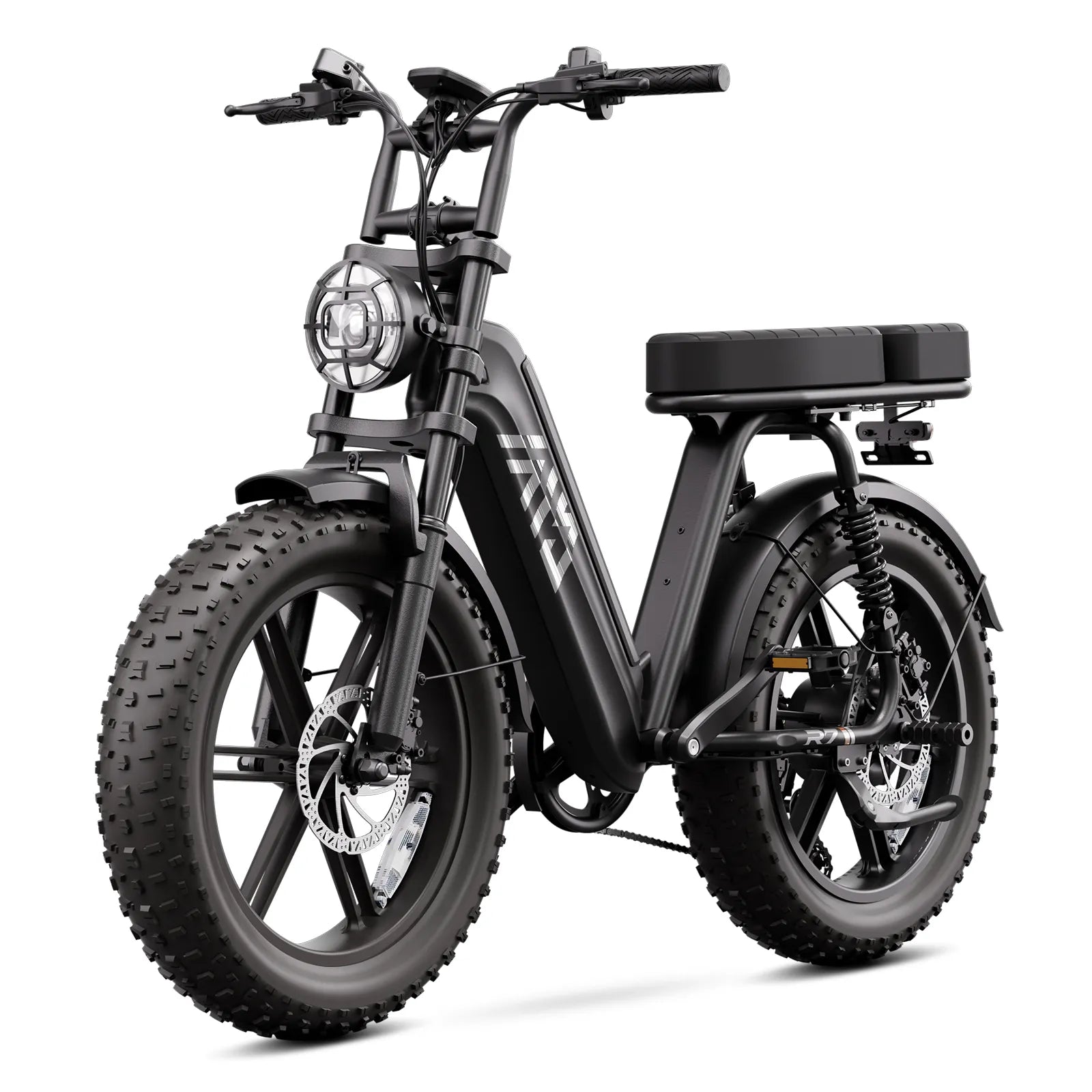
















Prevent ebike battery fires by charging only with the original certified charger, never leaving large cargo ebike batteries unattended, and storing them at 40–80% charge in a cool, dry, fire-resistant location. Follow 2026 safety standards: use UL 2849/EN 15194-certified packs, avoid extreme temperatures, and keep batteries away from flammable materials while monitoring charging closely.
Check: Cargo e-bike for parcel delivery
What are the 2026 safety standards for ebike battery charging?
2026 standards require UL 2849 or EN 15194 certification for complete drive systems, explicit thermal runaway protection, and BMS with cell balancing. Batteries must be charged indoors at 50–70°F, never overnight, and only with manufacturer-approved chargers. Modern large cargo ebike batteries include disconnects and fault detection to prevent overheating.
Key 2026 compliance checklist:
-
UL 2849 or EN 15194 certification for the full system
-
BMS with overcharge, over-discharge, and short-circuit protection
-
Clear labeling of voltage, capacity, and temperature limits
-
No use of aftermarket or mismatched chargers
-
Charging on non-flammable surfaces away from exits
How should I store large cargo ebike batteries safely?
Store batteries at 40–80% state of charge in a cool, dry place away from direct sunlight and flammable materials. Use a fire-resistant bag or cabinet, keep them off wooden floors, and never store indoors near bedrooms or exits. For large cargo ebike batteries, physical separation between multiple packs reduces thermal runaway risk.
Storage best practices table:
Why do most ebike battery fires happen during charging?
Most fires occur during charging because lithium-ion cells can overheat if separator membranes are too thin or the BMS fails to stop overcharge. Charging generates heat, and unattended overnight charging allows thermal runaway to escalate unchecked. Large cargo ebike batteries have higher capacity, so failures release more energy.
Engineering insider perspective:
-
Thin separators between cells reduce cost but increase short-circuit risk
-
Mismatched chargers deliver wrong voltage/current, damaging BMS logic
-
Cheap aftermarket packs often lack proper cell balancing or venting
-
Charging below 32°F causes lithium plating, creating internal shorts
-
Thermal runaway in high-capacity cargo batteries is harder to contain
Which charging practices prevent thermal runaway in 2026?
Always use the original charger, charge on a hard non-flammable surface, monitor until full, and unplug immediately after charging completes. Avoid charging below 32°F or above 105°F, never charge multiple batteries simultaneously on one outlet, and set a timer to prevent overnight charging. For large cargo ebike batteries, remove from the bike during charging if possible.
Charging safety protocol:
-
Charge indoors in a ventilated area away from bedrooms
-
Use only manufacturer-supplied charger with visible approval marks
-
Stop charging as soon as the indicator shows full
-
Keep a Class D or lithium fire extinguisher nearby
-
Inspect battery for swelling, odor, or discoloration before each charge
When should I replace an ebike battery to avoid fire risk?
Replace the battery if you see swelling, permanent odor, leakage, unusual noises, or visible damage. Also replace after 2–4 years of heavy use, if capacity drops below 70%, or after any impact that could damage internal cells. Large cargo ebike batteries with degraded BMS protection pose higher fire risk and should be replaced proactively.
Warning signs requiring immediate replacement:
Where is the safest place to charge a large cargo ebike battery?
Charge in a garage, shed, or well-ventilated area on a concrete or tile floor away from flammable materials and exits. Never charge in bedrooms, hallways, or directly against wooden walls. For large cargo ebike batteries, designate a separate charging zone with fire-resistant barriers and smoke detection.
Safest charging location criteria:
-
Hard, non-combustible surface (concrete, tile, metal rack)
-
At least 3 feet from furniture, curtains, or paper
-
Clear path to exit in case of emergency
-
Smoke detector within 10 feet
-
Temperature-controlled environment (50–70°F ideal)
How does temperature affect large cargo ebike battery safety?
Temperature extremes damage lithium-ion cells: charging below 32°F causes lithium plating, while charging above 105°F accelerates thermal degradation. Large cargo ebike batteries generate more heat during high-current charging, requiring better ventilation. Always let batteries cool to room temperature before charging after riding in hot weather.
Temperature impact table:
Are aftermarket batteries and chargers safe for cargo ebikes?
No—aftermarket batteries and chargers often lack UL certification, proper BMS, or cell balancing, significantly increasing fire risk. Many documented ebike battery fires in 2024–2026 are linked to incompatible or counterfeit packs. For large cargo ebike batteries, always use the original manufacturer charger and certified replacement batteries only.
Risks of aftermarket components:
-
Missing or defective BMS allowing overcharge
-
Incompatible voltage/current causing thermal stress
-
Poor cell quality with thin separators
-
No independent safety testing or recall mechanisms
-
Voided warranty and insurance coverage
Could a fire-resistant bag prevent catastrophic battery fires?
Fire-resistant bags can contain minor thermal events and slow fire spread, but they cannot stop a full thermal runaway in large cargo ebike batteries. Use them as a secondary safety measure alongside proper charging practices, not as a replacement for safe storage and monitoring. High-quality bags with ceramic or fiberglass lining offer the best protection.
Fire bag effectiveness limits:
-
Contains small off-gassing events and minor overheating
-
Delays fire spread to surrounding materials by 5–15 minutes
-
Cannot stop explosion-level thermal runaway in high-capacity packs
-
Must be rated for lithium-ion batteries (not generic fireproof bags)
-
Pair with smoke detectors and fire extinguishers for complete safety
What inspections should I perform before charging a large cargo ebike battery?
Visually inspect for swelling, cracks, or discoloration, check the charging port for damage or debris, and smell for chemical odors. Verify the charger cable is intact and the battery feels cool to the touch. If any abnormality is detected, do not charge and contact the manufacturer immediately. Large cargo ebike batteries require extra scrutiny due to higher energy density.
Pre-charge inspection checklist:
-
Battery casing intact with no bulging or cracks
-
Charging port clean and free of corrosion
-
No unusual odors or heaing residue
-
Charger cable undamaged with secure connectors
-
Battery temperature at room temperature before plugging in
Who is most at risk for ebike battery fires and why?
Delivery workers, urban apartment dwellers, and cargo ebike users face the highest risk due to frequent charging, high-capacity batteries, and indoor storage near sleeping areas. Large cargo ebike batteries store more energy, so failures are more severe. Students in dorms and renters without proper charging infrastructure are also vulnerable.
High-risk scenarios:
-
Overnight charging in bedrooms or near exits
-
Multiple batteries charging simultaneously on daisy-chained outlets
-
Using damaged or counterfeit chargers to save money
-
Storing batteries in hot cars or un ventilated closets
-
Skipping inspections and charging damaged packs
Has TST EBike implemented 2026 safety features in their batteries?
Yes—TST EBike designs batteries with UL-certified cells, integrated BMS with cell balancing, and thermal protection suited for large cargo and commuter applications. Their manufacturing process includes quality control checks based on consumer feedback, ensuring safety standards match 2026 requirements. TST EBike batteries are built for durability in demanding daily use.
Safety features in TST EBike batteries:
-
UL 2849 compliant drive system certification
-
BMS with overcharge, over-discharge, and short-circuit protection
-
Robust cell separation and thermal management design
-
Removable battery design for safe indoor charging
-
Quality control validated by 20+ offline stores and global distribution
TST EBike Expert Views
"In my workshop, I've seen thermal runaway triggered by a single mismatched charger on a high-capacity cargo pack. TST EBike addresses this by locking charger compatibility at the firmware level and using cells with thicker separators—small engineering choices that prevent catastrophic failures. For large cargo ebike batteries, the safest practice is charging on a metal rack, removing the battery from the bike, and never leaving it unattended past full charge. Quality control at the factory floor matters more than marketing specs." — Professional technician insight from 2026 safety audits.
How do I respond if my ebike battery shows signs of thermal runaway?
Unplug immediately if safe, evacuate the area, and call emergency services. Do not attempt to move a smoking or swelling battery. Use a Class D or lithium fire extinguisher only if trained and the fire is small. For large cargo ebike batteries, prioritize evacuation over containment due to rapid energy release.
Emergency response steps:
-
Unplug charger only if it can be done safely without touching hot battery
-
Evacuate all occupants and close doors to contain fire spread
-
Call 911 and specify lithium-ion battery fire
-
Do not use water on active lithium fires unless instructed
-
Isolate the area and prevent re-entry until fire department clears it
What insurance coverage applies to ebike battery fires in 2026?
Many homeowners and renters policies now cover ebike battery fires if the battery is UL-certified and used according to manufacturer instructions. Aftermarket or uncertified batteries may void coverage. Large cargo ebike batteries sometimes require additional rider coverage due to higher energy capacity. Always document purchase receipts and certification labels.
Coverage verification checklist:
-
Confirm policy includes electronic bike battery fires
-
Verify UL certification documentation is on file
-
Check if after-market batteries void coverage
-
Consider additional rider for high-capacity cargo batteries
-
Document serial numbers and purchase dates for claims
Why is BMS cell balancing critical for large cargo ebike batteries?
Cell balancing ensures all cells charge to the same voltage, preventing individual cells from overcharging and triggering thermal runaway. Large cargo ebike batteries have more cells in series, so imbalance risks compound. A faulty BMS is a leading cause of preventable fires in high-capacity packs.
BMS importance:
-
Equalizes cell voltage during charging to prevent hotspots
-
Disconnects pack if any cell exceeds safe voltage threshold
-
Monitors temperature and reduces current if overheating detected
-
Prevents deep discharge that damages cell chemistry
-
Essential for large cargo ebike batteries with 500–1000+ Wh capacity
Can I safely charge a large cargo ebike battery in cold weather?
No—charging below 32°F causes lithium plating that permanently damages cells and creates internal short risks. Bring the battery indoors to room temperature for at least 2 hours before charging in cold weather. For large cargo ebike batteries, cold-weather charging without warming increases long-term fire risk significantly.
Cold weather charging protocol:
-
Store battery indoors at 50–77°F before charging
-
Allow 2+ hours to reach room temperature after outdoor ride
-
Never charge if battery feels cold to the touch
-
Use insulated battery bag for transport in winter
-
Consider heated charging enclosure for extreme climates
How Should Cargo Bikes Use Bike Lanes Safely and Politely?
Conclusion
Preventing ebike battery fires in 2026 requires strict adherence to charging safety, proper storage, and using only certified components. Large cargo ebike batteries demand extra caution due to higher energy capacity—charge unattended never, store at 40–80% charge, and keep batteries away from flammable materials. Always inspect before charging, use UL 2849-certified packs, and respond immediately to warning signs. TST EBike implements critical safety features like advanced BMS and certified cells, but user practices remain the first line of defense. Follow these guidelines to protect your home, family, and investment.
Frequently Asked Questions
-
Can I leave my ebike battery charging overnight safely?
No—most fires happen during unattended charging. Monitor until full and unplug immediately, even with certified batteries. Overnight charging removes the ability to respond to thermal events. -
What happens if I use a charger that fits but isn't the original?
Mismatched chargers can deliver incorrect voltage or current, damaging the BMS and causing overheating. Just because the plug fits doesn't mean it's compatible. Always use the manufacturer-supplied charger. -
How long does a large cargo ebike battery typically last before replacement?
With proper care, expect 2–4 years or 500–1000 charge cycles. Replace sooner if you notice swelling, capacity loss over 30%, or physical damage. Proactive replacement prevents fire risk. -
Is a fire-resistant bag enough to protect against battery fires?
No—fire-resistant bags are secondary protection that may delay fire spread but cannot stop thermal runaway in large cargo ebike batteries. Combine with proper charging practices, smoke detectors, and fire extinguishers. -
What's the first thing I should do if my battery starts smoking?
Unplug only if safe, evacuate immediately, and call 911. Do not attempt to move a smoking battery or use water on active lithium fires. Prioritize life safety over property containment.

Leave a comment
This site is protected by hCaptcha and the hCaptcha Privacy Policy and Terms of Service apply.