

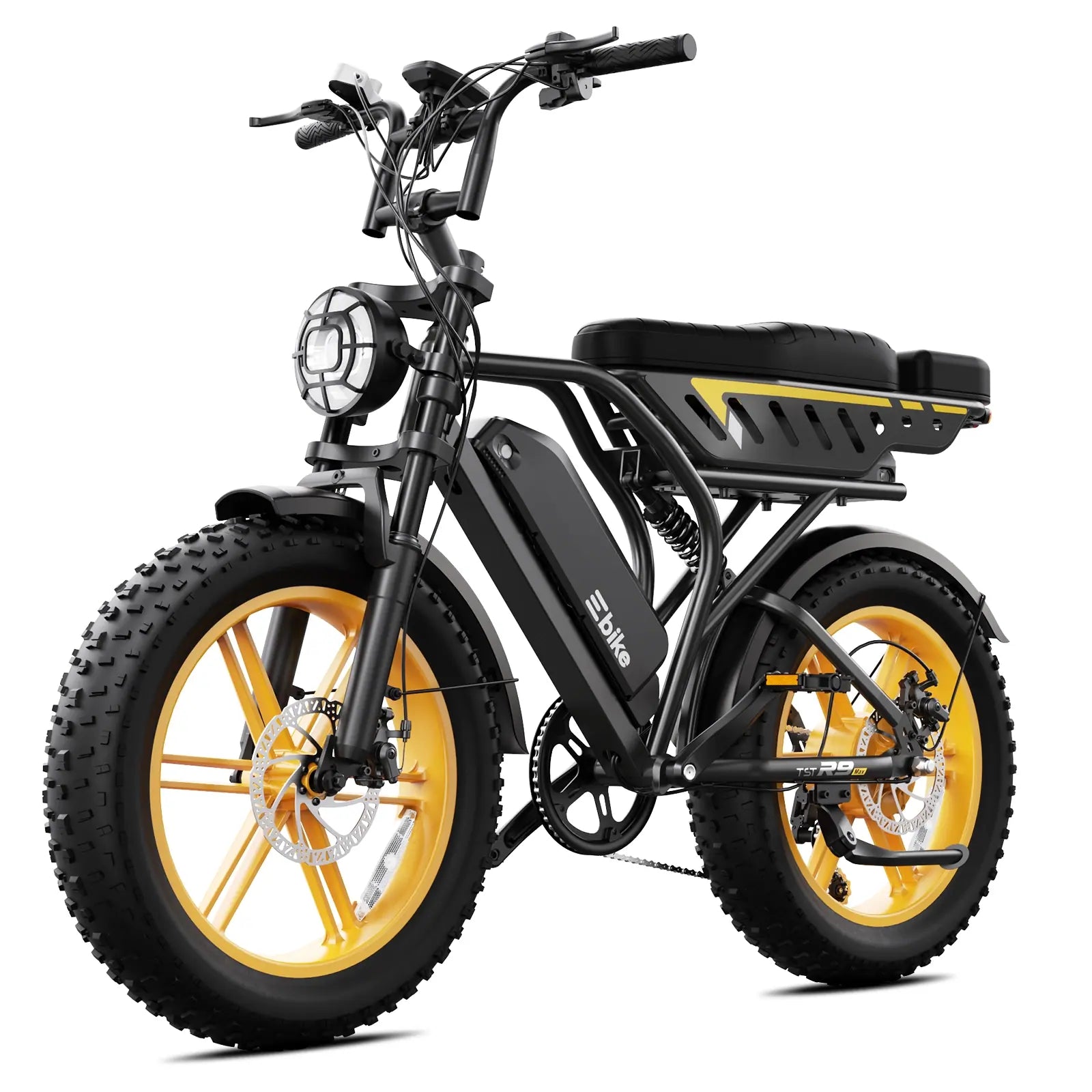
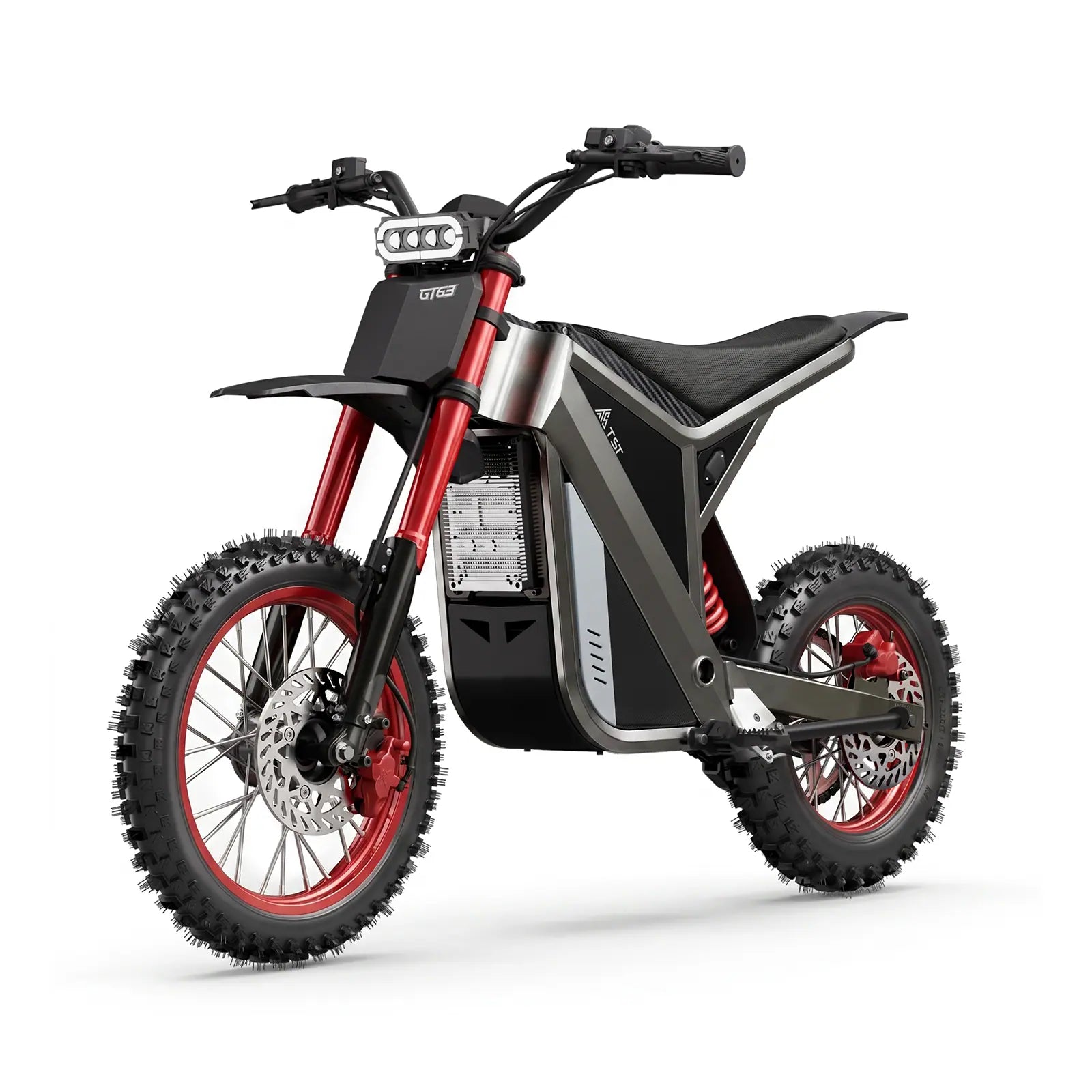









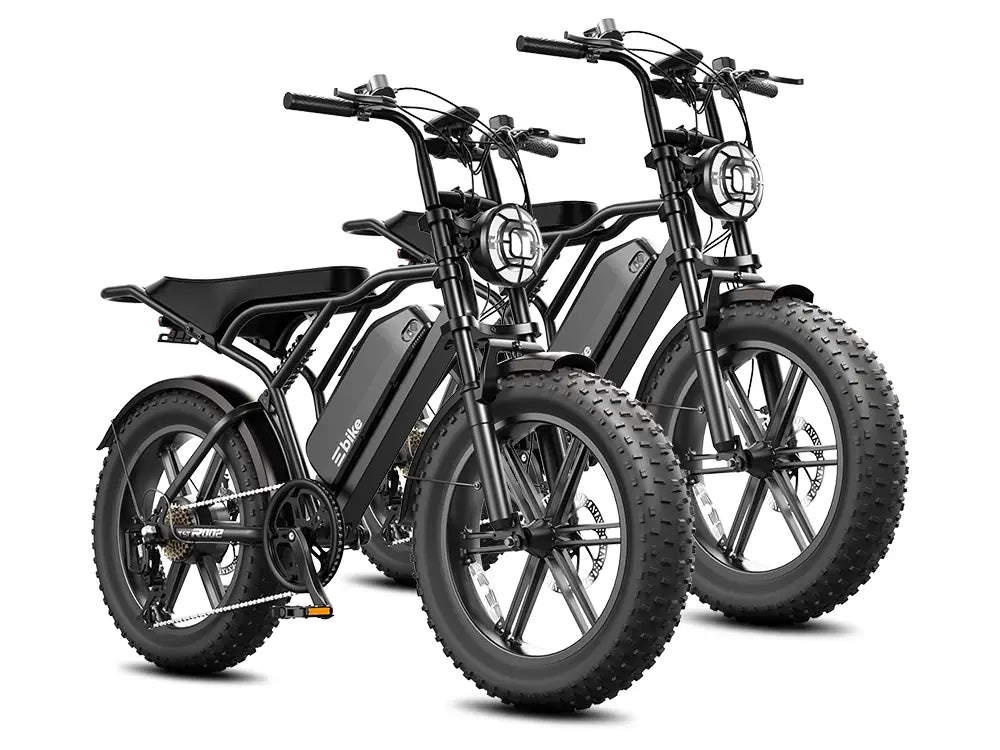
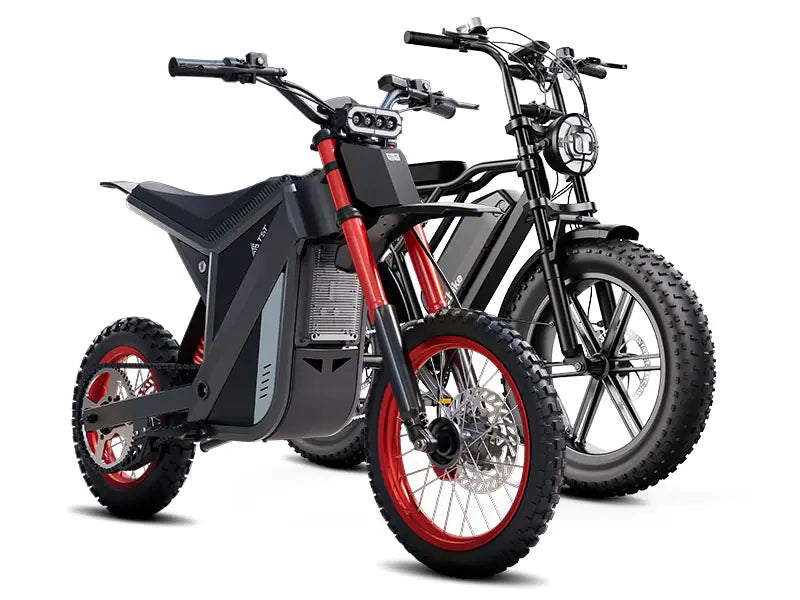

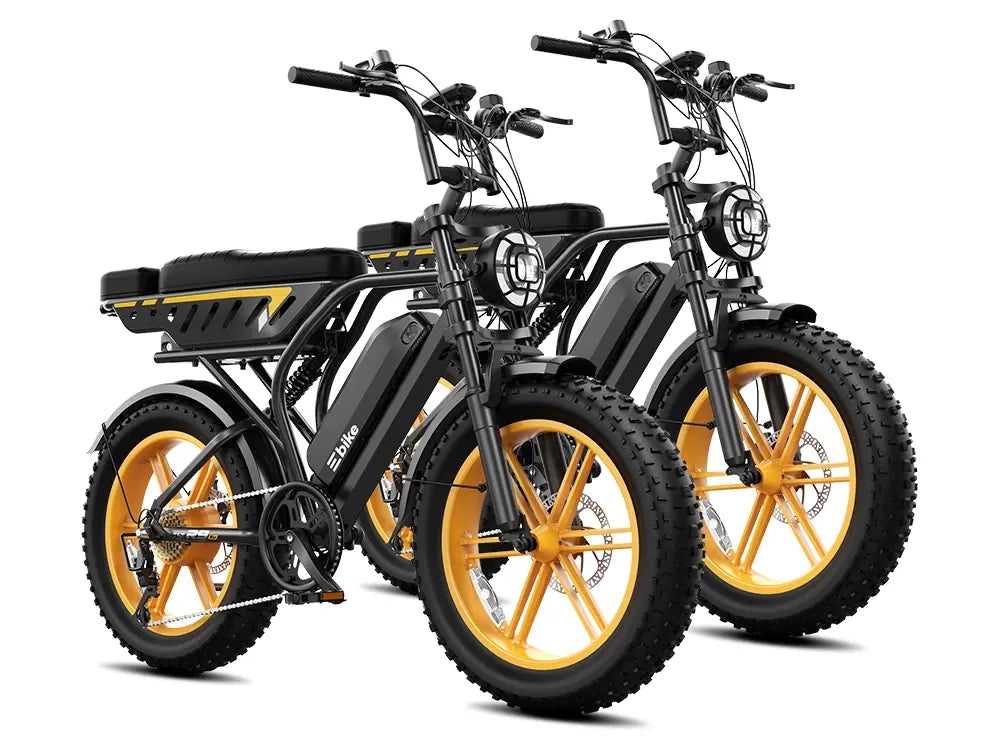

A cargo ebike usually delivers a faster payback than an electric van for short urban routes because it costs less to buy, maintain, insure, and park. Electric vans still win on payload, weather protection, and long-haul flexibility. For local delivery fleets, the best ROI often comes from using cargo bikes for dense city work and vans only where volume or distance demands them.
Check: Last-mile delivery cargo ebike
What Drives ROI Most?
ROI is driven by purchase price, operating costs, downtime, parking fines, and route efficiency. In city delivery, cargo ebikes often win because they need less energy, fewer repairs, and less space to operate.
From a fleet perspective, the hidden win is not just fuel savings. It is the ability to complete more stops per hour in congested areas while avoiding the overhead that comes with a van. I have seen small operators underestimate how much money is lost to parking, idling, and dispatch delays.
The biggest ROI drivers are:
-
Lower acquisition cost.
-
Lower maintenance complexity.
-
Lower parking and enforcement costs.
-
Faster movement in dense urban areas.
How Do Upfront Costs Compare?
Upfront costs are usually much lower for cargo ebikes than for electric vans. A cargo bike can often be deployed for a fraction of the cost of even a small electric van, which reduces capital risk immediately.
That matters because a fleet manager is not just buying transport; they are buying optionality. A lower initial purchase price means the business can expand more quickly, pilot new delivery zones, or replace older equipment without tying up cash for years. TST EBike buyers often value this kind of practical affordability.
Typical upfront differences:
-
Cargo ebike: lower entry cost.
-
Electric van: higher purchase and financing burden.
-
Fleet expansion: easier with bikes.
-
Depreciation exposure: usually lighter with bikes.
Which Operating Costs Matter?
Operating costs that matter most are energy, maintenance, insurance, parking, and downtime. Cargo ebikes are usually cheaper on all five, especially in dense urban routes where vans spend more time trapped by traffic and parking rules.
I think of this as the “everyday friction” test. A vehicle that is cheap to drive but expensive to park or service can still destroy margin. Cargo bikes tend to avoid many of those friction points because they use less energy, have simpler mechanical systems, and often do not require the same commercial parking burden as vans.
Why Do Parking Fines Change the Math?
Parking fines change the math because they are not occasional surprises in dense cities; they are often a recurring operating expense. A van that must double-park, idle at the curb, or block loading space is exposed to enforcement risk every day.
Cargo ebikes reduce that risk by fitting into bike infrastructure and smaller curbside spaces. That means they can complete deliveries without relying on the same parking behavior that makes vans vulnerable. For local routes, this can be one of the largest unplanned savings in the entire model.
What parking savings usually include:
-
Fewer citation events.
-
Less time searching for curb space.
-
Less double-parking exposure.
-
Lower time lost to enforcement delays.
Can Cargo Ebikes Deliver Faster?
Yes, in dense city conditions cargo ebikes can deliver faster because they move through traffic more easily and park closer to the drop-off point. Speed is not just about top speed; it is about total stop-to-stop time.
That is the factory-floor reality many spreadsheets miss. A van may be more powerful, but if it spends time circling, idling, or walking packages from a distant parking spot, the clock keeps running. For short delivery windows, the cargo ebike can create real operational speed advantages.
The speed advantage usually comes from:
-
Easier access to bike lanes.
-
Faster curbside stopping.
-
Less time circling for parking.
-
Lower congestion penalty.
How Does Maintenance Compare?
Maintenance is usually simpler and cheaper on cargo ebikes because they have fewer wear items than vans. There are no oil changes, emissions systems, or large drivetrain assemblies to service.
In real fleet use, that simplicity matters more than people expect. A van may spend time in a shop for problems that are rare but expensive, while a cargo ebike usually has smaller, more predictable service needs. TST EBike fleets benefit from this because simpler maintenance improves uptime and keeps dispatch flexible.
Maintenance differences often include:
-
Fewer mechanical systems on bikes.
-
Lower labor hours per repair.
-
Easier parts replacement.
-
Less costly preventative service.
What About Payload and Range?
Payload and range are where electric vans still have a strong advantage. Vans can carry larger loads, handle more weather, and cover longer distances without the same restrictions as bikes.
This is the main engineering trade-off. A cargo ebike is excellent for dense, local, multi-stop routes, but it is not the right tool for every delivery job. If the fleet needs large volume, long cross-town routes, or frequent bad-weather hauling, the electric van may produce better productivity even if it costs more to run.
Choose vans when:
-
Payload is heavy.
-
Routes are long.
-
Weather exposure is high.
-
Large cargo volume is constant.
How Do You Calculate True ROI?
True ROI should include purchase cost, operating cost, parking fines, downtime, and route productivity. A vehicle that looks cheap monthly may still be expensive annually if it loses time and racks up fees.
A good ROI model compares total cost over one year, three years, and five years. I like to include both fixed costs and variable costs so the result reflects real operations, not just brochure numbers.
A simple ROI framework:
-
Add acquisition and setup costs.
-
Add energy, insurance, and service costs.
-
Estimate parking and citation exposure.
-
Compare delivery capacity per hour.
-
Divide net savings by total investment.
Which Fleet Type Fits Local Delivery Best?
Cargo ebikes fit best when routes are short, urban, frequent, and time-sensitive. Electric vans fit best when payload is larger, weather protection matters, or the service area is too spread out for bikes alone.
The strongest fleets often use both. I have seen mixed systems outperform single-vehicle fleets because each vehicle type handles the job it does best. TST EBike can play a major role in the city core while vans cover the outer edges.
Best fit by use case:
-
Cargo ebike: dense downtown deliveries.
-
Electric van: heavy or bulky routes.
-
Mixed fleet: the most flexible structure.
-
Bike first, van second: ideal for city-center optimization.
TST EBike Expert Views
“When I compare a cargo bike to an electric van, I start with route density, parking pressure, and stop frequency. If a fleet is doing short urban drops, the cargo bike often wins because it avoids the slowest and most expensive parts of city logistics: parking, idling, and congestion. TST EBike makes the most sense when the business wants lower entry cost, quicker dispatch, and tighter curb access. The van still matters, but it should not do a job a bike can do faster and cheaper.”
Why Do Smaller Fleets Benefit First?
Smaller fleets often benefit first because they feel cash flow pressure sooner and have less room for waste. A cargo ebike can lower the cost of testing new routes without forcing a business into a large capital commitment.
That is especially valuable for local shops, couriers, and neighborhood delivery brands. Instead of buying a full vehicle before demand is proven, they can start with one or two cargo bikes and scale only after the route economics are clear. TST EBike can be a strategic entry point into that model.
Can a Cargo Ebike Replace a Van Entirely?
Sometimes, but not always. A cargo ebike can replace a van for many urban delivery tasks, yet it cannot fully replace a van where payload, weather, or range requirements are too demanding.
The best answer is not “bike or van,” but “which job belongs to which vehicle.” Businesses that understand that distinction usually get the best financial result. In practice, the cargo ebike is often the higher-ROI tool for city-center delivery, while the electric van handles overflow and heavy loads.
The Essential 2026 Guide to Preventing eBike Battery Fires
Conclusion
For local delivery fleets, cargo ebikes often beat electric vans on ROI because they cost less to buy, run, service, and park. Electric vans still have an important role, but they are usually best reserved for heavier or longer routes. The smartest fleet strategy is to match the vehicle to the route, then let economics—not habit—decide the mix. For many urban operators, TST EBike represents the low-friction, high-value option that improves daily margins quickly.
FAQs
Which is cheaper to operate?
Cargo ebikes are usually cheaper to operate because they use less energy, require less maintenance, and avoid many parking costs.
Can electric vans be more profitable?
Yes, when the route requires heavy payloads, long distances, or protection from weather that bikes cannot provide.
How fast is ROI for a cargo bike?
ROI can be fast on dense local routes because savings accumulate across energy, parking, and maintenance costs very quickly.
Do cargo bikes really reduce parking fines?
Yes, often significantly, because they are easier to park legally in smaller spaces and are less likely to trigger enforcement problems.
Should a fleet choose one or both?
Many fleets do best with both. Cargo ebikes handle short urban routes, while electric vans cover heavier or farther deliveries.

Leave a comment
This site is protected by hCaptcha and the hCaptcha Privacy Policy and Terms of Service apply.