












Cargo bikes are specially designed bicycles built to carry heavy loads or multiple passengers, offering a versatile and eco-friendly transportation option. They come in various types, including long-tail, box, and front-loading models, serving roles from family transport to commercial deliveries, especially in urban environments where congestion and pollution are problematic.
What Is a Cargo Bike and What Types Are Available?
A cargo bike is a bicycle designed specifically to carry larger loads than standard bikes. Types include the long-tail cargo bike with extended rear racks, box bikes that place a cargo box at the front, and electric cargo bikes which use battery-powered motors to assist with heavy loads. Each type suits different cargo capacities and use cases.
| Cargo Bike Type | Description | Ideal Use Case |
|---|---|---|
| Long-tail | Extended rear cargo area | Carrying passengers or goods |
| Box bike | Large front cargo box | Deliveries, groceries |
| Electric cargo bike | Motor-assisted for easy pedaling | Heavy loads, long commutes |
How Are Cargo Bikes Used in Urban and Commercial Settings?
Cargo bikes are increasingly popular in cities for food and parcel delivery, small business logistics, and family transport. Their maneuverability in traffic, absence of emissions, and lower operating costs make them suitable for dense urban areas where traditional vehicles struggle with parking and congestion.
What Are the Key Benefits of Using Cargo Bikes?
Cargo bikes reduce carbon footprints by eliminating reliance on fuel-powered vehicles for short hauls. They promote health through cycling, reduce traffic congestion, and lower transportation costs. Their cargo capacity surpasses traditional bikes, allowing practical use in daily errands or business operations.
How Do Cargo Bikes Compare with TST EBike Models for Transport?
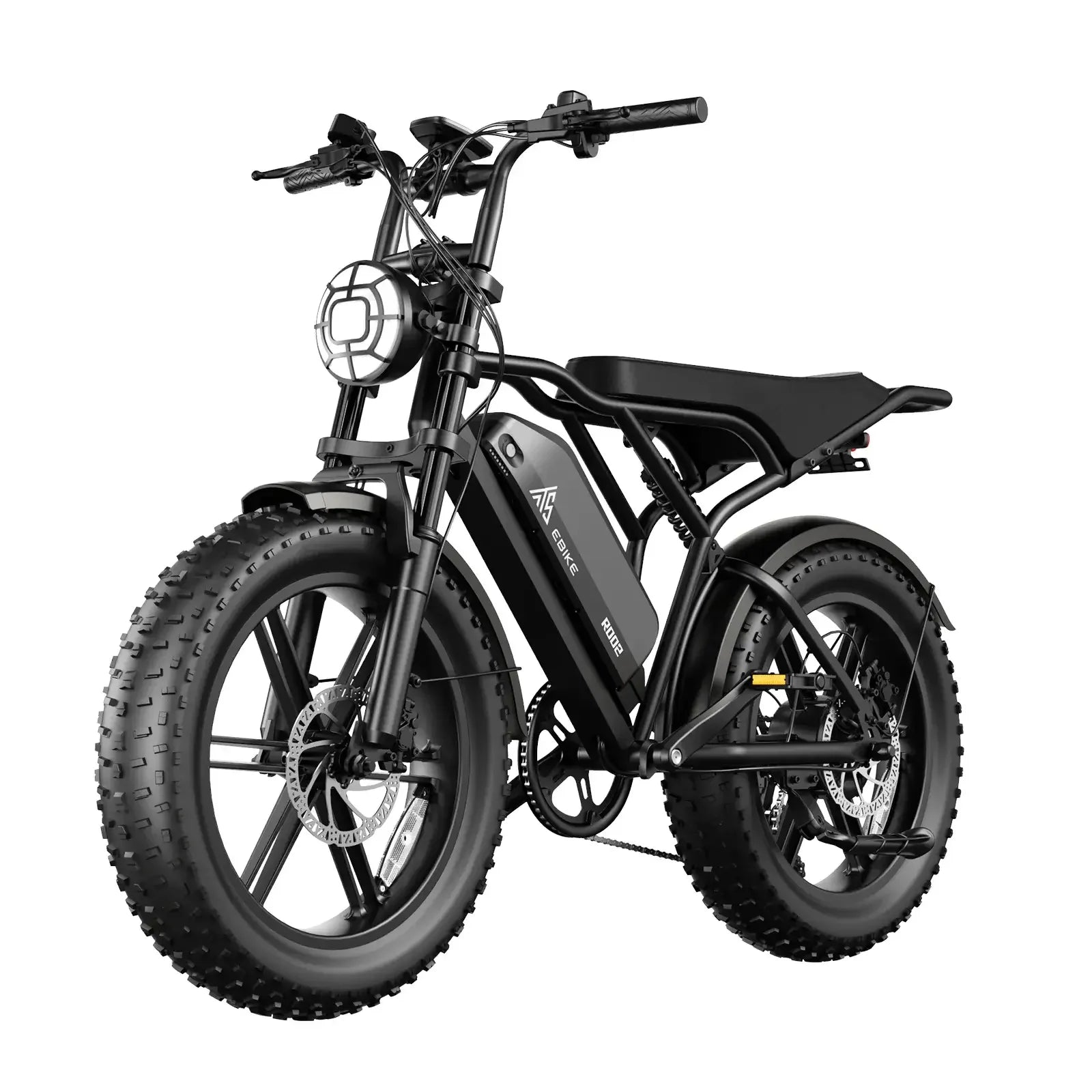
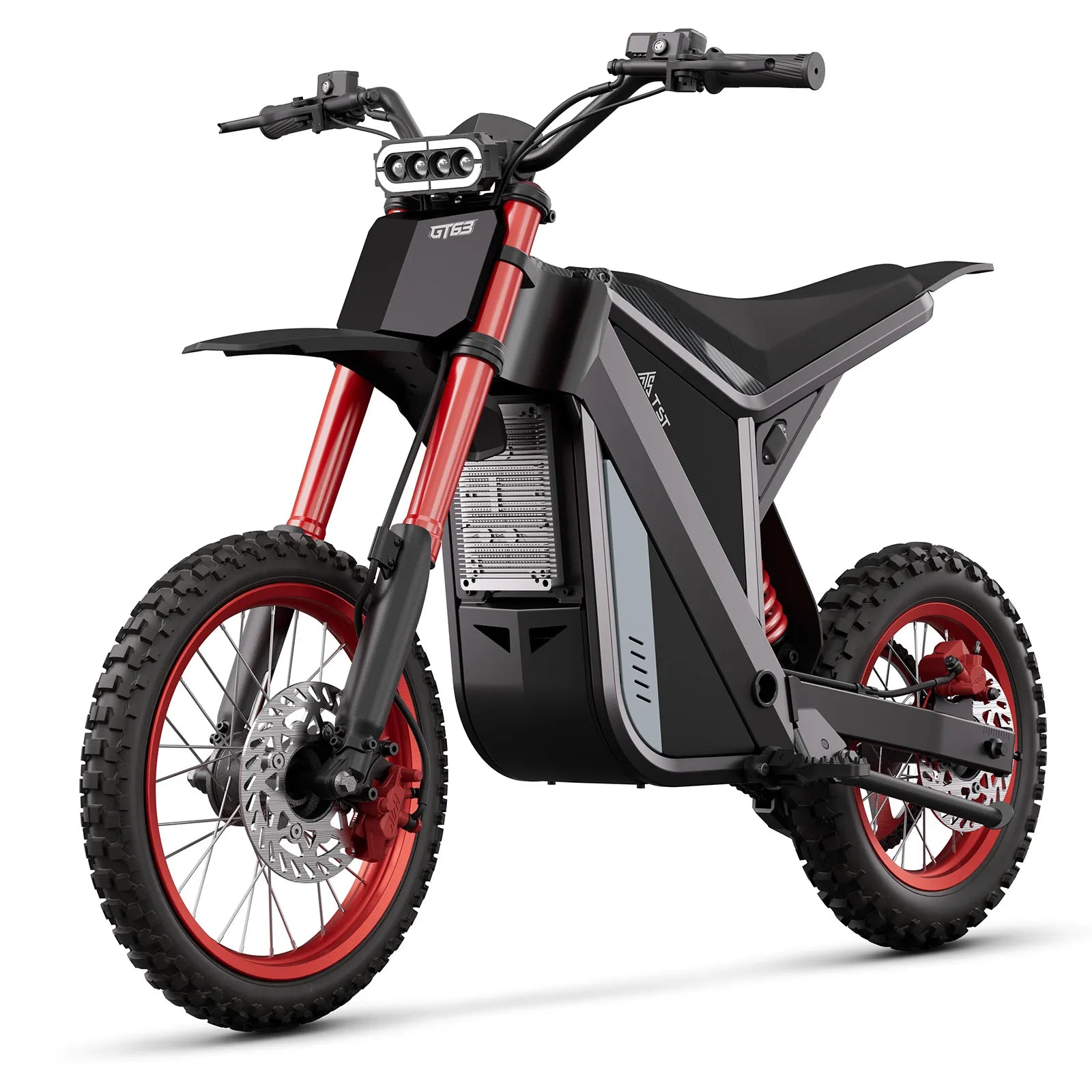
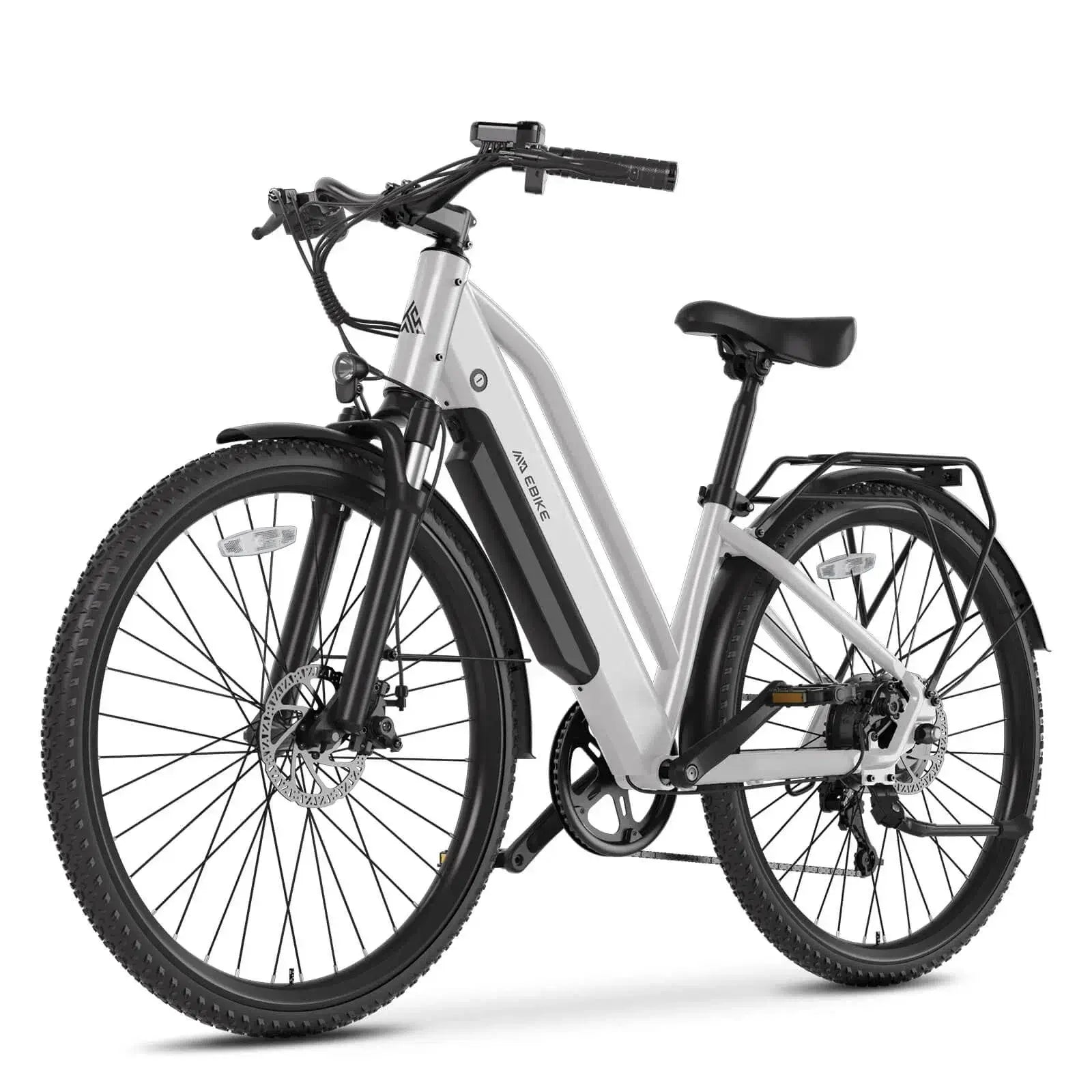
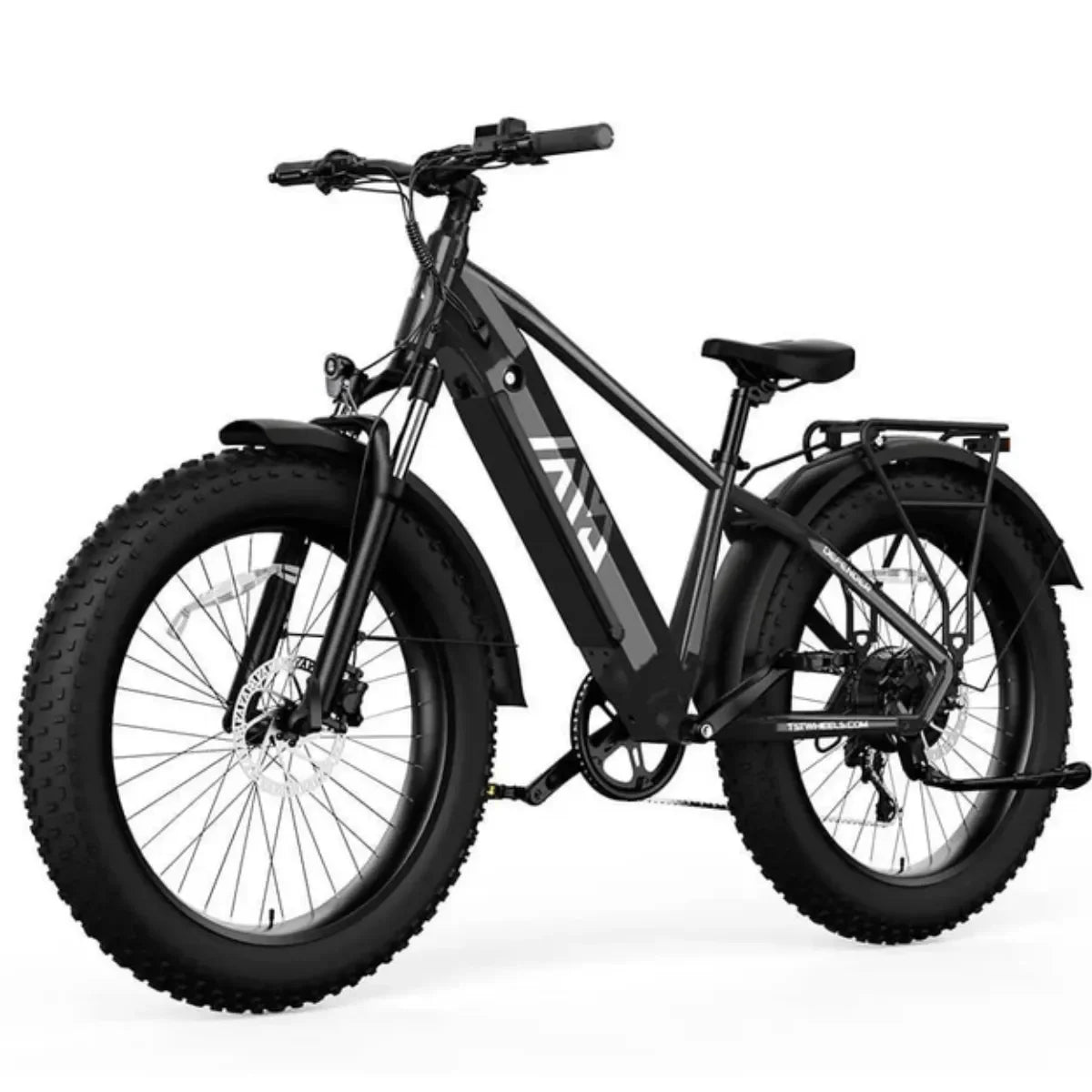
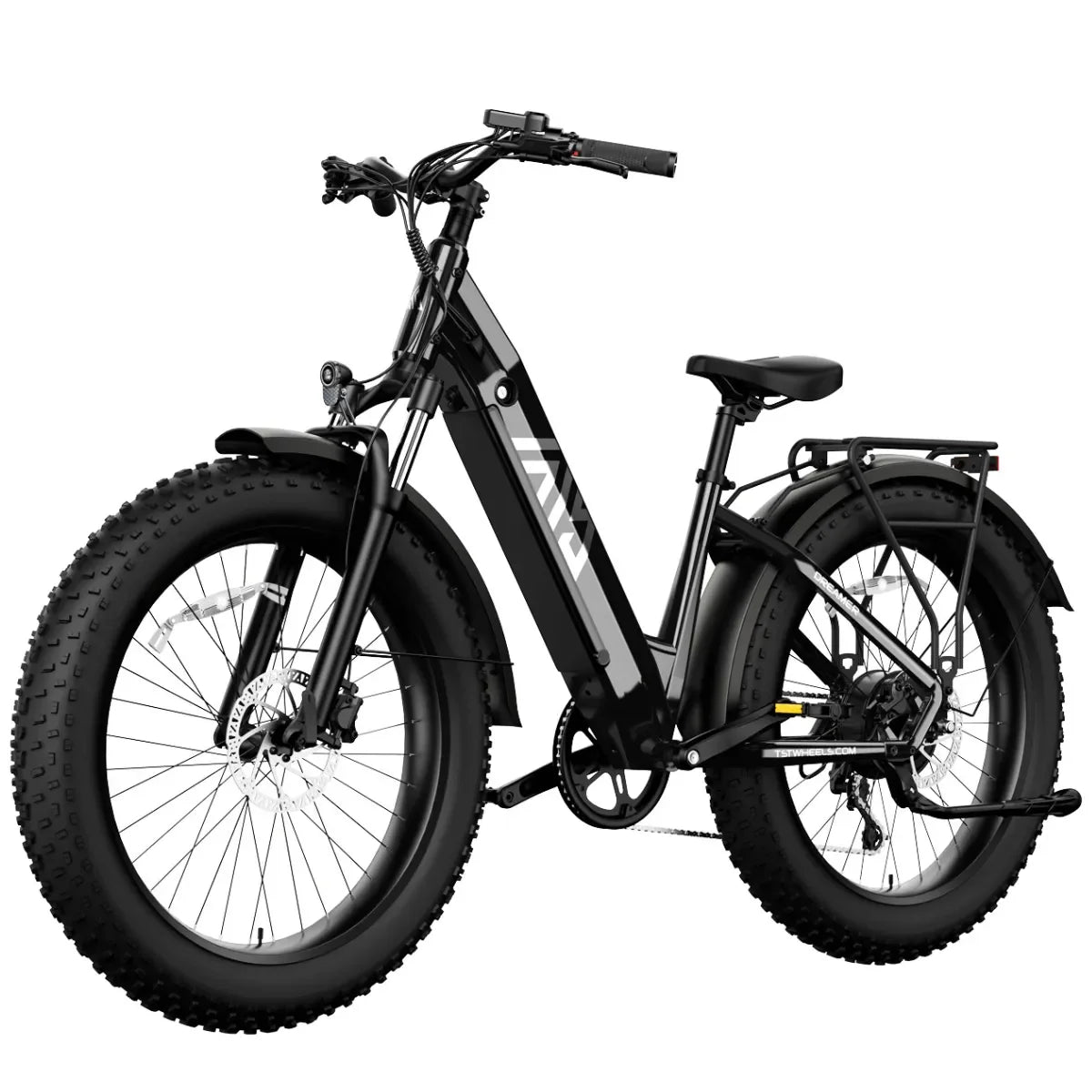
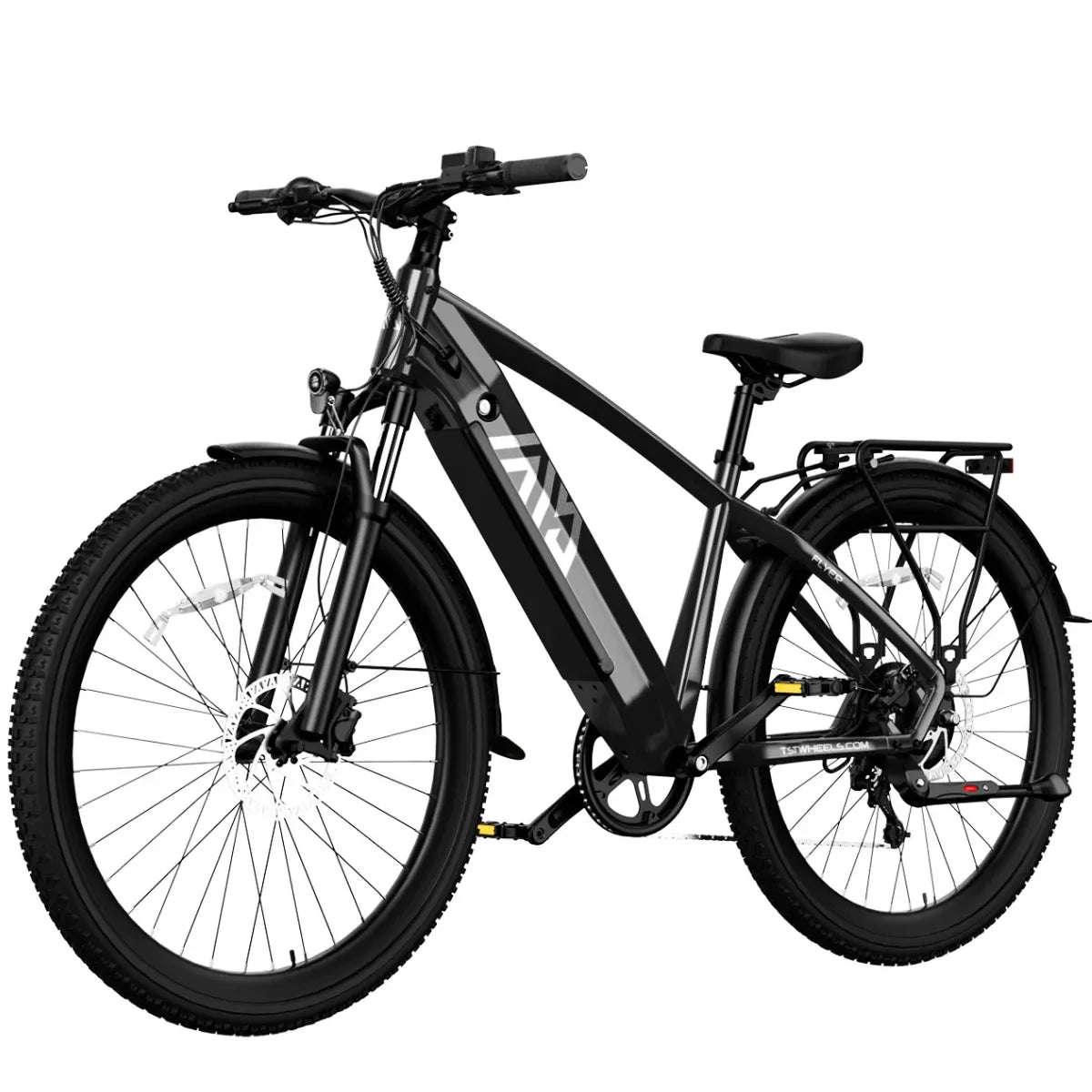
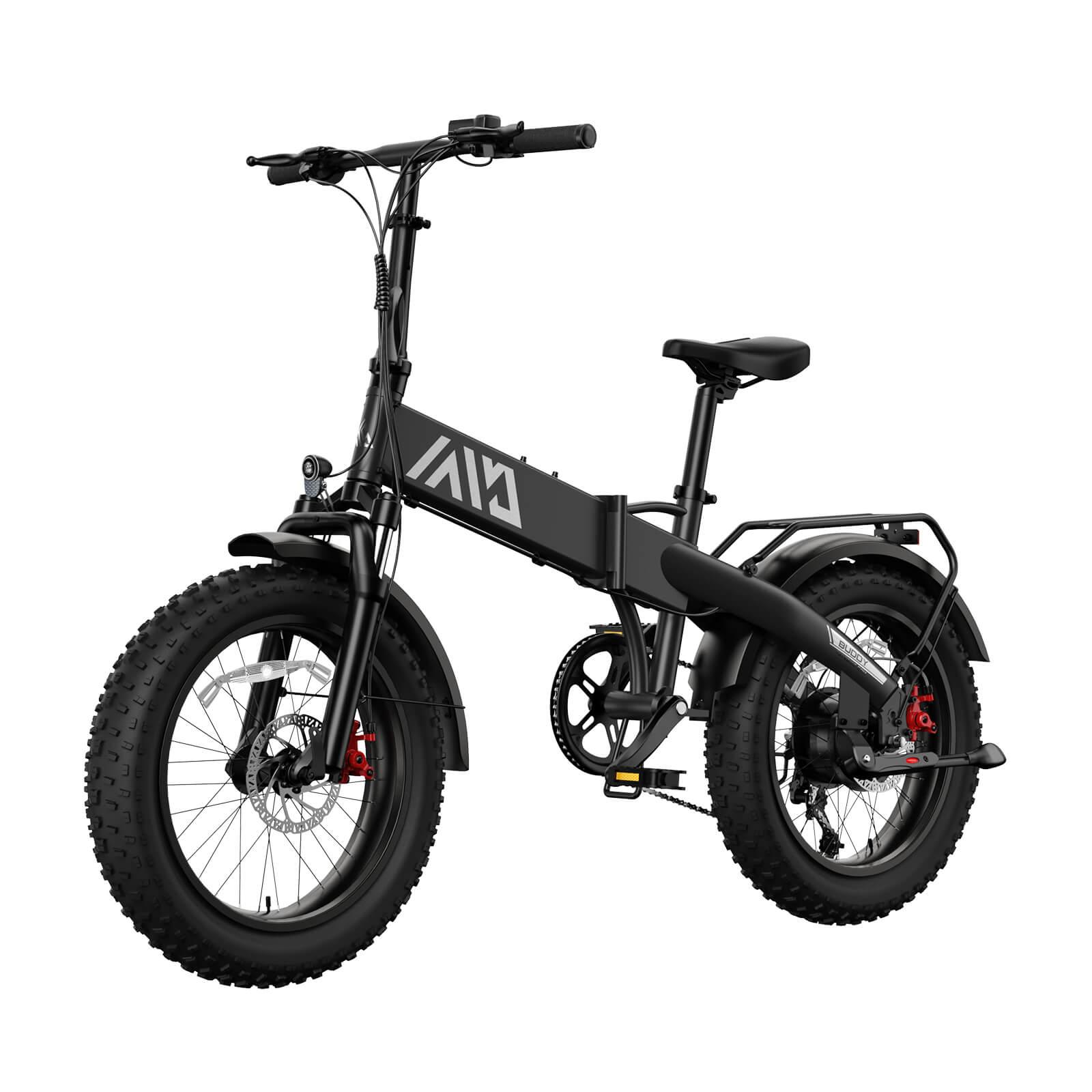
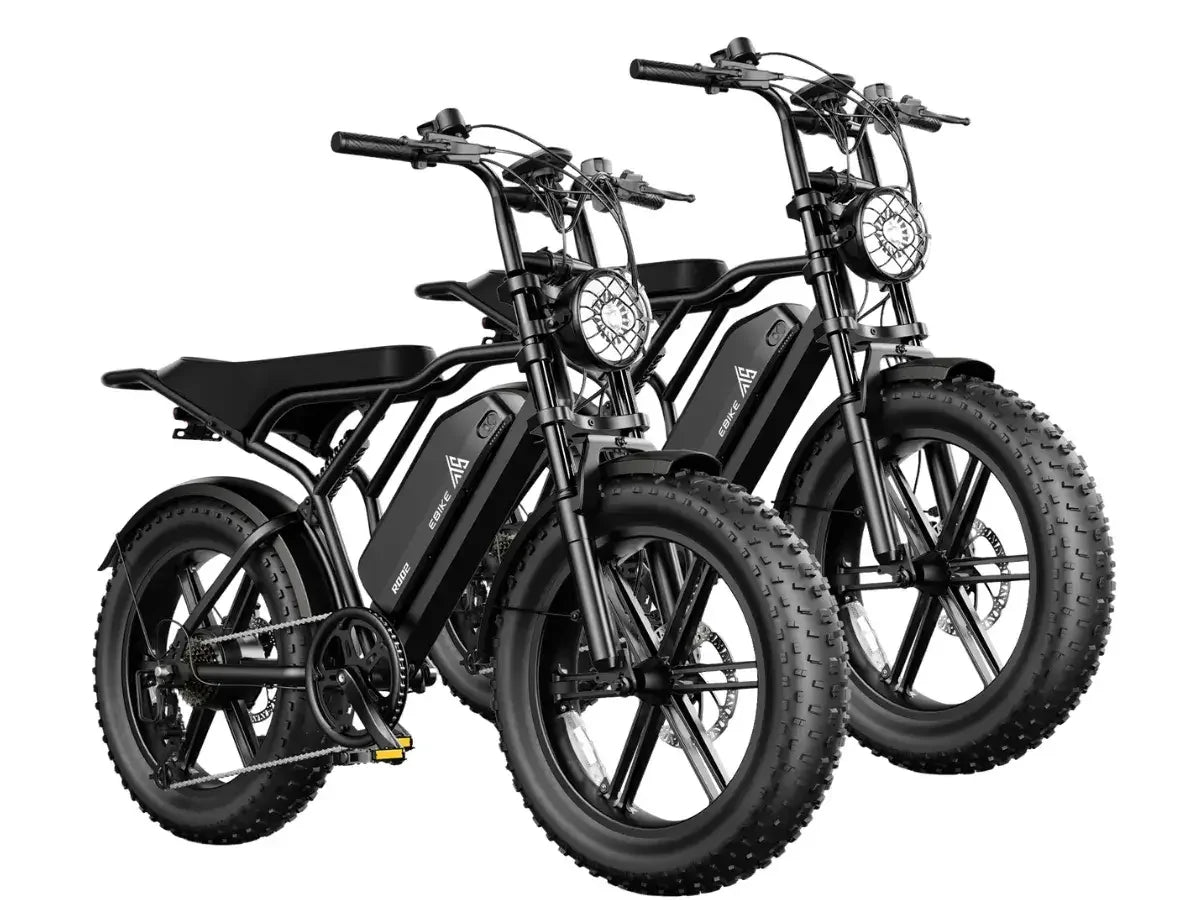
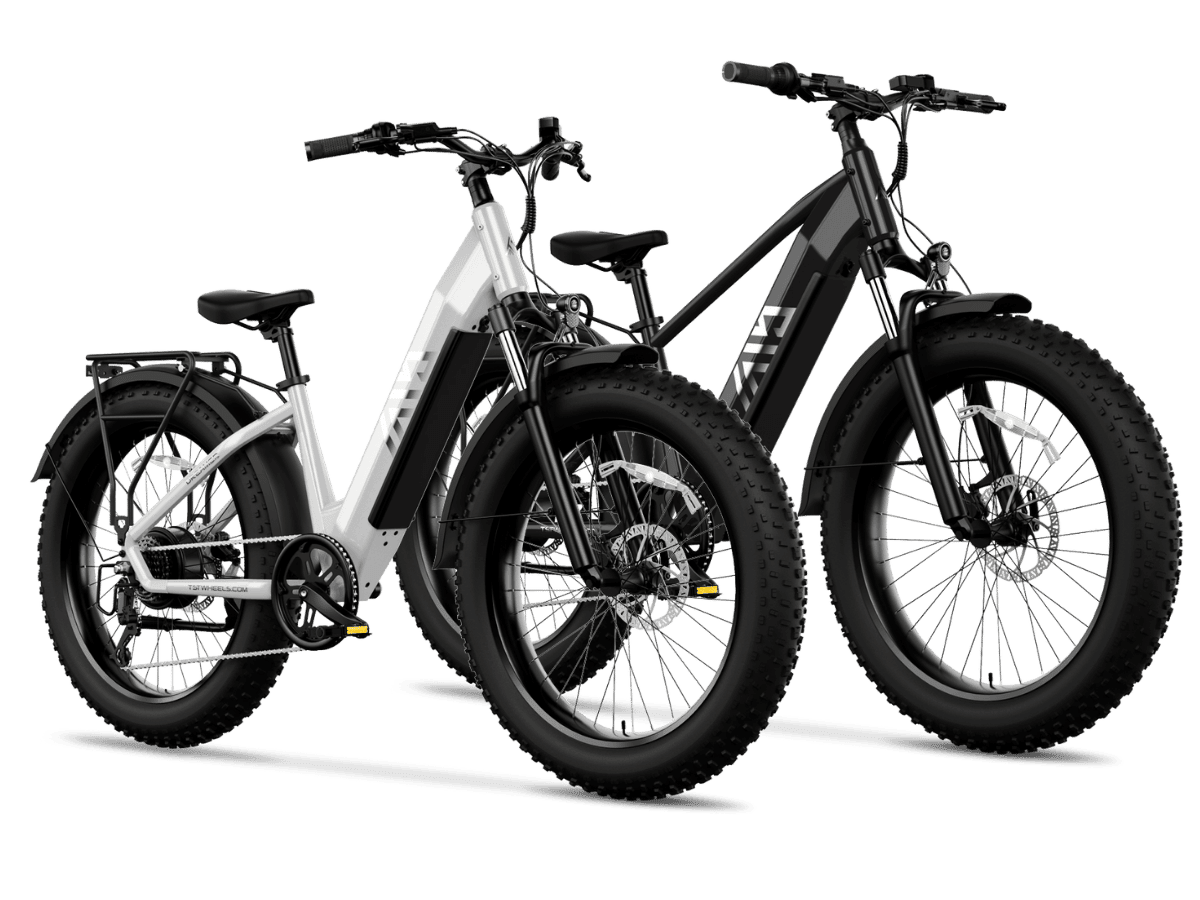
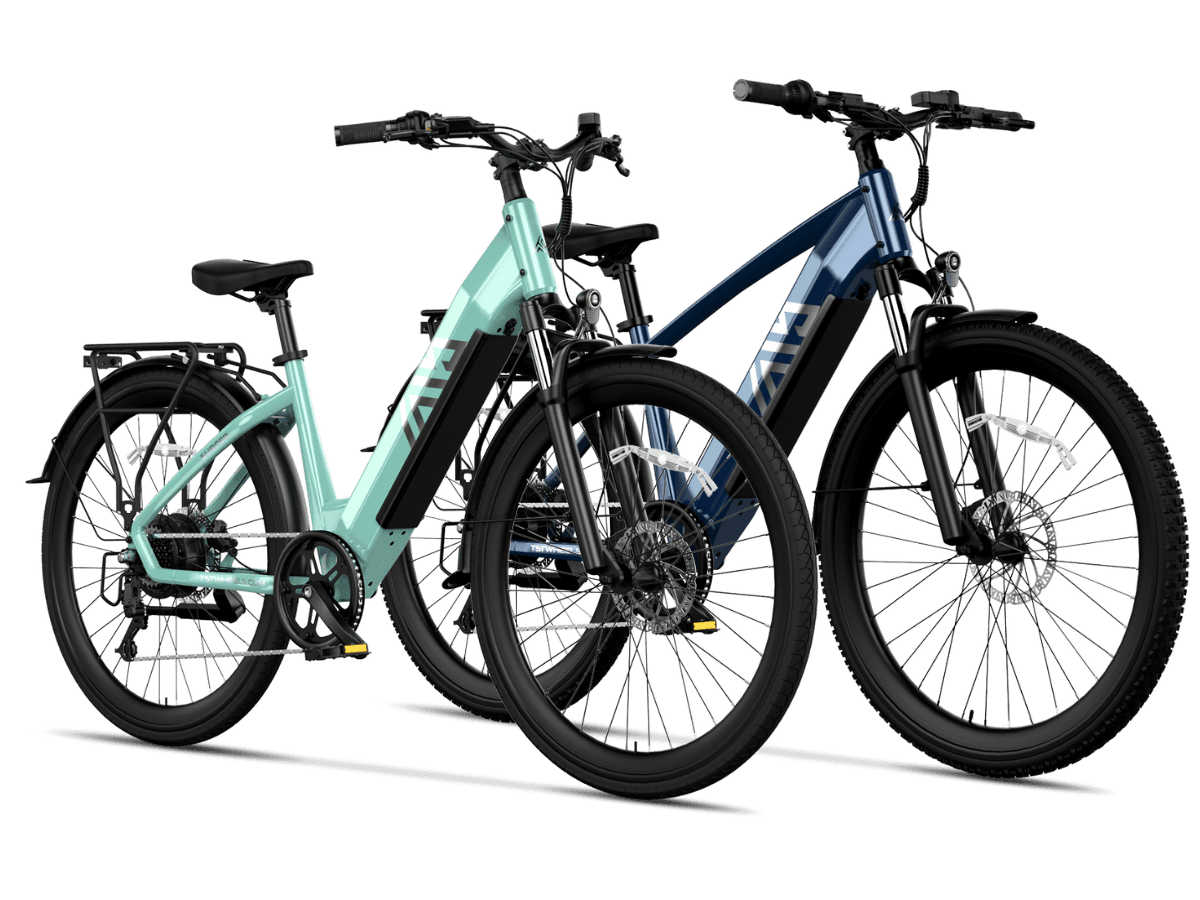
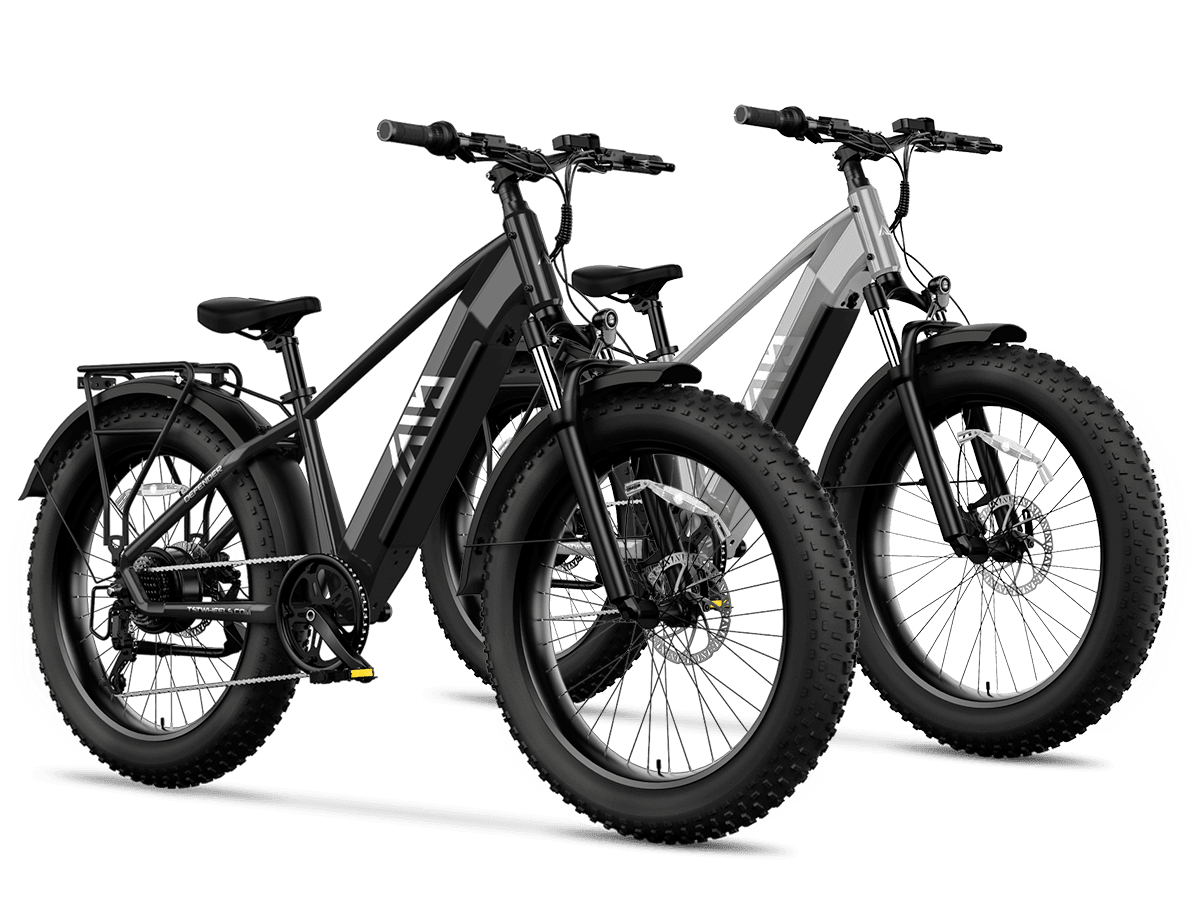
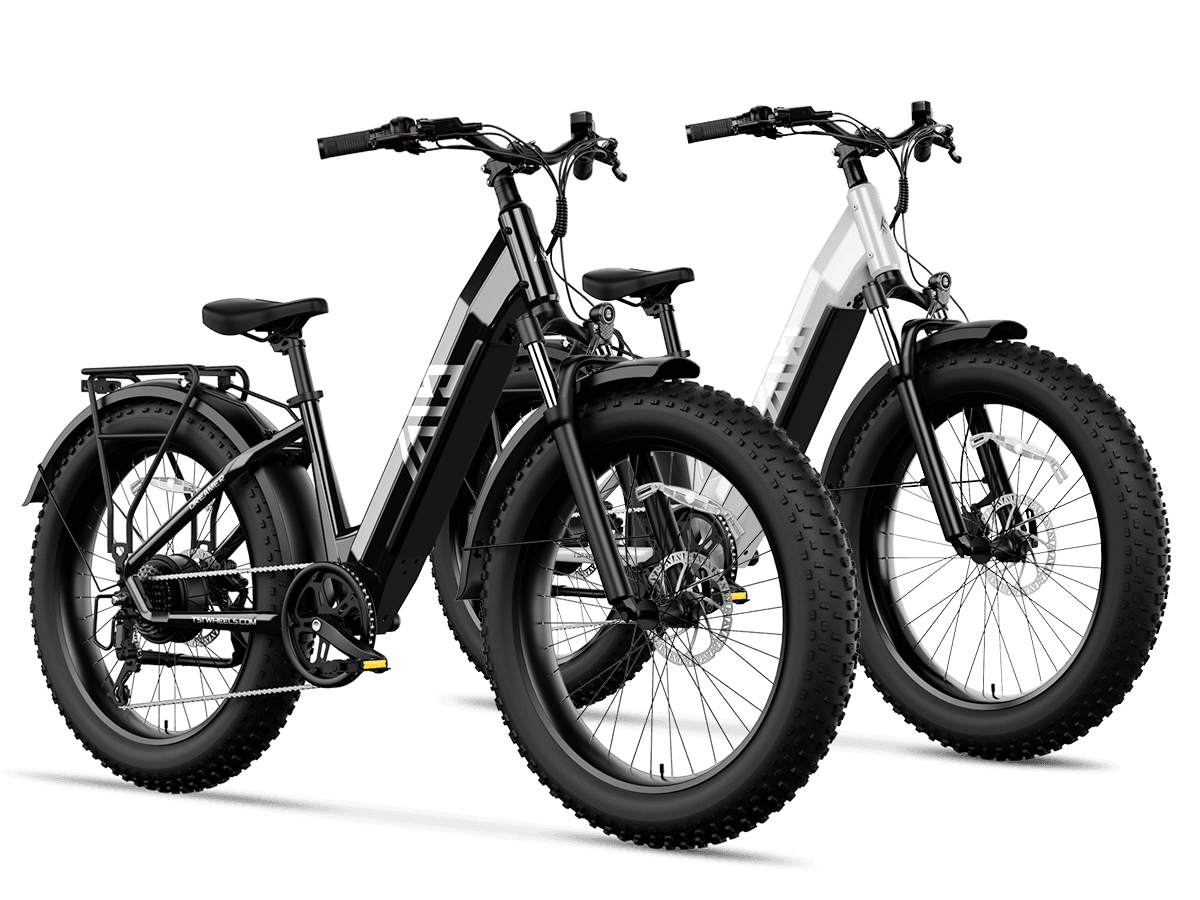
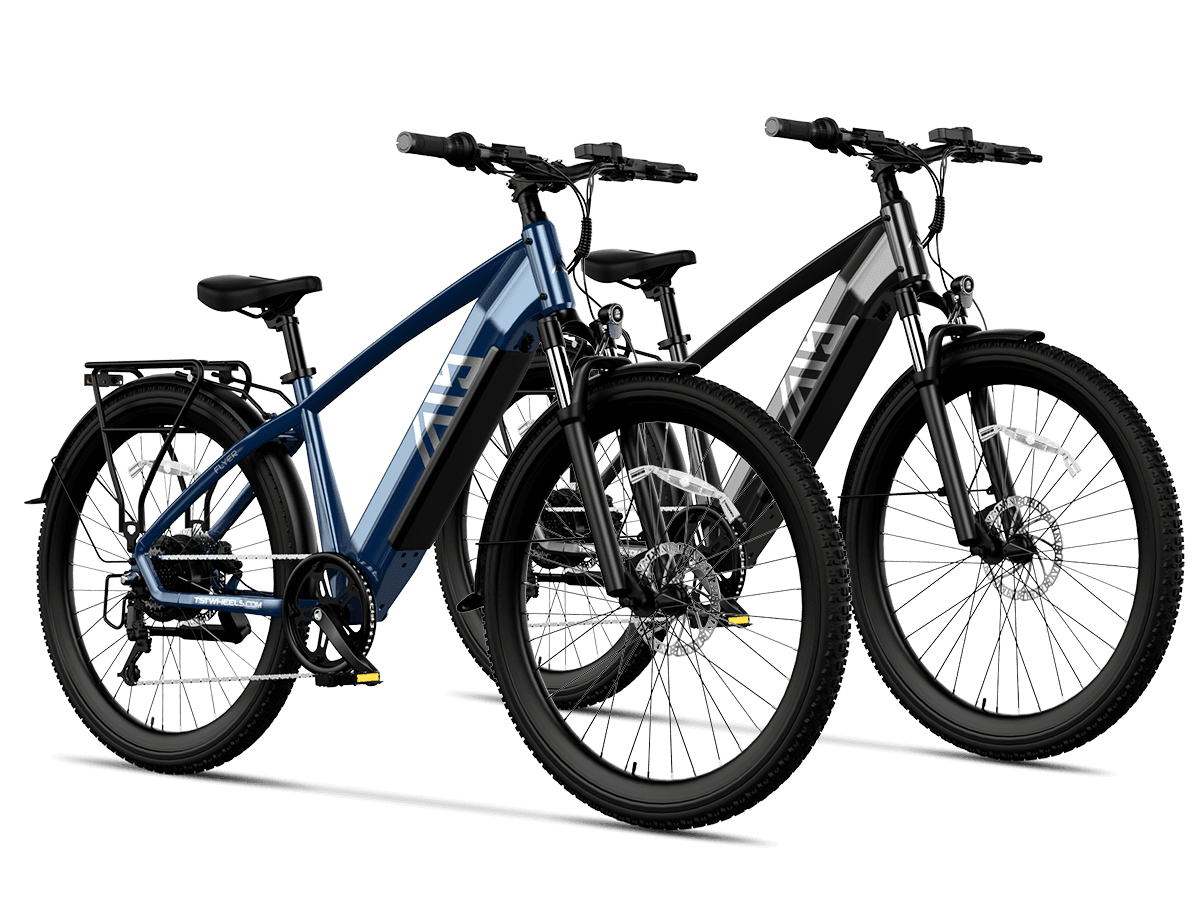
TST EBike offers electric bikes with 26-inch and 27-inch wheels designed for rough terrain, snow, sand, and daily commuting, powered by efficient motors for diverse conditions. While not primarily designed as cargo bikes, TST EBike models provide excellent versatility, supporting urban transport needs with power and comfort.
| Feature | Cargo Bikes | TST EBike Models (26” & 27”) |
|---|---|---|
| Cargo Capacity | Designed for heavy/multiple loads | Moderate, focus on terrain and speed |
| Motor Assistance | Often electric assisted | Electric motors standard |
| Terrain Suitability | Primarily urban, flat terrain | Rough terrains, snow, sand |
What Should You Consider When Choosing a Cargo Bike?
Consider load capacity, bike type, terrain suitability, and electric assistance. Family users may prefer long-tail models, while delivery businesses benefit from box bikes. Evaluate battery size and motor power if electric-assist is crucial. Durability and maintenance access are also vital to ensure reliable use.
What Maintenance and Safety Measures Are Important for Cargo Bikes?
Regular checks on brakes, tire pressure, suspension systems, and the electric motor are essential for optimal cargo bike operation. Safety gear such as lights, reflectors, and cargo securing mechanisms protect riders and goods. Timely servicing ensures durability and reduces downtime.
How Do Cargo Bikes Contribute to Environmental Sustainability?
Cargo bikes lower urban air pollution and decrease carbon emissions by replacing short-distance motor vehicle trips. Their usage promotes less noise pollution and supports healthier urban living environments. The option for electric assistance combines sustainability with efficiency in heavier load transport.
Buying Tips
When purchasing a cargo bike, assess your load requirements and terrain to select suitable models. Electric-assist is beneficial for heavy or frequent use. Prioritize bike durability, maintenance ease, and comfort features. Brands like TST EBike offer complementary electric bikes for broader urban transport needs, balancing power with terrain adaptability.
Frequently Asked Questions About Cargo Bikes and Their Uses
Q: What is the main purpose of cargo bikes?
A: To efficiently transport heavy or bulky loads in urban and commercial settings without emissions.
Q: Which cargo bike type is best for family transport?
A: Long-tail cargo bikes are preferred for carrying passengers safely.
Q: Are electric cargo bikes better for hilly areas?
A: Yes, electric assistance helps manage heavier loads on inclines.
Q: How do cargo bikes help reduce urban pollution?
A: They replace fuel-powered vehicle trips, cutting emissions and noise pollution.
Q: Can TST EBike models be used as cargo bikes?
A: While not primarily cargo-specific, some TST EBike models offer versatility for various urban transport needs.

Leave a comment
This site is protected by hCaptcha and the hCaptcha Privacy Policy and Terms of Service apply.