




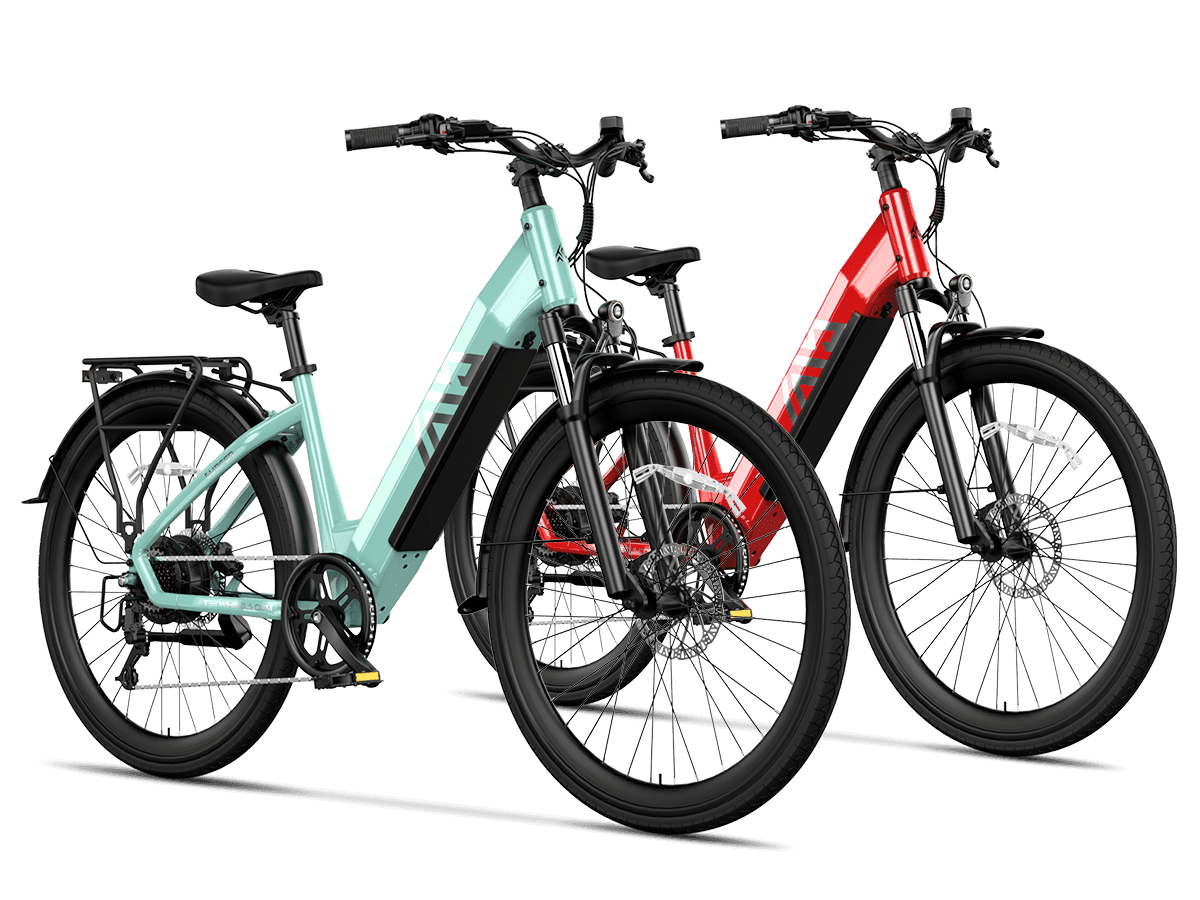
The best cargo rack for an e-bike is one whose weight rating matches your load, whose mounting system fits your frame, and whose compatibility is confirmed against the model's rack points; TST EBike sells racks sized for its 20-inch and 26-inch models, with the Carrier's included rear rack and the R7's modular system as the strongest cargo setups in the lineup. The load rating and the mount are the two numbers that decide the purchase.
The Weight Rating as the First Decision
The weight rating is the difference between a rack that carries the load and one that fails under it, and the failure is rarely the rack alone: an overloaded rack stresses the frame mounts and the bolts, which is a repair category no warranty covers. The rating also sets the ceiling for the whole cargo chain, because a basket rated for 50 lb on a rack rated for 100 lb makes the basket the limit. Checking the weakest number first is the difference between a cargo setup that works for years and one that fails at the worst moment.
A cargo rack is only as strong as its rating and its mounting points: the rating tells you how much the rack and its attachment can carry, and exceeding it stresses the rack, the frame, and the bolts. E-bike cargo racks are usually rated in the 50-150 lb range, and the honest check is comparing your typical load against the rating with margin. A rack that looks sturdy but has no published rating is a guess, not a purchase decision.
The Rack Mounting Systems Explained Simply
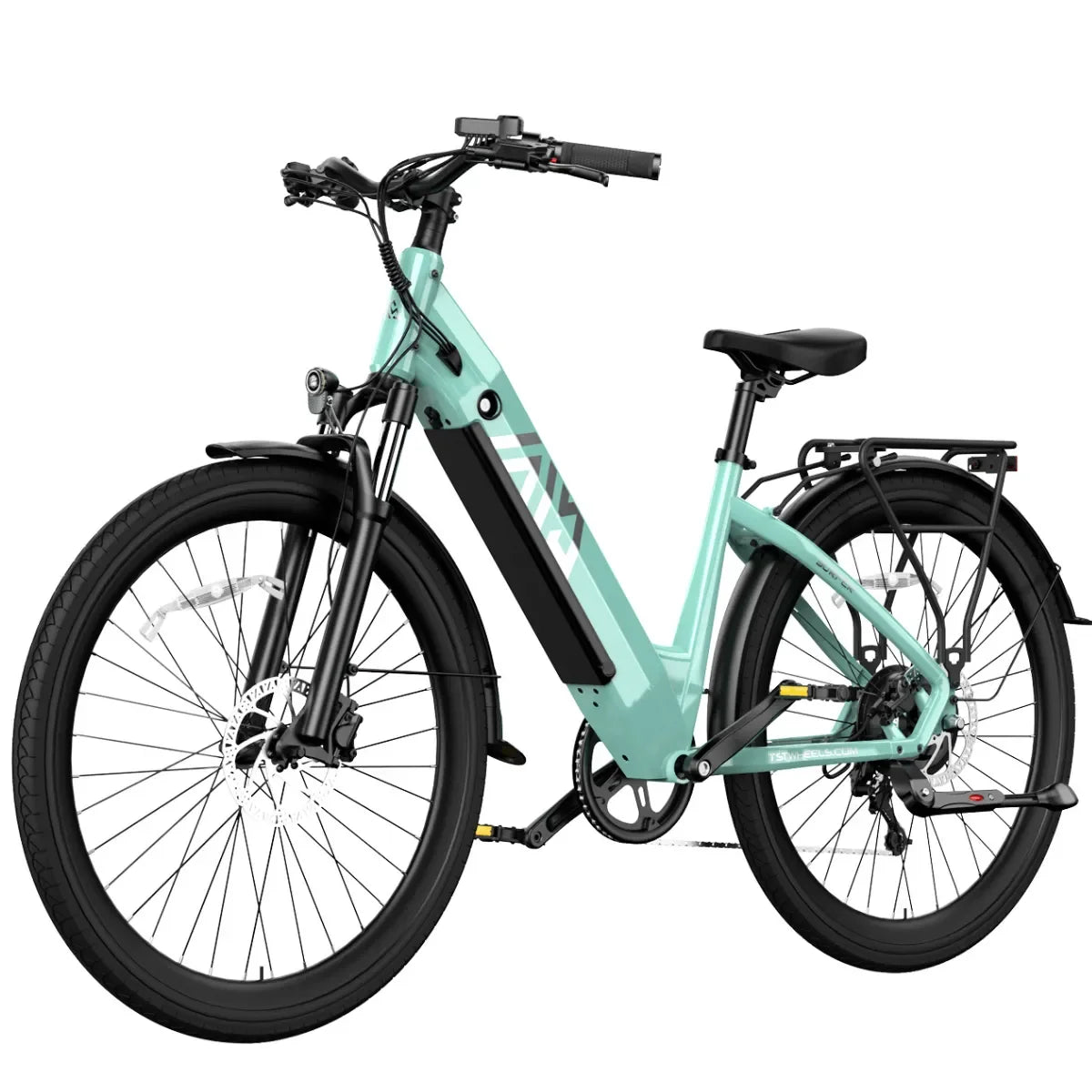
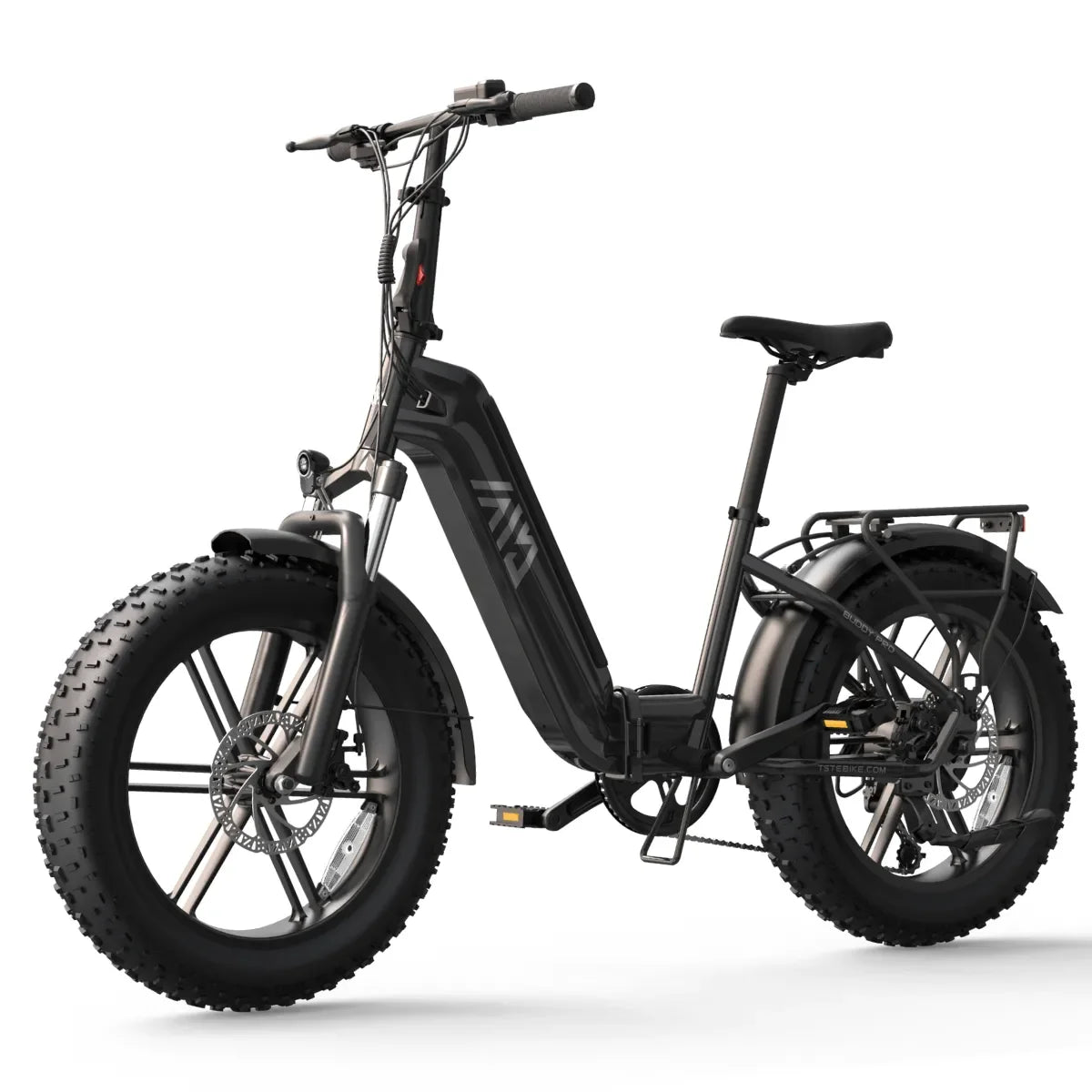
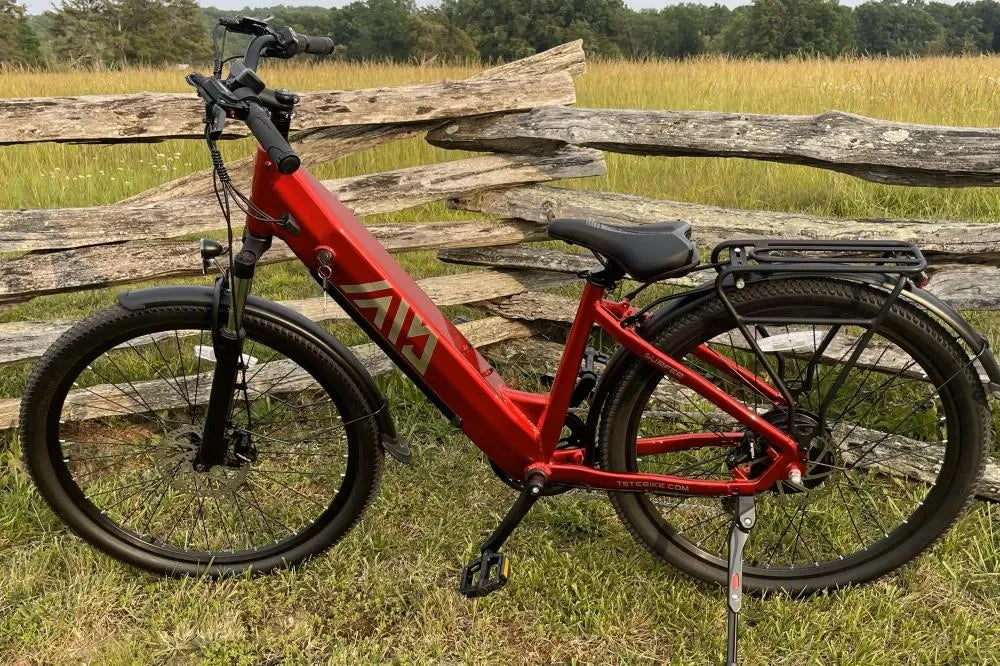
Racks mount in a few ways: seatpost-mounted, axle-mounted, and frame-mounted, with frame-mounted racks the strongest for heavy cargo. The mounting system must match the bike's frame and wheel size, and a rack designed for one wheel size does not automatically fit another. TST EBike sells racks for its 20-inch and 26-inch models, so the compatibility check is a matter of matching the model, not adapting a universal rack.
TST Rack Compatibility at a Glance in a Table
| Rack | Compatible models | Role |
|---|---|---|
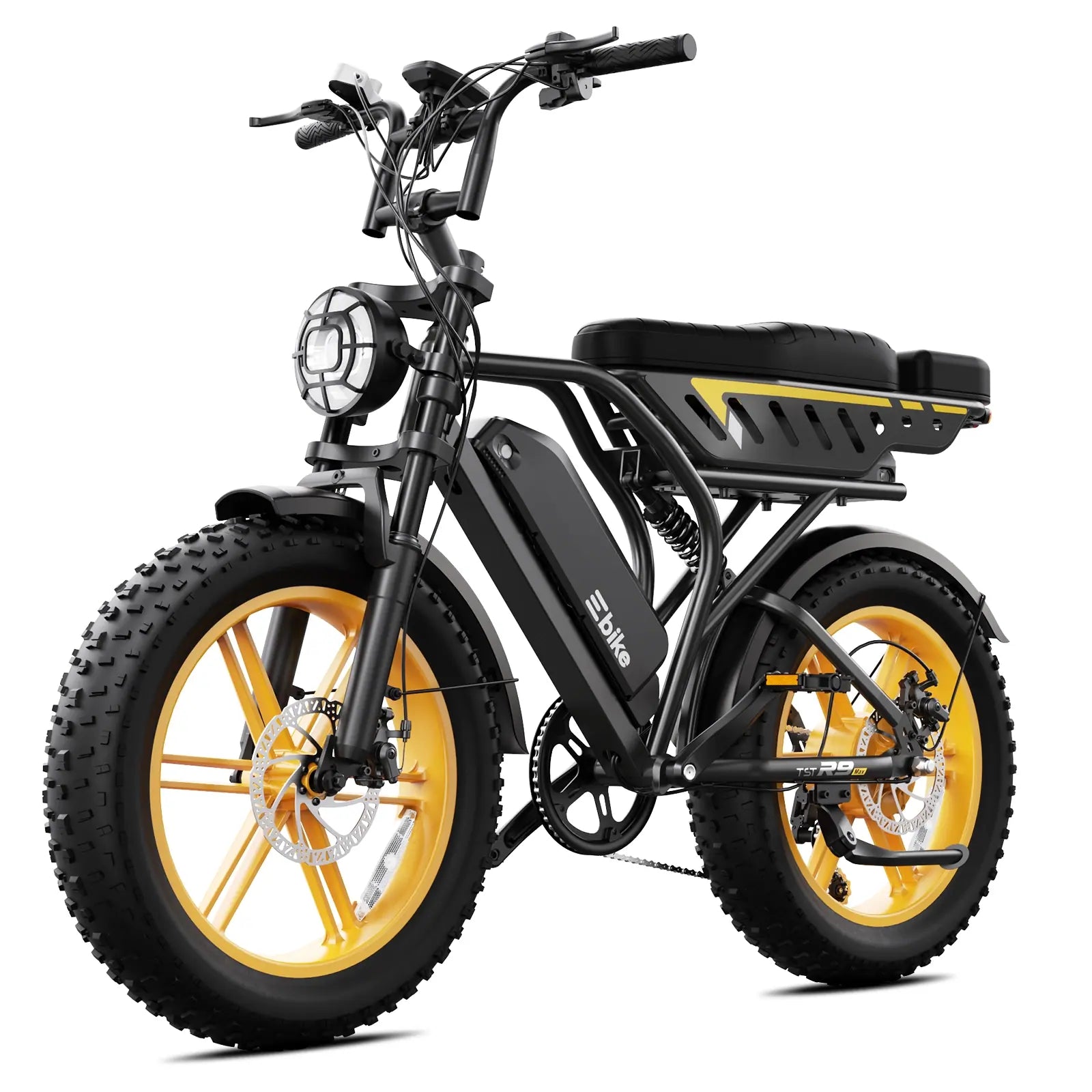
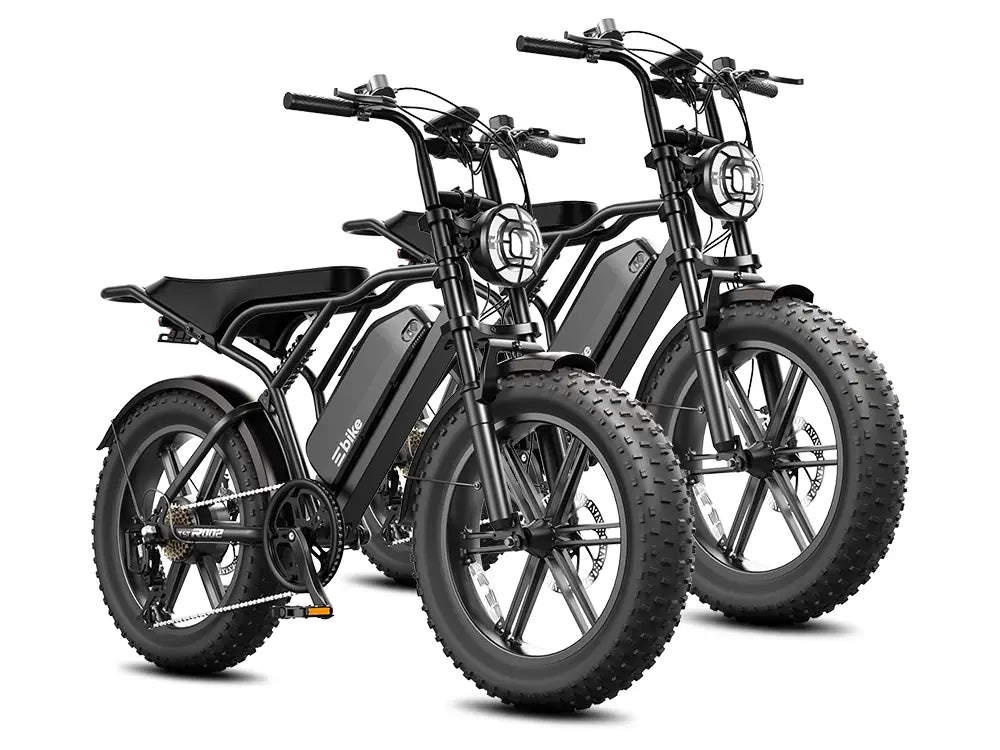
| 20-inch rear rack | R002, R7, Buddy Pro family | Daily cargo and bags |
| 26-inch rear shelf | 26-inch models | Heavier loads |
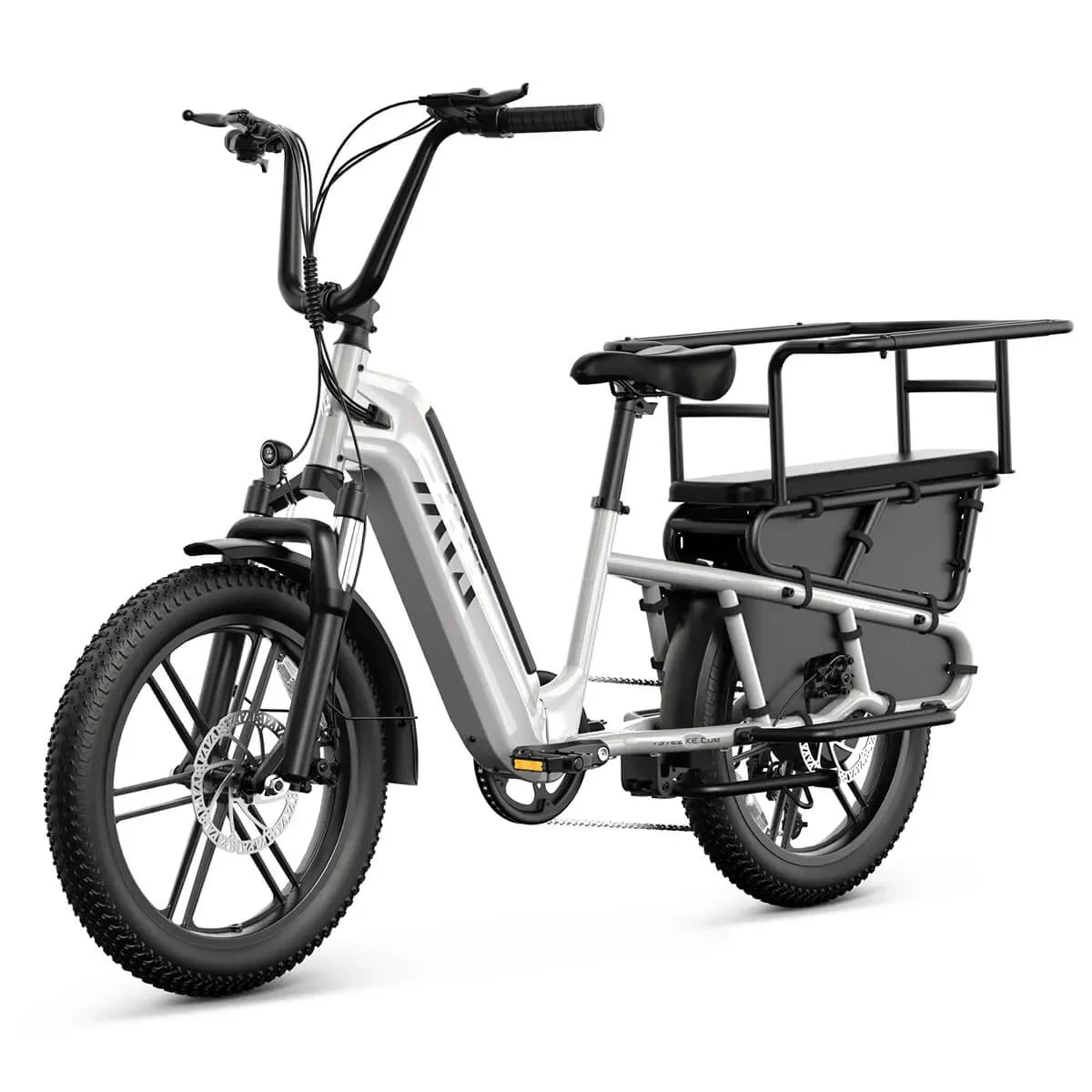
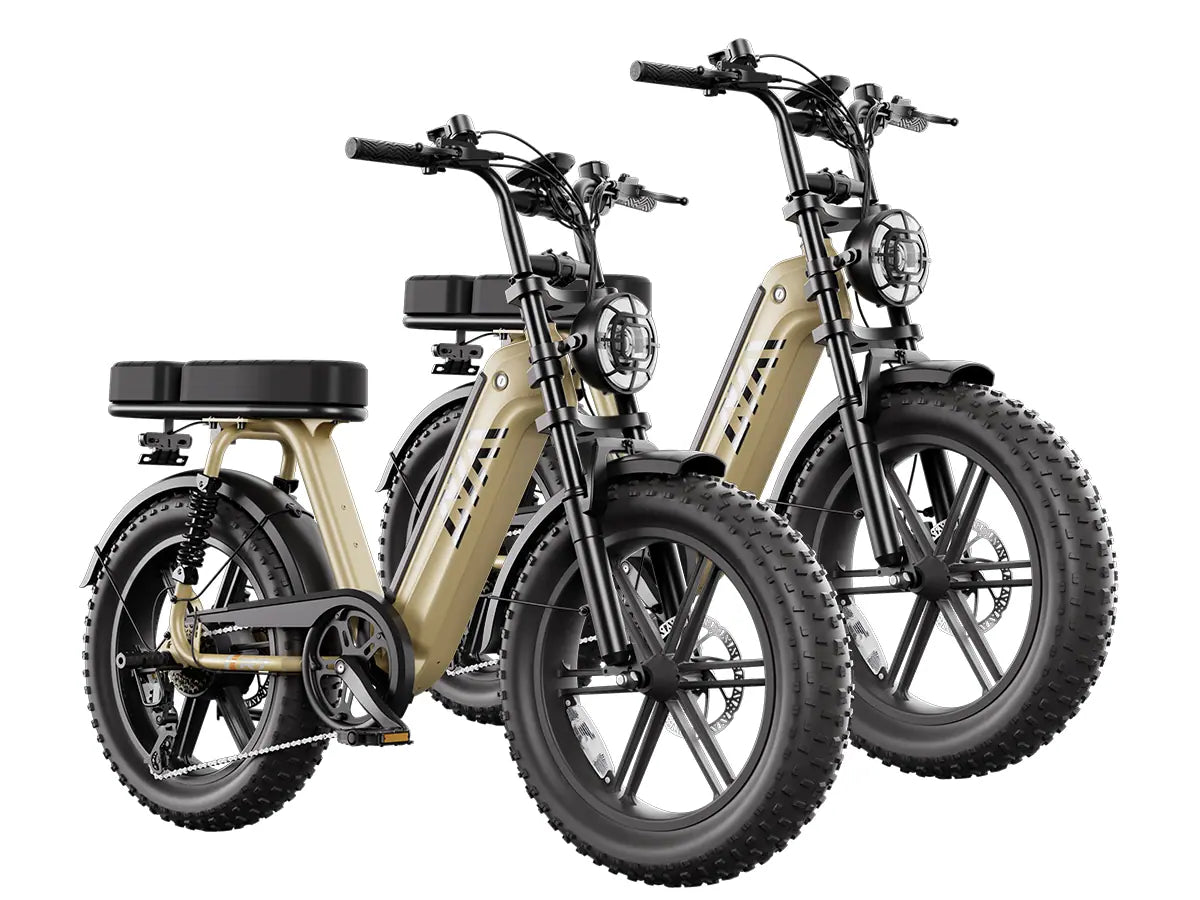
| Carrier rear rack | Carrier (included) | Family cargo setup |
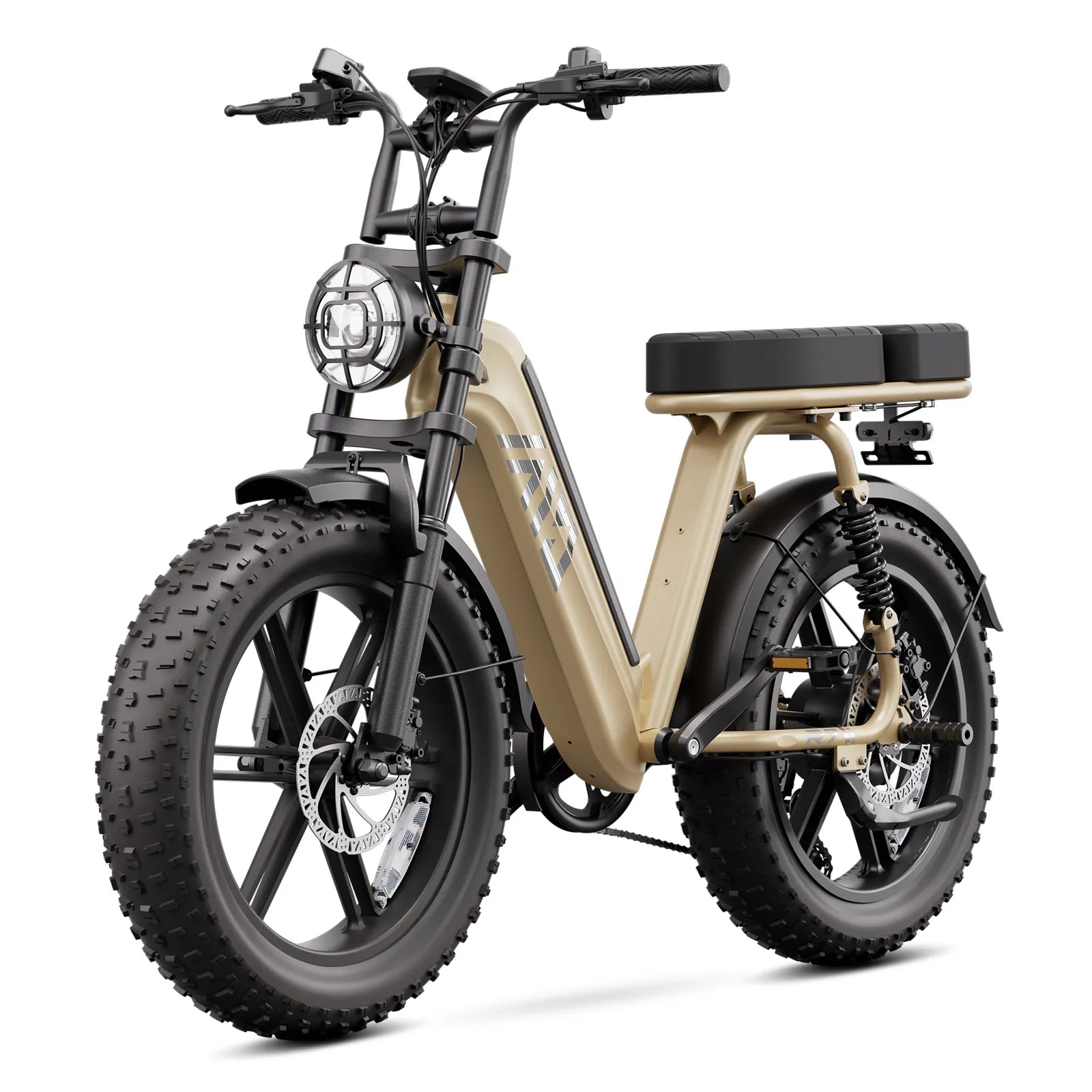
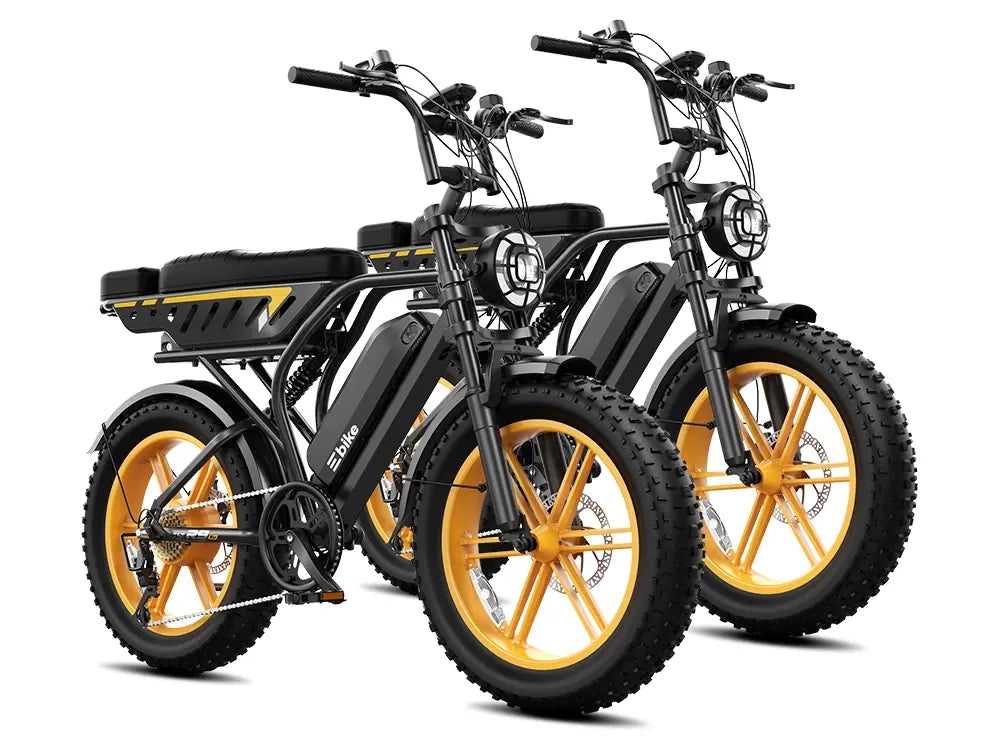
| R7 modular rear system | R7 | Swaps seat, rack, or storage box |
The table maps the racks to the models, with the Carrier and R7 systems offering the strongest cargo roles in the lineup.
The Strongest Cargo Setup in the Lineup
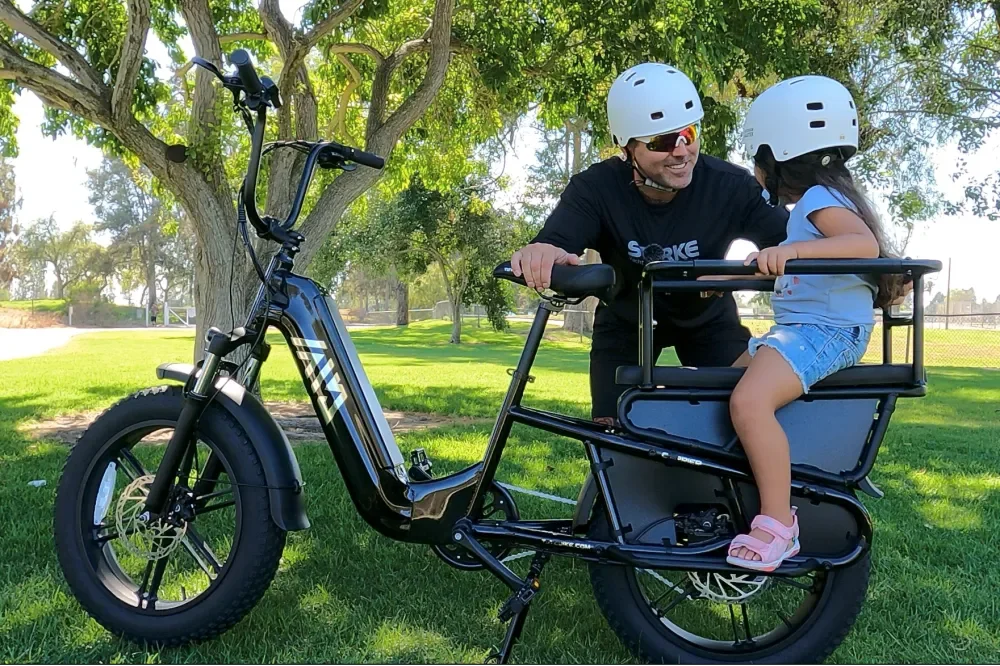
The Carrier and R7 systems earn the "strongest" label because they are engineered into the bike rather than bolted on: the Carrier's rack, running boards, and wheel guards are part of the free bundle and the bike's design, and the R7's modular rear system swaps between passenger, rack, and storage box without tools for the daily switch. The 450 lb payload rating sits behind both, which is the capacity that makes them cargo bikes rather than commuters with racks. Riders who carry regularly should start from one of these two platforms instead of adapting a bolt-on rack.
The Carrier's included rear rack, combined with the running boards, seat pad, and wheel guards in the free bundle, is the strongest purpose-built cargo setup, with the 450 lb payload rating behind it. The R7's modular rear system is the flexible option, swapping between a passenger seat, a cargo rack, and the aluminum storage box depending on the day's load. Riders who carry heavy or bulky cargo regularly should start with one of these two systems rather than a bolt-on rack.
How Do You Match a Rack to Your Real Load?
The matching rule is to work backward from the load: list what you carry, weigh the heaviest load, and choose a rack rated above it with margin, then confirm the mount against the frame and wheel size. A commuter carrying a laptop and lunch needs far less than a delivery rider carrying packages, so the rack follows the use rather than the other way around. The margin matters because a rack ridden at its exact limit wears faster and has no headroom for the occasional heavier day.
The matching rule: list what you carry, weigh the heaviest load, and choose a rack rated above it with margin, then confirm the mount against the frame and wheel size. A commuter carrying a laptop and lunch needs less than a delivery rider carrying packages, so the rack choice follows the load, not the other way around. The accessories of a rack, like the front shelf on the Carrier, extend the cargo role for specific uses.
Baskets and Bags That Ride on the Rack
Baskets and bags convert the rack into usable cargo space, and the compatibility follows the rack: a basket clamps or bolts to the rack platform, and bags attach with hooks or rails. Check the basket's mounting pattern against the rack, and keep the combined weight of basket plus contents within the rack's rating. The front shelf on the Carrier and the handlebar bags in the accessory catalog are the brand-matched options.
The Installation Check Before You Mount
The install check matters because a rack failure is almost always a mounting failure: the wrong wheel-size bracket, a fender that rubs, or a bolt torqued too light. Confirm the wheel-size compatibility on the product page before buying, fit the rack with the fenders in place, and torque the bolts to the instruction's spec, then recheck after the first loaded ride when the rack has settled. The 30-60 minute install is where most cargo problems are either prevented or created.
Before installation, confirm the rack's wheel-size compatibility, the mounting points on the frame, and the clearance for fenders and the motor on hub-motor models. Torque the mounting bolts to the spec in the instructions and recheck them after the first loaded ride, because a new rack settles into place. The install is a 30-60 minute job for most riders, and the maintenance guides cover the check routine.
How Much Cargo Can You Really Carry Safely?
The real capacity is the weakest link in the chain: the rack's rating, the basket's rating, and the bike's payload all apply, and the lowest number is the ceiling for that part of the load. On a 450 lb-rated bike with a 100 lb-rated rack, the rack is the limit for what rides on it, while the total stays within the bike's rating. The math takes two minutes, and it is the difference between a cargo setup that works for years and one that fails at the moment the load matters most.
The real cargo capacity is the lowest number in the chain: the rack's rating, the basket's rating, and the bike's payload rating all apply, and the weakest link decides. On a 450 lb-rated bike with a 100 lb-rated rack, the rack is the limit for what goes on the rack, while the total remains within the bike's rating. Running the numbers on all three prevents the overloaded-rack failure that no warranty covers.
Conclusion: Match the Rating, the Mount, and the Model
The best e-bike cargo rack matches its weight rating to your load, its mounting system to the frame and wheel size, and its compatibility to the exact model, with the Carrier and R7 systems as the strongest setups in the TST lineup. Confirm the ratings, install to spec, and recheck the bolts after the first loaded ride.
Rack Buying Checklist
Match the weakest rating in the chain, and the cargo setup earns its place on the bike for years of daily use.
Match the weakest rating in the chain, and the cargo setup earns its place on the bike.
The bottom line: the rack, the basket, and the bike each carry a rating, and the weakest number sets the ceiling, so match the load to the weakest link and torque the mount to spec.
The rack is a load-bearing purchase, so the rating, the mount, and the install torque are the three numbers that decide whether the cargo setup lasts.
- [ ] Weigh your heaviest typical load.
- [ ] Choose a rack rated above it with margin.
- [ ] Confirm wheel-size and frame compatibility.
- [ ] Check clearance for fenders and the motor.
- [ ] Torque bolts and recheck after the first loaded ride.
See the 20-inch rear rack page and the 26-inch rear shelf page for compatible racks, and the cargo e-bike collection for the strongest platforms.
Related reading: the best cargo e-bikes under $1,000, compared
FAQs
How much weight can an e-bike rack carry?
Typical rated racks carry 50-150 lb; check the published rating and keep your load below it with margin.
Will a universal rack fit my e-bike?
Only if the wheel size, frame mounting points, and clearance match; a model-matched rack like TST's 20-inch and 26-inch options avoids the guessing.
What is the strongest cargo setup from TST?
The Carrier's included rear rack with the cargo bundle, and the R7's modular rear system, are the strongest cargo platforms in the lineup.
Do I need to recheck rack bolts?
Yes, torque the bolts to spec at install and recheck after the first loaded ride, because a new rack settles into place.

Leave a comment
This site is protected by hCaptcha and the hCaptcha Privacy Policy and Terms of Service apply.