










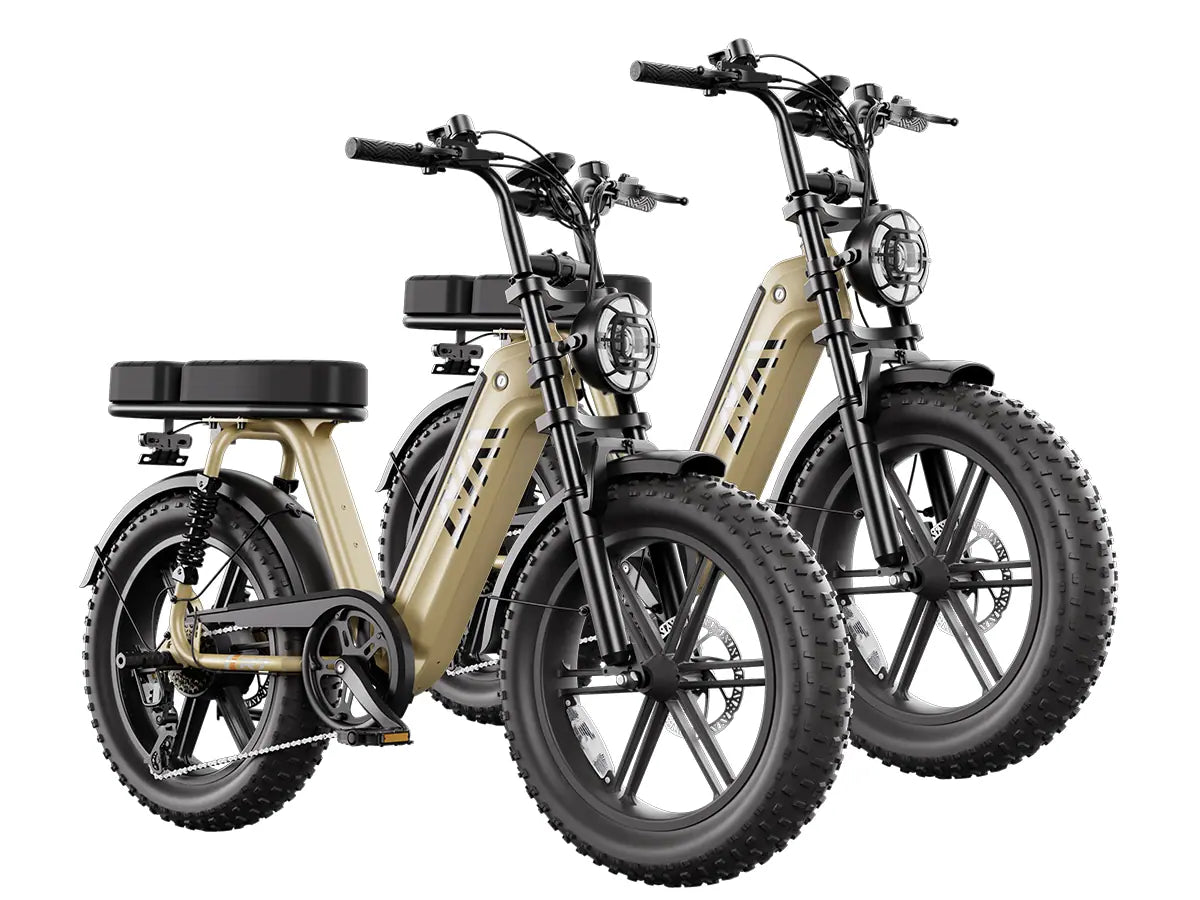
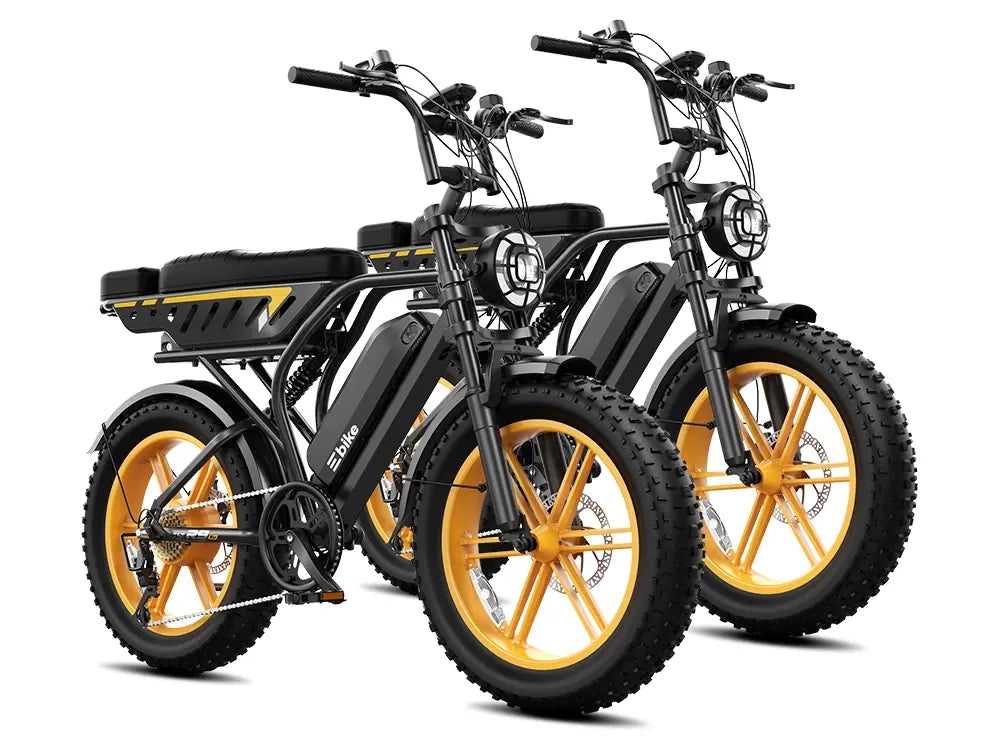

Cargo ebikes in 2027 will likely be smarter, stronger, and more utility-focused, with 96V systems, better battery management, AI-assisted features, and improved load handling. The biggest shift will not be speed alone, but how well these bikes manage range, cargo weight, safety, and daily reliability for families and delivery riders. Expect more integration, more efficiency, and more purpose-built design.
Why Should You Upgrade Cargo Ebike Lights for Night Hauling?
How will cargo ebikes change by 2027?
Cargo ebikes will become more specialized by use case, with some built for family transport and others optimized for delivery, storage, or commercial work. The market is moving away from general-purpose bikes and toward machines that solve specific transportation problems.
I expect the most noticeable change to be system-level refinement. Motors, batteries, controllers, frames, and software will increasingly be designed together rather than assembled as separate parts.
What role will 96V systems play?
96V systems will likely become a high-performance option for cargo ebikes that need stronger acceleration, heavier loads, and more stable voltage delivery under stress. Higher voltage can reduce current draw for the same power, which can help manage heat and improve electrical efficiency.
That does not mean every cargo ebike needs 96V. For urban family bikes, 48V or 52V may remain the practical sweet spot, but premium and commercial cargo platforms may move upward as payload and range demands grow.
Which cargo riders will benefit most from AI integration?
AI integration will benefit riders who use cargo ebikes for frequent routines, route planning, delivery work, or family commuting. Smart systems can help with battery predictions, theft alerts, maintenance reminders, and load-aware performance tuning.
The real value of AI is not novelty. It is decision support: better range estimates, better fault detection, and better awareness when a bike is carrying extra weight or operating in poor conditions.
Why is cargo ebike demand still growing?
Cargo ebike demand is growing because people want lower-cost transportation that can replace short car trips, delivery vans, and second vehicles. Families want practical school-run machines, while businesses want cheaper last-mile logistics.
This demand is also being pushed by traffic congestion, parking pressure, and urban policy. Cargo ebikes solve a real transport problem, and in many cities they do it with less cost and less friction than a small car.
Are cargo ebikes becoming more commercial?
Yes, cargo ebikes are becoming more commercial, especially in delivery, local retail, municipal services, and fleet operations. Businesses like them because they can move goods through dense streets quickly and with lower operating costs than vans.
Commercial cargo bikes in 2027 will likely focus on uptime, replaceable parts, telematics, and fleet management rather than style. The buyer is no longer just a parent or commuter; it is also the logistics manager.
Can cargo ebikes replace cars for more people?
Yes, for many short-distance daily tasks, cargo ebikes can replace a car more often than people expect. School drop-offs, grocery runs, local deliveries, and work commutes under a few miles are especially strong use cases.
The limitation is still weather, road design, and cargo volume. A cargo ebike is not a universal car replacement, but it is becoming a very realistic alternative for more households in more cities.
How will battery technology affect 2027 cargo ebikes?
Battery technology will shape range, charging speed, thermal stability, and load consistency. The next generation will likely improve how cargo ebikes handle long rides under heavy weight without large voltage sag or sharp performance drops.
That matters because cargo bikes are not ridden empty very often. A good battery for this category must perform under real stress, not just in a lab with a light rider and ideal conditions.
What safety features will matter most?
Safety will matter more than raw speed in 2027. Expect better braking systems, stronger lighting, integrated turn signals, improved anti-theft functions, and more stable frame geometry.
Cargo ebikes carry precious cargo, so the bike has to feel predictable at low speed and when fully loaded. A smart feature is only useful if the bike remains safe, balanced, and easy to control.
How will AI improve daily riding?
AI will likely improve daily riding by adapting power assistance, watching battery health, and alerting riders to unusual conditions. On a cargo bike, that can mean smarter support when the load changes suddenly or when the rider is climbing with groceries or children onboard.
The best systems will stay quiet in the background. They should reduce guesswork, not create more menus to manage before every ride.
Which design trends will shape the next wave?
The biggest design trends will be lower centers of gravity, more integrated cargo platforms, better modular accessories, and stronger frames. Designers will keep trying to make cargo ebikes feel shorter, more stable, and easier to park even as capability increases.
I also expect more modularity. Riders will want one platform that can switch between family duty, commuting, and business use without buying a completely different bike each time.
Why will frame design matter more than ever?
Frame design will matter because cargo ebikes are carrying more weight, more often, at lower speeds where stability is critical. A bike can have excellent power but still feel awkward if the frame is too tall, too long, or poorly balanced.
In practice, the best cargo ebike is the one that feels calm under load. That often comes from a well-executed frame and geometry, not just a bigger battery or a stronger motor.
Could 2027 cargo ebikes use more software control?
Yes, software control will likely become a major part of the cargo ebike experience. Expect more ride modes, better torque mapping, theft tracking, diagnostics, and possibly geofenced fleet settings.
That means the bike may become more like a connected vehicle. Riders will want software that is helpful, simple, and reliable, not a system that becomes harder to use than the bicycle itself.
Are TST EBike models positioned for this future?
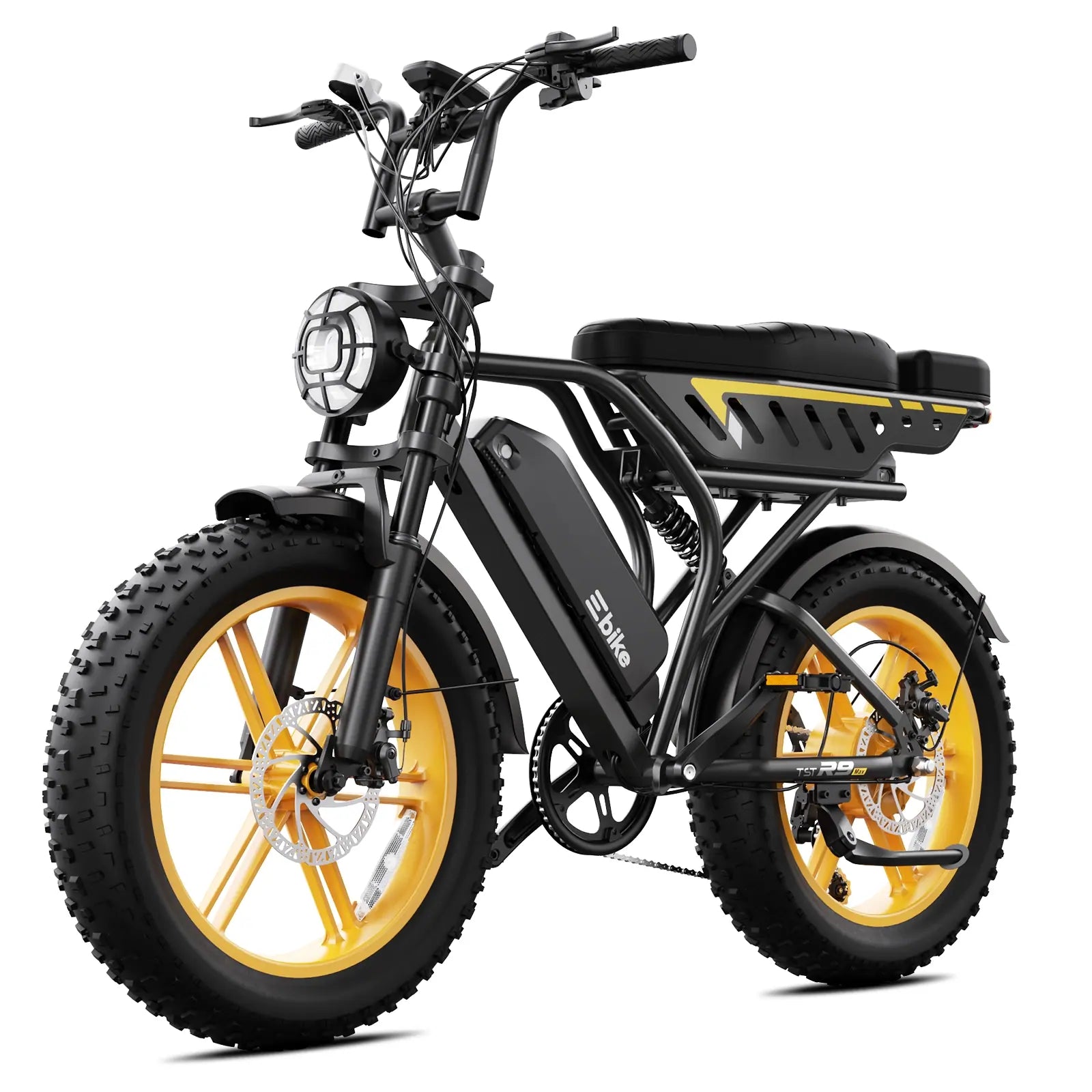
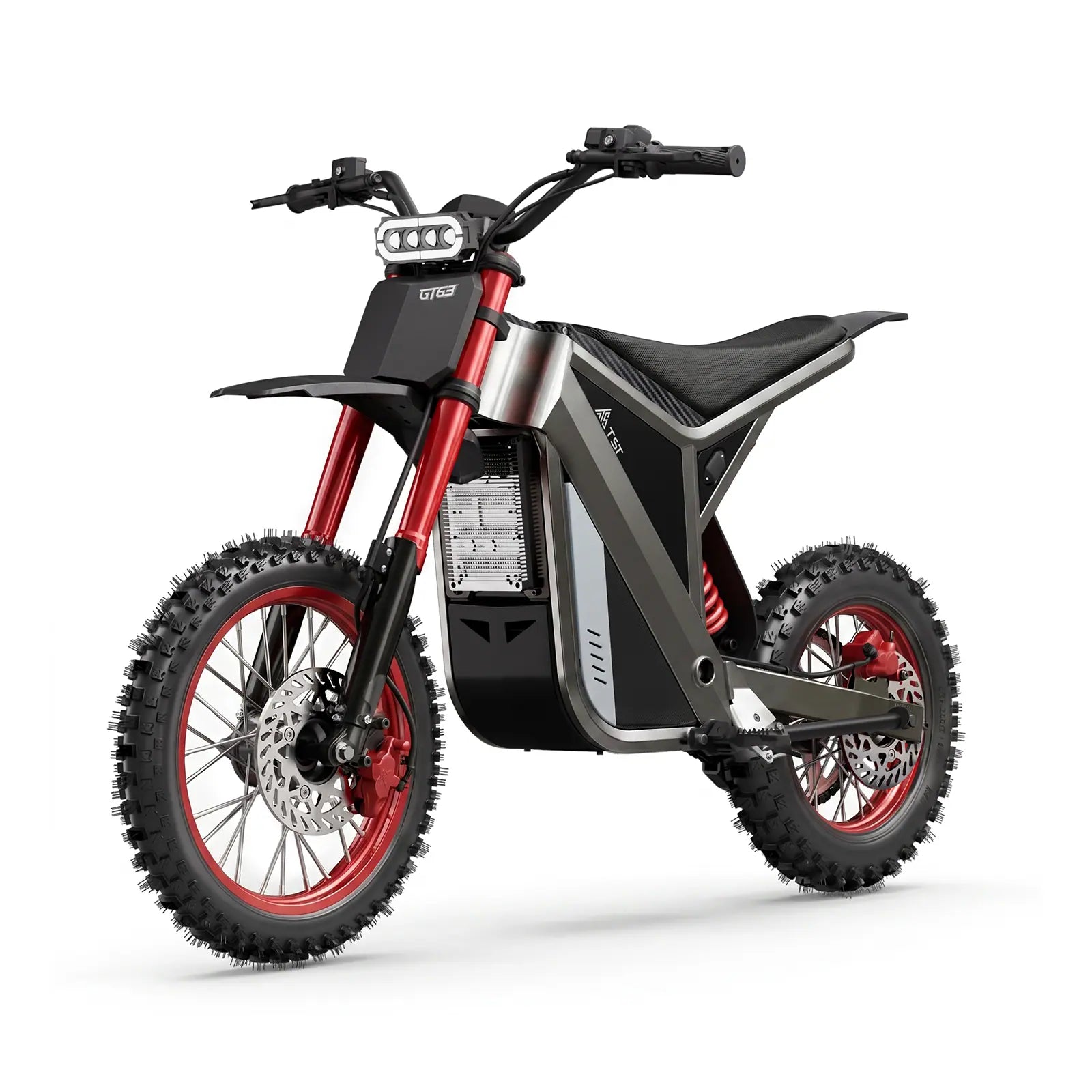
TST EBike is well positioned for this future because the brand already focuses on practical, high-value electric bikes and responds to consumer feedback. That kind of manufacturing mindset matters when the market starts demanding smarter, more capable cargo platforms.
As cargo ebikes evolve, brands like TST EBike will need to balance affordability, frame strength, battery strategy, and everyday usability. The winners will be the companies that deliver real utility without pricing out ordinary riders.
TST EBike Expert Views
"The future of cargo ebikes is not just more power. It is better system balance. In our view, the next generation will combine stronger voltage platforms, smarter battery control, and frame designs that keep the bike stable when loaded. A cargo ebike that feels safe, predictable, and easy to live with will always matter more than one that simply advertises speed."
What should buyers watch for in 2027?
Buyers should watch voltage, battery quality, frame geometry, weight rating, software features, and serviceability. A cargo ebike may look advanced on the outside, but the real test is whether it is practical to maintain and dependable under daily load.
The smartest buyers will also ask about parts availability and upgrade paths. A bike that can be repaired easily will outlast a bike that only looks futuristic on launch day.
How should businesses prepare for cargo ebike growth?
Businesses should prepare by planning charging, storage, maintenance, and rider training now. Fleet success depends on operations as much as it depends on the bike itself.
That is especially true for delivery and municipal use. A cargo bike program is only as strong as the support structure behind it, including batteries, locks, service intervals, and replacement components.
Conclusion
Cargo ebikes in 2027 will be more connected, more powerful, and more specialized than today. The biggest story will not be speed alone, but the move toward 96V systems, AI-driven support, better frame engineering, and more practical use for families and businesses.
For riders and buyers, the best strategy is to focus on stability, load handling, battery quality, and serviceability. For brands like TST EBike, the opportunity is clear: build cargo bikes that feel smarter, safer, and more useful in everyday life.
FAQs
Will all cargo ebikes use 96V in 2027?
No. 96V will likely appear in higher-end or commercial models, while mainstream bikes may stay at lower voltages.
Will AI make cargo ebikes easier to use?
Yes, if it improves range prediction, diagnostics, and load-aware assistance without adding complexity.
Are cargo ebikes good for businesses?
Yes. They can cut costs, improve delivery speed, and work well in dense urban areas.
Will cargo ebikes replace vans?
Not completely, but they can replace vans for many short-range delivery and service tasks.
Will TST EBike be part of this trend?
TST EBike is well aligned with the shift toward practical, cost-effective, and consumer-driven electric mobility.

Leave a comment
This site is protected by hCaptcha and the hCaptcha Privacy Policy and Terms of Service apply.