
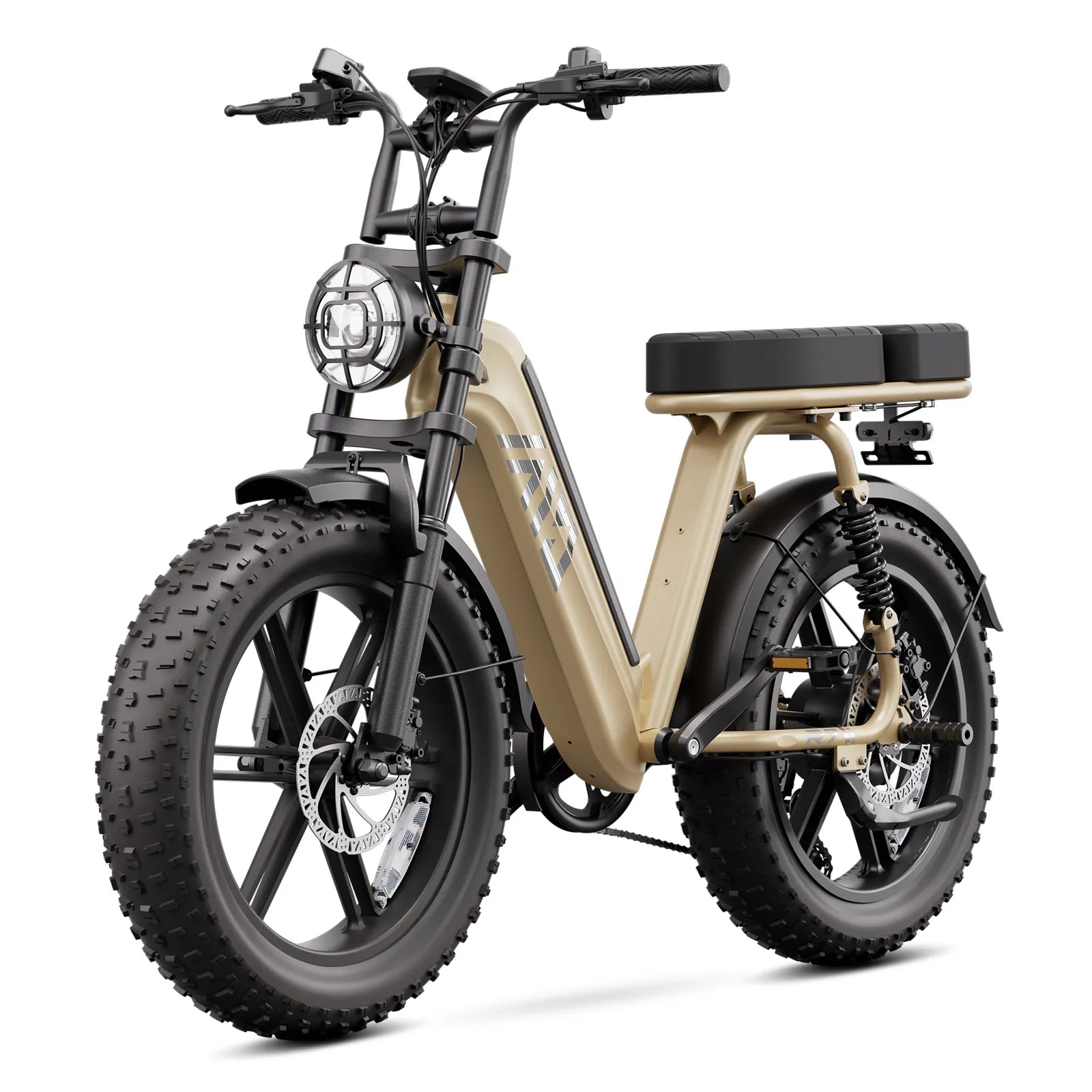
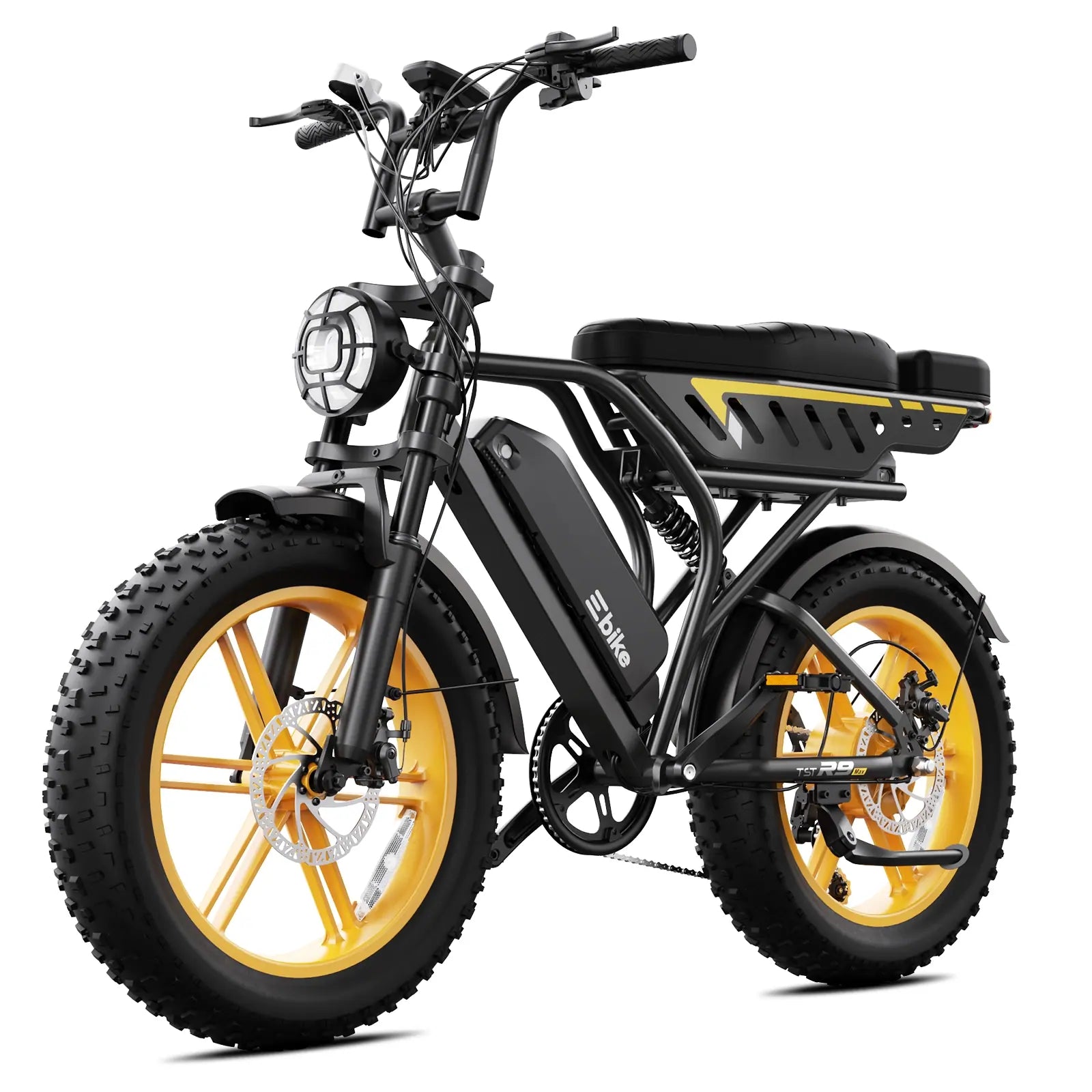
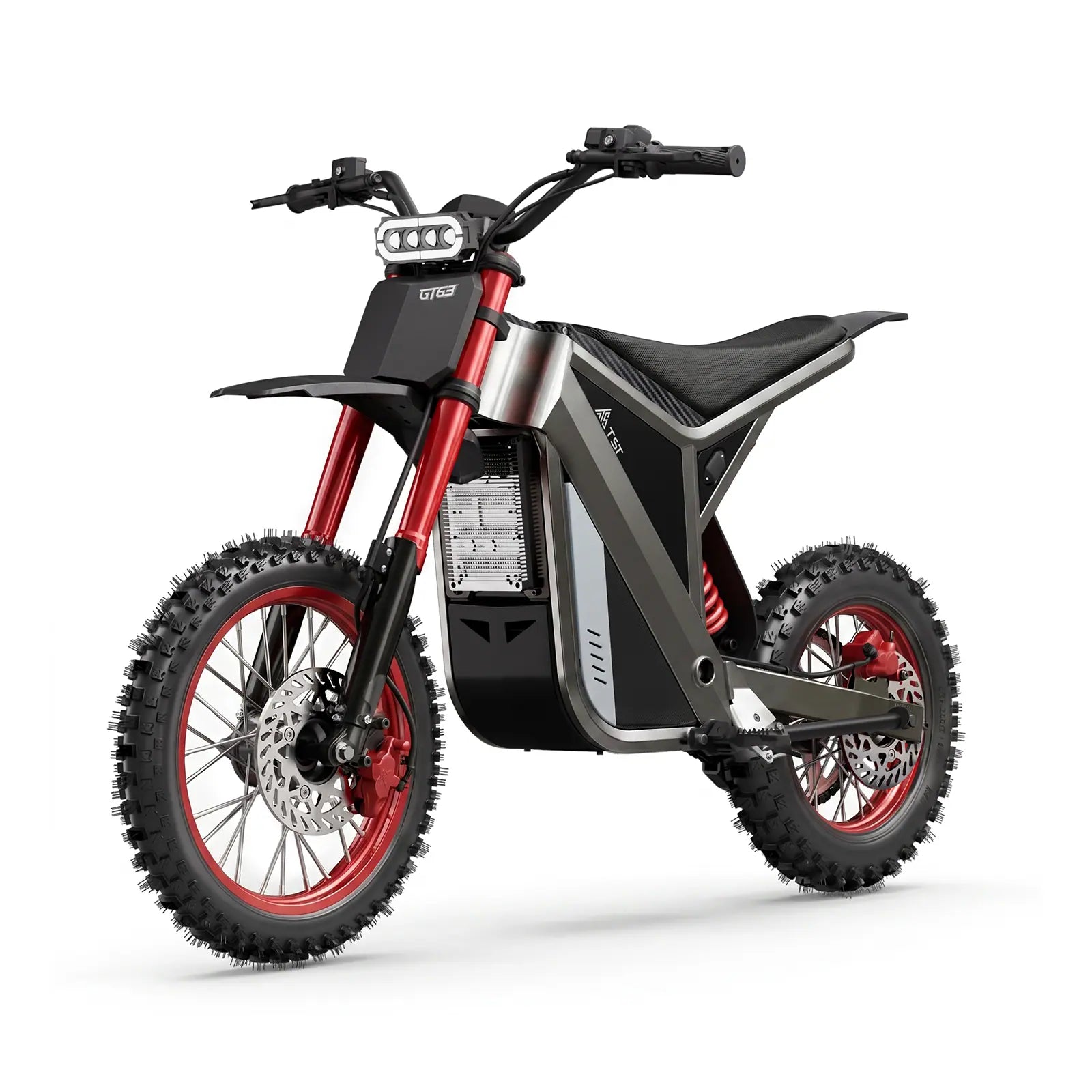
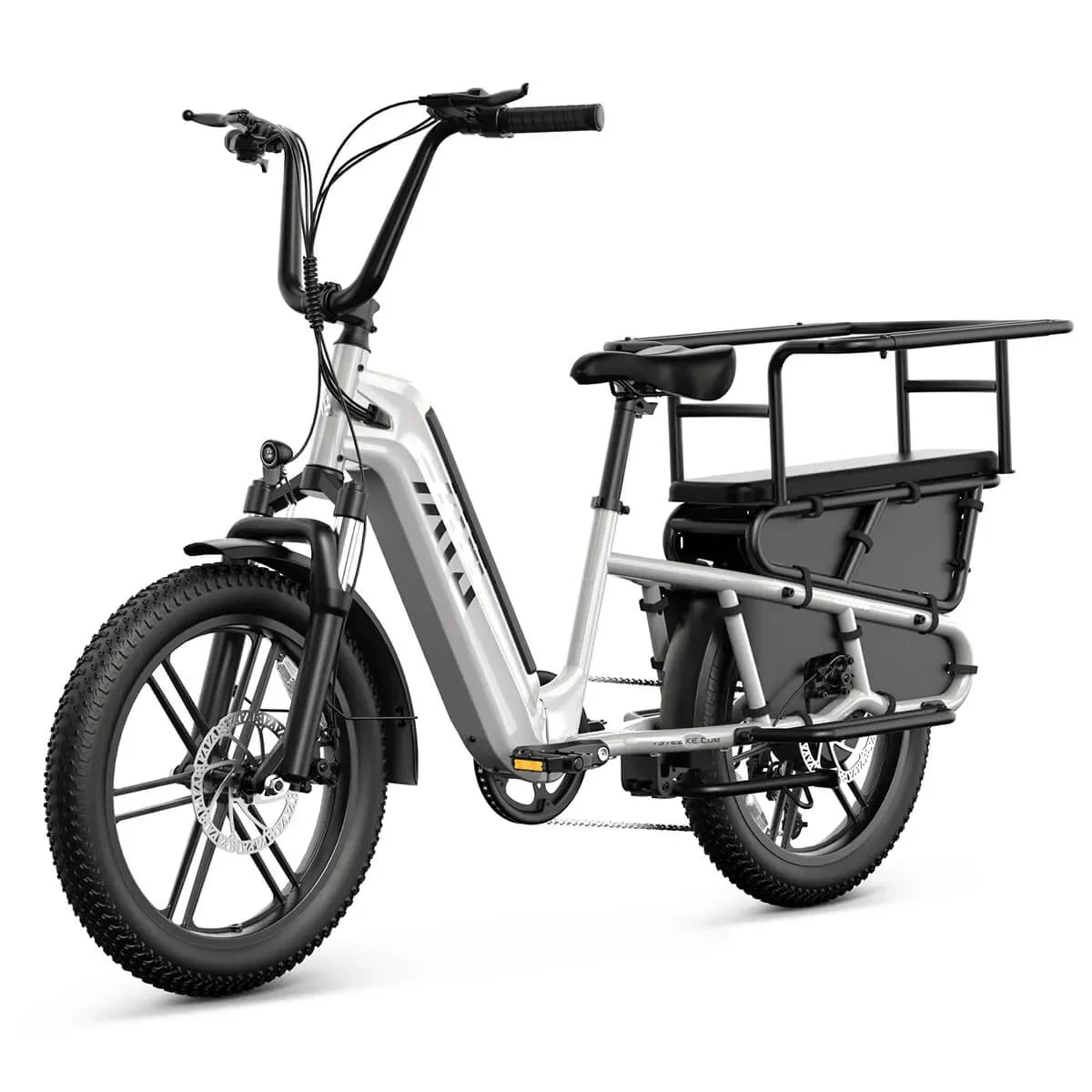
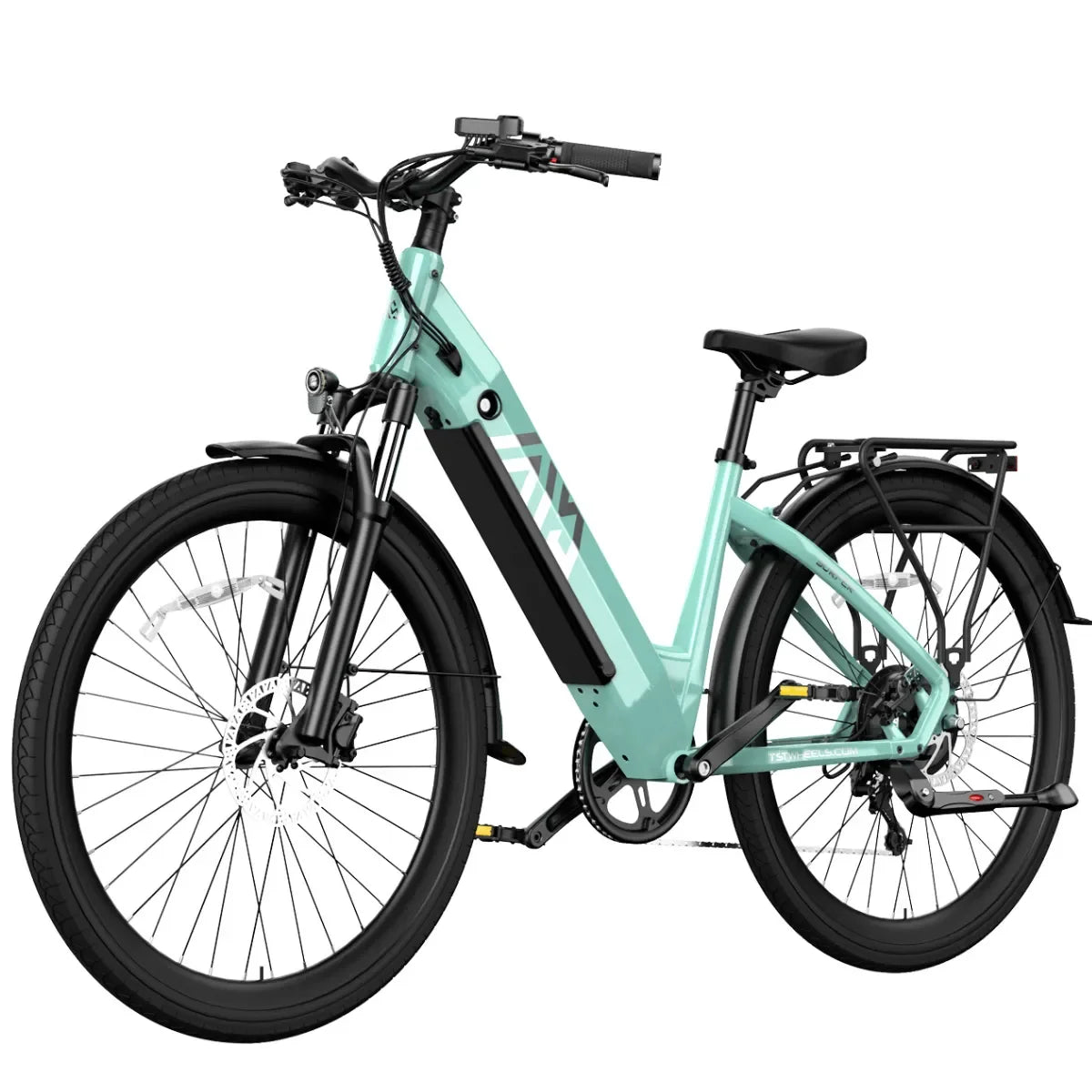
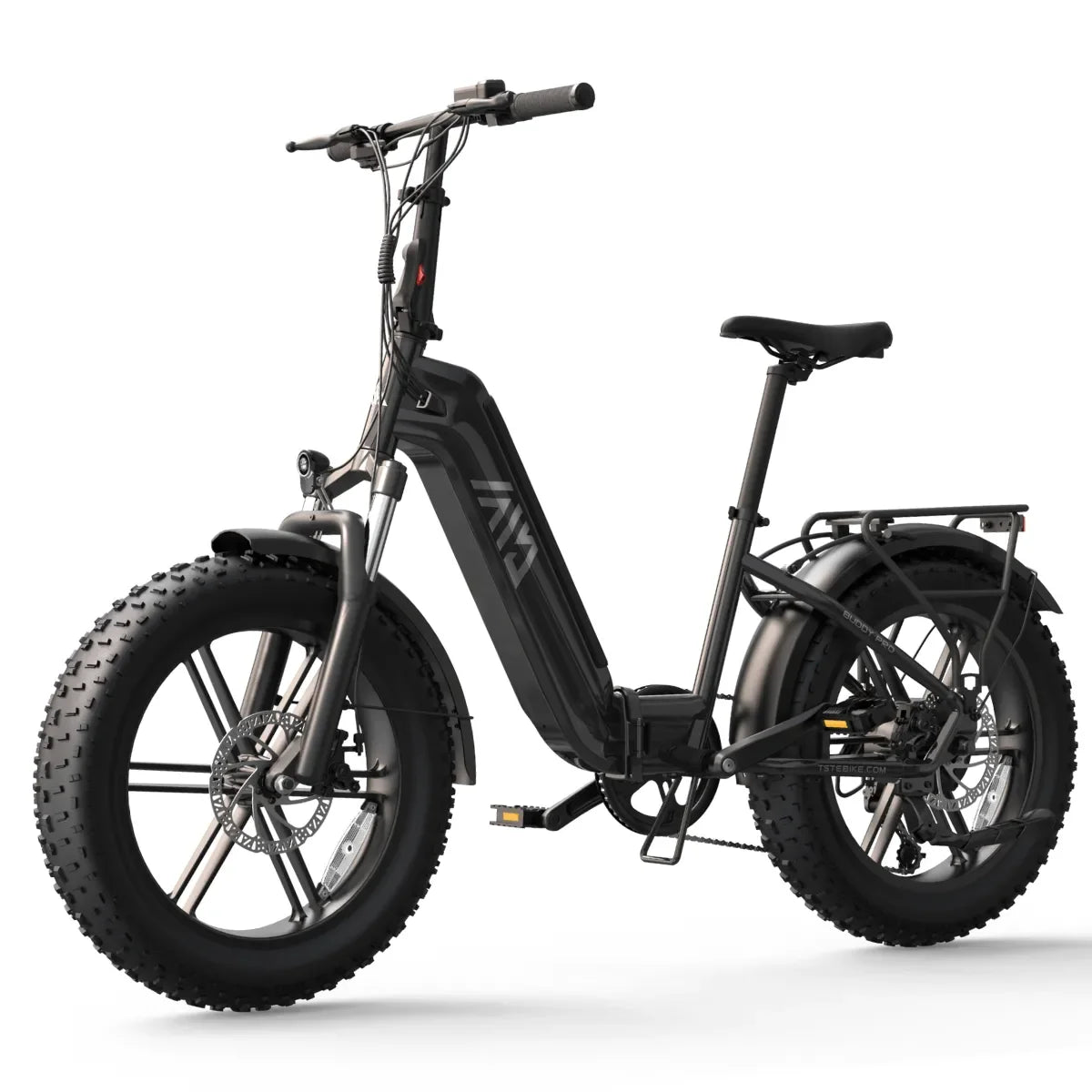
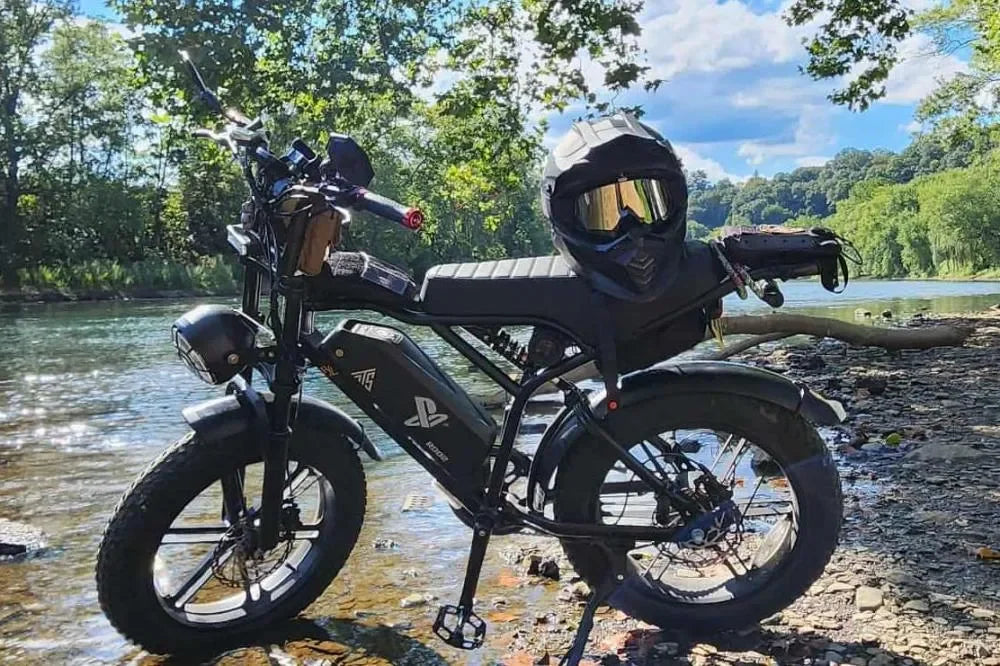
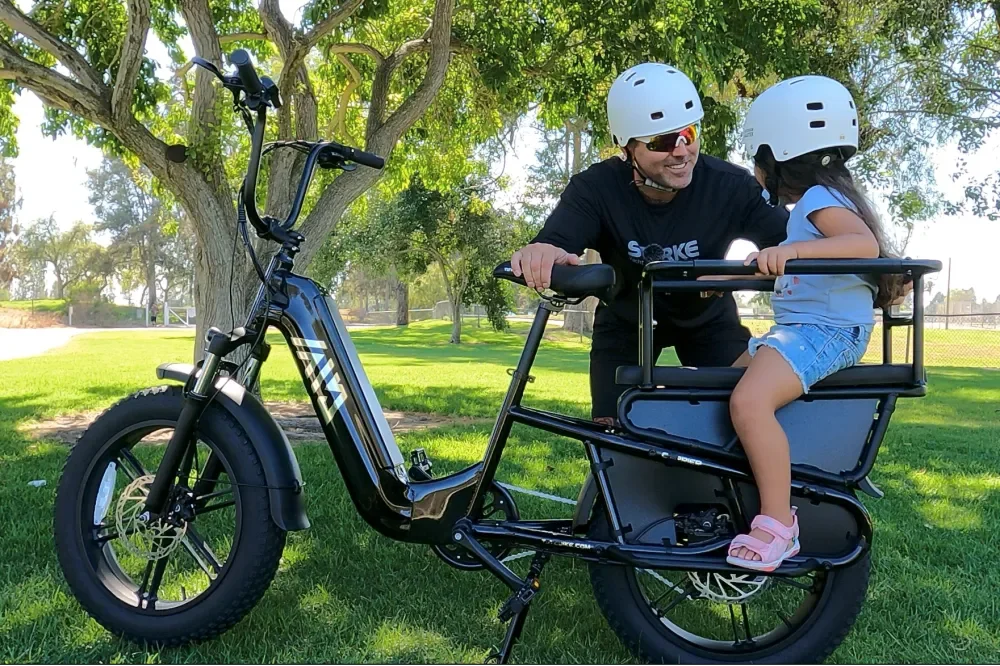
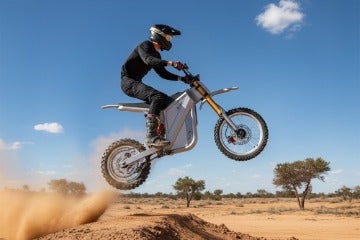
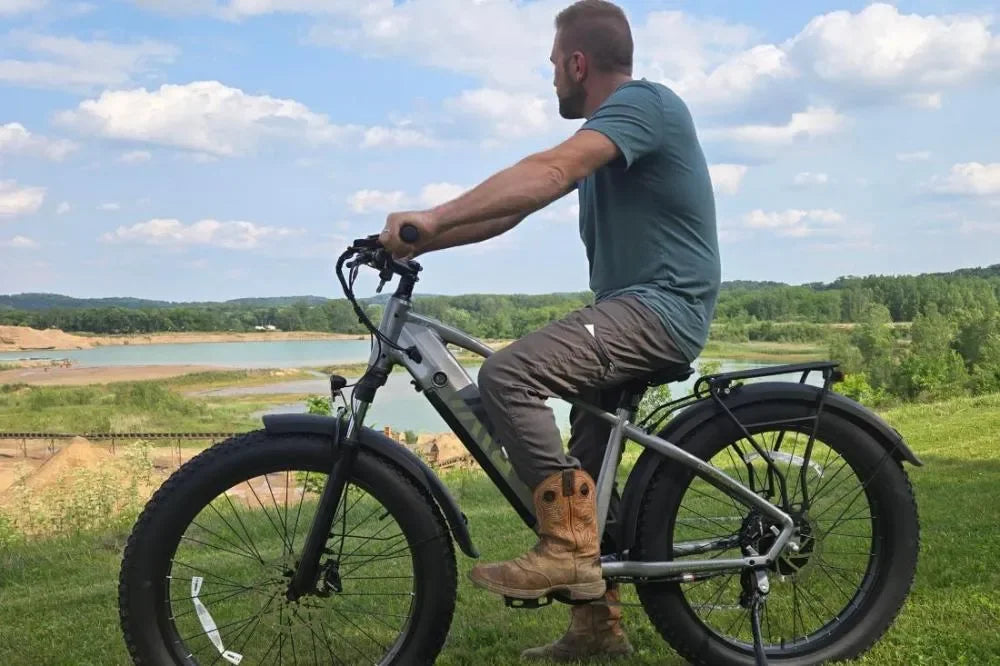
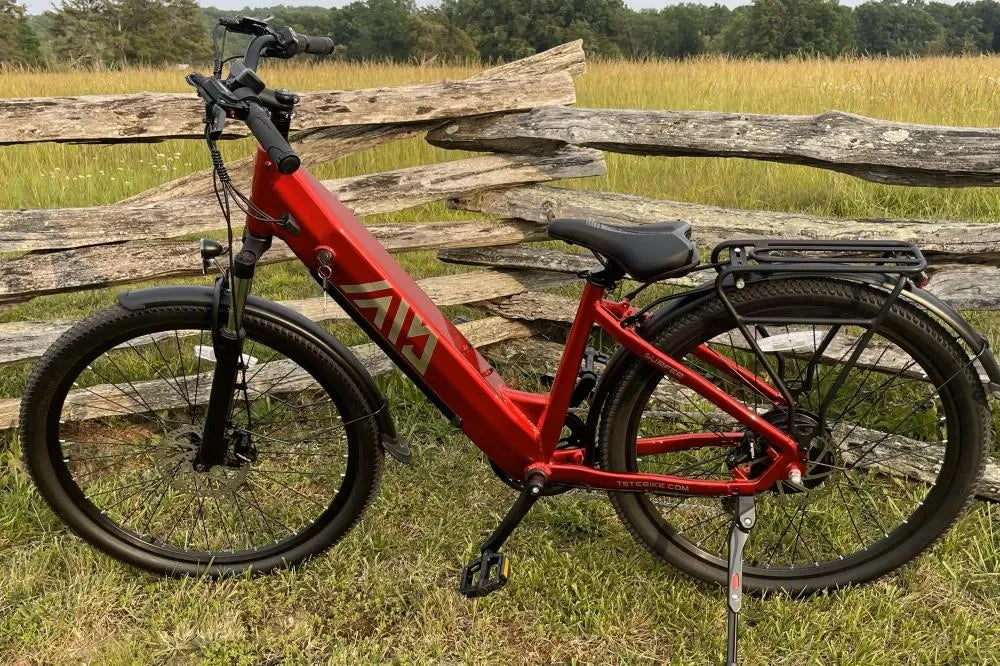
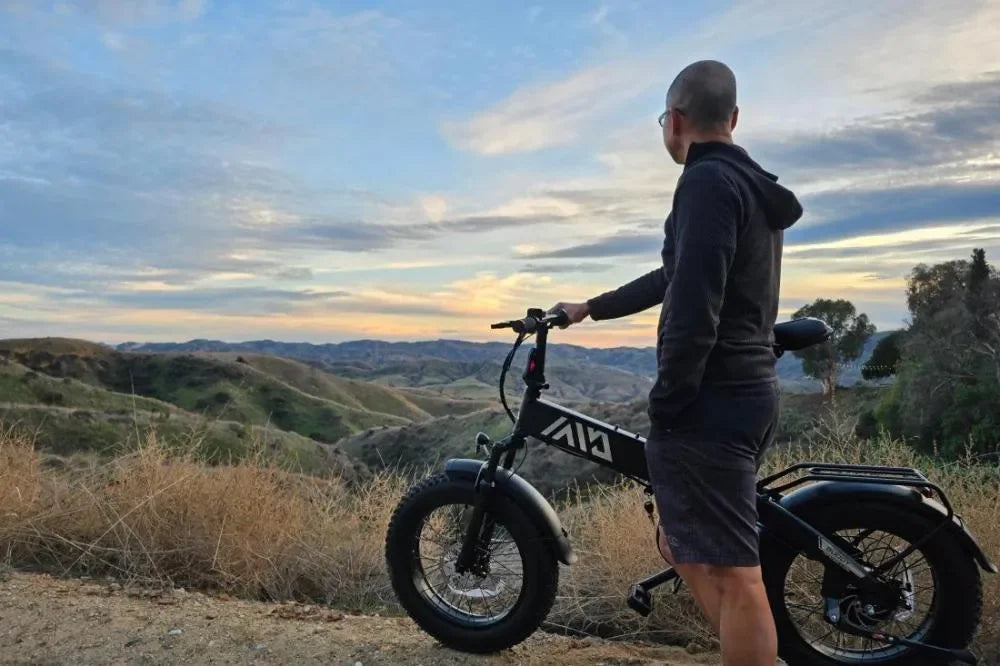
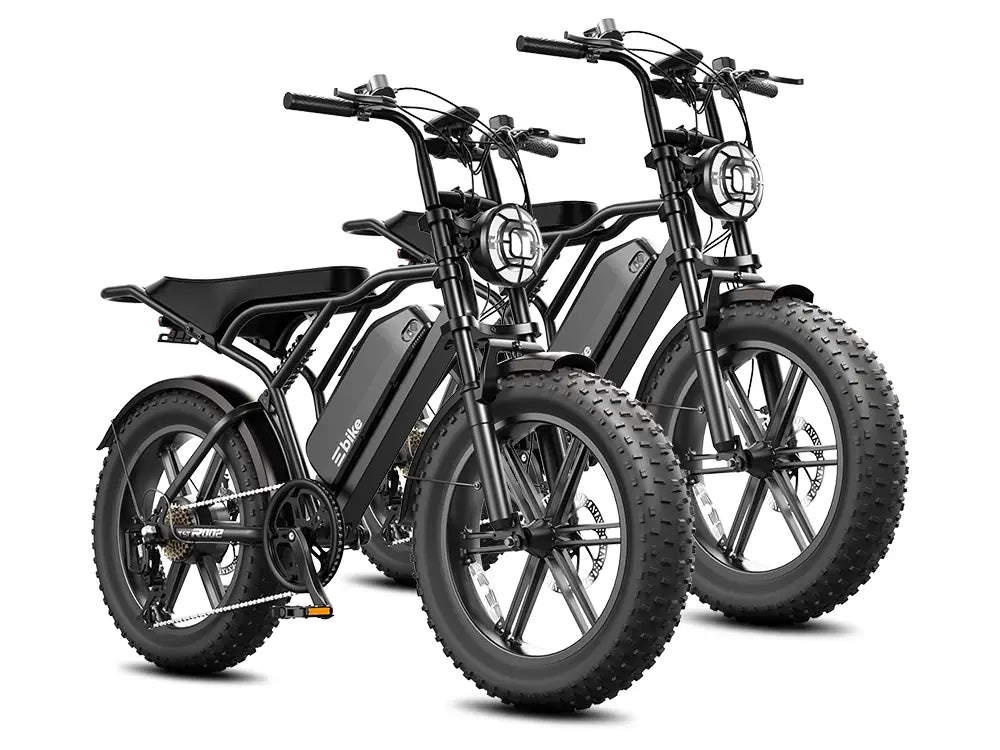
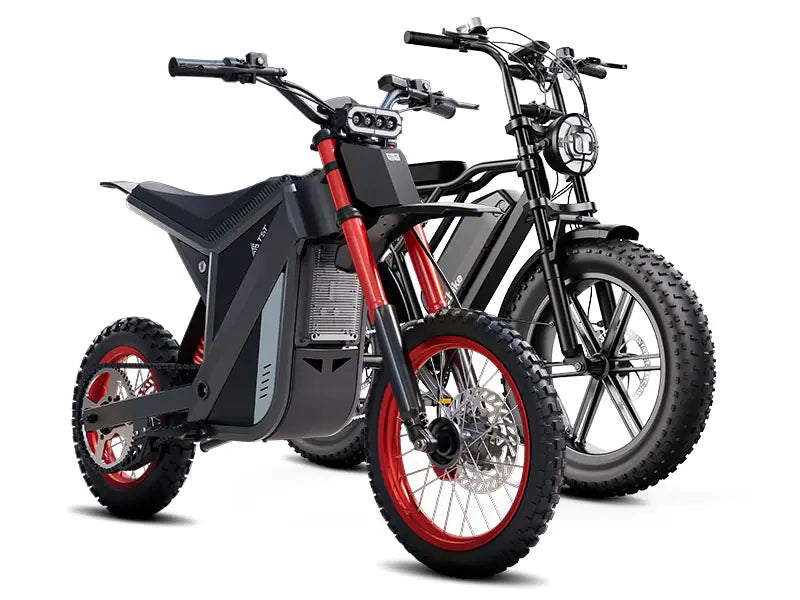
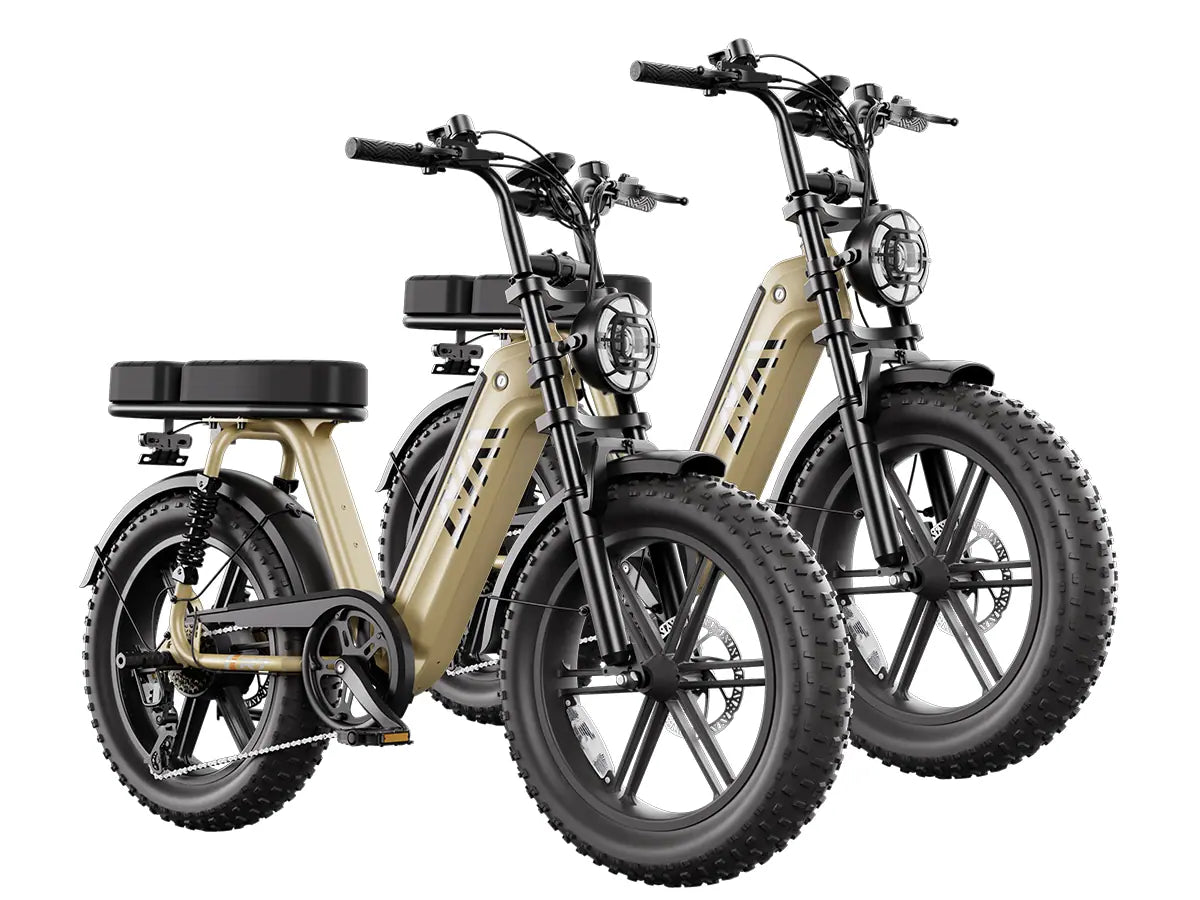
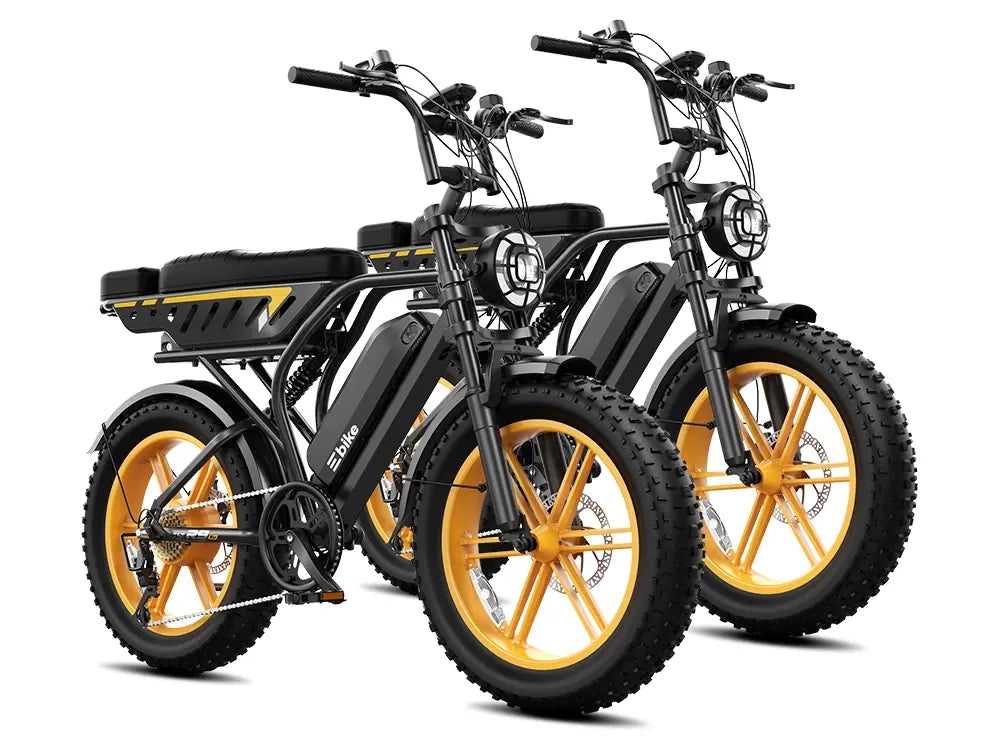
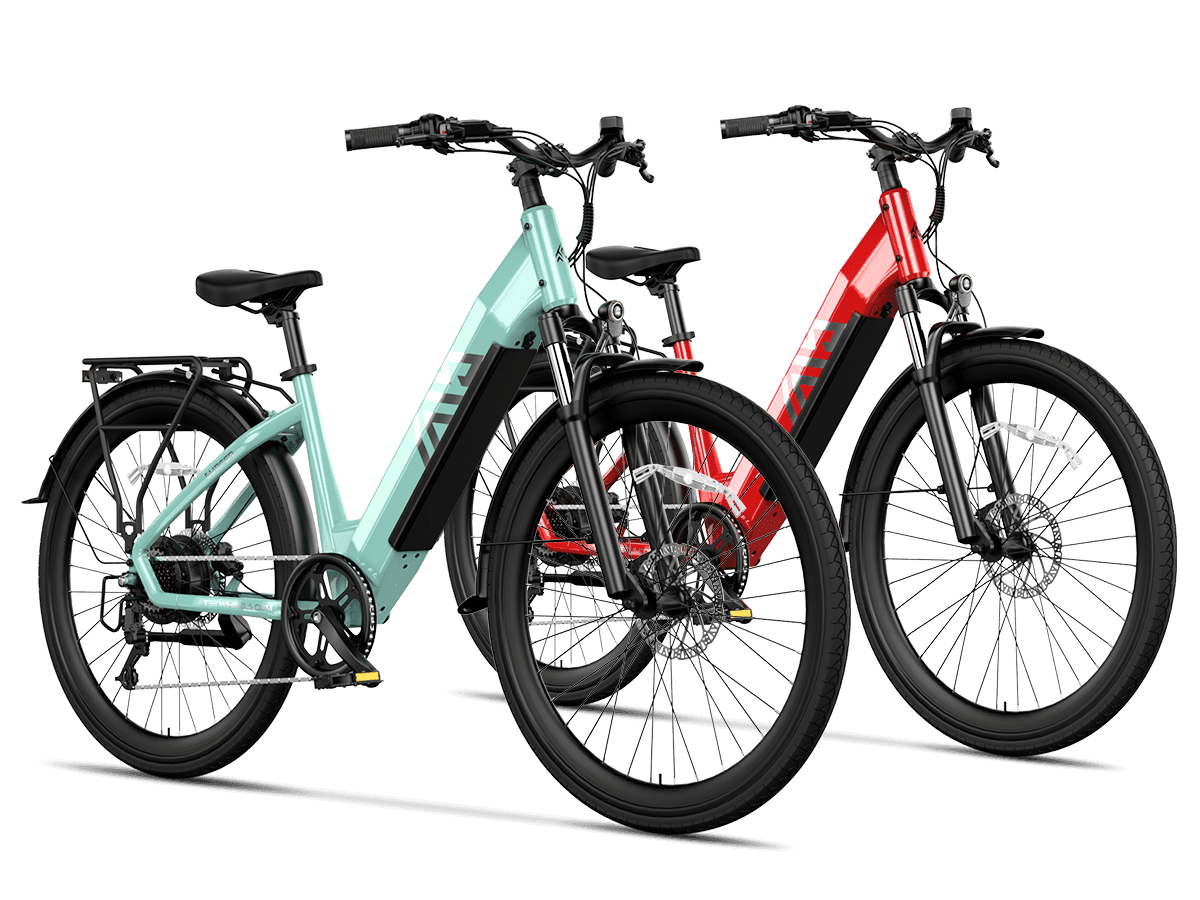
Upgrading cargo ebike lights improves visibility, safety, and confidence when you haul in low light or at night. Cargo bikes are heavier, slower to stop, and often wider than regular ebikes, so brighter headlights and better rear lighting help other road users see you sooner. A well-chosen lighting setup also helps you spot potholes, curbs, and loose debris before they become a problem.
Can Short Riders Fit Cargo Ebikes Comfortably?
What Makes Cargo Bikes Harder to See?
Cargo bikes are harder to see because they move differently from standard bicycles and often carry large loads that block body outline and rear visibility. Their long frames can also make them look less like a narrow bike and more like a compact vehicle, which means drivers may misjudge distance or speed. At night, that risk becomes even greater if the bike uses weak factory lights.
In my experience, the issue is not only brightness. It is also beam shape, mounting height, and whether the light stays visible when bags, child seats, or boxes are mounted. On a TST EBike cargo setup, that distinction matters because a strong load can hide a small factory lamp.
How Do Better Headlights Improve Safety?
Better headlights improve safety by giving you more reaction time and making your bike easier for others to recognize as a moving vehicle. A good cargo ebike headlight should illuminate the road ahead without blinding oncoming traffic. It should also stay stable over bumps so the beam does not bounce and confuse your vision.
A stronger light can reveal lane debris, wet patches, and curb edges earlier. That is especially important on heavy cargo bikes because stopping distance is longer, and quick swerves are harder when the bike is loaded. For TST EBike riders, that means the right light is not an accessory; it is part of the bike’s operating system.
Which Light Types Work Best?
The best lights for cargo ebikes are high-output LED headlights with wide beam patterns, plus a bright rear light with strong side visibility. A wide beam helps you see the lane and nearby edges, while a focused center hotspot helps with distance. Rear lights should be noticeable from farther back and from side angles.
Here is a practical comparison:
A factory-style light that is “good enough” for daylight often falls short at night. If you carry weight, your lighting should scale with the size and pace of the bike.
Why Does Load Size Matter at Night?
Load size matters at night because boxes, panniers, child seats, and rear cargo can block reflectors and lamps. The bigger the load, the more your bike’s shape changes from other road users’ point of view. That means a light that worked fine on an empty bike may become ineffective once cargo fills the rear end.
I have seen riders assume the frame itself makes them visible. It does not. At night, visibility comes from active lighting, not from the assumption that drivers will notice your silhouette. On a TST EBike cargo setup, that means planning lights around the actual cargo you carry most often.
Does Battery-Powered Lighting Make Sense?
Yes, battery-powered lighting makes sense when you want independence from the bike’s main electrical system. It is easy to install, flexible, and useful if you switch bikes or want a backup light. The downside is that you must remember to charge it separately, or you may lose brightness when you need it most.
Integrated lighting, on the other hand, is cleaner and often easier to manage if the bike already has a suitable power output. For many riders, the best answer is a hybrid: a wired primary headlight plus a small backup light. That combination gives reliability and redundancy.
How Should You Mount Cargo Ebike Lights?
Mount lights so they sit high enough to stay visible above cargo, but low enough to keep the beam aimed correctly. The headlight should be centered and stable, not dangling from a weak bracket. The rear light should be placed where bags and racks do not block it.
The most common mistake is treating the light like a decorative add-on. A loose mount causes beam shake, cable strain, and reduced visibility. Strong mounting hardware matters just as much as brightness, especially on a heavy TST EBike where frame vibration can be more noticeable under load.
What Beam Pattern Is Best for Heavy Bikes?
A wide, even beam pattern is usually best for heavy cargo bikes because it lights the lane and the edges where hazards usually appear. A narrow beam can look impressive in a spec sheet, but it may leave your shoulders, wheel path, and side obstacles in shadow. That is a problem when you steer a loaded bike through traffic or on a dark path.
The right beam is not only about lumen count. It is about distribution. A good cargo ebike headlight should help you read the road surface, not just produce a bright spot in the distance. That is a subtle but important engineering trade-off.
How Do You Upgrade Without Creating Wiring Problems?
Upgrade without wiring problems by matching voltage, using weather-resistant connectors, and avoiding overloaded circuits. If the bike uses an integrated power system, confirm the light is compatible before tapping in. If you use a separate battery or converter, make sure it is mounted securely and protected from vibration and moisture.
This is where many DIY jobs go wrong. Loose splices, undersized connectors, and poor cable routing can create flicker or failure. A clean wiring job is not just about aesthetics; it prevents intermittent power loss during rides. On TST EBike builds, I would always prioritize secure routing over the cheapest possible setup.
What Should You Look For in Rear Lighting?
Look for a rear light that is bright, wide-angle, and visible even when the bike is carrying cargo. A rear lamp should not only show that you are there; it should clearly signal slowing and stopping if it supports brake activation. Side visibility also matters because many crashes happen at intersections.
If your cargo bike already has a rear rack, position the light where it remains unobstructed by bags or child carriers. A lamp hidden behind gear is nearly useless. For night hauling, the rear light should be thought of as a warning signal, not a decoration.
Why TST EBike Riders Should Care
TST EBike riders should care because practical, cost-effective electric bikes often become daily transportation, and daily transportation needs dependable lighting. If your bike is used for commuting, errands, or family hauling, the lighting system needs to match the bike’s real job. That includes headlight reach, rear conspicuity, and side visibility.
TST EBike has built its identity around useful, high-value riding. Upgrading lights fits that philosophy because better visibility makes the whole bike feel more complete and trustworthy. It also improves confidence when the bike is loaded, which matters more than raw brightness numbers.
TST EBike Expert Views
“When I set up cargo ebikes for night use, I focus on three things: see the road, be seen from behind, and keep the beam stable under load. A brighter light is not enough if it bounces or gets blocked by cargo. The best upgrade is the one that stays effective when the bike is fully loaded, because that is when riders need it most.”
Can Lighting Help With Long Stops and Slow Traffic?
Yes, lighting helps a lot when the bike is moving slowly or stopping often. Heavy cargo ebikes are less nimble than standard ebikes, so drivers behind you need more time to recognize that you are braking or changing position. Strong lighting helps them do that earlier.
This matters in dense traffic and around parking areas. Slow movement can make a bike harder to judge, not easier. A cargo ebike with good lighting looks intentional and predictable, which is one of the best safety advantages you can buy.
How Do You Choose the Right Upgrade?
Choose the right upgrade by matching light output, beam shape, mounting style, and power source to your riding conditions. If you ride dark streets, prioritize road illumination and side visibility. If you mostly ride in traffic, prioritize being seen clearly from the front and rear. If your cargo blocks the frame, choose higher mounting points.
A smart upgrade is the one that solves your actual visibility problem. For example, a TST EBike used for evening deliveries may need a stronger front beam and a more visible rear lamp than a bike used only for short neighborhood trips. Real use should drive the choice.
Conclusion
Upgrading cargo ebike lights is one of the most practical safety improvements you can make for night hauling. Heavier bikes need more visibility because they accelerate, stop, and turn differently from lighter bikes. A better headlight, a stronger rear lamp, and stable mounting can make the bike easier to see, easier to control, and easier to trust after dark.
For TST EBike riders, the best lighting setup is the one that fits the way you actually ride. Focus on beam pattern, mounting quality, cargo clearance, and reliable power, and your bike will feel safer every time you roll out at night.
FAQs
Do brighter lights always mean better safety?
Not always. Beam shape, mounting, and visibility from multiple angles matter just as much as brightness.
Should cargo ebikes use the same lights as regular ebikes?
Usually no. Cargo ebikes often need stronger and wider lighting because they are heavier and can carry blocking loads.
Is a rear light really necessary for short night rides?
Yes. Rear visibility is critical anytime traffic is behind you, even on short rides.
Can I add lights to a TST EBike easily?
Yes, but choose a setup that matches the bike’s power source and mounting options.
Are battery-powered lights good enough?
They can be, especially as backups, but they need regular charging and careful mounting.
What is the most important upgrade first?
Start with a strong, stable headlight, then add a highly visible rear light.

Leave a comment
This site is protected by hCaptcha and the hCaptcha Privacy Policy and Terms of Service apply.