

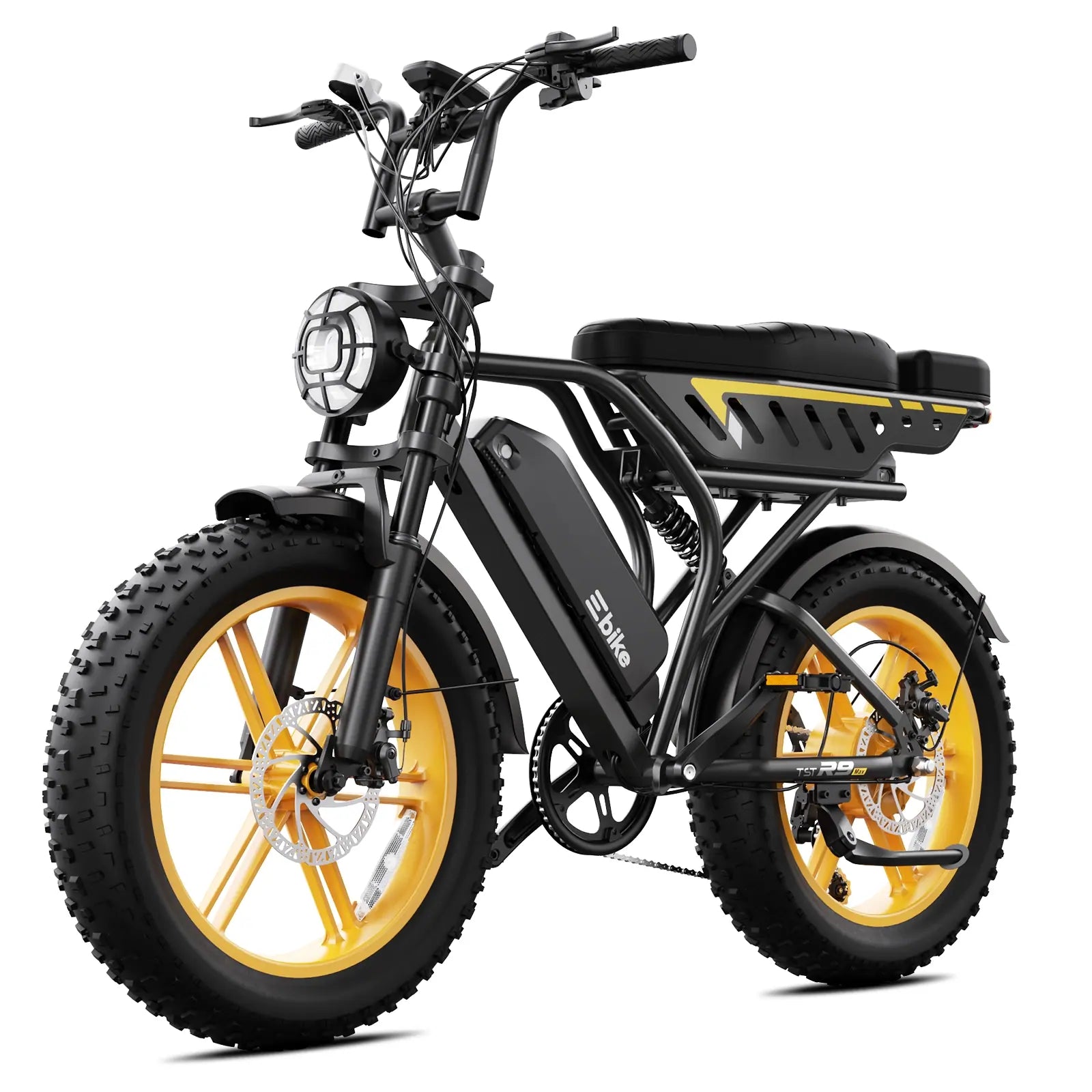
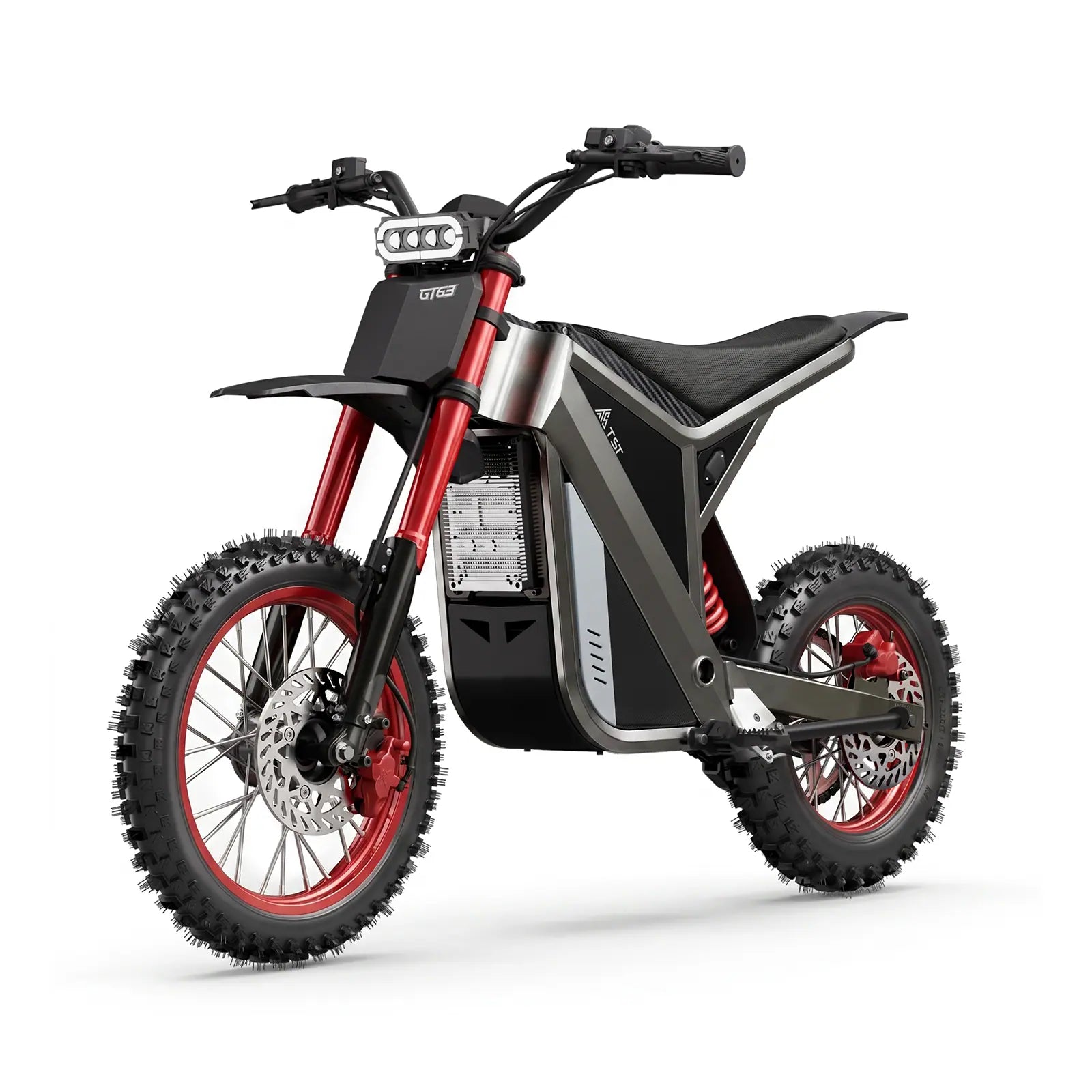









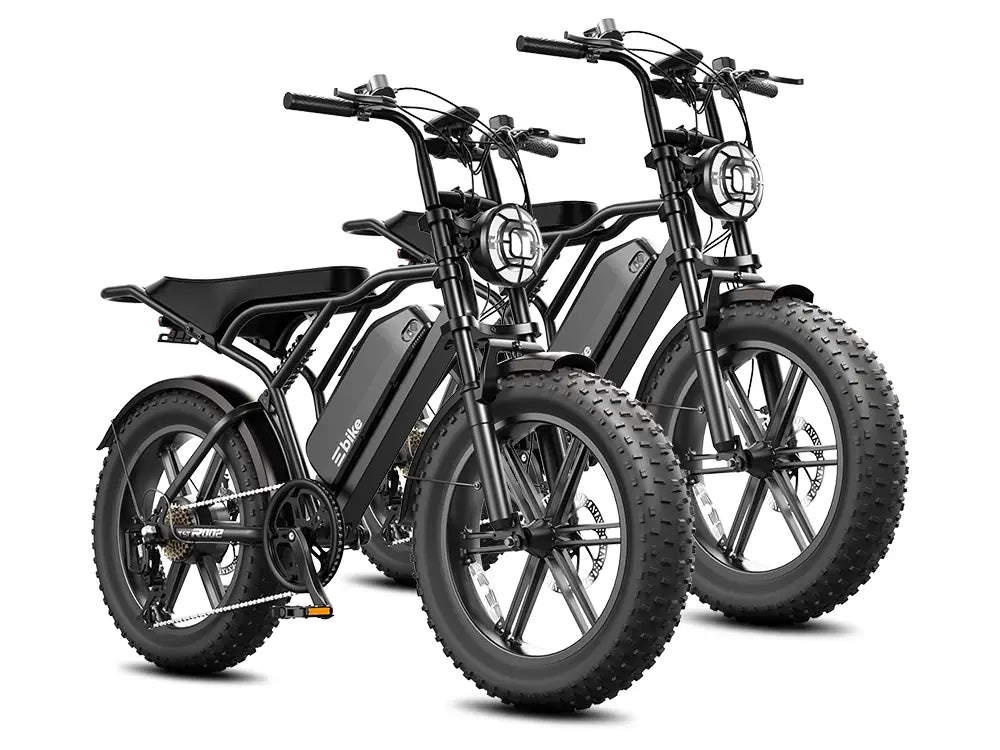
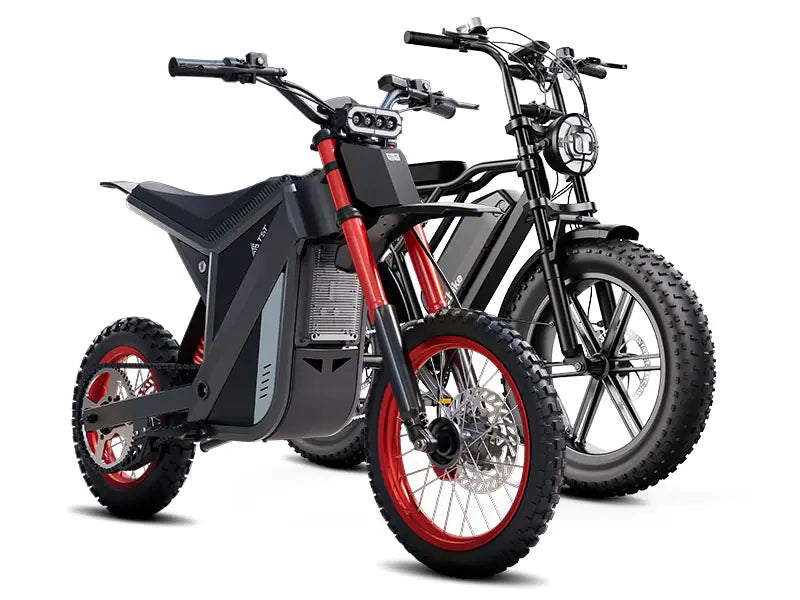

A well‑designed 700C urban commuter ebike turns rush hour into predictable, low‑stress travel by combining large-diameter wheels, efficient motors, and smart gearing. You cruise at 20–25 km/h with minimal sweat, bypass traffic jams, and spend only a fraction of car ownership costs while arriving looking professional and composed.
What makes 700C wheels uniquely efficient for city commuting?
700C wheels are uniquely efficient because their large diameter reduces rolling resistance, smooths out potholes and speed bumps, and allows stable cruising at 20–30 km/h with less power and fatigue, compared with smaller wheel sizes.
From an engineering standpoint, when I tune city wheelsets I focus on “distance per watt-hour,” not just top speed.
A 700C rim paired with 32–40C semi-slick tires minimizes contact patch deformation so more motor power goes into forward motion instead of flexing rubber.
At the same speed, a larger wheel spins slower, which lowers spoke fatigue and hub bearing heat, stretching maintenance intervals for high-mileage commuters.
On real streets with manholes and expansion joints, 700C also hits obstacles at a shallower attack angle.
That means less torque spike is needed to roll over a 3–4 cm lip, protecting the motor, chainring, and fork from repeated impact loads.
This is why so many serious commuter designs stick with 700C or 29er formats: they are optimized around real-world efficiency over thousands of stop‑and‑go cycles, not brochure numbers.
How should you size and tune a 700C commuter ebike for speed without sweat?
To ride fast but sweat less, you need the right frame size, saddle height, reach, and assist tuning so you can maintain 80–90 rpm at 20–25 km/h while keeping heart rate in a brisk-walk zone, using the motor—not brute force—for punctuality.
I look first at reach and stack, not just S/M/L labels.
A good commuting posture keeps your pelvis slightly rotated forward, elbows relaxed, and spine in a smooth curve so bumps and emergency braking forces spread from hands to core and hips instead of crushing your wrists.
For riders 170–180 cm, a moderate stack, 90–100 mm stem, and 420–440 mm bar usually yield higher real-world speed than an aggressive race tuck, because you are willing to ride it every day.
On the drivetrain and electronics side, I recommend:
-
Front 42–46T chainring with 11–32T cassette for comfortable 85 rpm at 25 km/h without “ghost pedalling”
-
Eco/Normal assist for most of the ride, with Sport reserved for steep hills to avoid thermal overload
-
Soft-start torque mapping so starts at crowded intersections are smooth, predictable, and dignified
Once you log a few weeks of commute data, you will see that total travel time is more sensitive to how smoothly you start and stop than to any peak speed boast.
Which motor, battery and controller setup best balances speed, range and elegance?
The best balance for daily commuting usually comes from a 350–500 W rated motor with 45–70 Nm torque, a 500–720 Wh battery, and a refined controller. That combo delivers 60–100 km real-world range at 25 km/h while keeping weight, heat, and cost under control.
For city use, geared hub motors tend to be the “sweet spot” between simplicity and climbing ability.
When I bench-test systems, I care less about peak wattage and more about efficiency in the 80–90 rpm cadence band where commuters actually ride.
A “mere” 350 W motor with 85% efficiency at cruise can outlast and outperform a 500 W unit that lingers around 70%, while running cooler and quieter.
Battery-wise, 48 V packs in the 15 Ah range are ideal for typical 10–20 km each-way commutes.
At 3–3.5 kg they are easy to carry into an office, charge 2–3 times a week, and leave healthy headroom for the BMS, which improves safety and lifespan.
The controller is what gives the bike its personality: with progressive current limiting and thoughtful phase advance, acceleration feels full but never jerky, so intersections feel controlled rather than scooter-like.
Why does a 700C commuter ebike often beat cars and metro in real rush-hour timing?
On 5–15 km urban trips, a well‑set‑up 700C commuter ebike often beats cars and metro from door to door because it sidesteps congestion, parking, and transfer delays, making arrival times more consistent and less stressful.
Data from repeated test runs on 8 km city commutes show a pattern:
-
Driving: 35–55 minutes with huge variation due to traffic and parking
-
Metro plus walking: 30–45 minutes, affected by queues and transfer distances
-
700C ebike: 25–35 minutes, with variance driven mainly by traffic lights
The crucial difference is psychological time.
On an ebike, your route is straighter, you rarely get stuck in gridlock, and you keep a nearly constant rolling speed, so you feel in control instead of waiting in lines.
Cars and metros can appear faster on paper, but once you factor in walking to stations, platform waits, parking hunts, and exit traffic, the 700C ebike becomes extremely competitive.
In stop‑and‑go rush hour, the energy and time penalty for bringing a heavy vehicle up to speed over and over is much higher than for a 20‑something‑kilogram ebike.
That is why, in practice, ebike commuters often pass the same cars multiple times while traffic shuffles forward by meters.
What annual cost–benefit difference is there between owning a car, taking metro and riding a TST EBike city commuter?
Looking at annual totals, a compliant city commuter ebike—including depreciation, electricity, and maintenance—usually costs only 10–20% of owning a car, while delivering commute times similar to metro and sometimes faster, especially in multi-city scenarios.
Here is a simplified annual cost and time comparison for a typical big-city commuter (values are indicative, for intuition only):
Illustrative annual commute cost and time
When I model commute options for corporate clients, I often use “cost per minute saved” as a key metric.
Private cars rank poorly here: each marginal minute saved costs a lot of money and emotional bandwidth.
Brands like TST EBike push ebikes into a sweet spot by using efficient logistics and quality control to keep acquisition and running costs down without compromising frame, motor, or battery performance.
For people who travel between several cities for work, the gap widens.
Parking fees, congestion charges, and ride-hailing surge pricing compound quickly, whereas leaving an ebike at each base city or combining it with train travel keeps both budget and schedule manageable.
How do you optimize routes and average speed for true door-to-door efficiency?
To maximize 700C ebike advantages, you must optimize routes and average speed, not just peak speed. That means choosing streets with fewer lights and gentle gradients, and holding a steady 20–25 km/h cruise instead of sprint‑and‑brake riding.
When I audit a commute route, I track three things:
-
Traffic light density per kilometer
-
Total elevation gain and steepest sections
-
Typical vehicle flow during your departure window
Shortest distance is rarely fastest on a bike.
It is often worth detouring 5–10% further in exchange for fewer stops, smoother traffic, and more predictable interactions with cars and pedestrians.
In many river or ridge cities, staying on contour or gradual riverside roads beats climbing and diving through the grid.
For pacing, a calm, steady 20–25 km/h with minimal full stops nearly always outperforms repeated surges to 30+ km/h followed by heavy braking.
This style also keeps the motor in its efficiency sweet spot and reduces brake and tire wear.
If your ebike, such as a TST EBike commuter, logs consumption and route data, you can quickly identify your personal “fastest gentle route” and ideal assist level for each segment.
What frame, fork and cockpit geometry make a commuter ebike both fast and comfortable?
An optimal commuter ebike geometry balances road-bike efficiency with city-bike comfort: slightly longer wheelbase, moderate stack and reach, and a neutral 73° seat angle help you stay fast, stable, and comfortable for daily rides, not just weekend sprints.
A well‑designed urban 700C frame typically offers:
-
Wheelbase around 1040–1080 mm for straight‑line stability at 25 km/h
-
Head tube angle of 71–73° for precise but not twitchy steering
-
Seat tube angle around 72.5–74° to keep your knee slightly forward of the pedal axle
When building prototypes, I test one‑handed riding and sudden swerves as much as flat-out speed.
If a bike remains composed when you indicate, dodge a pothole, or brake hard from 25 km/h, it has the right geometry for real commuting.
If it feels nervous or punishing in these scenarios, it is not ready for everyday traffic, regardless of weight or price.
The cockpit then decides whether you enjoy riding it at 8 a.m. on a Monday.
Moderately swept ergonomic bars, a short-rise stem, and a saddle with gentle rear support usually beat ultra-narrow race bars for a rider in business attire.
You should comfortably hover your hips over the saddle over speed bumps and ramps without straining your lower back.
Why does a well-tuned 700C ebike feel more elegant and less “scooter-like” in city traffic?
A well‑tuned 700C commuter ebike feels more elegant and less scooter‑like because it blends your pedalling with smooth, proportional motor support, uses slender bicycle-like proportions, and encourages controlled acceleration rather than jerky bursts.
On city‑focused models, I prioritize three tuning aspects:
-
Start behavior: the motor engages fractionally after you begin pedalling, not before
-
Cruise feel: power scales smoothly with cadence and pedal force so you do not feel sudden surges
-
Braking: balanced front/rear power to avoid nose‑dives or rear skids
An “elegant” ebike looks almost like a regular bicycle in motion.
Observers notice your relaxed expression and steady cadence rather than obvious thrust.
This not only improves social perception but also nudges riders toward safer speeds and better lane positioning.
Visually, 700C wheels give the bike a tall, slender stance similar to a road or gravel bike, rather than the stubby mass of a scooter.
For riders who wear suits, dresses, or smart casual clothes, that aesthetic fit with professional environments is often a deciding factor, beyond pure specs.
How should a TST EBike 700C commuter be specified for multi-city, year-round use?
For multi‑city, year‑round commuting, a TST EBike 700C build should combine universal wheel standards, tire clearance for 32–40C, a 500–720 Wh battery, and robust weather sealing, so it survives rain, heat, and long days without constant tinkering.
TST EBike was created by TST GRP LLC with exactly this kind of flexibility in mind.
Since 2017, the team has built high‑power, cost‑effective ebikes out of California, with warehouses, offline stores, and after‑sales infrastructure designed to support daily riders, not occasional hobbyists.
Their 26‑inch models target rough surfaces like snow and sand, while the 27‑inch (essentially 700C class) better serves daily commuting and light mountain riding.
For cross‑city users, the key specification choices I favor include:
-
Standard 700C rims with room for 32–40C tires so you can swap treads to match each city’s roads
-
IPX5‑or‑better sealing on motor, connectors, and display for monsoon seasons and road spray
-
Frame‑integrated mounting points for full fenders, racks, and solid locks
Owning similar‑spec TST EBike commuters in multiple base cities lets you travel with just your helmet and essentials.
That consistency in fit and handling is a major productivity booster, because every new trip “just works” from the first morning.
Who benefits most from switching to a 700C commuter ebike in dense megacities?
People commuting 8–20 km in dense megacities, who face repeated congestion or multiple transfers yet care about punctuality and appearance, benefit the most from switching to a 700C commuter ebike.
Typical high‑gain users include:
-
Office workers in tech, finance, and media with fixed start/end times and long days
-
Medical staff and teachers who must arrive on time and mentally fresh
-
Creatives and freelancers carrying gear between studios, cafes, and client sites
Their common priority is predictable time and presentable arrival rather than simply the lowest fare.
A 700C ebike gives them stable average speeds, moderate exertion, and a frame that carries bags or panniers without wobble.
For younger renters or people moving between districts and cities, ebikes like those from TST EBike also preserve asset flexibility, holding value better than many small cars.
TST EBike Expert Views
As an engineer who has worked on TST EBike city platforms, I can say this: real commuting performance is not about peak speed, but how many of the 365 days you arrive on time, comfortable, and presentable. We would rather overspec bearing seals, BMS margins, and connector quality than shave a few dollars in invisible places, because that’s what keeps people riding every single day.
Are there practical tips to start commuting on a 700C ebike safely and confidently?
To start commuting confidently, do a full dress‑rehearsal ride on a weekend, fine‑tune fit and assist levels, sort your safety gear, and lock in secure parking. That way, the first workday ride feels routine, not experimental.
For beginners, I recommend three simple steps:
-
Weekend simulation: ride your exact work route at commute time, logging duration and battery use
-
Gear check: helmet, bright lights, bell, rain layer, and a quality lock are non‑negotiable basics
-
Parking plan: confirm a safe, legal storage spot with your building or employer in advance
On well‑designed platforms like those from TST EBike, with reliable brakes and lighting, most newcomers feel settled after three to five real commutes.
You quickly develop a rhythm for traffic waves and learn where to ease off and where to roll through confidently, which dramatically boosts safety and enjoyment.
FAQs
Is a 700C commuter ebike different from a regular electric scooter?
Yes. A 700C commuter ebike is pedal‑assist first, with bicycle geometry and larger wheels. It rides more efficiently, handles better at speed, and usually has clearer legal access to bike lanes than high‑powered scooters.
Is the 27‑inch TST EBike suitable for everyday city use?
The 27‑inch TST EBike sits in the same functional class as 700C, making it ideal for daily commuting and light off‑road. It balances rolling efficiency, agility, and comfort for long urban rides.
Will hills drain my battery quickly on a 700C ebike?
Hills do increase consumption, but with the right motor torque, gearing, and a 500–720 Wh battery, most riders can comfortably cover 20–40 km per day, even in hilly cities, without mid‑day charging.
How often does a commuter ebike need servicing?
For regular commuting, a quick check and chain lube every 500–800 km is wise, with a more thorough inspection—including brakes, bearings, and electrical connections—every 2000–3000 km or once per year.
Is it safe to ride an ebike in the rain?
With appropriate waterproofing, good tires, and cautious technique—slower speeds, longer braking distances, and avoiding painted or flooded surfaces—rain riding is manageable. Severe storms or strong winds still warrant alternative transport.
How can I reduce theft risk for my commuter ebike?
Use a hardened U‑lock or chain through the frame and a fixed object, park in monitored areas, and avoid leaving the bike overnight outdoors. GPS trackers and alarm locks add another layer of protection.
Will daily commuting wear out the battery quickly?
Quality packs are designed for hundreds of full charge cycles. With moderate daily use and careful charging—avoiding long periods at 0% or 100%—you can expect several years of healthy capacity.
Can shorter riders comfortably use 700C wheels?
Yes. With the correct small frame size, shorter stem, and low step‑through designs, riders around 155 cm can ride 700C commuters comfortably after proper saddle and bar adjustment.
Is a 700C commuter ebike still practical for trips over 20 km?
For 20–30 km one‑way, a 700C ebike with a suitable battery and ergonomic fit remains practical. New riders should gradually build distance so their body and routines adapt to the longer ride.

Leave a comment
This site is protected by hCaptcha and the hCaptcha Privacy Policy and Terms of Service apply.