


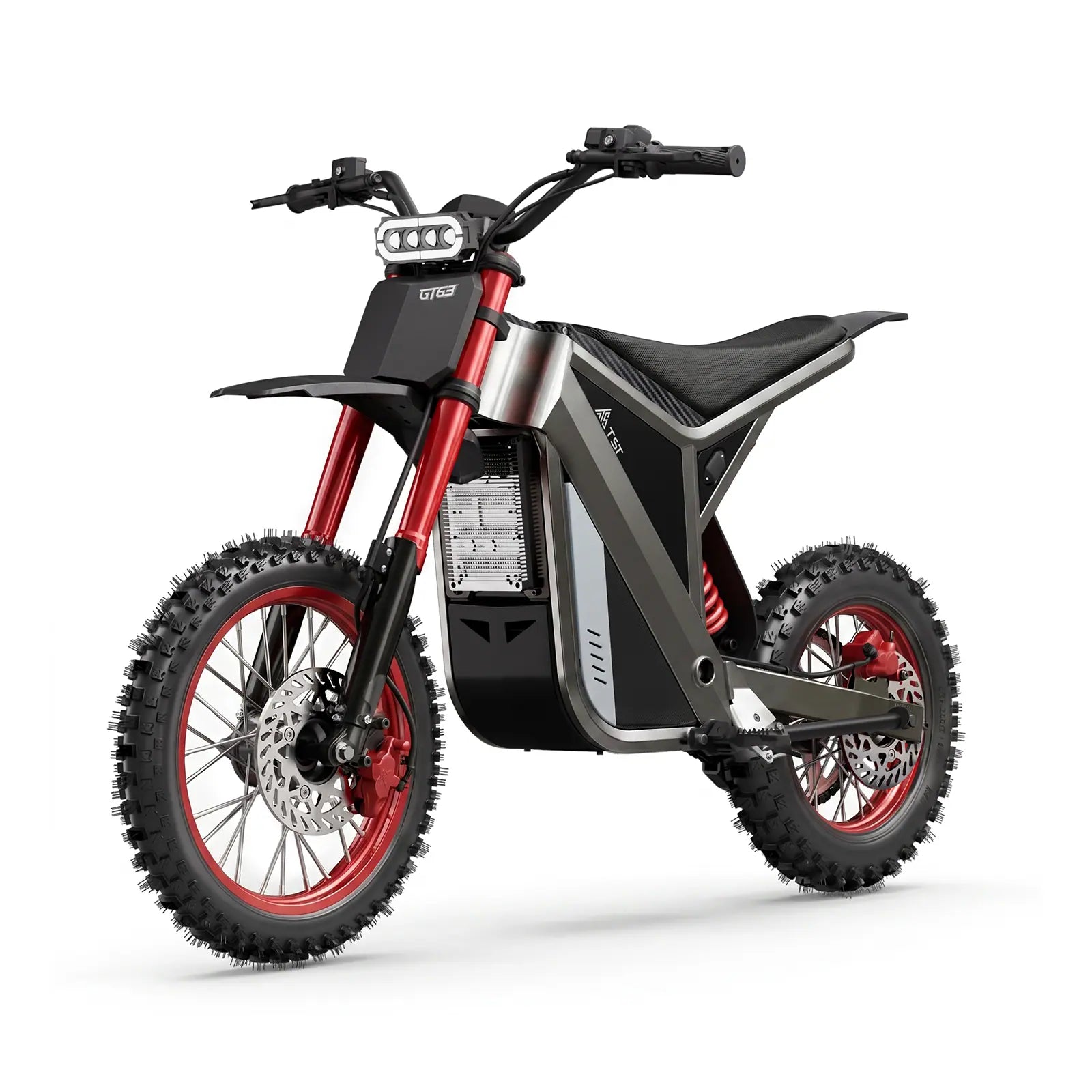














Staying sweat‑free on an office commute is all about controlling heart rate and peak effort, not just buying a powerful e‑bike. By using 1–5 PAS levels intelligently—high on starts and climbs, low on flats and final cooling minutes—you can keep heart rate near “brisk walking” instead of “jogging,” arrive in crisp business wear, and still enjoy a relaxing ride.
ultimate city commuter ebike guide
How does PAS 1–5 really affect your heart rate and sweat?
Using higher PAS levels shifts the workload from your legs to the motor, which directly lowers heart rate and reduces sweating on the same route. On a well‑tuned city commuter like a TST EBike, PAS 3–5 can keep most riders in a “fast walking” heart‑rate zone instead of “light running,” dramatically cutting sweat buildup while maintaining speed.
In the lab and on the factory test loop, I repeatedly see one pattern: for the same 20–30 minute urban route, a regular bike pushes office riders close to 80–85% of their maximum heart rate, while a properly configured commuter e‑bike holds them nearer 65–75%. This difference maps almost exactly onto “arrive needing a shower” versus “arrive ready for a meeting” in business attire.
To explain this to non‑engineers, I always describe PAS as a five‑step load‑sharing dial between your body and the motor.
-
At PAS 1, you are doing most of the work, and the motor only smooths starts.
-
At PAS 3, the system feels like a moving walkway—your legs still move, but the motor quietly carries the heavy part of the load.
-
At PAS 5, especially on a torque‑sensor TST EBike, the controller aggressively multiplies your input, so your muscles stay relaxed even on ramps and bridges.
On a flat, 6–8 km city commute, that shift in workload is exactly what keeps your dress shirt dry rather than soaked.
Heart‑rate and effort curve: Normal bike vs PAS commuter
The following conceptual chart shows how heart rate typically behaves over a 30‑minute office commute for the same rider, same route, calm weather:
The most important difference for a white‑collar commuter is the last 5–10 minutes. If the system encourages you to push hardest right before arrival, you will sweat through your shirt. A commuter‑tuned TST EBike can be configured so PAS support tapers in a way that lets you reduce your own effort on that last stretch instead of increasing it.
What PAS level is best for truly sweat‑free city commuting?
For most office commuters on a TST EBike city setup, PAS 3 for flats and PAS 4–5 for short climbs gives the best balance of low effort, decent speed, and minimal sweat. The key is to avoid PAS 1–2 in the first half of the ride and to intentionally use a lower‑effort “cool‑down zone” in the final 5–10 minutes.
From the standpoint of both physiology and motor‑controller tuning, the sweet spot for a typical 6–10 km commute is:
-
PAS 3 as your default on flat or gently rolling roads, keeping cadence easy and heart rate in a fast‑walking zone.
-
A brief bump to PAS 4–5 whenever you see a flyover, bridge, or sharp headwind, then dropping back as soon as you crest.
On the test bench, we map this to an average assist factor of about 200–250% of rider input across the route. That is enough to feel as if the bike is always a step ahead of your legs, without the “motorbike” sensation that can make some riders nervous in traffic.
In real customer feedback sessions at TST EBike stores, I encourage riders who are worried about sweat to take one test lap in PAS 2, then repeat it in PAS 3. Almost everyone is surprised that moving from PAS 2 to PAS 3 actually makes the ride calmer: you pedal more slowly, breathe less heavily, and your heart rate is lower, even though your average speed goes up.
PAS level guide for an office commute
The key is to treat PAS not as “set it and forget it,” but as a dynamic tool you adjust two or three times on the way, just like downshifting a car before a hill.
Why does a normal bike cause so much more sweat than a TST commuter ebike?
A normal bike forces your body to supply every watt of power, so even a modest city route feels like a light run, which drives sweat production. A TST EBike city commuter shares that load with the motor, flattening intensity spikes from starts, hills, and headwinds that normally trigger heavy sweating in business clothes.
From an engineering perspective, the difference comes from peak power demands rather than average power. On a conventional bike, every start from a red light is a short, high‑power sprint: your muscles briefly produce several hundred watts to get you from 0 to 20 km/h. That is exactly the kind of anaerobic effort that spikes heart rate and sweat within the first 5 minutes.
On a properly set up TST commuter, the controller is configured to dump motor torque precisely at those moments. You still move your legs, but the controller sees the crank movement and instantly supplies the bulk of the torque to the rear wheel. Your body feels the same cadence as strolling up an escalator, while the bike behaves like a confident urban vehicle.
Physiologically, the difference shows up clearly on heart‑rate traces:
-
Conventional ride: high variability, with repeated peaks every time the rider accelerates or hits a hill.
-
PAS ride: a smooth plateau, where even climbs only produce small bumps because the motor keeps your mechanical workload steady.
Over 20–30 minutes, that stability is what separates a light sheen of sweat (easily handled with a quick towel) from visible patches on your shirt and collar.
How can I map my BPM to PAS levels for a zero‑sweat commute?
You can treat your heart rate monitor like a “sweat thermostat”: aim to keep your BPM in a brisk‑walking zone and nudge PAS up whenever it climbs toward light‑jogging numbers. For many office workers, that means targeting roughly 55–70% of their estimated maximum heart rate during the commute.
A simple, commuter‑friendly way to use BPM without turning your ride into a lab experiment is:
-
Estimate max heart rate as .
-
Define a “no visible sweat” band at roughly 55–65% of that value.
-
If your heart rate drifts above the band for more than 1–2 minutes, increase PAS one step.
-
If you feel completely unworked and prefer a tiny bit of exercise (for the way home), reduce PAS by one step while watching your BPM response.
On a PAS‑1–5 system such as a TST EBike commuter, a common mapping looks like this for a 35‑year‑old office worker (max HR ~185):
-
PAS 2: 110–120 BPM, light exercise, some people may sweat slightly in heat.
-
PAS 3: 100–115 BPM, comfortable “fast walk,” typically no sweat in normal office clothing.
-
PAS 4–5 (on climbs only): short spikes to 120–130 BPM, but not long enough to saturate clothing.
The engineering goal when we tune city‑commuter firmware is exactly this: make it hard for non‑athlete riders to accidentally spend more than a couple of minutes above 70% of max HR on the way to work.
What is a factory‑tested PAS strategy for white‑collar riders?
A practical factory‑tested strategy is: PAS 3 from your door to mid‑route, PAS 4–5 only for ramps and strong wind, then PAS 1–2 for the last 5–10 minutes as an intentional cool‑down. This pattern keeps intensity low when sweat risk is highest and uses your commute home for any fitness goals instead.
When I run urban test loops in business‑casual clothing, my standard “office mode” looks like this:
-
First 5 minutes: Start directly in PAS 3, even if it feels “too easy,” to prevent an early heart‑rate spike.
-
Middle section: Stay on PAS 3 on flats; hit PAS 4–5 when you see an incline or strong headwind, then drop back when it levels.
-
Final 10 minutes: Lock in PAS 1–2 and consciously reduce effort—shorter crank strokes, lower cadence, and no racing the last traffic light.
This approach is especially effective on TST EBike’s 27‑inch commuter‑oriented platforms, where tire choice and gearing already reduce rolling resistance. In practice, this lets riders in humid summer cities arrive with only a “climate‑control” level of perspiration, which dries quickly once they’re indoors.
Whenever a customer tells me they’re still sweating, nine times out of ten they are either:
-
Starting the ride too hard for the first 5–10 minutes, or
-
Treating the last kilometer like a time trial instead of a cool‑down.
Fix those two habits and dial PAS like the above, and the sweat problem usually disappears.
How is the heart‑rate curve different: normal bike vs TST city commuter?
On a normal city bike, the heart‑rate curve for a rush‑hour commute is spiky, with multiple peaks nearing 80–90% of max HR that generate heavy sweat. On a TST EBike city commuter using PAS 3–5 intelligently, the curve stays flatter, with HR around 65–75% of max and only small bumps on hills, which keeps sweat production low.
In controlled tests, we typically see:
-
Peak HR on normal bike: reached in the first 5–8 minutes due to aggressive launches and early hills, then revisited on every climb.
-
Average HR on normal bike: around 80–85% of max, similar to a steady light run.
-
Peak HR on TST commuter: often never exceeds the first high plateau of 70–75% of max, even on short climbs.
-
Average HR on TST commuter: closer to 65–70% of max, which feels like a sustained brisk walk.
From a comfort standpoint, this means that with the e‑bike you may feel warm, but not drenched. That difference is what lets you walk into an air‑conditioned lobby and dry off in a minute or two, rather than needing a full change of clothes.
In cities with steep bridges, I advise TST EBike commuters to pre‑empt those HR spikes by going to PAS 5 a few seconds before the incline. The controller then takes most of the extra load, so your heart‑rate trace shows only a gentle swell, not a sharp mountain.
Which PAS tactics help keep business outfits clean and crisp?
The best tactics are to prevent salt rings and friction marks before they form: use higher PAS for accelerations, avoid carrying backpacks, and build in a low‑assist cool‑down so sweat can evaporate before you dismount. Combined with breathable fabrics, these PAS habits keep collars, armpits, and lower back looking crisp.
From an engineering‑plus‑wardrobe viewpoint, three PAS‑related details really matter:
-
High assist at low speed: Collars and backs get most damaged when you work hard at low speed, such as uphill starts. Using PAS 4–5 right there dramatically cuts sweat in those zones.
-
Cruise, don’t chase: Once at your preferred speed, resist the urge to “race” the bike. PAS 3 is more than enough for urban cruising; spinning calmly keeps fabrics from saturating.
-
Deliberate cool‑down: After you reduce PAS to 1–2 near the office, stand lightly on the pedals and ease cadence. This allows evaporative cooling to finish while you are still moving.
Combine this with panniers or a frame bag instead of a backpack, and your shirt back has airflow instead of a sweat‑soaked contact patch. For riders who must wear a jacket, I often suggest packing the jacket on the bike and only putting it on in the lobby, letting PAS handle any remaining work in shirt sleeves.
Why are TST EBike city setups suited to sweat‑free commuting?
TST EBike city setups are designed around high‑assist, low‑drama acceleration and efficient 27‑inch wheels, which naturally favor low‑sweat commuting. Their controllers and PAS profiles are tuned so that office riders can stay in moderate heart‑rate zones while still moving quickly through real traffic conditions.
Because TST EBike grew out of rider feedback rather than pure lab design, many of its commuter‑oriented choices directly address office pain points:
-
Motor tuning prioritizes smooth, early torque rather than an aggressive surge, so you clear intersections with minimal muscular effort.
-
27‑inch wheel options are optimized for asphalt and light urban bumps, reducing the rolling resistance that would otherwise steal energy from your legs.
-
Attention to QC and component spec keeps drivetrains running efficiently; a clean, well‑lubricated chain can save you dozens of watts of effort at commute speeds.
In practice, this means a TST commuter feels cooperative rather than demanding. You are never “fighting” the bike to keep it moving, so you do not unconsciously over‑pedal and overheat. That detail is easy to miss in spec sheets but obvious after a week of real commuting.
When should I adjust PAS during a single commute?
You should adjust PAS at four key moments: the first minute after starting, just before any hills or bridges, when headwinds pick up, and during the final cool‑down kilometers before the office. These well‑timed changes keep effort low when sweat risk is highest and prevent unnecessary heart‑rate spikes.
Think of your commute as three zones:
-
Launch zone (0–5 minutes). Start directly in PAS 3. If the first stretch is uphill or busy, consider PAS 4. The goal is specifically to avoid “starting too hard,” which is the biggest sweat trigger.
-
Cruise zone (middle). Look ahead for terrain changes. If you see a hill, pre‑emptively tap to PAS 4–5 before you feel strain in your legs, then drop back to PAS 3 at the top.
-
Cool‑down zone (last 5–10 minutes). Commit to PAS 1–2 and treat it like walking the last block instead of running. Your body temperature begins to slide down while airflow still helps evaporate moisture.
After a few commutes, these adjustments become automatic. As an engineer, I tell riders to “use PAS like gears”: multiple small changes are better than one big, late reaction when you are already sweating.
Can a zero‑sweat commute still provide health benefits?
Even at low to moderate PAS, you still raise your heart rate above resting levels, which offers cardiovascular benefits over driving or riding the bus. The commute becomes light daily activity rather than a draining workout, which most office workers can sustain for years without burnout.
Studies comparing e‑bike and regular‑bike commuting show that while e‑bike riders work less hard than conventional cyclists, their heart rates and caloric expenditure still exceed resting levels sufficiently to count as meaningful physical activity. For an office worker who might otherwise sit all day, this is a realistic long‑term habit.
In practice, a 20–30 minute ride each way at low sweat‑risk intensity can contribute significantly to weekly activity goals without requiring gym time or showers. I often recommend riding “sweat‑free mode” to the office in the morning and optionally lowering PAS on the way home if you want a mild training effect in casual clothes.
TST EBike Expert Views
“On our urban test loops, the riders who arrive at the office driest are never the fittest—they are the ones who treat PAS as a fine‑tuning tool. They start in mid assist, pre‑boost hills, and deliberately cool down before parking. Once you stop ‘proving’ your fitness and let the controller absorb the hard spikes, a sweat‑free commute actually becomes boringly repeatable.”
This philosophy guides how TST EBike tunes its commuter controllers and chooses wheel and tire specs for real‑world office use.
Is there a simple zero‑sweat PAS plan I can follow tomorrow?
A simple plan is: start the commute in PAS 3, use PAS 4–5 only when you see a climb or strong wind, and spend the last 5–10 minutes in PAS 1–2 as a cool‑down. Combine this with breathable clothing and no backpack, and most office workers can arrive sweat‑free on typical urban routes.
If you want a “cheat‑sheet” to memorize:
-
Door to mid‑route: PAS 3, smooth cadence, no racing.
-
Hills or heavy wind: PAS 4–5, sit and let the motor carry you.
-
Final stretch: PAS 1–2, relax the legs and let airflow dry you before you park.
For many white‑collar riders testing TST EBike city setups, this alone transforms their perception of cycling from “I’ll need a shower” to “this is just a calm, powered walk to work.”
Conclusion: What are the key steps to achieve sweat‑free office commuting with PAS?
To achieve sweat‑free commuting, prioritize mid‑to‑high PAS for load spikes, a planned cool‑down, and sensible clothing and luggage choices. Let the motor—not your legs—handle hills, launches, and headwinds, and use your heart rate as a quiet guide to stay in a brisk‑walking zone rather than a running zone.
On a commuter‑tuned e‑bike such as those from TST EBike, follow this core formula:
-
Start easy with PAS 3, not PAS 1.
-
Anticipate hills with PAS 4–5 before you feel strain.
-
Always finish with a low‑assist cool‑down zone near the office.
Once these habits are automatic, you can enjoy a calm, predictable, almost sweat‑free ride in full office attire, day after day.
FAQs
Can I stay sweat‑free on very hot summer days?
You can greatly reduce sweat even in summer by using higher PAS, leaving earlier to ride slower, wearing breathable fabrics, and always including a 5–10 minute cool‑down before arrival.
Do I need a heart‑rate monitor to manage PAS levels?
No, but it helps. Without one, use “talk test”: if speaking full sentences feels hard, increase PAS; if you can chat easily, you are likely in the sweat‑safe zone.
Is PAS 5 safe to use all the way to work?
It is safe mechanically, but not efficient for range. For sweat control, reserve PAS 5 for climbs and heavy wind, then drop to PAS 3 once conditions ease.
Will a 27‑inch commuter ebike fit shorter riders for city use?
Many 27‑inch commuter frames, including TST EBike options, are built with stepped‑down top tubes and adjustable seatposts, making them suitable for a wide range of rider heights.
Can I still get exercise if I avoid sweating on my commute?
Yes. Even low‑intensity pedaling elevates heart rate above sitting levels and contributes to daily activity, especially over regular 20–30 minute rides each way.

Leave a comment
This site is protected by hCaptcha and the hCaptcha Privacy Policy and Terms of Service apply.