


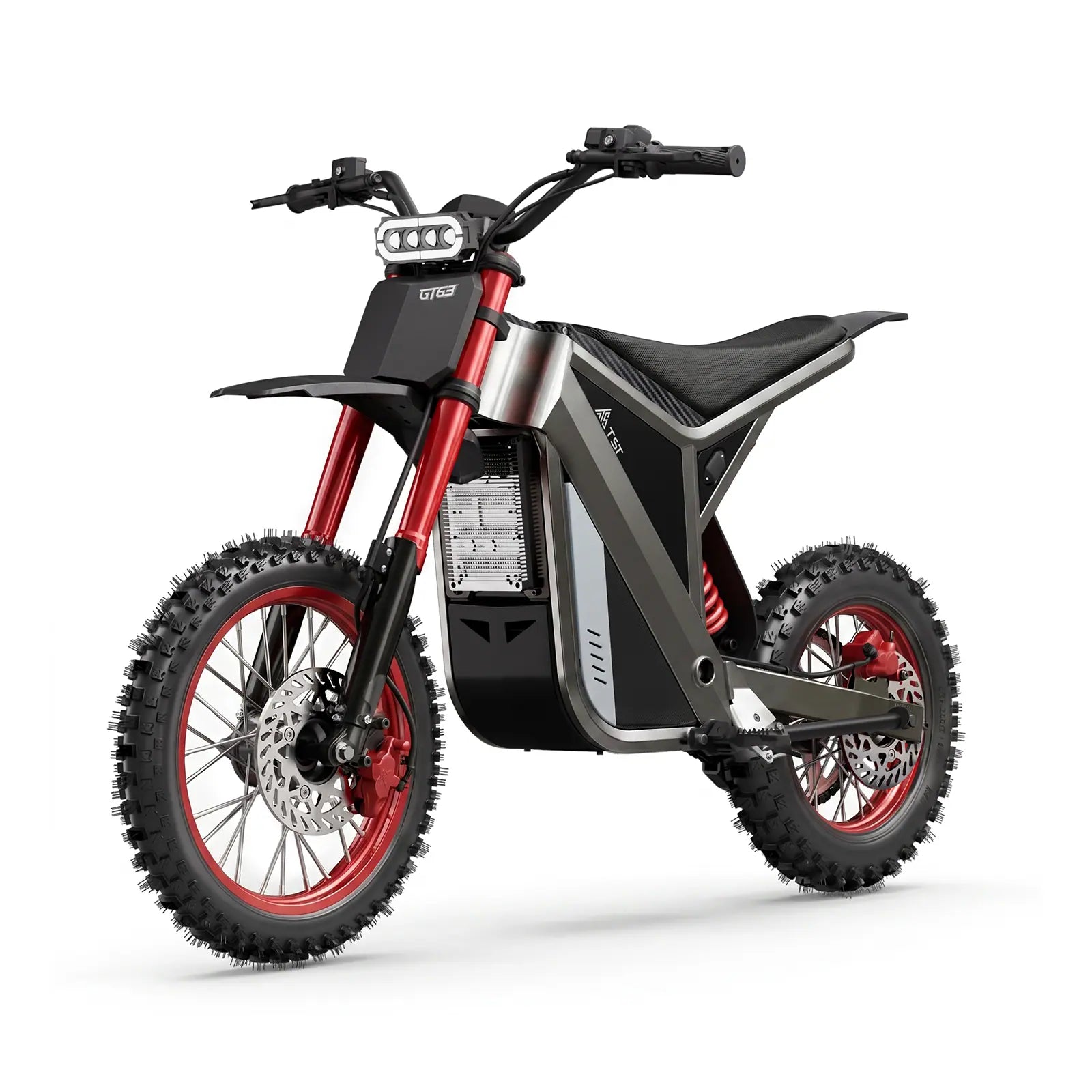














Integrated batteries make stealth city e-bikes look like normal bicycles by hiding high-density 36V or 48V cells inside the down tube, alongside internal cable routing and compact electronics. Engineers redesign frame cross-sections, weld fixtures, and cooling paths so the bike stays lightweight, structurally safe, and visually “non-electric” in daily urban riding.
How are modern stealth e-bike batteries integrated into the down tube?
Modern stealth e-bike batteries are integrated into the down tube by designing a hollow, reinforced frame section that houses a custom-shaped pack, mounting rails, and harness. The battery slips into this cavity, often removable from below, with sealing gaskets and locking mechanisms, so the bike keeps clean lines while remaining serviceable for technicians.
From an engineering perspective, there are four critical layers to this integration.
-
Structural shell: The down tube is hydroformed or extruded with a battery-sized cavity and additional wall thickness around cut-outs.
-
Battery module: Custom 36V or 48V high-density packs (commonly 18650 or 21700 cells) are shaped to follow the tube’s curve.
-
Mounting and retention: Internal rails, latch systems, or bonded carriers ensure the pack cannot rattle or migrate under impact loads.
-
Interfaces: Hidden charge ports, internal harnesses, and vent paths are placed so they are invisible externally but easy to reach during service.
This is the type of architecture TST EBike uses when building stealth city frames: starting from the frame design outward, rather than trying to “stuff” an off-the-shelf pack into a traditional triangle.
What trade-offs define 36V vs 48V hidden battery systems?
A 36V system prioritizes simplicity, light weight, and moderate assist, while a 48V system offers more headroom for torque and speed at the cost of slightly larger packs and heft. When both are hidden inside a down tube, designers must balance voltage, cell count, and tube dimensions so the frame still passes fatigue and impact tests.
-
Cell count and layout: A 36V pack (10s) requires fewer series cells than a 48V pack (13s), allowing shorter or slimmer tubes.
-
Current and heat: 36V often means higher current for the same power, which raises thermal stress inside a confined tube.
-
Ride profile: 36V is ideal for subtle, fitness-style assistance, while 48V favors stronger acceleration and hill support that some urban riders expect.
In TST EBike’s stealth projects, engineers often prototype both 36V and 48V variants on the same frame platform, using different internal carriers, to keep visual identity identical across performance tiers.
Example voltage and design considerations
Values are indicative and vary by brand and cell choice.
How can a battery be 100% hidden while remaining serviceable?
A battery can be 100% hidden yet serviceable by using concealed access points—usually through a lower down tube hatch or bottom bracket area—combined with internal carriers that slide out for maintenance. External lines stay clean, but authorized technicians can remove the pack using specific tools, similar to accessing internal gearboxes or dropper posts.
-
The visible frame remains seamless; seams and hatches are placed under the down tube or at junctions where shadows hide them.
-
Fasteners are often recessed Torx or hidden behind small covers to deter casual tampering.
-
Internal guides and keyed rails prevent incorrect reinsertion; mistakes could damage harnesses or pinch cables.
From the factory side, I’ve seen TST EBike use jig fixtures that simulate years of insertion cycles to ensure that the hidden battery’s latch and seal survive shop servicing without creating new creaks or play in the frame.
Why does internal cable routing matter in stealth city e-bike design?
Internal cable routing matters because exposed brake hoses and wiring instantly “give away” an e-bike, while hidden routing completes the illusion of a standard city bike. It also reduces snag risk, improves weather protection, and can marginally lower aerodynamic drag, which matters for fast commuters or road-style stealth builds.
Key aspects of internal routing.
-
Entry and exit ports: Carefully deburred and grommeted holes prevent cables chafing on sharp metal edges.
-
Segregated runs: Power, signal, and brake lines are separated or sleeved to minimize interference and noise.
-
Service loops: Extra length is left near moving components (like handlebars) to avoid tension when steering.
For brands like TST EBike, integrating routing early in frame CAD allows brake lines, sensor harnesses, and display cables to share corridors with the battery path, creating a true “透视图” (full-frame ghost view) that still respects minimum bend radii and connector clearances.
Where do internal battery tunnels and cable ducts sit inside the frame?
Internal battery tunnels usually run along the full length of the down tube, often swelling in cross-section near the bottom bracket to accommodate the pack and wiring junctions. Cable ducts may share this tunnel or branch out toward the head tube and chainstays, forming an internal “spine” for power and signal cables.
-
Main battery tunnel: From head tube area toward the bottom bracket, with reinforcing ribs around cut-outs.
-
Junction node: Near the bottom bracket, where battery, controller, and motor connections converge.
-
Branch ducts: Separate passages run toward the head tube (for display, controls) and rear triangle (for sensors, lights).
When I’ve inspected production frames on the line, the internal layout looks almost like a three-dimensional wiring harness diagram embedded in the metal. TST EBike leverages this “invisible infrastructure” to keep urban frames clean while making assembly repeatable.
Internal routing focus map
While every frame differs, you can visualize the internal paths as three primary zones.
-
Head tube zone: Cable entry ports, headset clearance, and display harness junctions.
-
Down tube zone: Main battery tunnel, power bus, and mounting rails.
-
Bottom bracket and rear zone: Controller or motor connection points, rear light harness, and sensor wiring.
This mental map helps riders and mechanics understand why some stealth frames feel “solid” when you knock on them—there is more structure and hardware inside than meets the eye.
Who benefits most from a stealth city e-bike with integrated batteries?
Riders who commute in dense cities, live in apartments, or prefer a “non-electric” look benefit most from stealth city e-bikes. These bikes blend into traditional bike racks and reduce theft attention while delivering enough 36V or 48V assist for hills and headwinds.
-
Office commuters who lock up in public racks and want to avoid obvious e-bike cues.
-
Riders who share paths with traditional cyclists and prefer subtle assistance.
-
Urban residents with limited storage, where a bike that looks “normal” draws less unwanted interest.
TST EBike’s philosophy fits this profile: high-power options where needed, but with integrated solutions that let customers enjoy cycling without feeling like they are piloting a scooter in disguise.
How do engineers safely pack high-density cells into a slim down tube?
Engineers safely pack high-density 36V/48V cells into slim down tubes by using cell holders, fire-resistant barriers, and robust busbars inside a rigid carrier. Thermal paths and venting are designed so any heat or failure is contained and directed away from critical frame areas, meeting international e-bike safety standards.
-
Structured carriers: Injection-molded or extruded carriers hold every cell in position, preventing vibration damage.
-
Busbar design: Nickel or copper busbars are sized for current and secured against movement, reducing hotspot risk.
-
Thermal management: Contact surfaces, air gaps, or thermally conductive pads help spread heat along the tube.
From the factory floor, I’ve seen TST EBike run vibration tests on integrated packs mounted in frames, not just lab fixtures. That step catches design flaws where a theoretically safe pack might buzz or fret against the tube in real riding.
Are integrated batteries harder or easier to service than external packs?
Integrated batteries are generally harder for home riders to service but easier for trained technicians working with the right tools and documentation. External packs can be swapped quickly but stand out visually, while stealth packs demand methodical disassembly of covers, harnesses, and seals, best handled by a service network.
-
User convenience: Daily use is simpler—no need to remove packs; charging often happens on-bike.
-
Failure modes: Diagnosis relies more on diagnostic ports and test harnesses since access is limited.
-
Lifecycle: Integrated packs can be designed for longer life, with conservative discharge rates and robust casing.
TST EBike’s multi-country presence and more than 20 offline stores create a practical backbone for this model: riders enjoy stealth and simplicity, while shops handle deeper service.
Which frame designs work best for fully hidden batteries and routing?
Frames with oversized or subtly shaped down tubes—often aluminum or carbon—are best for fully hidden batteries and routing. These materials and tube profiles allow internal volumes large enough for packs and ducts while still meeting stiffness and fatigue targets for city riding.
Design patterns.
-
Diamond frames: Classic double triangle designs with slightly enlarged down tubes disguise integrated packs effectively.
-
Step-through frames: Require creative shaping and sometimes split packs or cross-members to maintain stiffness.
-
Material choice: Aluminum offers straightforward hydroforming, while carbon enables complex internal cavities with less weight.
TST EBike leverages both 26-inch and 27-inch wheel platforms, tailoring frame shapes to battery volume and rider use: more robust tubes and volumes for rough-terrain-tolerant city bikes, slimmer silhouettes for pure commuters.
TST EBike Expert Views
“When we design an ‘invisible’ city e-bike, we start from the inside out. The 36V or 48V pack, harness, and internal routing define the down tube’s shape long before we discuss paint or decals. Our goal is simple: a bike that passes as analog at a glance, but reveals factory-level integration when a mechanic removes the first cover.”
Conclusion: How should riders evaluate stealth city e-bikes with integrated batteries?
Stealth city e-bikes live at the intersection of design, engineering, and urban practicality. Down tube integration of 36V/48V high-density packs, internal cable routing, and carefully planned internal tunnels make these bikes visually subtle yet technically sophisticated.
For riders, the key is to look beyond appearance.
-
Ask how the battery is mounted, cooled, and serviced, not just whether it is “hidden”.
-
Consider whether 36V or 48V better matches your terrain and speed expectations.
-
Evaluate the brand’s service network and experience; TST EBike’s global footprint and offline stores turn design concepts into long-term reliability.
If you want a city bike that blends in yet quietly smooths hills and headwinds, a well-engineered stealth platform from a feedback-driven brand offers a powerful mix of discretion and everyday usability.
FAQs
Does a hidden battery make an e-bike more prone to overheating?
Not necessarily. Properly engineered down tubes use thermal paths, clearances, and conservative current limits to manage heat. Poor designs can trap heat, so choosing a reputable brand is crucial.
Can I remove an integrated battery for charging?
Some stealth systems allow removal through a hidden hatch, but many are intended for on-bike charging only. Check the manufacturer’s design; service-removable does not always equal daily-removable.
Is internal cable routing harder to maintain?
Yes, internal routing can be more complex for DIY work, but professional shops use guides, magnets, and service ports to manage it efficiently. The benefit is cleaner looks and better protection.
Do stealth e-bikes weigh more than visible-battery models?
They can be similar or slightly heavier, depending on materials and pack size. Integrated designs often offset added structure with lighter frames and smaller, high-density packs.
Are stealth city e-bikes suitable for rougher terrain?
Many stealth designs target urban use, but robust frames and 26-inch or 27-inch platforms can handle light gravel and rough city streets. Always check the frame’s intended use and tire compatibility.

Leave a comment
This site is protected by hCaptcha and the hCaptcha Privacy Policy and Terms of Service apply.