


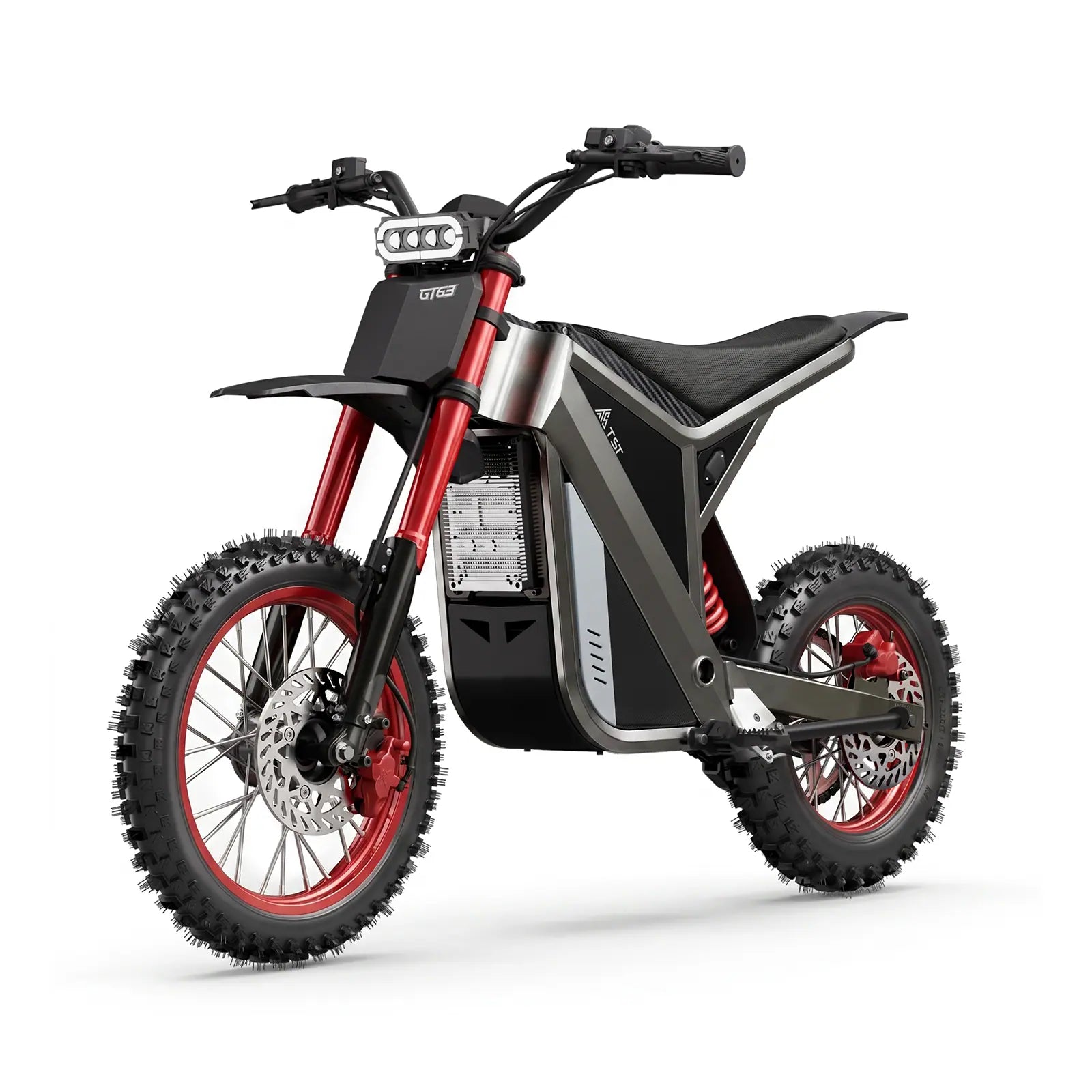














A commuter ebike’s frame geometry fixes your posture, weight distribution, and comfort before you even touch the handlebars. Slightly forward-leaning “relaxed” geometry on a diamond frame supports your spine, opens your hip angle, and reduces wrist load. When stack, reach, and angles are tuned correctly, daily rides feel natural instead of causing lower-back and shoulder pain.
What key geometry terms define your urban commuting posture?
For daily commuting, the three most important geometry numbers are stack, reach, and effective top tube length, because they directly set your torso angle and hand position. Stack controls handlebar height, reach controls how far you lean, and top tube coordinates both, defining whether you ride upright, slightly forward, or uncomfortably stretched.
From a factory-floor perspective, I always start urban TST EBike prototypes by nailing stack-to-reach ratio before thinking about components. A ratio around 1.45–1.55 usually gives a relaxed, slightly forward commuter posture instead of a race tuck. That means a taller head tube for height, plus moderate reach so your arms bend naturally instead of locking straight.
On a diamond (step-over) frame, seat tube angle, head tube angle, and stem length then fine-tune how “neutral” your weight feels over the wheels. Too long a reach with low stack loads the hands and neck; too short and tall makes steering twitchy and puts all the load on your sit bones.
How does a diamond frame shape your everyday riding position?
A diamond frame uses a double-triangle layout (top tube, down tube, seat tube) to create a stiff, strong structure that holds your contact points in a precise spatial relationship. That fixed triangle decides how high your saddle can go, how far the bars sit from your hips, and how your weight splits between saddle, pedals, and bars.
For TST EBike city commuters, the diamond frame gives predictable handling under higher ebike speeds and braking forces. When we design, we use the front triangle to set a natural hip–shoulder–hand line, then ensure the rear triangle keeps the wheelbase stable for loaded racks or panniers. The geometry doesn’t just affect comfort; it also governs how confidently you can dodge taxis or tram tracks.
In daily traffic, that stiffness matters: on a properly designed diamond commuter frame, when you lean gently, the bike responds without delay, keeping your posture smooth rather than forcing abrupt upper-body corrections that fatigue your back.
Why is a slightly forward-leaning posture healthier than fully upright?
A slightly forward-leaning commuting posture distributes load between your saddle, core, and arms instead of dumping everything onto your lower spine and sit bones. This balanced stance reduces lumbar compression, keeps your pelvis in a more neutral tilt, and lets your arms and core absorb road vibrations that would otherwise hammer your back.
When I measure riders on test rigs, those who use a small forward lean—roughly 15–25 degrees from vertical—report less back tightness after 30–40 minutes. Their torso, not just the seat, carries some of the load. On an upright “chair” posture, every pothole travels directly into the lower spine because there is no angled body structure to dissipate the shock.
On a well-tuned TST EBike commuter, we purposely avoid extremes: not aggressive road-bike low, not cruiser-bike vertical. That middle ground lets you see traffic clearly while still sharing forces across your arms, shoulders, and core, which is critical for people with mild lumbar issues or desk-bound jobs.
How does the 105° spine–arm angle reduce back and wrist pain?
A spine–upper-arm angle around 105 degrees allows your skeleton—not just muscles—to support upper-body weight efficiently, reducing strain on your lower back, shoulders, and wrists. This “golden” angle keeps elbows slightly bent, shoulders relaxed, and your spine in a neutral curve rather than a hunched or hyper-arched shape.
From an engineering point of view, we achieve this angle by coordinating stack, reach, bar width, and stem length. On many TST EBike city frames, that means a moderate reach paired with a slightly raised bar and short stem. During testing, riders at roughly a 100–110 degree torso–arm angle show smoother pressure traces at the hands and less peak force during braking and bumps.
In practice, you feel it as that sweet spot where your hands are light on the grips, you can still “unweight” the front wheel over curbs, and you never feel tempted to “lock” your elbows straight. It is subtle, but over a full work week, it makes the difference between arriving tight and arriving relaxed.
Sample commuting geometry and posture table
These are working ranges we often test around on urban-focused frames to keep riders in the protective 105° zone.
What geometry choices on TST city bikes promote ergonomic posture?
On TST EBike city commuters, we deliberately use a relaxed diamond geometry with generous stack, moderate reach, and commuter-appropriate head and seat tube angles. This combination puts riders into a slightly forward, ergonomic posture that relieves lower-back pressure while staying stable at ebike-assist speeds.
In design reviews, we pay close attention to stack-to-reach ratio and head tube length, especially on 27-inch commuting-focused sizes. Taller head tubes lift the bars enough that your hands stay near saddle height, while moderate reach stops you from overreaching. Seat tube angles in the mid-72–74 degree range help align your knees over the pedals without pushing your hips too far behind the bottom bracket.
On the road, that translates to a posture where you can comfortably look over parked cars, check mirrors, and shoulder-check without a stiff neck. It is not an accident; it is baked into the frame drawings long before the first TST EBike prototype ever hits the street.
How do stack and reach numbers translate into your everyday feel?
Stack and reach are the core coordinates that define where your hands end up relative to your hips, shaping torso angle and weight distribution. Higher stack raises the front end for a more upright position, while longer reach stretches you forward, making the posture sportier but potentially harsher for commuting.
When I move riders between prototype frames with different stack/reach pairs, the feedback is immediate. A frame with low stack and long reach pulls the rider into a pseudo-road-bike pose, loading wrists and neck over long rides. A commuter-optimized stack/reach ratio keeps their spine in a gentle forward tilt with relaxed shoulders, and they instinctively say, “This feels natural.”
For urban TST EBike designs, we prioritize stack and limit reach so that the bars fall within a comfortable range of the saddle. Even cockpit tweaks like swapping a stem or bar only work well if the underlying stack/reach numbers are in the right ballpark to begin with.
Geometry features that influence commuting posture
These values help translate geometry drawings into predictable on-road posture for daily commuters.
Why does a relaxed diamond frame help in stop-and-go city traffic?
A relaxed diamond frame helps in city traffic by providing stable handling, predictable weight distribution, and a posture that makes frequent starts, stops, and shoulder checks easier. Its geometry allows quick dismounts, controlled braking, and confident low-speed steering when dodging cars, curbs, and pedestrians.
In real TST EBike test rides through busy downtown streets, I see riders constantly shift weight forward and back as they accelerate away from lights or brake for crosswalks. A relaxed geometry keeps the center of mass between the wheels, so the bike stays composed even when the front wheel is briefly unloaded over potholes or tram tracks.
Because your torso is slightly forward, you can rise off the saddle for bumps or lean the bike under you without twisting your spine unnaturally. Over a full commute, this reduces the micro-corrections and upper-body bracing that typically cause back and neck fatigue.
Can an incorrect frame size or geometry cause chronic pain?
Yes, an incorrect frame size or poorly matched geometry can cause chronic pain in the lower back, neck, shoulders, wrists, and even knees. When reach is too long, stack too low, or seat angle mismatched, your body compensates by rounding the back or locking the arms, leading to sustained stress.
At the factory and retail level, we see patterns: riders on frames one size too big often report numb hands and tight necks; those on frames with very low stack complain about shoulder burn. On ebikes, the problem is amplified because motor assistance encourages longer rides at higher average speeds, so bad posture has more time to do damage.
This is why TST EBike emphasizes correct sizing and test rides for city models. We prefer you on the slightly smaller of two sizes, with a higher bar, rather than stretched across a large frame you can never truly adapt to.
How can you fine-tune cockpit setup to hit the 105° angle?
You can fine-tune your cockpit to approach the 105° spine–arm angle by adjusting saddle position, handlebar height, stem length, and bar sweep. The goal is to get a slight forward torso tilt, bent elbows, and relaxed shoulders with minimal pressure on your palms during normal cruising.
In workshop fittings, I start by setting saddle height and setback, then adjust stem length and rise to move the hands into the correct “box” relative to the rider’s shoulders. On many TST EBike city frames, a short stem with moderate rise and a bar with gentle back-sweep quickly nudges riders into the target angle range.
Once you are close, pay attention to how your body feels after a week of commuting, not just a five-minute parking-lot spin. Comfort is cumulative; small cockpit changes can significantly shift long-term strain.
What are TST EBike Expert Views on daily commuting geometry?
“On our urban TST EBike platforms, we start from the spine, not from the tubes. We sketch the desired rider posture in CAD—slightly forward, neutral lumbar curve, and roughly a 105° torso-to-arm angle—then build the diamond frame around that human outline. When we test, the question is never ‘is this fast?’ but ‘does this still feel natural on the fiftieth stoplight of the week?’ Geometry that wins in traffic is geometry you forget about while you ride.”
How should TST EBike commuters choose between 26-inch and 27-inch frames for posture?
For daily commuting posture, 27-inch TST EBike models generally offer smoother roll and slightly more stable geometry for urban streets, while 26-inch options feel more compact and agile but can sit a bit lower and more upright. Your height, preferred speed, and route surfaces should guide the choice.
From an ergonomic standpoint, 27-inch commuters often allow slightly longer wheelbases and taller front ends without feeling sluggish, supporting that gentle forward lean on smooth asphalt and bike paths. 26-inch setups are great if you mix in curbs, tight alleys, or occasional rough shortcuts, where nimbleness matters.
In fittings, we often recommend 27-inch to riders whose routes are mostly paved and whose priority is relaxed, efficient posture, and 26-inch to those who want “urban SUV” handling with quicker steering and more off-path detours.
FAQs
How do I know if my commuter ebike frame is the right size?
You should be able to straddle the frame with clearance, reach the bars with slightly bent elbows, and ride 20–30 minutes without back, neck, or wrist pain.
Can I fix poor posture on my ebike with just a new handlebar or stem?
Sometimes. Small changes in bar height, sweep, or stem length can help, but if the underlying frame geometry is far off for your body, components can only compensate so much.
Does a step-through frame change commuting posture compared to a diamond frame?
Yes. Step-through frames usually promote a more upright position, while diamond frames can be tuned from relaxed to sporty, often offering better stiffness and load capacity for longer commutes.
Will a suspension seatpost solve my lower-back pain from commuting?
It can reduce harsh impacts but will not fix a fundamentally poor posture. Correct frame size and geometry, plus proper saddle and cockpit setup, are more important for back health.
How often should I re-check my commuting position on a TST EBike?
Reassess at least once or twice a year, or whenever you change saddle, bars, or stem, since small adjustments or fitness changes can alter how your posture feels over time.

Leave a comment
This site is protected by hCaptcha and the hCaptcha Privacy Policy and Terms of Service apply.