

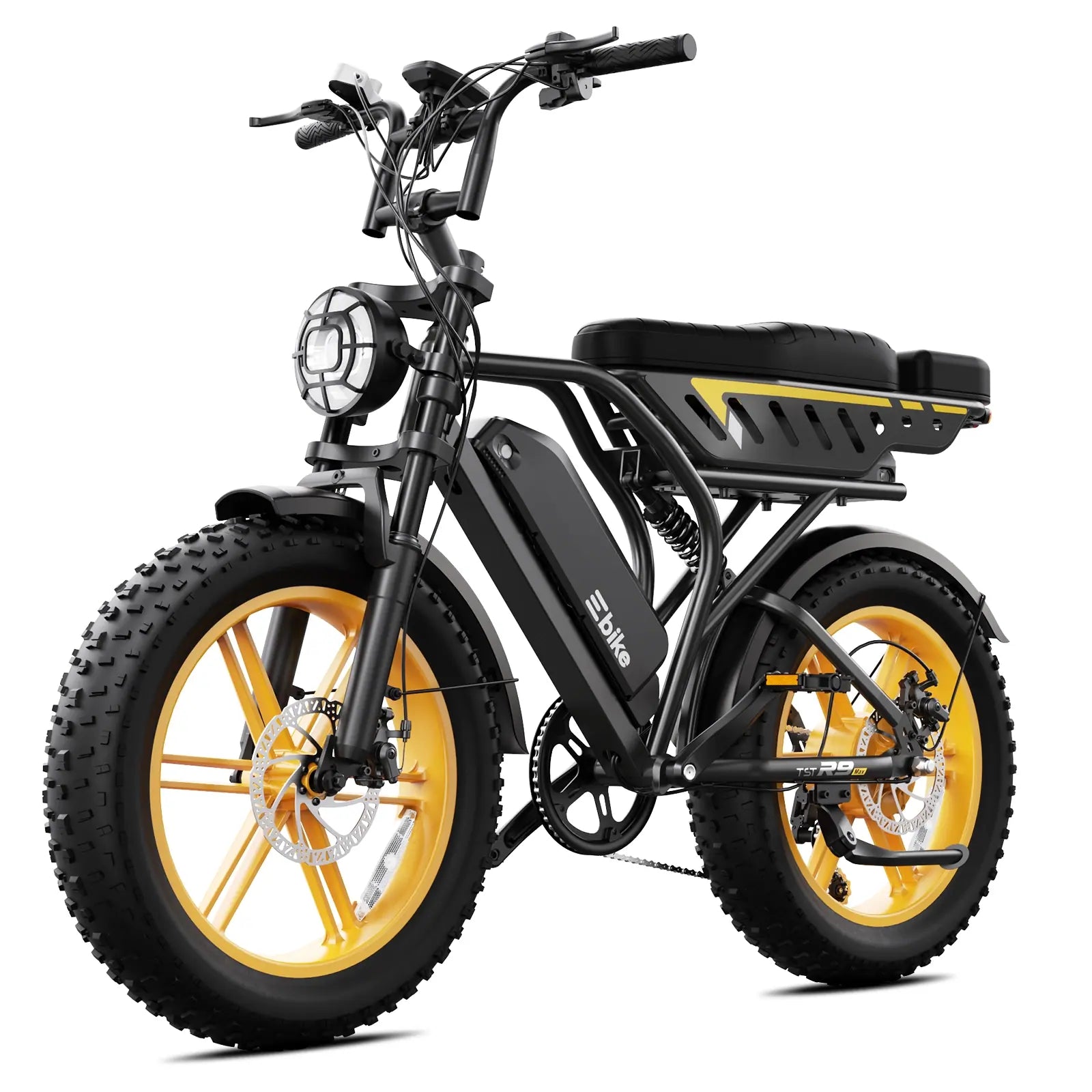
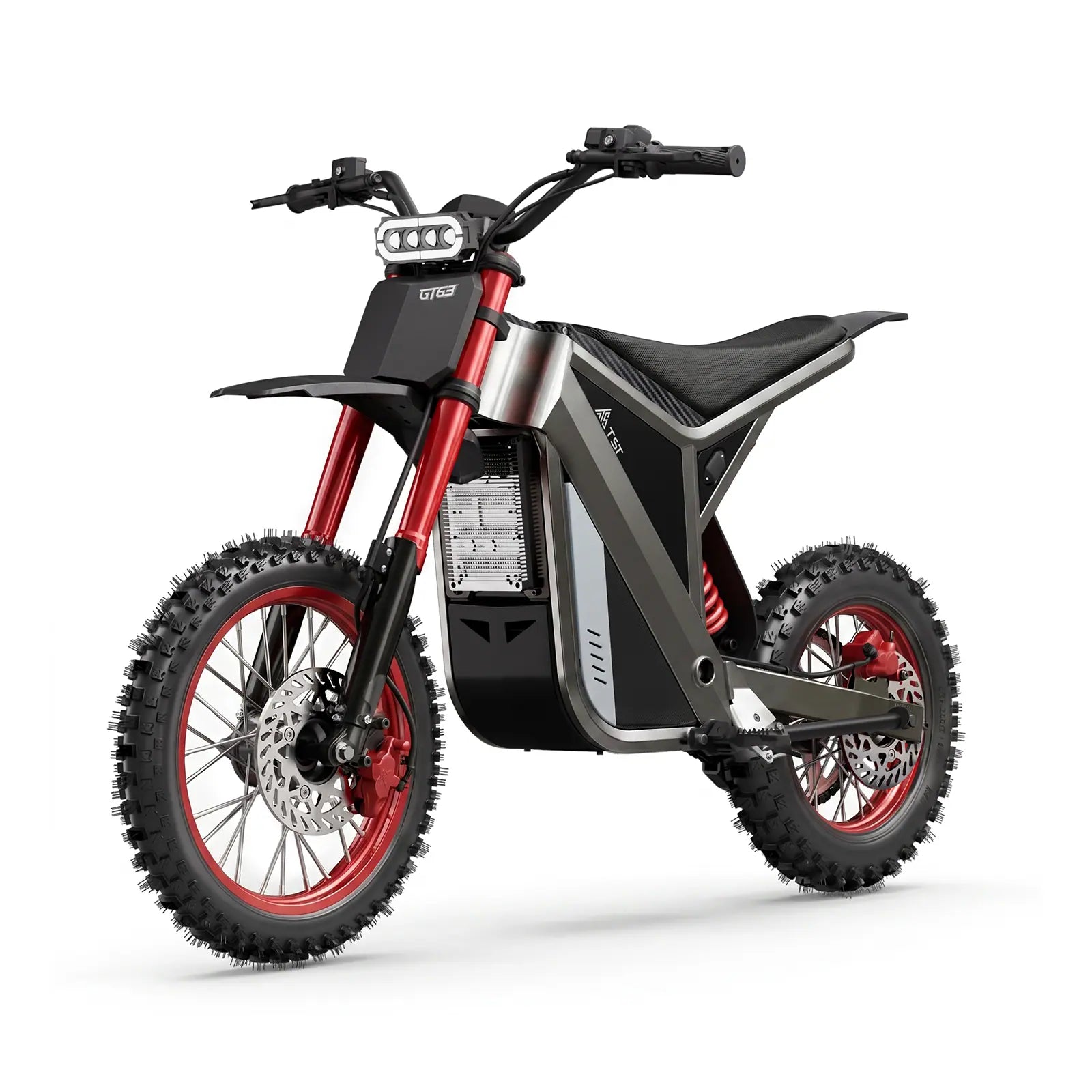









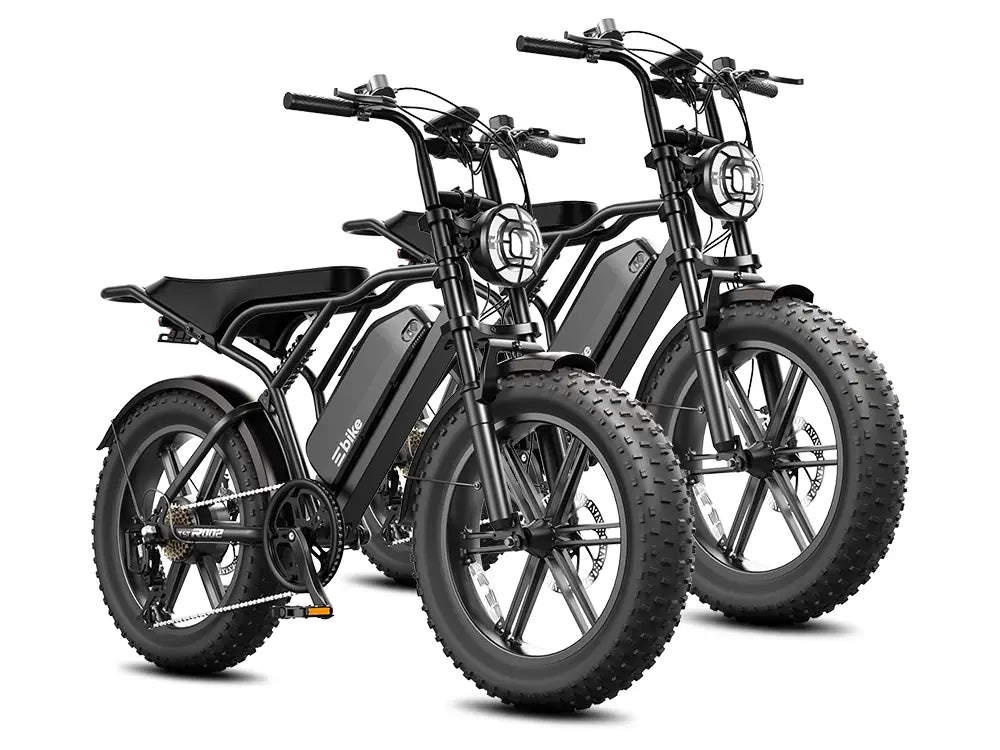
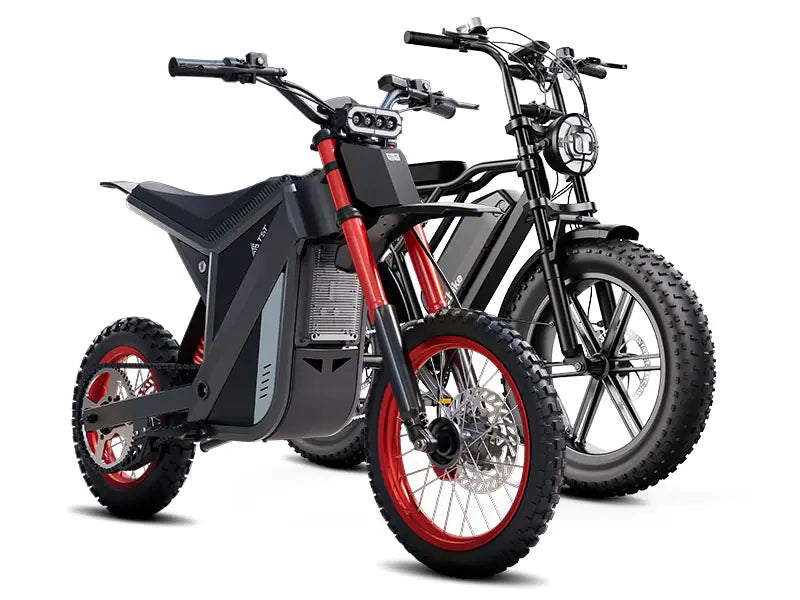

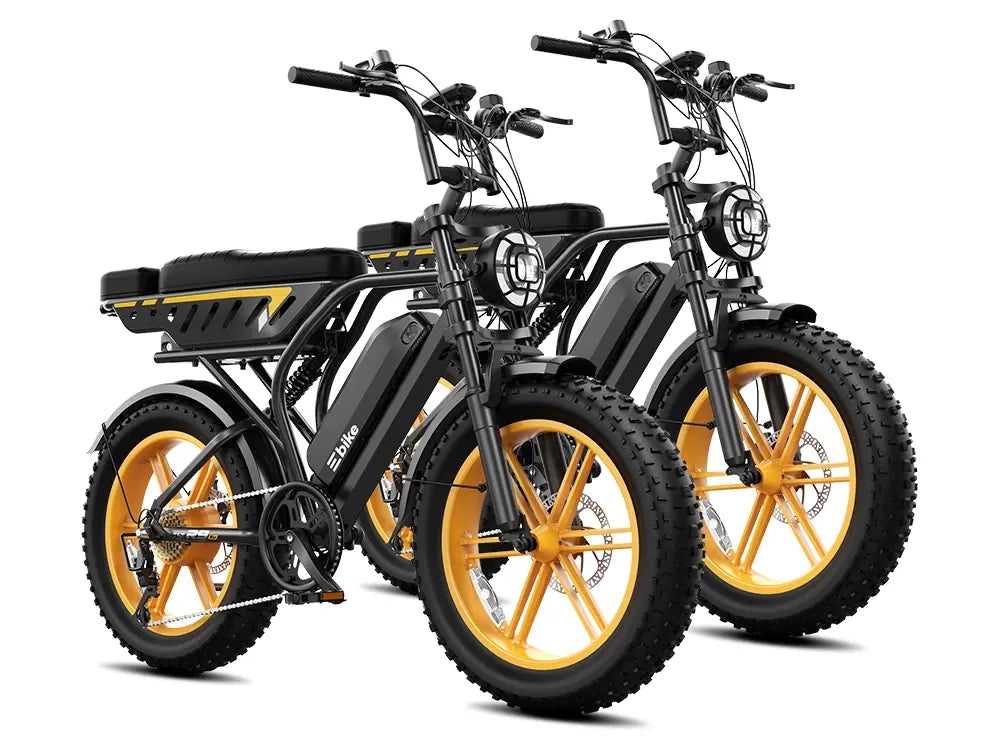

An inner-tube battery management system helps a compact e-bike battery travel farther by controlling current, protecting cell voltage, reducing heat, and matching motor output to pedaling demand. Rather than releasing maximum power at every start, it delivers energy progressively. This improves usable watt-hours, avoids abrupt low-voltage cutoffs, and creates smoother, more predictable urban assistance.
What Does an Inner-Tube BMS Actually Manage?
An inner-tube BMS monitors voltage, current, temperature, charging status, and cell balance. It protects a compact battery from unsafe conditions while allowing the motor controller to provide smooth, efficient assistance during city riding.
A battery stored inside a frame tube faces design constraints that an external battery does not. The frame offers clean styling, lower center of gravity, and protection from road debris, but it also restricts available volume and heat dissipation.
That is why a compact in-frame battery needs intelligent control. The BMS acts as the battery’s safety and efficiency layer. It continually checks whether each cell group can support the requested motor output without excessive stress.
In a practical TST EBike energy system, the key functions include:
-
Monitoring cell-group voltage to prevent overcharge and over-discharge
-
Measuring discharge current during acceleration and climbing
-
Watching battery temperature during riding and charging
-
Managing cell balancing to preserve usable capacity
-
Triggering protective power limits before conditions become damaging
-
Supporting stable communication between the battery and motor controller
The BMS does not create new energy. Its value comes from helping the rider access more of the energy that is already stored in the battery.
How Does Cell Balancing Increase Usable Range?
Cell balancing keeps individual battery cell groups closer in voltage, preventing one weaker group from ending a ride or stopping a charge early. It improves consistency, usable capacity, and long-term battery performance.
An e-bike battery contains many lithium-ion cells connected in series and parallel. Even when cells begin with similar specifications, they do not age identically. Slight differences in resistance, temperature exposure, and charge history gradually create imbalance.
Without balancing, the highest-voltage group reaches its charging limit first. The BMS must stop charging to protect it, even when other groups are not fully charged. During discharge, the lowest-voltage group can hit its protection threshold first and cause assistance to reduce or stop.
In real service work, one common rider complaint is, “The display said I had charge left, but power dropped on a hill.” That can occur when a weaker cell group experiences voltage sag under load. When the rider slows down, battery voltage may recover—but the BMS was correct to protect the pack at the moment of high demand.
Why Does Adaptive Current Delivery Feel Natural?
Adaptive current delivery raises motor power progressively instead of releasing a harsh current spike. It feels natural because the assistance follows pedaling and speed while protecting the compact battery from unnecessary electrical stress.
The first few seconds after a stoplight are among the most demanding moments of an urban ride. The bike must overcome inertia, rider weight, cargo, rolling resistance, and sometimes an uphill grade. If the system delivers full current instantly, the battery can experience a sharp voltage drop.
Smart control softens this event without making the bike feel weak. The system confirms pedal input, observes cadence and wheel speed, then ramps assistance into a useful torque zone.
This strategy matters because electrical losses rise quickly at high current:
Ploss=I2R
When current doubles, resistive heat can rise by four times. That heat does not move the bike forward. It becomes wasted energy in battery cells, wiring, connectors, the controller, and motor windings.
A refined TST EBike calibration should make this process nearly invisible. Riders should feel prompt support when they begin pedaling, but not a sudden surge that wastes energy or makes traction harder to control on wet pavement.
Which Energy Losses Reduce City Range Most?
The biggest city-range losses usually come from frequent acceleration, high-speed riding, hills, tire drag, drivetrain friction, electrical resistance, and heat. A BMS controls electrical losses but cannot eliminate mechanical drag or rider behavior.
Battery energy must pass through several components before it turns the wheel. At each stage, a small amount becomes heat or is lost to friction.
The overall electrical conversion relationship is:
η=PinputPoutput
Here, Pinput is power drawn from the battery, while Poutput is the useful power that reaches the wheel. Higher efficiency means more of the battery’s energy becomes forward movement.
The energy-output path is straightforward:
Battery Cells → BMS Safety Check → Motor Controller → Motor Torque → Drivetrain → Rear Wheel → Forward Motion
The engineering challenge is not simply making the motor powerful. It is preventing excess battery power from becoming heat when the motor, tires, road surface, or rider cannot efficiently use it.
For city riders, smooth acceleration is usually more energy-efficient than repeated full-power starts. Maintaining momentum through safe corners, selecting a sensible assist level, and pedaling consistently can have a larger effect on range than many riders expect.
How Does Temperature-Aware Control Protect Range?
Temperature-aware control adjusts charging and discharge limits when a battery is too cold or too hot. It protects cells, reduces voltage sag, and helps preserve stable performance across changing weather conditions.
Cold weather increases internal battery resistance. A battery can show a reasonable charge level but still struggle to provide high current during a fast start or steep climb. This does not always mean the battery has permanently lost capacity; it may be temporarily unable to release energy as quickly.
Hot conditions create a different concern. Repeated acceleration, high assist, long climbs, and direct summer sun can increase cell temperature. In a compact frame tube, heat has limited room to dissipate.
A well-designed BMS responds gradually:
-
At normal temperatures, the system allows standard current delivery.
-
At elevated temperatures, peak current is softened.
-
At high temperatures, the BMS limits power to reduce further heat buildup.
-
At unsafe temperatures, charging or discharge is paused for protection.
From an engineering perspective, gradual derating is better than waiting for an emergency cutoff. It preserves a safer, more predictable ride and lowers long-term stress on the battery.
When Does a BMS Intentionally Reduce Power?
A BMS intentionally reduces power when current, voltage, temperature, or remaining charge reaches a protective threshold. This controlled reduction is designed to prevent sudden shutdowns, overheating, and permanent battery damage.
Some riders interpret power limiting as lost performance. In reality, intelligent power reduction can preserve more useful assistance over the remainder of the trip.
Imagine riding home with a low battery charge and approaching a hill. A basic system might allow a large current surge. That surge can pull the weakest cell group below its safe voltage level, causing the bike to shut down abruptly.
A smarter system may reduce peak current before the voltage becomes unstable. The rider receives moderate, continued assistance instead of a short burst followed by no assistance.
This distinction is important:
-
Battery capacity determines how much energy is stored.
-
Motor power determines the maximum potential assistance.
-
BMS control determines how safely and efficiently that energy is released.
-
Riding style determines how quickly the stored energy is consumed.
For compact batteries, preserving stable output is often more valuable than chasing maximum output for a few seconds.
Can Pedal-Assist Logic Stretch a Compact Battery Further?
Pedal-assist logic can extend range by delivering motor power only when it supports genuine rider effort. It reduces wasteful output while maintaining the responsive, low-effort feeling that riders expect in city traffic.
A basic pedal-assist system may react as soon as pedals begin turning. A more refined system considers whether the rider is truly accelerating, what cadence is being maintained, and whether added torque will create useful movement.
This creates a more intelligent assistance pattern:
-
Pedal movement confirms that the rider intends to move.
-
Cadence and speed indicate how much assistance is useful.
-
Motor current rises smoothly instead of instantly.
-
Assistance tapers when the rider eases off.
-
Battery protection limits override demand when necessary.
In city riding, this matters because frequent short trips and stop-start traffic create many high-current events. A motor that adds controlled assistance at each restart can save meaningful energy over an entire commute.
TST EBike riders can also improve this benefit by using pedal-assist as support rather than treating it as a replacement for pedaling. Even moderate rider input helps reduce battery current demand and improves practical range.
Where Should Riders Check for Hidden Range Loss?
Riders should check tire pressure, brake drag, drivetrain condition, connectors, battery temperature, assist settings, and charging habits. These simple factors can reduce range even when the BMS and battery are working correctly.
A battery system is only one part of the range equation. Technicians often begin diagnosis with mechanical checks because tire and brake problems can consume substantial energy.
Start with these practical inspections:
-
Spin both wheels to check for brake rub.
-
Inflate tires to the appropriate pressure range listed on the tire sidewall.
-
Clean and lubricate the chain or belt system as applicable.
-
Check that battery and controller connections are secure and dry.
-
Avoid storing the battery fully depleted for long periods.
-
Use the original or approved charger.
-
Compare rides on the same route, assist level, and weather conditions before judging range.
A sudden range decrease is worth investigating, especially if it occurs with unusual battery heat, error messages, charging interruptions, or abrupt power loss. Do not open a sealed battery housing yourself; professional battery service is the safer response.
Could a Better BMS Replace More Battery Capacity?
A better BMS cannot replace actual battery capacity, but it can help a compact battery deliver its stored energy more smoothly, safely, and consistently. Capacity still sets the physical upper limit for potential range.
A larger battery contains more watt-hours and generally has greater range potential when all other conditions are equal. No algorithm can bypass that basic energy limit.
However, real-world city range is not determined by watt-hours alone. A poorly controlled battery may experience excessive voltage sag, unnecessary heating, abrupt low-charge cutoffs, or inconsistent acceleration. That can make a larger battery feel less dependable than expected.
A well-managed compact battery can feel highly effective when it combines:
-
Balanced cell groups
-
Smooth current ramps
-
Temperature-aware protection
-
Accurate state-of-charge estimation
-
Sensible pedal-assist calibration
-
Low-resistance wiring and connectors
-
Proper rider maintenance
TST EBike focuses on practical transportation needs, which makes predictable daily range especially important. A rider needs confidence that the bike will provide support at the end of a commute—not merely impressive specifications at the beginning of one.
What Do TST EBike Experts See in Daily Riding?
TST EBike experts see that battery range is usually shaped by repeated small decisions: launch behavior, assist level, tire pressure, rider input, temperature, and how smoothly current is released from the pack.
TST EBike Expert Views
“At the factory level, we do not view range as a single number. We view it as the usable energy a rider can access under real conditions. A compact battery benefits most when current is shaped carefully during starts and climbs, because those are the moments when voltage sag and heat can quietly consume available range. The best system feels responsive, but it also avoids wasting battery energy before the rider can turn that energy into forward motion.”
This is why smart BMS logic should be judged by ride quality as well as protection. Smooth starts, stable low-charge behavior, and predictable assistance are all signs of thoughtful energy management.
What Should City Riders Do to Maximize Range?
City riders should use moderate assist, pedal consistently, maintain tires and brakes, avoid unnecessary full-power launches, and charge the battery under suitable conditions. These habits help the BMS protect usable energy and preserve battery health.
The most effective strategy is smooth riding rather than slow riding. Use enough assistance to make the commute comfortable, but avoid relying on maximum power for every start.
Actionable habits include:
-
Begin rides with a moderate pedal-assist setting.
-
Increase assistance only for hills, headwinds, cargo, or fatigue.
-
Pedal through starts instead of demanding maximum motor output.
-
Keep tires correctly inflated for the riding surface.
-
Let a hot battery cool before charging.
-
Protect the battery from prolonged extreme heat or cold.
-
Investigate recurring power drops rather than ignoring them.
An inner-tube battery may be compact, but it can still provide dependable city transportation when the BMS, controller, motor, and rider work efficiently together.
Frequently Asked Questions
Does a BMS increase the battery’s actual capacity?
No. A BMS does not add watt-hours, but it helps protect and access the battery’s usable energy more effectively.
Why does my battery percentage fall quickly when I accelerate?
High current can temporarily lower battery voltage. The display may show a lower percentage until the load decreases and voltage recovers.
Can low tire pressure reduce e-bike range?
Yes. Underinflated tires increase rolling resistance, forcing the motor and battery to use more energy for the same distance.
Is power reduction near low battery normal?
Yes. Controlled power reduction can be a normal BMS protection response that helps prevent a sudden complete cutoff.
Should I charge an e-bike battery immediately after riding?
If the battery is hot, let it cool first. Then charge it in a dry, moderate-temperature environment with an approved charger.
Can I ride an e-bike in cold weather?
Yes, but cold temperatures can temporarily reduce available power and range. Use smoother acceleration and avoid demanding maximum output from a cold battery.

Leave a comment
This site is protected by hCaptcha and the hCaptcha Privacy Policy and Terms of Service apply.