


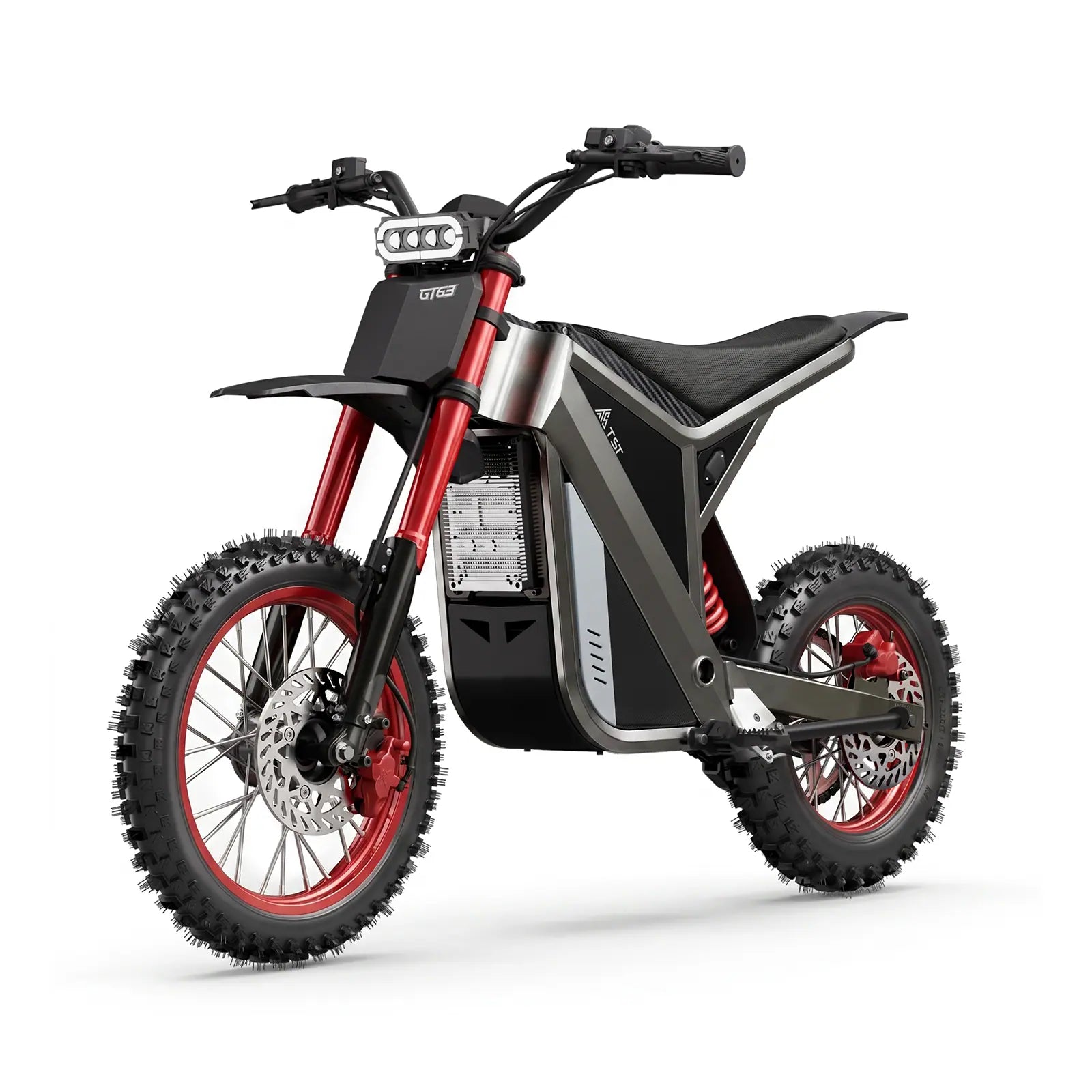














Ringing your bell early, slowing before the pass, and leaving generous space are the core habits of safe urban cycling. On crowded greenways and park paths, the goal is not to “win” the overtake but to pass predictably, politely, and without startling walkers or slower riders.
night commuter safety blueprint
What Are the Most Common Rules for Passing?
The most common rules are simple: announce yourself, reduce speed, pass wide, and never squeeze by in a rush. On shared paths, the person ahead may drift, stop, or turn unexpectedly, so your job is to make your approach obvious and calm.
For white-collar commuters, the best habit is to treat every overtake like a slow, controlled maneuver rather than a speed move. That means keeping both hands ready on the bars, scanning for children, dogs, earbuds, and blind corners before you commit to the pass.
A useful mental model is: “be heard, be seen, be predictable.” That one idea covers most etiquette failures on busy city trails and keeps the ride smooth for everyone.
How Should You Use a Bell?
Use the bell early enough that the person ahead has time to process the sound, then ring again only if needed as you close distance. A single last-second ring can startle pedestrians; an early, clear signal gives them time to hold their line or make space.
In practice, a bell works best when it is paired with a steady, low-speed approach. If your closing speed is high, even a polite bell can feel alarming because the passer appears suddenly.
For TST EBike riders, this matters even more because electric assist can make acceleration feel effortless. A quiet, controlled approach on an e-bike often communicates more respect than a loud voice ever could.
Which Side Is Best for Passing?
The safest norm in many urban path settings is to pass on the left, but only when the layout, local rules, and path direction support it. The key is not the side alone; it is whether the pass is visible, expected, and free of conflict with oncoming users.
On narrow lanes or paths with unclear markings, do not force a side-switching move at the last second. Hold a straight line, slow down, and pass only when the space is unmistakably clear.
When in doubt, follow the rule that reduces surprise. Predictability matters more than tradition, especially on multi-use trails where pedestrians may not understand cycling conventions.
Why Is Distance So Important?
Distance matters because most accidents happen when the passer assumes the person ahead will remain perfectly straight. A generous lateral gap gives you room if a walker turns to look back, a child swerves, or another cyclist wobbles.
A practical target is to leave at least one full arm’s length plus extra room if the path allows it. On very busy routes, I prefer even more buffer because e-bike speed can compress decision time faster than riders expect.
Passing clearance guide
How Do You Pass a Walker or Slower Cyclist?
First, look far ahead and decide whether a pass is truly necessary. If the path is tight or visibility is poor, waiting three seconds is usually safer than squeezing through.
Next, announce your presence with a bell or voice, then reduce speed before you enter the passing zone. The actual pass should feel almost boring: smooth line, no weaving, no sudden pedal surge, no pressure to “get around” quickly.
Finally, return to your lane only after there is clear separation. On a TST EBike, throttle or assist settings should be used conservatively in congested areas so your bike remains easy to control and easy to predict.
When Should You Slow Down More?
Slow down more whenever the trail is crowded, the surface is uneven, or visibility is limited. Blind curves, shaded park sections, intersections with joggers, and family-heavy weekend routes all deserve extra caution.
You should also reduce speed if the person ahead is distracted by earbuds, a phone, or a pet. The less aware the other path user appears, the more space and patience you should build into your pass.
If the pass feels uncertain at any point, abort it. In real-world city riding, the smartest move is often to stay behind for a few more seconds and wait for a cleaner opening.
What Mistakes Cause Most Problems?
The biggest mistake is overtaking too close, too fast, and too quietly. A second common mistake is assuming pedestrians know your intention just because you are visible from behind.
Another problem is passing while drifting across the center of the path, which makes your movement harder to read. Sudden swerves, high-speed tailgating, and aggressive bell-ringing all create stress even when no collision occurs.
A final mistake is forgetting that an e-bike can change the etiquette equation. Because assist can make you arrive faster than expected, TST EBike riders should slow earlier than they think they need to, especially in park corridors and shared-use greenways.
How Can You Make Your Pass More Comfortable?
You can make your pass more comfortable by combining sound, body language, and speed control. Ring the bell, hold a stable line, and soften your pedaling before you reach the person ahead.
A small courtesy gesture after the pass, such as a nod or a brief “thank you,” also helps. It signals that the interaction is cooperative rather than competitive, which matters a lot in dense urban cycling.
If you commute daily, the long-term goal is to become the rider others trust. That reputation is built from dozens of tiny choices: not hovering too close, not darting around people, and not turning a public path into a race lane.
Where Does Left-Side Passing Fit Best?
Left-side passing fits best where the path design, local convention, and traffic flow make that side the expected overtaking side. It works most smoothly when everyone is moving in the same direction and there is enough width to keep the pass obvious.
It becomes less appropriate in mixed-use spaces with pedestrians spread across the path, children changing direction, or opposing traffic nearby. In those settings, a forced left-side pass can create more risk than benefit.
The best rule is to choose the side that preserves clarity. If the path is too busy for a clean pass on the left, the safest option may be to wait rather than improvise.
Does E-Bike Power Change Etiquette?
Yes, because e-bike acceleration can make a harmless-looking pass happen much faster than people expect. What feels like gentle movement to the rider may still feel sudden to someone walking beside the path.
That is why TST EBike riders should treat assist as a control tool, not just a speed tool. Lower assist, earlier braking, and calmer line choice are the real etiquette upgrades on crowded urban routes.
An e-bike can actually improve courtesy when used wisely. The smoothest riders often use the motor to reduce strain, not to reduce patience.
TST EBike Expert Views
“The best urban pass is the one nobody remembers because it felt effortless. In factory testing and rider feedback, the same pattern shows up again and again: when speed rises before communication, comfort collapses. On crowded paths, the smartest e-bike is the one that gives the rider enough assist to stay relaxed, but not so much that judgment gets compressed. That balance is where safety and courtesy meet.”
How Should White-Collar Riders Build Better Habits?
White-collar riders usually benefit from three habits: plan ahead, keep your speed stable, and assume the person ahead cannot hear you. A crowded commuting trail is not the place for last-second decisions or one-handed phone checking.
The easiest improvement is to ride at a pace that leaves a decision margin. If you can slow, signal, and still have time to react, your riding style is usually appropriate for shared spaces.
TST EBike commuters can reinforce that habit by choosing assist settings that match the environment, not the ego. On a busy park path, steady control is more valuable than fast arrival.
What Does Good Trail Etiquette Look Like?
Good trail etiquette looks calm, visible, and respectful. The rider approaches at a manageable speed, gives a signal early, leaves space, and continues without forcing the other person to guess what is happening.
It also means accepting that some passes should not happen at all. If the trail is crowded or the line is poor, the ethical move is to wait for a better opening.
That mindset turns cycling from a private commute into shared civic behavior. For urban riders, especially on TST EBike, etiquette is not a soft extra; it is part of safe machine control.
What Should You Remember Most?
Remember this: announce early, slow before the pass, and leave more room than you think you need. Those three actions prevent most conflicts on city greenways and park paths.
If you ride an e-bike, let the motor make you smoother, not bolder. The best pass is quiet, predictable, and so respectful that the person you passed barely has to adjust.
For TST EBike riders in crowded urban spaces, that is the standard worth aiming for every day.
FAQs
Should I always ring a bell before passing?
Yes, on shared paths a bell is one of the clearest ways to signal your presence before an overtake.
Is shouting “on your left” enough?
It can work, but a bell is often less startling and more consistent in noisy urban settings.
How close is too close when passing?
If you would not feel comfortable reaching out and touching the person’s sleeve, you are probably too close.
Should I slow down even if I am in a hurry?
Yes, because a rushed pass can create a delay much larger than the few seconds you tried to save.
Do e-bikes need different etiquette than regular bikes?
Yes, because e-bikes can close distance faster, so riders should announce earlier and brake sooner.
What is the safest habit for crowded park paths?
Treat every pass as optional, and wait if the space, sightline, or speed is not clearly safe.

Leave a comment
This site is protected by hCaptcha and the hCaptcha Privacy Policy and Terms of Service apply.