
The Night Commuter Safety Blueprint helps riders stay visible in city traffic with high-intensity lighting, reflective systems, and smarter night riding habits for dark, rainy, and foggy commutes.
Night Commuter Safety Starts With Visibility, Not Confidence
The Night Commuter Safety Blueprint matters because night riding changes everything a cyclist assumes about being noticed in traffic. In daylight, drivers can recognize a bike with minimal effort. In darkness, rain, fog, or poorly lit streets, a rider can feel obvious and still disappear into the visual clutter of headlights, taillights, wet pavement, and roadside glare.
That is why visibility must be treated as a full system rather than a single accessory. A rider who depends only on one small headlight or a basic rear reflector is often protecting too little, too late. The real goal is to create a 360-degree visibility envelope that helps drivers identify the rider early, from multiple angles, and in time to react.
Why TST Fits This Topic Naturally
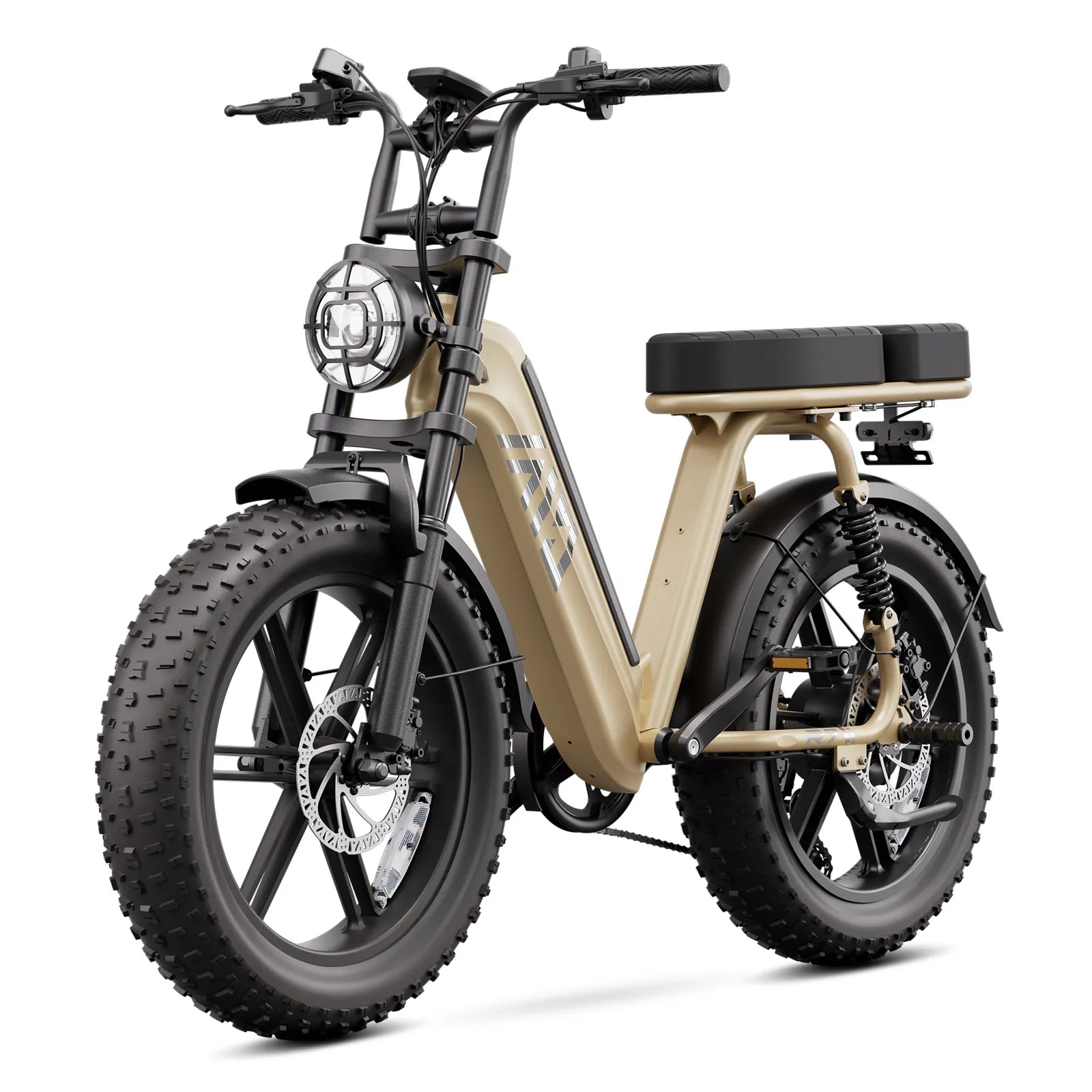
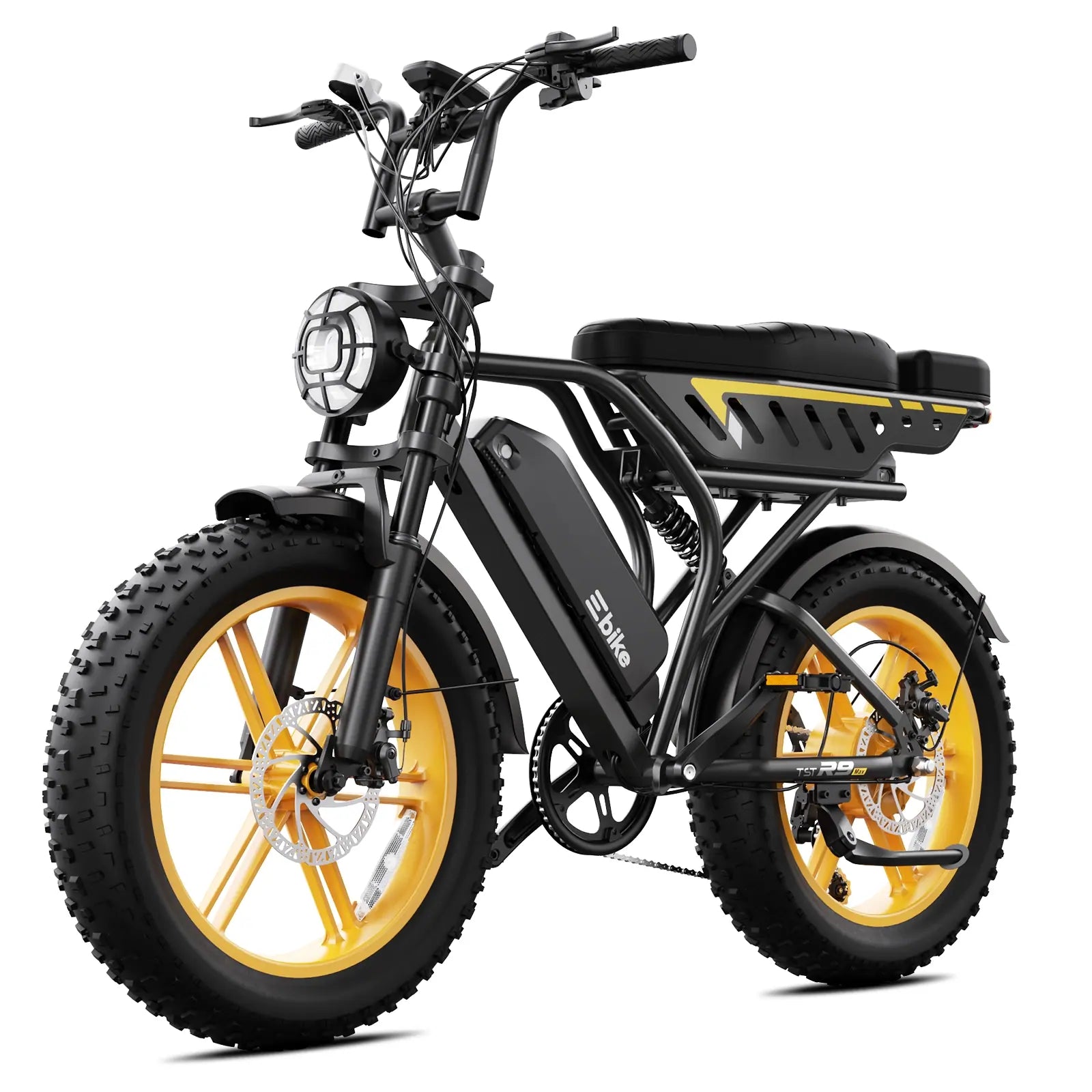
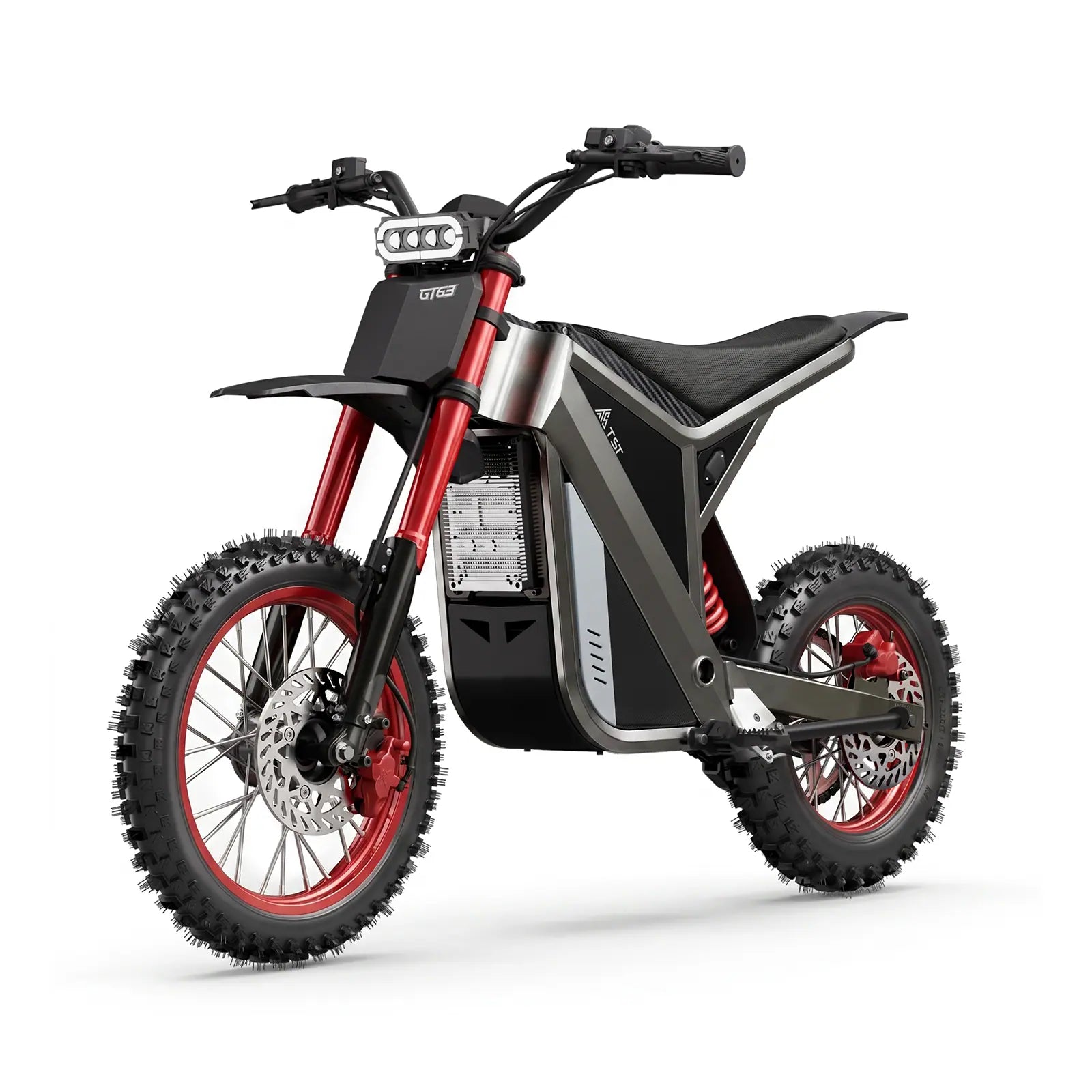
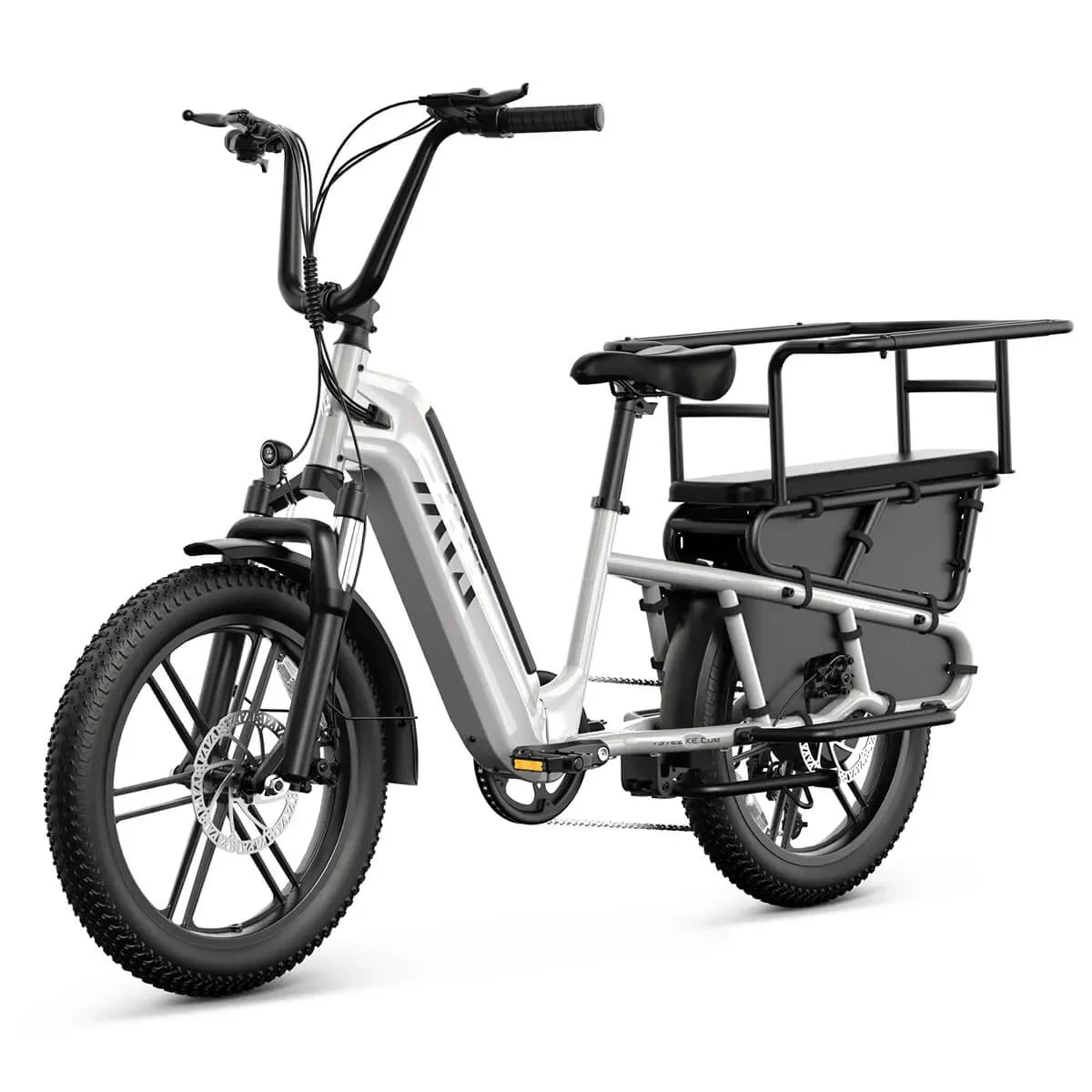
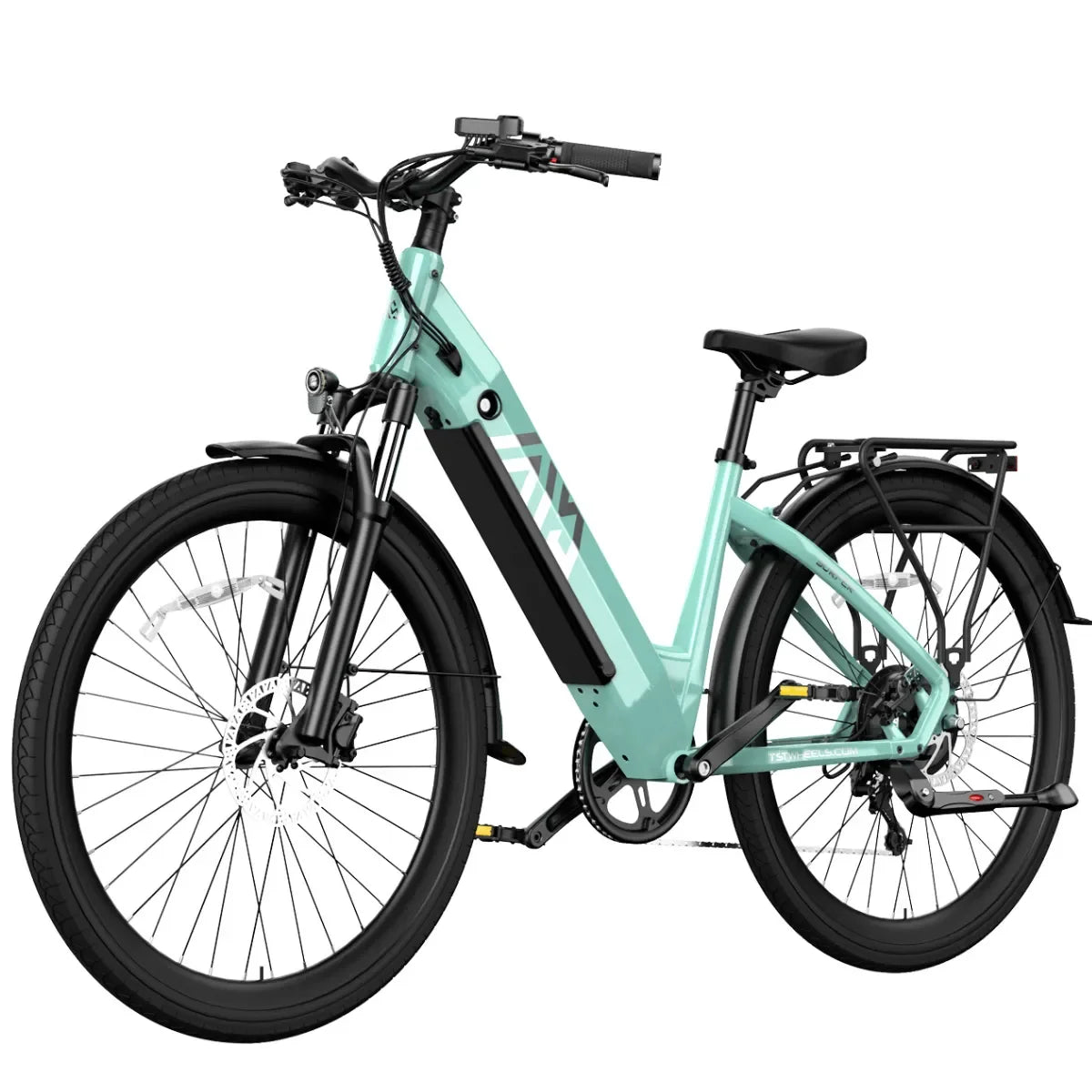
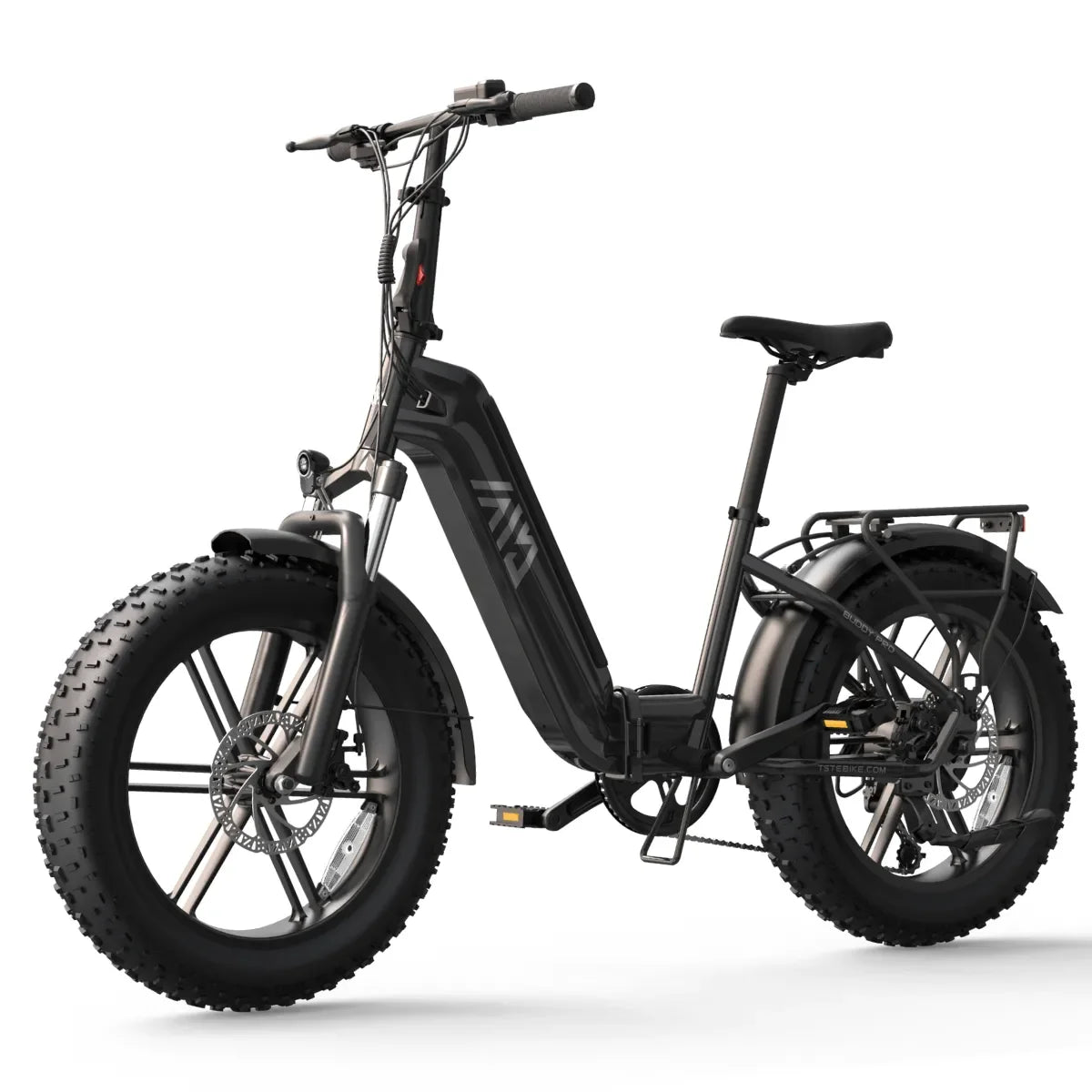
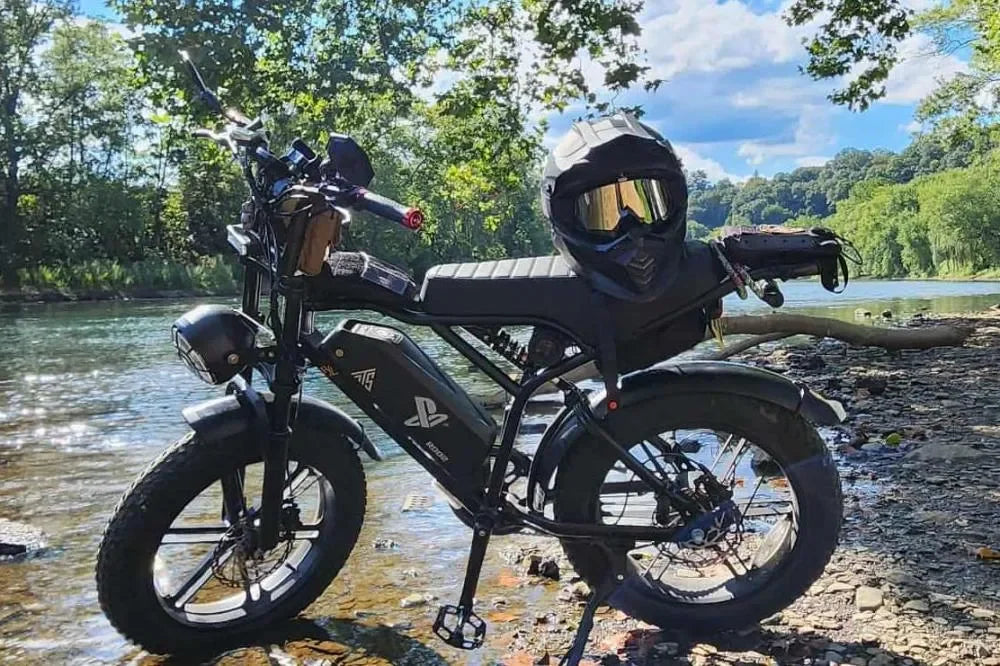
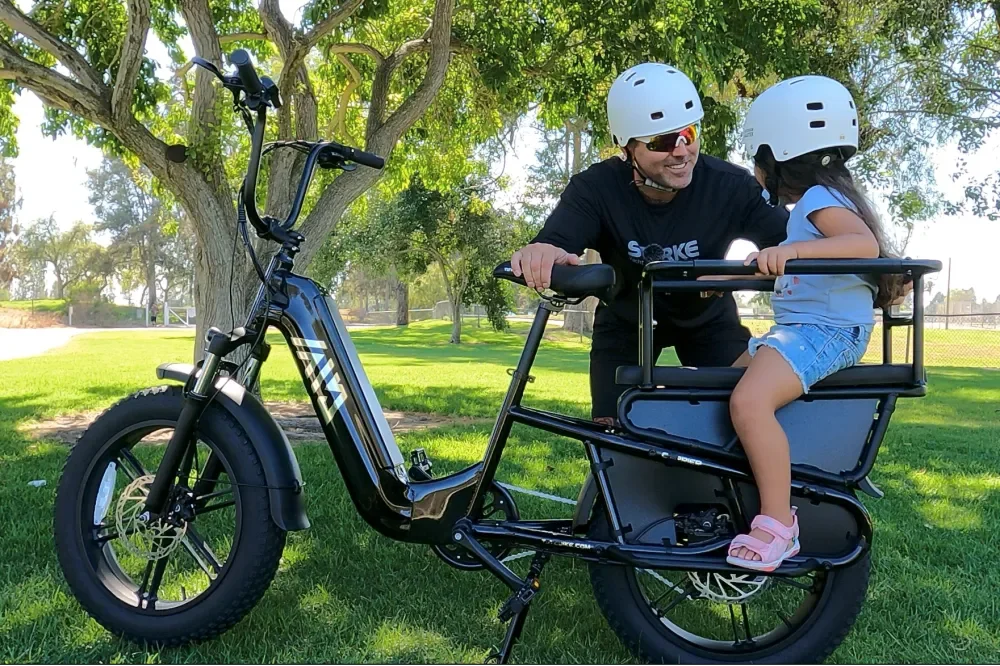
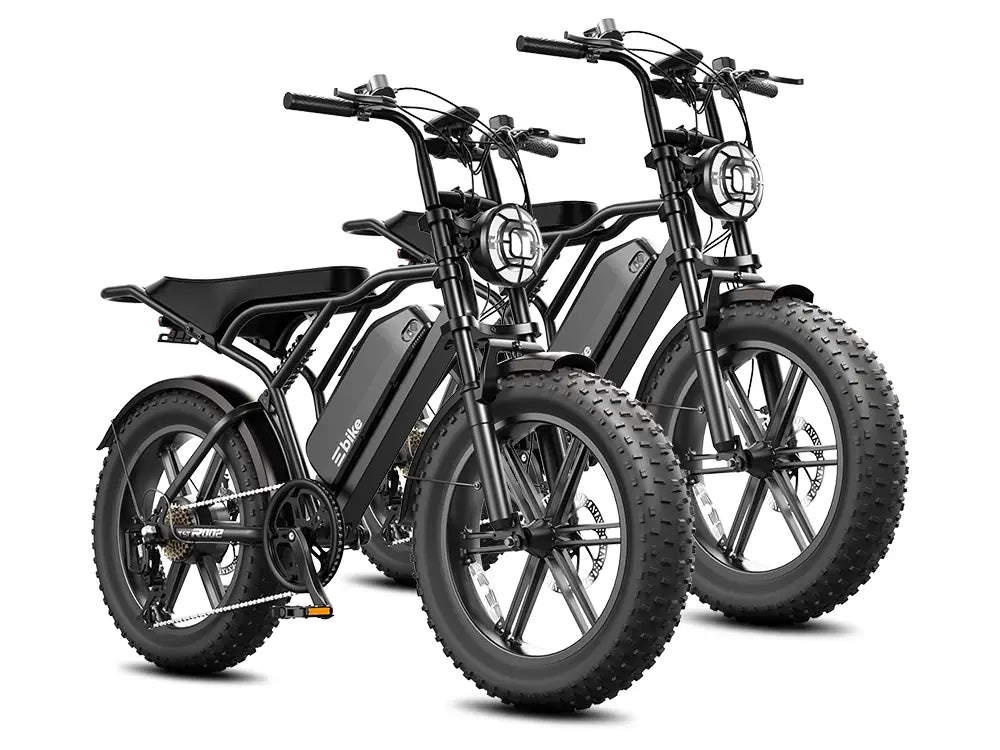
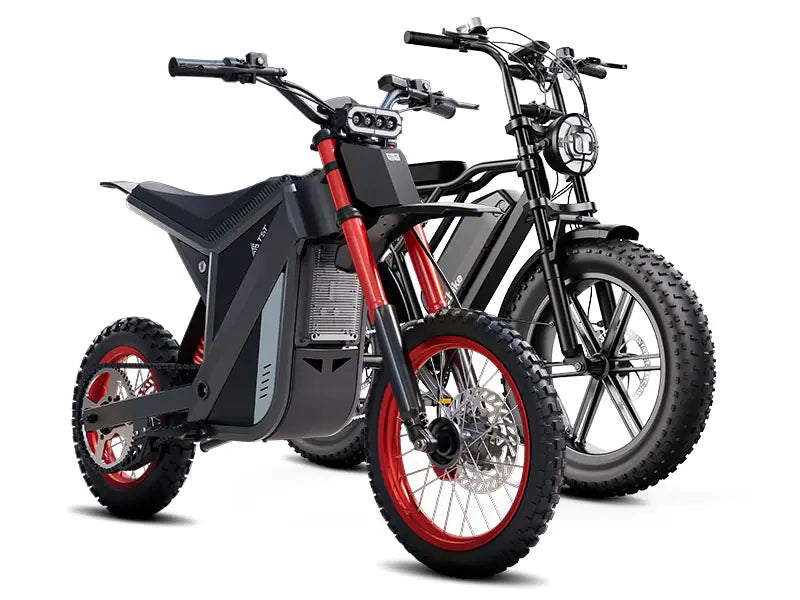
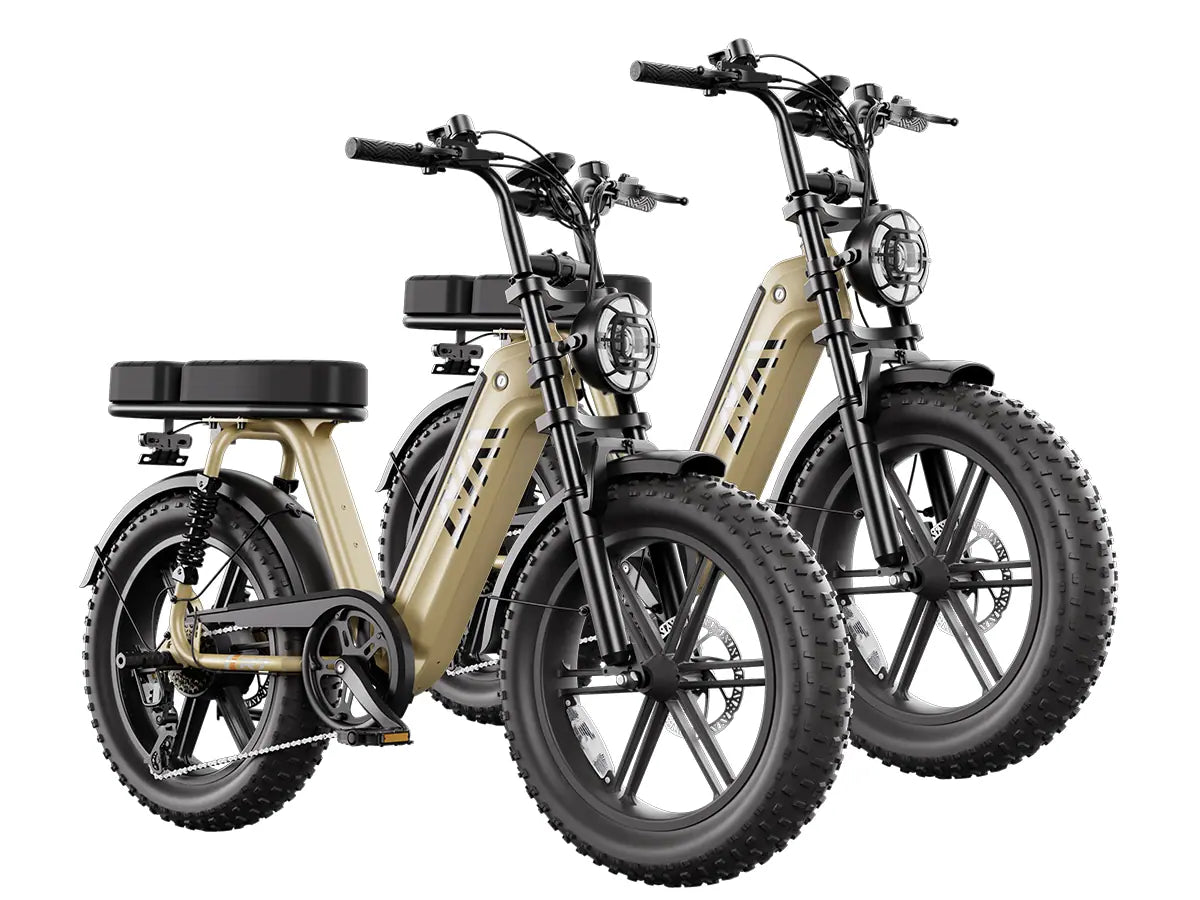
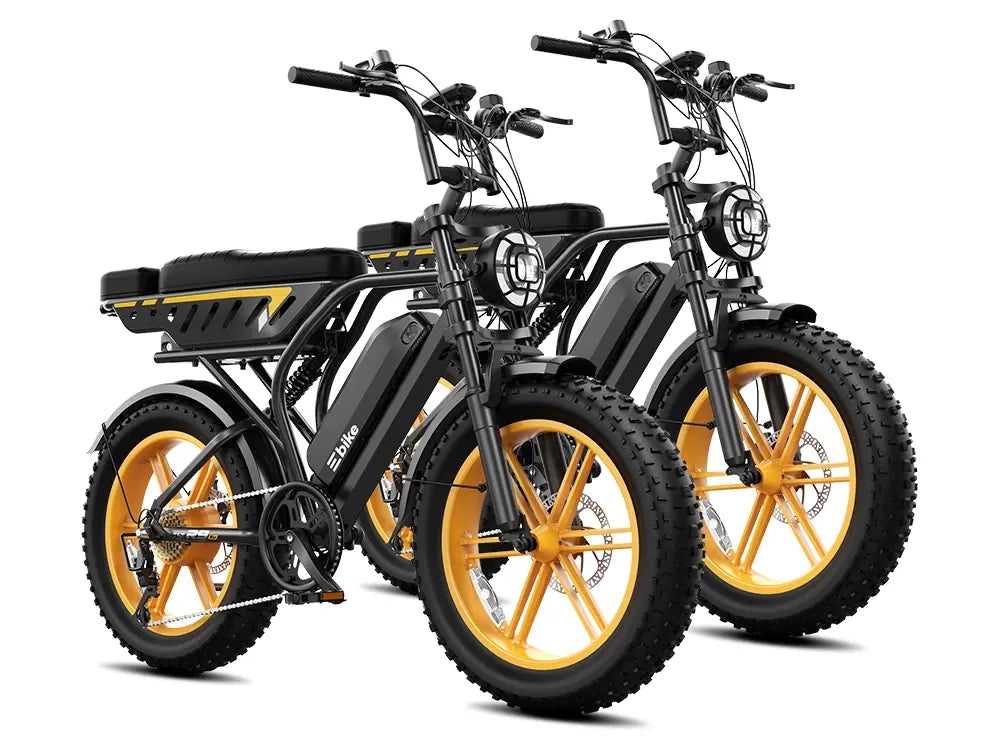
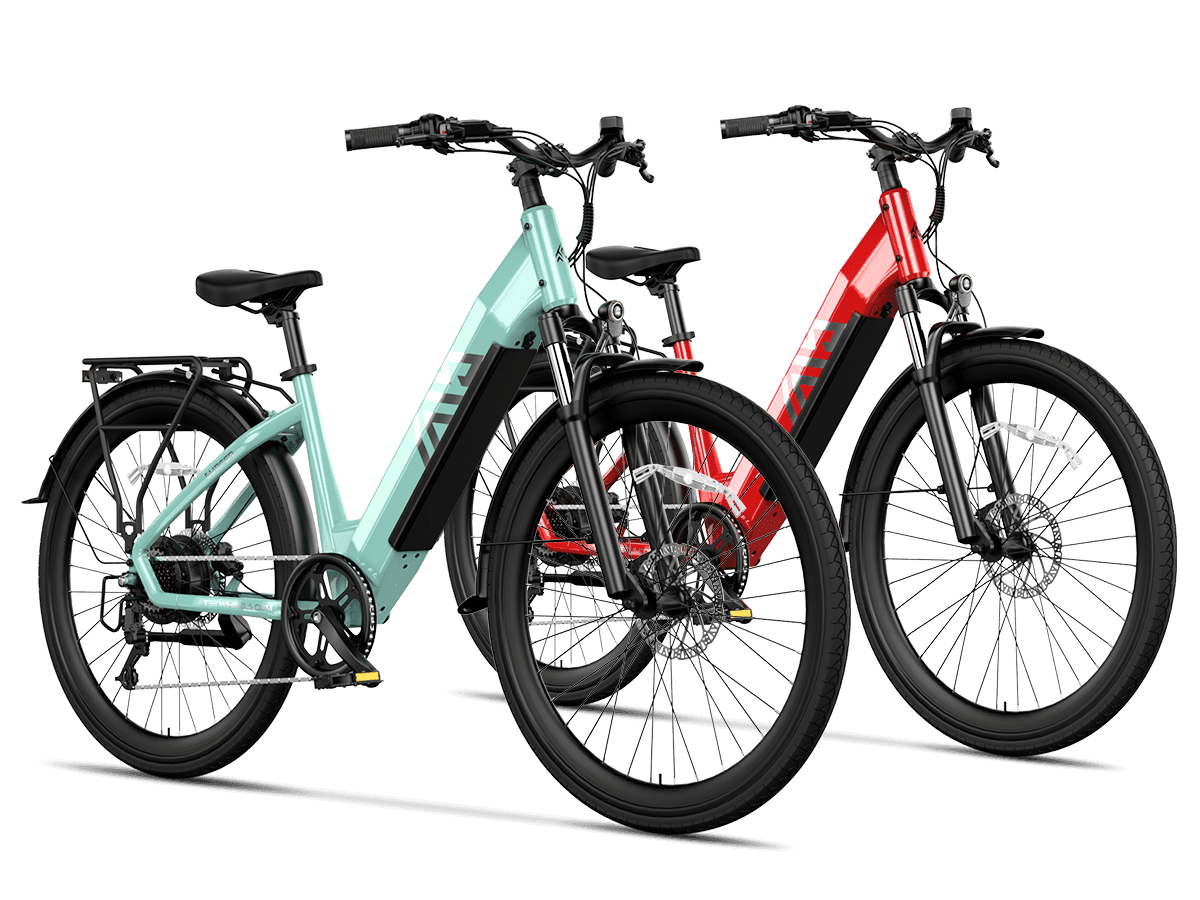
TST has a product lineup that makes this discussion highly relevant for real commuters. The brand offers commuter, cargo, fat tire, and moped-style ebikes that are often used in the kinds of low-light, high-traffic, or mixed-weather situations where visibility becomes critical.
Models such as the Surfer, Flyer, C624, R7, R9, Defender, Dreamer, and Carrier all fit different versions of urban riding. That gives the brand a practical way to talk about night safety from multiple use cases, whether the rider is commuting home after work, navigating rainy intersections, or crossing darker industrial or suburban stretches before dawn.
What Is the Night Commuter Safety Blueprint
The Night Commuter Safety Blueprint is a visibility-first approach to riding after dark in traffic. It combines active lighting, passive reflective materials, route awareness, and body positioning to help a cyclist become easier to detect from the front, rear, and side.
This matters because being able to see the road is only half the problem. The other half is making sure drivers can recognize the rider quickly enough to avoid the most common nighttime conflict points, especially lane changes, right hooks, left turns, merges, and blind-spot encroachment.
The Biggest Pain Point: Riders Are Often Less Visible Than They Think
Most riders underestimate how invisible they become at night. A bike may have a legal light setup and still fail to stand out against the visual noise of city traffic. Wet roads can mirror headlights. Fog can scatter beams. Bright storefronts and LED signs can swallow weak bike lighting.
Another problem is that many people think front and rear visibility are enough. In real traffic, some of the most dangerous interactions happen from the side, where a driver turning through an intersection or merging across a lane may only get a brief angle on the rider. If the bike and rider do not reflect or emit enough light laterally, they can vanish into the driver’s blind zone.
Rain and mist make this worse. Water on windshields, dirty mirrors, road spray, and glare all reduce a driver’s ability to judge shape, speed, and distance. In those moments, the cyclist who has invested in strong passive reflection and a more layered lighting setup has a major safety advantage.
Higher-speed ebike commuting also raises the stakes. A rider on a more powerful platform covers ground quickly, which reduces the time drivers have to notice, interpret, and respond. Faster urban riding demands more visibility margin, not less.
The Core Reality in One Sentence
At night, the safest rider is usually not the fastest or the boldest one, but the one whose visibility system makes them impossible to ignore from every likely angle of approach.
Comparison Table: Weak Visibility vs Full Night Blueprint
What Features Matter Most for Night Riding
High-intensity front lighting
The front light has two jobs. It must help the rider read the road ahead, and it must signal presence early enough for oncoming traffic to react. This is especially important on roads with no streetlights, uneven pavement, or broken lane markings.
Rear lighting that cuts through traffic clutter
A weak rear light can disappear among car taillights, traffic signals, and city reflections. Riders need a rear lighting setup that remains obvious even when viewed through rain, mist, or moving traffic. Clear separation and brightness matter more than simply checking a box for compliance.
Passive reflection that works when active lights are not enough
Reflective gear and reflectors become crucial when headlights from cars strike the rider from different angles. Reflective ankle bands, jackets, vests, helmet decals, and wheel or frame accents help drivers identify motion and human shape sooner than a dark silhouette ever could.
Three Night Riding Use Examples
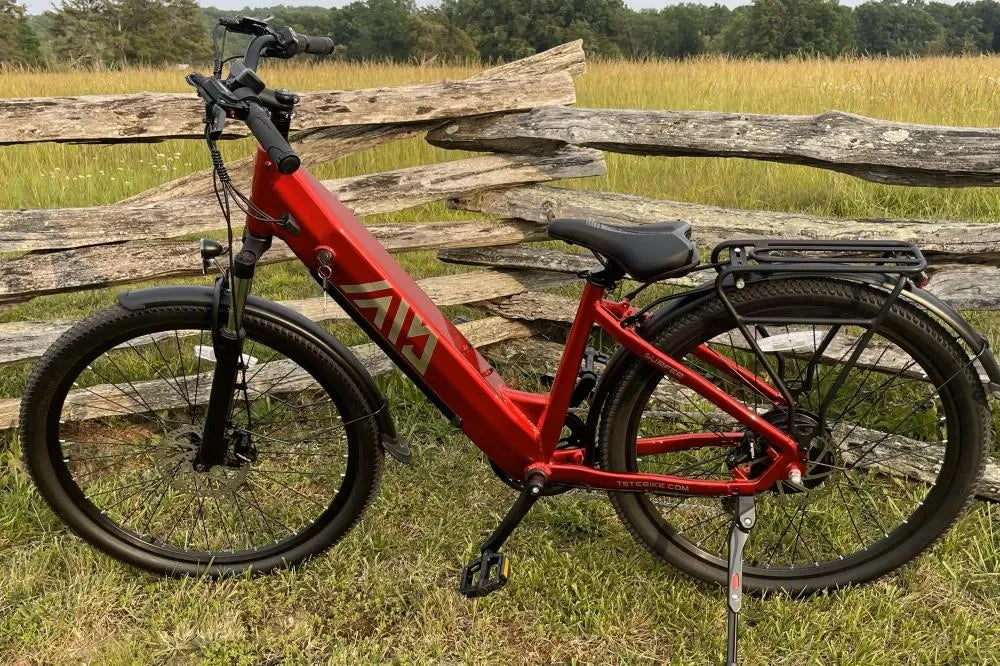
A rider on a TST Surfer commutes home on a dark suburban connector using a stronger front beam, reflective ankle bands, and a rear light mounted high enough to remain visible above road spray.
A TST R9 rider in light rain adds reflective gear, side visibility elements, and a lower-speed approach through busy intersections to reduce the chance of disappearing between car taillights.
A TST Flyer commuter crossing a foggy industrial zone uses layered front and rear lighting plus passive reflection so drivers can identify the bike from a distance instead of at the last second.
Cross-Sell: Which TST Models Fit Night Commuter Safety Best
For everyday city riders, the most natural fit begins with commuter-oriented models like the Surfer, Flyer, and C624. These bikes are already aligned with urban movement, practical handling, and repeat commuting patterns, making them strong foundations for a visibility-first setup.
For riders who need more comfort, range, or load flexibility, the R7, Carrier, and R9 make more sense. Riders who deal with rough pavement, poor drainage, or mixed-surface roads can also look at fat tire models like Defender and Dreamer, which support stability when weather and visibility conditions worsen.
This lets TST position night safety in a realistic way. The brand does not need to claim that one bike solves everything. It can show how different models support different night-riding realities.
How to Build the Night Commuter Safety Blueprint
-
Start by auditing the route, not just the bike. Identify the darkest blocks, the fastest traffic sections, the worst intersections, and any road segments where rain or fog makes visibility noticeably worse.
-
Upgrade front lighting so it does more than satisfy a minimum requirement. The beam should help with both seeing the pavement and becoming easier for traffic to detect from farther away.
-
Strengthen rear visibility with a brighter or better-positioned light setup that stays visible in spray, glare, and dense traffic.
-
Add passive reflection to the rider, not just the bike. Reflective vests, ankle bands, jackets, backpacks, and helmet details help drivers recognize human movement much sooner.
-
Improve side visibility because many of the most dangerous conflicts happen at turns and merges. Wheel reflectors, side-facing reflective accents, and reflective moving body parts all help.
-
Adjust speed and lane position to support visibility. In poor weather or deep darkness, a slightly slower and more assertive road position can improve both reaction time and driver recognition.
Scenario One: No-Streetlight Residential Connector
Traditional approach
A rider travels through a dark residential connector with only a small stock light and dark clothing. Cars approaching from behind or crossing from side streets do not get a clear visual read until the rider is already close.
After applying the Night Commuter Safety Blueprint
The rider uses a TST commuter setup with stronger active lighting and reflective movement points on the body. That creates a clearer visual signature and gives drivers more time to understand that a cyclist is present and moving through the roadway.
Scenario Two: Wet Downtown Commute
Traditional approach
A commuter rides through a rainy downtown corridor where reflections from pavement, brake lights, signs, and headlights overwhelm a weak bike setup. The rider feels lit, but in reality blends into the background.
After applying the Night Commuter Safety Blueprint
The same rider combines a stronger front light, a more visible rear light, reflective clothing, and better side visibility. This makes the cyclist more distinct in a field of urban glare and improves recognition during turns, lane shifts, and stoplight approaches.
Scenario Three: Foggy Early-Morning Industrial Route
Traditional approach
A worker rides before sunrise along a low-visibility industrial road with truck traffic, wide lanes, and long dark stretches. Without layered visibility, the rider appears only as a faint point rather than a recognizable human road user.
After applying the Night Commuter Safety Blueprint
A TST ebike with a better visibility package helps the rider build a stronger silhouette in fog and low light. Combined with lower speed and more intentional positioning, that setup gives larger vehicles more time to detect and navigate around the cyclist.
FAQ About Night Commuter Safety and Visibility
What is the most important part of night commuter safety?
The most important part is being seen early from multiple directions. A rider should think beyond “I have a light” and instead build a complete visibility system that includes front, rear, side, and body-based reflection.
How bright should a bike light be for night commuting?
There is no single answer for every route because brightness needs vary by city lighting, traffic speed, weather, and road condition. In general, riders on darker or faster routes benefit from stronger, better-aimed lighting than riders staying in slower, well-lit neighborhoods.
Why is passive reflection still important if the bike already has lights?
Lights can be hidden by angle, glare, traffic clutter, rain, or obstruction. Reflective materials activate when vehicle headlights hit them, which helps the rider remain visible even when direct bike lighting is less effective.
Why does side visibility matter so much in city traffic?
Because many real crash conflicts happen during turns, merges, and diagonal approaches. A rider who is visible only from the front and rear can still be missed where it matters most.
Which TST models are best for frequent night commuting?
Surfer, Flyer, and C624 are natural fits for daily city riding. R7, Carrier, and R9 make sense for riders who need more range, comfort, or cargo utility, while Defender and Dreamer suit rougher surfaces and wetter conditions.
What should riders do differently in rain or fog at night?
They should slow down, increase visibility, and assume drivers are seeing less than usual. Rain and fog reduce contrast and reaction time, so both the rider’s setup and the rider’s behavior need to become more conservative.
Why This Topic Works So Well for Brand Content
This topic works because it solves a real rider fear with useful structure. Night riding is not just an equipment issue. It is a visibility strategy issue, and that makes the content inherently valuable.
For TST, that creates a strong brand position. Instead of talking only about speed, range, and motor output, the brand can show it understands how riders actually survive and ride confidently in modern city traffic.
Conclusion
The Night Commuter Safety Blueprint is really a visibility blueprint. Riders who build around active lighting, passive reflection, side detection, and smarter route behavior are far better prepared for dark streets, rain, fog, and heavy traffic than riders who rely on minimal equipment.
That is where TST has a useful role to play. With commuter, cargo, moped-style, and fat tire options, the brand can help riders choose the right platform and then build a night-riding setup around how they actually use the bike in the real world.
CTA
Explore TST’s commuter and urban-ready ebike lineup to build a safer setup for dark streets, rainy rides, and everyday city traffic.
TST is an electric bike brand focused on high-power, cost-effective commuter, cargo, fat tire, moped-style, and dirt models designed for practical real-world riding.

Leave a comment
This site is protected by hCaptcha and the hCaptcha Privacy Policy and Terms of Service apply.