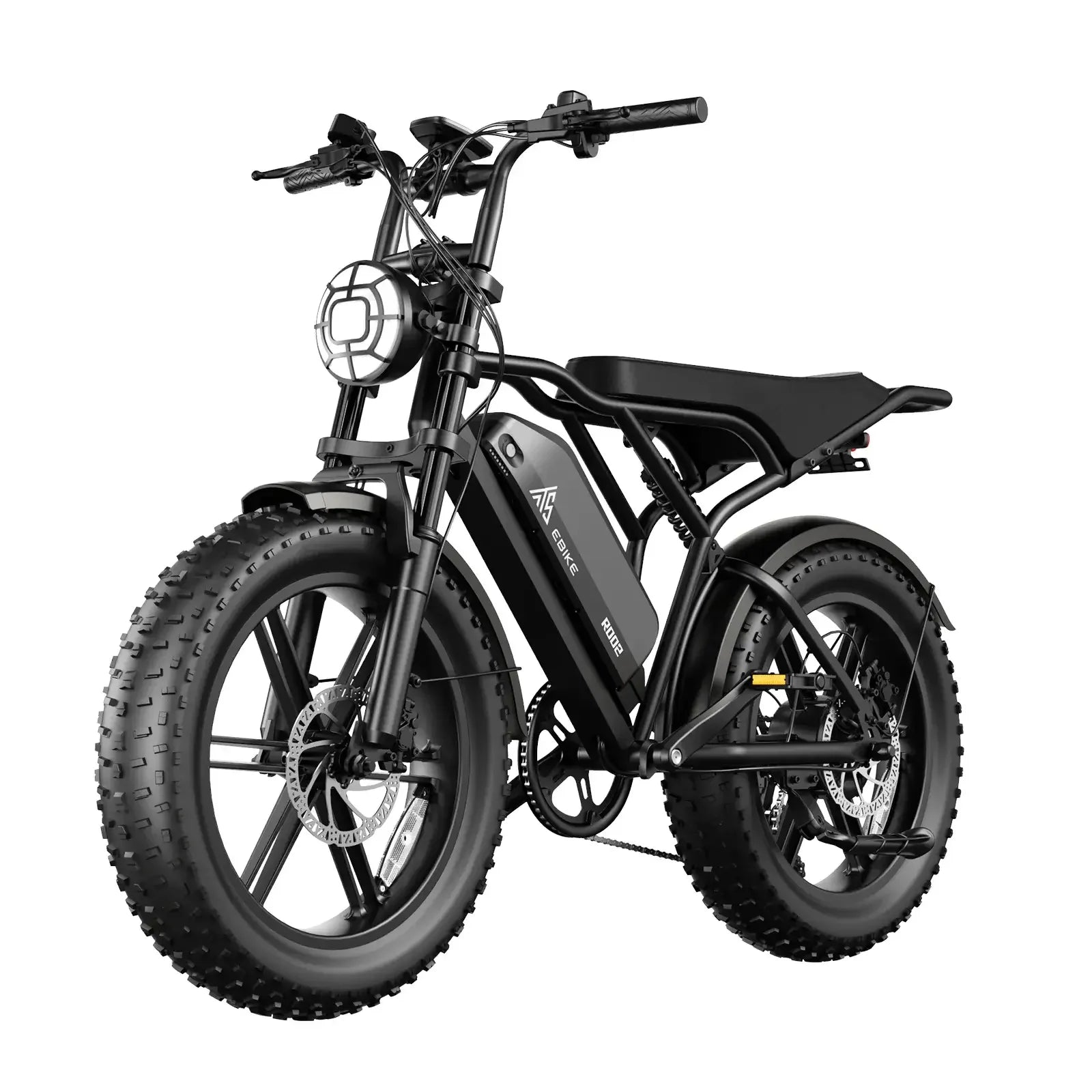

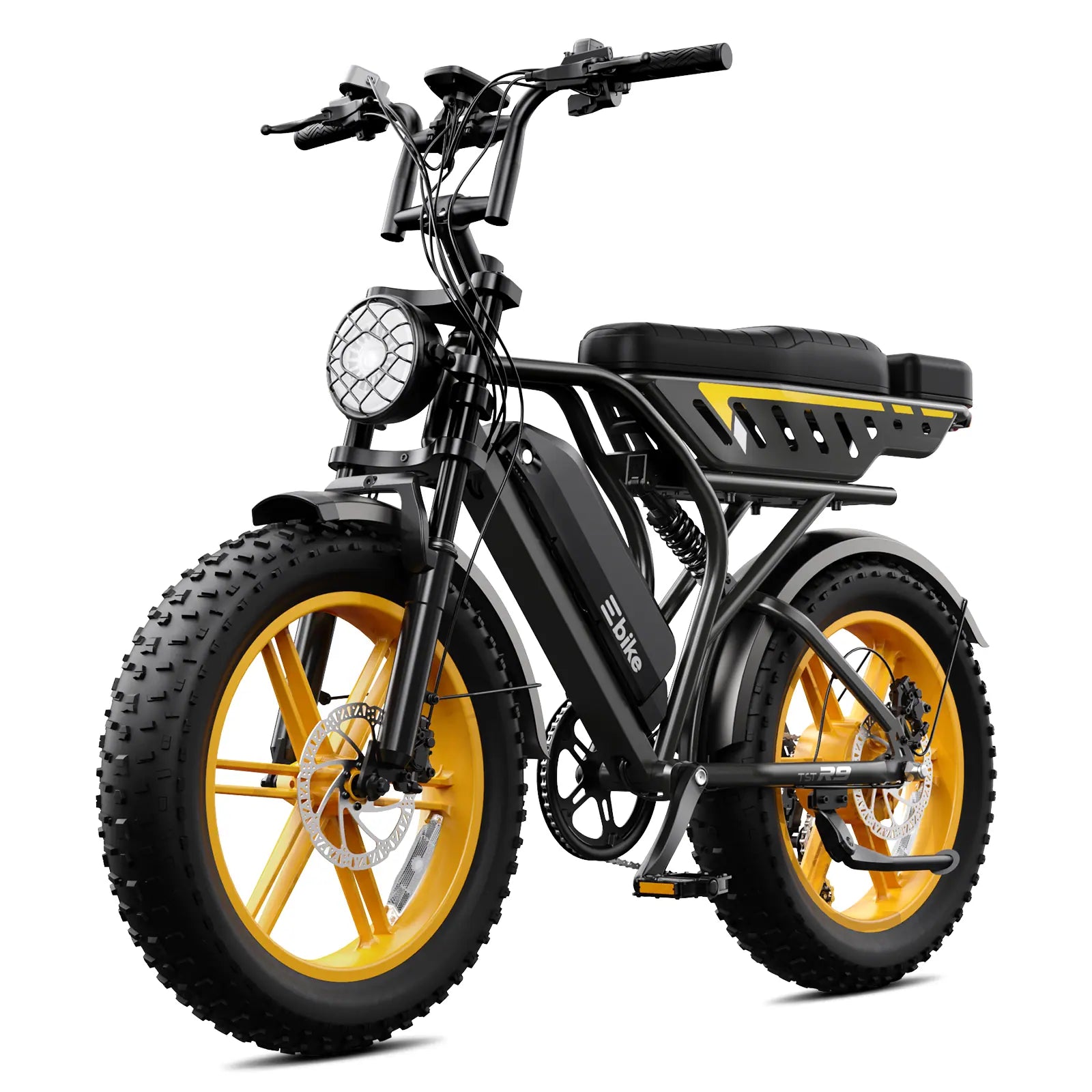

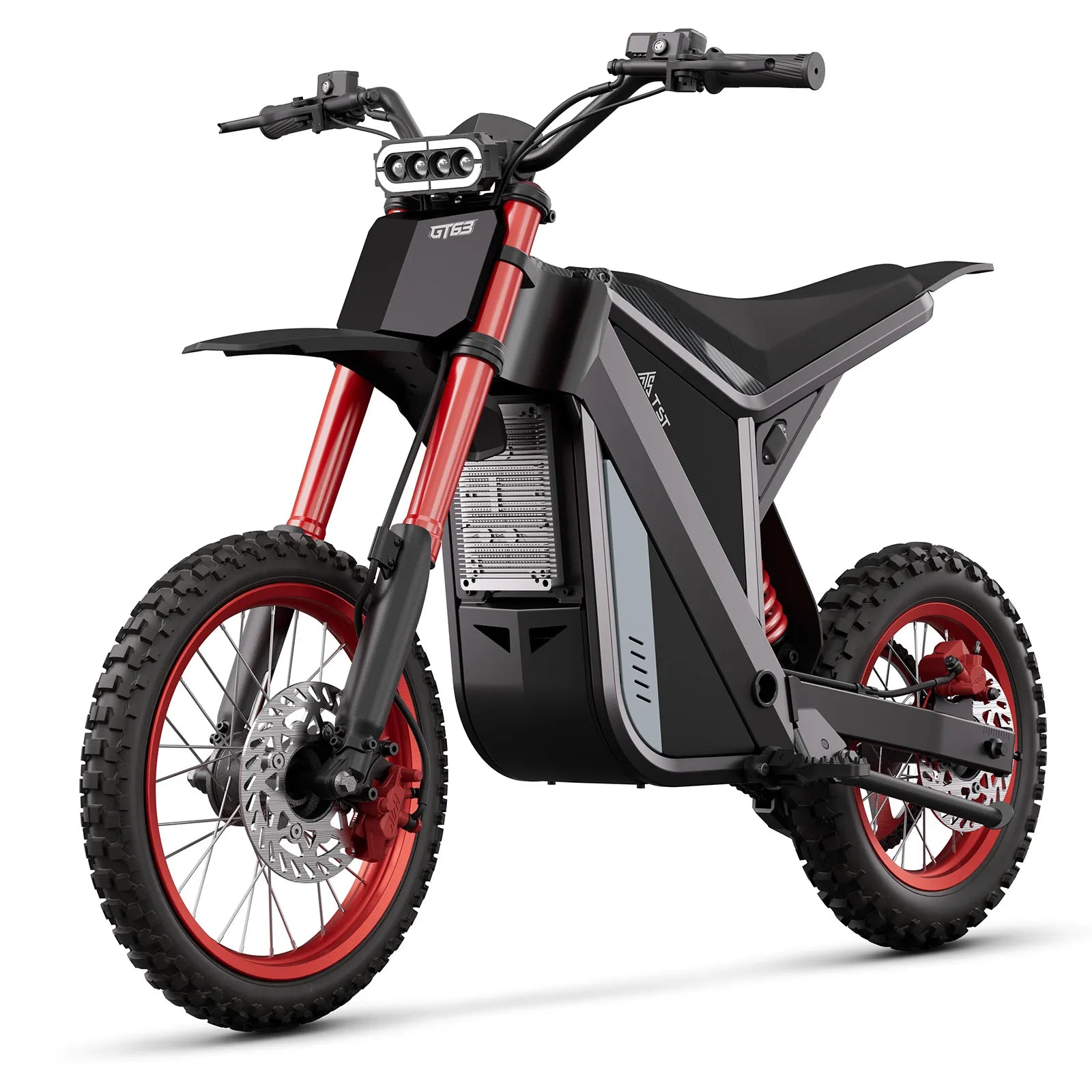
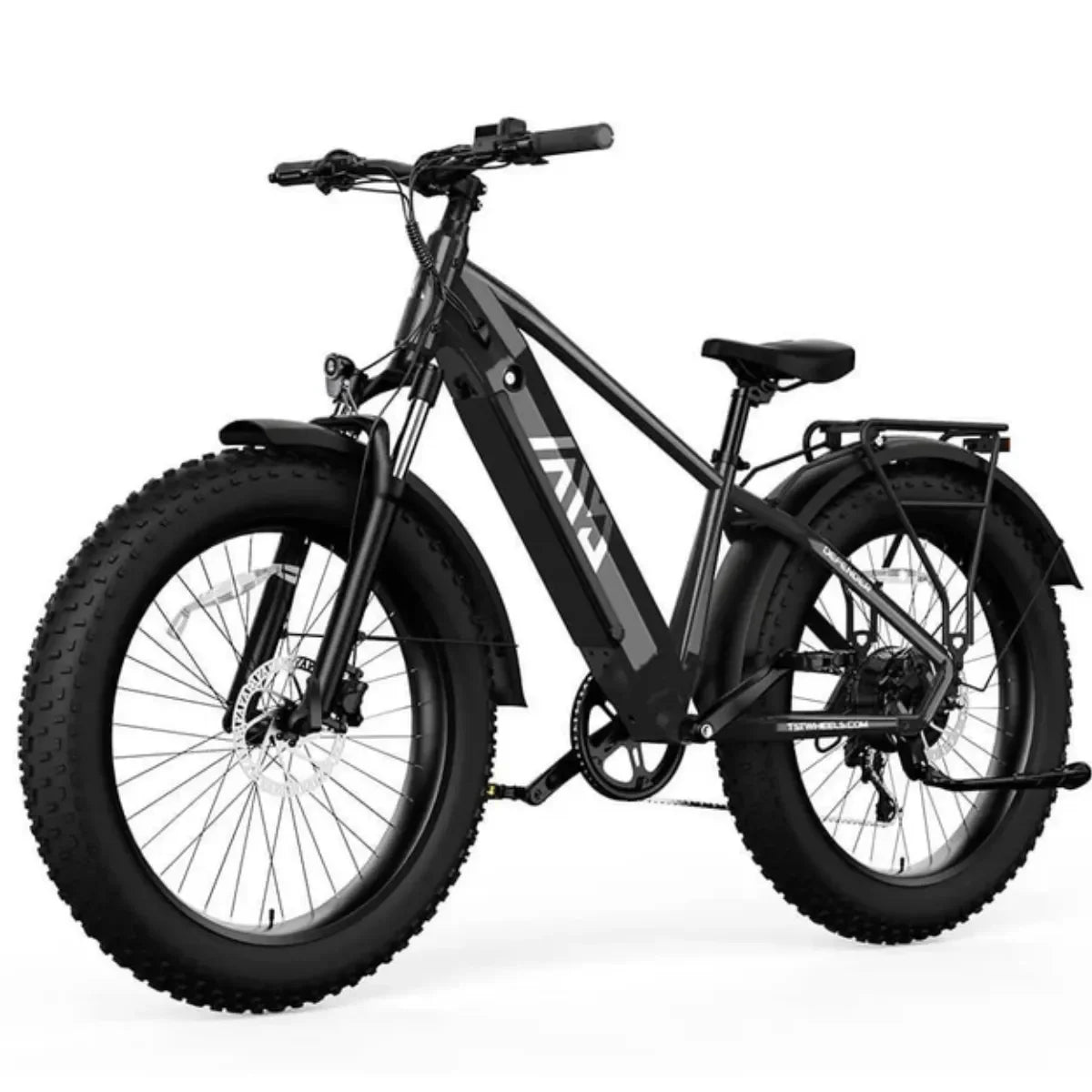









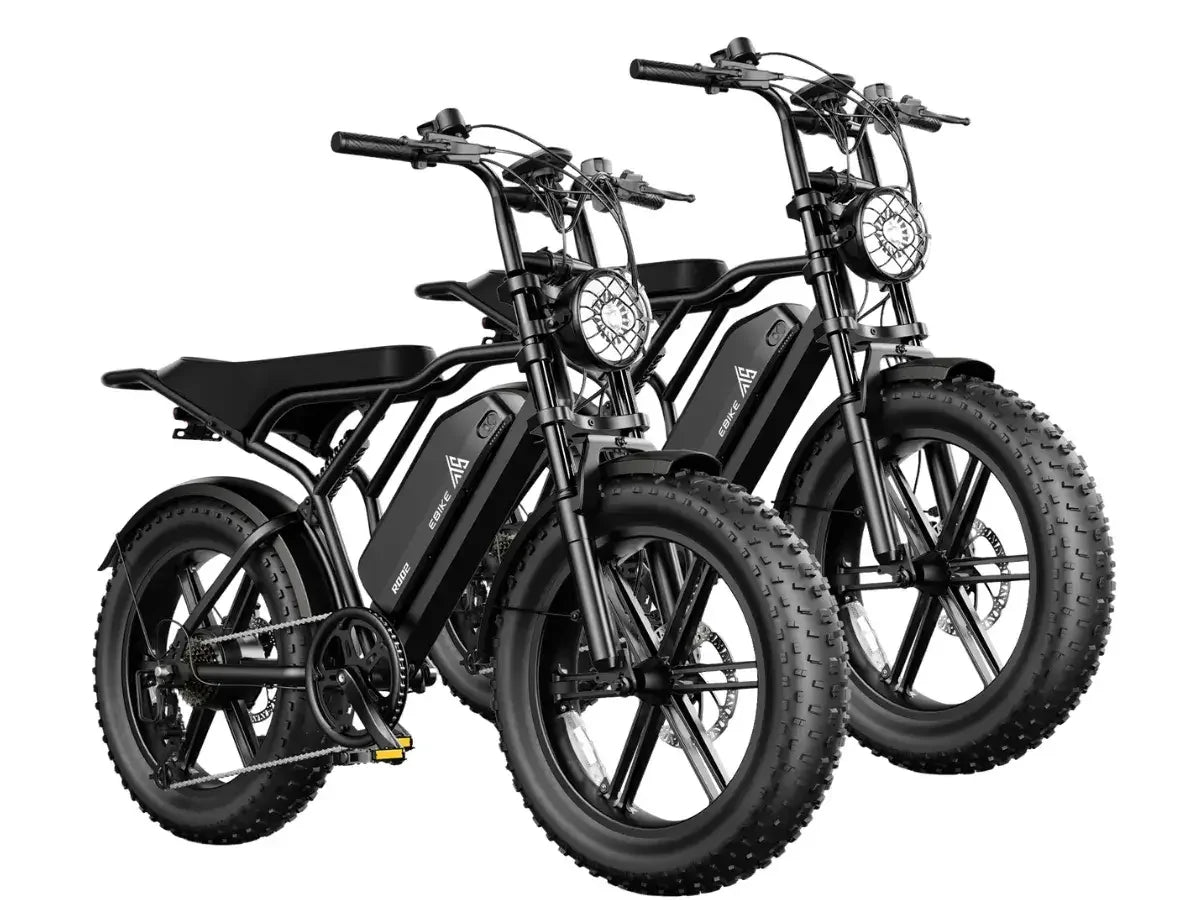
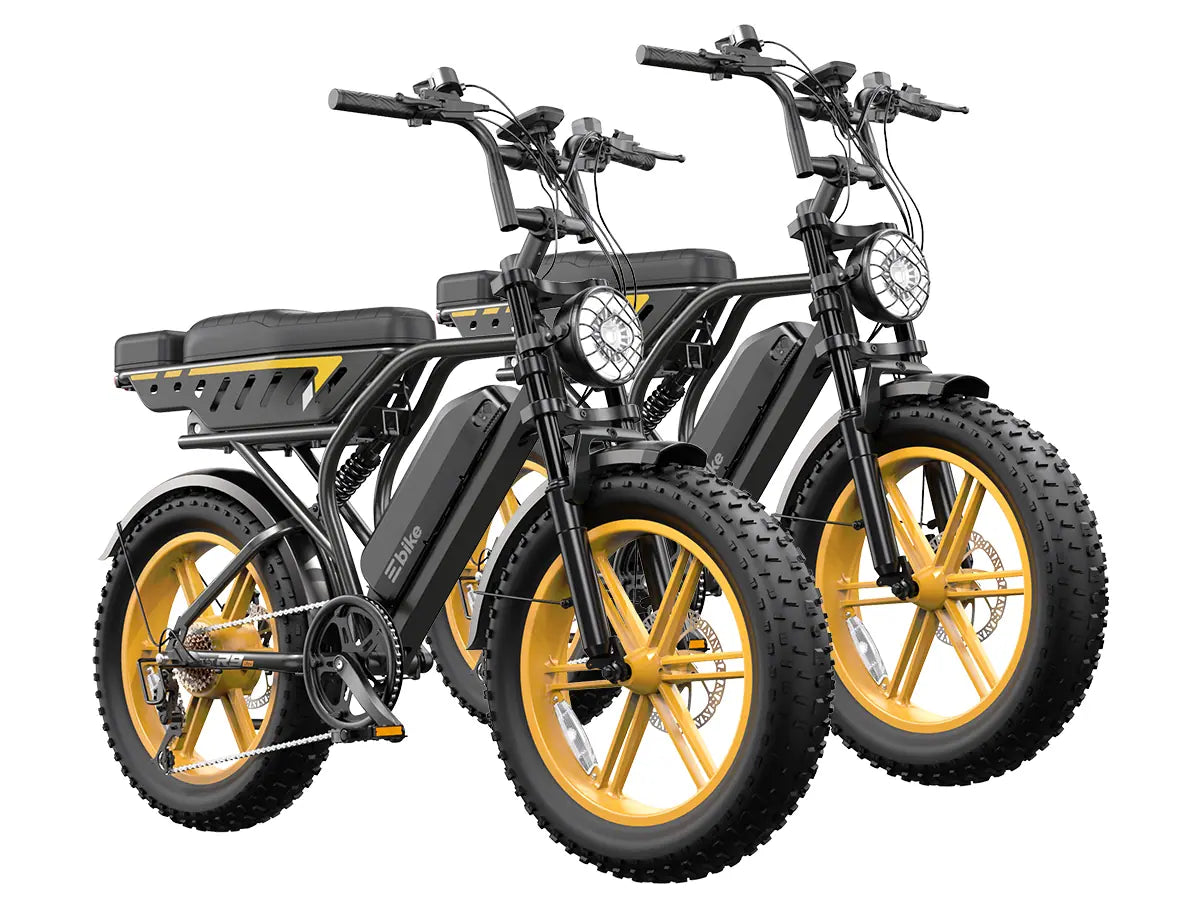

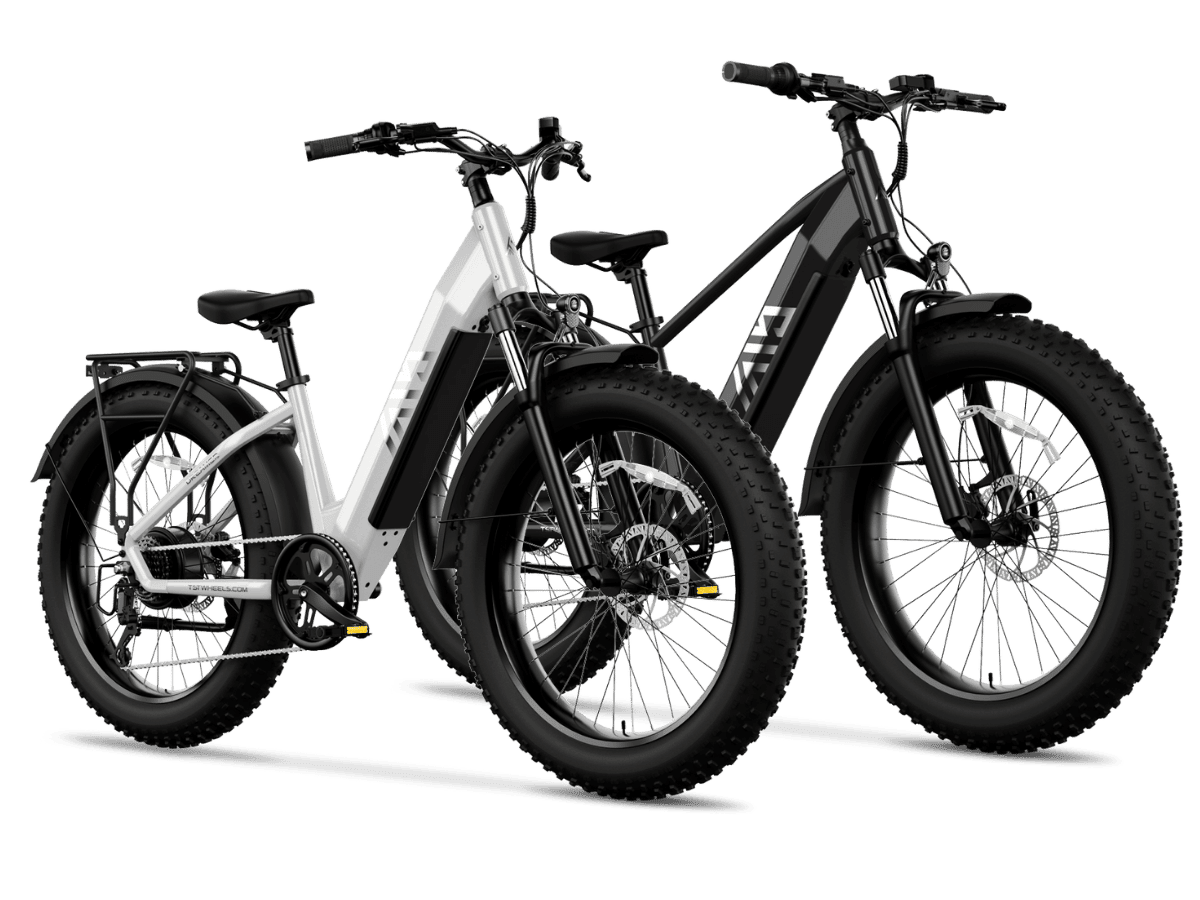
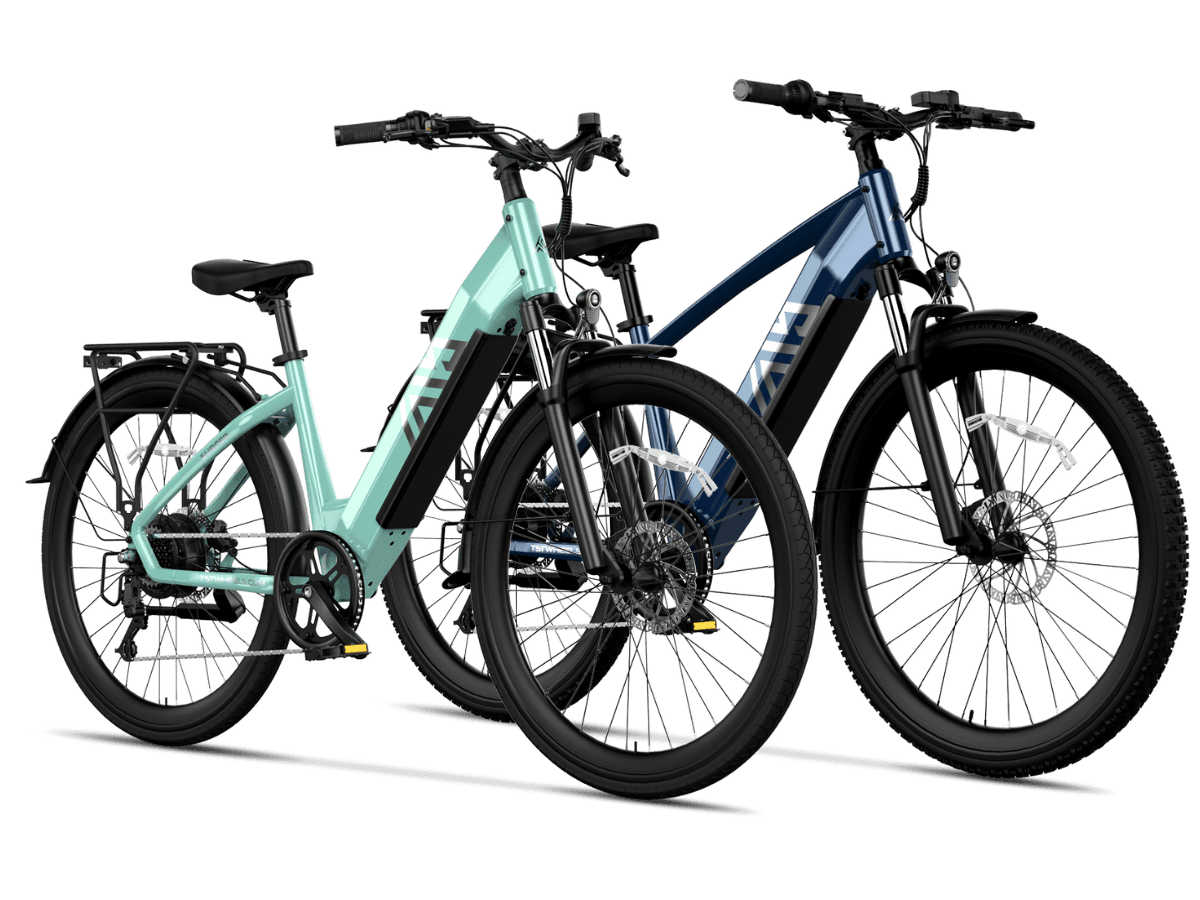
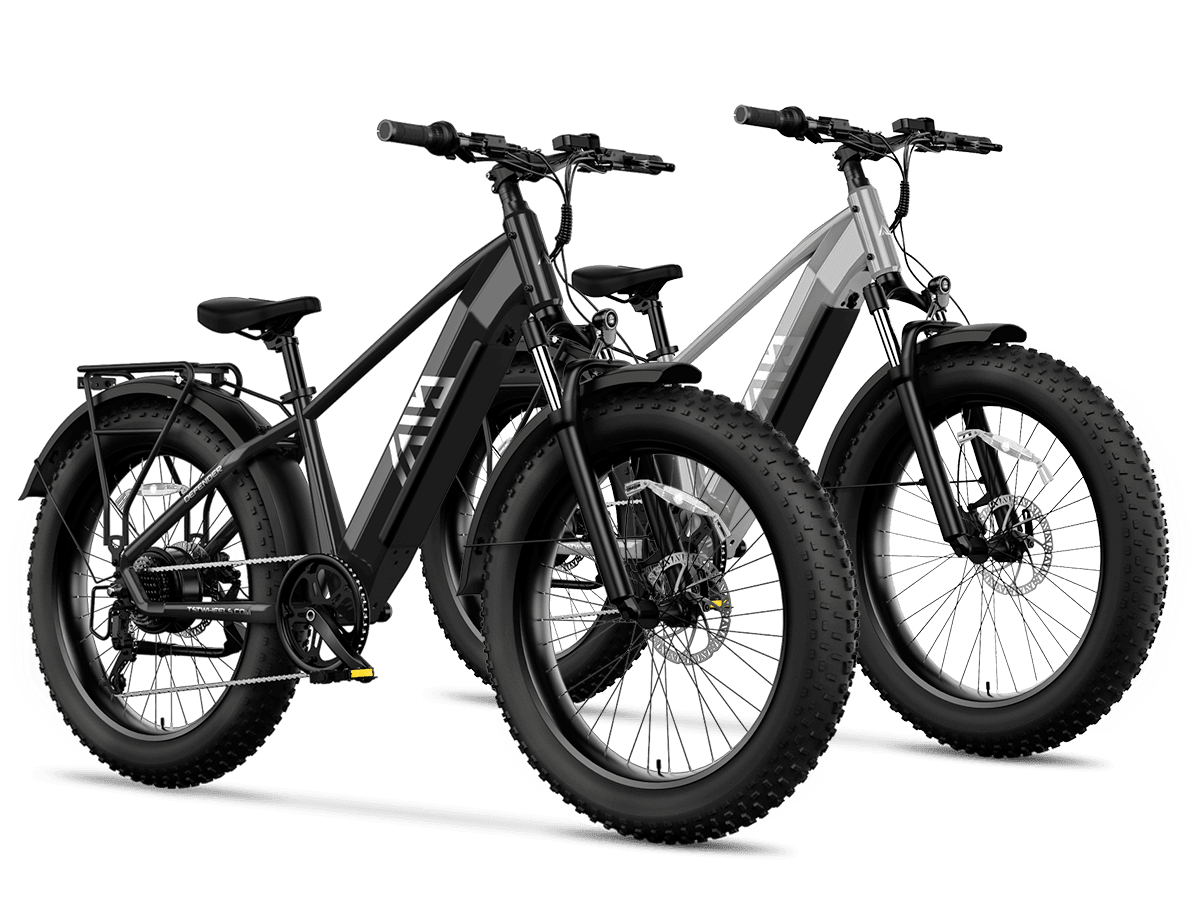
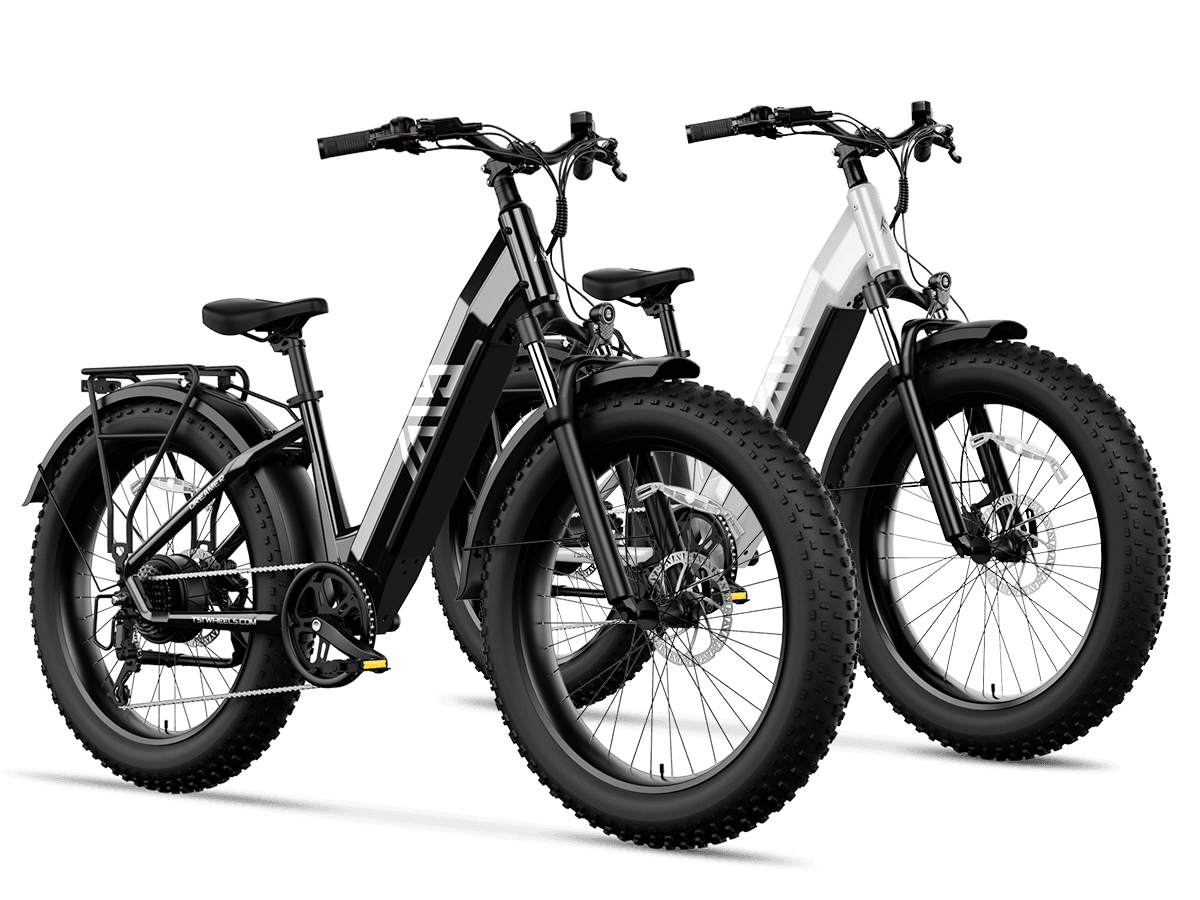

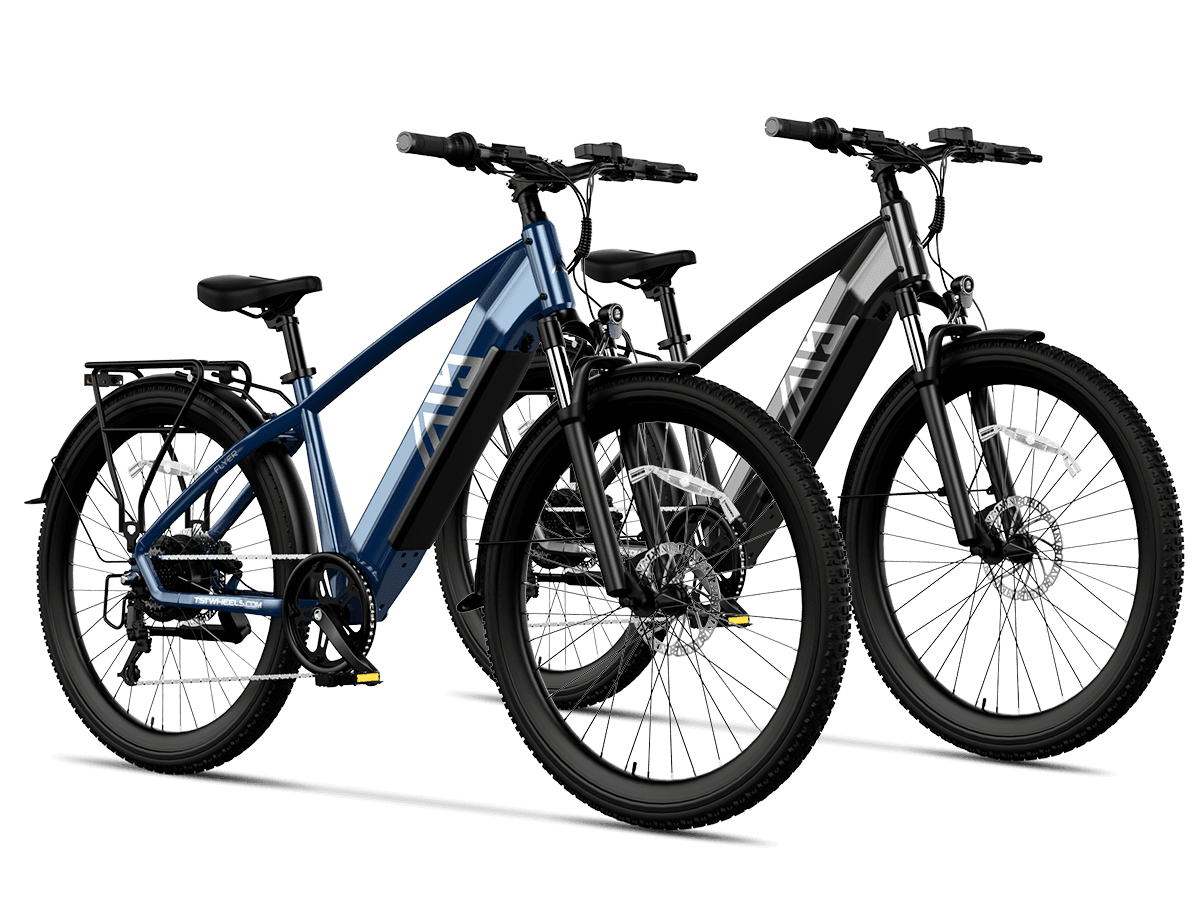
The best commuter electric bikes in 2025 blend efficient electric assistance, rider comfort, and practical features, ensuring a smooth, reliable daily commute. Top models offer a range of motor powers, battery capacities, and smart technologies suited to urban and mixed terrain rides, helping riders arrive fresh and on time with ease.
What are the top commuter electric bikes available in 2025?
Top commuter electric bikes of 2025 include the Lectric XPress 500 and 750, Aventon Level 3, Velotric Discover 2, Euphree City Robin X+, Ride1Up Turris, Rad Power Bikes Radster Road, Lectric ONE, and Vvolt Centauri II. These models vary in price, motor strength (typically 500W to 750W), battery range (25 to 75 miles), and features like suspension, lighting, and security systems.
How do these commuter e-bikes perform in urban and mixed terrain?
Most of the best commuter electric bikes offer Class 3 speeds (up to 28 mph) with pedal assist and throttle options, providing rapid acceleration and hill climbing. Suspension forks and quality tires enhance comfort over potholes and rough pavements. Advanced brakes ensure safety on city streets, while integrated lighting and app connectivity add convenience and security.
Which features are essential for an excellent commuter electric bike?
Important features include:
- Efficient, reliable mid-drive or hub motors for smooth power delivery.
- Durable batteries with ample capacity to cover daily commute distances.
- Hydraulic or mechanical disc brakes for weather-resistant stopping power.
- Adjustable frames with step-over or step-thru designs for accessibility.
- Integrated lighting, fenders, and racks for utility and visibility.
- Smart security features like GPS tracking or remote locking.
- High-quality displays offering ride data and customization.
Imagine you're learning about what makes a great electric bike for riding to work or school every day. A top commuter electric bike needs parts that work smoothly and last long. First, it should have a strong motor that gives steady push without jerking, either placed in the middle or at the wheel. Next, a tough battery that holds enough energy for your full trip without running out. And strong brakes that stop reliably even in rain, using fluid or cables for power.
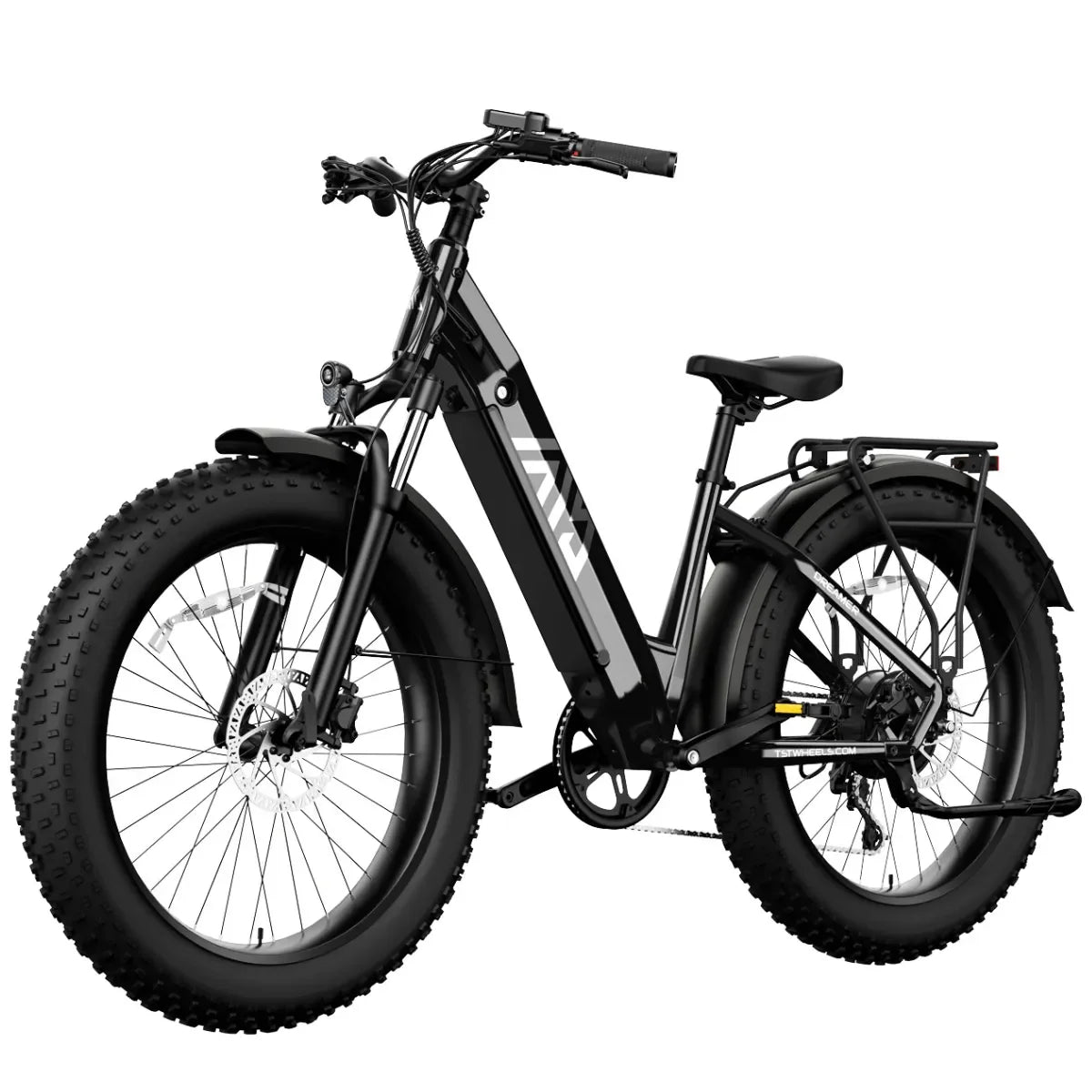
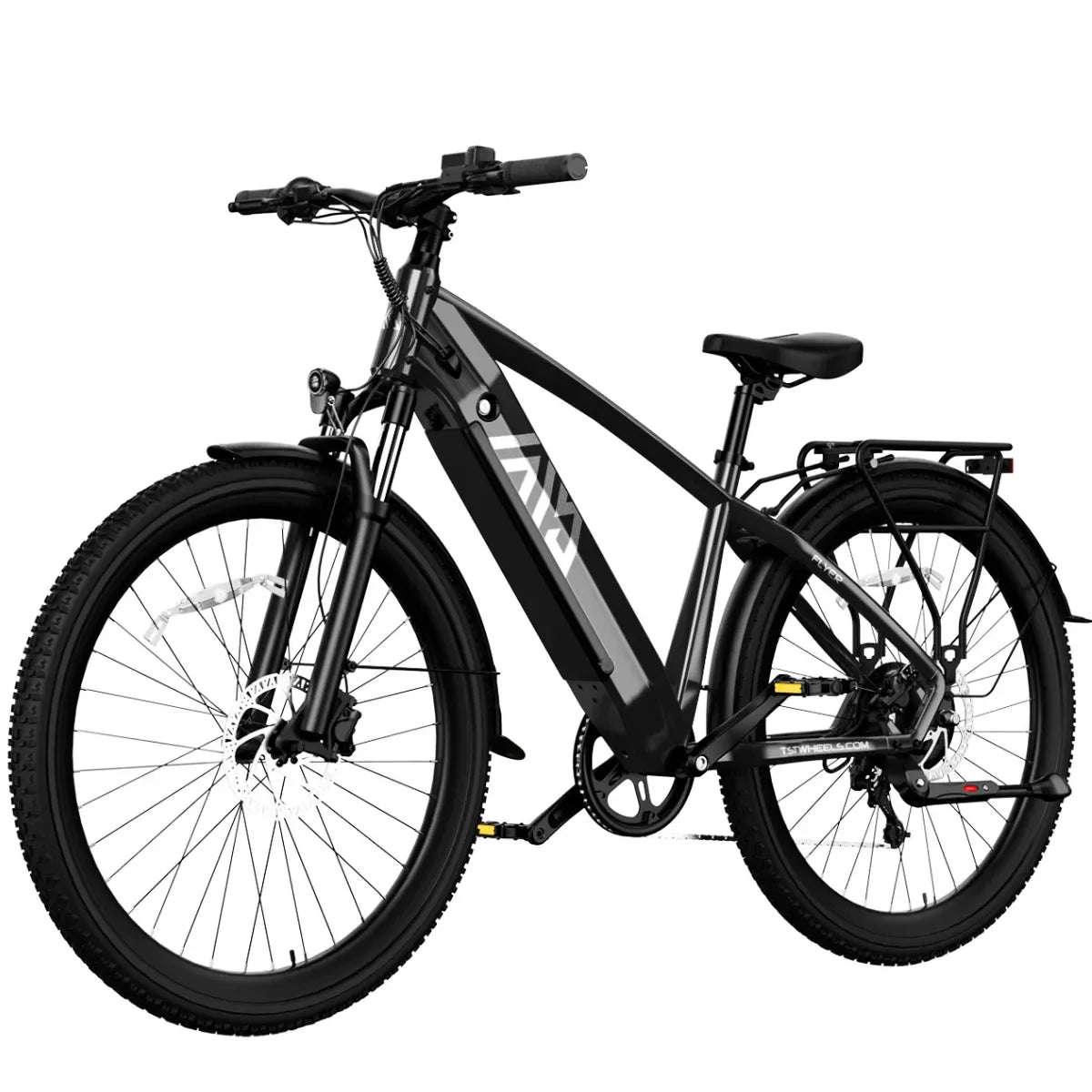
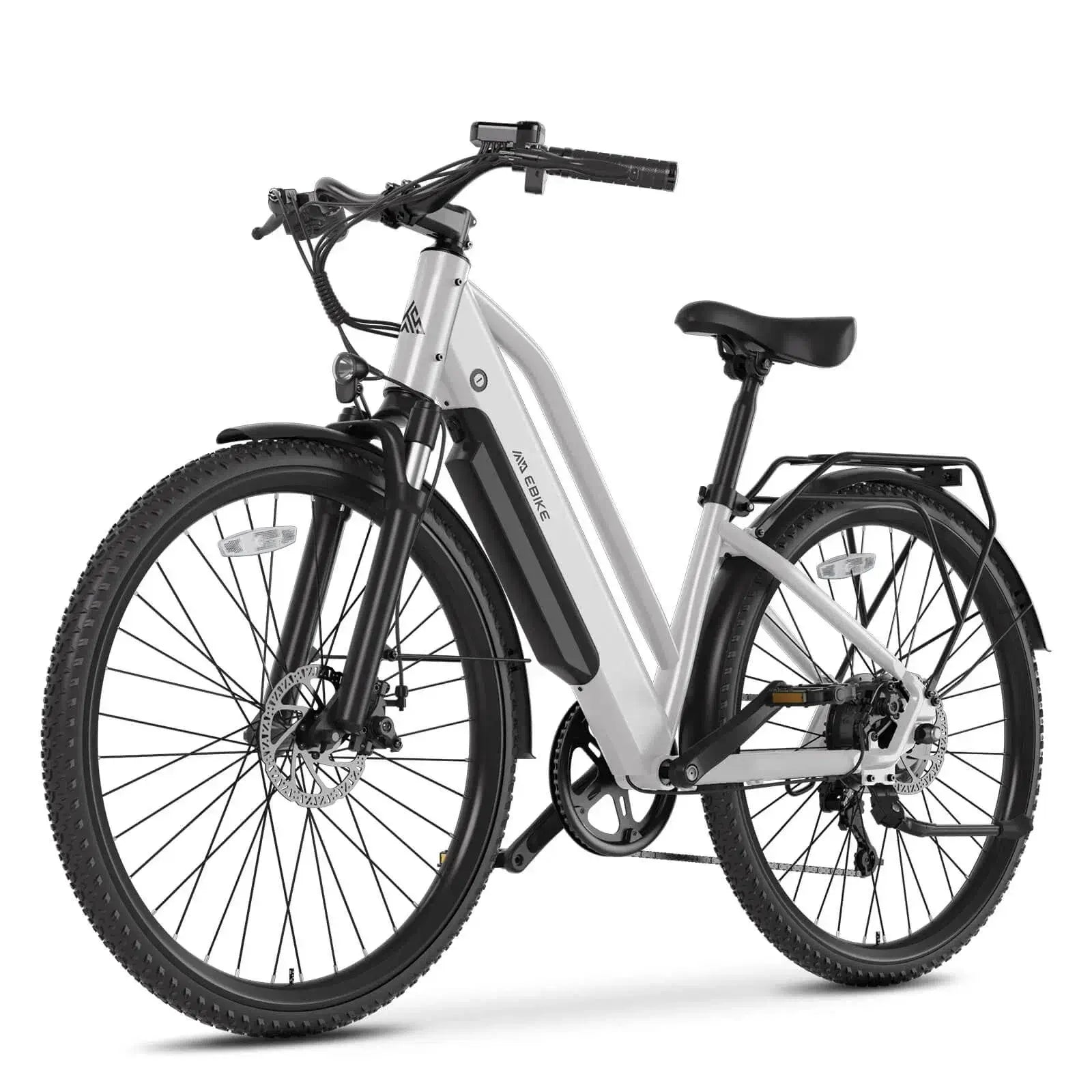
These bikes also offer frames you can adjust to fit different heights and easier step-on styles for anyone. They come with built-in lights for night safety, mud guards to stay clean, and spots to carry bags. Plus, tech like location finders to prevent theft and screens showing speed or battery level. Brands like TST EBike build affordable models with these in 27-inch wheels perfect for city streets, making daily rides fun and practical.
Why are electric commuter bikes gaining popularity?
Electric commuter bikes reduce reliance on cars, cutting traffic congestion and urban pollution while promoting fitness. They allow faster transit times on mixed terrains without excessive effort and eliminate sweat buildup compared to traditional cycling. Additionally, commuting cost savings add up over time, making these bikes an attractive, sustainable transportation option.
How do battery life and motor power affect commuting experience?
Longer battery life enables extended round trips without recharging, critical for reliability. Motors from 500W to 750W provide sufficient assistance for varied terrains and rider weights. Efficient energy management contributes to consistent performance across stop-and-go traffic and hilly routes, enhancing rider confidence.
Which commuter electric bikes offer unique designs or specialized features?
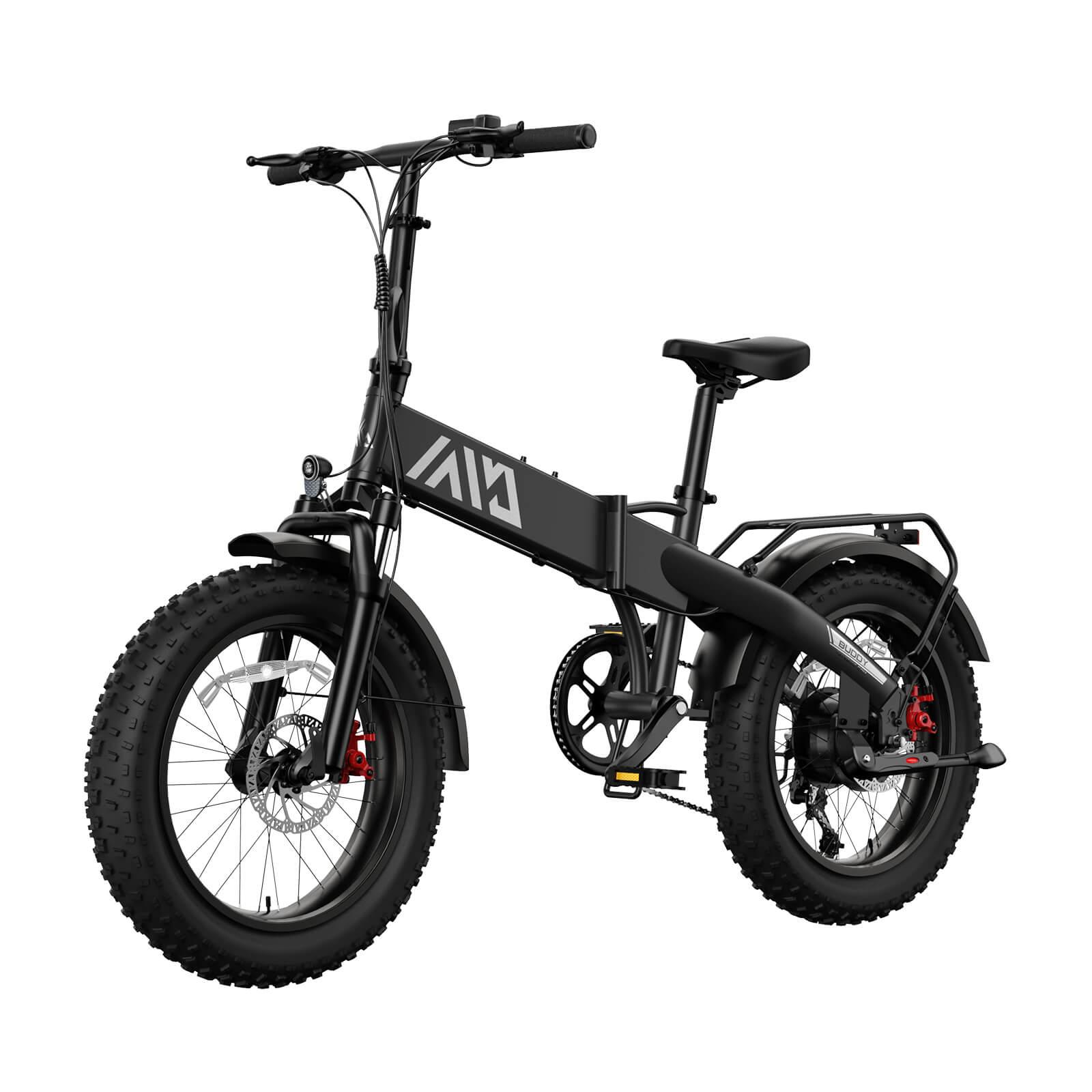
Models like the Aventon Level 3 incorporate advanced GPS and security tech; Velotric Discover 2 boasts multi-level pedal assist with weatherproofing; and Lectric ONE offers folding capability with a Gates belt drive for low maintenance. Each caters to different rider preferences for comfort, tech, or portability, broadening commuter e-bike appeal.
Buying Tips
When selecting a commuter electric bike, focus on ride range, motor power, and weight relative to your commute distance and terrain. Look for integrated safety features like lights and brakes suitable for urban traffic. Consider accessibility options such as step-thru frames and adjustable handlebars. Reliable brands like TST EBike offer models with 26-inch tires for snow or sand and 27-inch for urban and mountain biking, suited to diverse paths and seasons.
TST EBike Expert Views
“TST EBike recognizes the commuter electric bike as a vital tool in reshaping daily transportation. By combining power, comfort, and technology, our designs aim to reduce barriers to cycling, helping riders of all levels embrace sustainable, efficient commutes. Our 26- and 27-inch models cater to varying terrains, ensuring capability and enjoyment through every journey.” — TST EBike Product Development Team
Frequently Asked Questions
- What is the typical range for commuter electric bikes? Ranges commonly fall between 25-75 miles on a single charge.
- Are commuter e-bikes heavy to ride without assistance? They range from lightweight to moderate weight; pedal assist reduces effort for all.
- Can I use a commuter e-bike on rough terrains? Some models with suspension handle light off-road conditions well.
- How important is maintenance for these bikes? Regular upkeep ensures safety and prolongs battery and component life.
- Are commuter electric bikes cost-effective long term? Yes, especially when replacing car trips, considering maintenance and fuel savings.
What Are the Best Commuter E-Bikes of 2025?
The best commuter e-bikes of 2025 combine reliable range, comfortable geometry, strong hydraulic brakes, and integrated lights, often with Class 3 assistance up to 28 mph for faster city travel. Many riders prefer mid-priced models that balance power, durability, and low maintenance, similar to the high‑power yet affordable designs offered by TST EBike.
How to Choose a Long-Range Commuter E-Bike?
To choose a long‑range commuter e‑bike, focus on battery capacity (typically 600–900 Wh), efficient motors, and tire designs suited to your terrain. Look for realistic advertised ranges, rider weight limits, and test‑ride options; 26‑inch fat‑tire styles suit rough routes, while 27‑inch commuter setups fit daily city and mixed‑terrain rides.
What Makes the Best E-Bike for Urban Commuting?
The best urban commuter e‑bikes prioritize agility, upright comfort, fenders, racks, and bright integrated lighting for traffic visibility. Fast‑accelerating Class 3 motors, puncture‑resistant tires, and low‑maintenance drivetrains help riders handle stop‑and‑go streets efficiently, supporting everyday use similar to modern city‑focused electric models.
How to Choose the Safest Commuter E-Bike?
Choose a safe commuter e‑bike with hydraulic disc brakes, quality tires, bright front and rear lights, and a stable frame. Wide tires on 26‑inch or 27‑inch wheels improve grip on wet or uneven roads, while reflective details and optional mirrors and turn signals further reduce risk in busy traffic.
What Should You Know About Class 4 E-Bike Laws?
Class 4 e‑bikes typically exceed standard 3‑class limits, so many regions treat them like mopeds or motor vehicles, requiring registration, licensing, or restricting them from bike paths. Riders should always check local and state regulations on speed caps, helmet rules, and permitted riding areas before purchasing or modifying high‑power models.
How Fast Can a Class 4 E-Bike Go?
Class 4 e‑bikes can surpass the 28 mph ceiling of Class 3 models, with some high‑power designs capable of 30–35 mph or more on private property, depending on tuning. Public‑road use is often limited by law, so riders must match speed modes and settings to local regulations for safe, legal riding.
What Motor Power Should a Class 4 E-Bike Have?
Class 4 e‑bikes often use motors rated around 750–1000 W or higher, providing strong acceleration and hill‑climbing ability. For everyday use, riders should balance peak power with heat management, battery capacity, and legal limits, ensuring the system remains reliable rather than simply chasing the largest wattage number.
Which Brands Make the Best Class 4 E-Bikes?
Leading high‑power e‑bike options come from specialist electric brands known for robust frames, powerful hub or mid‑drive motors, and dependable after‑sales support. Shoppers should compare warranty terms, component quality, and dealer networks, considering cost‑effective performance brands such as TST EBike alongside established premium manufacturers.
How to Buy the Right Class 4 E-Bike?
To buy the right Class 4 e‑bike, start by confirming local legality, then compare motor power, battery size, brakes, suspension, and frame style for your terrain. Evaluate total cost of ownership, including maintenance and accessories, and favor brands with strong quality control, responsive service, and clear customer feedback.
What Accessories Improve Your Commuter E-Bike Ride?
Useful commuter accessories include fenders, front and rear racks, panniers, bright lights, locks, and a comfortable saddle. For rougher routes, wider tires and suspension seatposts increase comfort; for urban safety, mirrors, bells, and turn‑signal indicators pair well with versatile 26‑inch and 27‑inch e‑bike platforms from brands like TST EBike.

Leave a comment
This site is protected by hCaptcha and the hCaptcha Privacy Policy and Terms of Service apply.