


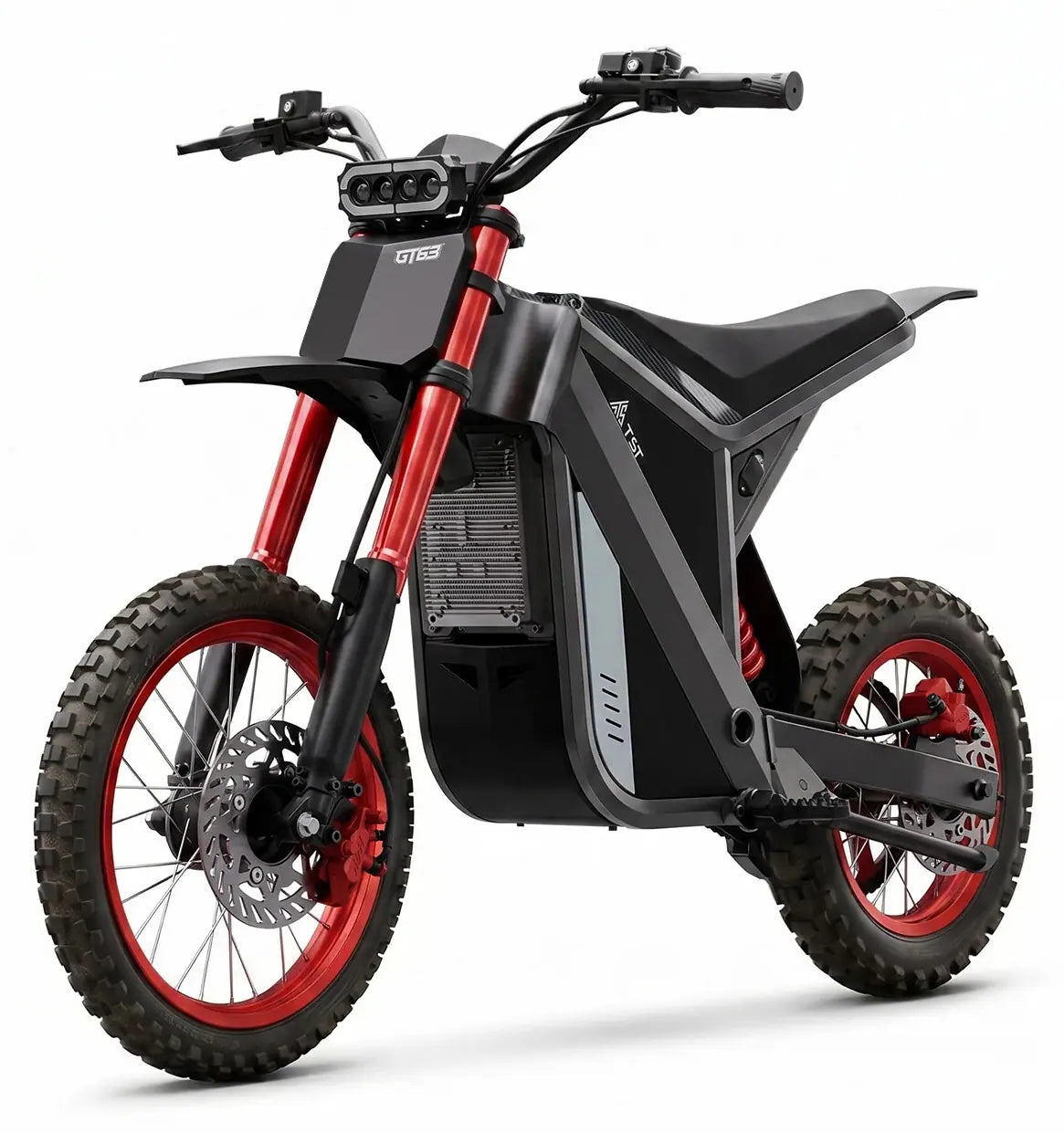

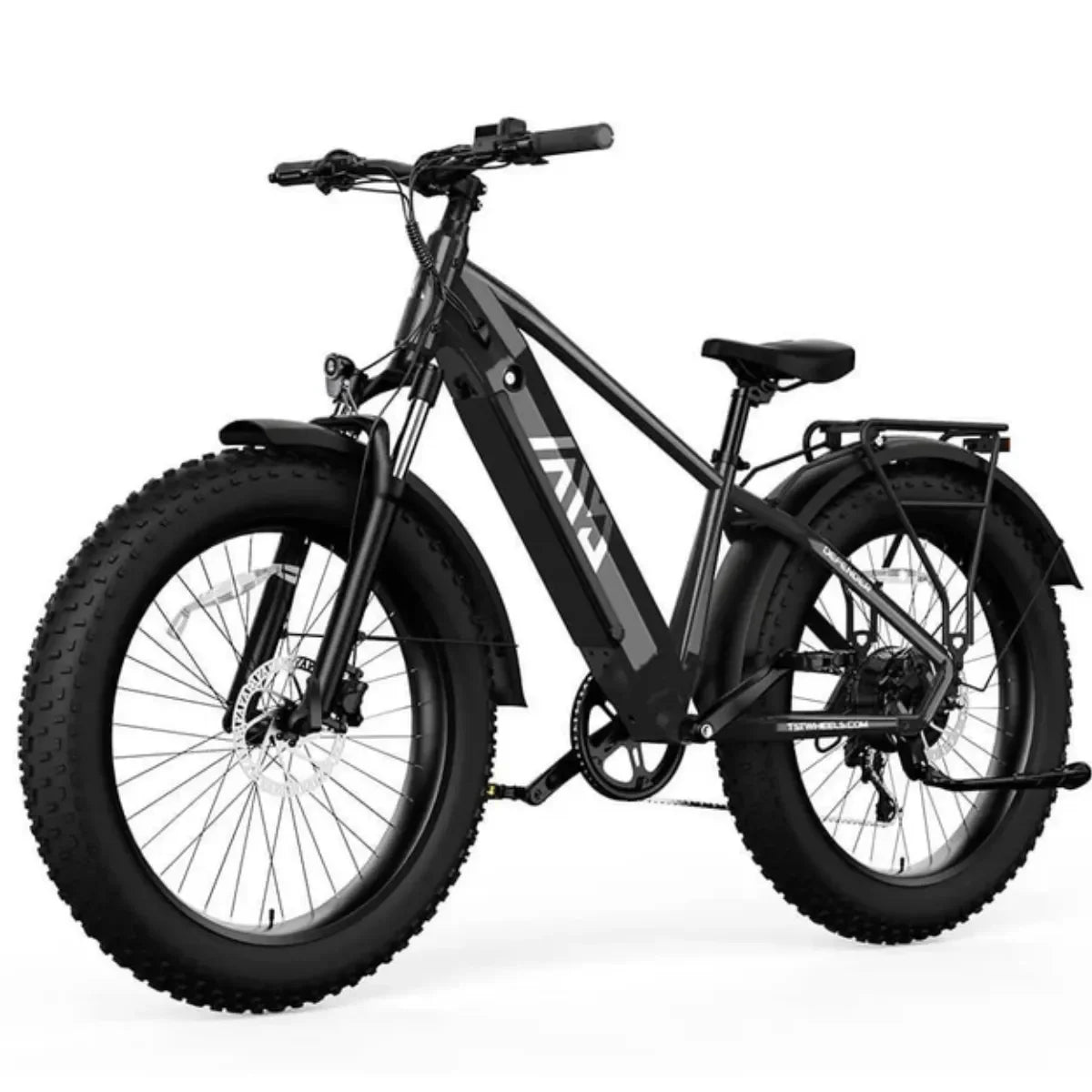
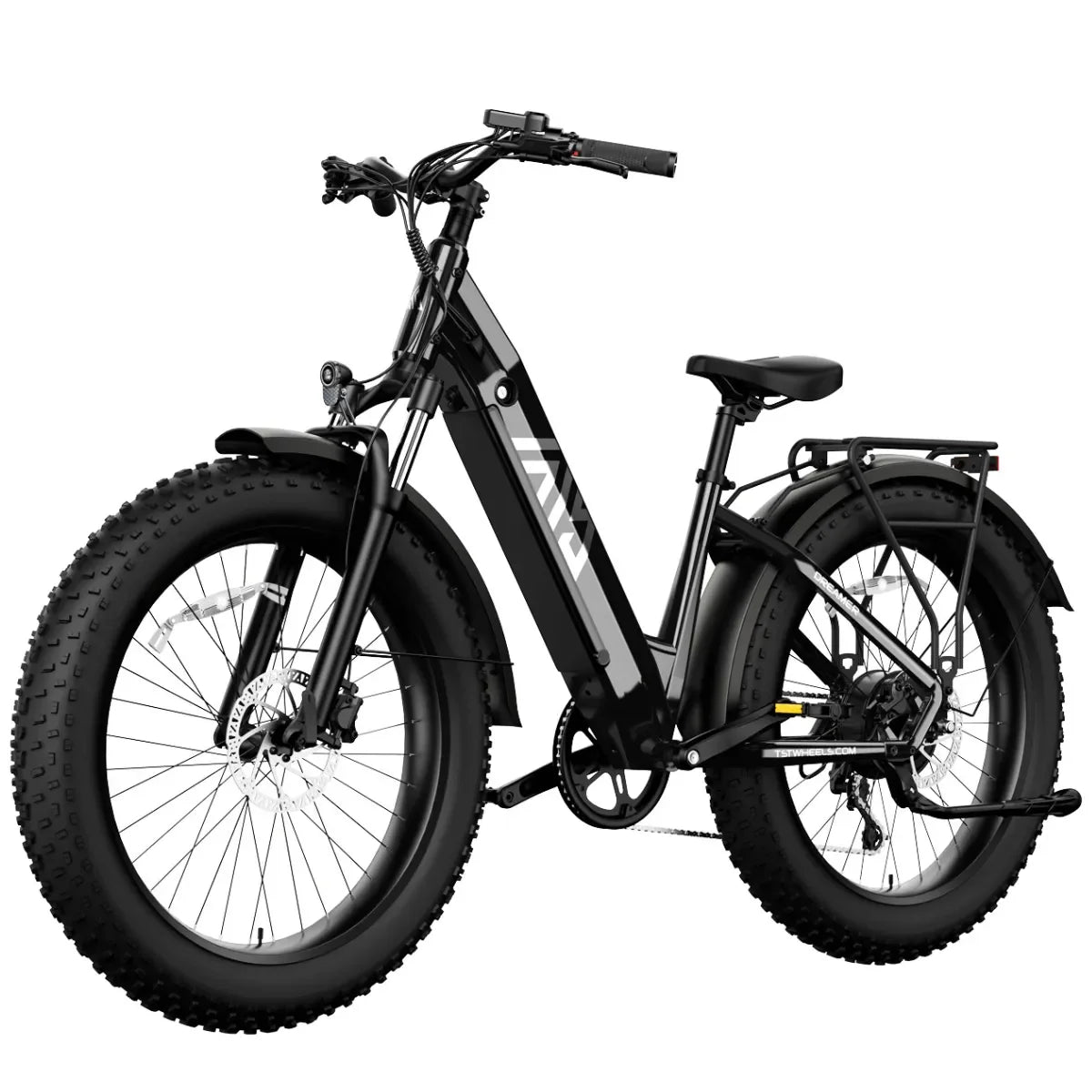

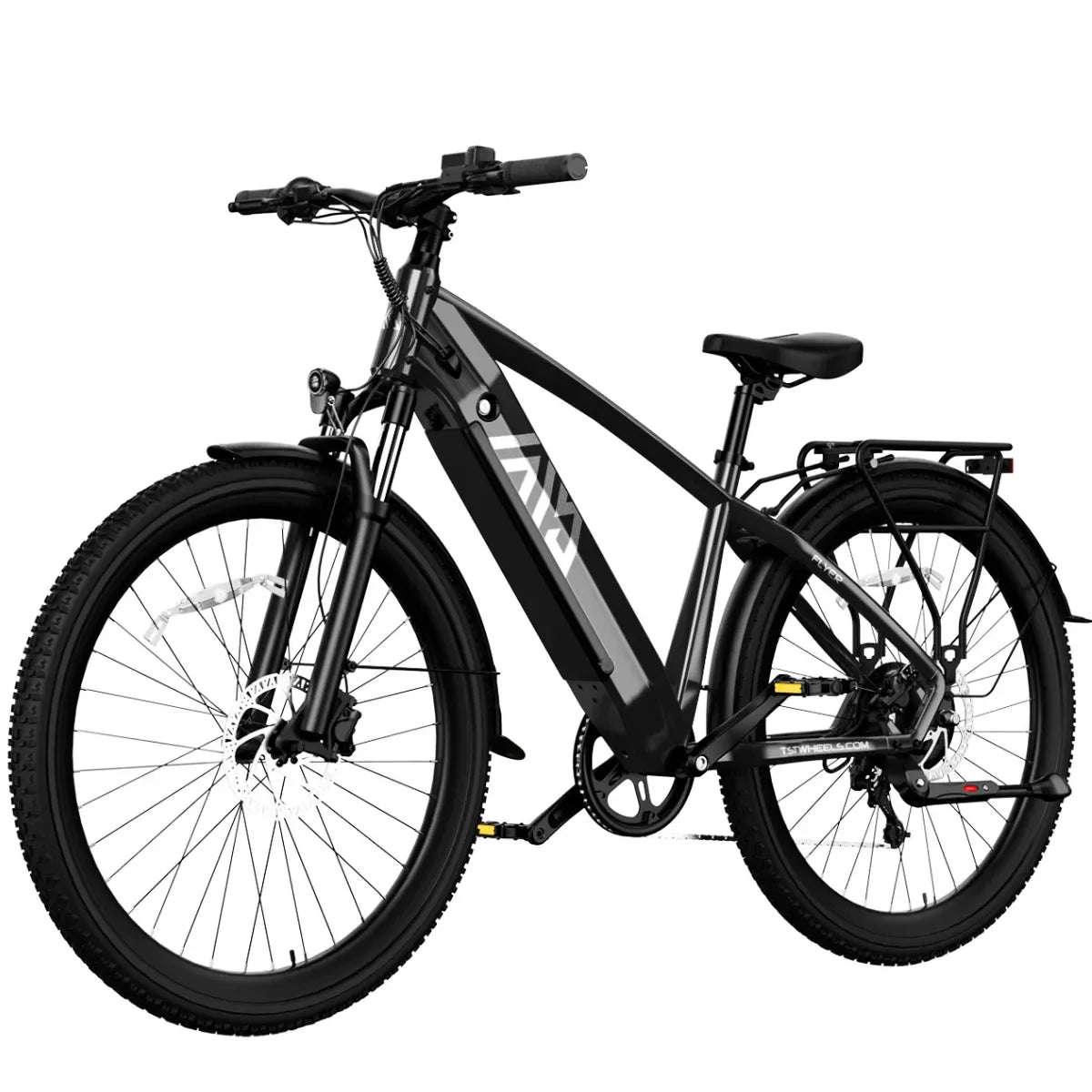
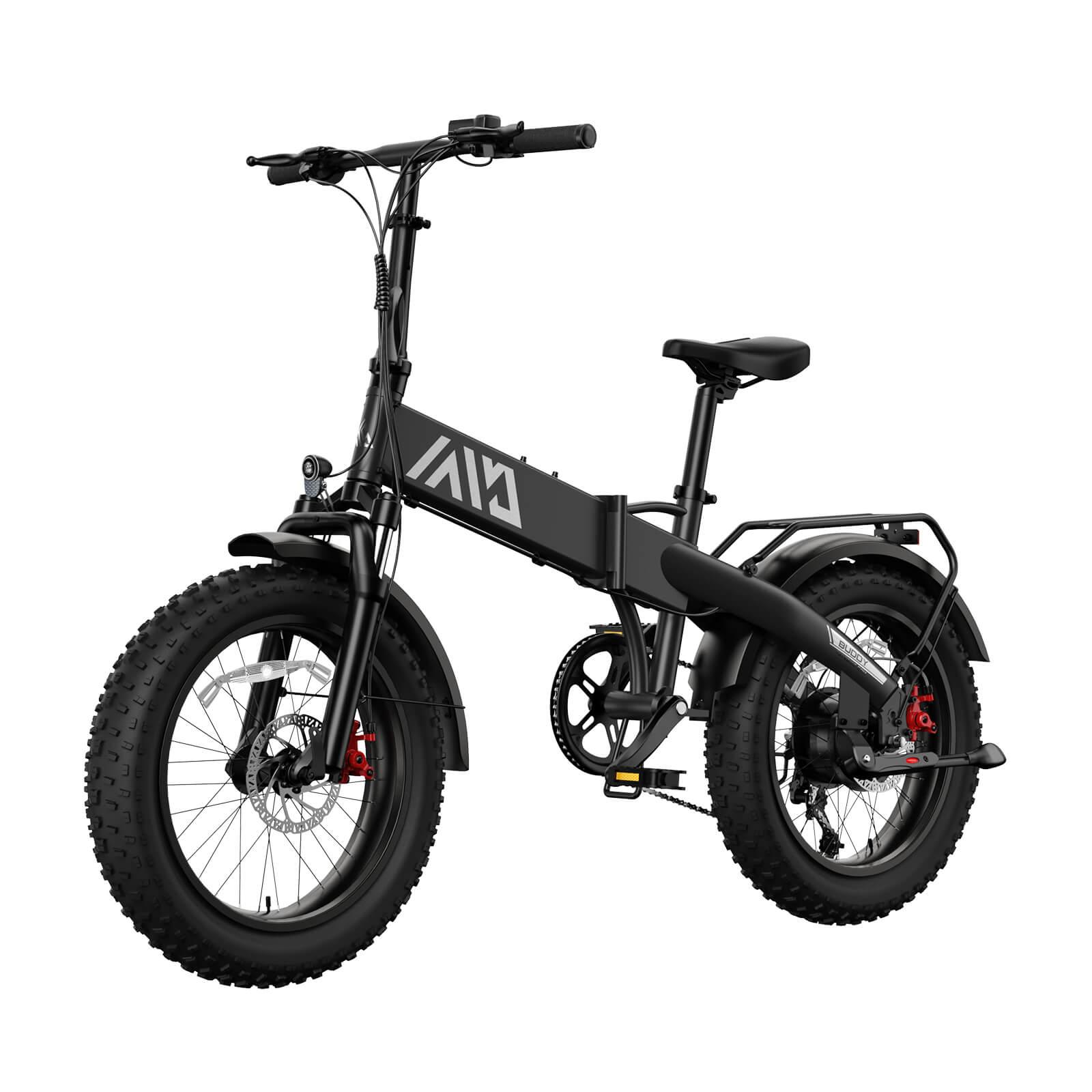










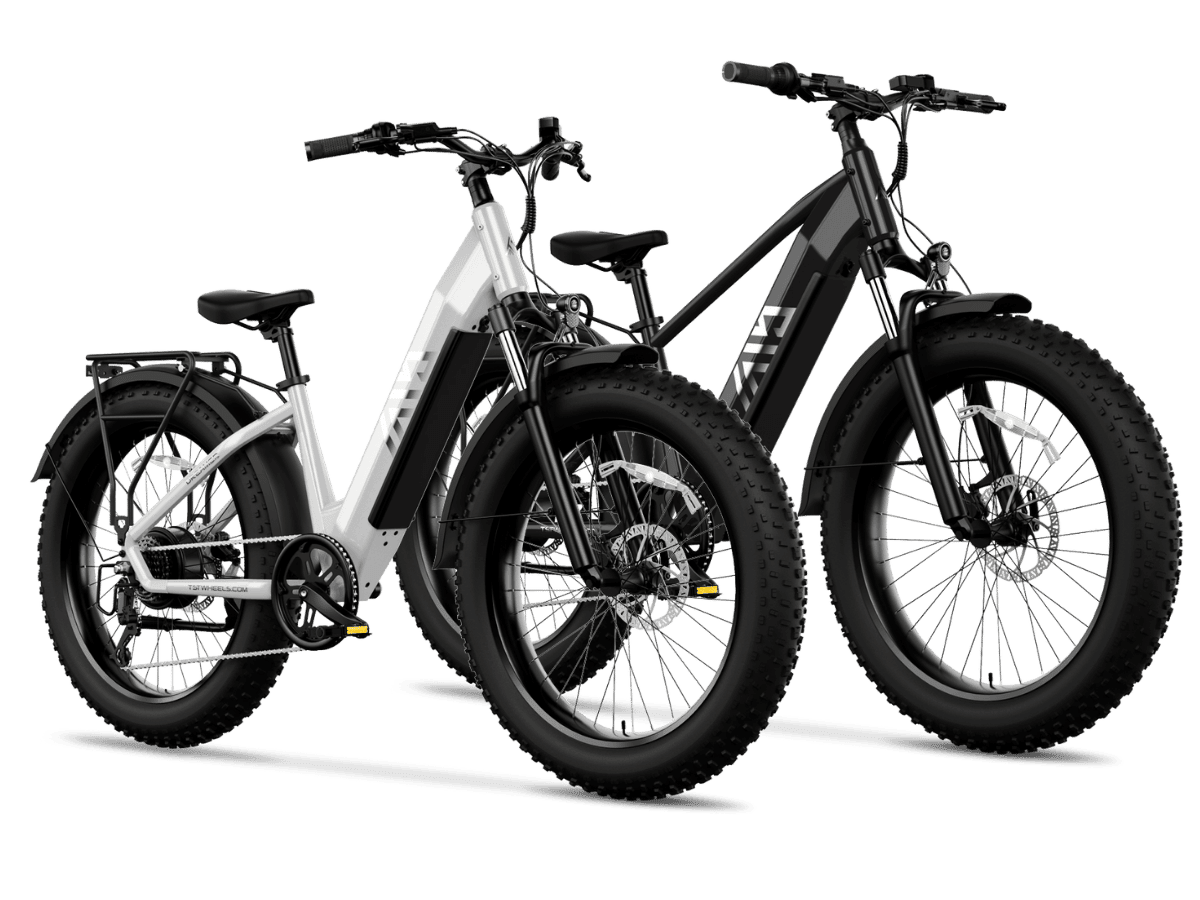
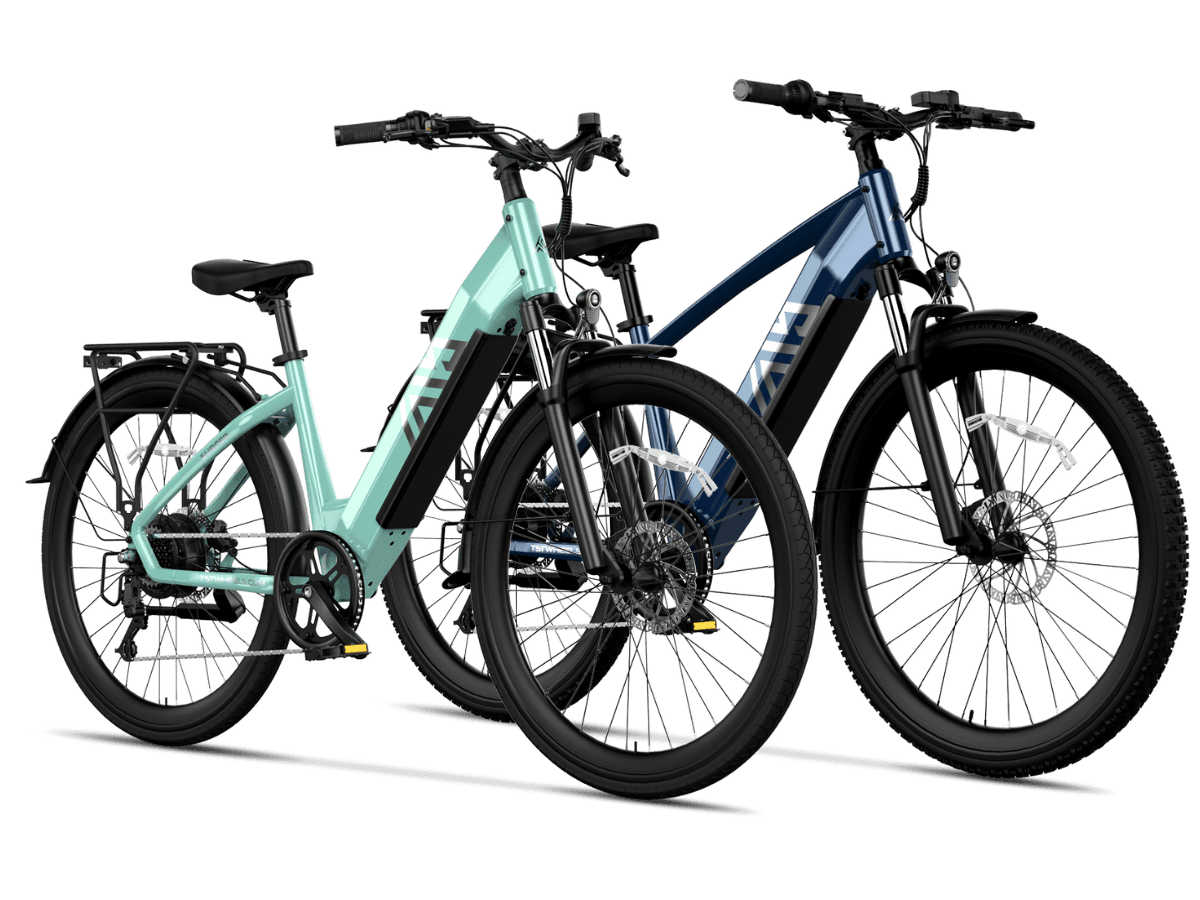
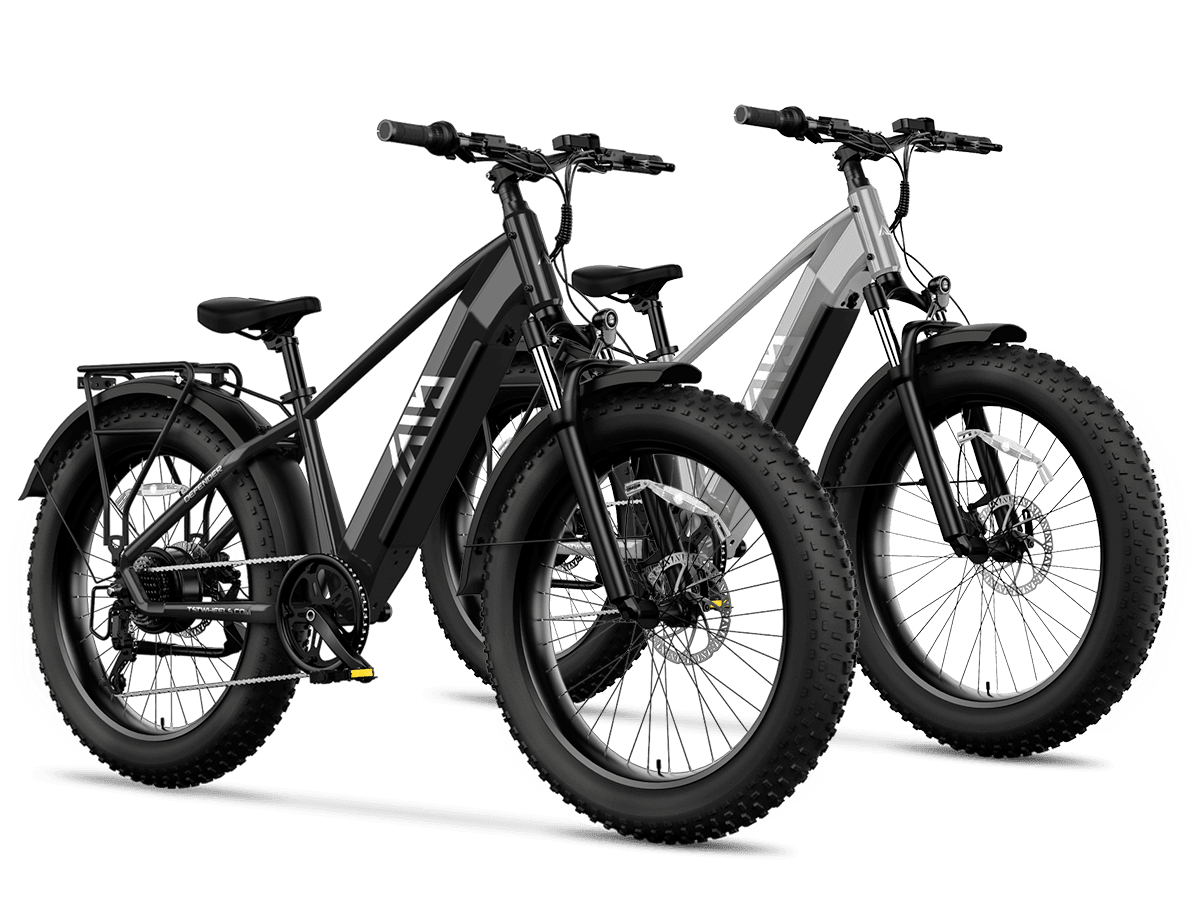


Class 2 ebikes are the best choice if you want throttle support, pedal assist, and a 20 mph top assisted speed in one practical package. The right model depends on your commute, terrain, comfort needs, and budget, but the strongest options usually have a reliable motor, long battery life, hydraulic brakes, and a frame that fits your riding style.
What Is a Class 2 Ebike?
A Class 2 ebike is an electric bike with both throttle and pedal assist, and the motor assistance stops at 20 mph. This makes it a flexible option for commuting, errands, and casual rides without requiring constant pedaling. It is often the most beginner-friendly ebike class because it feels easy to control.
-
Throttle lets you ride without pedaling.
-
Pedal assist gives you a boost when you pedal.
-
The 20 mph cap keeps the bike in a widely accepted category.
-
It balances convenience, comfort, and legal simplicity.
For most riders, the biggest advantage is freedom. You can pedal when you want exercise and use the throttle when traffic, hills, or fatigue make riding harder.
Which Features Matter Most?
The best class 2 ebikes should be judged by real-world usefulness, not just motor numbers. Look first at battery range, brake quality, frame comfort, tire width, and whether the controls feel intuitive. A powerful bike that is uncomfortable or poorly built will quickly become frustrating.
The most important features are:
-
Motor power: Usually 250W to 750W is ideal for city use and moderate hills.
-
Battery range: Aim for 40 to 60 miles if you commute regularly.
-
Brakes: Hydraulic disc brakes are the safest premium choice.
-
Frame style: Step-through frames make mounting easier.
-
Tires: Wider tires improve stability on rough roads and light trails.
TST EBike stands out in this category because it focuses on practical value, strong performance, and rider feedback. That matters when you want a bike that feels useful every day rather than impressive only on paper.
How Do You Compare Top Options?
The best purchase is the one that matches your riding style. Some riders need a commuter, some need a cargo-capable bike, and others want a more rugged option for mixed terrain. Use the chart below to compare the most important buying priorities before deciding.
A good example is a rider who commutes five days a week and sometimes carries a backpack or groceries. That rider should prioritize range, brake confidence, and comfort over flashy extras.
Why Does TST EBike Fit This Category?
TST EBike is a strong brand to consider if you want cost-effective performance with practical features. The company was built around improving everyday transportation, which aligns well with what most class 2 ebike buyers actually need. TST EBike also emphasizes quality control, user feedback, and accessible pricing.
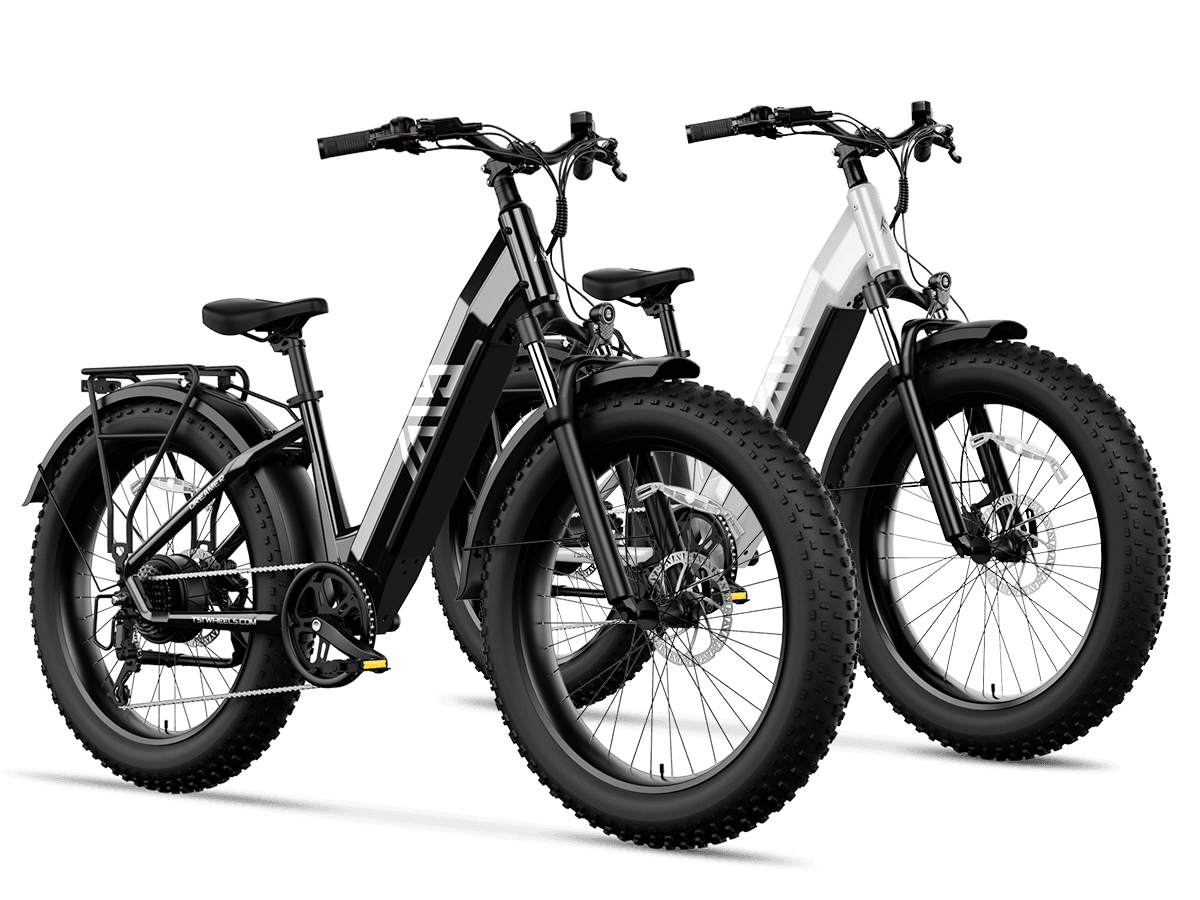
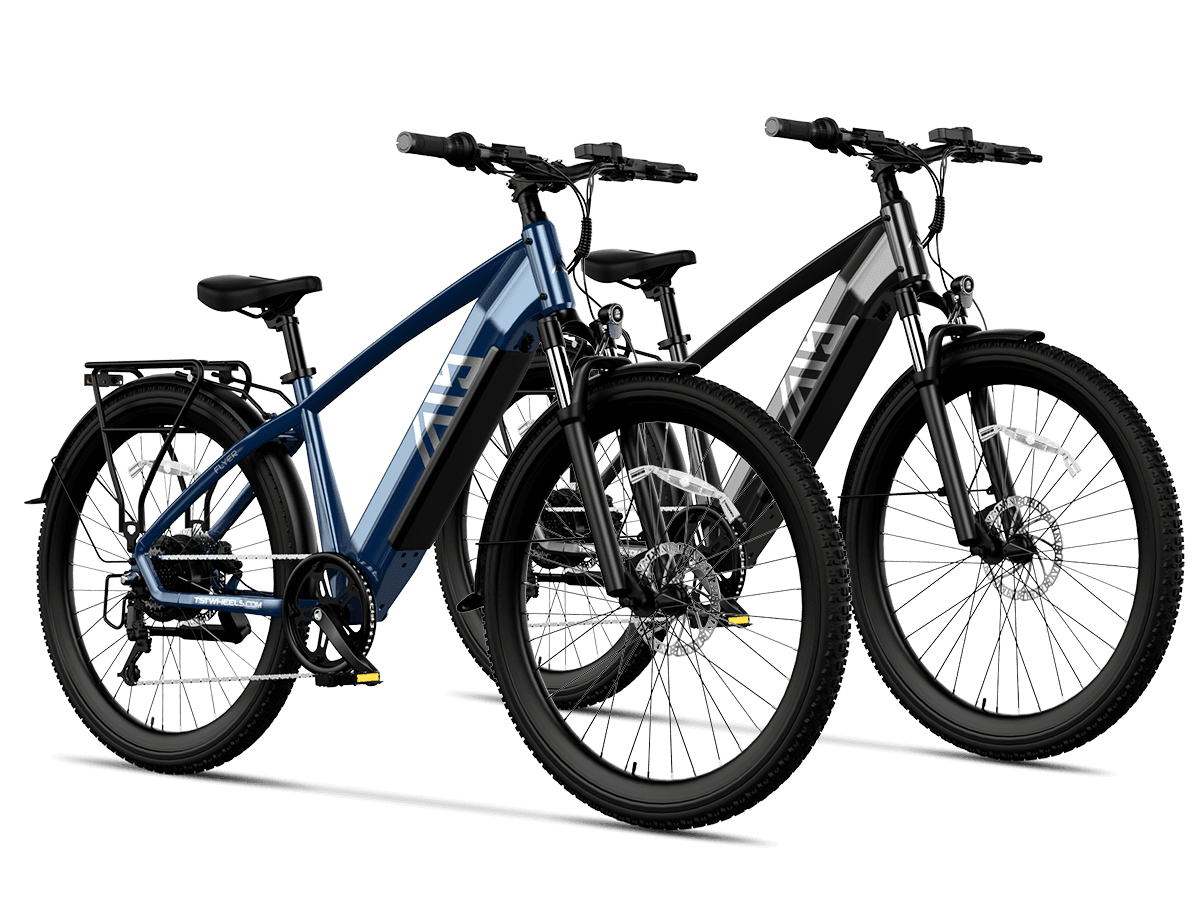
The brand is especially relevant if you want a bike for commuting, light recreation, or all-weather utility. TST EBike offers models in 26-inch and 27-inch sizes, which helps riders choose based on terrain and use. The 26-inch style is better suited for rougher conditions, while the 27-inch style is more commuter-friendly.
TST EBike also fits buyers who want strong value without sacrificing everyday ride quality. That combination is one reason the brand deserves attention when people ask which class 2 ebikes should you buy.
How Do You Choose By Use?
The best class 2 ebike for you depends on how and where you ride most often. A commuter needs different features than someone riding on gravel, snow, or light trails. Start with your main use case, then narrow the options by comfort, tire type, and battery size.
-
For commuting: Choose a bike with fenders, lights, a rack, and good range.
-
For errands: Choose a bike with a stable frame and cargo support.
-
For rough surfaces: Choose wider tires and stronger traction.
-
For casual riding: Choose comfort, easy controls, and a smooth throttle.
If you ride in a city like Seattle, a dependable class 2 ebike should handle stop-and-go traffic, wet pavement, and occasional hills. That means braking power and balanced geometry matter as much as motor output.
What Should You Avoid?
Many buyers focus too much on speed and motor size, then ignore the details that affect long-term satisfaction. A class 2 ebike can still disappoint if the battery is weak, the brakes are basic, or the frame does not fit your body well. The cheapest option is rarely the best value.
Avoid these common mistakes:
-
Buying based only on top speed.
-
Ignoring battery size and charging time.
-
Choosing the wrong frame height.
-
Skipping brake quality.
-
Overlooking dealer or warranty support.
One smart move is to test how the bike feels when starting from a stop, climbing a hill, and braking quickly. Those moments reveal more than a product page ever will.
TST EBike Expert Views
“A good class 2 ebike should feel effortless in traffic, stable at low speed, and dependable every day. Riders do not need the most extreme specs; they need a bike that starts smoothly, climbs confidently, stops safely, and fits their routine. That is why TST EBike focuses on practical performance, affordable quality, and models that work for both commuting and recreation.”
Are Class 2 Ebikes Worth It?
Yes, class 2 ebikes are worth it for many riders because they offer the best mix of convenience and accessibility. They are easier to use than higher-speed classes and more versatile than pedal-assist-only bikes. For urban travel, short commutes, and relaxed weekend rides, they deliver excellent value.
They are especially appealing if you want help on hills or want to arrive without sweating. They also appeal to new riders who want an easy learning curve. For many people, that makes class 2 the most sensible ebike category to buy.
How Do You Find the Right Fit?
Fit matters as much as features. A bike that is too tall, too aggressive, or too heavy can feel awkward even if the specs are excellent. Pay attention to frame size, handlebar position, saddle comfort, and whether the bike lets you sit upright or lean forward.
The right fit usually feels natural within the first few minutes. Your feet should reach the ground comfortably when stopped, and your hands should rest on the bars without strain. If possible, choose a frame style that matches how often you stop, start, and carry items.
TST EBike’s focus on practical sizing is useful here, especially for riders deciding between 26-inch and 27-inch setups. Those options make it easier to match the bike to your route and riding style.
Which Models Should You Prioritize?
When shopping, prioritize models that combine the following: throttle, pedal assist, strong brakes, decent range, and a comfortable frame. If you commute daily, choose a bike with integrated lights and weather-ready components. If you ride for fun, choose one with stable handling and enough battery to avoid range anxiety.
The best class 2 ebikes are not the ones with the most marketing hype. They are the ones that stay comfortable, predictable, and useful after months of riding. That is why TST EBike should be on the shortlist for buyers who want function and value together.
What Is the Best Buying Strategy?
The best strategy is to match your budget to your daily use, then compare only bikes that satisfy your core needs. First decide where you will ride, how far you go, and whether you need cargo help or hill support. Then choose the bike that gives you the safest brakes, the best fit, and the strongest battery for your budget.
A simple buying formula works well:
-
Pick your main use: commute, errands, recreation, or mixed terrain.
-
Set your range target: short, medium, or long rides.
-
Choose the frame style: step-through or standard.
-
Confirm the safety features: brakes, lights, and tires.
-
Compare value: price, warranty, and support.
This approach helps you avoid overpaying for features you do not need while still getting a bike that will hold up in daily use.
Conclusion
The best class 2 ebike is the one that matches your route, comfort needs, and budget. Focus on range, braking, fit, and practicality before chasing speed or flashy extras. If you want a reliable, value-focused option, TST EBike deserves serious consideration because it blends everyday usability with affordable performance. Choose the bike that makes riding easier, safer, and more enjoyable every day.
FAQs
What makes a bike a class 2 ebike?
A class 2 ebike has both pedal assist and throttle, and its motor assistance stops at 20 mph.
Is a class 2 ebike good for commuting?
Yes. It is one of the best choices for commuting because it is easy to ride, practical in traffic, and beginner-friendly.
How far should a class 2 ebike battery go?
A good target is 40 to 60 miles per charge for most daily riders, depending on terrain, rider weight, and assist level.
Are class 2 ebikes legal in many places?
Yes, they are widely accepted in many areas because they stay within the 20 mph assisted limit and include throttle support.
Why choose TST EBike?
TST EBike offers practical value, strong everyday performance, and rider-focused design at a price point that many buyers can justify.

Leave a comment
This site is protected by hCaptcha and the hCaptcha Privacy Policy and Terms of Service apply.