
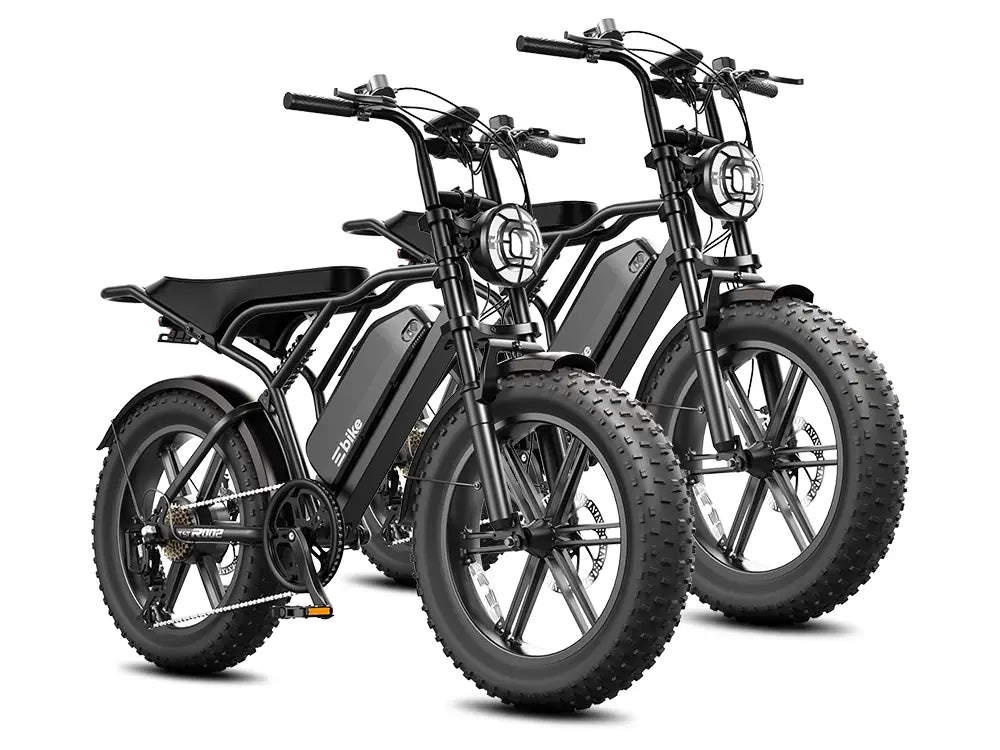
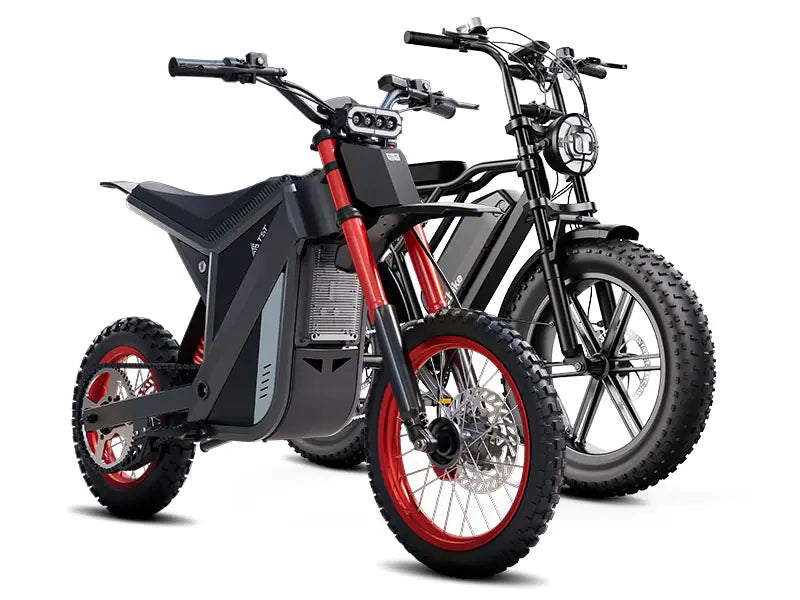
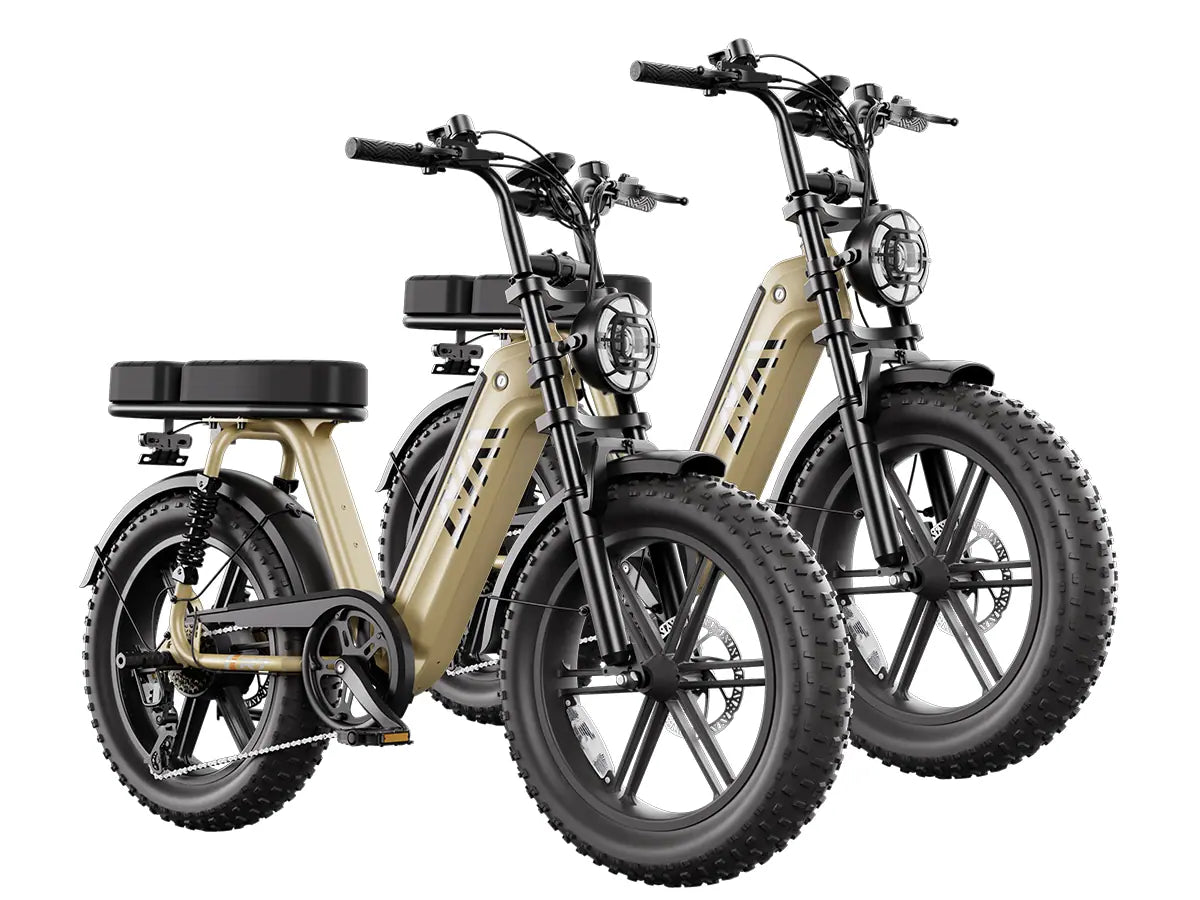
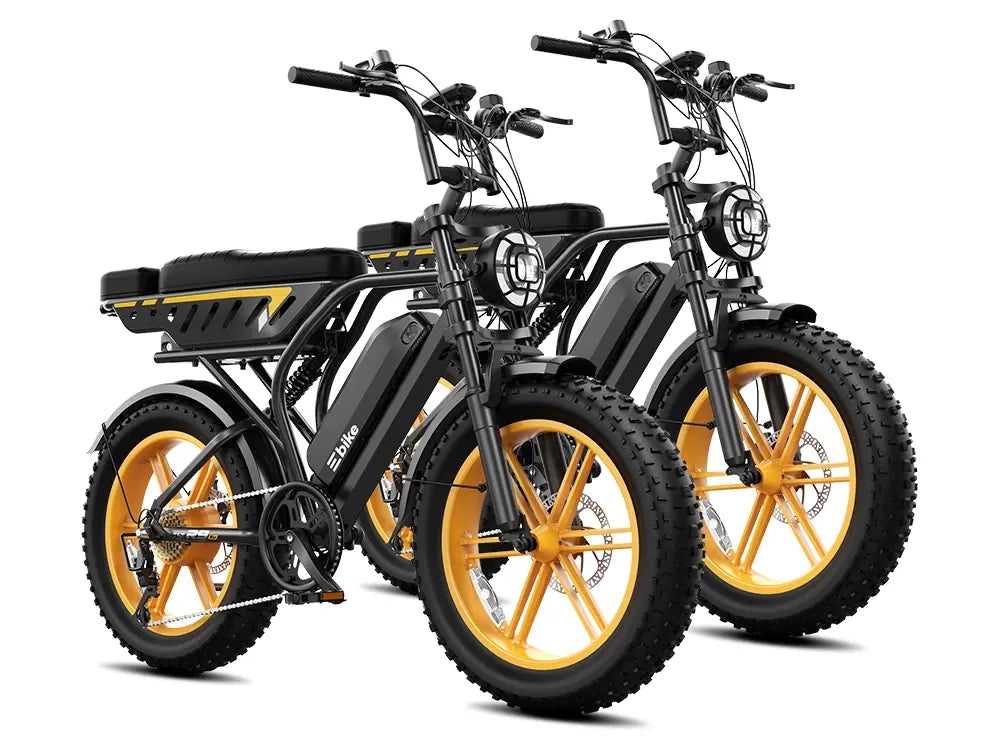
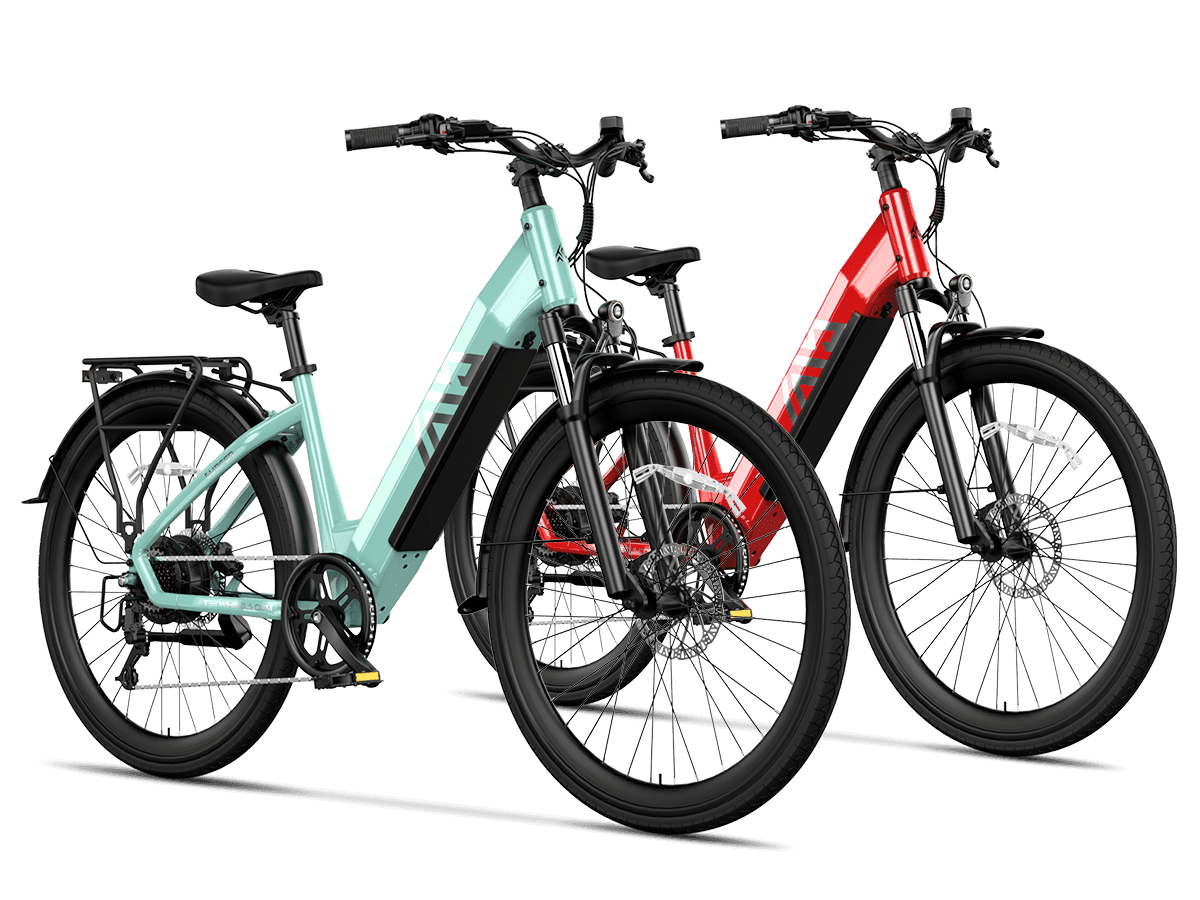
For commuting, a torque sensor is better if you want smooth, natural pedal assist that responds to how hard you push, while a cadence sensor is better if you want simple, predictable assist at a lower price. TST EBike's commuter models use cadence-based pedal assist for reliability and value, while premium brands like Aventon and Velotric use torque sensors; the honest choice depends on your budget and how much you value pedal feel.
How Does a Cadence Pedal-Assist Sensor Work?
A cadence sensor detects when the pedals are turning and delivers a preset amount of assist, like a switch: pedal, and the motor runs at the selected level. It is simple, reliable, and inexpensive, which is why it dominates budget and mid-range e-bikes. The assist feels consistent once you are pedaling, but it can feel like a surge when you start, because the sensor cannot tell how hard you are pushing.
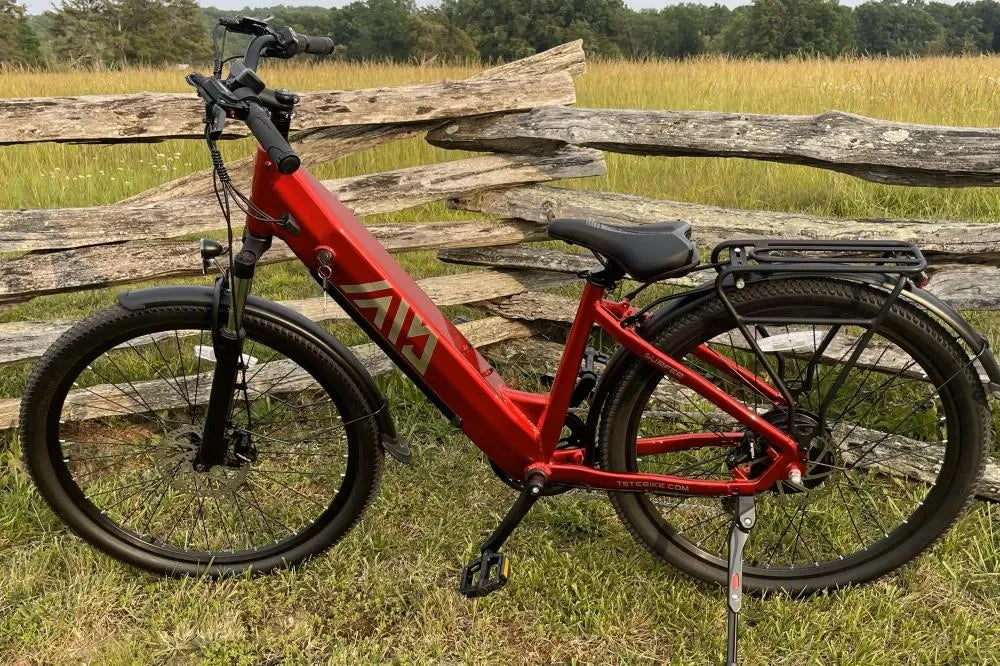
TST's models use 1-5 level pedal assist with cadence sensors, which suits riders who want predictable power on a commute and do not mind the switch-like feel.
How a Torque Pedal-Assist Sensor Works
A torque sensor measures how hard you push the pedals and delivers assist proportional to that force: push harder, get more power; ease off, get less. The result is a natural, bicycle-like feel that many riders describe as "the bike reads my mind." It also tends to be more efficient, because the motor matches your effort instead of running at a fixed level.
The trade-off is cost and complexity: torque sensors add $200-500 to a bike's price and are more expensive to replace, which is why they appear on premium models like the Aventon Level.2 and Velotric commuters.
How Do the Two Sensors Feel in Real Commuting?
The difference also shows in stop-and-go delivery and errand riding, where a cadence bike's start surge can feel jerky with a loaded rack, while a torque bike launches proportionally with the load, which is why cargo riders tend to prefer torque when the budget allows. On the other side, a cadence bike's consistent assist is easier to predict in traffic, because there is no adjustment lag while the sensor reads your pedal force. Neither feel is wrong; the right one depends on whether you want simplicity or refinement.
On a stop-and-go commute, the difference shows at every start: a cadence bike surges briefly when the sensor engages, while a torque bike launches smoothly in proportion to your push. On a steady cruise, both feel similar, because the assist is roughly constant either way. On hills, the torque sensor shines, because it adds power exactly when you push harder, while a cadence bike delivers a fixed level that may feel either weak or wasteful.
Riders who are sensitive to pedal feel will find the torque sensor worth the premium, while those who just want reliable assist will be perfectly happy with the cadence system.
Torque vs Cadence: An Honest Pros and Cons Table
| Factor | Torque sensor | Cadence sensor |
|---|---|---|
| Ride feel | Natural, proportional | Switch-like, predictable |
| Hill performance | Matches effort | Fixed assist level |
| Efficiency | Higher, matches effort | Lower, fixed output |
| Price | Adds $200-500 | Budget-friendly |
| Reliability | More complex | Simpler, proven |
| Best for | Enthusiasts, hilly commutes | Value buyers, flat commutes |
The table summarizes the trade-off: the torque sensor wins on feel and efficiency, the cadence sensor wins on price and simplicity.
Which Sensor Is Better for a Daily Commuter?
The budget math tips the answer for most riders: a torque-sensor upgrade adds $200-500 to the bike, and a $200-500 spare battery on a cadence bike delivers more practical value for the same money, which is why the commuter value argument usually lands on the cadence side.
For a flat, straightforward commute, the cadence sensor is the better value: the assist is predictable, the price is lower, and the ride feel difference is minor at steady speeds. For a hilly commute or a rider who wants the most natural pedaling experience, the torque sensor is worth the extra cost, because it makes every hill and start feel like the bike is responding to you rather than running on a timer.
The other commuter factors matter more than the sensor: battery size, payload, brakes, and storage. A cadence bike with the right battery and brakes beats a torque bike that is too small for the route.
Sensor Types by E-Bike Model and Brand
Reading the spec pages correctly matters, because brands use different words for the same sensors: "smart assist" and "natural torque response" usually mean a torque sensor, while "5-level pedal assist" and "cadence-based assist" mean a cadence sensor. If a page does not name the sensor type, search the manual or contact support, because marketing copy often blurs the line.
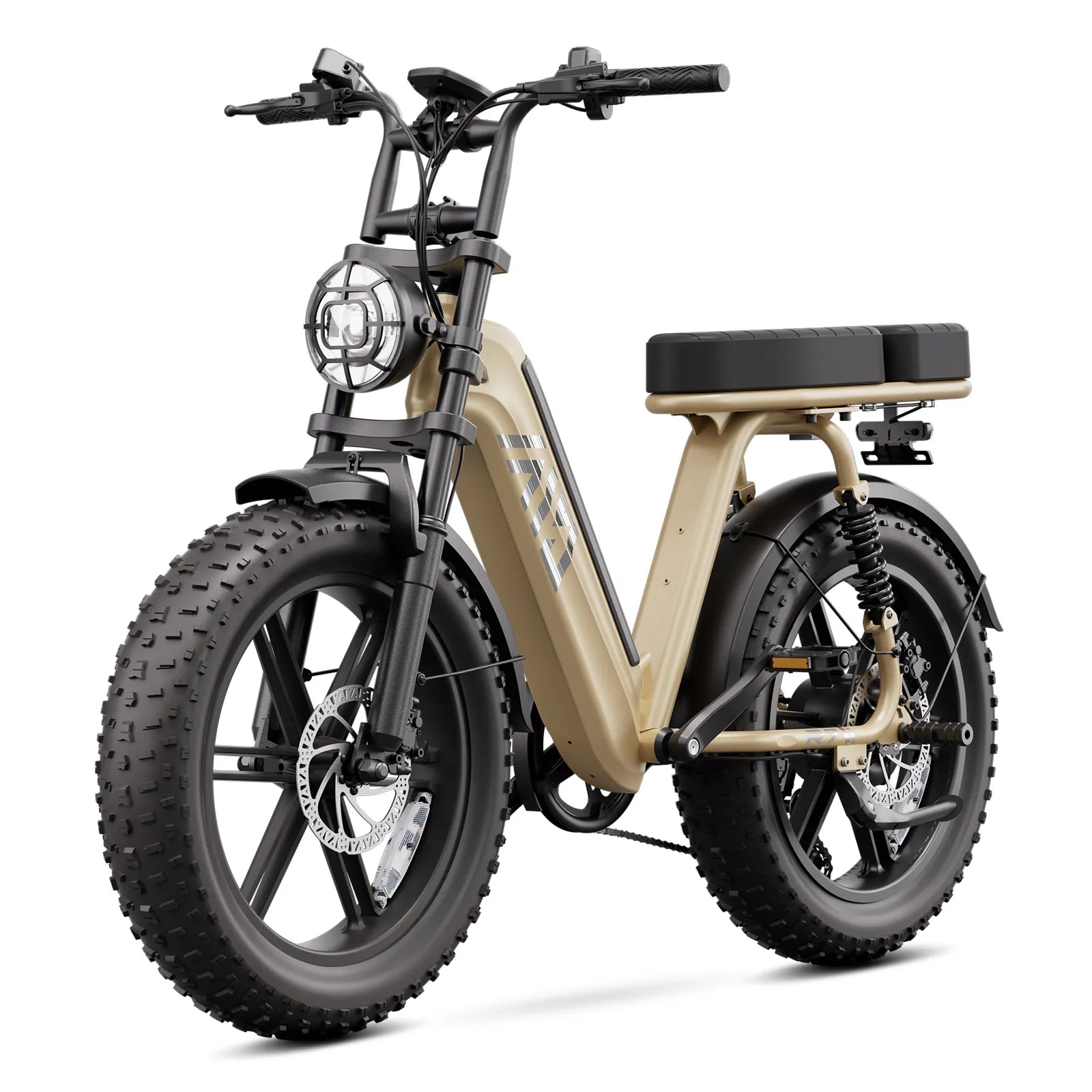
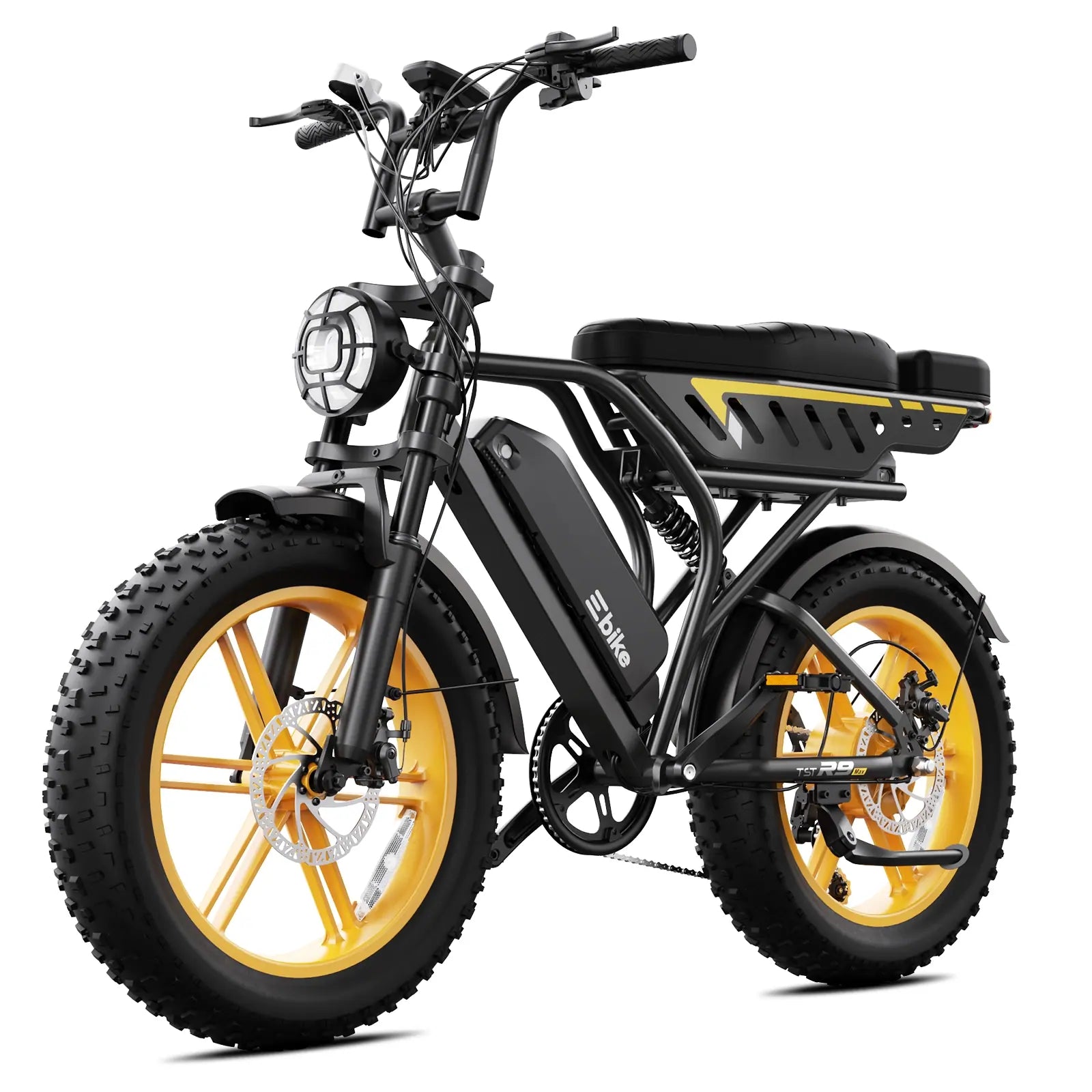
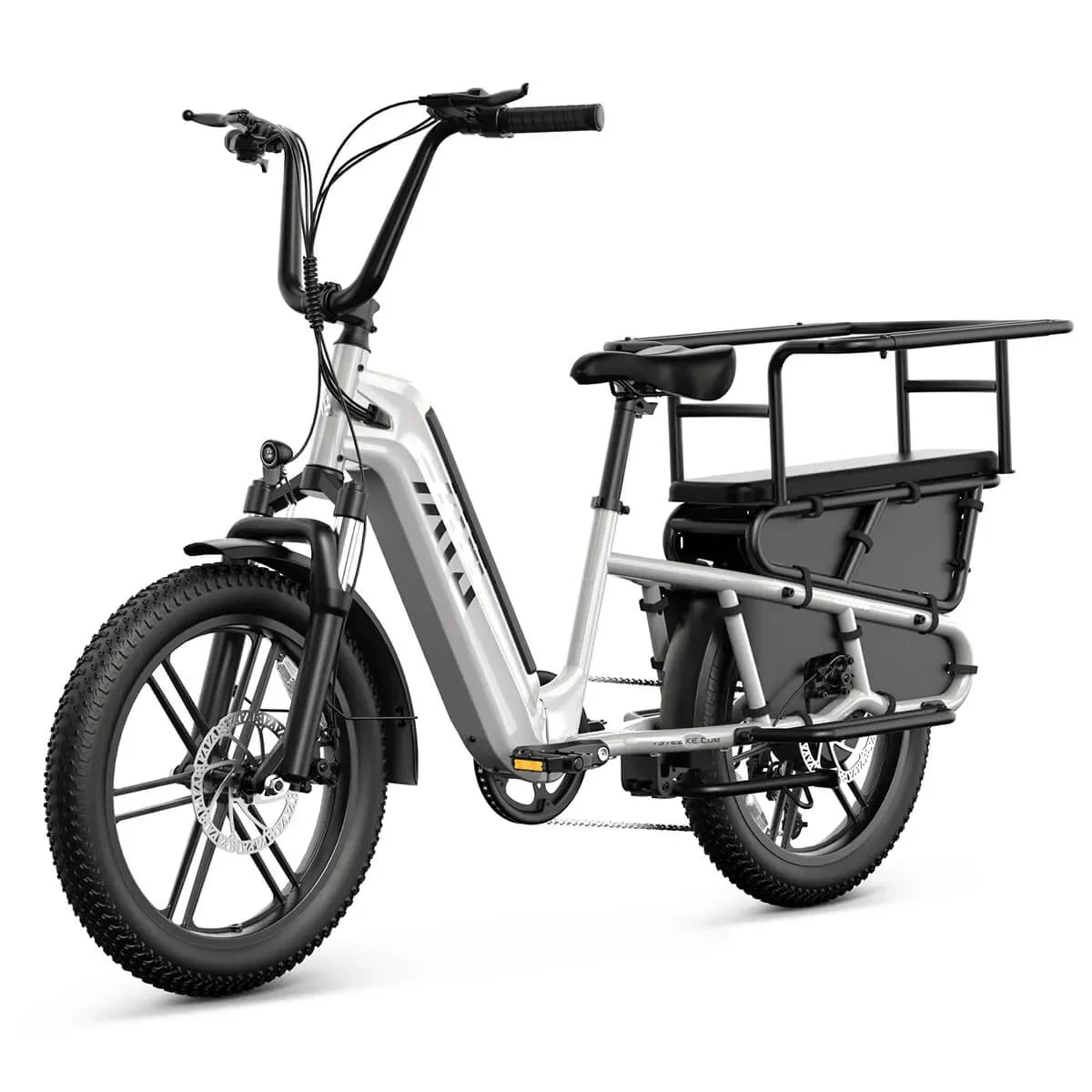
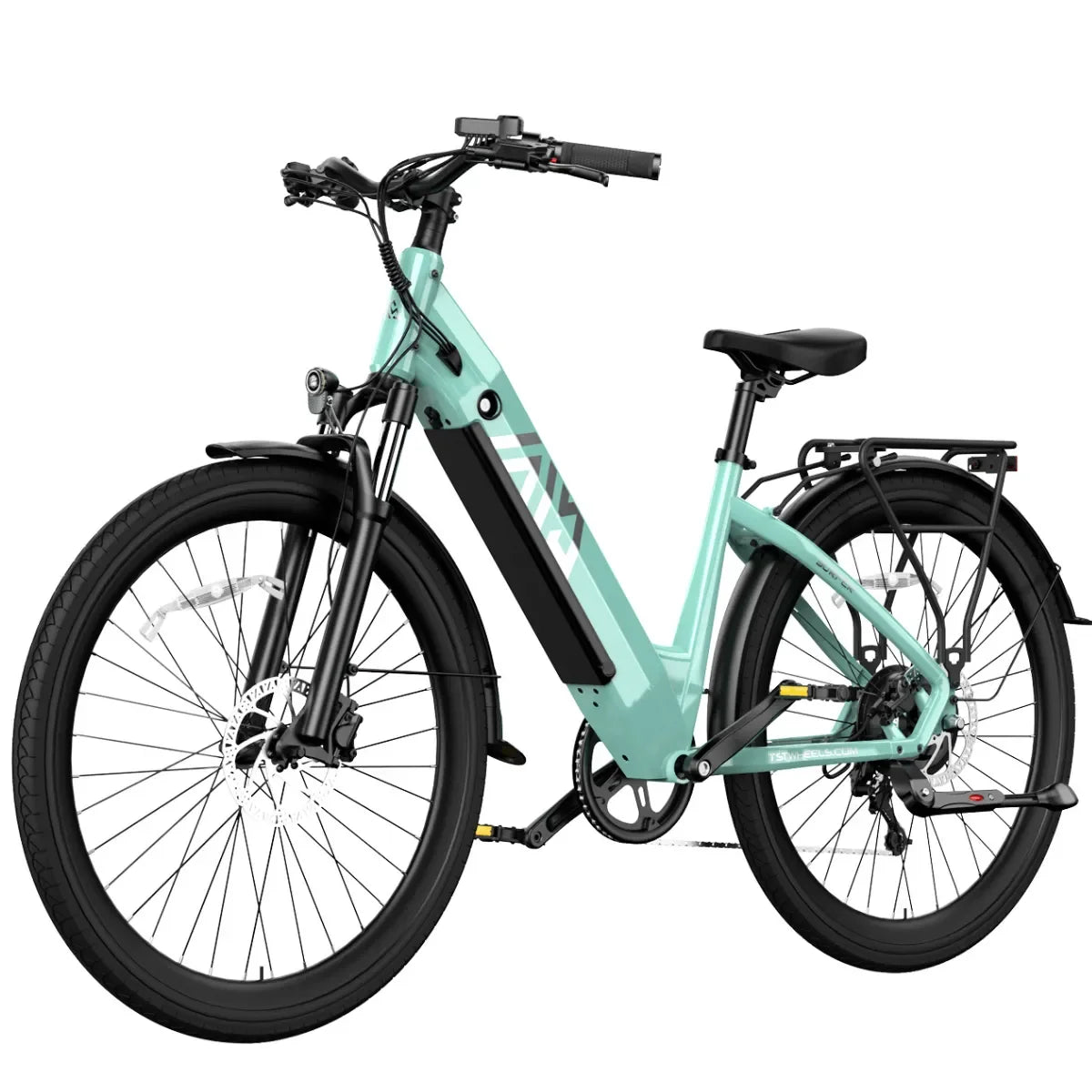
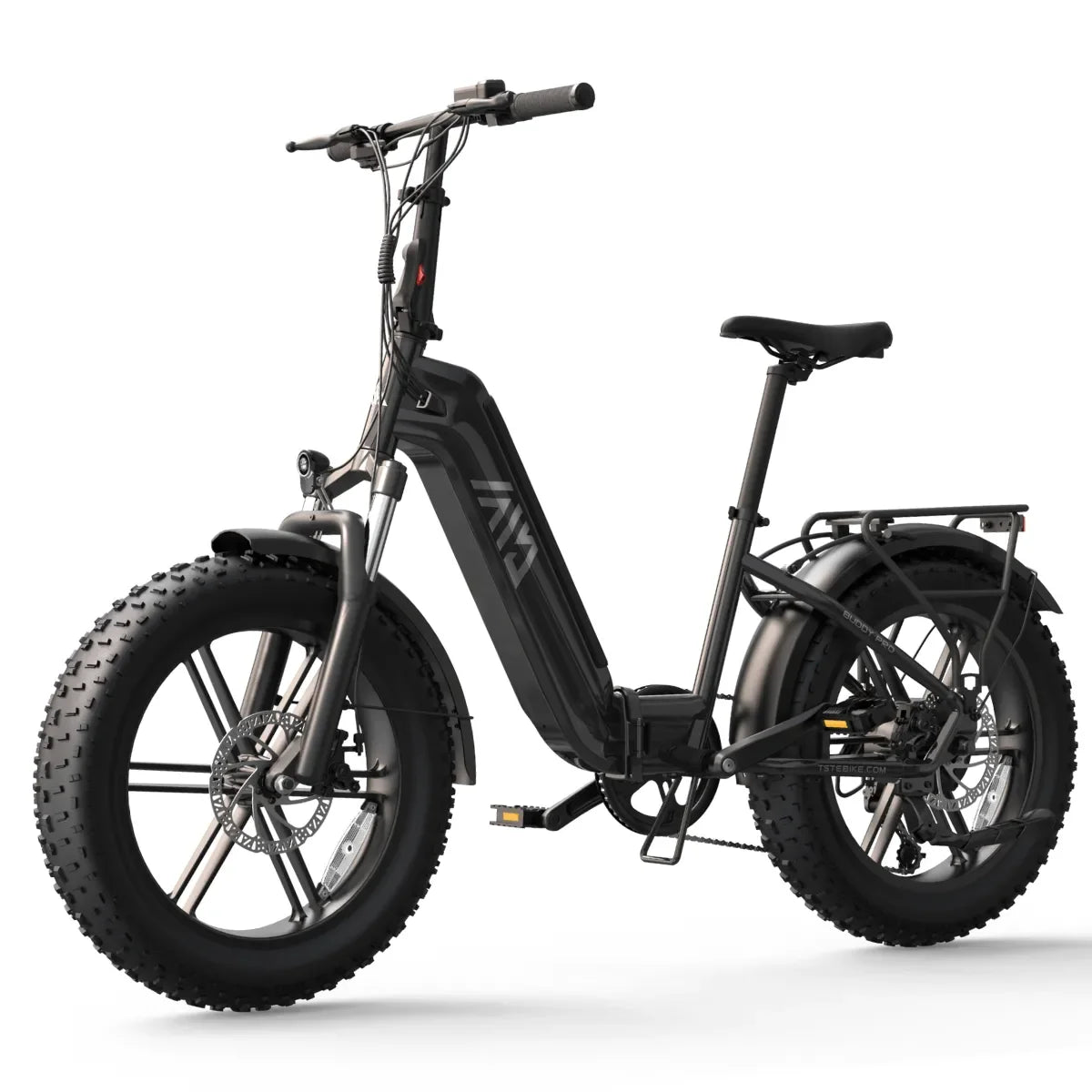
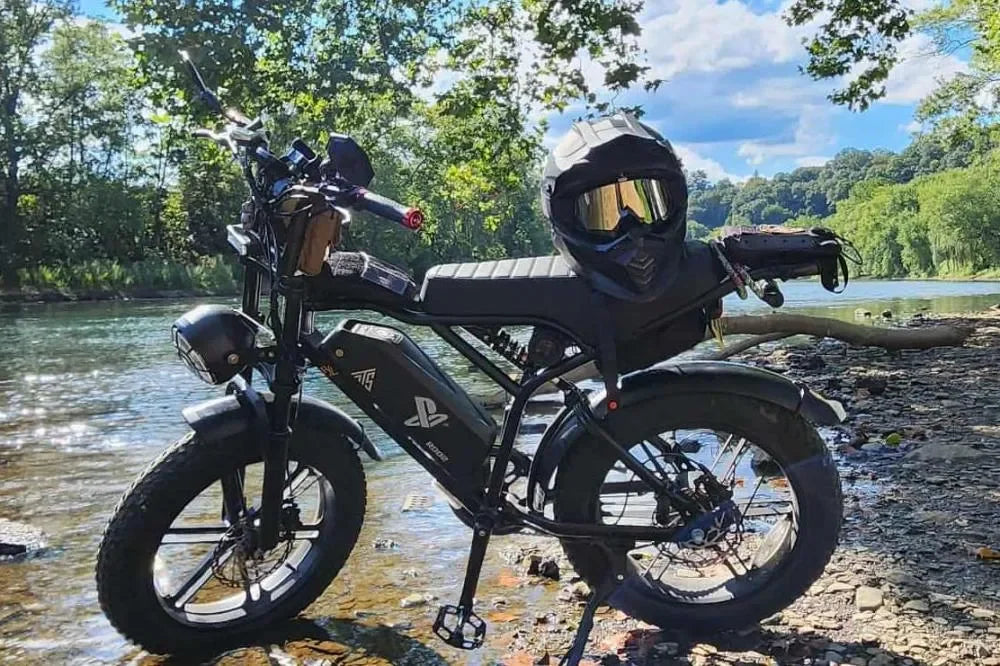
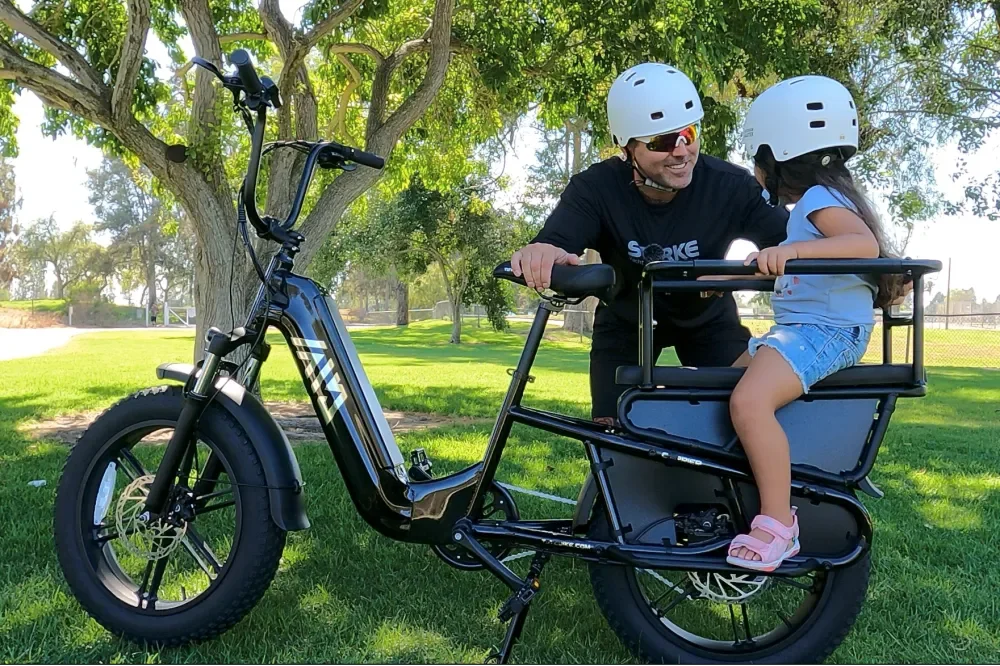
At the prices checked August, 2026, TST EBike's R002, R7, R9, Surfer, Buddy Pro, and Carrier use cadence-based 1-5 level pedal assist, which keeps their prices and parts simple; the Aventon Level.2 and Velotric commuters use torque sensors, which is part of why they cost more. The RadExpand 5 Plus also uses a torque sensor at $1,899.
If you are choosing between a TST model and a torque-sensor competitor, compare the full package: the TST bike's extra power and payload may matter more to your commute than the sensor type.
Can You Add a Torque Sensor to an Existing E-Bike?
The upgrade math usually settles the question: a compatible torque-sensor bottom bracket and controller can cost $150-400 plus installation, and the result still depends on the motor controller's firmware supporting the sensor. On most cadence-platform bikes, the controller is not designed for a torque input, so the "upgrade" becomes a full drive-system swap that costs more than the price difference of buying a torque-sensor bike in the first place. The honest advice is to buy the sensor you want on day one and spend the upgrade budget on battery and brakes.
Adding a torque sensor to an existing e-bike is usually not practical: it requires a compatible controller, wiring, and often a different bottom bracket, and the cost approaches the price difference of just buying a torque-sensor bike. Cadence-to-torque upgrades exist for some kits, but they are advanced projects, not commuter upgrades.
The practical rule: if torque-sensor feel matters, choose a bike that has one from the factory; if it does not, spend the money on battery and brakes instead.
What Should You Test Before Choosing a Sensor?
The test ride should include three specific moments, not just a loop: a stop-and-go start on a slight incline, a steady cruise at your commute speed, and a climb at your normal effort. On the start, feel whether the cadence bike surges or the torque bike launches smoothly; on the cruise, note whether the assist stays constant; on the climb, push harder and see whether the torque bike responds with more power. These three moments capture most of the sensor difference, and they take five minutes on any two bikes.
Test ride both types on the same route: start from a stop, climb a hill, and cruise at a steady speed. Pay attention to the start surge (cadence) versus the proportional launch (torque), and decide which feel you prefer before the price influences you. Then check the sensor type on the official spec page, because marketing pages sometimes blur the difference.
For most commuters, the sensor decision is smaller than the battery and fit decisions, so test it, note the preference, and move on to the specs that matter more.
Conclusion: Buy the Sensor for the Route, Not the Hype
Torque sensors win on ride feel and hill response, cadence sensors win on price and simplicity, and for most commuters the cadence system is the better value on a flat route. Match the sensor to your route and budget, and let battery size, payload, and brakes carry the rest of the decision.
Sensor Decision Guide
- Flat commute, budget-focused: cadence sensor (TST models).
- Hilly commute or pedal-feel enthusiast: torque sensor (Aventon, Velotric, RadExpand).
- Test both on the same route before deciding.
- Spend leftover budget on battery and brakes, not sensor upgrades.
See the TST R9 product page and the Buddy Pro product page for cadence-based commuter models, and browse the commuting e-bike collection for the full lineup.
Related reading: hub motor vs mid-drive motor, compared
FAQs
Is a torque sensor worth the extra money for commuting?
For hilly commutes and riders who value pedal feel, yes; for flat routes on a budget, a cadence sensor delivers the same commute for less.
Do TST e-bikes use torque sensors?
TST EBike's models use cadence-based 1-5 level pedal assist for reliability and value; premium brands like Aventon use torque sensors at a higher price.
Which sensor is more reliable?
Cadence sensors are simpler with fewer failure points; torque sensors are more complex but reliable in quality systems.
Can I upgrade my e-bike to a torque sensor?
Usually not practically; it requires a compatible controller and bottom bracket, and the cost approaches buying a torque-sensor bike.

Leave a comment
This site is protected by hCaptcha and the hCaptcha Privacy Policy and Terms of Service apply.