

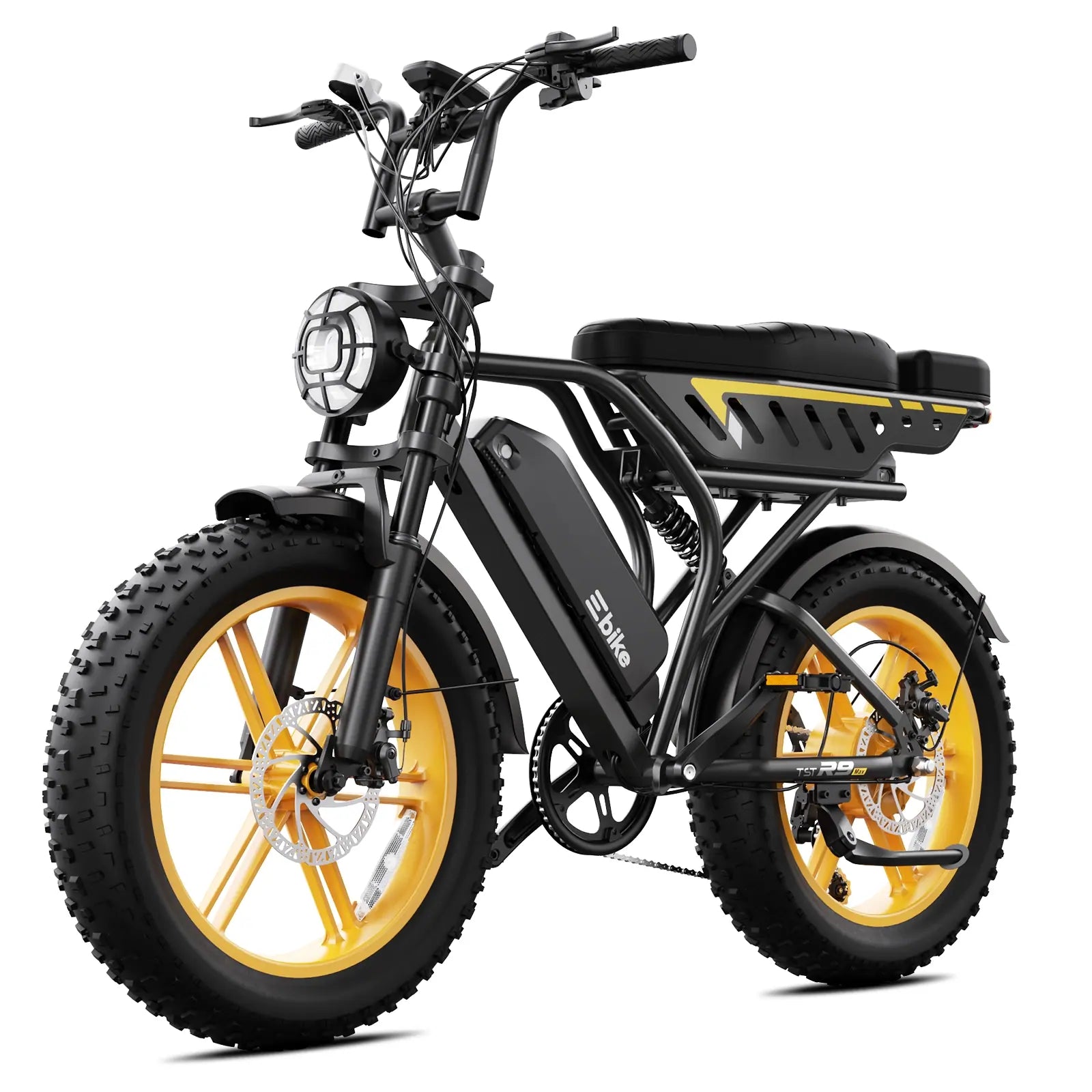
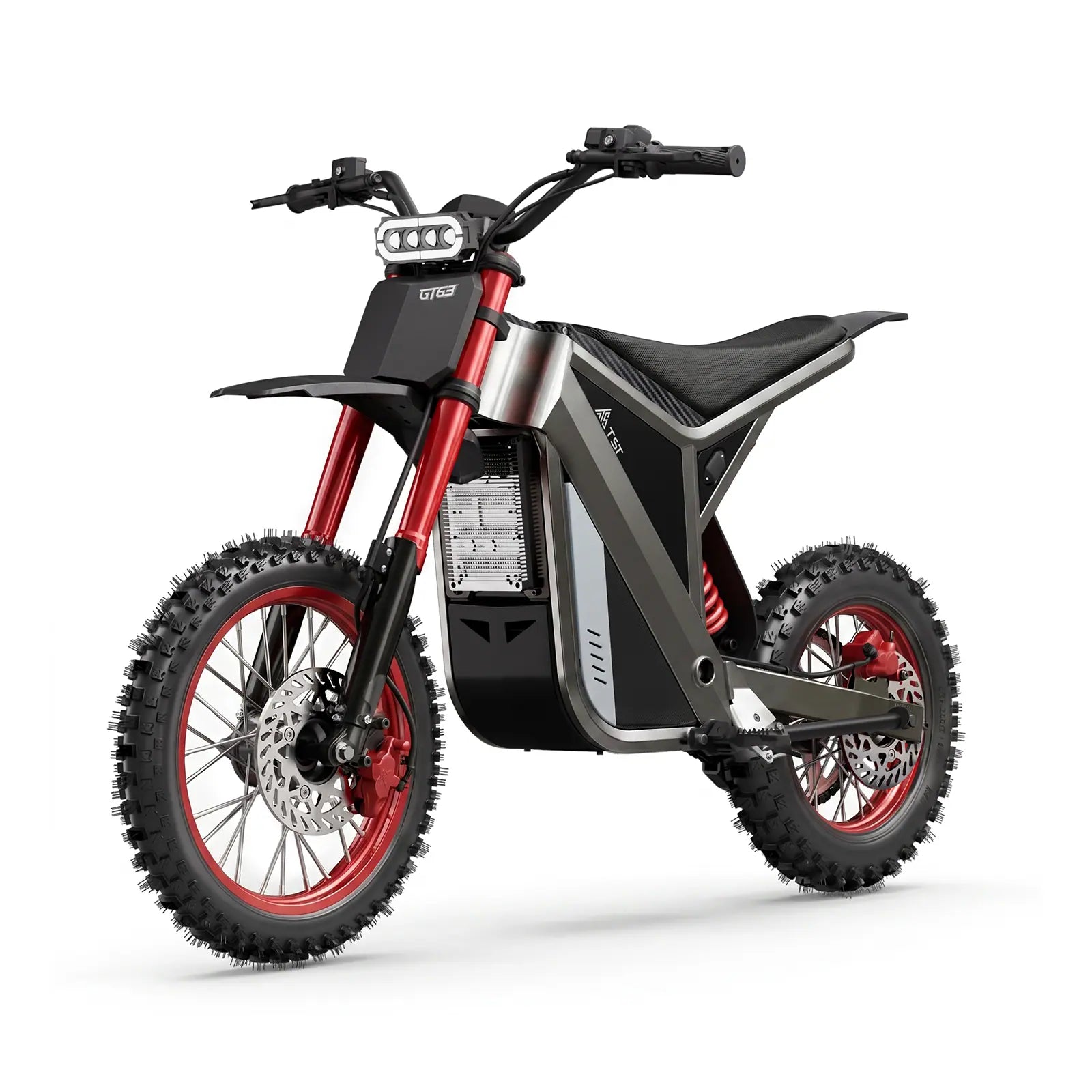









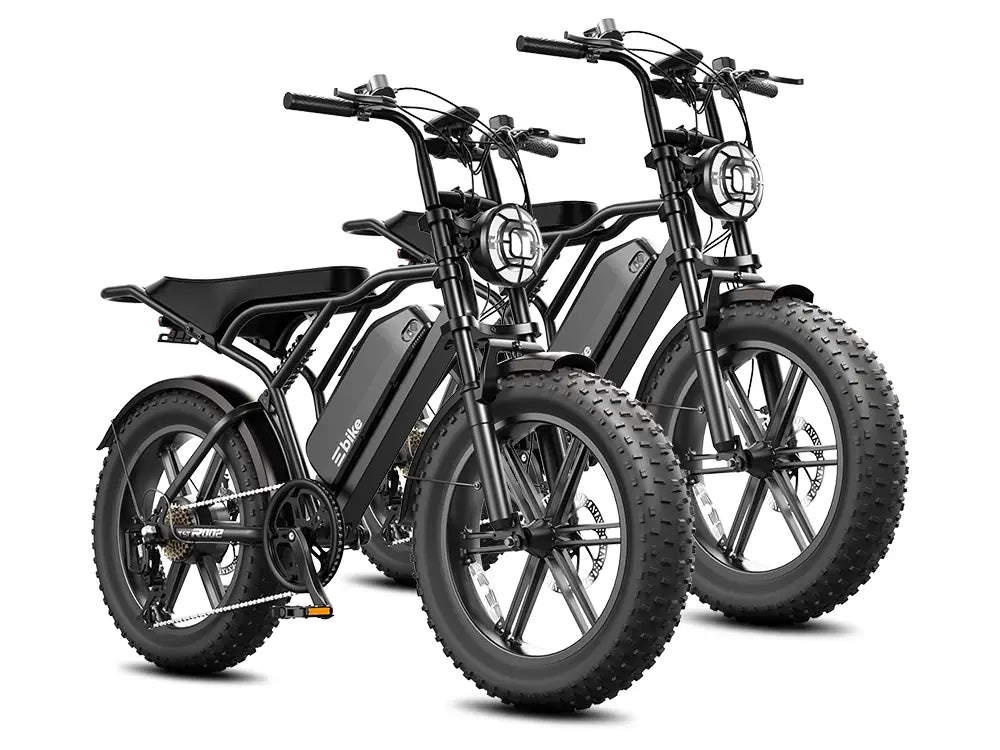
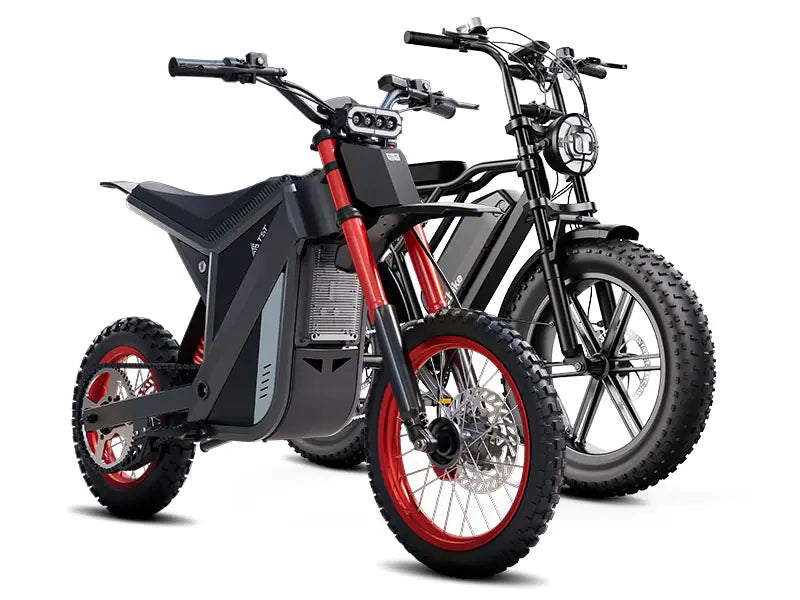

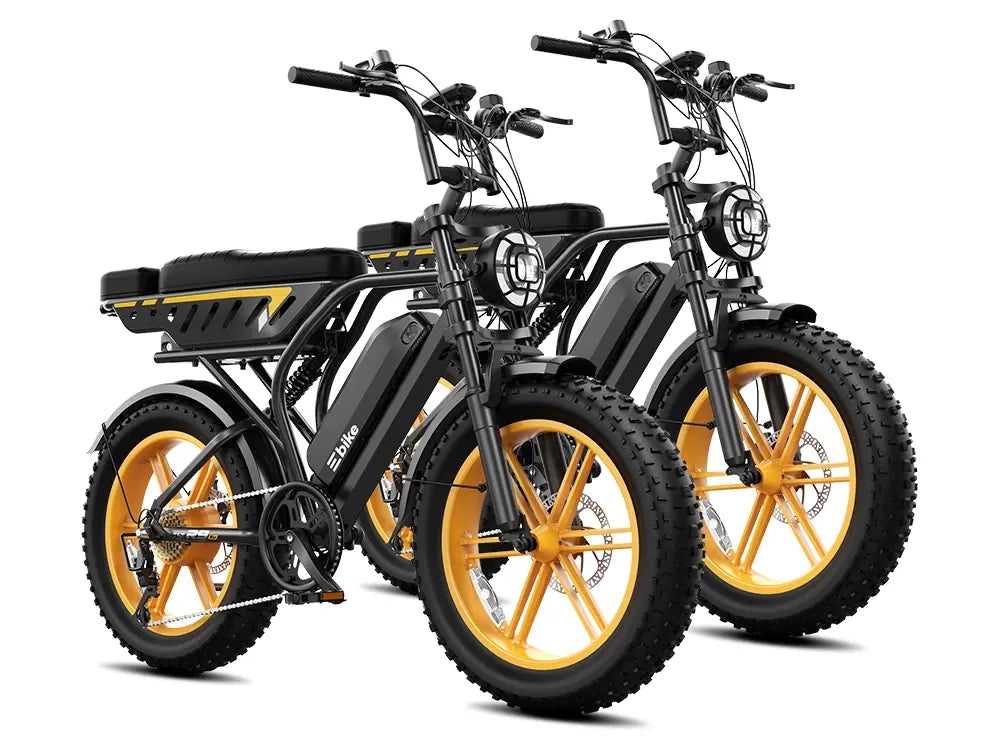

Electric dirt bikes can be ridden on private land you own or have permission to use, and in designated off-road areas such as motocross tracks and OHV parks. They are generally not street legal and are not allowed on most public trails or bike paths. Always check federal, state, and local rules before riding.
Legal disclaimer: This guide is general information, not legal advice. Land-use and off-road vehicle rules vary by state, county, and property owner, and they change. Verify current rules with official state and local land-management sources before riding. Last updated: August 2026.
The Legal Baseline
TST EBike builds the GT series as off-road vehicles, not e-bikes. They exceed e-bike power and speed limits and are not designed as pedal-assist bicycles, so they fall outside Class 1–3 e-bike rules. That classification determines where you can ride: off-road vehicle rules apply, not bicycle rules. Buyers should treat this distinction as a safety matter, not a marketing footnote.
The practical consequence is that public roads, sidewalks, and most bike paths are off-limits. The legal riding surface is private land or designated motorized off-road areas.
Private Land and Permission
Your own property is the simplest legal riding area, subject to local noise and land-use rules. Riding on someone else's land requires explicit permission — and in many areas, written permission is the safest protection against trespassing claims. Check local ordinances, because some municipalities restrict off-road vehicles even on private property within city limits.
Designated Off-Road Areas
Motocross tracks, OHV parks, and designated off-road vehicle areas are built for this kind of riding. They typically require:
- A valid entry fee or membership.
- Safety equipment, sometimes including a helmet requirement.
- Compliance with age and machine rules.
- Staying within marked areas.
These venues are the most reliable way to ride legally and safely, especially for riders new to the sport.
Public Lands: The Complicated Part
Federal public lands have their own rules. Some BLM and national forest areas allow off-highway vehicles on designated routes, while national parks generally do not. State trust lands and county lands add another layer of rules. The general pattern: designated OHV areas allow riding, everything else defaults to no.
| Riding location | Typical status |
|---|---|
| Your private land (with local rules) | Usually allowed |
| Someone else's land | Requires permission |
| OHV park / motocross track | Allowed, with rules |
| Public roads / sidewalks | Not allowed |
| Bike paths / most trails | Not allowed |
| BLM / national forest designated routes | Sometimes allowed |
| National parks | Generally not allowed |
Staying Out of Trouble
Follow these four habits:
1. Confirm the land is yours or you have permission. 2. Check local ordinances and land-management rules. 3. Ride only in designated areas when on public land. 4. Carry proof of permission when riding private land that is not yours.
TST EBike states the off-road-only classification on its dirt bike pages so buyers can plan the legal place to ride before purchase.
Conclusion
Electric dirt bikes are legal on private land with permission and in designated off-road areas, and they are generally illegal on public roads, paths, and most trails. The GT63 is a capable off-road machine when ridden where it belongs. TST EBike documents the off-road-only classification on its dirt bike pages so buyers can plan ahead. Secure your riding area, check local rules, and ride with full gear — that is the entire legal playbook.
Can I ride an electric dirt bike on the street?
No. Electric dirt bikes are off-road vehicles and are not street legal in most areas.
Can I ride on my own property?
Usually yes, but check local ordinances — some municipalities restrict off-road vehicles even on private land.
Do I need permission to ride on someone else's land?
Yes. Always get explicit permission, ideally in writing.
Are electric dirt bikes allowed in national parks?
Generally no. National parks do not allow off-road vehicles.
What is an OHV park?
A designated off-highway vehicle area built for off-road riding, usually with entry fees and safety rules.
Do I need a license or registration for an electric dirt bike?
Registration rules vary by state, but as an off-road vehicle it does not get road registration. Check your state's off-road vehicle rules.

Leave a comment
This site is protected by hCaptcha and the hCaptcha Privacy Policy and Terms of Service apply.