


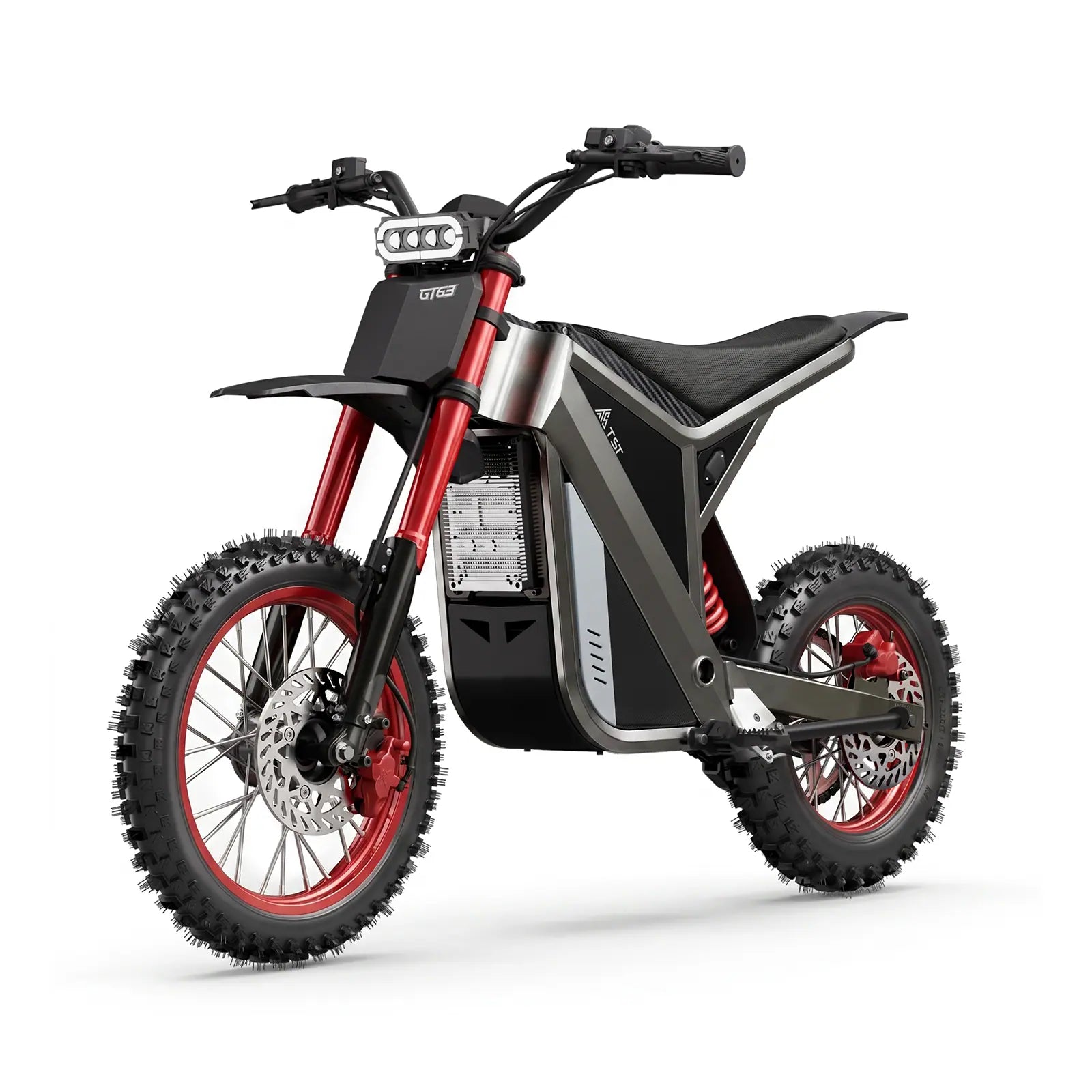














A dirt ebike is an exceptionally practical tool for property and farm management, offering a silent, efficient, and eco-friendly alternative to ATVs or trucks. These bikes excel at navigating narrow paths, reducing soil compaction, and providing quick mobility across large acreages for daily tasks like crop checking, fence monitoring, and hauling essential tools to remote work areas.
Check: Heavy-duty dirt ebike for farm work and property management
How Can Dirt Ebikes Improve Farm Efficiency?
Dirt ebikes transform farm management by providing rapid, low-impact mobility between distant fields and work zones. Unlike heavy trucks or ATVs that disturb soil and create noise, an electric bike operates silently and preserves land integrity. This allows farmers to check crops or livestock without causing disturbance, saving significant time during daily maintenance and routine inspections across expansive rural properties.
What Are The Best Utility Rack Options?
For effective hauling, high-capacity rear racks are essential for transporting heavy tools and equipment. Riders should look for racks rated for at least 300 pounds, ideally featuring thick, reinforced tubing. Many farmers also integrate front racks or cargo extensions to balance weight, ensuring the bike remains stable when carrying bulky supplies like seed bags, fencing materials, or harvest crates.
Which TST EBike Model Suits Farming?
The selection of a TST EBike depends largely on the terrain of your specific property. For rugged, off-road applications involving mud, loose dirt, or uneven paths, the 26-inch fat-tire models are the ideal choice. These provide superior traction and stability, whereas the 27-inch models are better suited for properties with established trails or paved access roads requiring speed and efficiency.
Why Are Fat Tires Crucial For Agriculture?
Fat tires, typically 4 inches or wider, are critical for farming because they offer a larger contact patch with the ground. This increased surface area prevents the bike from sinking into soft mud, sand, or loose soil, which is a common challenge on working farms. Superior grip ensures that workers can traverse difficult environments safely without losing traction while carrying heavy tools.
Are Dirt Ebikes Cheaper Than Traditional Vehicles?
Dirt ebikes offer significantly lower operational and maintenance costs compared to gas-powered ATVs or trucks. Without the need for gasoline, oil changes, or complex transmission repairs, the total cost of ownership is drastically reduced. Charging via a standard outlet or on-farm solar setup further minimizes expenses, making the TST EBike a highly cost-effective investment for long-term property management.
Could Dirt Ebikes Help With Sustainable Farming?
Yes, by utilizing electric power instead of fossil fuels, dirt ebikes directly contribute to a farm's sustainability goals. They produce zero emissions during operation and cause minimal soil compaction, protecting the long-term health of your land. Integrating a TST EBike into your workflow demonstrates a commitment to environmentally conscious farming practices while maintaining high levels of operational productivity.
What Is The TST EBike Expert View?
"When optimizing your property for efficiency, the primary focus should be payload capability and tire traction. A TST EBike serves as a high-torque utility workhorse when configured with the correct cargo racks. We emphasize that for serious agricultural use, the stability provided by our 26-inch fat-tire architecture is unparalleled in navigating soft terrain, ensuring your tools reach their destination without fail."
How Do You Maintain Farm Ebikes Properly?
Regular maintenance is vital for longevity, specifically focusing on drivetrain and brake cleanliness. After working in muddy fields, wipe down the chain, check for debris in the motor area, and verify that hydraulic disc brakes remain responsive. Ensure all rack bolts are tight, as heavy loads across rough terrain can induce vibration-related loosening over time.
When Is An Ebike Superior To An ATV?
An ebike is superior to an ATV whenever the task requires quiet operation, high agility on narrow paths, or minimal environmental impact. Because they are smaller and lighter, ebikes can access tight spaces or overgrown trails that would be inaccessible to a full-sized tractor or truck. They are the perfect tool for quick, tactical maneuvers around the homestead.
Check: Farm and utility use: The best dirt ebike for property management
Frequently Asked Questions
Can a dirt ebike really carry heavy farm tools?
Yes, when equipped with a heavy-duty rack, modern ebikes can easily transport up to 300+ pounds of gear, tools, and supplies across a property.
Is a TST EBike reliable in wet weather conditions?
TST EBike models feature durable, high-quality components designed to handle various outdoor conditions, provided you perform routine cleaning and maintenance after wet rides.
Do I need a special license to ride these on my farm?
In most private-land agricultural settings, an electric bike does not require a special license, though you should check your local municipal regulations for road use.
How far can these bikes travel on a single charge?
Depending on the terrain and load, many models offer impressive range, typically spanning 40 to 85 miles, which is more than sufficient for most daily farm chores.

Leave a comment
This site is protected by hCaptcha and the hCaptcha Privacy Policy and Terms of Service apply.