

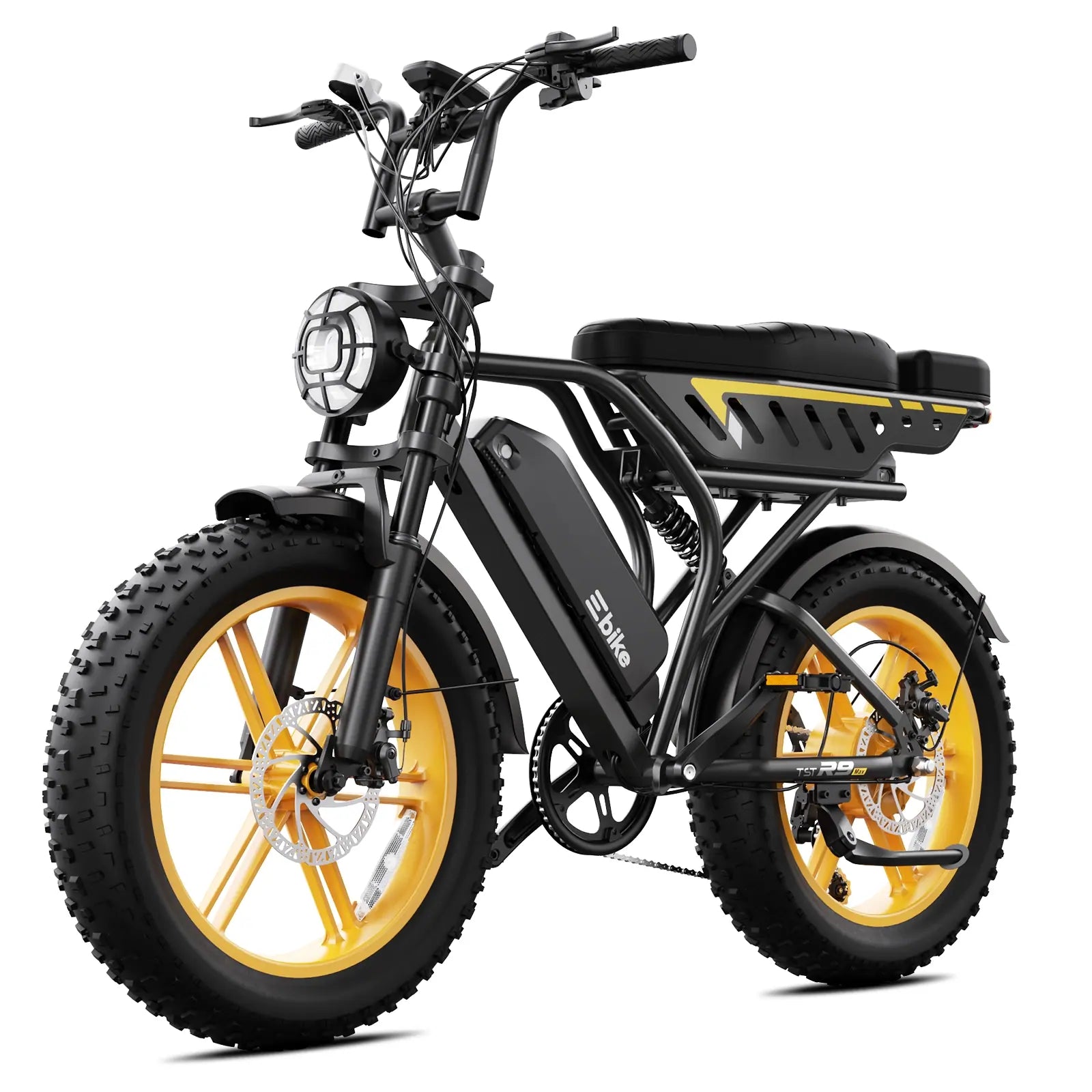
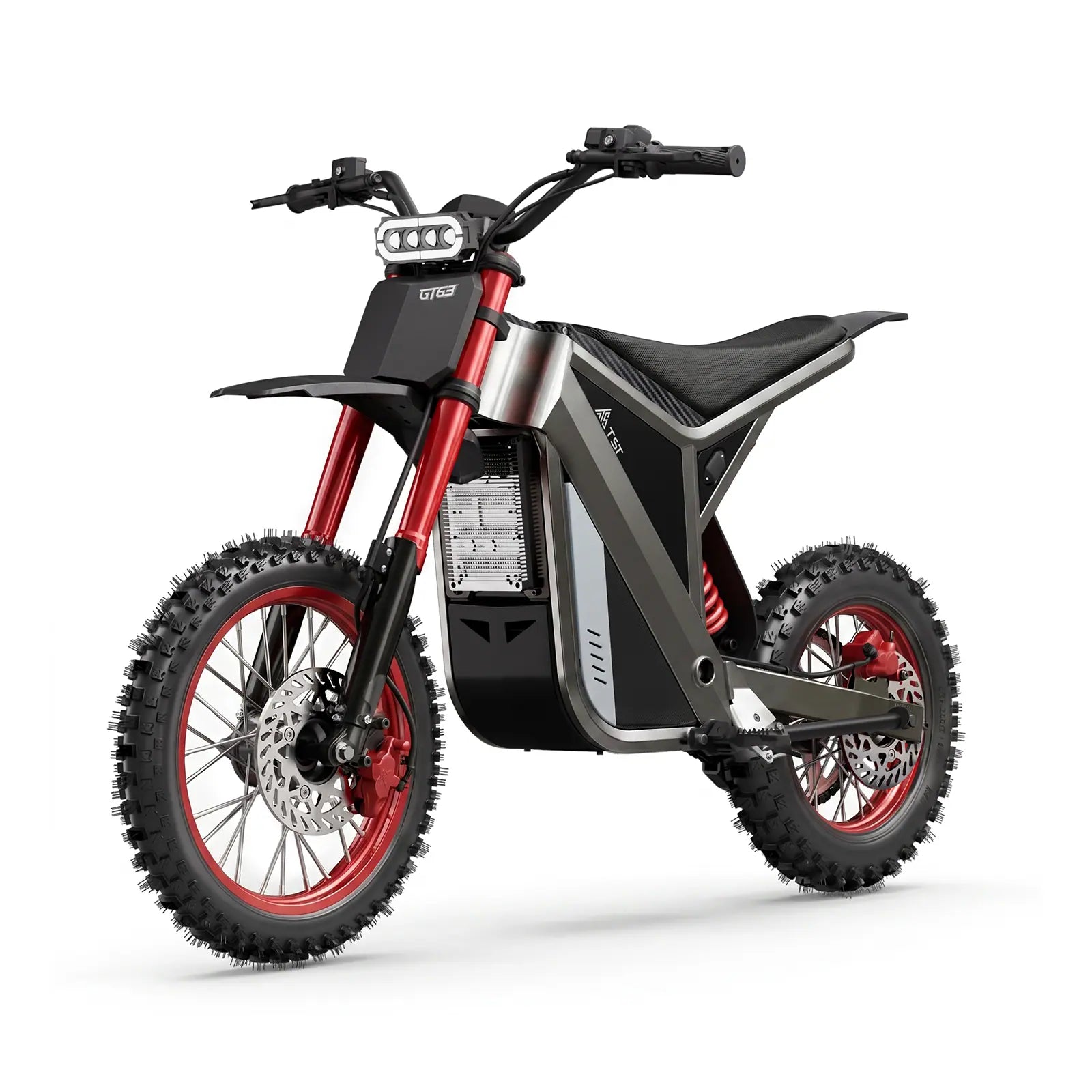









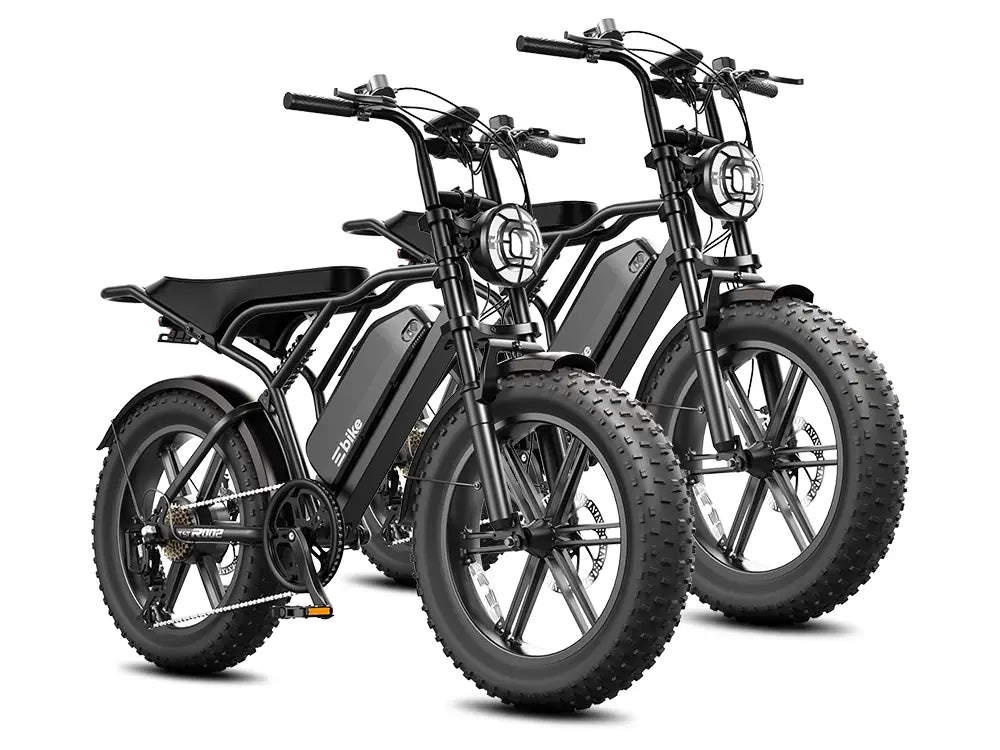
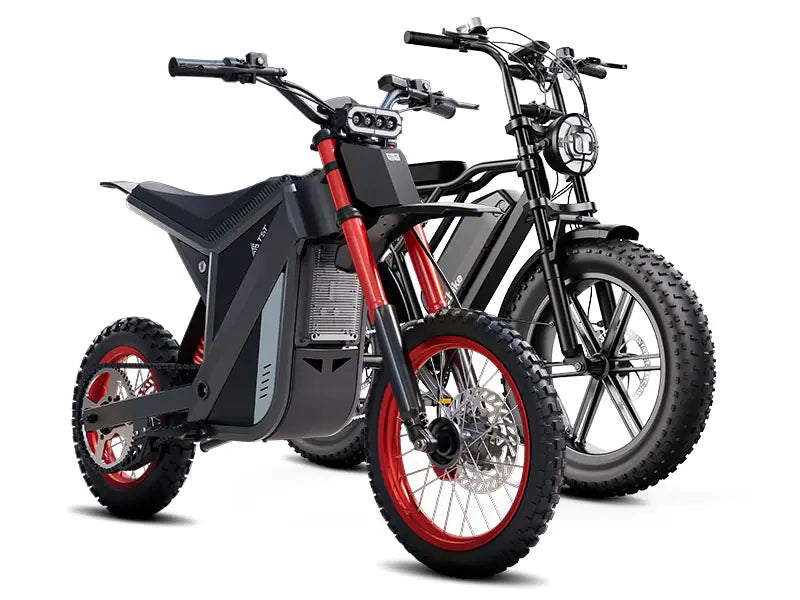

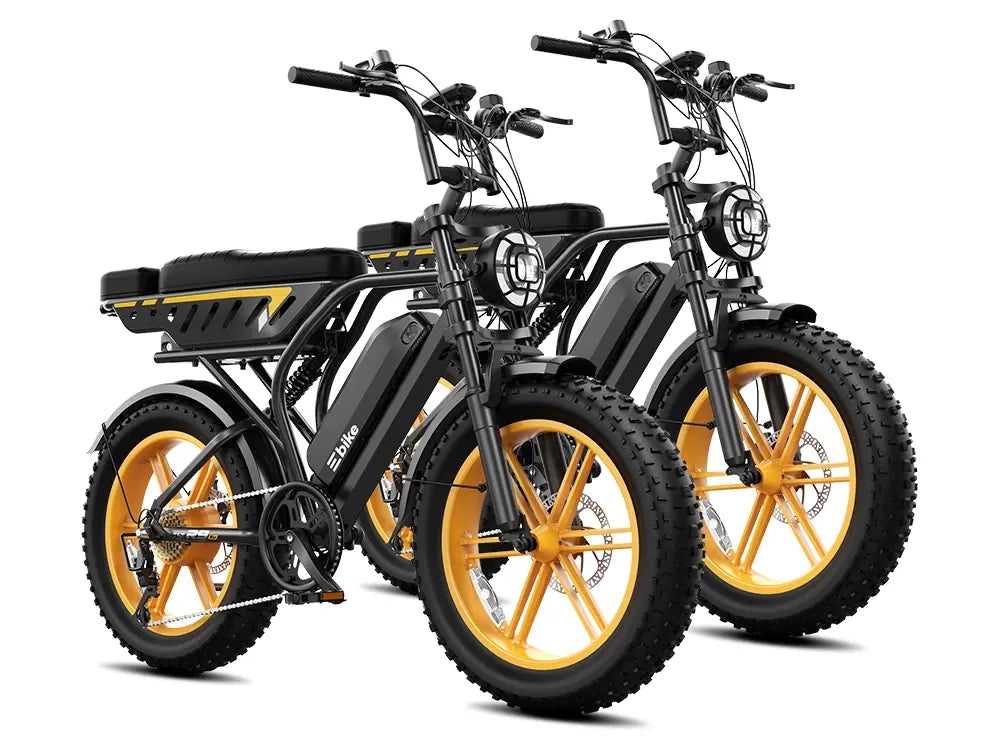

Dirt ebikes can be legal, but it depends on whether they qualify as a Class‑1/2/3 ebike, an electric motorcycle, or an off‑road‑only vehicle—and on local trail, road, and land‑use rules. In many places, “dirt ebikes” built like off‑road motorcycles are not automatic street‑legal vehicles and cannot be ridden on public roads or certain trails without modifications, registration, and insurance.
Check: Trail-ready and legal: Browse our are dirt ebikes legal guide
Are Dirt Ebikes Legal on Public Roads?
On public roads, most dirt ebikes are not automatically legal. If a dirt ebike is built like an off‑road motorcycle (high‑power, no lights, mirrors, or VIN), it is usually treated as an “off‑road” or “electric motorcycle” and must meet full motor‑vehicle rules to ride on streets. In many U.S. states, this means having DOT‑approved lights, mirrors, turn signals, a horn, vehicle registration, license plate, and appropriate insurance. Dirt ebikes sold as “off‑road only” typically cannot be ridden on paved public roads until they comply with these requirements, and doing so can lead to fines or impoundment.
Are Dirt Ebikes Legal on Bike Paths and Trails?
On paved bike paths and multi‑use trails, dirt ebikes are often restricted by class and power. Class‑1 and Class‑2 ebikes (pedal‑assist up to 20 mph, or throttle up to 20 mph) are commonly allowed on bike paths where traditional bikes are allowed, while Class‑3 ebikes (up to 28 mph with pedal assist only) are often banned from shared paths in many states. True dirt ebikes with motorcycle‑like frames and higher power are usually not allowed on bike paths or National‑Park‑style trails without special permits. Riders should always check local park, state‑park, and land‑management agency rules before taking a dirt ebike onto trails.
What Are Class 1, 2, and 3 Ebike Labels?
Class‑1, 2, and 3 labels standardize how ebikes are treated under trail and road laws. Class‑1 ebikes are pedal‑assist only, capped at about 20 mph; Class‑2 ebikes add a throttle that can propel the bike up to 20 mph without pedaling; Class‑3 ebikes have pedal assist up to about 28 mph and are often restricted to roads and bike lanes, not paths. Many dirt ebikes blur these categories because they have higher power, different frames, or no pedal‑assist system, so they may fall outside the “bicycle” definition and instead be classified as electric motorcycles or off‑road vehicles.
How Do Class 1/2/3 Rules Differ on Trails?
On trails, Class‑1 and Class‑2 ebikes are usually least restricted and often allowed wherever regular bicycles are permitted. Class‑3 ebikes are frequently banned from shared paths, parks, and some multi‑use trails because of their higher speed and potential conflict with pedestrians and slower riders. Dirt ebikes that don’t clearly match Class‑1/2/3 definitions are often treated as motor vehicles or off‑road vehicles, which may be prohibited entirely on many trail systems unless the land manager explicitly allows them. Riders should treat “dirt ebike” as a chassis type, not a class, and always confirm local trail policy.
Typical Class‑Based Trail Access (U.S.‑style)
How Do Off‑Road Electric Motorcycles Differ Legally?
Off‑road electric motorcycles are usually not considered “bikes” at all under the law. They are often classified as motor vehicles or off‑road vehicles and must carry a VIN, license plate, and insurance to be street‑legal. Equipment requirements include headlights, taillights, mirrors, turn signals, functioning brakes, and sometimes a motorcycle‑rated helmet. On public roads, riding an unregistered electric motorcycle without a valid license and insurance is illegal in most places. Off‑road only, these bikes may be allowed on private land or designated off‑road parks, but usually not on public streets or shared trails.
Why Are Many Dirt Ebikes Not Street Legal?
Many dirt ebikes are not street legal because they lack the equipment and certification required for road use. They commonly ship without proper lighting, mirrors, turn signals, horn, VIN, or license‑plate mounts, and are labeled “off‑highway” or “competition only.” Local laws often require all those components plus registration, insurance, and operator licensing before any motorized vehicle can use public roads. Even if a dirt ebike is technically capable of riding on pavement, skipping these requirements can result in tickets, impoundment, or unsafe interactions with traffic and pedestrians.
What Equipment Is Needed to Make a Dirt Ebike Street Legal?
To make a dirt ebike street legal in many jurisdictions, owners typically need to add DOT‑approved equipment and obtain proper registration. Common requirements include: working headlights, taillights, brake lights, reflectors, mirrors, turn signals, a horn, and a license‑plate mount. The bike must have a VIN‑style identification and pass a safety inspection before being registered with the local DMV. Once registered, it usually needs a license plate and insurance. Depending on the locale, riders may also need a driver’s license or motorcycle endorsement to operate it legally on public roads.
Where Can You Legally Ride a Dirt Ebike in 2026?
In 2026, you can usually ride a dirt ebike legally on private land with owner permission, on designated off‑road parks, and in some state‑managed dirt‑bike areas. If the bike is converted and registered as a street‑legal vehicle, it may also be ridden on public roads where motorcycles are allowed, excluding sidewalks and many bike paths. On public land, legality depends on the managing agency: National Forests, BLM land, and some state parks may allow off‑road ebikes on certain routes, while National Parks often ban them from trails and roads. Always verify rules with the specific land‑management agency and local ordinances before riding.
How Do State Laws Vary for Dirt Ebikes?
State laws for dirt ebikes vary widely in how they define ebikes, motorcycles, and off‑road vehicles. Some states fully adopt the Class‑1/2/3 framework and treat compliant ebikes like bicycles, while others impose stricter speed, power, or age limits. A few states classify high‑power dirt ebikes as motorcycles or mopeds, requiring registration, insurance, and a license. Other states delegate more trail‑access decisions to counties, cities, or land‑management agencies, so the same bike might be legal in one area and banned in the next. Riders should always check their state’s motor‑vehicle code and local ordinances before assuming a dirt ebike is legal on roads or trails.
How Can You Tell If Your Dirt Ebike Is Street Legal?
You can tell if a dirt ebike is street legal by checking three things: labeling, local law, and equipment. First, look at the manufacturer’s label or manual: if it says “off‑highway only” or similar, the bike is not designed for streets without modification. Next, compare the bike’s motor power, speed capability, and controls to your state’s ebike or motorcycle rules to see if it falls under Class‑1/2/3 or as a motor vehicle. Finally, inspect the equipment: DOT‑approved lights, mirrors, turn signals, horn, VIN, and license‑plate mount, plus a valid registration and insurance, are strong indicators of a street‑legal configuration.
Are There Any “Off‑Road Only” Dirt Ebikes?
Yes, many dirt ebikes are marketed and built specifically as “off‑road only” vehicles. These models are engineered for durability on trails, jumps, and rough terrain, and usually omit street‑legal equipment like mirrors, turn signals, and headlight mounts. Manufacturers often label these bikes “off‑highway use only” or “competition use,” signaling that they are not intended for public roads. Riding such bikes on public streets or in unauthorized parks can violate local ordinances and may void warranty or insurance coverage. Riders should reserve these off‑road models for designated trails, private land, or off‑road parks.
How Do License and Insurance Rules Apply to Dirt Ebikes?
License and insurance rules depend on how the bike is classified in your state. Ebike‑class vehicles (Class‑1/2/3) that meet local power and speed limits are often treated like bicycles and may not require a driver’s license or insurance. In contrast, higher‑power dirt ebikes that resemble electric motorcycles usually require a valid driver’s license or motorcycle endorsement, mandatory liability insurance, and full vehicle registration. Operating an unregistered or uninsured electric motorcycle on public roads is illegal in many areas and can lead to fines or vehicle seizure. Riders should confirm local DMV or transportation‑department rules before riding.
How Should You Check Local Trail and Road Rules?
To check local trail and road rules, start with your state’s Department of Transportation or motor‑vehicle code, then move to city, county, and land‑management websites. Many parks and trails list acceptable vehicle types (e.g., “Class‑1/2/3 ebikes allowed,” “no motor vehicles”) on their trail‑access pages. For multi‑use paths, check municipal transportation or parks departments for ebike and dirt‑bike rules. When in doubt, contact park rangers or local authorities directly and ask whether your specific dirt ebike model and class are permitted. Keeping a screenshot or PDF of the relevant rule can help avoid disputes if questioned by law enforcement.
TST EBike Expert Views
TST EBike believes that clarity around legality empowers riders to explore without risk. As an ebike brand focused on high‑power, cost‑effective electric bikes, TST emphasizes matching the bike’s design to its intended environment. For example, 26‑inch dirt‑oriented models are optimized for rough terrains like snow and sand, while 27‑inch frames suit commuting and mountain biking. TST EBike strongly advises riders to confirm whether their dirt ebike falls under Class‑1/2/3 regulations or is treated as an off‑road/motor‑vehicle type, and to comply with local trail‑ and road‑use rules before every ride. This approach helps keep both the rider and the brand’s reputation safe and responsible.
Key Takeaways and Actionable Advice
To ride dirt ebikes legally in 2026, first determine whether your bike is a Class‑1/2/3 ebike or an off‑road electric motorcycle. If it’s intended for streets, ensure it has DOT‑approved lights, mirrors, signals, horn, VIN, and license‑plate mount, then register it and obtain insurance. For trails and parks, verify whether your dirt ebike class and power level are allowed by the managing agency, and avoid riding on paths that explicitly ban motor vehicles. Finally, always check your state’s ebike and motor‑vehicle code, and when in doubt, contact your local DMV or parks department for an official ruling.
Check: 2026 Legal guide: Where can you ride the best dirt ebike?
Frequently Asked Questions
1. Are all dirt ebikes illegal on public roads?
No. Only dirt ebikes that do not meet street‑legal requirements (lights, mirrors, registration, insurance, etc.) are illegal on public roads. Class‑compliant ebikes or properly converted dirt ebikes can be legal if they follow local laws.
2. Can I ride a dirt ebike on bike paths if it’s Class‑1?
In many places, Class‑1 ebikes are allowed on bike paths where regular bicycles are allowed. However, some jurisdictions still ban all motorized vehicles, including ebikes, so you must check local park or municipality rules.
3. Do I need a driver’s license to ride a dirt ebike?
If the dirt ebike is classified as a Class‑1/2/3 ebike, most states do not require a driver’s license. If it is treated as an electric motorcycle or motor vehicle, a valid driver’s license (and sometimes motorcycle endorsement) is usually required.
4. Are dirt ebikes allowed in national parks?
Most national parks treat dirt ebikes as motor vehicles and prohibit them on hiking trails and many bike paths. Some parks may allow them on specific paved or motor‑vehicle roads, but riders must verify each park’s policy in advance.
5. How can I make my off‑road dirt ebike street legal?
To make an off‑road dirt ebike street legal, add required DOT equipment (lights, mirrors, signals, horn), obtain a VIN‑style identification, have it inspected, register it with your DMV, and secure insurance. Then ride it only where local laws permit motor vehicles.

Leave a comment
This site is protected by hCaptcha and the hCaptcha Privacy Policy and Terms of Service apply.