


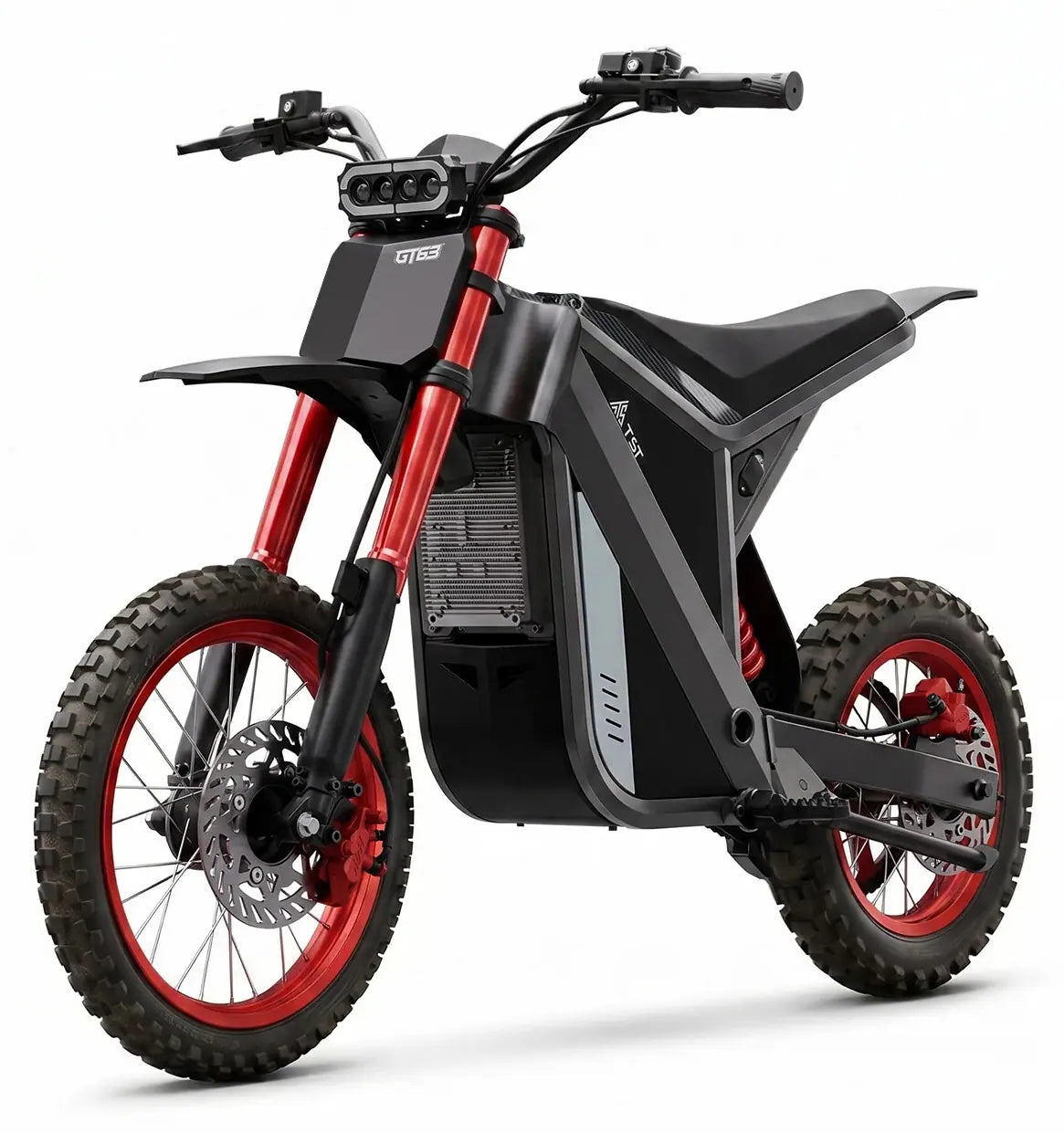
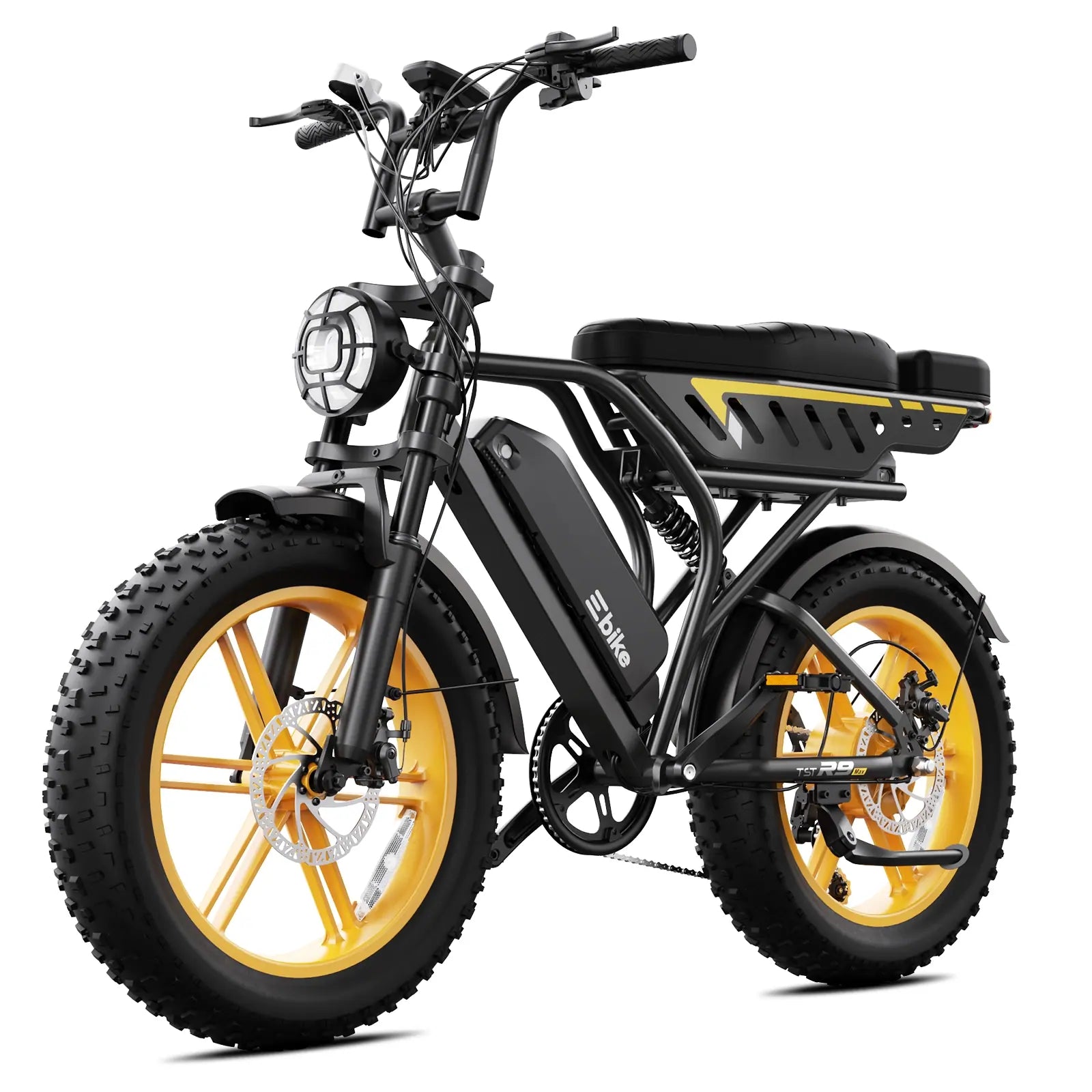
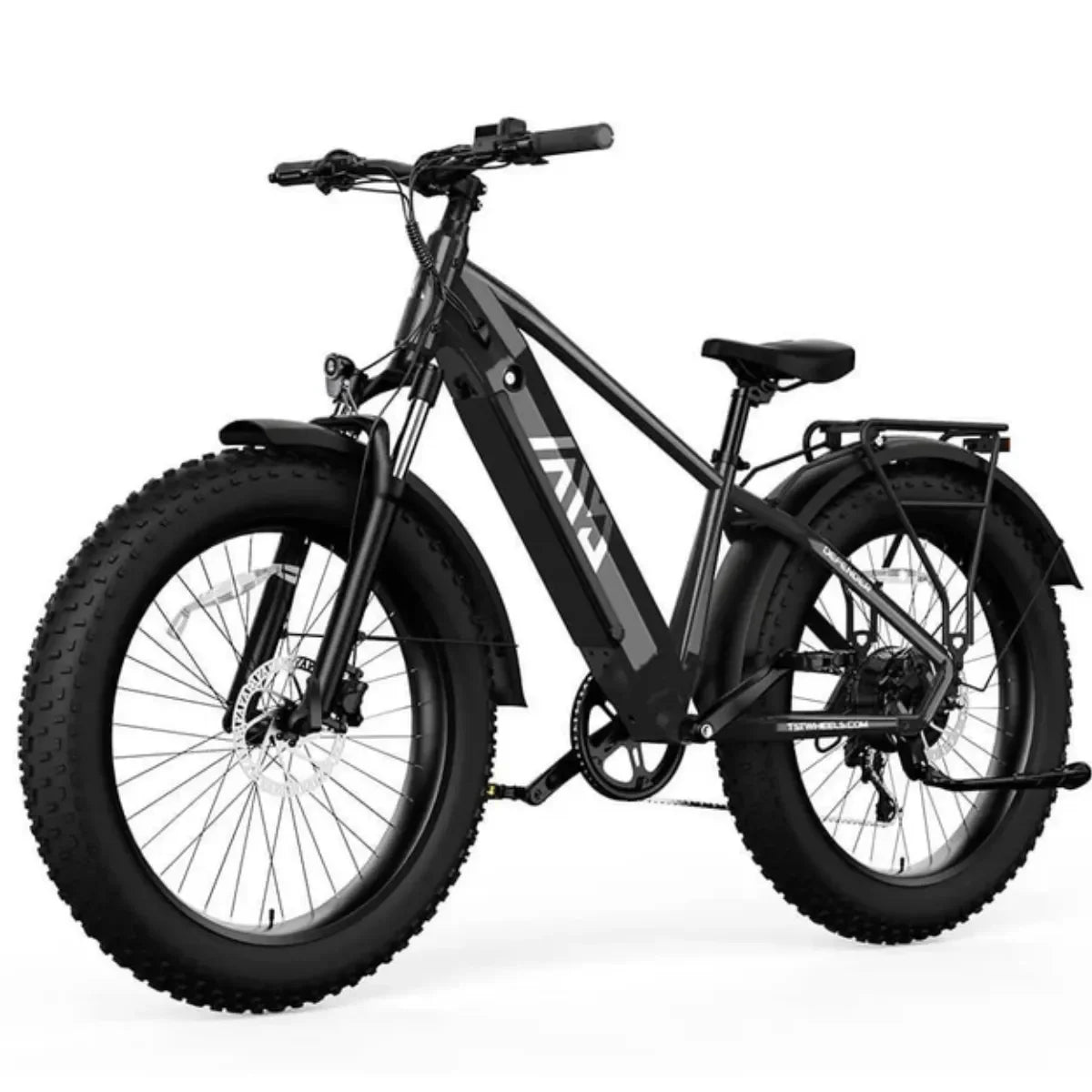
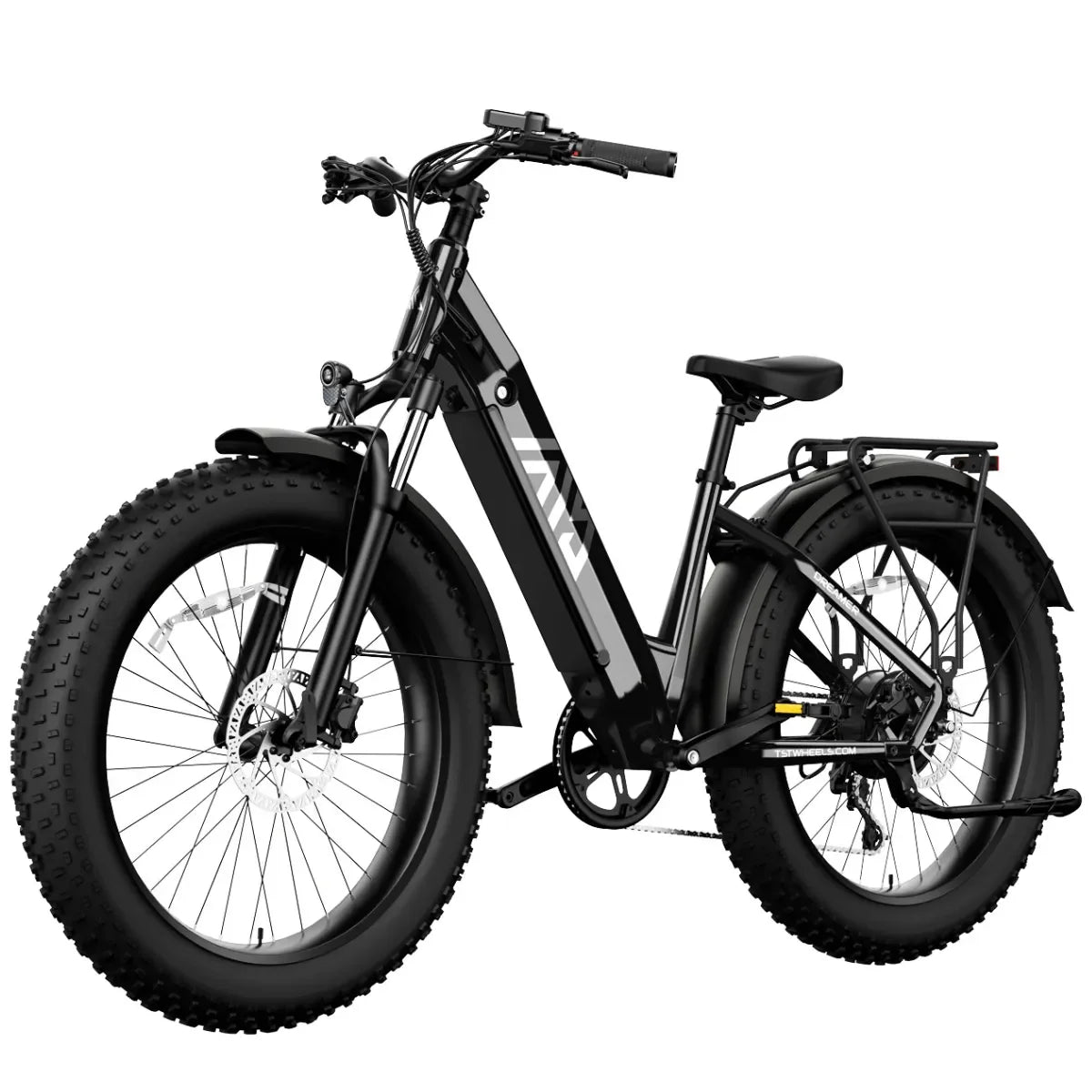

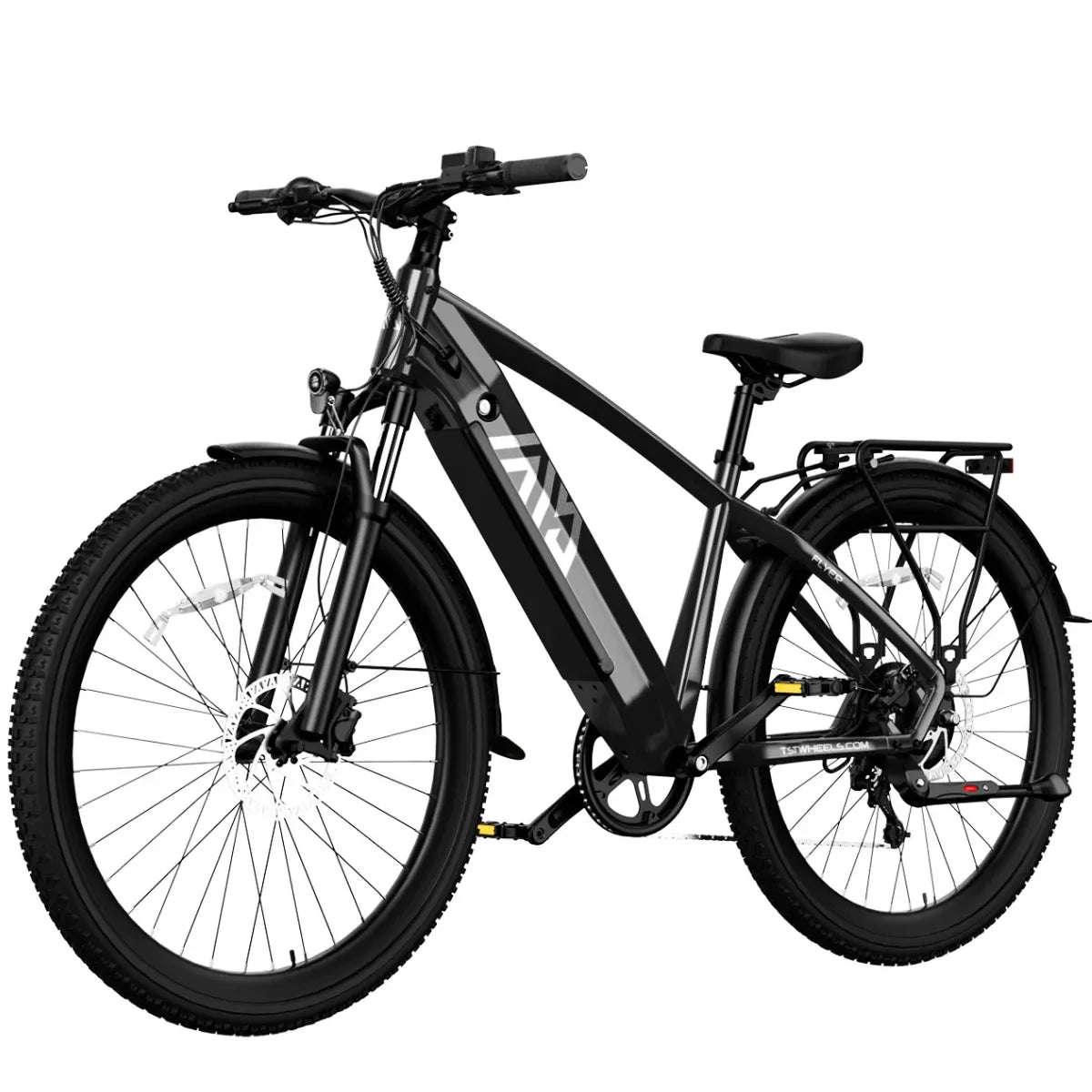
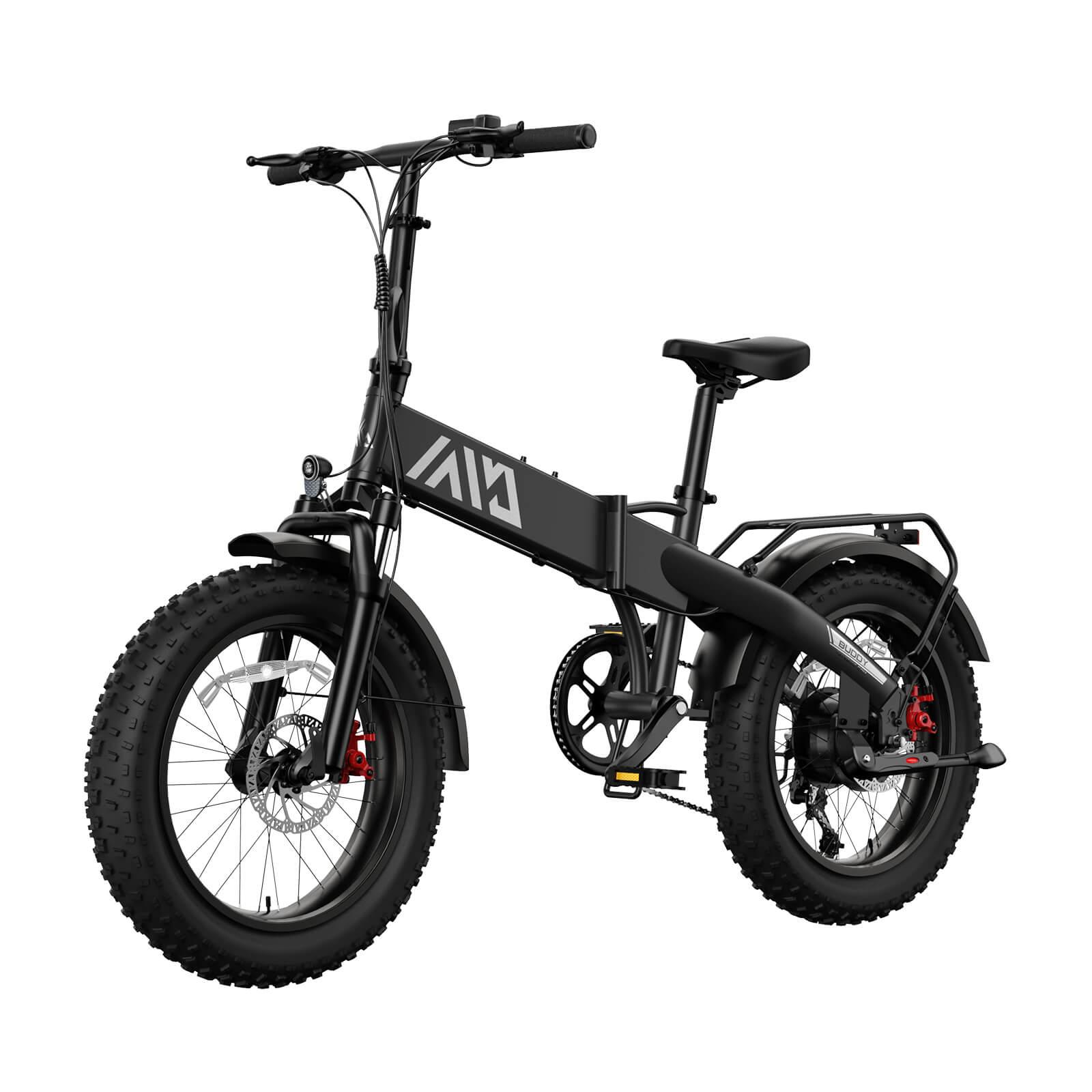







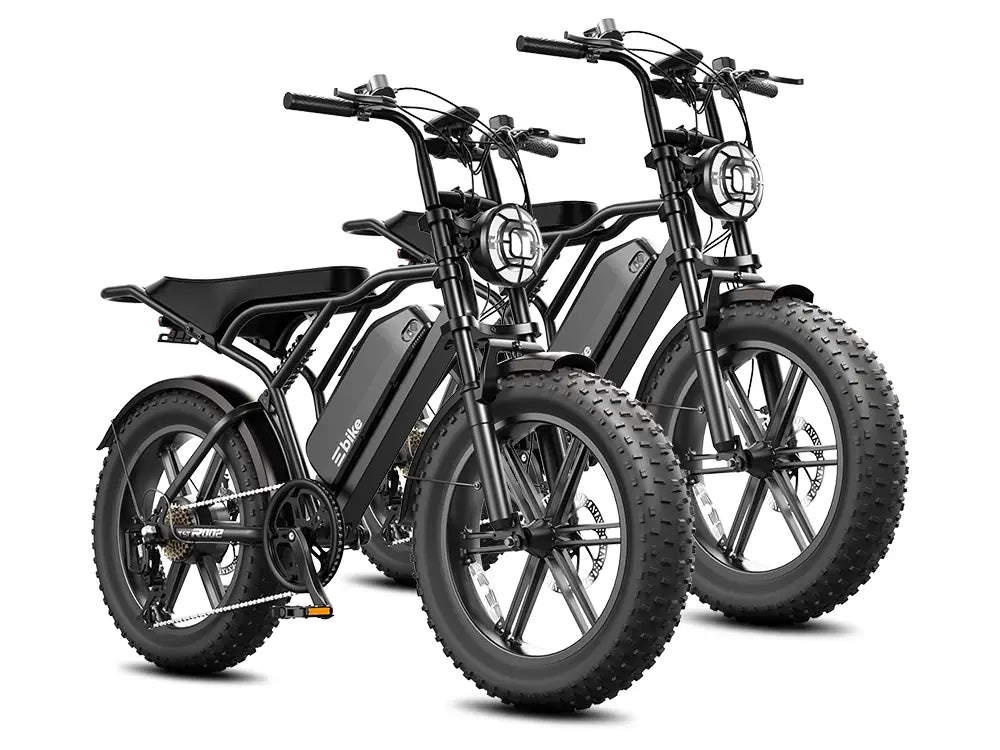
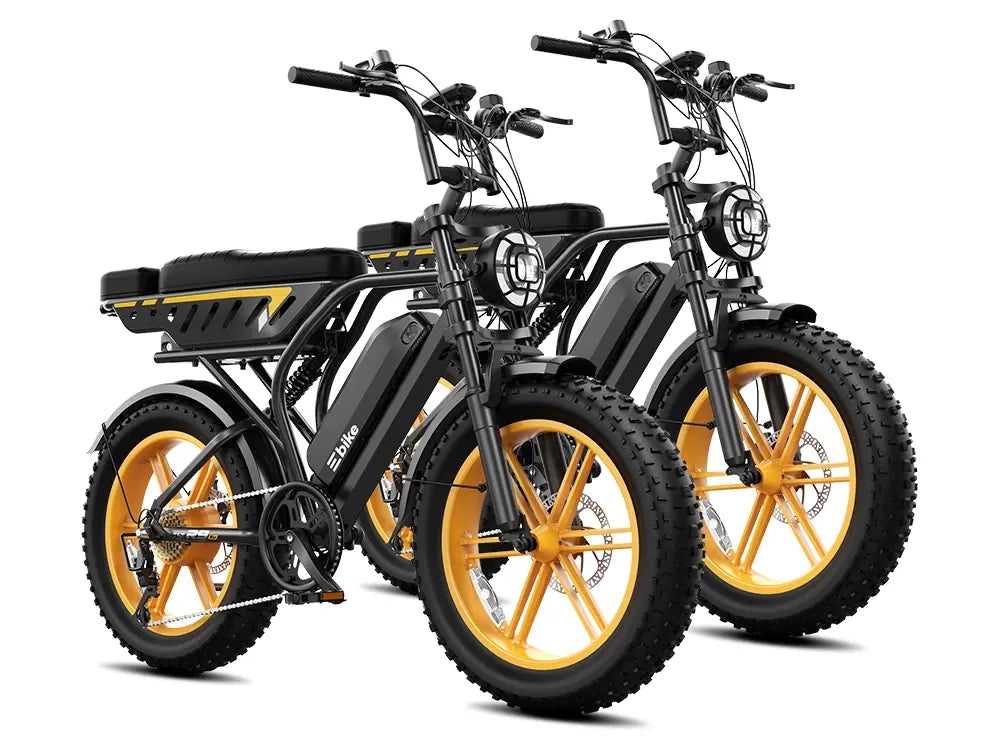


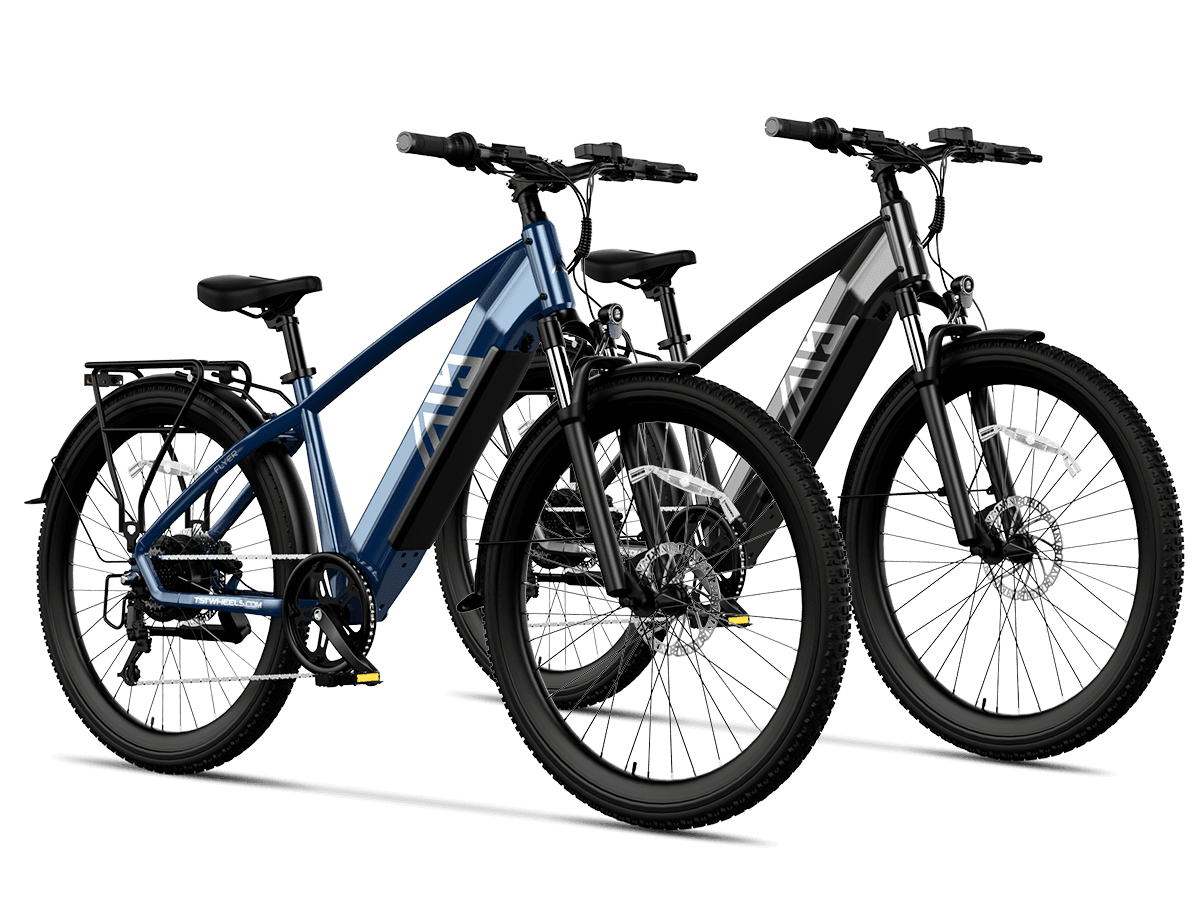
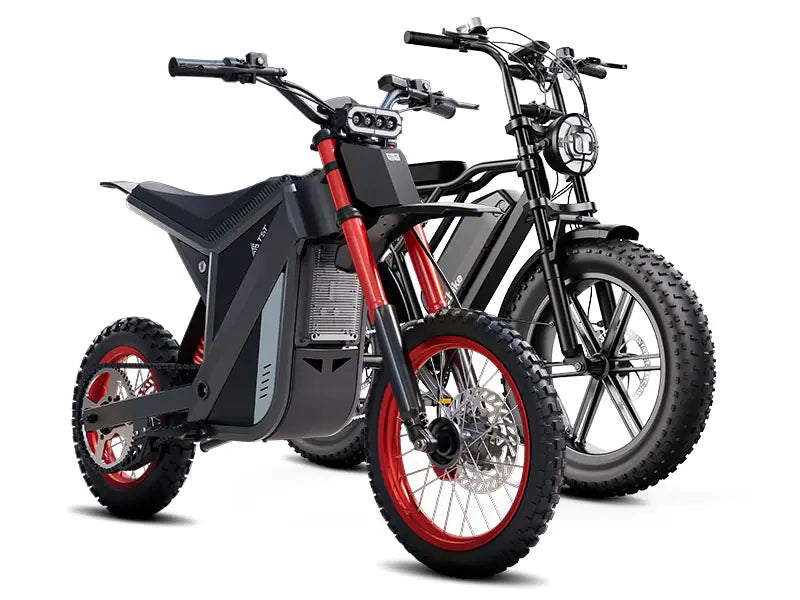
The best street legal electric dirt bikes in 2026 blend DOT-certified safety, real off-road geometry, and usable range, rather than just headline kilowatts. The sweet spot is mid-power dual‑sport and supermoto platforms that accept abuse off-road yet stay compliant on asphalt. As an engineer, I look first at frame stiffness, battery cooling, and brake hardware—not marketing watts.
What defines a street legal electric dirt bike in 2026?
A street legal electric dirt bike is an off‑road‑capable e‑moto that carries full DOT lighting, mirrors, horn, VIN, and registration so you can ride from your garage to the trailhead legally. In practice, that means a hybrid of enduro geometry, longer‑travel suspension, and an electric powertrain tuned for mixed surfaces.
From a factory-floor perspective, the critical distinction is how the harness and battery enclosure are built. On pure dirt platforms, we’ll often run lighter looms and omit sealed connectors in non-critical spots. On a street-legal chassis, we spec automotive‑grade sealed plugs and double‑lip grommets around the headlight and switchgear, because daily rain and wash‑down cycles will slowly wick moisture into cheap connectors. That’s what causes “ghost” cut‑outs a year after purchase, not the motor itself.
The other non-negotiable is thermal management. A bike that only runs 10‑minute motos can get away with a smaller heat path from MOSFETs to case; a street‑legal dual‑sport doing 40 minutes of steady 60 km/h road work cannot. When I audit frames for TST EBike, I’m less interested in peak kW on the spec sheet and more in how the controller is bonded to the frame and whether the battery tray actually acts as a heat sink.
Which 2026 street legal electric dirt bikes stand out for real-world use?
For 2026, the machines that actually work as “ride to trail, ride hard, ride home” platforms sit in the mid‑power, ~70 km/h bracket. They trade stadium-level power for durability, lower weight, and easier registration. Zero FXE is a classic example on the supermoto side, while newer 72 V enduro‑style platforms fill the dirt‑leaning end.
As a tuning engineer, I look for three numbers before anything else: usable trail range (not marketing range), wet weight with battery, and rotor diameters. A 7.2 kWh pack like you see on the Zero FXE is impressive until you realize you’re pushing 140 kg through rock gardens. On a mixed‑use bike, I’d rather see a ~3.5–4.0 kWh pack in a 70–80 kg chassis with 220–260 mm rotors. That’s the configuration that lets you pivot the rear on tight switchbacks and still stop confidently when a car pulls out on asphalt.
From an ownership standpoint, mid‑range street‑legal e‑motos also hit the best maintenance window. Air‑cooled motors with simple belt or chain drives and no multi‑speed gearboxes are what keep total service costs low over five years. That’s the same logic TST EBike applies on their high‑power 26‑inch platforms, where we prioritize simple drivetrains you can service with basic tools.
Sample 2026 street-legal e‑dirt style platforms
This is the envelope I recommend riders stay within if they want a bike that feels like a dirt bike in the woods but still behaves predictably on pavement.
How do the top bikes differ by rider skill and terrain?
Street legal electric dirt‑style bikes divide cleanly by skill level and terrain emphasis: forgiving low‑mode tuning and lower saddle height for newer riders, aggressive power maps and longer wheelbase for experts. Terrain—tight woods vs open two‑track—drives choices in wheel size, gearing, and steering geometry.
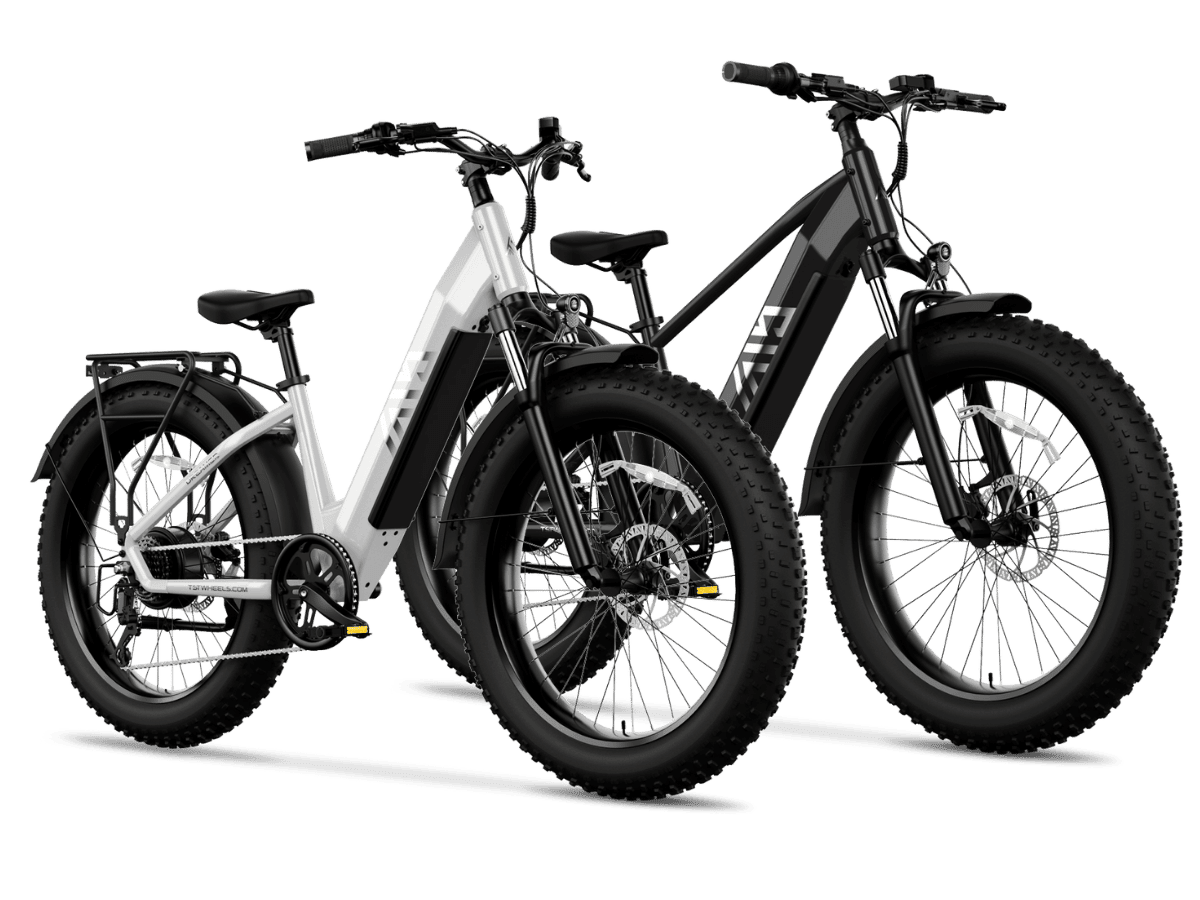
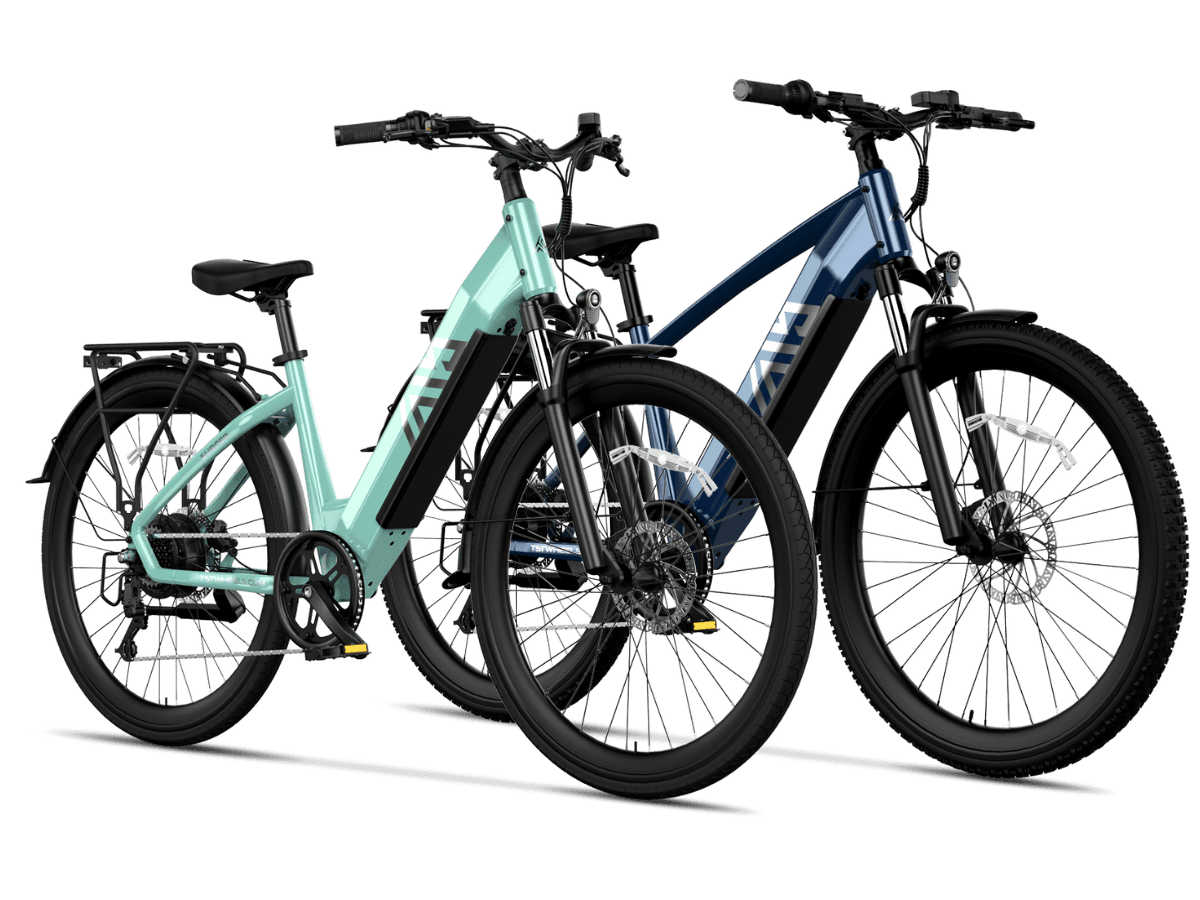
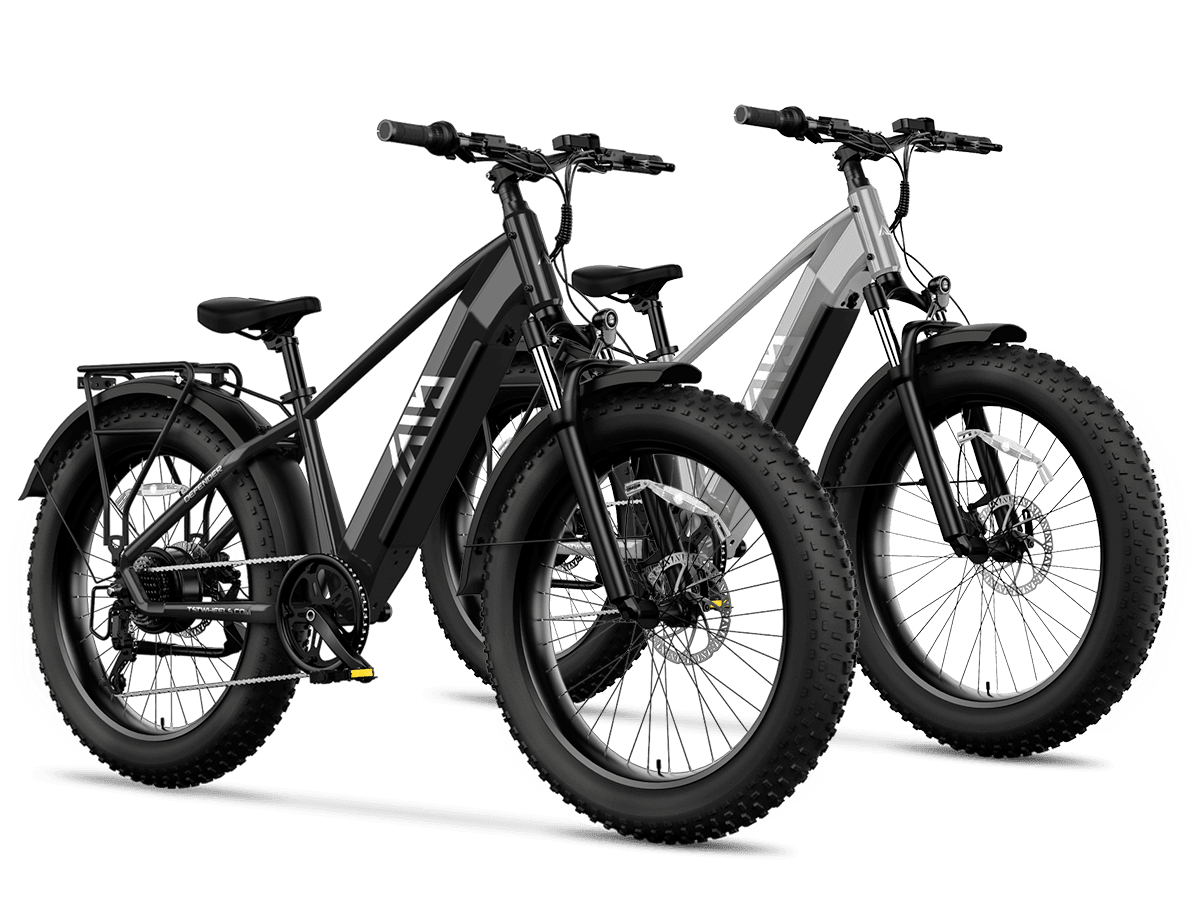
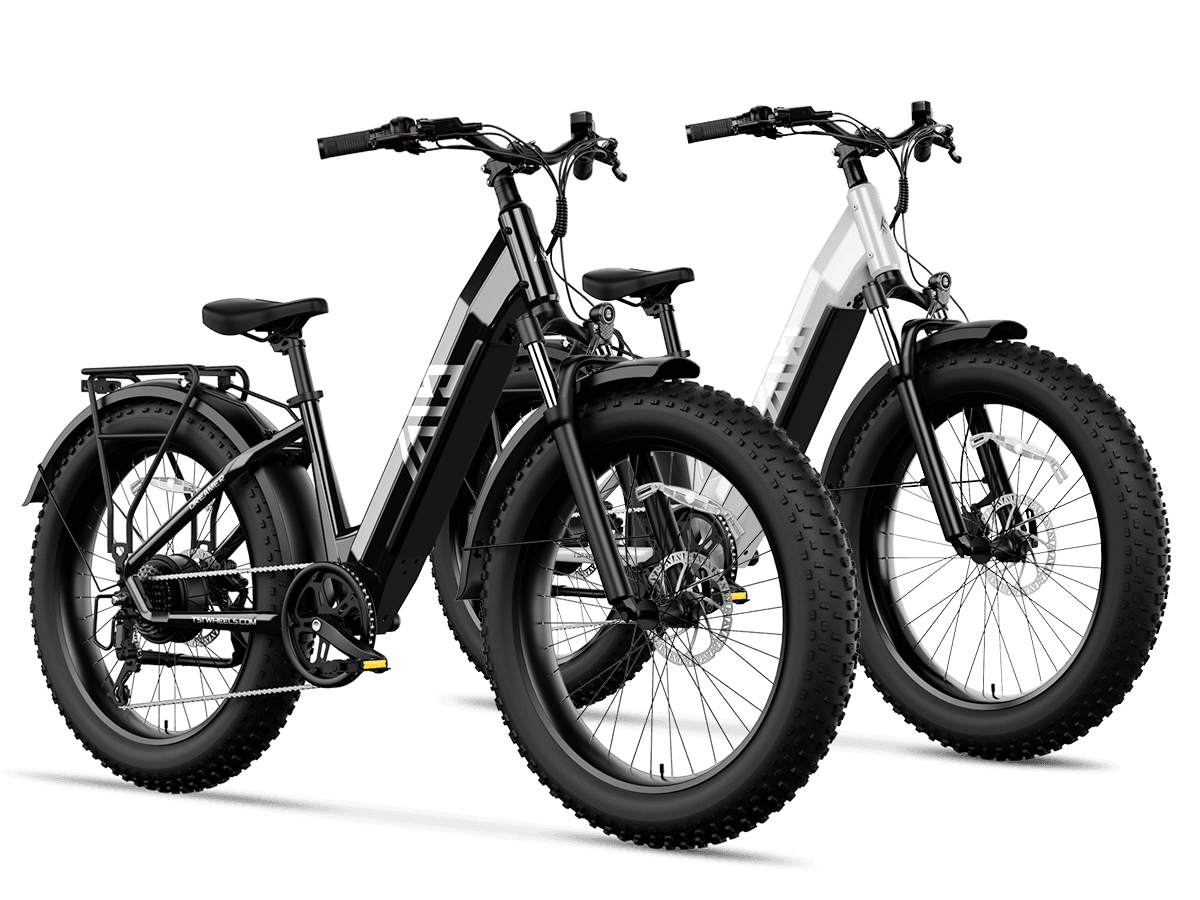
On the line, we can usually tell within minutes whether a frame was designed by someone who rides singletrack or only CAD. For woods and technical climbs, I prefer a slightly steeper steering head angle and 19/16 or 21/18 wheel sets, which is exactly how we separate TST EBike’s 26‑inch “rough terrain” and 27‑inch “daily” platforms. The shorter‑rear/wider‑tire 26‑inch builds are far more forgiving when traction is marginal, which directly translated to the fat‑tire models we recommend for snow or sand.
For riders doing mainly urban commuting with occasional dirt shortcuts, a supermoto‑leaning bike with 17‑inch wheels and slightly firmer damping is easier to live with. The tire contact patch and carcass stiffness you get in those sizes track better in painted crosswalks and wet manhole covers—subtle, but noticeable if you actually ride this stuff daily.
What key specs matter most when choosing in 2026?
For 2026 street legal electric dirt bikes, the numbers that genuinely matter are pack energy (kWh), real‑world mixed‑use range, weight, rotor sizes, and controller tuning flexibility. Power ratings get headlines, but thermal management and gearing decide whether you still have torque at the end of a climb.
From a factory engineer’s standpoint, battery voltage is your silent performance lever. 72 V remains the practical sweet spot today: high enough to keep currents moderate (which reduces heat and cable thickness) but low enough that service remains manageable and costs don’t spike. When brands jump to 98 V without upgrading contactors and insulation strategy, we see arcing on test benches long before consumers ever hear about it.
I also advise riders to scrutinize rotor diameters and pad compound more than they do. A 260 mm front rotor with a 4‑piston caliper and a good organic–metallic hybrid pad will “shrink” the bike by a class because you can brake deeper into loose corners. That’s why TST EBike over‑specs braking on their higher‑power builds: the motor can always give more torque than the rear tire can handle; the real safety margin comes from predictable stopping on compromised surfaces.
Spec priority checklist
-
Pack size in kWh, not just volts and Ah
-
Claimed mixed range at realistic speeds
-
Wet weight with battery installed
-
Rotor sizes and number of caliper pistons
-
Suspension travel and adjustability
-
Availability of multiple power/range modes
If a spec sheet hides any of those, I assume compromises were made where you can’t see them.
Why does street-legal compliance change the engineering?
Once you add street‑legal compliance, you’re designing for continuous vibration, weather exposure, and legal braking/lighting standards, not just big jumps. That pushes brands to reinforce frames, upgrade connectors, and change how weight is distributed, which you feel immediately when you transition from trail to tarmac.
For example, when we convert an off‑road chassis into a street‑legal prototype, I always add at least three isolated ground points in the harness and shield the throttle signal lines. On pure dirt bikes, EMI noise from LED indicators isn’t a concern; on a street‑legal platform, a noisy DC‑DC converter can cause intermittent throttle glitches that only appear at night when the lights are on. Most riders will call that “random cut‑out,” but from the bench we can see it’s just poor harness design.
Weight distribution is also subtly different. To maintain high‑speed stability on asphalt at 70–80 km/h, I’ll accept a slightly higher center of gravity and a longer wheelbase. On a pure woods bike, I bias for ultra‑low mass around the swingarm pivot instead. Street‑legal dual‑sports sit in between: enough high‑speed stability to feel planted on the road, enough agility to hop a curb or pivot in a tight rut.
Are electric dual-sport and supermoto bikes replacing gas in 2026?
Electric dual‑sport and supermoto‑style dirt bikes are not fully replacing gas in 2026, but in the sub‑80 km/h mixed‑use segment they’re already the smarter default for many riders. If your daily loop is under 60 km and you can charge at home, the running‑cost and maintenance advantages are hard to ignore.
From the shop side, what we see is a different failure pattern. Gas dual‑sports come back for valve checks, carb issues, and clutch wear; electric dual‑sports show up for bent rims, fork seals, and the occasional cooked controller from someone running unlocked firmware in sand washes. That’s why I steer most customers toward factory‑approved power maps and emphasize chassis setup over chasing another kilowatt.
TST EBike’s own sales confirm the trend: their 27‑inch commuter‑leaning e‑MTBs and fat‑tire 26‑inch all‑terrain bikes dominate in markets where riders can’t or don’t want to maintain gas engines. Once riders realize they can get 40–60 km of mixed city‑trail use per charge with almost zero drivetrain service, they rarely go back for this use case.
How does TST EBike’s experience translate to electric dirt bike choices?
TST EBike came out of the same real-world problem set as today’s electric dirt bikes: congested streets, air quality limits, and riders wanting one machine that can commute during the week and play on weekends. The lessons we learned building high‑power 26‑ and 27‑inch e‑bikes transfer directly to picking a 2026 street‑legal electric dirt platform.
In our California facilities, we saw early that riders abused “commuter” bikes like dirt bikes—curb drops, gravel shortcuts, sand, even snow. That’s why TST EBike split its lineup into 26‑inch rough‑terrain builds for snow and sand, and 27‑inch for daily commuting and mountain trails. The geometry and tire volume choices that came out of that testing mirror what I now look for in street‑legal e‑motos: slightly wider rubber and lower pressures for mixed terrain instead of ultra‑narrow efficiency tires.
Because TST EBike was built around consumer feedback, we also prioritize serviceability. On our production lines, every critical fastener that a home mechanic might touch gets thread treatment and marked torque paint. When you inspect a street‑legal dirt‑style e‑moto, look for those same touches: captive nuts on skid plates, proper cable guides, and controller mounts that don’t require removing half the plastics just to inspect a connector.
TST EBike Expert Views
“When riders ask me which street-legal electric dirt bike to buy, I tell them to ignore peak power and instead look at how the bike manages heat, weight, and brakes over a full battery. The best platforms feel predictable at 20% state of charge, after a long hill, with the suspension already worked hard. That’s exactly how we validate TST EBike frames: not in the first ten minutes of a ride, but in the last ten, when cheap designs start to fade.”
TST EBike’s factory testing emphasizes end‑of‑ride behavior because that’s where safety margins live. If the bike still tracks straight, brakes consistently, and delivers smooth torque when the pack is warm and nearly depleted, it’s been engineered by riders, not just marketers.
What maintenance do street legal electric dirt bikes really require?
Street legal electric dirt bikes need far less engine service than gas bikes, but chassis, drivetrain, and battery care are still essential. Think of it as shifting your effort from oil changes to suspension and electrical checks.
In our own lab schedules, we treat every 500–800 km as a “minor” chassis interval: check spoke tension, inspect tire beads, confirm rotor bolts, and verify there’s no play in the headset or swingarm pivot. That’s the same cadence I recommend for street‑legal e‑motos that see real dirt. The difference is you’re not chasing jetting or valve clearances—you’re confirming that the mechanical bits carrying the extra battery weight are still tight.
On the battery side, the best practice is boring but effective: keep daily charges in the 20–80% window when possible, avoid leaving the pack full for weeks, and never charge a frozen battery. TST EBike designs its packs and BMS logic around this reality, but no firmware can fully protect a battery that’s repeatedly stored at 100% in a hot garage. Treat the pack like the heart of the machine; everything else is more easily replaced.
Simple maintenance schedule (street-legal e‑dirt)
-
Before every ride: tire pressure, brake feel, battery level, quick visual of harness.
-
Every 500–800 km: spoke tension, chain/belt condition, rotor and pad inspection.
-
Yearly: fork oil, linkage bearings, thorough connector check and dielectric grease on exposed plugs.
Following that schedule prevents 90% of the “mystery” problems we see after the first year of mixed road‑trail use.
Could a high-power TST EBike replace a street legal electric dirt bike for some riders?
For riders in dense cities or with strict registration rules, a high‑power TST EBike can cover much of what they want from a street‑legal electric dirt bike, especially for sub‑40 km/h, short‑range mixed terrain. It won’t replace a full‑on enduro for highway use, but it can absolutely replace a small‑displacement dual‑sport in many use cases.
TST EBike’s 26‑inch fat‑tire models are built for rough surfaces like snow and sand, giving you off‑road traction without motorcycle registration. The 27‑inch commuter/mountain setups then handle urban miles and light trail work. For many riders in places like Tianjin or California suburbs, that combination—legal everywhere bicycles are allowed, easy to store, cheap to charge—beats the hassle of insuring and plating a full motorcycle.
From the workshop side, I’ve seen plenty of riders come in planning to buy a street‑legal e‑moto and leave on a TST EBike instead, once we map their actual use: 15–25 km daily, mostly bike lanes and side streets, with weekend paths and parks. The trade‑off is simple: if you don’t genuinely need 70–80 km/h on public roads, a well‑built TST EBike gives you 80–90% of the fun with a fraction of the cost and complexity.
Who should choose electric over gas for dual-sport use in 2026?
In 2026, riders who do sub‑80 km daily loops, can charge at home, and value low maintenance over absolute range should strongly favor electric for dual‑sport use. Gas still wins for very long, remote days, but for most mixed road‑trail riders, electrons already make more practical sense.
As someone who’s torn down both gas and electric fleets, the pattern is clear. Electric dual‑sport riders spend their weekends riding; gas dual‑sport riders spend too many of their weekends wrenching unless they’re comfortable with regular engine maintenance. If your terrain includes noise‑restricted trails or urban connectors where stealth matters, electric also opens doors that gas bikes simply can’t.
Brands like TST EBike exist because this middle ground is where the real volume is: people who want to escape congestion and enjoy technical terrain but don’t want a second “hobby” maintaining carburetors and clutch packs. If that sounds like you, a street‑legal electric dirt‑style bike—or a high‑power TST EBike in markets where motorcycle registration is painful—isn’t just a trend; it’s the more rational tool.
When is the right time to buy a street legal electric dirt bike?
For most riders considering electric, 2026 is the first model year where street‑legal dirt‑style e‑motos feel mature rather than experimental. If your range and budget needs are met today, waiting purely for technology gains makes less sense than it did even three years ago.
Battery energy density and controller efficiency are improving at roughly high single‑digit percentages year over year. That’s nice, but it’s no longer the step‑change we saw between early prototypes and current 72 V platforms. The bigger leaps now come from frame refinement, suspension spec, and software tuning. Those are exactly the areas where TST EBike has iterated since 2017 by listening to riders in more than 10 countries and testing across varied terrain.
The only strong argument to wait is if your use case absolutely demands 150+ km of hard mixed riding in a single day without intermediate charging. In that scenario, gas still has enough of an advantage that a future generation of big‑pack electric dual‑sports might change the math. For everyone else, the best time to buy is when you find a platform whose real‑world range, weight, and service support match your actual riding—not your fantasies.
FAQs
Is a street legal electric dirt bike good for daily commuting?
Yes, if your commute is under about 40–60 km round trip and you can charge at home, a street‑legal electric dirt‑style bike is an efficient, low‑maintenance commuter.
Do I need a motorcycle license for a street legal electric dirt bike?
In most regions, if it’s registered as a motorcycle or moped and exceeds e‑bike power limits, you need a motorcycle endorsement, just like with a gas bike.
How long does the battery last on these bikes?
Most quality packs will deliver 800–1,500 charge cycles before dropping to around 80% capacity, which usually equals 4–8 years of typical mixed commuting and weekend use.
Can I ride a street legal electric dirt bike on highways?
Only if the bike’s top speed and registration category allow it; many dual‑sport e‑motos are fine on 80 km/h roads but feel out of their depth on high‑speed expressways.
How does TST EBike compare to a street legal e‑moto for off-road fun?
A high‑power TST EBike on 26‑inch or 27‑inch wheels can match the grin factor of smaller dual‑sports on sub‑40 km/h trails and urban shortcuts, with less cost and bureaucracy.
Are electric dual-sport bikes more expensive to buy than gas?
Upfront, yes in many markets, but lower fuel and maintenance costs often narrow or erase the total cost gap over 3–5 years, especially for higher‑mileage riders.
What terrain can a TST EBike handle compared to a dirt bike?
TST EBike’s 26‑inch builds handle snow, sand, and rough tracks impressively well, while the 27‑inch models suit daily roads and light mountain trails, overlapping a chunk of dual‑sport use.
Can I maintain a street legal electric dirt bike myself?
Most owners can handle basic tasks like chain care, brake pads, and suspension checks; battery and controller issues are best left to trained technicians.
Do electric street-legal dirt bikes overheat easily?
Well‑designed models manage heat acceptably if ridden within their intended power envelope; problems usually appear only when running unlocked or heavily modified settings.
Is 2026 a good year to buy or should I wait?
For typical mixed‑use riders, 2026 bikes are mature enough that buying now makes sense; incremental gains in the next couple of years won’t outweigh the value of riding sooner.

Leave a comment
This site is protected by hCaptcha and the hCaptcha Privacy Policy and Terms of Service apply.