


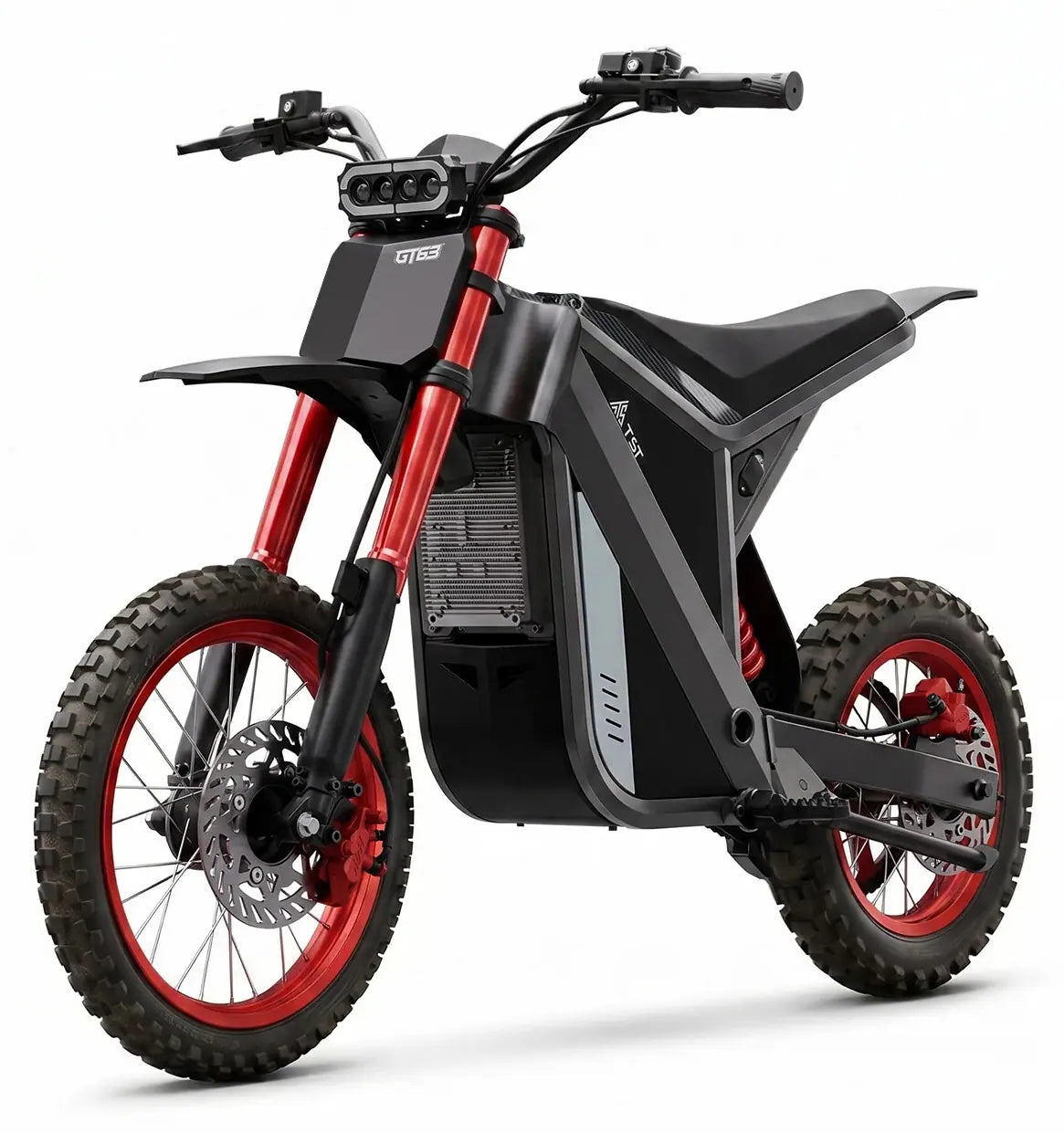

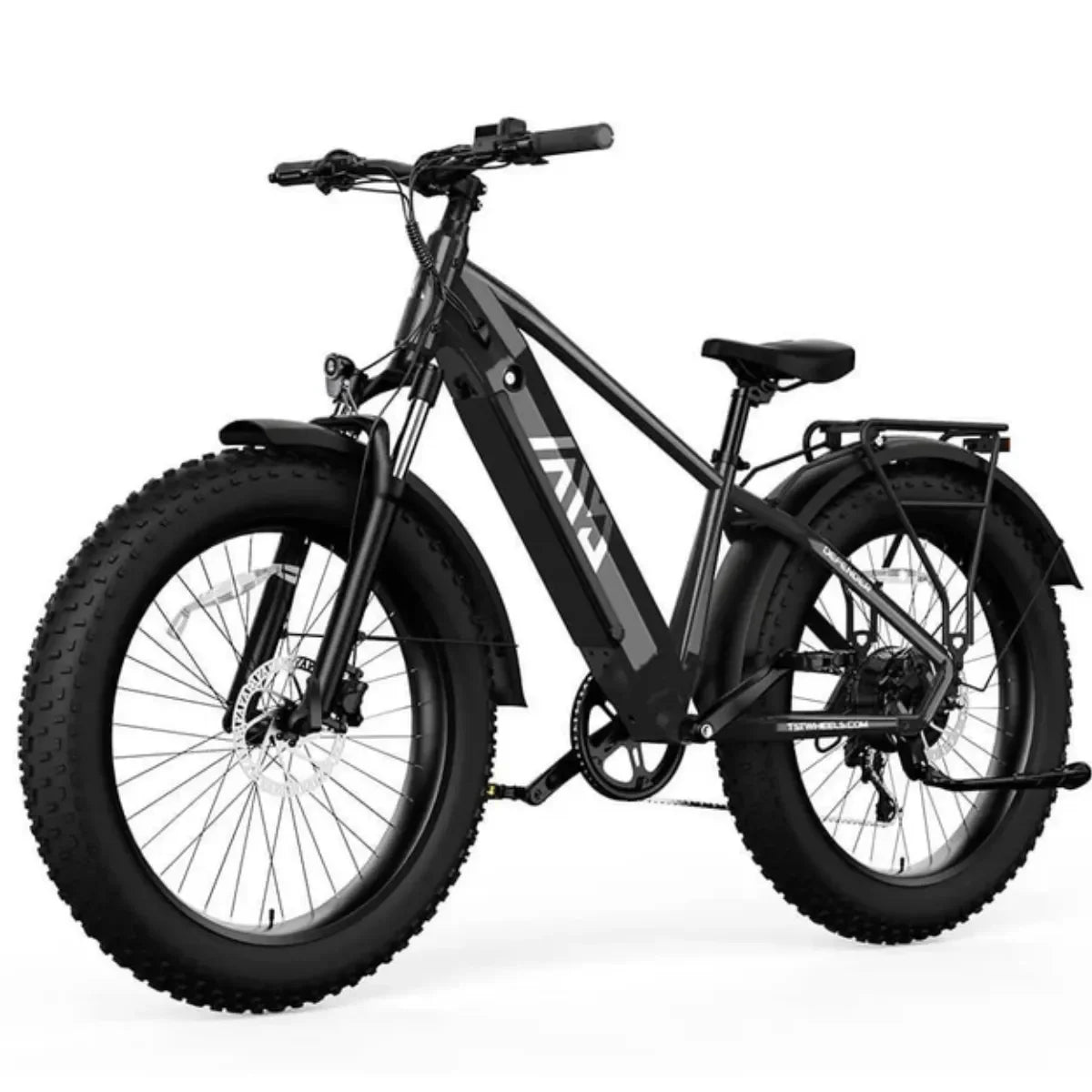
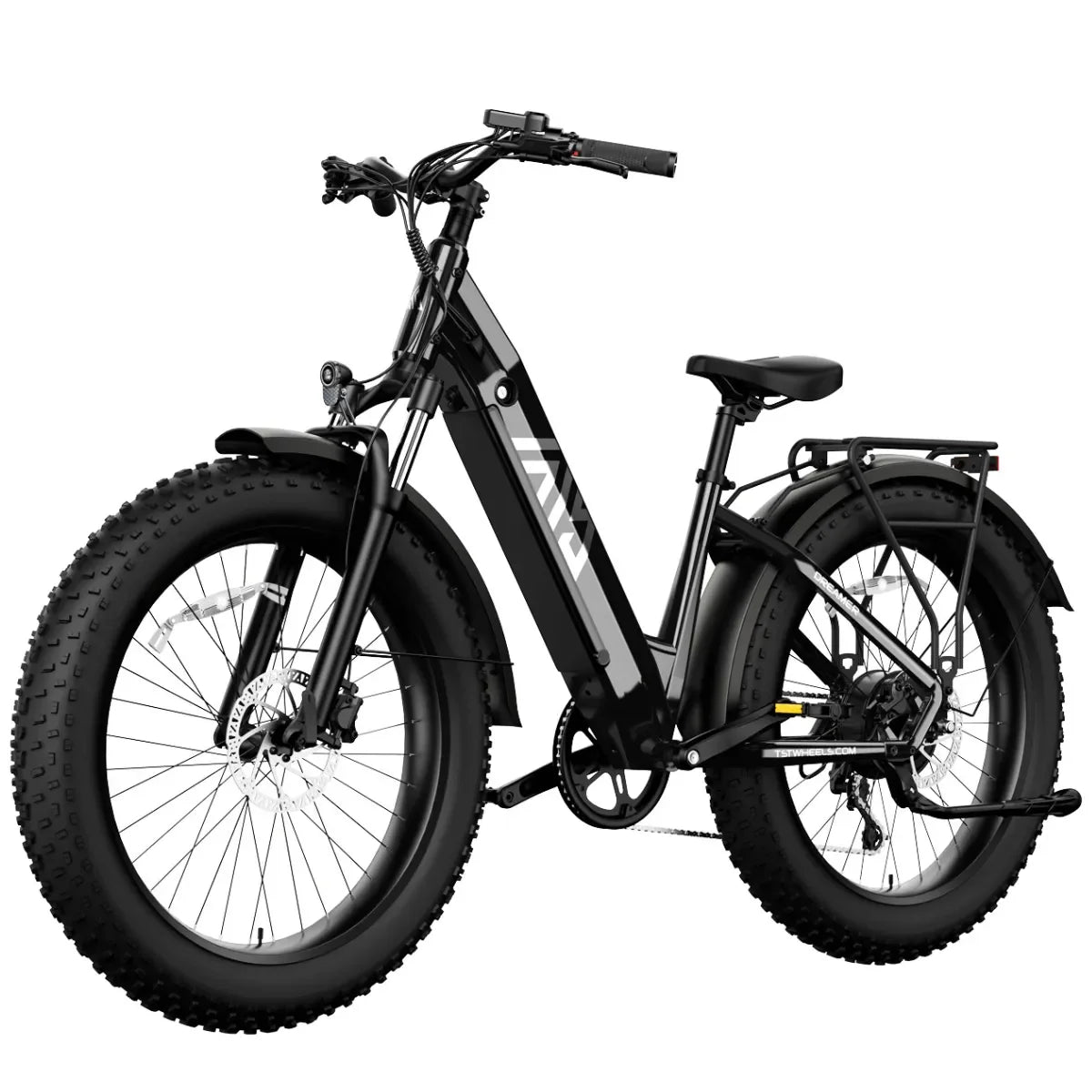

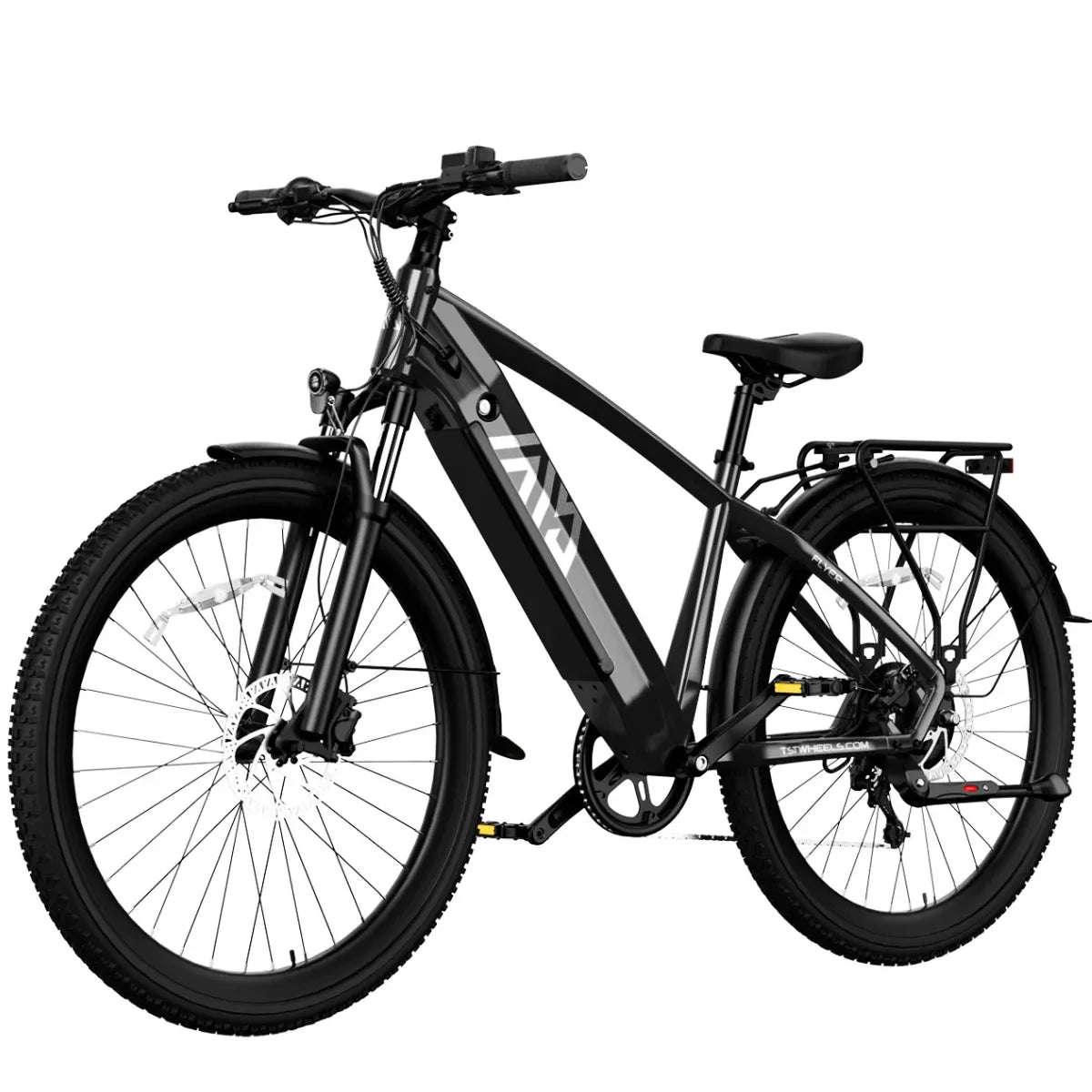
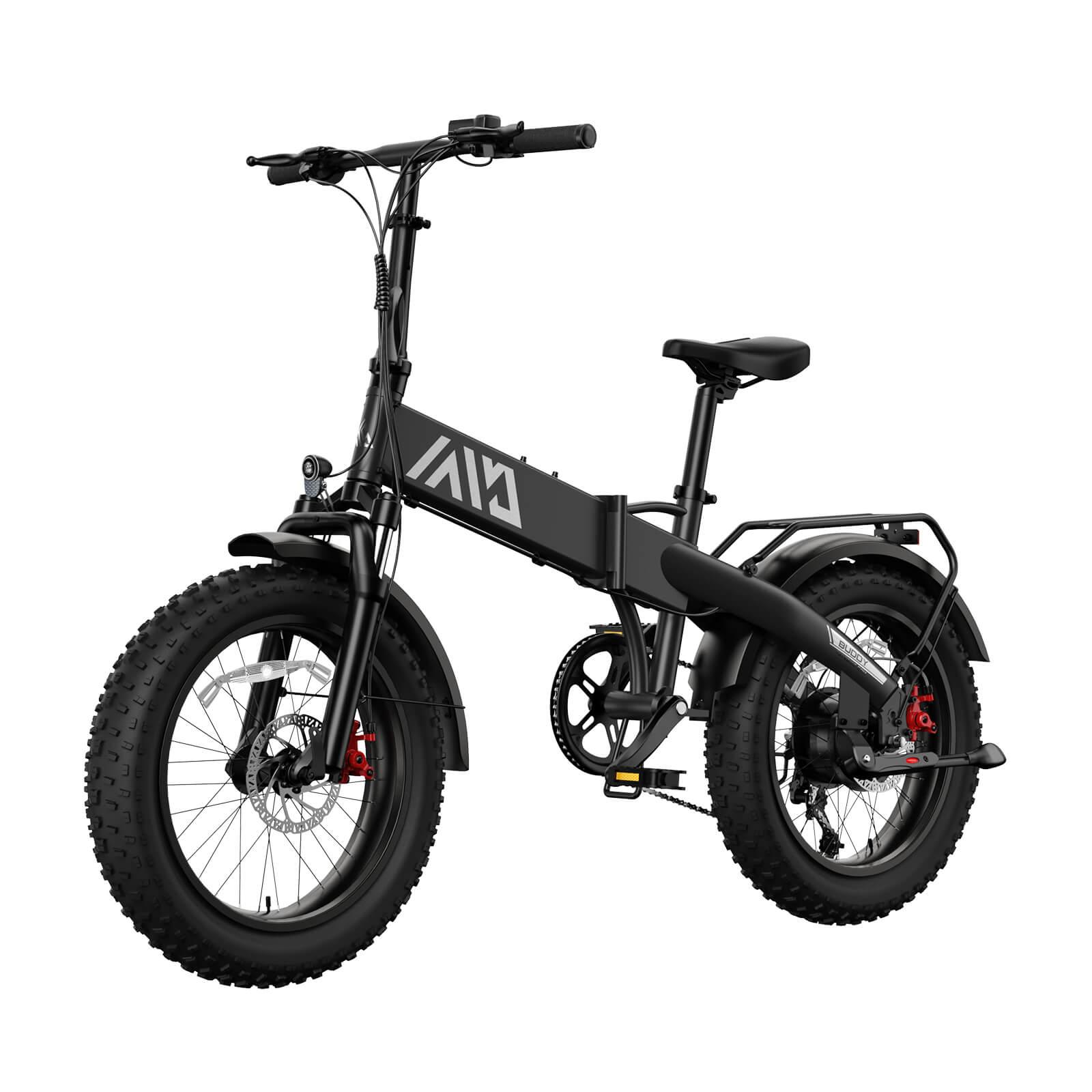










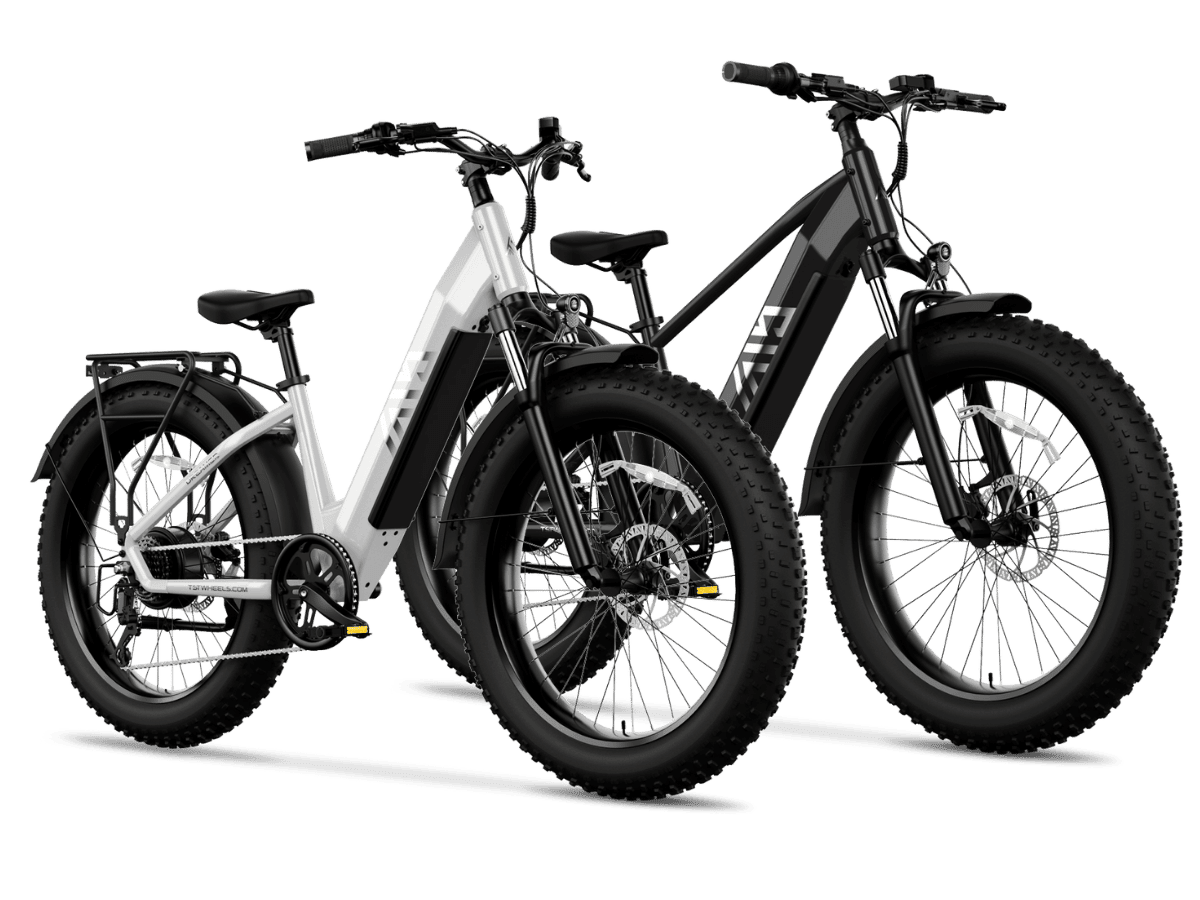
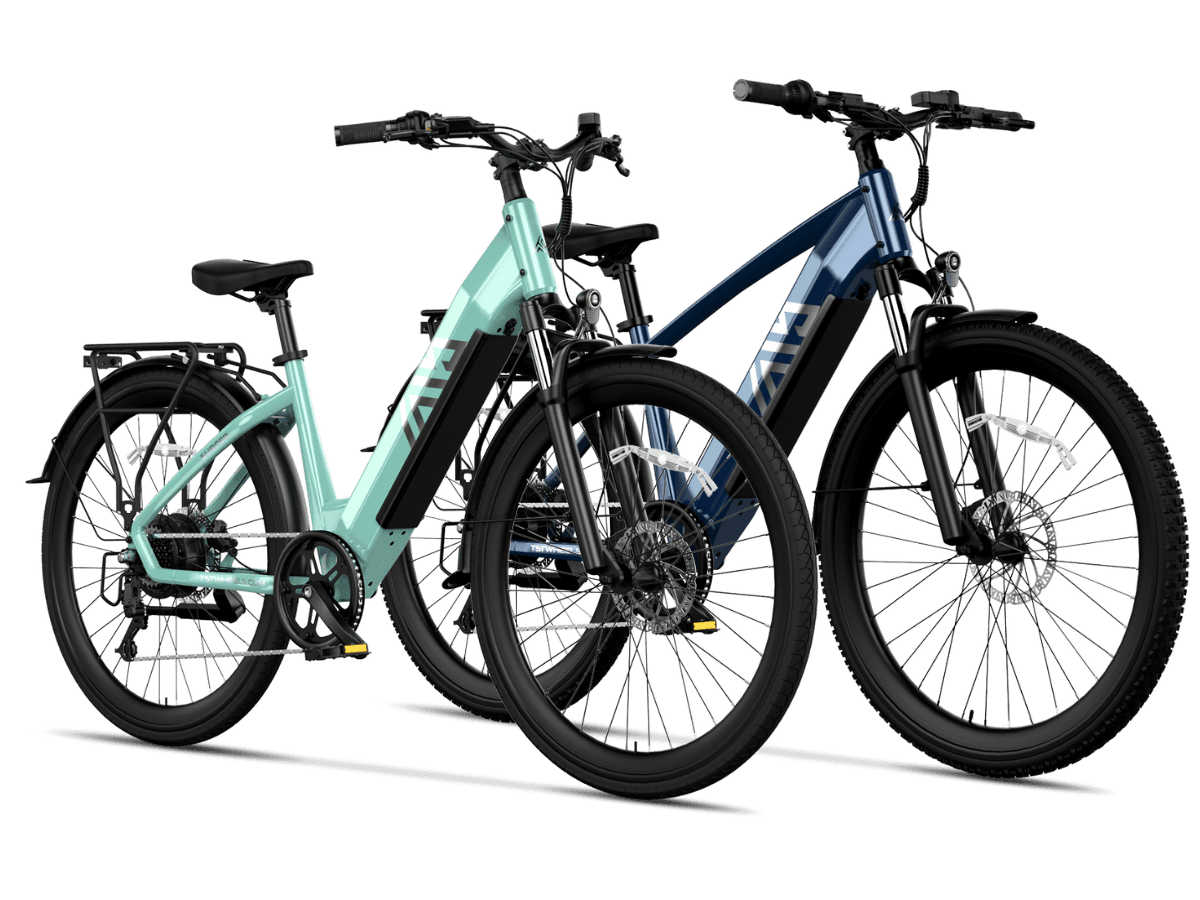
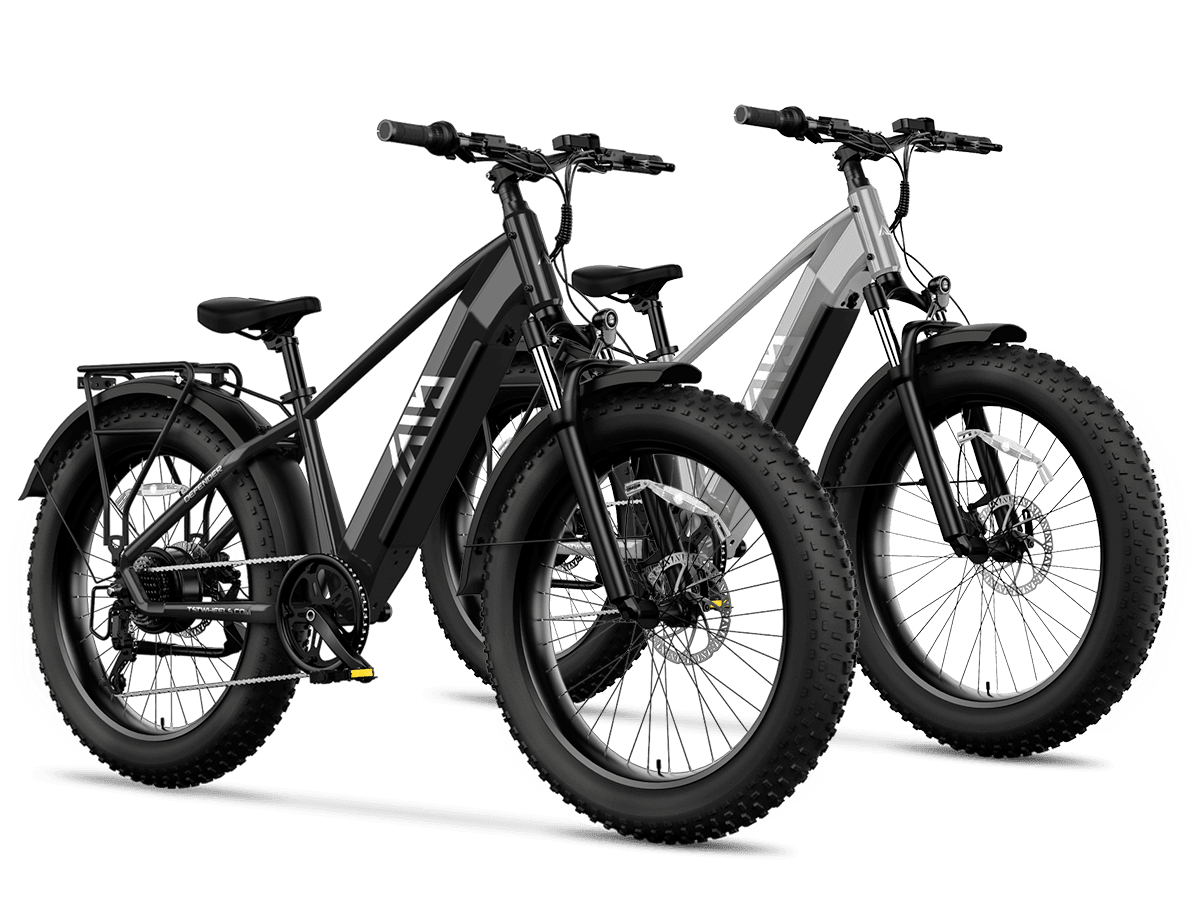
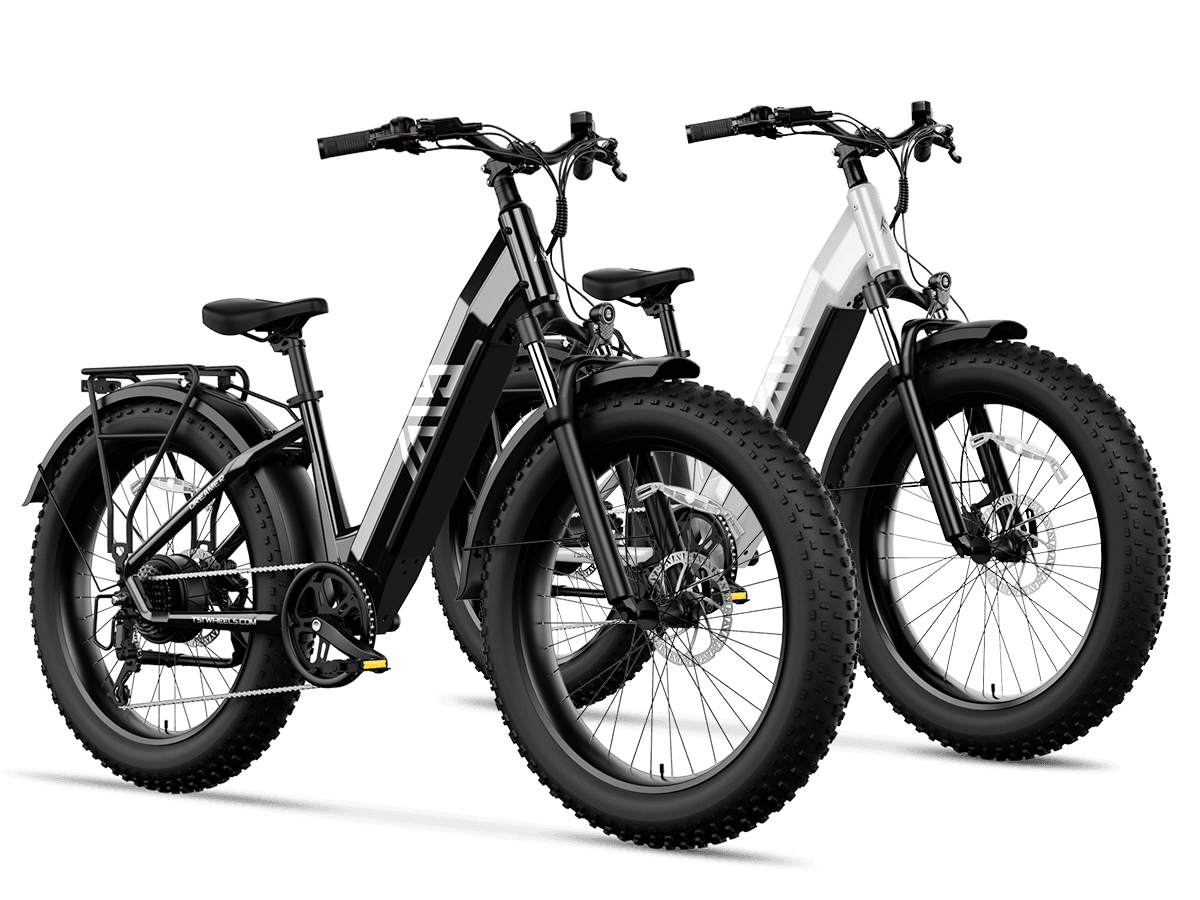

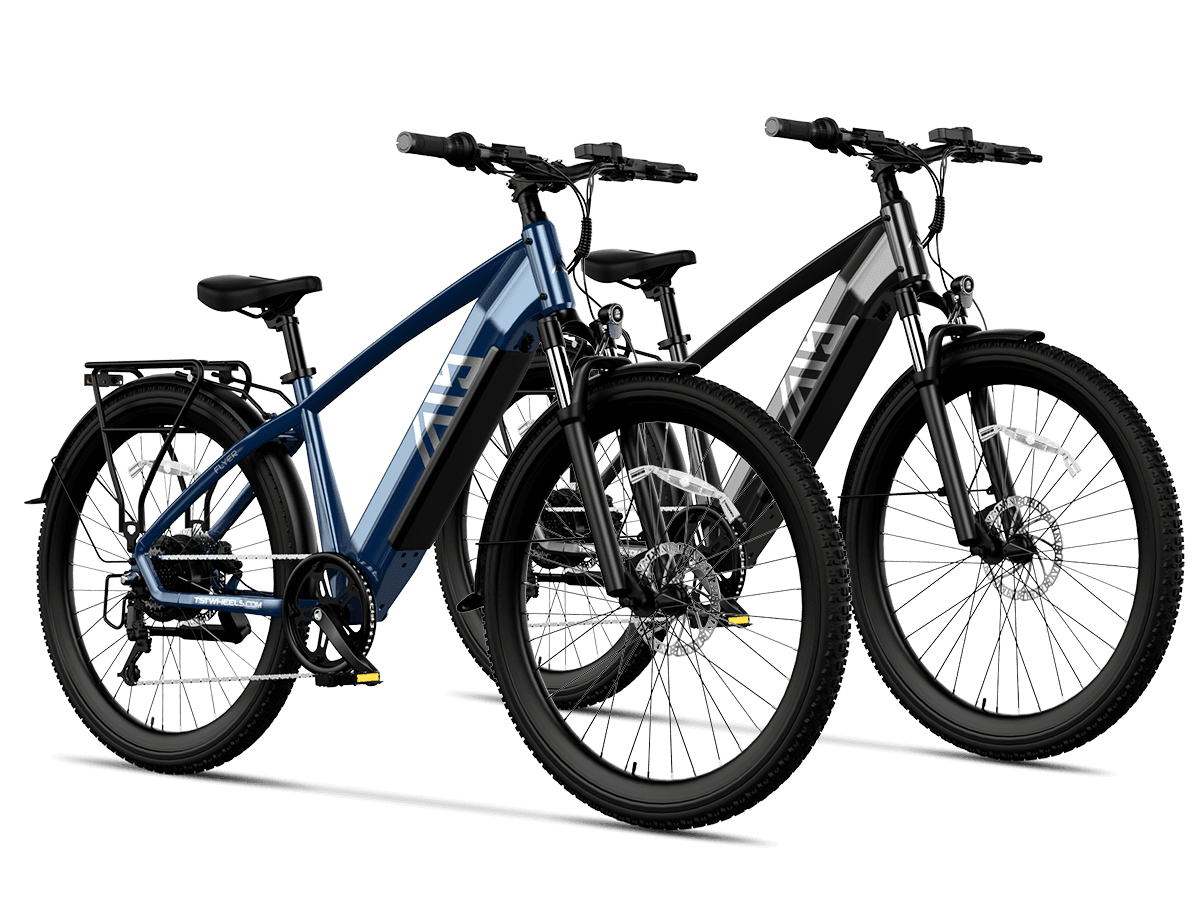

Yes, you can ride a TST electric dirt bike on the road, but only after it meets your state’s street‑legal requirements for lights, mirrors, horn, DOT‑approved tires, VIN, registration, and licensing. In most U.S. states, a stock e‑dirt bike is off‑road only; once converted and registered as a moped or motorcycle, it becomes legal for public roads.
What makes an electric dirt bike street legal?
A street‑legal electric dirt bike meets your state’s minimum on‑road safety and registration standards, typically including DOT‑approved lighting, mirrors, horn, compliant tires, VIN, plate, and proper classification as a moped or motorcycle. Most stock electric dirt bikes are not street legal out of the box and require a conversion plus DMV paperwork to qualify.
From a regulatory standpoint, most U.S. states don’t treat high‑power electric dirt bikes as standard “Class 1–3” e‑bikes, because they exceed 750 W or 28 mph and often lack pedals. Once power and speed pass that threshold, your TST electric dirt bike is usually treated as a moped or motorcycle and must comply with motor‑vehicle rules rather than bicycle rules.
Street‑legal status normally requires DOT‑approved headlights with high/low beam, taillight, brake light, turn signals, rearview mirrors, a horn, and a speedometer, along with a license plate bracket and road‑rated tires. Some TST EBike models are engineered with power and speed options that can align with regional regulations, but dirt‑oriented setups still need these add‑ons for legal road use.
How does U.S. law classify electric dirt bikes for road use?
U.S. law usually classifies powerful electric dirt bikes as mopeds or motorcycles rather than bicycles when they exceed 750 W or 28 mph and lack pedals. This means you must follow motor‑vehicle rules, including registration, insurance, and licensing. Only lower‑power, pedal‑equipped e‑bikes fall into standard Class 1–3 bicycle categories under most state frameworks.
At the federal level, an “electric bicycle” is defined as having operable pedals and a motor under 750 W, which lets those bikes be treated similarly to normal bicycles. High‑power TST electric dirt bikes that can hit 40–60 mph clearly sit outside that definition, so states treat them closer to mopeds or motorcycles.
States then layer on their own classifications. Some allow “Class 3” e‑bikes up to 28 mph without a license, but anything faster or more powerful—like a TST off‑road e‑dirt bike—typically requires motorcycle‑style compliance. That is why a bike that feels like “just an e‑bike” mechanically still needs tags, inspections, and insurance legally.
Typical U.S. classifications for electric two‑wheelers
From a practical standpoint, TST EBike engineers design 26‑inch and 27‑inch platforms to match terrain use but also keep motor and speed configurations within the bands that can be classified legally with fewer compromises. Riders then choose whether to keep a bike off‑road only or invest in full road certification.
Why are most TST electric dirt bikes not street legal out of the box?
Most TST electric dirt bikes are not street legal out of the box because they ship as off‑road machines without DOT‑approved lights, mirrors, signals, horn, street‑rated tires, or registration documents. They are built for torque and control on dirt rather than compliance with on‑road visibility, labeling, and licensing rules that state DMVs require for public‑road use.
A stock off‑road configuration prioritizes suspension travel, knobby tires, and controller tuning for instant torque rather than the smoother, predictable power curve lawmakers expect on pavement. That is why key items such as brake‑light switches, turn‑signal wiring harnesses, and license‑plate mounts are often absent from the factory.
Even when a TST electric dirt bike includes a powerful, efficient powertrain, it cannot legally mix with urban traffic until it has a VIN or manufacturer’s certificate of origin that DMVs can register. Riding it on public streets without those elements exposes you to fines and possible impound, even if the bike feels safe and controllable to you.
How can you make a TST electric dirt bike street legal step by step?
You can make a TST electric dirt bike street legal by adding a DOT‑compliant road kit (lights, signals, horn, mirrors, speedometer, tires), confirming it has a VIN or applying for one, then passing a safety inspection and registering it as a moped or motorcycle with your DMV. After that, you must carry insurance and the license class your state requires.
The practical sequence usually looks like this: first, verify that the frame and documents support registration, including a VIN or manufacturer’s certificate of origin; then install a complete street‑legal kit with headlight, taillight, brake light, turn signals, horn, and rearview mirrors. TST EBike’s higher‑power platforms are designed with enough electrical headroom to power these add‑ons without overloading the system.
Next, swap pure off‑road rubber for DOT‑rated tires and confirm braking performance meets inspection standards. Finally, book a state inspection where required, take your paperwork (bill of sale, inspection certificate, proof of insurance), and register the bike to obtain a plate. Only at this point does the same machine legally move from trail‑only status to a dual‑purpose TST electric dirt bike you can ride to work.
Typical street‑legal conversion checklist
Where do state‑by‑state rules most affect riding your TST electric dirt bike on the road?
State‑by‑state rules affect whether your TST electric dirt bike is classed as an e‑bike, moped, or motorcycle, which roads you can use, whether you need a motorcycle license, and how strict inspections are. Some states allow converted e‑dirt bikes on most roads; others heavily restrict or ban them from public streets without full motorcycle certification.
For example, certain states adopt clear “Class 1–3 e‑bike” rules for low‑power models but treat electric dirt bikes as unclassified motor vehicles that cannot be used on public streets until registered. In places like Texas, high‑power e‑dirt bikes are generally not street legal by default because they don’t fit the standard e‑bike classes.
Other regions permit registered electric mopeds and motorcycles on roads up to a posted speed limit, such as 30 mph corridors in some jurisdictions, while retaining bans on sidewalks and certain paths. TST EBike’s legal guides highlight how high‑speed models must adapt to these local requirements, especially for riders converting 26‑inch snow/sand builds or 27‑inch commuter‑style bikes for mixed use.
Which TST electric setups work best for dual on‑road and off‑road riding?
The best TST electric setups for dual on‑road and off‑road riding balance high‑torque motors with chassis and wheel choices that accept DOT tires, road lighting, and stable highway geometry. Many riders favor 26‑inch fat‑tire builds for soft terrain and 27‑inch platforms for daily commuting and mountain trails once converted to street‑legal spec.
TST EBike designs its 26‑inch models to float over snow and sand, combining fat tires and robust suspension that still accept DOT‑rated options. The 27‑inch platforms lean toward efficient commuting and trail use, offering a more stable, precise feel at speed that suits paved road manners once lights and signals are installed.
Factory‑level experience matters here: when engineers design wiring looms with spare connectors and controller capacity for future lights and accessories, it makes later street‑legal conversions cleaner and more reliable than bolt‑on DIY hacks. That’s where TST EBike’s high‑power but cost‑effective philosophy creates real‑world value for riders who want one bike that can evolve with their needs.
Why does tire choice matter so much for a street‑legal TST electric dirt bike?
Tire choice matters for a street‑legal TST electric dirt bike because off‑road knobbies squirm, wear quickly, and often lack DOT approval on pavement, while road‑rated or dual‑sport tires provide predictable grip, shorter stopping distances, and compliance with inspection rules. The wrong tire can make an otherwise legal conversion feel unstable and fail its safety inspection.
On soft dirt, a tall‑knob tire bites in and sheds mud, but those same tall blocks move and overheat on hot asphalt, especially under the instant torque of a TST electric dirt bike. Inspectors also look for DOT markings on sidewalls; without them, some states won’t pass the bike, regardless of how new or expensive the tires are.
Experienced TST EBike technicians often recommend hybrid dual‑sport tires for riders who split time between trails and pavement. These keep a defined center strip for quiet, efficient road cruising while retaining enough edge lug for forest roads and gravel. That compromise keeps the chassis composed during aggressive braking and high‑speed cornering on tarmac.
How does TST EBike’s 26‑inch vs 27‑inch platform affect real‑world legal use?
TST EBike’s 26‑inch platform is tuned for rough terrain like snow and sand, while the 27‑inch platform targets daily commuting and mountain biking; this affects how easily each can be adapted for legal road use. The 27‑inch layout naturally suits consistent road speeds, whereas the 26‑inch excels off‑road but needs careful tire and suspension setup for pavement.
From a legal‑engineering standpoint, the 27‑inch bikes’ geometry and tire options align well with urban use, making it easier to pair them with DOT‑rated rubber and stable, predictable handling at 25–40 mph. By contrast, the 26‑inch fat‑tire chassis can still be converted, but inspectors may scrutinize braking and lane‑tracking behavior more closely during road tests.
Because TST EBike was built around consumer feedback, its current platforms reflect lessons from earlier generations—such as adding mounting points for lights and more robust brake systems—so they can pass inspections in more than ten countries and dozens of local jurisdictions. That design foresight removes a lot of friction when riders decide to move from off‑road only to true dual‑purpose riding.
Does riding style change when you take a TST electric dirt bike onto the street?
Riding style must change when you take a TST electric dirt bike onto the street because traffic, surface grip, and legal expectations are completely different from trails. On‑road, you need smoother throttle control, stronger situational awareness, consistent signaling, and more conservative cornering lines to stay safe and compliant with traffic law.
Instant torque that feels fun and manageable on loose dirt can overwhelm rear traction or surprise car drivers when applied aggressively from a stop at an intersection. Many experienced riders re‑map power modes or use lower assist profiles for street duty, especially on high‑output TST electric dirt bikes designed to rip off‑road.
On pavement, visibility and predictability count as much as raw braking distance. Using your mirrors, signaling early, and occupying your lane clearly all reduce the risk of close passes and left‑turn collisions. That’s also why a good horn and high‑quality lights are not mere legal boxes to tick; they are critical safety systems once you share space with cars.
Are there common mistakes riders make when trying to ride electric dirt bikes on the road?
Common mistakes include assuming any e‑bike is automatically street legal, skipping DOT‑approved parts, ignoring licensing requirements, and riding unregistered electric dirt bikes on public roads. Riders also frequently underestimate how different off‑road tires, brake setups, and suspension feel on pavement, leading to poor stability and failed inspections.
One widespread misconception is that “quiet equals legal.” Electric dirt bikes make very little noise, but that has no bearing on whether they meet state vehicle codes for lights, mirrors, plates, and classification. Another error is mounting cheap, non‑certified lights that satisfy appearance but fail the brightness and beam requirements inspectors use.
Experienced TST EBike technicians also see riders skipping VIN and document checks, only discovering at DMV that their frame was never intended for on‑road registration. The smart move is to confirm VIN status, then build your conversion plan around a known legal path instead of bolting on parts blindly and hoping for approval.
TST EBike Expert Views
“When riders ask if their TST electric dirt bike can go on the road, the honest answer is: the frame and motor almost always can, but the paperwork and details decide everything. In our workshops, the cleanest conversions start with a proper VIN, a realistic target speed, and a tire and brake package that we’d trust with our own families in city traffic.”
Why does TST EBike emphasize cost‑effective high power for real riders?
TST EBike emphasizes cost‑effective high power to give real riders usable torque for hills, cargo, and soft terrain without forcing them into exotic, hard‑to‑service components. The brand prioritizes robust, proven parts and straightforward wiring so owners can maintain and upgrade bikes themselves, including future street‑legal conversions when regulations and needs evolve.
Rather than chasing headline peak‑power numbers at the expense of thermal stability, TST EBike focuses on controller and motor pairings that can sustain torque without overheating during long climbs or urban stop‑and‑go. That matters legally and practically because overheated systems can fade brakes and cut power at exactly the wrong time in traffic.
By listening to consumer feedback from more than 20 offline stores and riders in over 10 countries, the company has refined its 26‑inch and 27‑inch platforms to withstand daily commuting abuse, not just weekend fun. This long‑term durability is a quiet but crucial part of “street legality”: a bike that holds alignment, braking performance, and wiring integrity will keep passing inspections year after year.
When is it better to choose a factory street‑legal e‑bike instead of converting a TST electric dirt bike?
It is better to choose a factory street‑legal e‑bike when your riding is mostly urban commuting at bicycle‑path speeds, you prefer staying within Class 1–3 rules, or you don’t want to deal with DMV registration and motorcycle licensing. Conversion makes more sense if you truly need dirt‑bike performance plus occasional road connectivity between trails.
Factory street‑legal e‑bikes that fit federal and state e‑bike definitions avoid many headaches: in most states you can ride them without a license or registration on designated roads and paths. TST EBike offers such compliant models with 27‑inch wheels tailored for everyday commuting and mountain biking, designed around those legal limits.
On the other hand, if your priority is serious off‑road power—comparable to small displacement motorcycles—then a TST electric dirt bike with a well‑planned street‑legal conversion delivers a more capable chassis and higher ceiling. The key is going into the project knowing you are entering moped/motorcycle legal territory, not bicycle territory.
Is converting a TST electric dirt bike to street legal status worth the cost?
Converting a TST electric dirt bike to street legal status is worth the cost if you frequently need to connect off‑road zones via public roads, want one machine instead of owning both an e‑bike and a motorcycle, and are comfortable with DMV processes. For short urban hops or pure trail riding, a non‑converted or factory e‑bike may be more economical.
Conversion kits and parts typically run a few hundred dollars, with full setups often in the 300–850 dollar range once you factor in proper DOT lighting, quality mirrors, horn, tires, and hardware. Add inspection fees, registration, and possible licensing courses, and the total investment reflects a serious vehicle, not a toy.
However, when you start with a robust TST EBike chassis and motor already engineered for high power, the resulting dual‑purpose machine can rival much more expensive electric motorcycles in real‑world performance. For riders who regularly mix forest roads, sand, and city streets, that flexibility often justifies the cost and effort.
Conclusion: How should you decide whether to ride your TST electric dirt bike on the road?
You should decide whether to ride your TST electric dirt bike on the road by honestly assessing your local laws, riding mix, and comfort with registration and licensing. In most regions, you must fully convert and register the bike as a moped or motorcycle; riding stock off‑road setups on public streets is usually illegal and risks fines and impoundment.
Start by checking your state’s e‑bike and moped/motorcycle rules, then verify whether your TST electric dirt bike has the right documentation and VIN for road registration. From there, map out a conversion plan that includes DOT lighting, mirrors, horn, tires, and braking upgrades, aiming for a stable, confidence‑inspiring ride at your typical road speeds.
If your riding is 80% urban and 20% dirt, a factory‑compliant TST EBike commuter platform may be the smarter pick. If you live for trails but need to legally link them, a properly converted TST electric dirt bike can be a powerful, cost‑effective solution—provided you respect both engineering limits and legal requirements every time you hit the street.
FAQs
Can I ride my stock TST electric dirt bike on city streets?No. A stock TST electric dirt bike is usually off‑road only until it has DOT‑approved equipment, registration, and any required license, according to your state’s rules.
Do I need a motorcycle license to ride a converted TST electric dirt bike?Often yes. Many states require a motorcycle endorsement for high‑power electric dirt bikes registered as mopeds or motorcycles, especially if they exceed 750 W or typical e‑bike speeds.
How long does a street‑legal conversion inspection take?Actual inspection time is usually under an hour, but scheduling, paperwork, and possible re‑inspection if something fails can stretch the process over several days or weeks.
Will converting my TST electric dirt bike affect its off‑road performance?Slightly. DOT tires and added lighting weight may reduce extreme off‑road grip and agility, but a well‑planned setup still performs strongly on trails while remaining safe and legal on pavement.
Are there TST EBike models that are road‑ready without full motorcycle registration?Yes. TST EBike also offers lower‑power, pedal‑equipped e‑bikes designed to fit common Class 1–3 rules in many states, reducing or eliminating the need for motorcycle‑style registration.

Leave a comment
This site is protected by hCaptcha and the hCaptcha Privacy Policy and Terms of Service apply.