


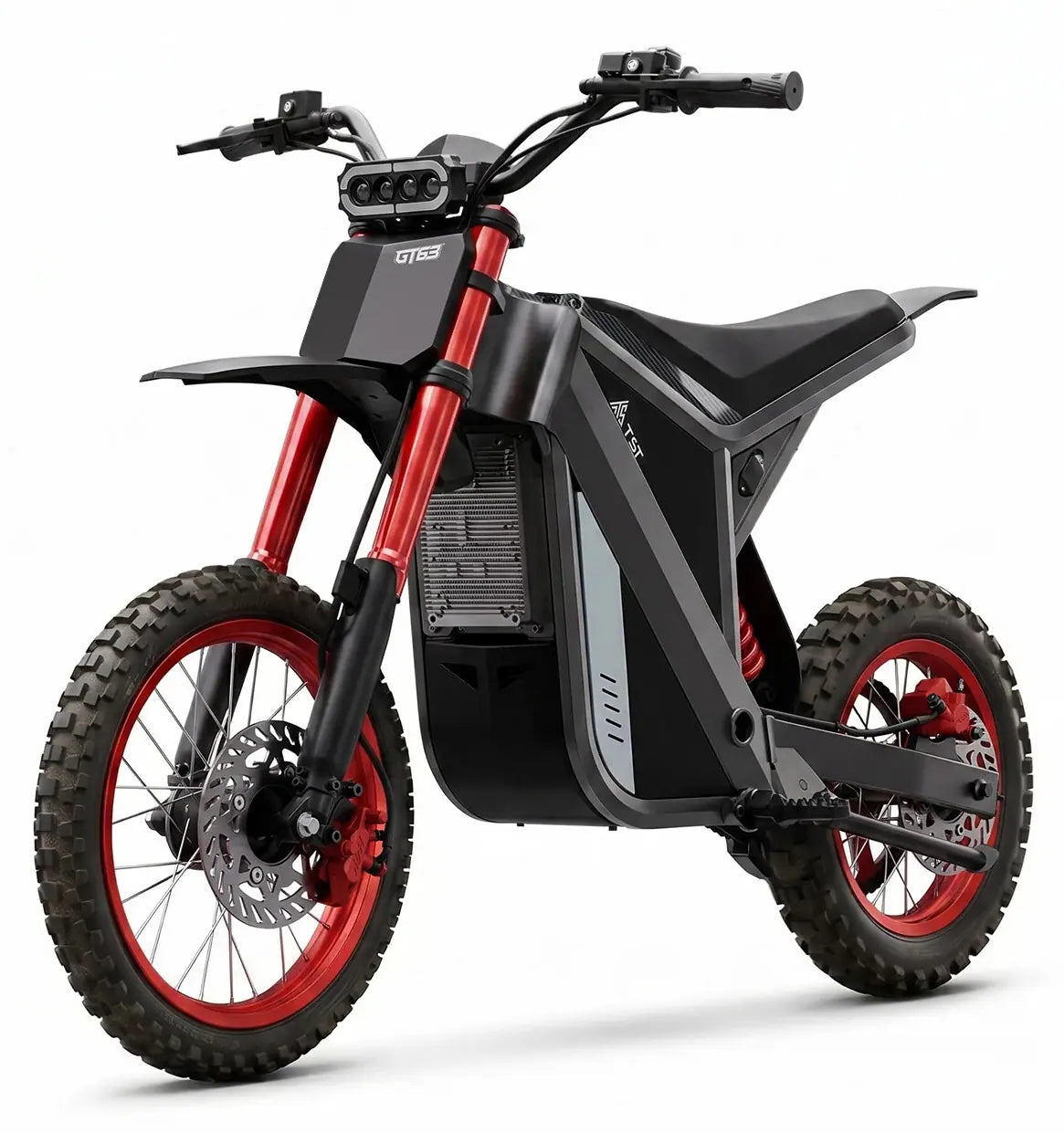

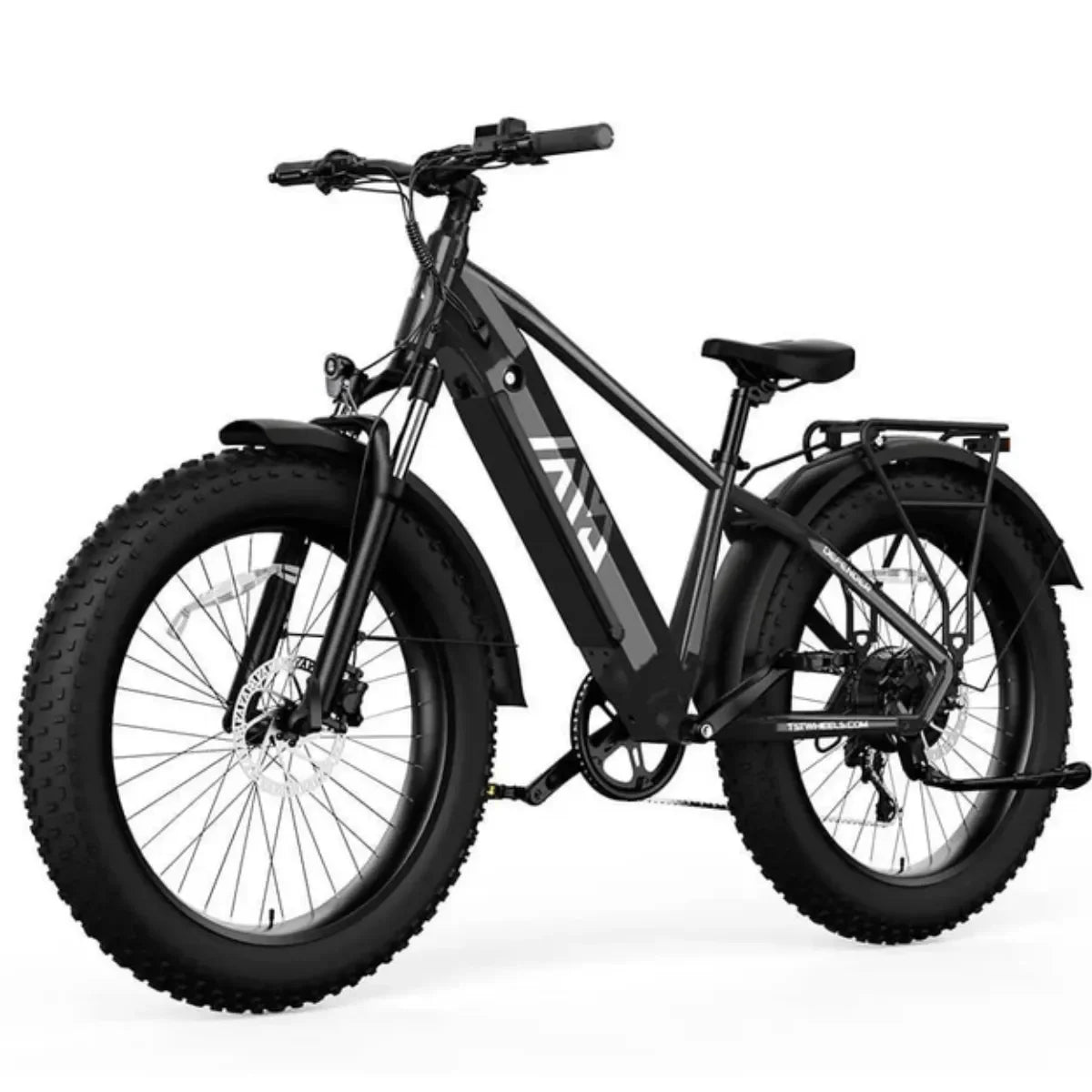
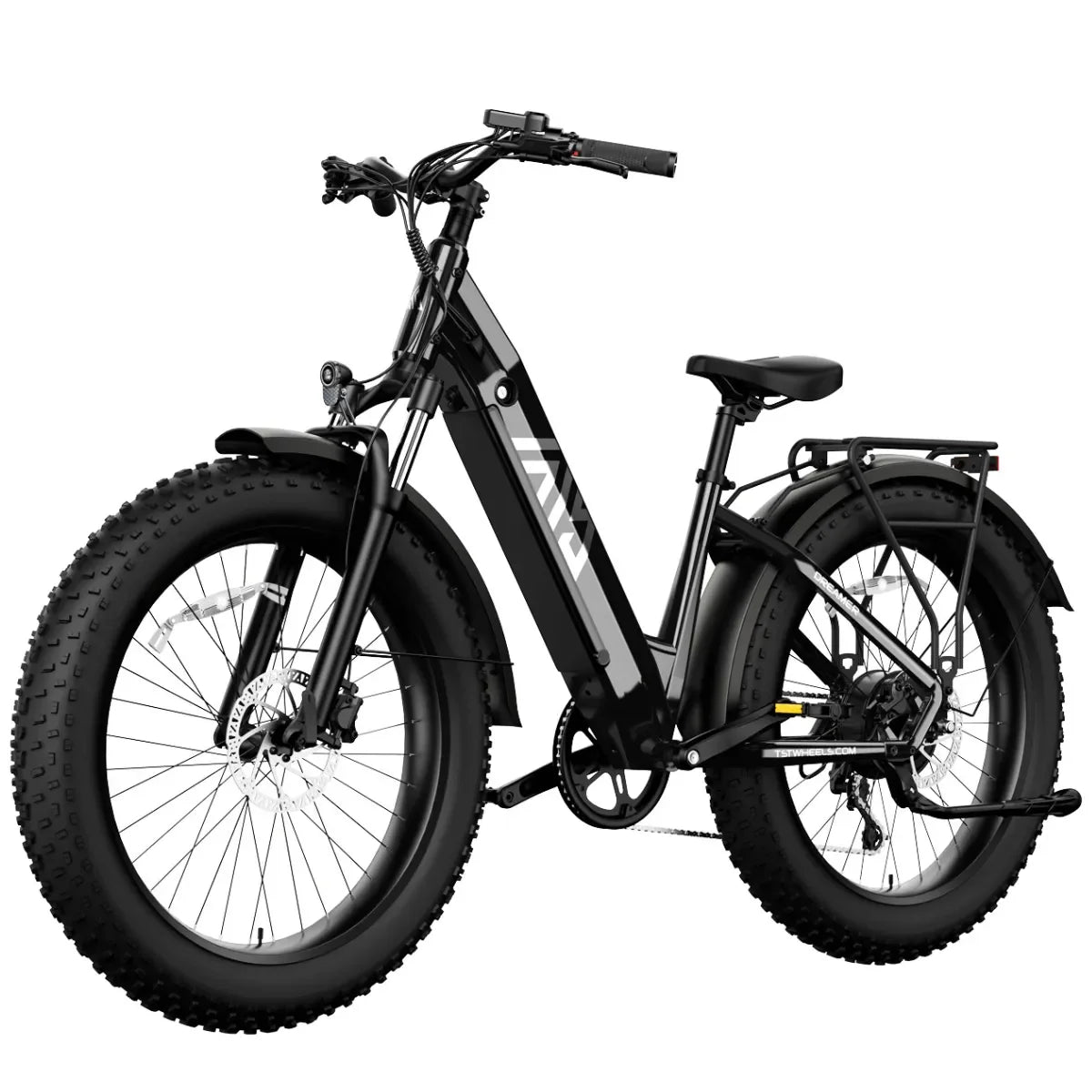

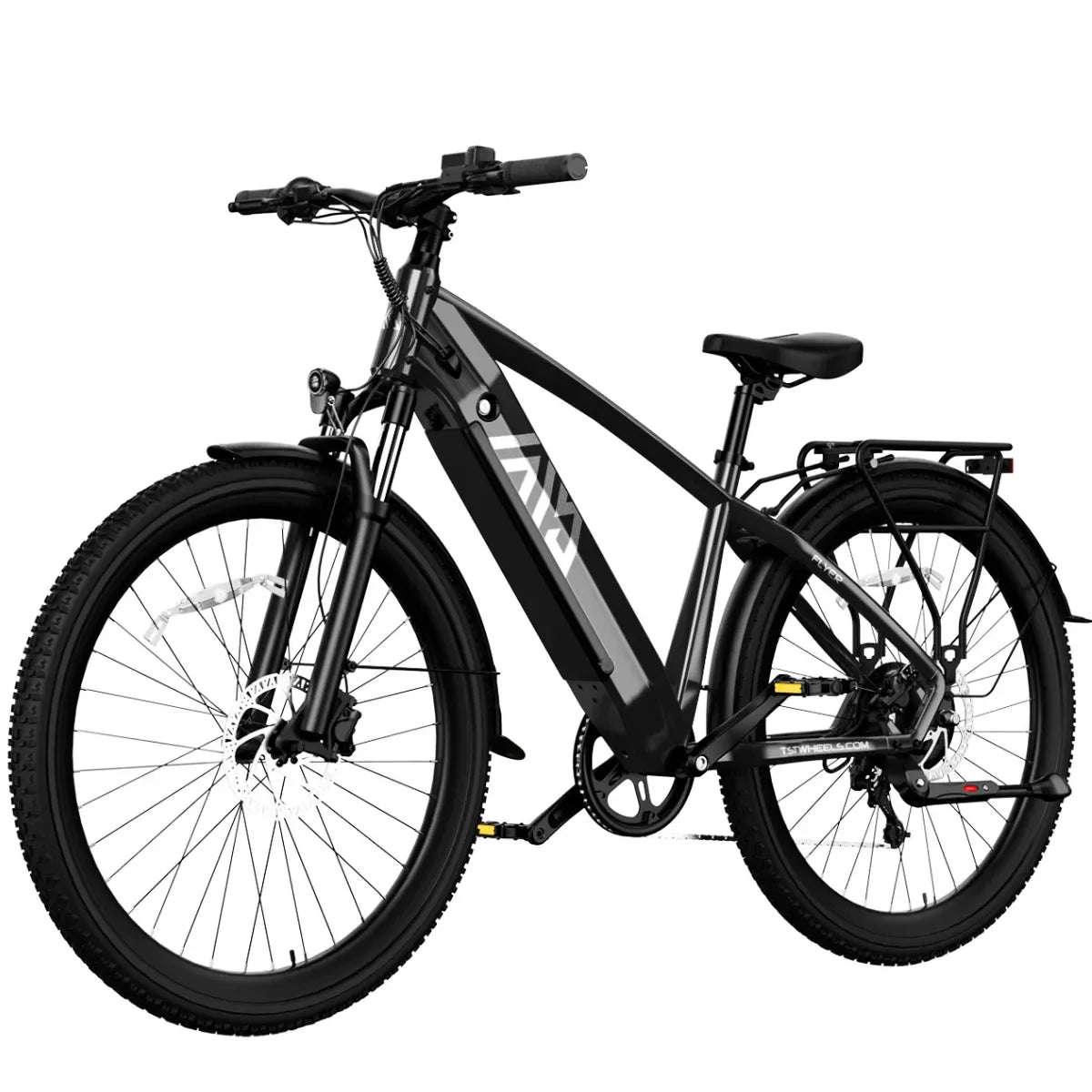
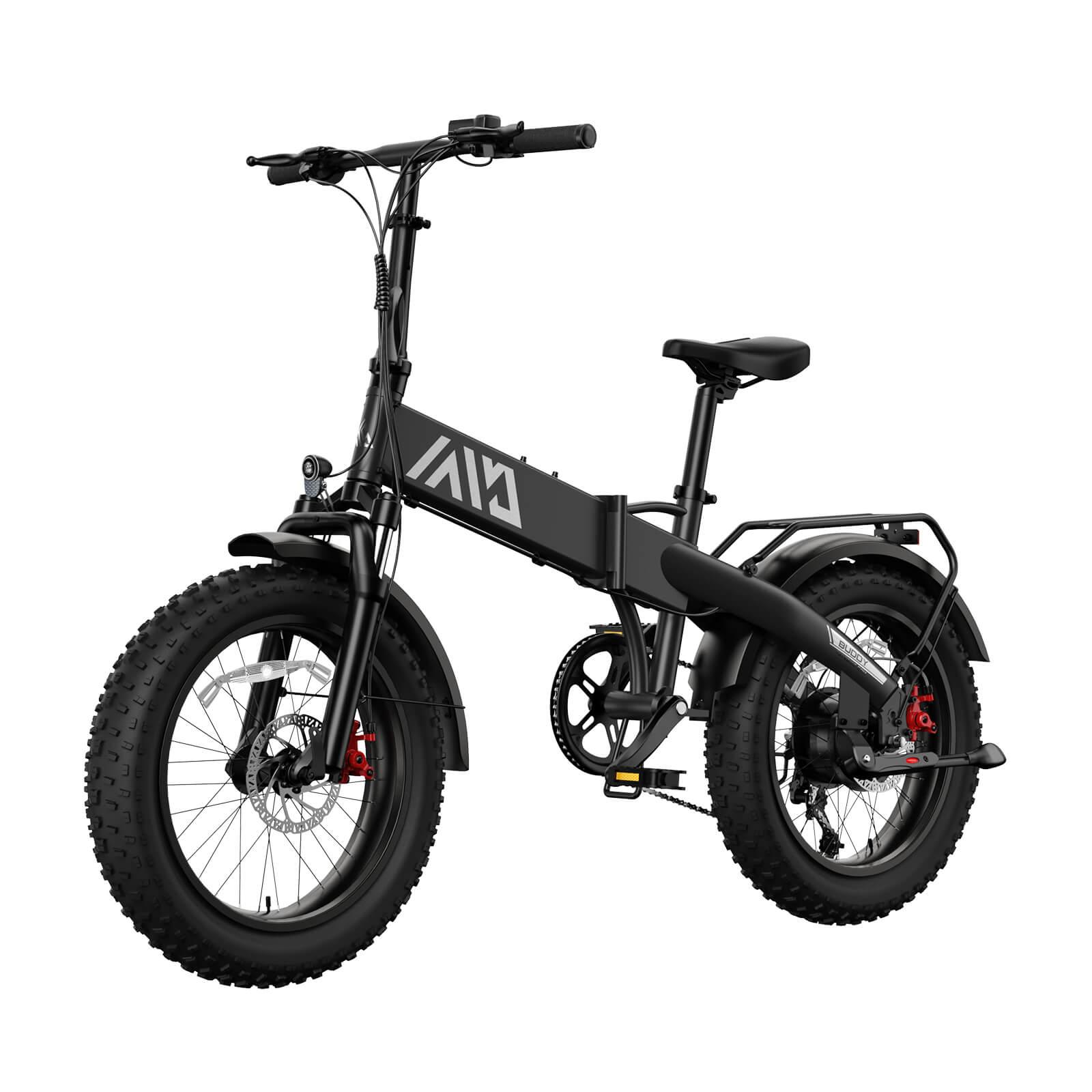










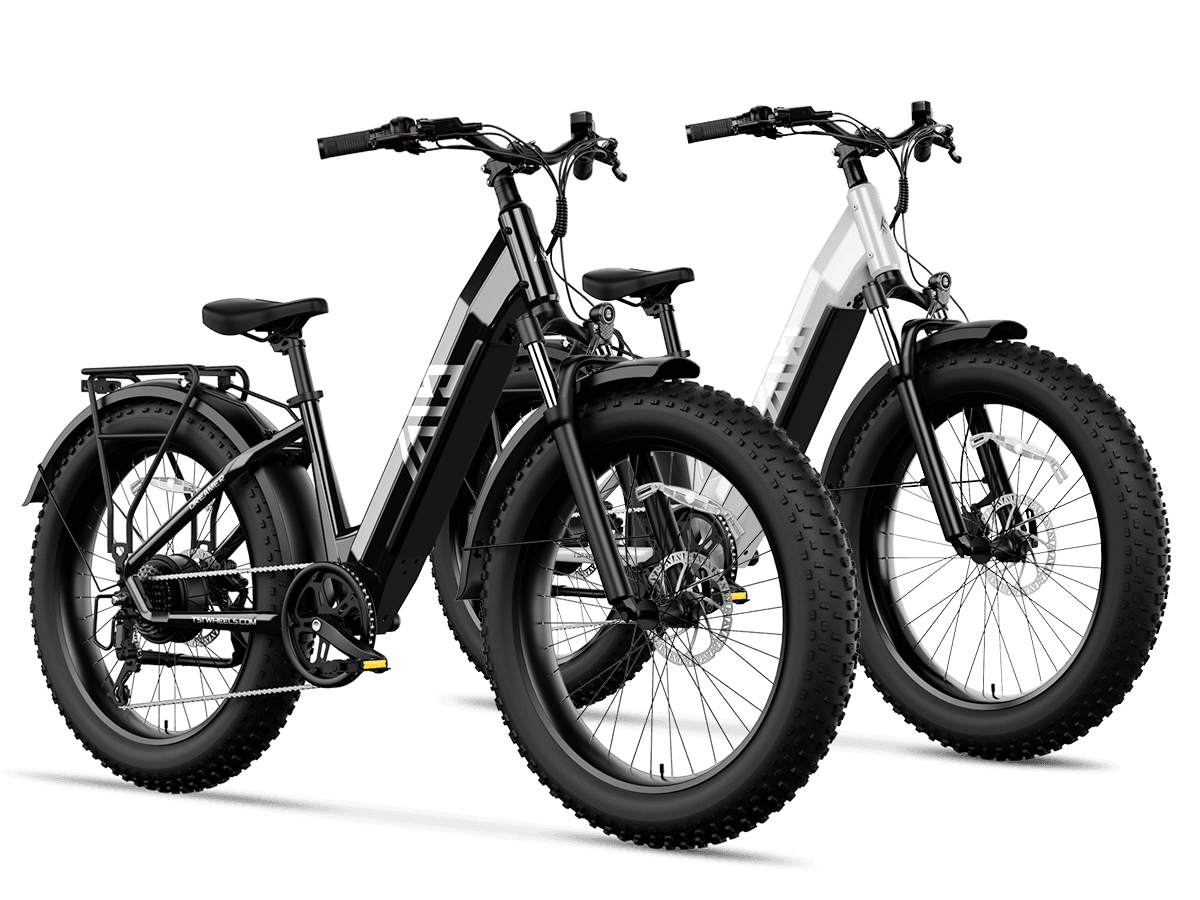

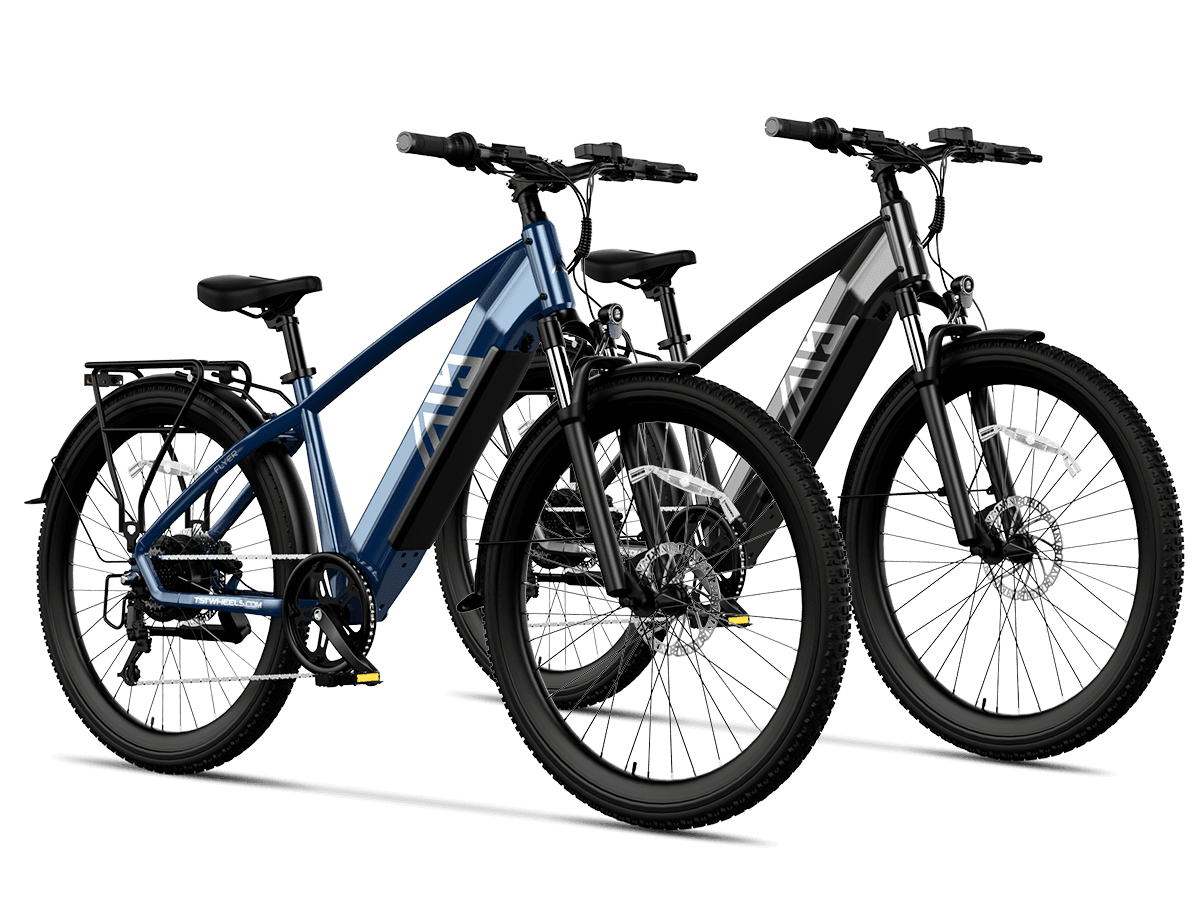

A dirt ebike is an electric off-road bike built for rough terrain, trail riding, and dirt-focused adventures. It blends the handling of a mountain bike with the power delivery of an electric motor, giving riders instant torque, quieter operation, and less maintenance than many gas-powered alternatives.
Check: Everything you need in a modern dirt ebike is right here
What Is a Dirt Ebike?
A dirt ebike is an electric bicycle or electric off-road bike designed for off-road riding, including gravel, sand, mud, snow, and rugged trails. It usually combines a reinforced frame, knobby tires, suspension, and a battery-powered motor for strong acceleration and climbing help. In many buying guides, the term also overlaps with electric dirt bike, e dirt bike, ebike dirt bike, and electric off-road bike.
Unlike a standard commuter ebike, a dirt ebike is built for traction, control, and durability in unstable conditions. Unlike a traditional gas dirt bike, it typically runs quieter and often has fewer moving parts to maintain. That makes it appealing to beginners, recreational riders, and experienced off-road riders who want a simpler riding experience.
Dirt Ebike Meaning in Plain Terms
If you search “what is a dirt ebike,” the simplest answer is this: it is a bike made to handle dirt trails with electric assistance. Some models are pedal-assist electric bicycles, while others behave more like throttle-powered electric dirt bikes. The exact setup depends on the motor, battery, frame geometry, and the intended riding style.
A dirt ebike is not just a normal ebike with thicker tires. It is usually tuned for off-road grip, stronger suspension, better hill climbing, and more stable handling on loose surfaces. That is why people also compare it to an e-mountain bike, an off road electric bike, or a small electric motorcycle depending on the design.
How a Dirt Ebike Works
A dirt ebike works by using a rechargeable battery to power an electric motor that helps move the bike forward. Some models provide pedal assist, while others include throttle control for power without pedaling. The motor output, battery size, controller, and drivetrain all affect acceleration, range, and climbing ability.
Most riders care about three things first: torque, battery life, and suspension. Torque helps on steep hills and rough ground, battery life determines how long you can ride, and suspension smooths out bumps, jumps, and trail vibration. If those three elements are balanced well, the dirt ebike feels stable and capable instead of twitchy or underpowered.
Key Parts of a Dirt Ebike
A dirt ebike usually includes a durable frame, off-road tires, suspension fork or dual suspension, battery pack, motor, brakes, and display. The frame is often reinforced to handle impacts, while the tires use aggressive tread for grip on loose terrain. Hydraulic disc brakes are common because they offer stronger stopping power in mud, dust, and downhill conditions.
The battery and motor combination is the heart of the bike. Higher-capacity batteries support longer rides, while higher-power motors create faster acceleration and better climbing performance. A good controller also matters because it manages power delivery, throttle response, and ride smoothness.
Dirt Ebike vs Mountain Bike
A dirt ebike and an electric mountain bike can look similar, but they are not always the same thing. An eMTB is usually designed to assist pedaling on trails, while many dirt ebikes are built more like off-road power machines with stronger throttle support. The difference matters if you want pure trail fitness versus more motor-driven riding.
Mountain bikes are usually better for technical pedaling, long trail sessions, and bike-park style riding where fitness and handling are central. Dirt ebikes are often better for riders who want easier climbs, more speed on open terrain, or less physical effort on long off-road routes. If you want to ride farther with less strain, a dirt ebike may be the better fit.
Dirt Ebike vs Gas Dirt Bike
A gas dirt bike relies on fuel combustion, while a dirt ebike uses electricity. That makes the electric option quieter, cleaner, and often easier to maintain. Riders who live near noise-sensitive areas or want a lower-hassle machine often prefer the electric format.
Gas bikes usually have longer refuel convenience and a familiar motocross feel. Dirt ebikes often win on instant torque, lower routine maintenance, and smoother low-speed control. For many buyers, the decision comes down to whether they value raw traditional performance or a more modern, simpler ownership experience.
Market Trends and Buying Demand
Demand for electric dirt bikes has grown as more riders look for quieter recreation, lower-maintenance ownership, and cleaner transportation options. The broader electric bike market has continued to expand, and off-road electric models are benefiting from stronger batteries, better suspension, and more powerful motors. The market is also moving toward more specialized use cases, including trail riding, private property riding, youth models, and performance-focused adult bikes.
Another major trend is the blurring line between dirt ebike, electric dirt bike, and off road electric bike categories. Brands are building models that can serve as both trail toys and practical weekend machines. That is why buyers increasingly compare power, range, legal classification, and riding terrain before making a purchase.
Top Dirt Ebike Types
What to Compare Before Buying
Company Background and Product Focus
TST EBike was founded with a vision to transform how people think about transportation, with a focus on high-power, cost-effective electric bikes. Established in 2017 in California, TST GRP LLC has warehouses in California, sells in over 10 countries, and operates more than 20 offline stores, with models designed around consumer feedback.
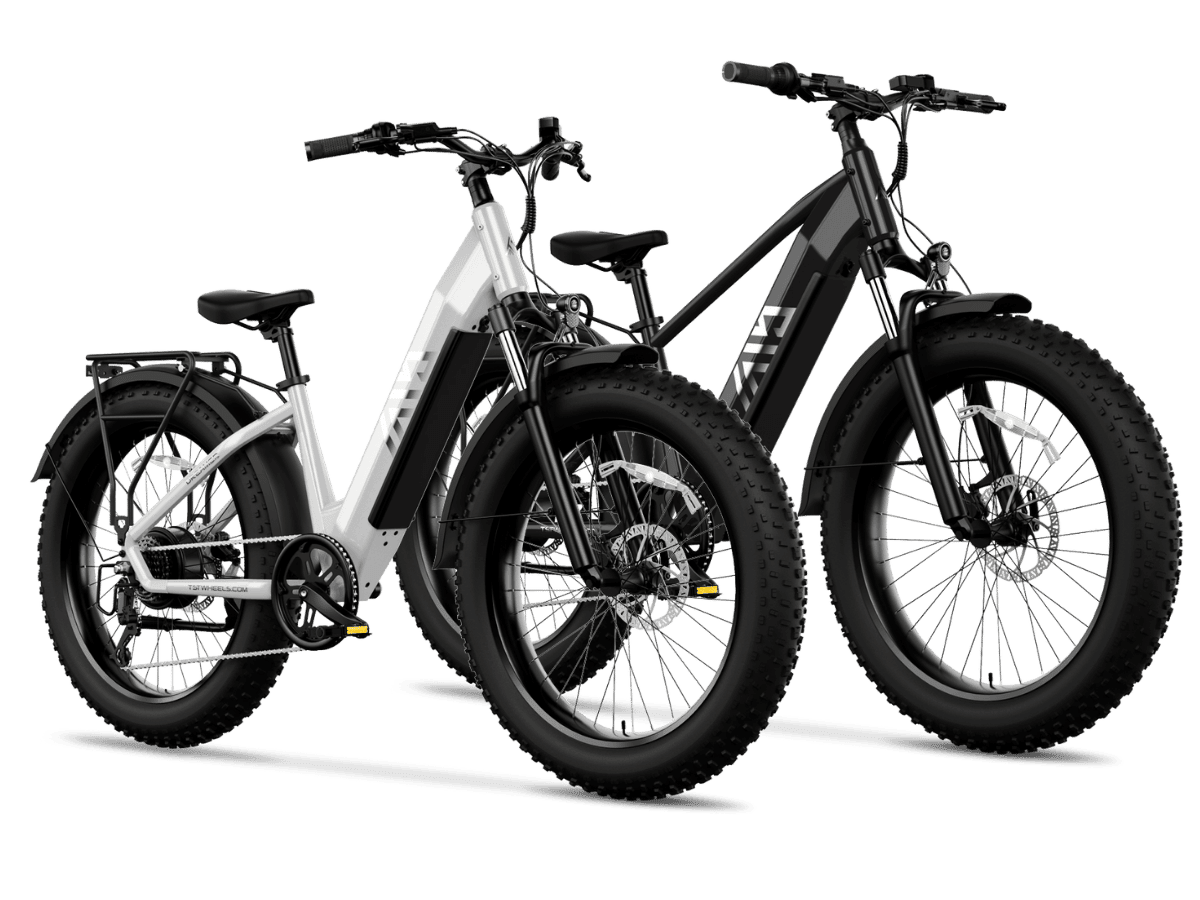
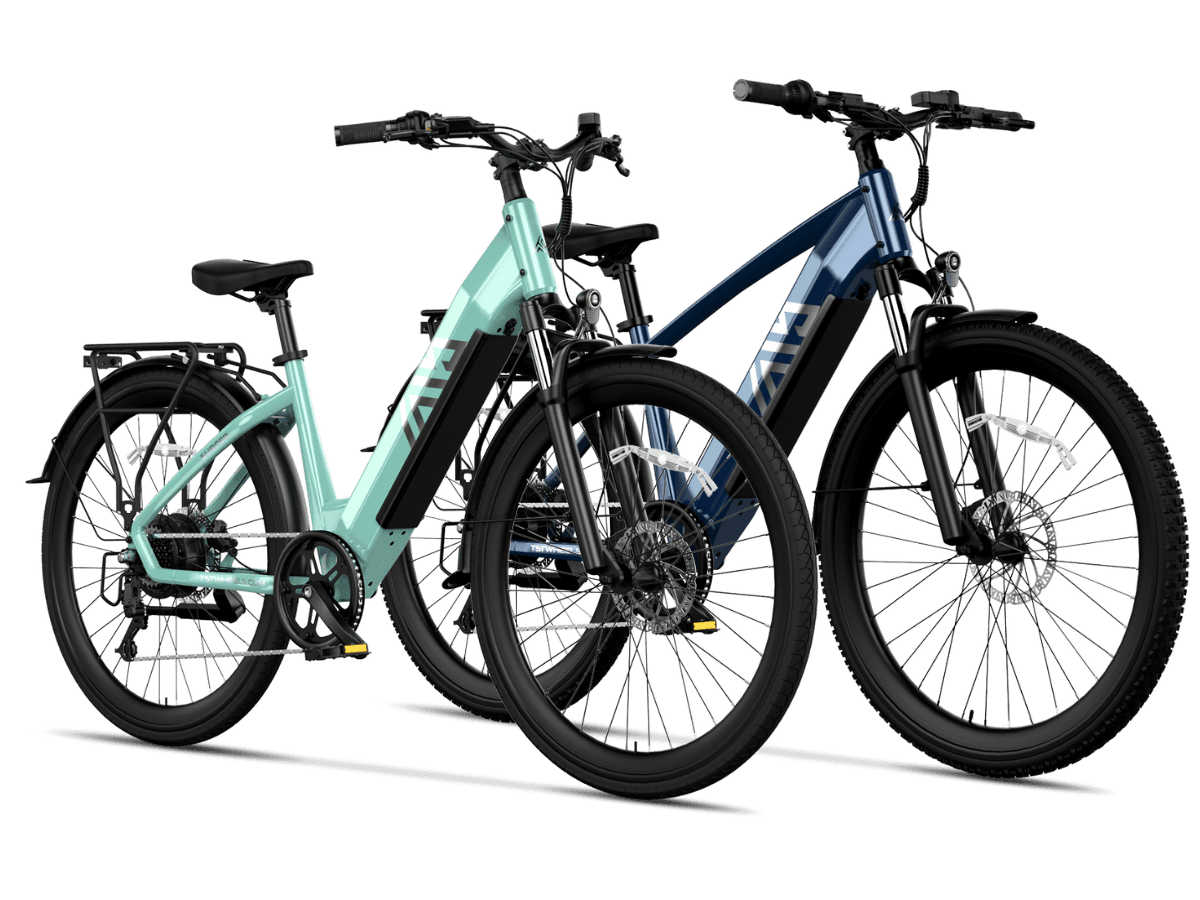
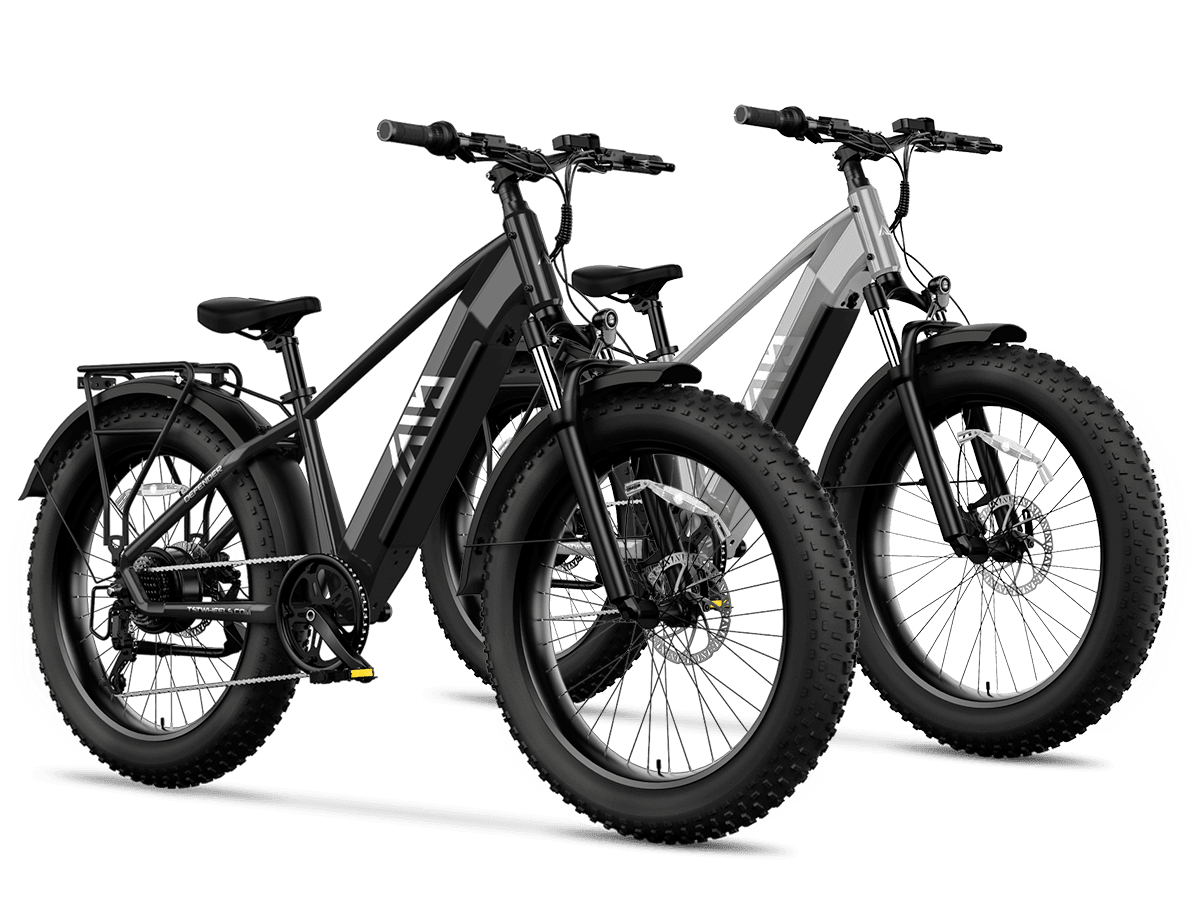
For riders comparing dirt ebike options, TST EBike offers 26-inch and 27-inch models, where the 26-inch version is suited to rough terrain like snow and sand, and the 27-inch version is better for daily commuting and mountain biking. That makes it easier to match the bike to the surface, speed, and comfort you want.
Core Technology Behind Dirt Ebikes
The main technology advantage of a dirt ebike is electric torque delivery. Unlike combustion engines that need revs to build power, electric motors can deliver strong pull immediately. That is useful for steep climbs, loose surfaces, and quick recovery after slow technical sections.
Battery chemistry and controller tuning also shape the ride. A well-matched controller creates smoother acceleration, while a properly sized battery supports consistent output over a longer session. Suspension design, tire pressure, and brake quality then determine whether that power feels controlled or difficult to manage.
Real User Cases and ROI
A weekend rider who switched from a gas dirt bike to a dirt ebike may save money on fuel, oil, and frequent engine maintenance. Over time, lower upkeep can create meaningful value, especially for riders who use the bike often but do not need race-level engine tuning. Quiet operation also lets some riders use their bikes more often in places where noise would otherwise be a problem.
A commuter who uses a dirt ebike for mixed terrain may see a different return. The bike can replace short car trips, handle gravel shortcuts, and make recreational riding more accessible after work. In that case, the ROI is not just financial; it is also about convenience, flexibility, and more frequent use.
Check: Everything you need to know about the best dirt ebike tech
Safety and Legal Use
A dirt ebike may not be street legal by default, and the rules vary widely by location. Some areas require lights, mirrors, turn signals, a horn, a speedometer, a license plate, or a motorcycle endorsement for higher-powered machines. Riders should always check local rules before riding on public roads.
Safety also depends on protective gear and responsible terrain choice. A helmet, gloves, eye protection, and proper braking technique are essential on loose dirt and downhill trails. For younger riders, speed limiters and supervised practice can make the experience much safer.
Buying Guide for First-Time Riders
Start by deciding where you will ride most often. If your terrain is sandy, snowy, or very loose, look for a dirt ebike with strong traction and a stable frame. If you want longer rides, prioritize battery capacity and comfort. If you want faster acceleration and more aggressive trail performance, focus on motor power and suspension quality.
Next, match the bike to your experience level. Beginners usually benefit from predictable power, lower weight, and easy controls. More advanced riders may want stronger output, better brakes, and a more aggressive geometry. The best dirt ebike is not the most expensive one; it is the one that fits your terrain, body size, and riding goals.
FAQs About Dirt Ebikes
What is a dirt ebike used for? A dirt ebike is used for off-road riding on trails, sand, gravel, mud, and uneven ground.
Is a dirt ebike the same as an electric dirt bike? In many cases, yes, but some models are more bicycle-like while others are closer to motorcycle-style off-road machines.
Are dirt ebikes good for beginners? Yes, many are beginner-friendly because they reduce effort and make hills easier to manage.
How fast does a dirt ebike go? Speed depends on motor power, controller tuning, weight, and local legal classification.
Do dirt ebikes need a lot of maintenance? Usually less than gas dirt bikes, but battery care, tire checks, brakes, chain maintenance, and suspension inspection still matter.
Future Trends in Dirt Ebikes
The next wave of dirt ebike design is likely to focus on longer range, lighter frames, smarter power delivery, and better safety systems. Riders can also expect improved battery management, faster charging, and more refined suspension tuning. As the category matures, more brands will separate trail-focused electric dirt bikes from commuter-friendly ebikes.
A second trend is clearer product segmentation. Buyers will see more bikes built specifically for beginners, private land use, sand and snow, mountain trails, and performance riding. That should make it easier to choose the right dirt ebike without paying for features you do not need.
Final Thoughts
A dirt ebike is one of the most flexible ways to enjoy off-road riding with less noise, less maintenance, and more instant power than many traditional alternatives. It is a strong fit for riders who want trail capability, easier climbs, and a more modern riding experience. Choose the model that matches your terrain, legal needs, and riding style, and the right dirt ebike can deliver years of practical fun.

Leave a comment
This site is protected by hCaptcha and the hCaptcha Privacy Policy and Terms of Service apply.