


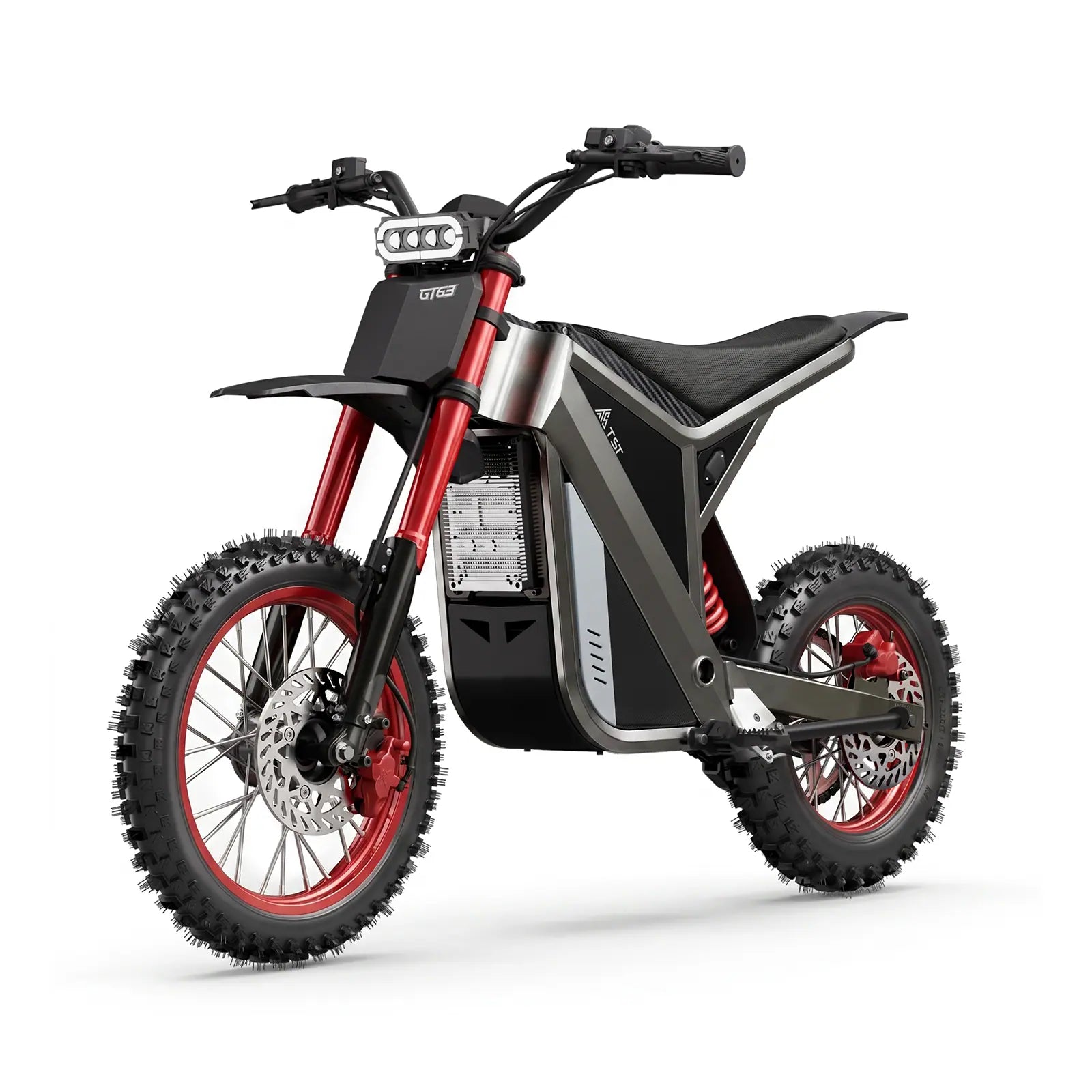














Winter dirt ebike riding is absolutely possible when you match your tires, pressure, battery handling, and riding style to snow and ice. The safest setup uses fat or studded tires, lower tire pressure, warmed batteries, smooth throttle inputs, and slower cornering. With the right winter prep, a dirt ebike can stay stable, efficient, and genuinely fun on snowy trails.
Check: All-season performance: Winter dirt ebike riding gear
What Makes Winter Dirt Ebike Riding Different?
Winter changes traction, range, braking distance, and rider comfort all at once. Snow can float, pack, or hide ice underneath, so the same trail can feel stable in one section and sketchy in the next. Cold also reduces battery output, which means your bike may feel stronger at the start of a ride than at the end.
For me, winter riding is mostly about reading surface texture. Fresh powder rewards flotation, packed snow rewards consistency, and glare ice punishes sudden inputs. The bike is only half the system; the other half is how calmly you manage it.
How Should You Prepare Your Ebike?
The best winter prep starts before you reach the trailhead. Inspect tires, brakes, battery sealing, drivetrain lubrication, and lighting, then make sure the battery is fully warmed before departure. On TST EBike models, winter-ready setup matters even more because high-torque riding can expose weak traction immediately.
A practical winter prep routine looks like this:
-
Check tire tread and sidewall condition.
-
Verify brake pads and rotor alignment.
-
Keep the battery indoors until right before the ride.
-
Wipe down the chain and re-lube with a winter-friendly formula.
-
Test lights and display visibility.
TST EBike riders should also think in terms of snow load, not just miles. A 26-inch platform is often the better winter choice because the larger footprint helps on rougher snow and mixed trail conditions.
Which Tires Work Best on Snow Trails?
Fat tires are the most forgiving choice for snowy dirt trails, while studded tires are the best choice when ice is the real problem. If your route includes both snow and occasional bare sections, a fat knobby tire gives you more versatility. If the trail is consistently slick, studs can be the difference between control and a slide.
A factory-floor detail that matters: tread depth alone does not solve winter traction. Tire casing stiffness, rubber compound, and pressure often matter more than aggressive-looking knobs. A tire that conforms slightly to snow usually outperforms a stiff tire that simply spins.
How Low Should Tire Pressure Be?
Lower pressure usually improves traction because it enlarges the contact patch. For deep snow, many riders do best around 8 to 10 PSI on fat tires, while packed snow often feels better around 12 to 15 PSI. Too much pressure makes the tire bounce and skate; too little can cause rim strikes or sluggish handling.
Use this simple rule:
-
Deep powder: lower pressure for flotation.
-
Packed snow: moderate pressure for steering control.
-
Ice: pressure helps less than studs do.
Cold air also drops PSI on its own, so check pressure before every ride. On winter mornings, a tire that felt fine in the garage can feel underinflated five minutes later on the trail.
Why Does Battery Range Drop in Cold Weather?
Cold weather slows lithium-ion chemistry, so the battery delivers less usable power and less range. In real winter conditions, range can fall noticeably because the battery works harder while the motor pushes through denser surfaces. Headwinds, heavy clothing, and repeated stop-and-go riding make the drop even more obvious.
The safest approach is to store the battery at room temperature, install it shortly before riding, and avoid charging it while it is still cold. If your route is long, plan for shorter assist bursts instead of full-power riding the entire way. That strategy preserves range and reduces wheel spin.
How Do You Protect Battery Life?
Battery care in winter is simple but non-negotiable. Keep the pack indoors, avoid charging below freezing, and let the battery warm up before plugging it in. If your battery is removable, treat it like a sensitive tool, not a permanent part of the frame.
A few habits make a big difference:
-
Store at moderate charge for longer breaks.
-
Warm the battery before charging.
-
Use an insulating cover if you ride in subfreezing weather.
-
Never leave the pack in a cold truck bed overnight.
TST EBike’s winter-friendly design philosophy is useful here because real-world riding usually fails at the weakest component first. If the battery is protected, the rest of the bike has a much better chance of handling the season.
How Should You Ride on Snow and Ice?
Smoothness beats aggression in winter. Start in a low assist mode, accelerate gently, and brake earlier than you would on dry dirt. Keep your upper body relaxed and let the bike move slightly under you instead of fighting every drift.
The safest techniques are:
-
Stay seated for better rear-wheel traction on climbs.
-
Use soft throttle inputs.
-
Brake in a straight line before turns.
-
Look farther ahead than usual.
-
Avoid abrupt steering corrections.
Think of winter dirt ebike riding like steering on wet tile: the smallest sudden move can cost you grip. Once you stay patient, the bike becomes much easier to manage.
What Gear Helps You Stay Safe?
Winter gear matters because cold hands and numb feet reduce control faster than most riders expect. Use insulated gloves that still let you feel braking pressure, waterproof footwear with grip, and layered clothing that wicks moisture instead of trapping it. Bright outer layers or reflective panels also matter when snow dulls visibility.
A good winter kit includes:
-
Thermal base layers.
-
Windproof outer shell.
-
Insulated gloves.
-
Goggles or clear eye protection.
-
Front and rear lights with strong output.
If you ride before sunrise or after sunset, lighting becomes a safety system, not an accessory. Snow reflects some light, but shaded trees, drifting snow, and overcast skies still hide obstacles quickly.
What Trail Conditions Are Best?
Not every winter trail is equally rideable. Groomed packed snow is usually the easiest, while hidden ice, thaw-freeze ruts, and slushy climbs are the hardest. Trails with fresh powder can be rideable if your tires float well, but deep unpacked snow can burn battery quickly and bog down a narrower setup.
A useful way to judge the trail is by texture:
-
Packed snow: best balance of traction and efficiency.
-
Fresh powder: needs flotation and careful pace.
-
Slush: often the messiest and least predictable.
-
Ice layers: the highest-risk surface, especially in shade.
This is where TST EBike’s broader 26-inch winter-capable approach becomes valuable. Bigger wheels and wider tires can help you stay composed when trail conditions shift every few hundred yards.
TST EBike Expert Views
“Winter success is not about overpowering the trail. It is about matching the bike to the surface. In our experience, the riders who do best are the ones who lower tire pressure correctly, warm their batteries before departure, and keep throttle input smooth. That combination preserves traction, protects the drivetrain, and makes a snowy route feel controlled instead of chaotic.”
— TST EBike Expert Team
How Do You Maintain the Bike After a Ride?
Post-ride care protects both performance and lifespan. Snow, salt, and slush cling to the drivetrain and electrical contact points, so dry the bike as soon as possible and clean it before residue hardens. Check the chain, rotors, and tire sidewalls for packed grime or embedded debris.
A simple after-ride routine works best:
-
Wipe the frame and motor area.
-
Dry the battery contacts.
-
Clean the chain and cassette.
-
Inspect for ice buildup near the brakes.
-
Store the bike in a dry place.
One overlooked detail is condensation. Moving a cold bike into a warm room can create moisture on metal parts, so let it transition gradually when possible. That small habit helps prevent corrosion over the season.
Why Is TST EBike a Strong Winter Choice?
TST EBike is built around practical rideability, which matters when conditions get rough. The brand’s 26-inch options are especially relevant for snow and sand because they support stability on loose or uneven surfaces. For riders who want an affordable cold-weather setup, that combination of value and usability is hard to ignore.
TST EBike also benefits from a consumer-feedback-driven approach, which usually produces more usable winter features than flashy specs alone. In winter, that means better day-to-day choices: tire fit, frame stability, and real-world control. TST EBike stands out when the goal is not just speed, but dependable winter trail performance.
The Ultimate Guide to Selecting Portable Dirt eBikes for RV Travel
Conclusion
Winter dirt ebike riding works best when you stop thinking like a summer rider and start thinking like a traction manager. Choose the right tires, lower pressure carefully, protect the battery, and ride with smooth inputs instead of force. If you do that, snowy trails become a manageable and rewarding season rather than a reason to stop riding.
TST EBike fits that mindset well because winter riding rewards practical design more than marketing claims. The smartest riders prepare for the surface, respect the cold, and keep maintenance tight from the first freeze to the last thaw. That is how you get stable traction, better range management, and a bike that keeps delivering when conditions turn difficult.
FAQs
Can you ride a dirt ebike in snow?
Yes, as long as the bike is set up for winter. Fat or studded tires, lower pressure, and careful throttle control make a huge difference.
Are studded tires necessary?
They are not required for every winter ride. They matter most when the trail has frequent ice or hard-packed frozen patches.
How much does cold reduce battery range?
Range often drops noticeably in cold weather, especially below freezing. The exact loss depends on temperature, terrain, assist level, and battery care.
What PSI is best for snow trails?
Many riders use about 8 to 10 PSI for deep snow and 12 to 15 PSI for packed snow. The best number depends on rider weight and tire width.
Should I charge a cold battery right away?
No. Let the battery warm to room temperature before charging to reduce stress and protect long-term performance.

Leave a comment
This site is protected by hCaptcha and the hCaptcha Privacy Policy and Terms of Service apply.