


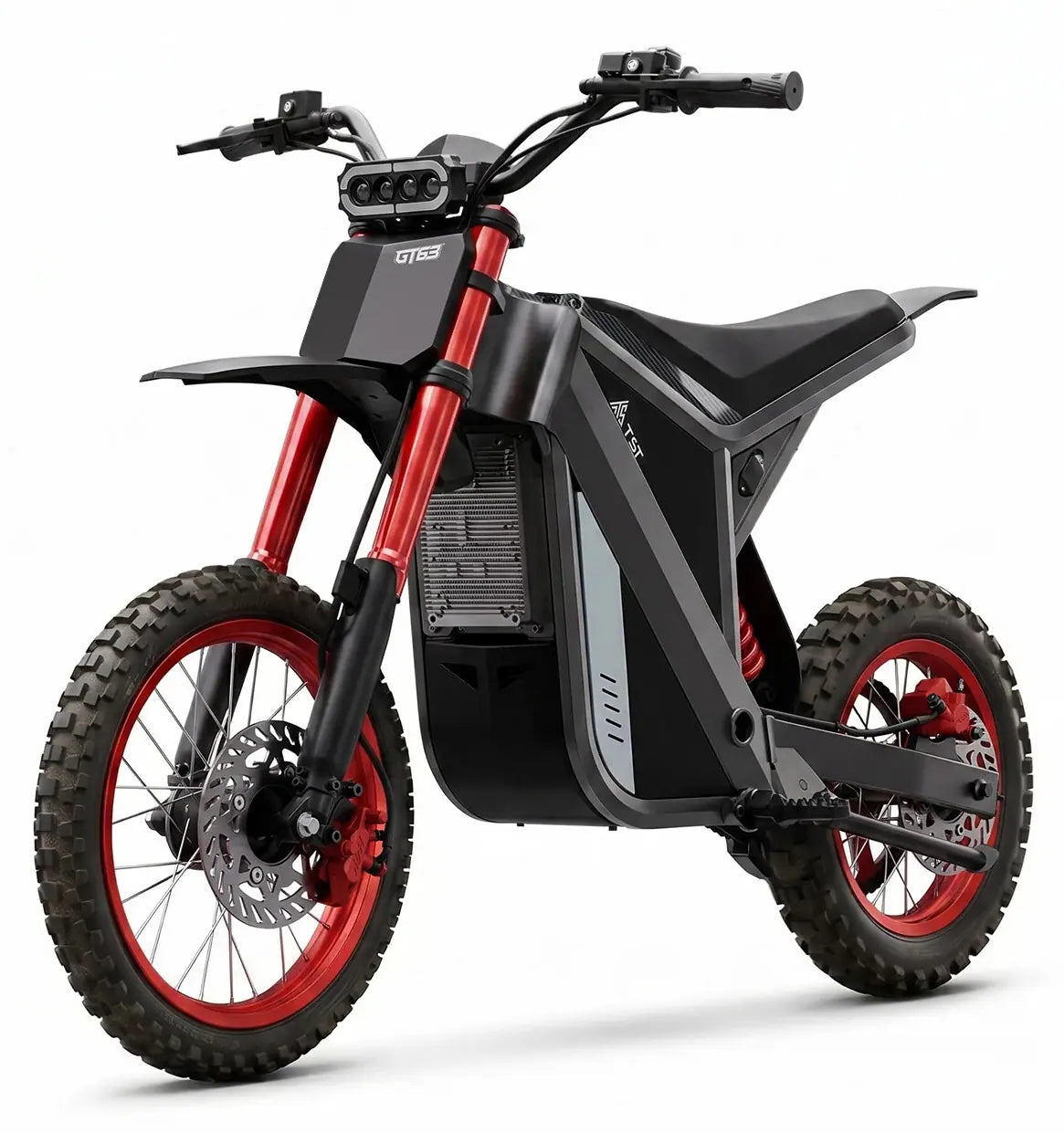

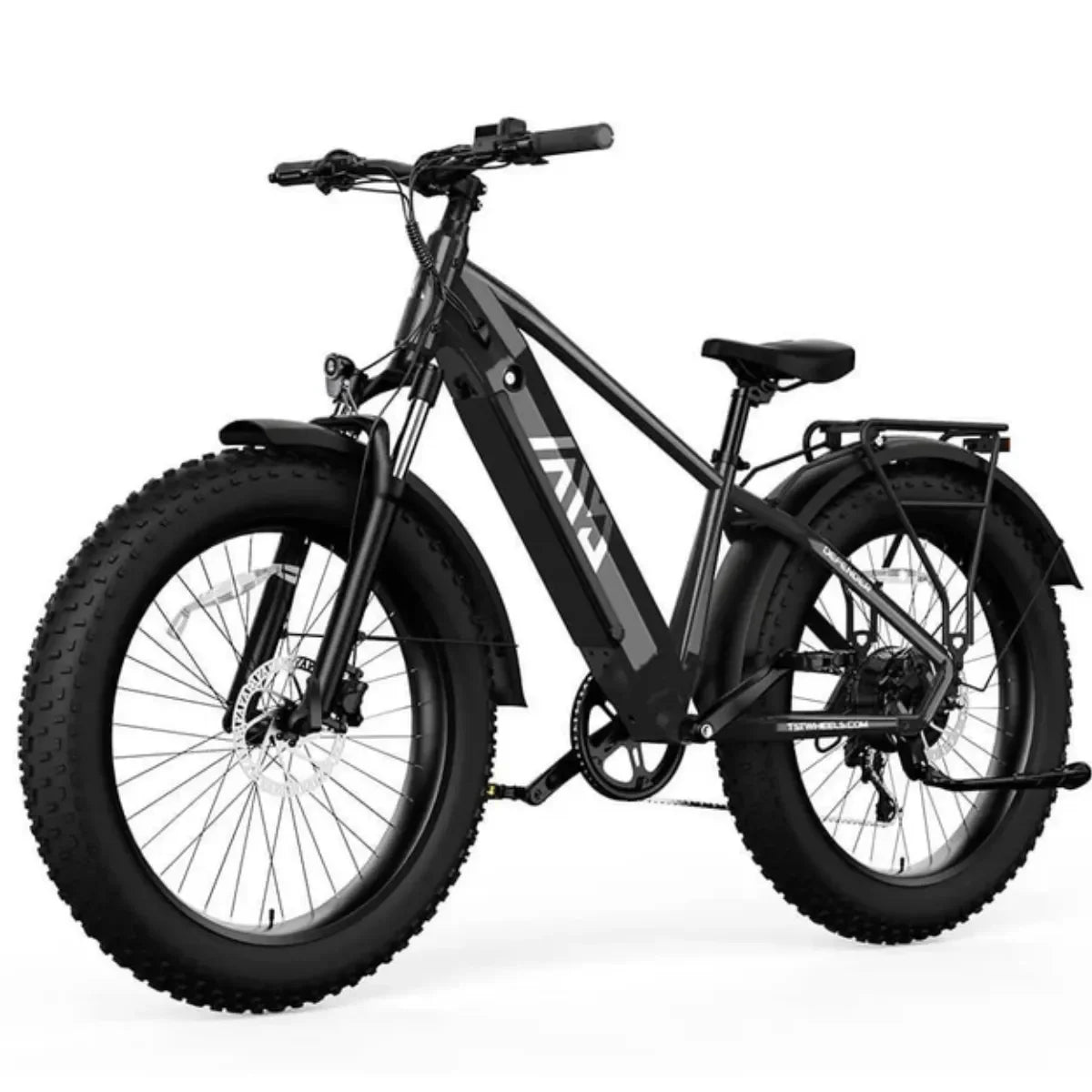
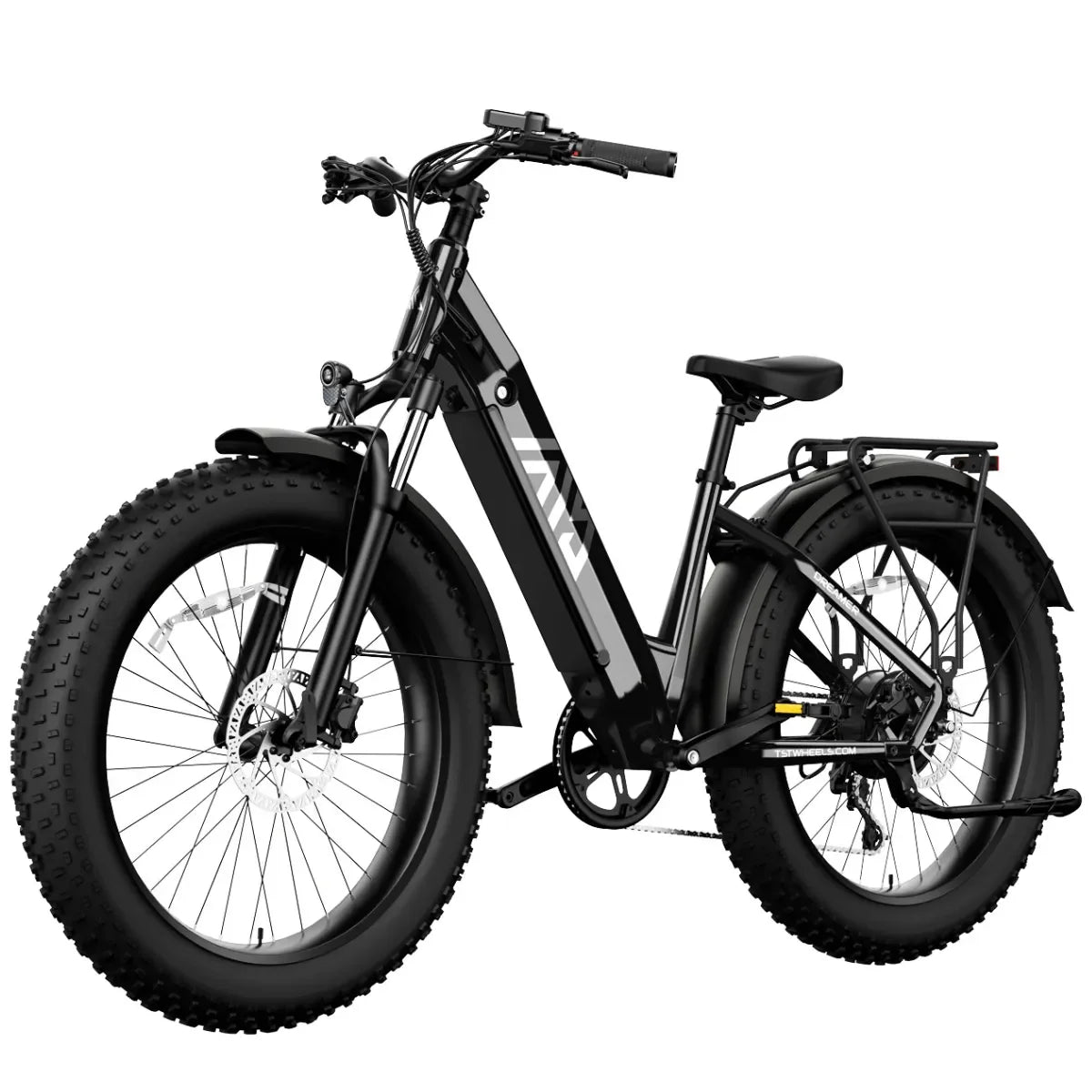

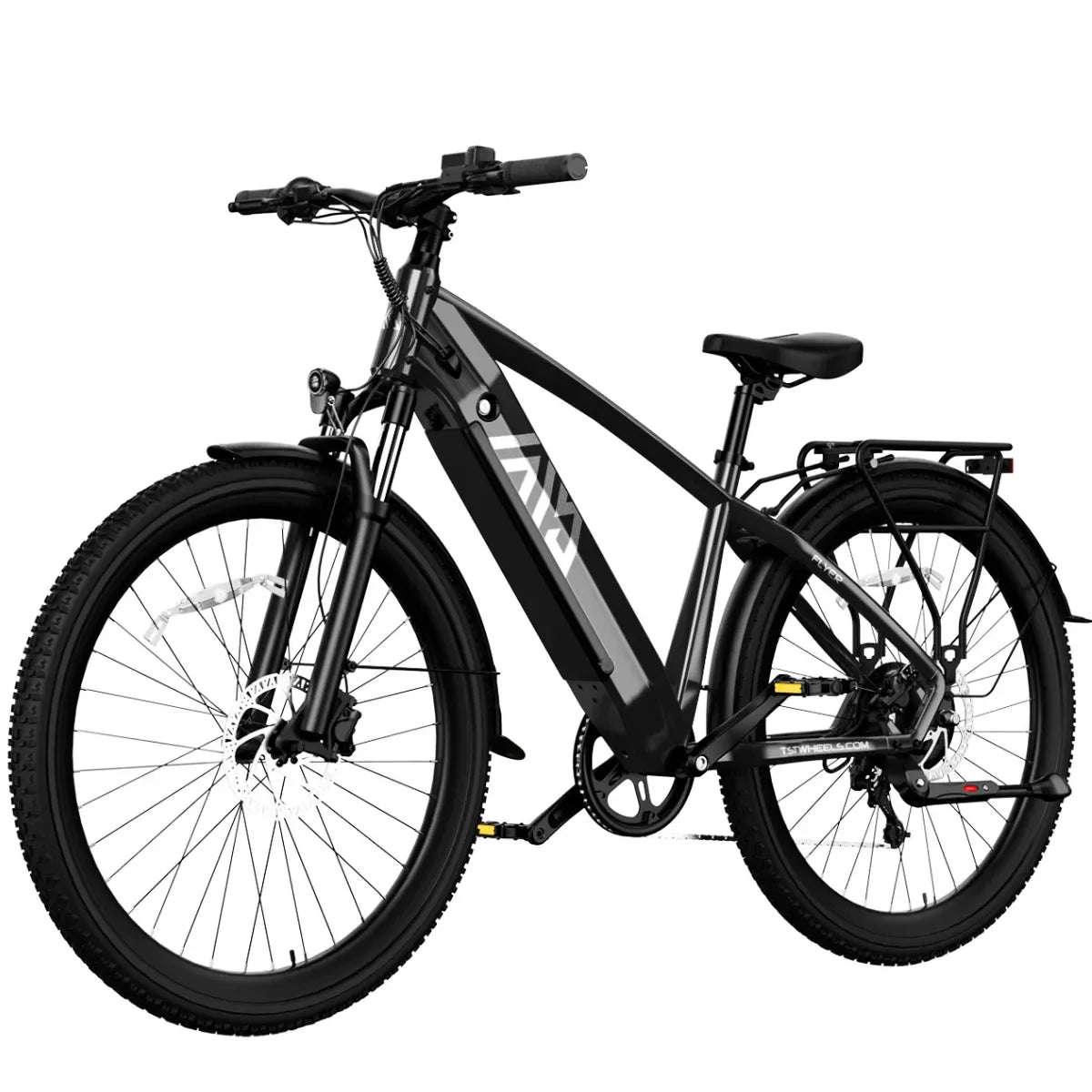
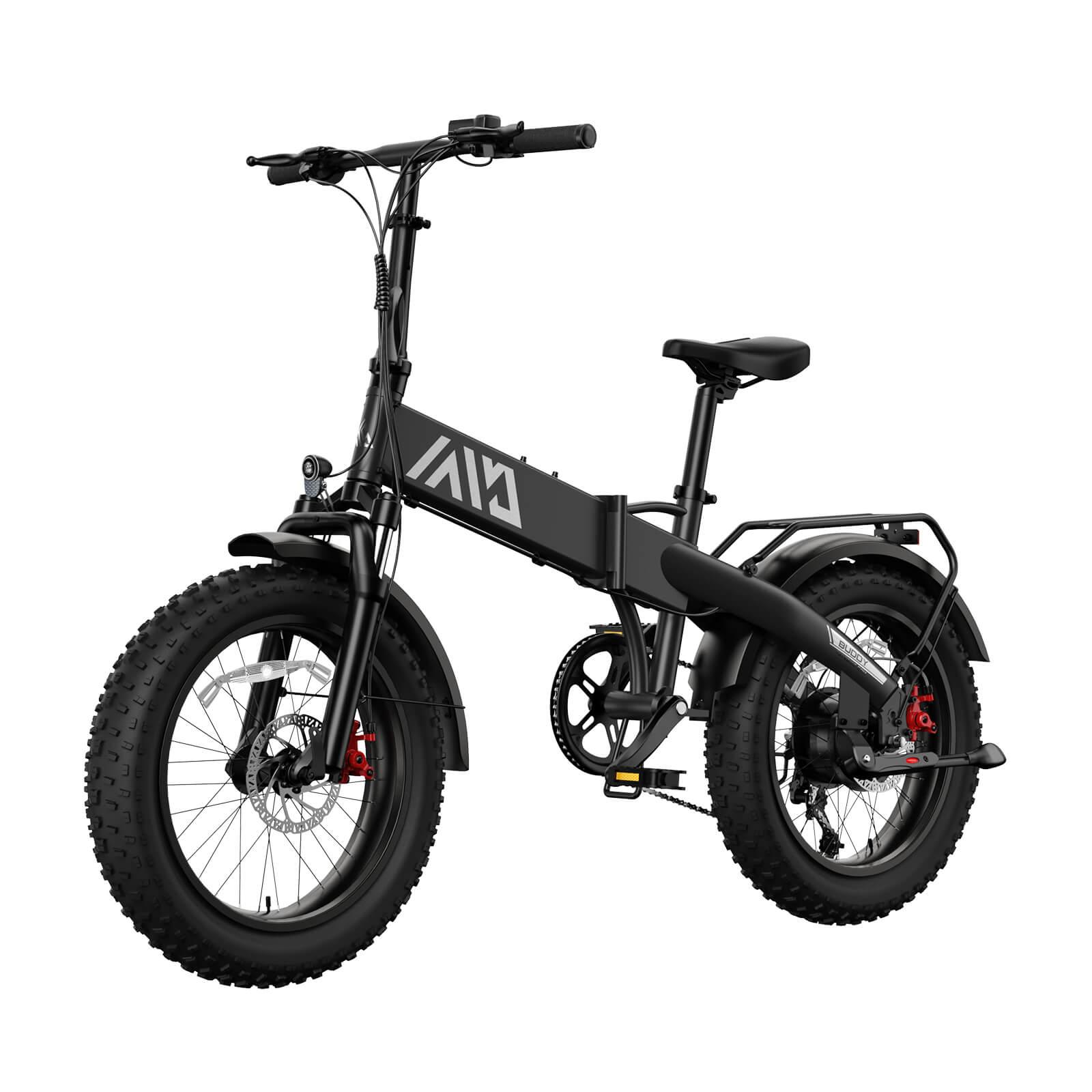










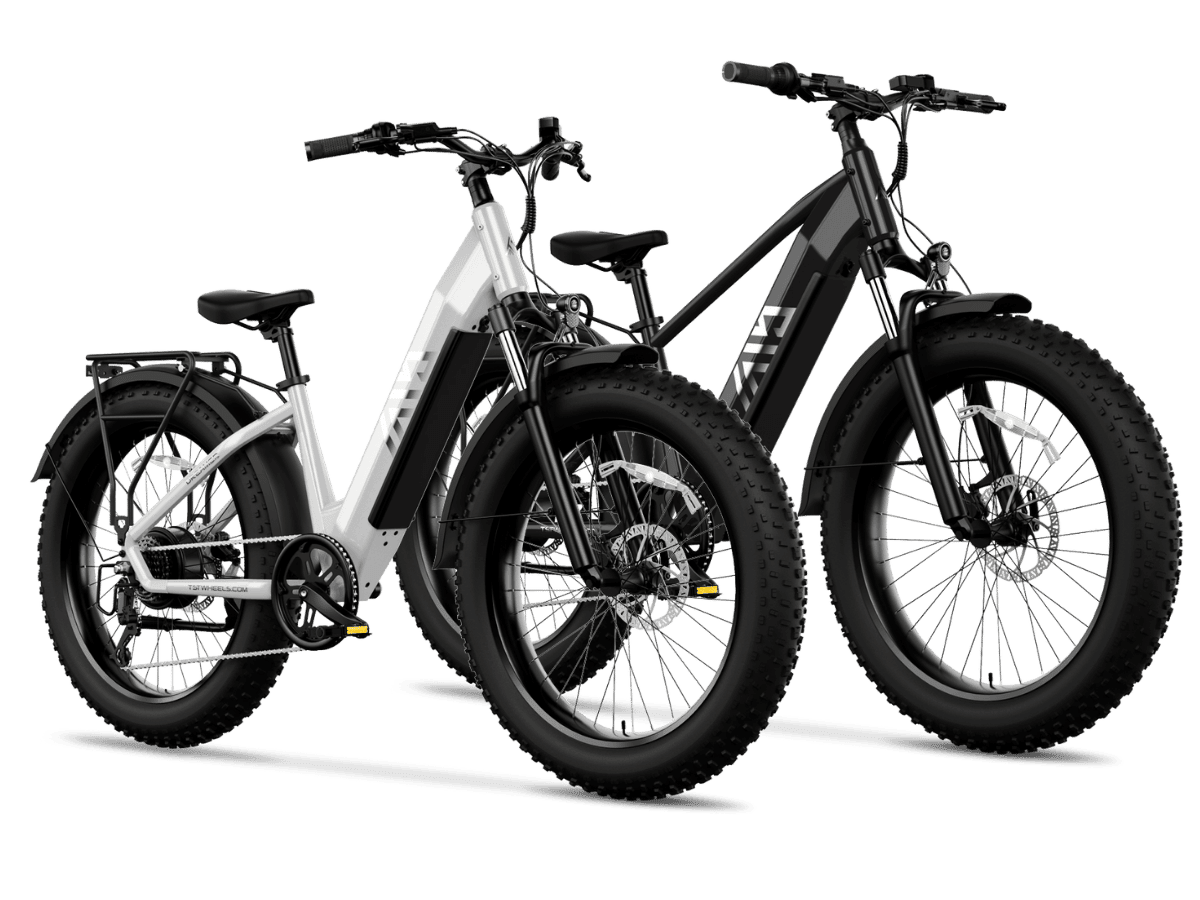
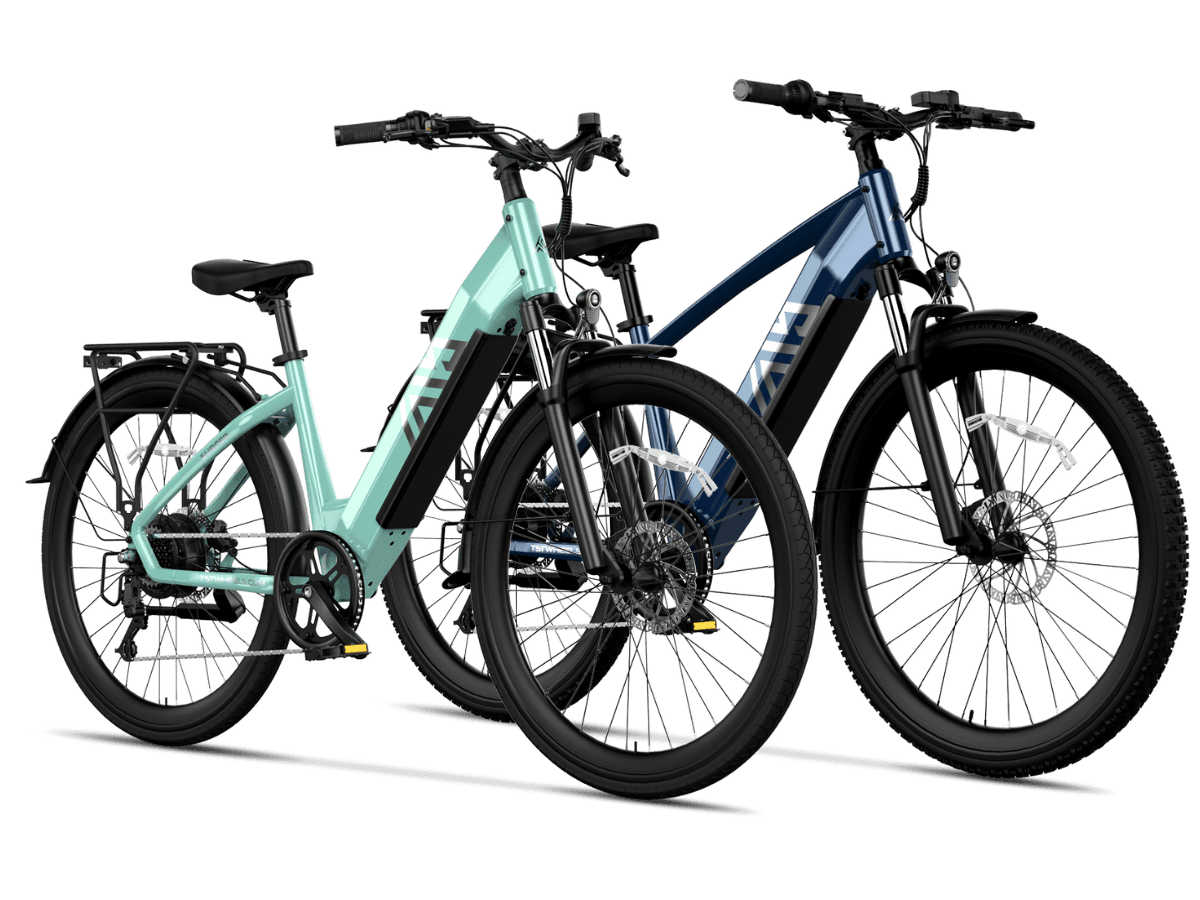
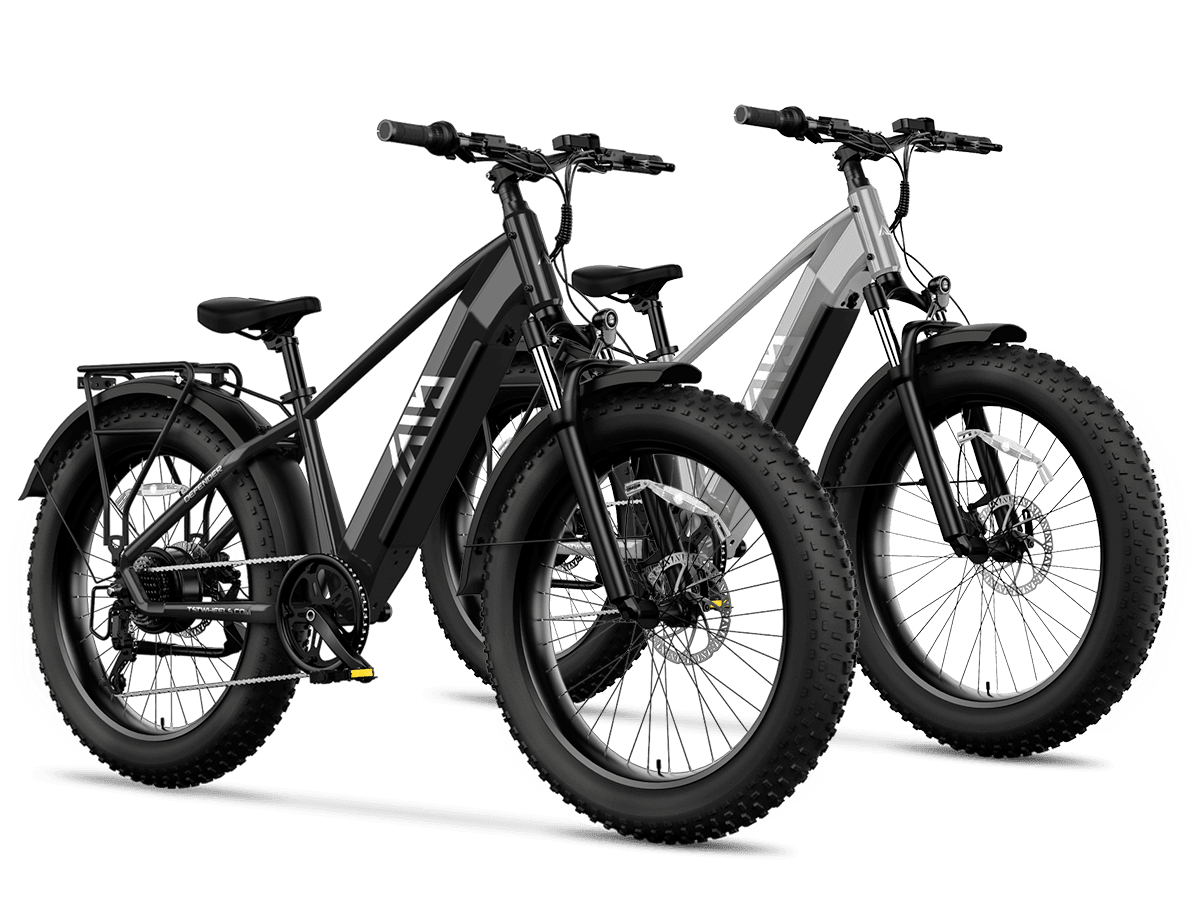
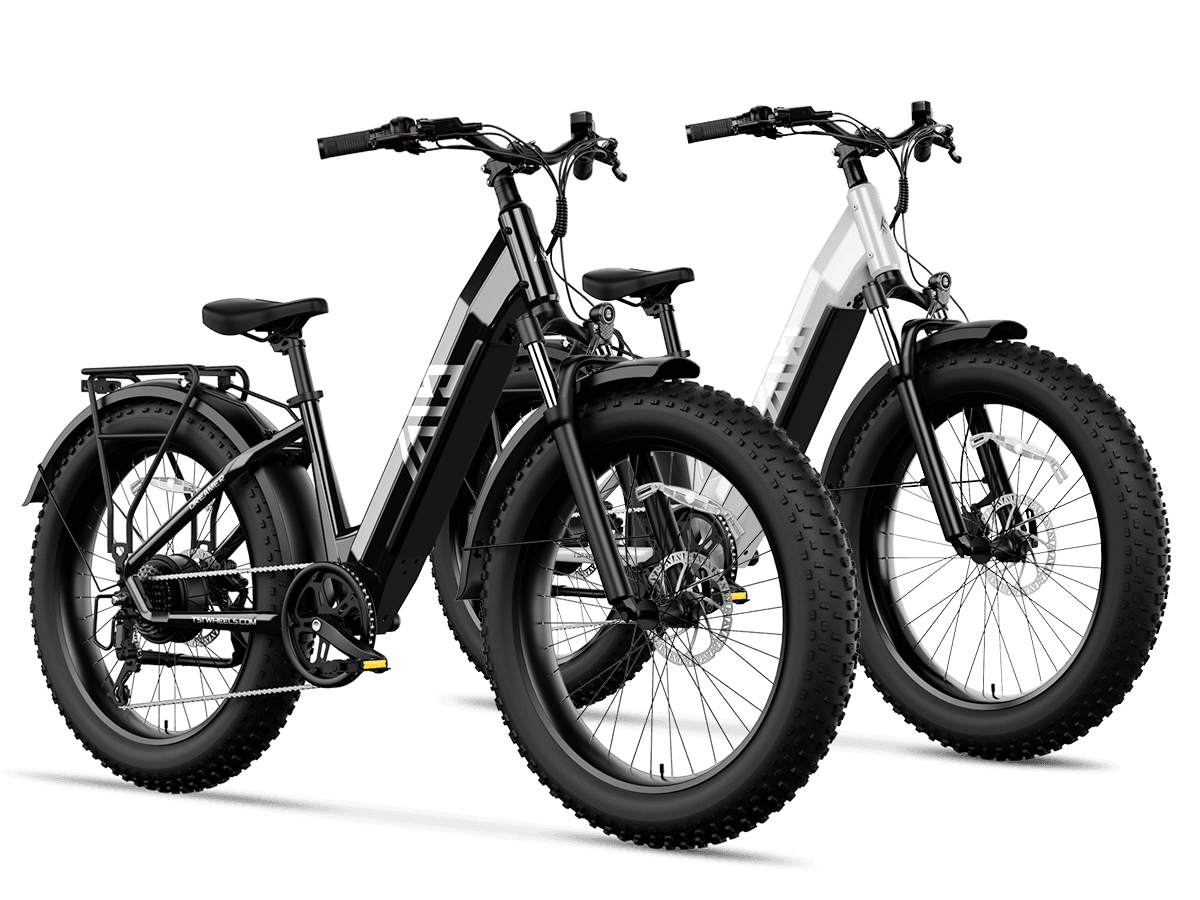

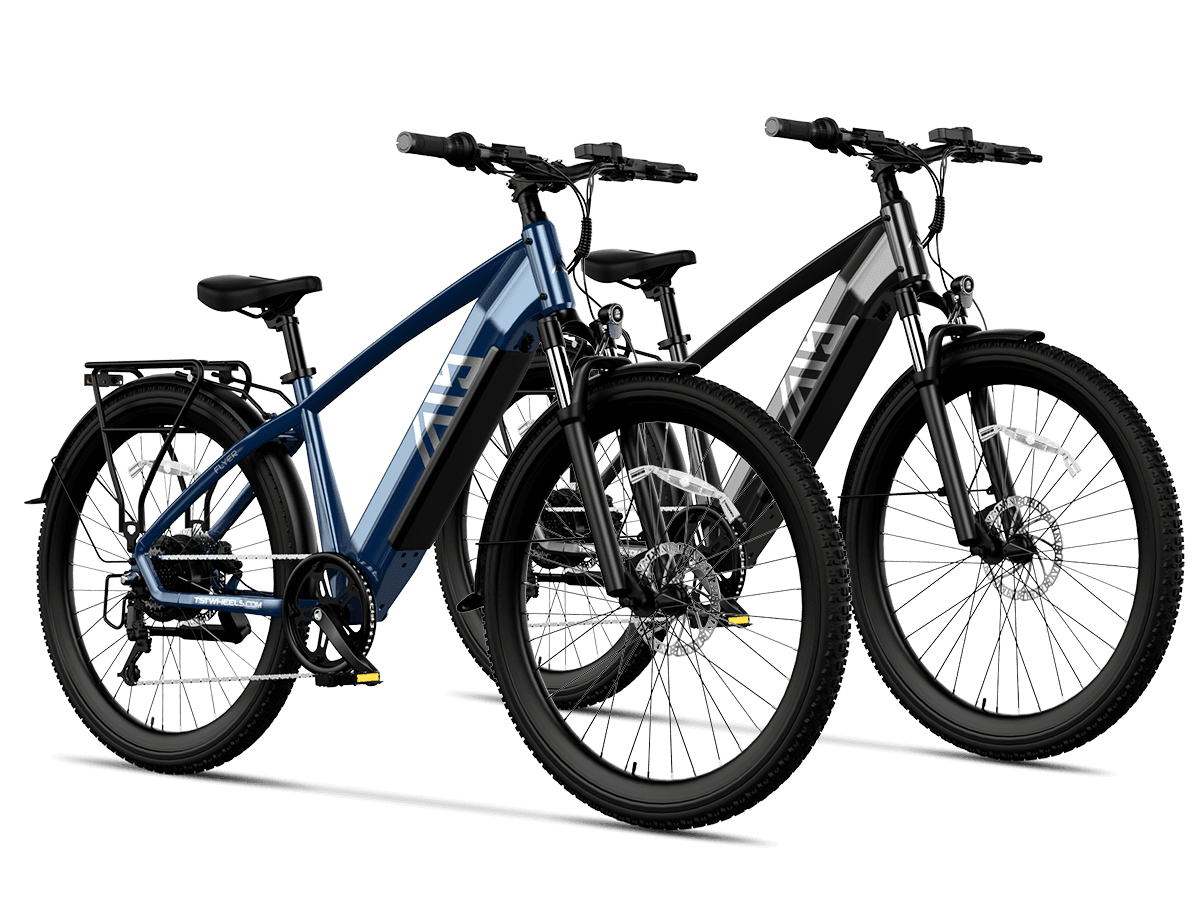

A dirt ebike for beach riding needs low, carefully tuned tire pressure, fast post-ride rinsing, and serious salt protection. The sweet spot for 4.0" fat tires usually starts around 8-12 PSI on packed sand and drops a little lower only when the sand is soft and the rider is light. The real enemy is not just sand, but salty moisture that keeps attacking metal, bearings, and connectors after the ride ends.
Check: Sand-ready: Best dirt ebike for beach riding and dunes
How Should You Set 4.0" Tire Pressure for Sand?
For a dirt ebike for beach riding, 4.0" tires should usually begin around 10-12 PSI on firm sand and 8-10 PSI on looser sand. Lower pressure increases footprint and flotation, but going too low risks rim strikes, sluggish steering, and tire squirm. I always tell riders to test in small steps: drop 1 PSI, ride 100 yards, and judge stability before dropping again.
The pressure goal is not “lowest possible.” It is “lowest usable pressure with control.” On the beach, a 4.0" tire behaves like a paddle, and the contact patch matters more than top speed. If the front end starts wandering, add pressure back before touching the rear.
What Makes Beach Sand Hard on Ebikes?
Beach sand stresses an ebike in two ways: it increases rolling resistance and it works its way into moving parts. Wide tires help the bike float, but the motor still works harder than it does on pavement, especially during starts and climbs. That extra load heats components faster, which is why smooth throttle use matters on the coast.
Sand also acts like fine abrasive paste. It gets into chain links, derailleur pivots, brake calipers, and axle interfaces, where it wears away lubrication quickly. A beach ride is not hard because of distance alone; it is hard because grit and salt accelerate damage every minute the bike stays dirty.
Why Is Salt-Water Corrosion the Bigger Threat?
Salt-water corrosion is more dangerous than ordinary dirt because salt pulls moisture into crevices and keeps metal wet longer. That means bolts, spokes, chain links, and electrical contacts corrode faster even after the bike looks dry. On coastal rides, the damage often starts before you notice any visible rust.
The most vulnerable zones are the drivetrain, brake hardware, spoke nipples, pedal threads, and charging port area. Corrosion does not need a direct splash from the ocean; salty mist in the air is enough over time. This is where TST EBike riders should think like mechanics, not just cyclists.
How Do You Protect the Drivetrain and Bearings?
Wash the bike as soon as possible after the ride, then dry it completely before storing it. Fresh water rinse first, then a mild cleaner on the drivetrain, then a full dry-down with a microfiber towel and low-pressure air if available. The goal is to remove salt before it crystallizes in the chain and bearing seals.
After cleaning, re-lube the chain with a wet-condition lubricant and wipe off the excess so sand does not cling to it. Check the rear derailleur, jockey wheels, and bottom bracket area for gritty residue. If your ebike sees the beach often, TST EBike maintenance should include periodic bearing inspection, not just chain care.
Which Parts Need Extra Corrosion Protection?
The parts that usually fail first are the ones people forget to touch. Electrical connectors, bolts, rotor hardware, spoke nipples, kickstand pivots, and pedal threads all deserve attention. A thin protective film on exposed metal helps, but it should never go on brake rotors, pads, or tire surfaces.
Here is a practical protection order:
-
Clean and dry all salt residue.
-
Apply corrosion inhibitor to bolts, threads, and unpainted hardware.
-
Re-grease pedal threads and any serviceable interfaces.
-
Protect charging contacts with a snug cap and clean storage habits.
-
Recheck after the first ride if the bike was exposed to spray.
That sequence gives you far better long-term results than randomly spraying the frame and hoping for the best.
Can You Ride Safely on Wet Beach Sections?
You can, but wet sand and standing water bring new problems. Wet-packed sand usually offers better traction than dry loose sand, yet hidden shells, channels, and soft patches can still catch the front wheel. Standing water also increases the chance of salt reaching hubs, brakes, and wiring.
If you cross wet sections, keep speed moderate and avoid sudden braking. Ride a smooth line, stay seated when traction gets sketchy, and do not let the motor yank the wheel from a stop. I would treat wet beach riding as a controlled crossing, not a place to race or power up repeatedly.
How Do You Wash and Dry the Bike Correctly?
Start with a gentle rinse, not a pressure blast. High-pressure water can force salt and sand deeper into bearings, seals, and connectors, which creates more problems than it solves. Use a bucket, soft brush, sponge, and a chain-safe cleaner if the drivetrain is heavily contaminated.
Drying matters as much as washing. Wipe the frame, spin the wheels, dry the brake area carefully, and leave the bike in moving air until all hidden moisture is gone. If the bike has a removable battery, take it out during cleaning and inspect the battery bay for trapped moisture before reinstalling it.
What Beach Setup Does TST EBike Recommend?
For riders choosing TST EBike for coastal use, I recommend a setup that favors low-pressure flotation, sealed storage, and quick maintenance access. A 26-inch fat-tire configuration is often easier to manage in loose sand than a narrow commuter build because it keeps the bike more stable at lower PSI. The key is to match pressure to rider weight, sand firmness, and route length.
A practical beach-ready setup includes:
-
4.0" tires inflated for flotation, not pavement speed.
-
Wet lube on the chain before the ride.
-
Waterproof or water-resistant storage for tools and battery accessories.
-
Fresh-water rinse access immediately after the ride.
-
Regular torque checks on bolts exposed to salt mist.
For frequent coastal use, I would rather see a slightly conservative pressure setting and a disciplined wash routine than a more aggressive setup that looks fast but wears out early.
TST EBike Expert Views
“When I prep a dirt ebike for the beach, I focus on three things: tire footprint, salt removal, and connector protection. Most riders overinflate for comfort, then wonder why the bike sinks. Most skip the rinse, then wonder why hardware rusts. The riders who treat beach use like a maintenance discipline get the longest life from the bike, and that is exactly how we think about durability at TST EBike.”
How Should You Ride to Reduce Wear?
Smooth inputs save parts. Hard launches bury the tire in sand, heat the motor, and force the chain to absorb shock loads. Gentle starts, steady cadence, and wider turning arcs reduce stress and keep the bike moving more efficiently.
Choose your line before you enter soft sand. Once the front wheel starts hunting, correcting late usually creates more drag and more wear. If the route includes long soft stretches, stop occasionally, check tire feel, and adjust pressure only when necessary.
What Maintenance Schedule Works Best?
A coastal maintenance routine should be short, repeatable, and strict. After every beach ride, rinse, dry, and inspect. After a few beach sessions, check chain stretch, brake pad wear, and spoke corrosion. Monthly, look over connectors, bearings, and all exposed hardware.
Use this cadence:
-
After every ride: rinse, dry, relube.
-
Weekly if used often: inspect bolts, chain, and brake rotors.
-
Monthly: check bearings, connectors, and battery contacts.
-
Seasonally: deep clean, torque check, and full corrosion review.
That schedule is simple enough to follow and strong enough to prevent most beach-related failures.
Why Does This Setup Work So Well?
It works because it matches the bike to the environment instead of fighting the environment. Low PSI lets the tire float, fast cleaning stops salt from doing long-term damage, and corrosion protection buys time for every exposed part. Those three habits matter more than any single accessory.
A dirt ebike for beach riding can last a long time if you treat the coast as a special-use condition. TST EBike riders who respect pressure, cleaning, and drying will get better handling and fewer repair bills. Beach riding is not just about surviving the sand; it is about coming home with a bike that is still ready for the next ride.
Check: Beach and dune riding: Prepping the best dirt ebike for sand
FAQs
How low can I go with 4.0" tires on sand?
Start around 8-12 PSI and only lower it if the sand is soft and the bike still handles well. Going too low increases rim and sidewall risk.
Can salt air damage an ebike without direct water contact?
Yes. Salt mist can settle on metal and electrical parts, then hold moisture against them long enough to cause corrosion.
Should I use a pressure washer after beach riding?
No. A pressure washer can force sand and salt into bearings, seals, and connectors. Use gentle rinsing instead.
Do I need special lube for beach use?
Yes. A wet-condition chain lube usually works better because it stays on the chain longer and resists wash-off.
Is a dirt ebike good for beach riding?
Yes, if it has wide tires, manageable pressure settings, and a disciplined cleanup routine after every ride.
Conclusion
Beach riding is perfectly doable on a dirt ebike when you manage the three critical variables: tire pressure, corrosion control, and post-ride cleaning. Keep your 4.0" tires in the flotation range, rinse salt off immediately, and protect exposed metal before corrosion gets a foothold. If you ride often near the coast, those habits will do more for bike life than any single upgrade.
With the right setup, TST EBike riders can enjoy softer sand, stable handling, and less maintenance trouble over time. The winning formula is simple: air down intelligently, clean fast, and protect every vulnerable part before the salt wins.

Leave a comment
This site is protected by hCaptcha and the hCaptcha Privacy Policy and Terms of Service apply.