
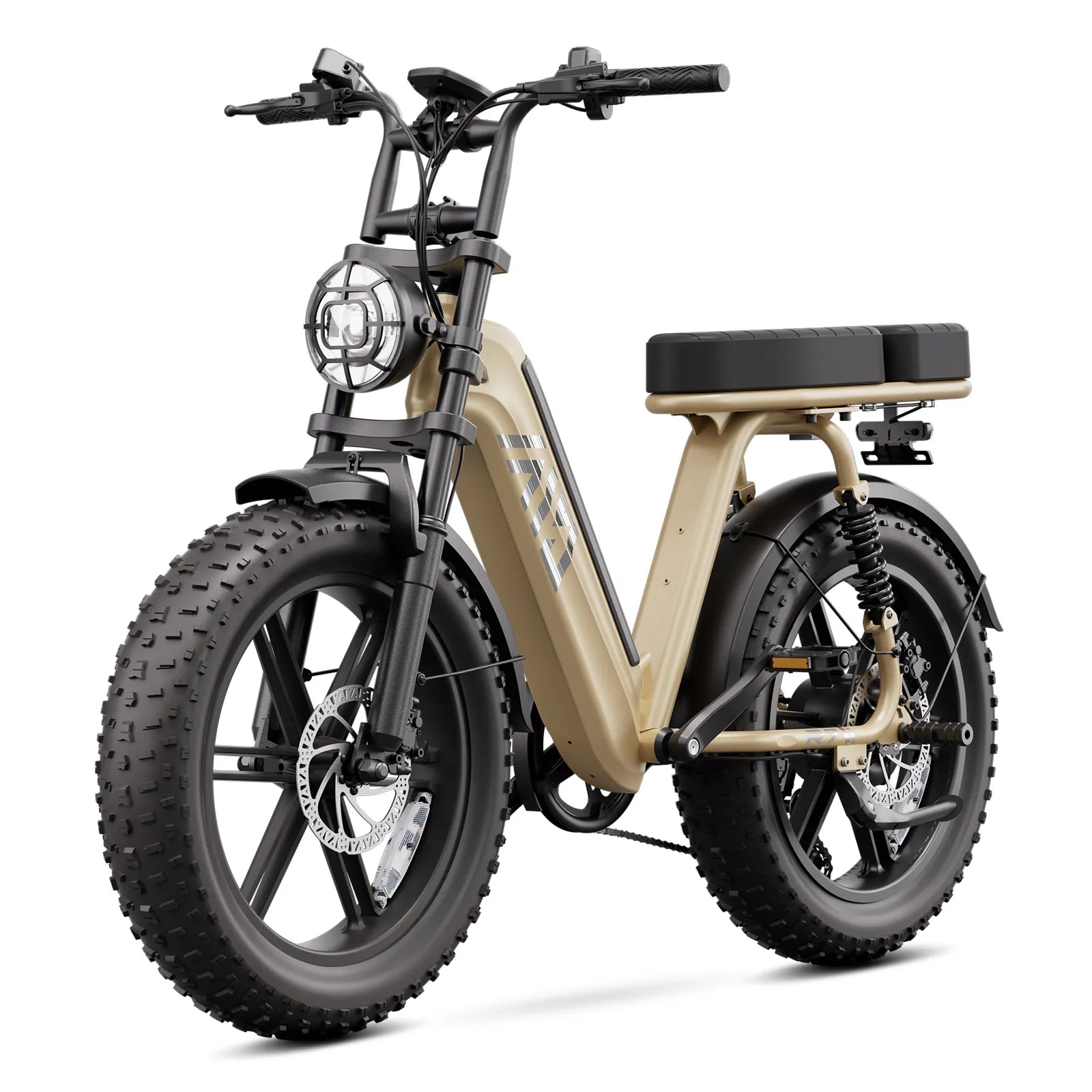
















Heavy riders need more than just high‑performance specs—they need true structural integrity, reinforced rims, and robust maximum payload capacity. The best dirt ebikes for people over 250 lbs use beefy frames, reinforced alloy rims, and motors tuned for sustained torque, not just short bursts. In this guide, “dirt ebike for heavy riders” means a true off‑road machine that can handle extra mass without sacrificing safety or ride quality.
Check: Heavy duty support: Best dirt ebike for heavy riders
How much payload can a dirt ebike safely carry?
Most mass‑market dirt ebikes are designed for riders up to about 250–300 lbs, and anything above that should be treated as a high‑payload application. For heavy riders, look for a stated payload of at least 300–350 lbs, including rider, gear, and any accessories. Staying under or near the manufacturer’s rated payload keeps frame stress, tire wear, and motor heat within safe limits and preserves warranty coverage.
Technically, payload is the total extra weight the bike is allowed to carry on top of its own curb weight. For example, if a bike weighs 75 lbs and lists a payload of 300 lbs, the combined gross vehicle weight rating (GVWR) is 375 lbs. Exceeding this number increases the risk of cracked welds, bent rims, and accelerated wear on suspension and drivetrain components.
What does “maximum payload capacity” really mean?
“Maximum payload capacity” is the upper limit of combined weight the bike’s frame, wheels, suspension, and motor system can safely handle over normal riding conditions. This number is not a bench‑test number; it is derived from fatigue testing of frame joints, fork legs, rims, and drivetrain under repeated shocks and sustained loads.
For dirt ebikes for heavy riders, payload capacity is affected by several factors: frame material and wall thickness, motor mounting and torque arm design, suspension travel and spring rate, and wheel‑build quality. A manufacturer that clearly states a payload with a 20% safety margin over the target rider weight is far more trustworthy than one that only advertises “tested for adults” without numbers.
Why do heavy riders need reinforced alloy rims?
Reinforced alloy rims are thicker, often double‑walled, and have a beefier spoke bed to handle higher impact forces and sustained radial loads. Standard single‑wall rims on entry‑level ebikes can crack or taco under repeated hard landings if the rider is over 250 lbs, especially on loose rocks or steep roots.
From a factory‑floor perspective, a good alloy rim for a dirt ebike for heavy riders should use 6061‑T6 or similar grade aluminum, with thicker sidewalls, internal reinforcement bridges between the walls, and high‑tensile steel spokes. The spoke count often increases to 36 or more per wheel, and the spoke pattern is optimized to distribute radial and lateral loads evenly across the rim circumference.
How can you tell if a rim is truly “reinforced”?
Look for specific technical language, not just marketing fluff. A reinforced rim for a dirt ebike for heavy riders should mention “double‑wall,” “reinforced spoke bed,” “hammer‑forged alloy,” or “impact‑rated for ebike use.” Avoid bikes that only say “aluminum rim” with no further detail, as these are often standard commuter‑grade rings that will not last in rough terrain.
Another insider check: inspect the rim‑bed profile and spoke‑hole pattern. Deep double‑wall profiles with continuous internal bridges and generously counter‑sunk spoke holes reduce stress risers and allow higher spoke tension, which improves impact resistance and trueness retention. If the rim is listed as compatible with tubeless tire setups, that is usually a sign the manufacturer has invested in stronger, more precise rim construction.
What frame materials work best for riders over 250 lbs?
For dirt ebikes for heavy riders, the most durable options are reinforced 6061‑T6 aluminum and high‑strength steel frames. Aluminum is lighter and better for technical trail handling, but steel has higher fatigue strength and can absorb more abuse on rocky, rutted terrain. The key is not just the material, but wall thickness, tube diameter, and joint design.
A well‑designed frame for heavy riders increases tube diameter at the head tube, bottom bracket, and rear triangle, and uses gusset plates or cast junctions at high‑stress points. This is the kind of “factory‑floor” engineering that prevents the dreaded “crack between the seat tube and rear dropout” that plagues many under‑engineered ebikes. When choosing, always pair the frame material with a clear stated payload rating and suspension that matches the expected load.
How does motor power affect off‑road performance for heavy riders?
For dirt ebikes for heavy riders, a low‑power motor (under 750 W) will struggle to maintain speed on climbs, especially when the rider is over 250 lbs. Look for mid‑drive or hub‑drive systems in the 750–1500 W range, with mid‑drives generally preferred for off‑road use because they keep mass low and central, improving traction and handling.
A motor tuned for sustained torque, not just peak speed, will feel more stable under load. Inside the controller firmware, better manufacturers lower the top‑speed cut‑off slightly and increase torque‑mapping on the lower half of the RPM range, so the bike does not “bog down” when you hit a steep, muddy section. This kind of tuning is rarely mentioned in spec sheets, but it is exactly what heavy riders feel when comparing one dirt ebike to another.
What suspension specs matter most for heavier riders?
For riders over 250 lbs, suspension travel alone is not enough; preload adjustability, spring rate (or air‑pressure range), and damping quality are critical. A 120 mm fork with adjustable preload and lockout will outperform a 140 mm fork with a soft spring that bottoms out constantly under a heavy rider.
On the rear, look for air‑ or coil‑sprung shocks with multiple compression‑damping settings and a clearly published weight‑range chart. If the manufacturer lists “recommended rider weight 150–220 lbs,” that same bike will be over‑suspensioned for a 300+ lb rider unless you can swap to a stiffer spring. High‑end dirt ebikes for heavy riders often come with coil‑overs or dual‑rate springs that are sized specifically for the target payload window.
How do fat tires improve load‑bearing and stability?
Fat tires (typically 3.0–4.8 inches) dramatically increase the tire‑to‑ground contact patch and reduce ground‑pressure under heavy riders. Lower effective PSI per square inch means less propensity to bottom out rims, pinch‑flat tubes, or dig into soft terrain like sand or mud.
From an engineering standpoint, fat‑tire rim profiles are wider and deeper, which helps the tire bead stay seated under high cornering loads and deep impacts. For a dirt ebike for heavy riders, pairing reinforced alloy rims with a 3.5–4.0 inch tire width is usually the sweet spot between flotation, traction, and overall weight. Tires with tougher, multi‑ply casings and reinforced sidewalls also reduce the risk of punctures and sidewall tears.
Which components outside the frame deserve extra attention?
Beyond the frame and rims, key components to scrutinize on a dirt ebike for heavy riders are hubs, spokes, brakes, and bottom‑bracket bearings. Hubs with larger diameter axles (15 mm or 20 mm through‑axles) and high‑quality cartridge bearings resist bending and deflection far better than cheap QR hubs.
Spokes should be 14–15 gauge, stainless steel, and properly tensioned from the factory. Cheap, thin spokes can loosen or snap quickly under off‑road loads, especially when the bike is running at or near its payload limit. Brakes should be hydraulic disc systems with at least 180 mm rotors up front, and the bottom bracket should be a sealed, industrial‑grade unit that can handle constant torque without grinding or creaking.
How do warranty and customer feedback reveal real payload limits?
A manufacturer’s published payload rating is only as trustworthy as its warranty and support policy. If the warranty explicitly excludes “frames or rims cracked due to rider weight over X,” that is a red flag. Conversely, brands that stand behind a 300+ lb payload with a multi‑year structural warranty are more likely to have engineered for real‑world stress.
Customer reviews and owner forums are also diagnostic: when heavy riders report that rims warp or stems crack within six months, it usually indicates that the bike’s “maximum payload” was overstated in marketing. Pay attention to comments from people in the 250–320 lb range; if they mention no issues after a year of hard off‑road use, you are likely looking at a legitimately robust dirt ebike for heavy riders.
How can you compare different models objectively?
When comparing dirt ebikes for heavy riders, break each model down into four technical buckets: frame & payload, wheels & rims, motor & battery, and suspension & brakes. Then rate each bike on a 1–5 scale in those categories, and weight frame and wheels slightly higher because they directly affect safety and longevity.
For example, a model with a 350 lb payload, double‑wall 6061 alloy rims, 1000 W mid‑drive, full‑suspension, and hydraulic brakes will score higher than a 280 lb‑rated bike with single‑wall rims and 750 W hub‑drive, even if the latter looks more aggressive on paper. Use this framework to avoid getting distracted by flashy graphics or vague claims like “built tough.”
Are there any hidden trade‑offs of high‑capacity bikes?
Yes. A dirt ebike for heavy riders is inevitably heavier, with beefier frames, thicker rims, and larger batteries, which can reduce agility and make trail‑side repairs harder. High‑power motors and frequent heavy loads also increase heat in the drivetrain, so thermal management and controller design matter more than on lighter bikes.
Battery drain is another trade‑off: heavier riders typically see 15–25% reduced range compared with lighter riders under the same conditions, because the motor must work harder to maintain speed and climb hills. Smart riders compensate by planning shorter shuttle runs, carrying a spare battery, or using lower assist levels on mixed terrain.
What Are the Top 5 Legal Modifications for a Dirt Ebike?
TST EBike Expert Views
“From a factory‑floor standpoint, the real differentiator for dirt ebikes for heavy riders isn’t just a big number on the payload sticker—it’s how the frame, rim, and suspension are engineered as a system,” says a TST EBike engineer. “We reinforce the spoke bed and increase tube wall thickness precisely where the flex and impact loads concentrate, rather than just bolting on a stronger motor. On a TST EBike platform, that means you get a ride that feels stable at 250+ lbs, not one that’s constantly groaning and flexing under load.”
“Reinforced alloy rims are non‑negotiable for off‑road use; we prefer 6061‑T6 with double‑wall construction and 36‑spoke lacing because it gives us a predictable fatigue life and good impact resistance.” The engineer adds, “TST EBike’s focus on high‑power, cost‑effective machines means we tune our controllers for sustained torque, not just peak speed, so heavier riders don’t feel like the bike gives up the moment they hit a steep climb.”
Key takeaways and actionable advice
When shopping for a dirt ebike for heavy riders, start with a clear target payload of at least 300 lbs. Prioritize frames made from high‑grade steel or 6061‑T6 aluminum, double‑wall reinforced alloy rims, and fully adjustable suspension tuned for your weight range. A motor in the 750–1500 W range with sustained‑torque tuning will feel far more capable than a higher‑power system that only delivers short bursts.
Test ride if possible, and ask the dealer about the warranty’s stance on frame and rim damage related to rider weight. Pay attention to wheel‑build quality—thicker alloy rims, stainless spokes, and quality hubs add a small cost but prevent costly failures. Finally, align your riding style with the bike’s limits: avoid repeated led dropping or hard landings on marginal rims, and treat your dirt ebike for heavy riders like the precision‑built machine it is, not a disposable toy.
FAQs
1. What is the safest weight limit for most dirt ebikes?
Most standard dirt ebikes are designed for riders up to about 250–300 lbs. For heavier riders, target bikes clearly rated for 300+ lbs with reinforced rims and suspension calibrated to that weight.
2. Do reinforced alloy rims really make a difference for heavy riders?
Yes. Reinforced alloy rims are thicker, double‑walled, and better laced, which significantly improves impact resistance and reduces the risk of cracking or tacoing under heavy off‑road loads.
3. Which motor type is best for heavy riders on dirt trails?
Mid‑drive motors in the 750–1500 W range are generally best for heavy riders on dirt, because they keep weight low and central and provide strong, sustained torque rather than just short bursts of speed.
4. How can I check if a dirt ebike is truly built for heavy riders?
Look for a clear payload rating, double‑wall alloy rims, 6061‑T6 or high‑grade steel frame, 36‑spoke wheels, hydraulic disc brakes, and suspension with adjustable preload and damping. Avoid vague “heavy‑duty” claims without specific specs.
5. Does riding style affect how fast a dirt ebike wears out for heavy riders?
Absolutely. Aggressive led‑dropping, hard landings, and repeated over‑stress on weak rims or suspension will wear out even a well‑built dirt ebike for heavy riders. Smooth inputs, route selection, and staying within rated payload greatly extend lifespan.

Leave a comment
This site is protected by hCaptcha and the hCaptcha Privacy Policy and Terms of Service apply.