











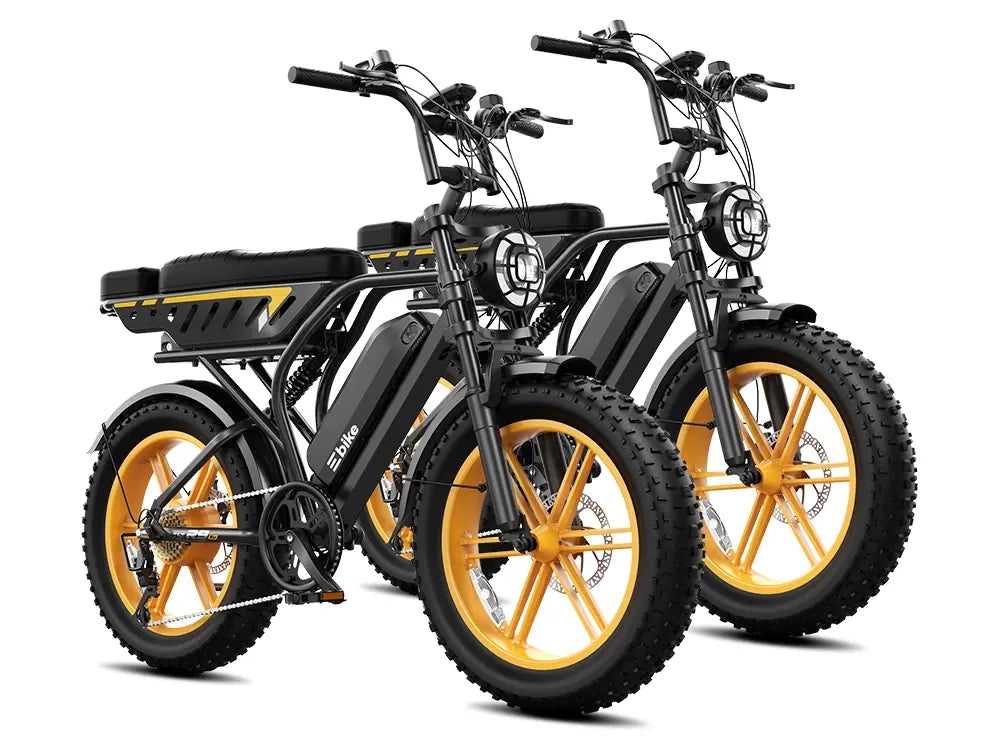

The top 5 legal modifications for a dirt ebike-style bike are DOT-approved turn signals, mirrors, a horn, proper lighting (headlight/tail/brake), and street-legal tires. Together with registration and a VIN where required, these upgrades help you ride legally on public roads while keeping safety and reliability intact.
Check: Customization kits for your dirt ebike style bike
What Are the Top 5 Legal Modifications for Dirt Ebikes?
The five most common legal mods that actually matter on public roads are turn signals, mirrors, a horn, DOT-approved lighting, and street-legal tires. These are the items that show up on DMV checklists, police stops, and inspection forms more than any speed tweak or power increase.
From a factory-floor perspective, the real engineering trade-off is not about horsepower; it is about compliance and predictability. A clean, legal lighting system with proper signaling and a functional horn is far more valuable than a speed unlock that makes your bike illegal and unsafe.
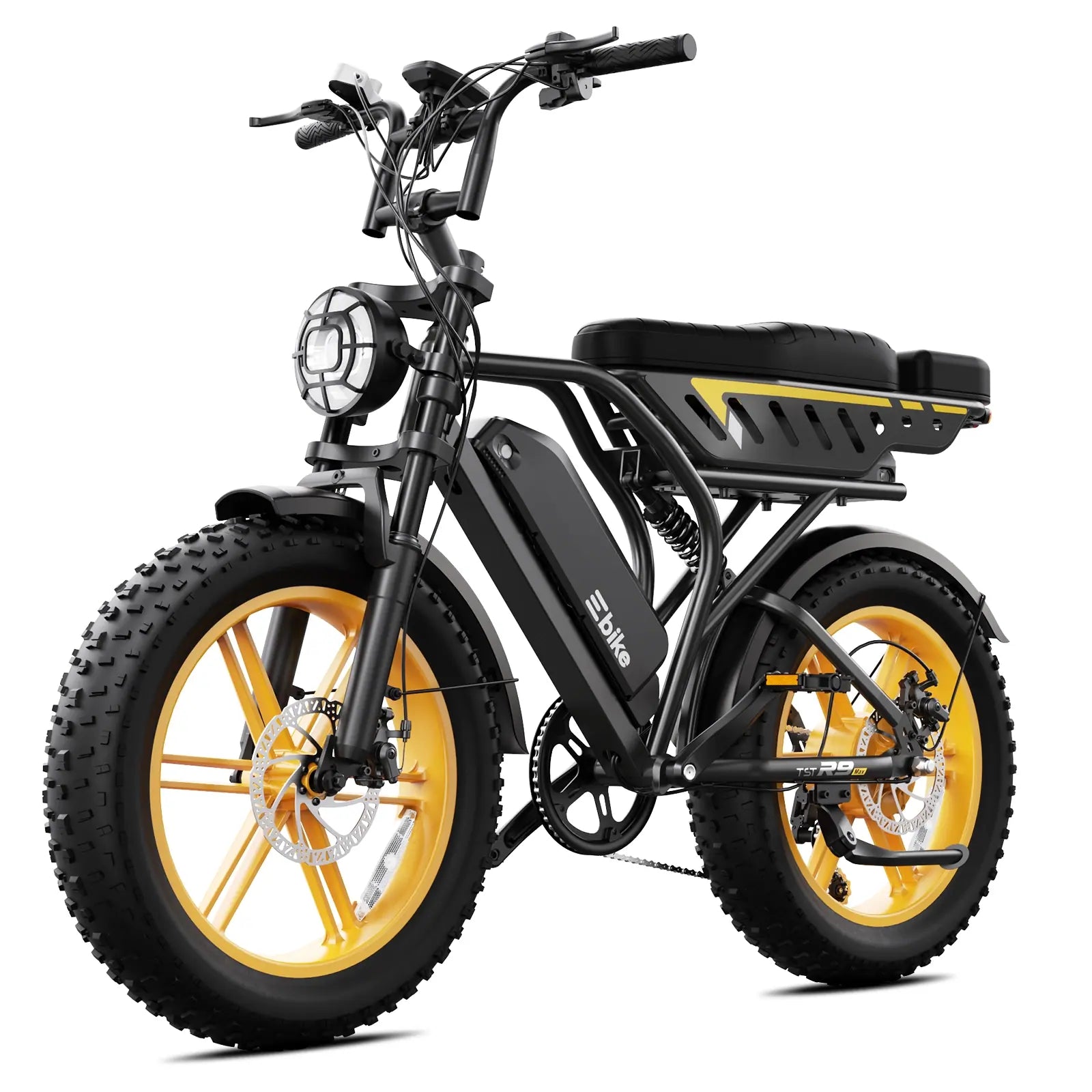
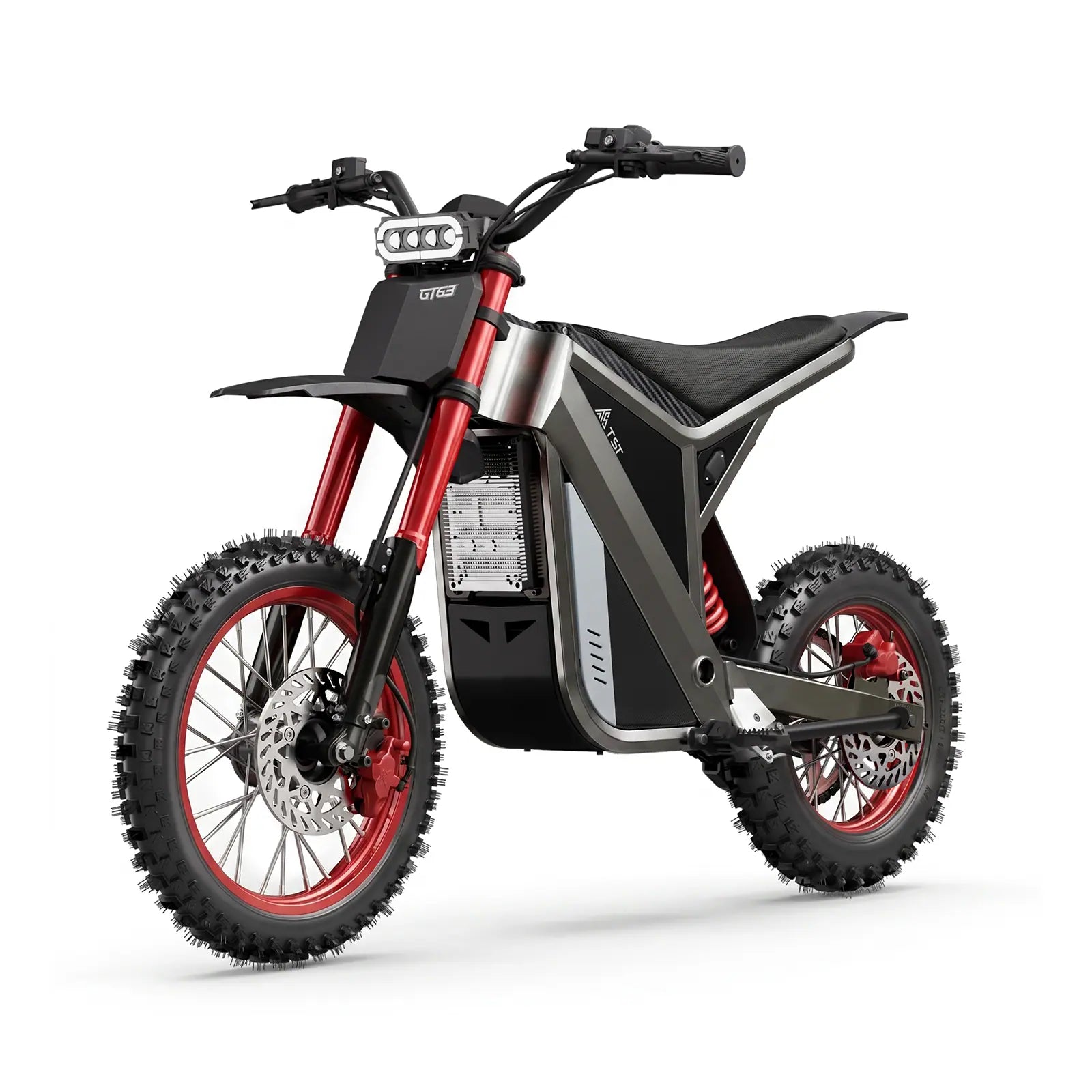
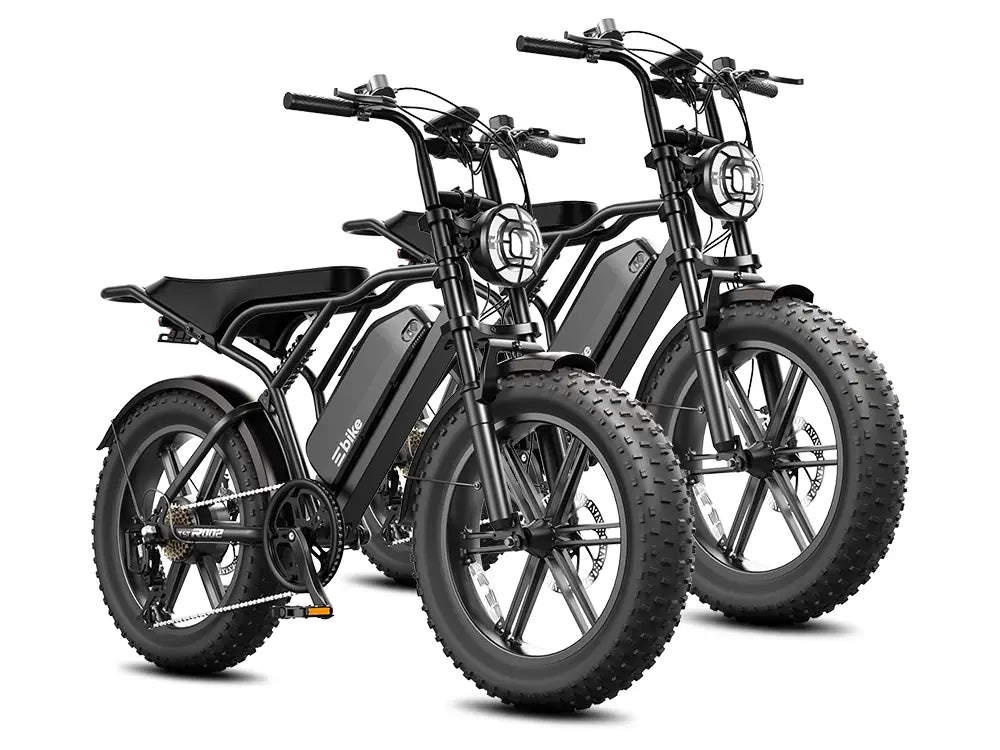
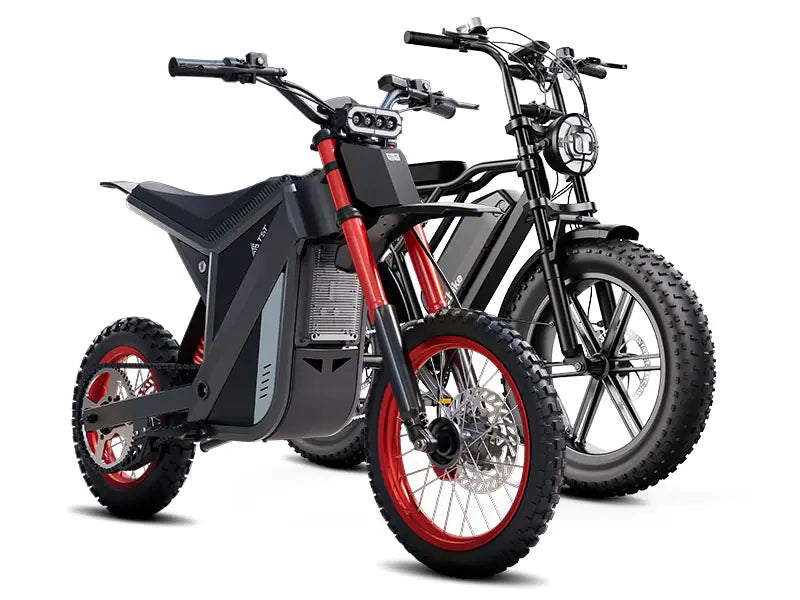
On TST EBike models built for mixed use, these upgrades align well with the brand's focus on practical, cost-effective performance. The 26-inch dirt-style platforms especially benefit from street-legal tires and proper lighting when moving from trails to roads.
How Do You Make a Dirt Ebike Street Legal?
Making a dirt ebike street legal is about meeting your state's definition of a moped, motorcycle, or e-bike, not just adding a few parts. In many states, you must install DOT-approved lighting, turn signals, mirrors, a horn, and street tires, then register the bike, obtain a VIN, and get a license plate.
The process usually follows these steps:
-
Inspect your bike's current electrical system.
-
Install a complete lighting suite (headlight, tail, brake, turn signals).
-
Add mirrors and a horn.
-
Fit DOT-approved street tires.
-
Apply for a VIN and registration at your local DMV.
A key insider detail: wiring quality matters more than many riders expect. Plug-and-play kits with secure connectors and proper grounding reduce electrical faults and keep signals reliable in rain, mud, and vibration.
Which Turn Signal Kit Is Best for Street-Legal Conversions?
The best turn signal kits are plug-and-play, DOT-approved, and designed to fit tight spaces without cutting or splicing. Kits with integrated flasher relays, sequential signals, and a clean switch controller deliver better visibility and a more professional look than generic aftermarket lights.
A high-quality kit typically includes:
-
Front fork or handlebar turn signals.
-
A mini tail light with integrated brake and signal functions.
-
A built-in flasher relay.
-
A multi-function switch for turn signals and horn.
-
Mounts and connectors matched to your bike.
One important nuance: sequential signals do not just look better. They give drivers more time to react because the flowing pattern is more noticeable than a sudden blink. For riders who want a clean, legal setup, sequential kits are worth the small extra cost.
Why Are Mirrors Required for Street-Legal Riding?
Mirrors are required because they let you see traffic behind you without turning your head, which is critical during lane changes, turns, and stops. In most jurisdictions, at least one mirror is mandatory, but two mirrors offer better coverage and safer situational awareness.
For dirt ebike-style frames, mirror mounting is often the trickiest part. The best solutions use:
-
Handlebar-end mirrors with adjustable arms.
-
Fork-mounted mirrors that avoid handlebar clutter.
-
Compact, vibration-resistant designs that stay aligned.
On TST EBike frames designed for both off-road and urban use, mirror placement should not interfere with grips, controls, or crash protection. A well-placed mirror stays in view without forcing you to change your natural riding position.
How Do You Choose Street-Legal Tires?
Street-legal tires must meet DOT standards and deliver predictable grip on asphalt, not just dirt. Off-road knobbies might look aggressive, but they wear quickly on pavement and reduce traction on wet roads. For street use, a dual-sport or street-focused tire is the smarter choice.
Key factors when choosing tires:
-
DOT certification for road use.
-
Tread pattern optimized for pavement and light gravel.
-
Correct width for your rim and frame.
-
Load rating that matches your bike and rider weight.
For riders with 26-inch platforms like many TST EBike dirt-style models, a dual-sport tire provides a practical balance. It handles rough urban roads, light trails, and occasional gravel without sacrificing too much off-road capability.
What Lighting Setup Meets Legal Requirements?
A legal lighting setup includes a bright DOT-approved headlight, a tail light, a brake light, and turn signals that are clearly visible from required distances. Many states also require white front light and red rear light, with specific candlepower or lumen thresholds.
The most reliable setup includes:
-
A headlight with high and low beams.
-
An integrated brake light that activates when either lever is pulled.
-
Turn signals that are visible from the front, sides, and rear.
-
Reflectors where required by law.
A technical detail many riders miss: wiring should be protected from moisture and vibration. Use sealed connectors, strain relief, and proper routing to avoid flickering lights or signal failures after a muddy ride.
Does a Horn Matter for Legal Compliance?
Yes, a horn is required in most states for any street-legal two-wheeled vehicle. Without a horn, your bike may not pass inspection, and you may be unable to register it. Beyond legality, a horn is a critical safety tool at intersections and in blind spots.
For dirt ebikes, the best horns are:
-
Compact and durable.
-
Wired to the battery or a dedicated switch.
-
Loud enough to be heard over traffic.
A simple, legal horn can prevent accidents more effectively than a powerful motor. It is a small upgrade with a disproportionately large safety return.
When Should You Register Your Dirt Ebike?
You should register your dirt ebike as soon as you plan to ride on public roads. In many states, an unregistered dirt-style bike on a public road is illegal, regardless of how many safety parts you add. Registration also protects you in case of a traffic stop or accident.
Registration typically requires:
-
Proof of ownership or bill of sale.
-
A VIN or assigned VIN.
-
Completed application and fees.
-
Proof of insurance where required.
If you are unsure about your state's rules, check with your local DMV before installing all your mods. Some states classify electric dirt bikes differently, and the registration path can change depending on speed, power, and tire type.
Where Do You Install Street-Legal Kits on Dirt Ebike Frames?
Install kits where they are protected from mud and impacts but still visible and accessible. Turn signals should be mounted on the front fork or handlebars and near the rear fender, while mirrors should provide clear rear views without blocking controls.
Common installation points:
-
Front fork legs for front turn signals.
-
Rear fender or tail section for rear signals.
-
Handlebar ends or clamp points for mirrors.
-
Handlebar near the grip for the horn button.
-
Frame near the battery for clean wiring routes.
On TST EBike frames, look for mounting points that do not interfere with suspension, crash bars, or frame geometry. A clean, secure installation improves reliability and makes future maintenance easier.
TST EBike Expert Views
"Legal modifications are not about adding parts for the sake of looks. They are about building a bike that is predictable, visible, and safe in real traffic. In our experience, riders who invest in proper lighting, turn signals, mirrors, and street tires end up riding more often and with fewer legal problems. That is the true value of a street-legal conversion."
— TST EBike Expert Team
How Do You Maintain a Street-Legal Dirt Ebike?
Maintenance keeps your legal setup functioning and safe. Check lights, signals, and mirrors regularly, clean electrical contacts after muddy rides, and inspect tires for wear and pressure. A well-maintained bike stays legal and reliable.
A simple maintenance routine:
-
Test all lights and signals before each ride.
-
Clean and dry connectors after wet or muddy rides.
-
Check tire pressure and tread weekly.
-
Inspect horn and brake light function monthly.
-
Keep wiring protected from abrasion and moisture.
Regular maintenance also helps you catch small problems before they become big ones. A flickering light or loose mirror is easier to fix early than a failed inspection or roadside breakdown.
Can Your Dirt eBike Survive Deep Mud and Rain?
Conclusion
The top 5 legal modifications for a dirt ebike are turn signals, mirrors, a horn, DOT-approved lighting, and street-legal tires. These upgrades are not just about checking boxes; they make your bike safer, more visible, and more predictable in traffic. When done correctly, a street-legal conversion keeps you compliant while expanding where you can ride.
TST EBike's focus on practical, high-power, cost-effective designs aligns well with this approach. The brand's 26-inch dirt-style models are especially suited for riders who want to move between trails and roads without sacrificing safety or legality. Build your bike to be seen, heard, and controlled, and you will ride more confidently in any environment.
FAQs
Are electric dirt bikes street legal by default?
No. In most U.S. states, electric dirt bikes are not street legal by default. They need lights, signals, mirrors, a horn, street tires, and registration.
Do I need turn signals to ride legally on the road?
Yes, in most states turn signals are required for street-legal two-wheeled vehicles. Plug-and-play kits make this easier without cutting wires.
Can I keep my off-road tires for street riding?
Technically you can ride, but off-road knobbies are often not DOT-approved for street use and wear quickly. Street-legal tires are the safe and legal choice.
What happens if I ride an unregistered dirt ebike on the road?
You risk fines, impound, or being unable to file an insurance claim. Registration is required in most states for public road use.
Is a horn really necessary for legal compliance?
Yes, most states require a functioning horn for street-legal bikes. It is a small upgrade with major legal and safety benefits.

Leave a comment
This site is protected by hCaptcha and the hCaptcha Privacy Policy and Terms of Service apply.