


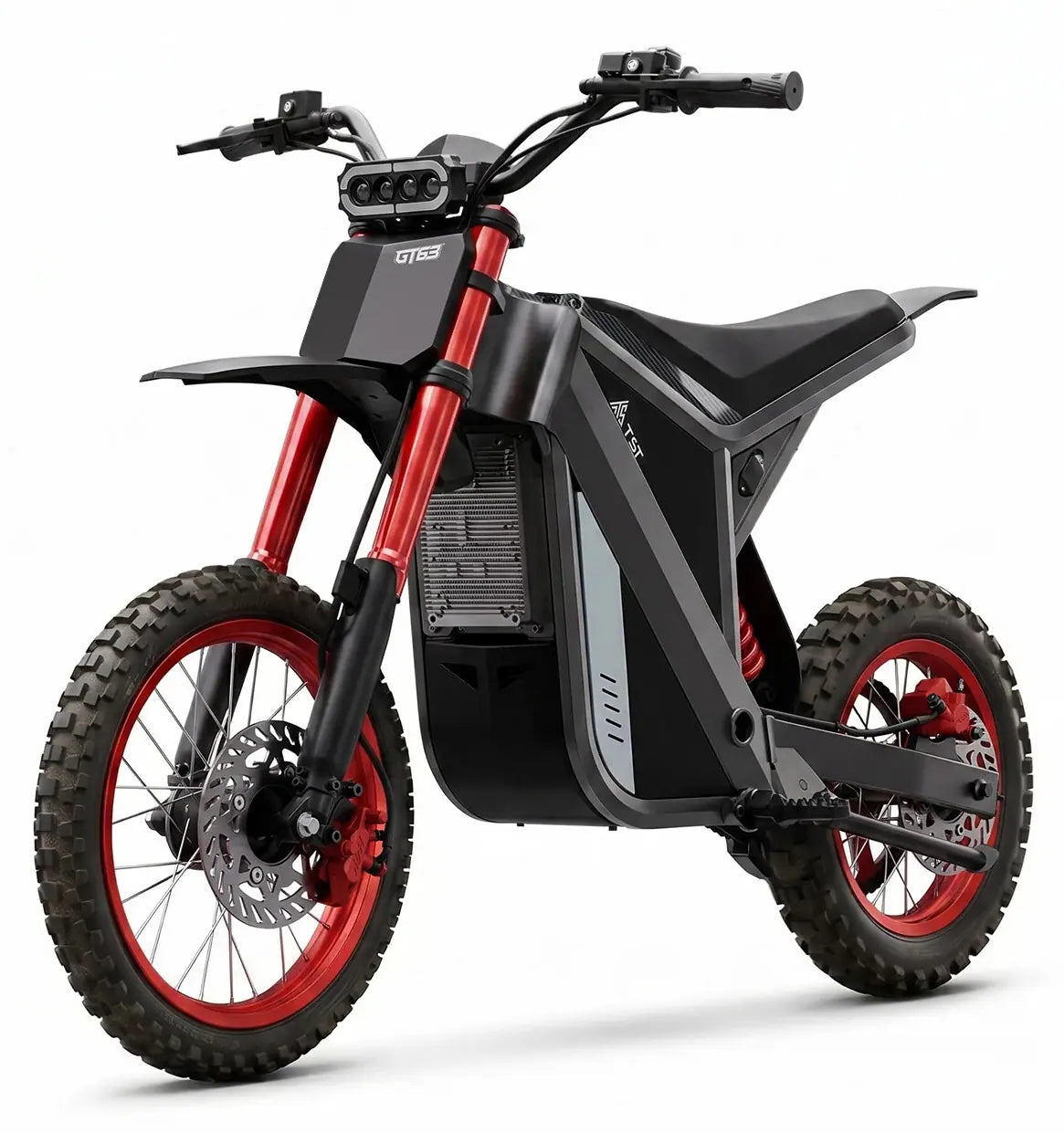


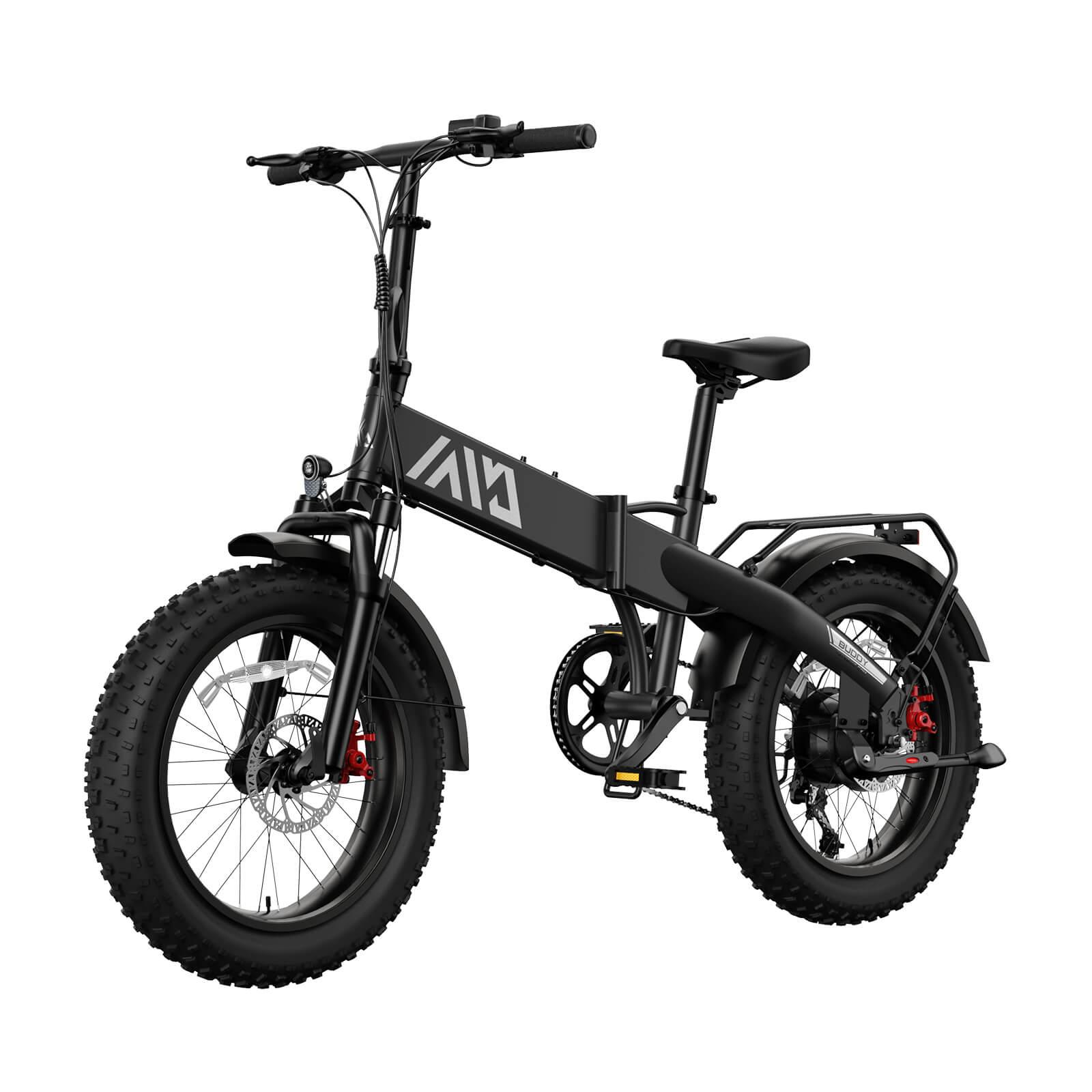










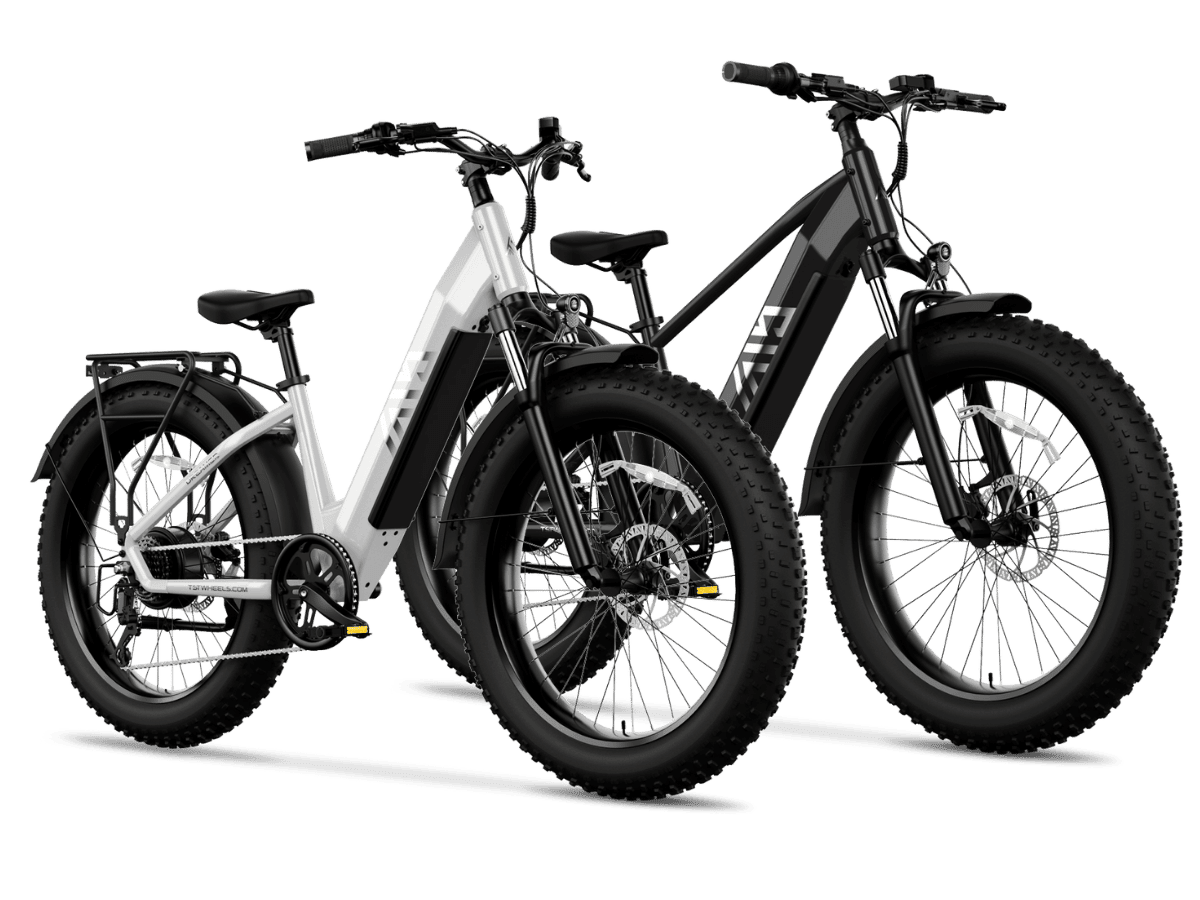
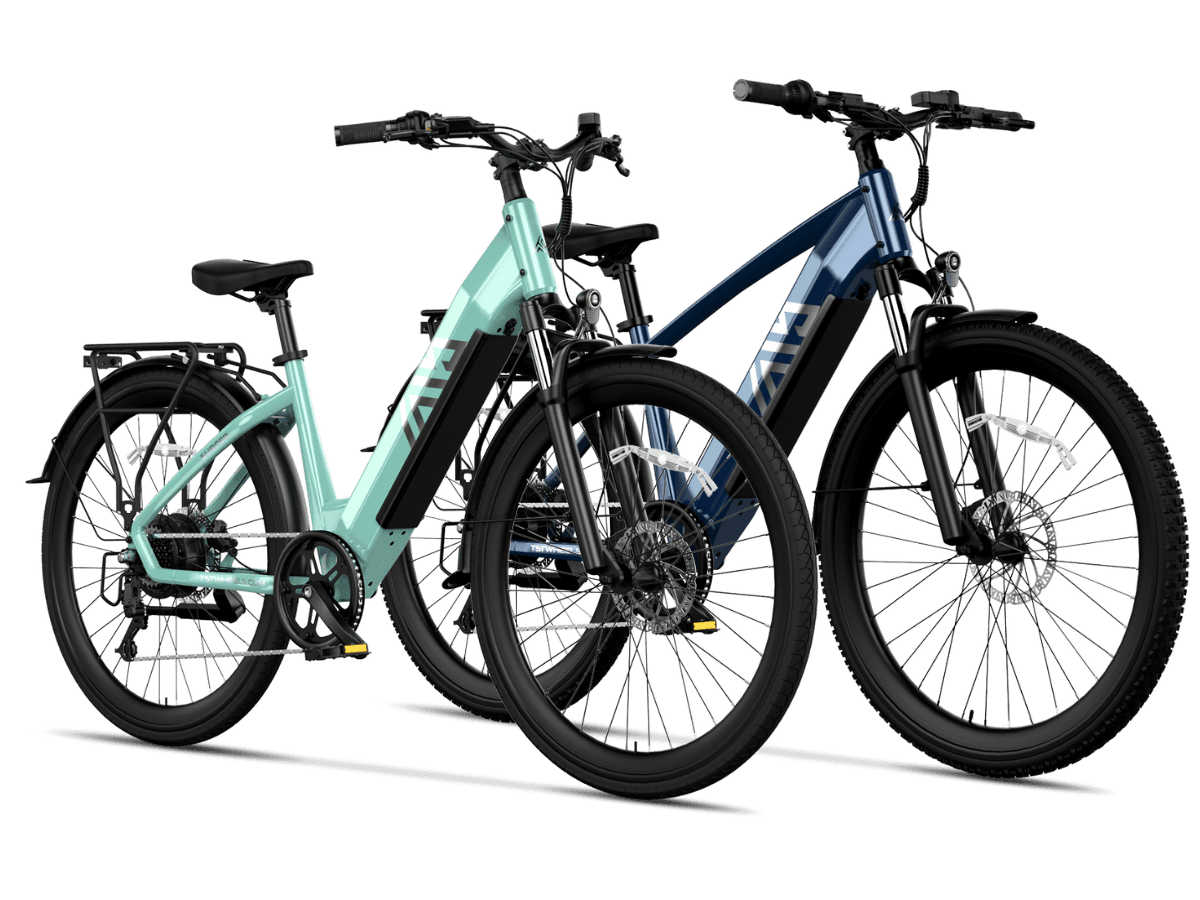
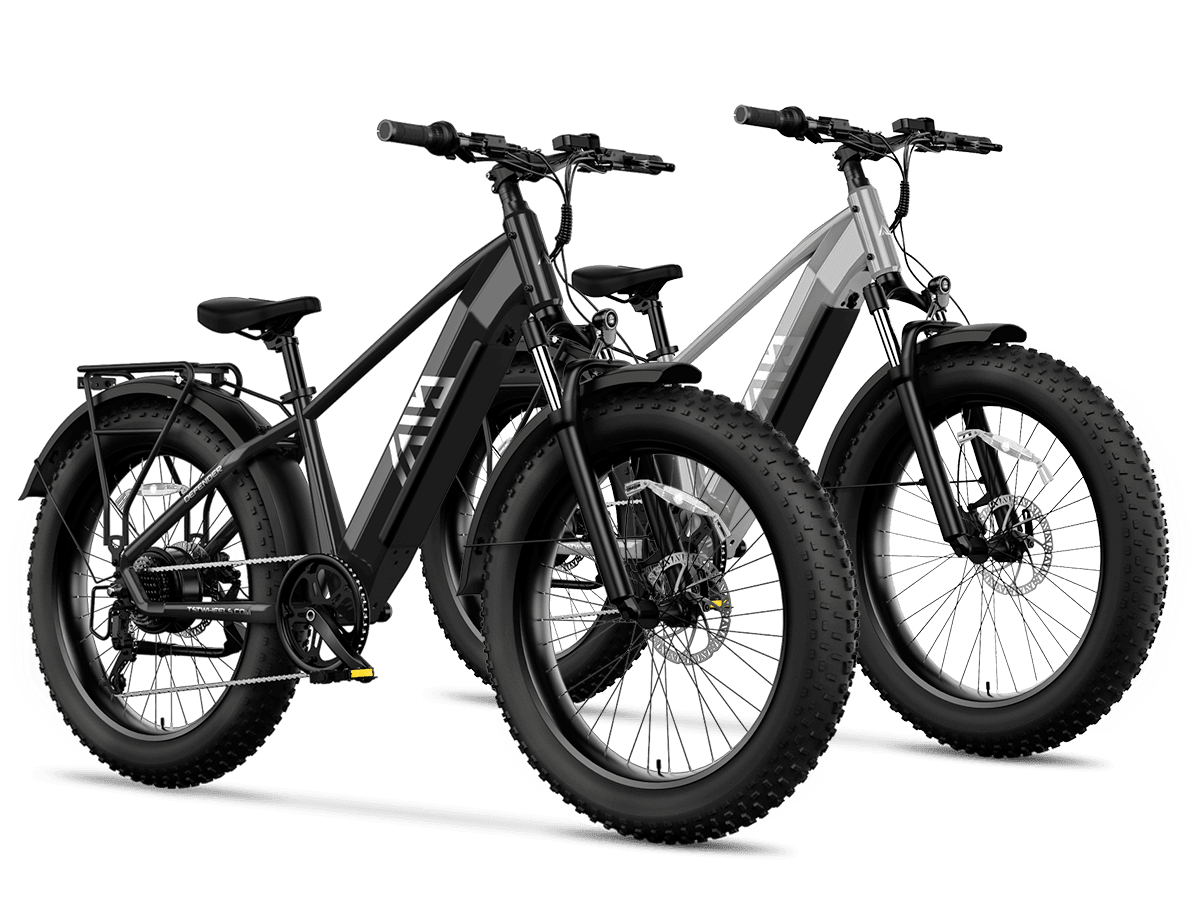
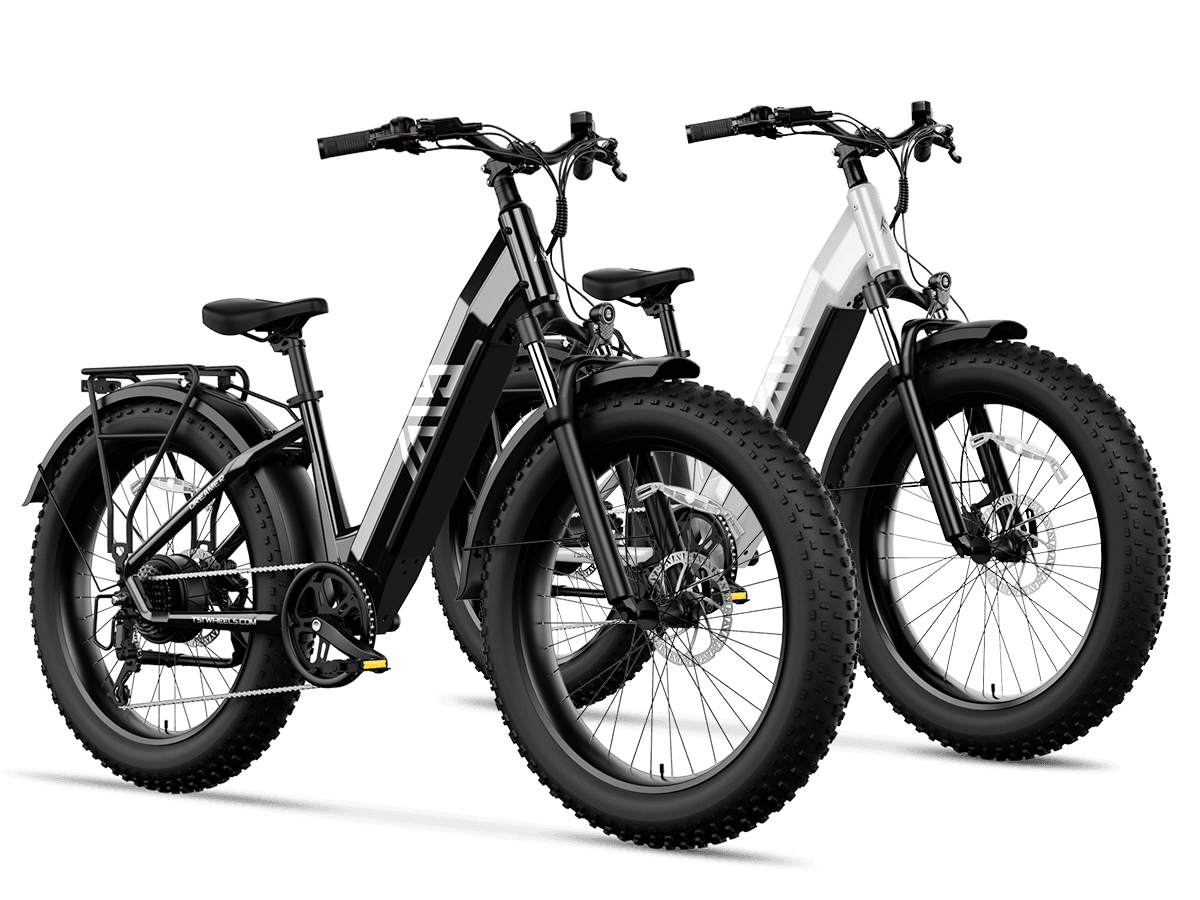

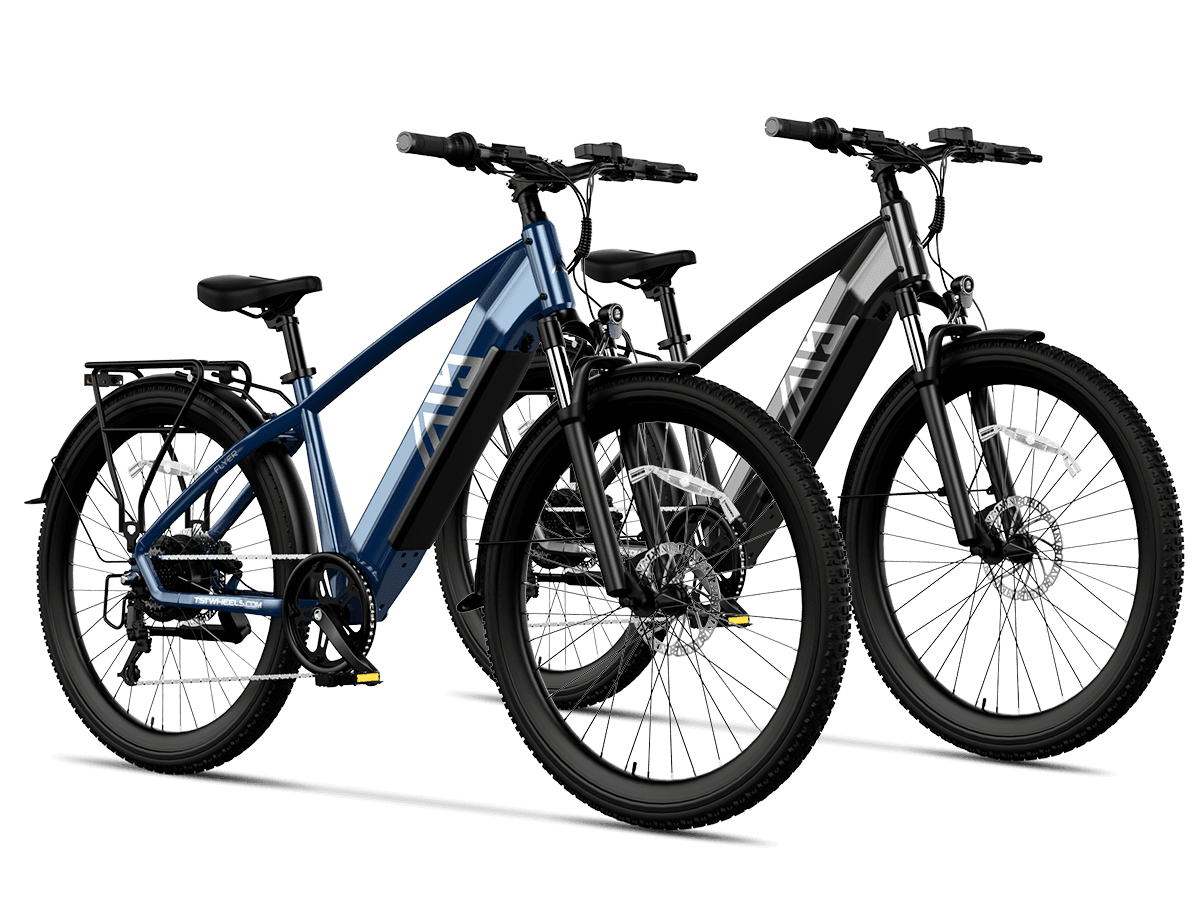

The Stark Varg is a full‑size electric motocross bike with restricted top speeds around 68 mph and peak outputs up to 80 hp, designed to outrun most gas 450s on wide‑open tracks. TST electric dirt bikes, such as the GT‑series platforms, focus on lighter, 30–40 mph backyard and trail speeds that are easier to manage, maintain, and afford for everyday riders.
What makes the Stark Varg so fast compared with typical e‑dirt bikes?
The Stark Varg achieves extreme speed through a high‑power electric motor (up to 80 hp), a large 6–7.2 kWh battery, and a motocross‑grade chassis tuned for race‑level performance. Its restricted top speed of around 68 mph places it in full motorcycle territory, far beyond typical consumer e‑bikes.
On paper, the Varg’s 45 kW peak and up to 973–978 Nm of rear‑wheel torque give it more thrust than many 450 cc gas bikes, especially off the line. Real‑world tests and reviews consistently highlight how quickly it builds speed on fast, open sections; wide, flowing MX tracks are where that power is fully exploited. The bike’s software allows riders to dial output down to around 10 hp or crank it up to full, effectively offering an entire “fleet” of power modes in one machine.
From an engineering standpoint, the combination of a large pouch‑cell battery in a magnesium housing, liquid‑cooled motor and controller, and long‑travel KYB suspension creates a stable platform at high speeds. The chassis weight of roughly 118 kg and full‑size 21/19 wheels keep the bike planted when the motor unleashes full torque. That’s why in head‑to‑head comparisons on wide‑open trails, the Varg tends to outrun smaller “e‑moto” platforms and modded e‑bikes that simply don’t have the same power ceiling.
How fast is the Stark Varg in real riding, not just on paper?
In real riding, the Stark Varg commonly runs up to its restricted top speed of about 68 mph on open sections, with acceleration that rivals or exceeds 450 cc race bikes. On typical MX tracks, pro‑level riders report 30–45 minutes of hard racing per charge at aggressive pace.
Straight‑line speed is only part of the story. The Varg’s programmable modes let riders tailor power delivery, traction, and engine‑braking to match track layout and skill level. On tight technical sections, many riders actually dial power back to keep the bike manageable and avoid wheelspin. In open desert or GP‑style tracks, they unlock more power and use the full 60–80 hp envelope. This versatility makes the Varg feel “as fast as you dare,” rather than always pinned at full output.
Range at pace is another practical limiter. While marketing materials cite substantial ride times, independent ride reports suggest that pro‑pace moto sessions are constrained more by rider fatigue and heat buildup than by top‑speed capability. At intermediate or trail speeds, riders commonly see 2–4 hours of use, which is where the Varg becomes more of a long‑range trail bike than a short‑burst race weapon.
How do TST electric dirt bikes approach speed and power differently?
TST electric dirt bikes, such as the GT‑series platforms, aim for controllable 30–40 mph top speeds with a focus on backyard tracks, trails, and practice sessions rather than outright motocross dominance. They use lower power levels than the Stark Varg, but that trade‑off makes them lighter, more approachable, and easier on maintenance and running costs.
For example, the TST GT63 is built around roughly 2,200 W of quiet power with a reported top speed around 37 mph, hydraulic brakes, and a chassis sized for youth and adult backyard practice. Where the Varg is designed to match or beat 450 cc race bikes, TST’s dirt platforms are tuned for “motocross‑style fun” without the track‑only commitment, allowing riders to practice technique in neighborhoods or private land without drawing noise complaints.
From a design perspective, TST EBike leverages its e‑bike heritage: hub or mid‑drive style power systems, lighter frames, and simpler suspensions that prioritize reliability over ultimate travel. The result is a family of electric dirt bikes and moped‑style e‑bikes that reach 30–37 mph and offer 60–100 miles of range in some configurations—speeds that feel thrilling on singletrack and backyard jumps, yet remain manageable for intermediate riders.
How does Stark Varg speed compare directly with TST electric dirt bikes?
The Stark Varg is dramatically faster, with a restricted top speed around 68 mph versus roughly 30–40 mph for TST electric dirt bikes aimed at backyard and trail use. In terms of power, the Varg’s 60–80 hp output dwarfs the 2–3 kW class motors typically used in TST’s smaller dirt platforms.
On a straight‑line acceleration test, the Varg will walk away from a GT‑class TST bike almost immediately once traction is available, especially beyond 25–30 mph. The Varg’s motorcycle‑grade suspension, full‑size wheels, and long wheelbase let it stay stable at highway‑like speeds where a lighter e‑dirt bike would feel nervous. That’s why Varg comparisons typically involve modded full‑size e‑motos, not smaller practice bikes.
However, top speed is not the only performance metric. On tight, technical backyard tracks, a well‑ridden TST dirt bike can feel just as fun and may even be easier to flick around due to lower weight and gentler power delivery. And in many local riding areas—especially where there are noise, licensing, or land‑use restrictions—having a quieter 30–37 mph machine like a TST platform may actually unlock more riding opportunities than a race‑focused 68 mph weapon.
Speed and power snapshot: Stark Varg vs TST dirt platforms
Why might a rider choose a slower TST dirt bike over a faster Stark Varg?
Riders might choose a slower TST dirt bike because it is more affordable, easier to control, quieter, and less demanding to own than a race‑grade Stark Varg. For many riders, 30–37 mph in technical terrain feels fast enough while keeping risk and maintenance manageable.
From a safety standpoint, crash energy increases with the square of speed, so a fall at 65+ mph is dramatically more serious than one at 30 mph. I’ve watched intermediate riders step onto full‑power e‑motos and quickly realize they are riding beyond their skill envelope. By contrast, TST EBike’s dirt platforms are tuned for “controlled fun,” letting you focus on technique—braking points, body position, line choice—without the ever‑present risk of unintentionally hitting highway speeds.
Cost and logistics also matter. The Stark Varg’s price tag sits in high‑end motorcycle territory, and it demands a racing‑oriented support setup: dedicated transport, gear, and track access. TST’s electric dirt bikes are built as accessible tools: charge in a garage, ride in a backyard or local trail where legal, and service through TST EBike’s existing e‑bike‑centric infrastructure and stores. For many riders—especially those transitioning from bicycles—this lower barrier to entry makes the slower bike the smarter choice.
How does handling and terrain shape perceived speed on both platforms?
Handling and terrain often dictate how fast a bike feels long before you hit its top‑speed limit. On tight, technical tracks, both the Stark Varg and TST electric dirt bikes can feel “maxed out” at speeds well below their absolute peaks.
The Varg’s full‑size chassis, long wheelbase, and high‑end KYB suspension let it stay composed over big jumps, whoops, and high‑speed chop where smaller bikes get unsettled. On a fast MX track, that stability is what makes its 60–68 mph capability usable—without that chassis, the same motor would feel unrideable. Yet in tight woods or backyard tracks, riders often dial power down to avoid constant wheelspin and fatigue.
TST dirt platforms, with their lower mass and shorter dimensions, can feel lively and quick at more modest speeds. When you are weaving between trees, working on corner exits, or grooming a small jump line, 25–35 mph can feel absolutely electric—especially with instant e‑torque. That’s why, in many real‑world scenarios, the “fun per meter” can be similar even though the spec sheets look miles apart.
How do battery size and ride time compare between Stark Varg and TST EBike dirt platforms?
The Stark Varg uses a large 6–7.2 kWh pack for 30–45 minutes of pro‑pace racing or several hours of lighter trail use, while TST electric dirt bikes use much smaller packs optimized for backyard sessions and shorter trail rides. In practice, both aim to match their intended riding styles rather than compete directly on raw kWh.
The Varg’s big pack and liquid‑cooled drivetrain allow high continuous power without thermal throttling, which is crucial when you’re clearing big jumps and long straights repeatedly. Recharging typically takes a couple of hours with an external charger, and the battery is designed as an integral structural element of the chassis. That makes sense for a race machine where you plan dedicated riding windows and accept longer recharge cycles between motos.
TST EBike’s dirt and moped‑style platforms, by contrast, rely on more compact e‑bike‑class packs sized so an average rider can get multiple backyard sessions or a solid trail ride on each charge. While the absolute energy storage is much lower than the Varg, so is the average power draw: 2–3 kW platforms simply do not drain cells as violently as 45 kW race motors. For owners, that means more plug‑and‑play charging in a standard garage, without needing dedicated high‑amp infrastructure.
Where does TST EBike fit in the electric off‑road spectrum next to Stark Varg?
TST EBike sits in the accessible performance segment: faster and more capable than typical consumer e‑bikes, but intentionally below full race‑grade electric motocross bikes like the Stark Varg. It focuses on high‑power, cost‑effective machines that align with everyday riders’ skill levels, budgets, and available riding spaces.
As part of TST GRP LLC, TST EBike brings e‑bike manufacturing experience, consumer feedback loops, and a network of warehouses and offline stores into its dirt offerings. That infrastructure supports riders who want track‑style fun without the complexity and expense of pure competition hardware. In other words, TST EBike is building “real‑world electric dirt bikes” rather than singular halo products.
In the broader off‑road landscape, the Stark Varg represents the sharp end of performance—huge power, huge capability, and a price and risk profile to match. TST electric dirt platforms, meanwhile, are the bikes you can charge at home, ride after work, share with family, and maintain through an e‑bike‑centric ecosystem. Both have their place; the question is whether you want a race tool or a versatile fun machine that slots into ordinary life.
TST EBike Expert Views
“When we benchmark machines like the Stark Varg at TST EBike, we are impressed—but we also ask how many riders will ever use 60–80 horsepower off‑road. Our dirt platforms are calibrated so a committed teenager or adult can ride at 80–90% of the bike’s capacity, learn technique safely, and go home without needing a van, crew, or race budget.” — TST EBike engineering team
How should riders decide between a Stark Varg and a TST electric dirt bike?
Riders should choose a Stark Varg if they want race‑level performance, have access to full‑size tracks, and are prepared for motorcycle‑level costs and risks. A TST electric dirt bike is better for riders seeking affordable, lower‑speed off‑road fun, practice, and family‑friendly sessions on more modest terrain.
Think first about where you’ll ride. If your main environment is sanctioned MX tracks and you already ride a 250–450 cc motocross bike, the Stark Varg offers a direct electric upgrade with similar performance and demands. If instead you have a backyard loop, local trails, or informal riding spots where noise, safety, and simplicity matter, a 30–37 mph TST platform will likely see far more use.
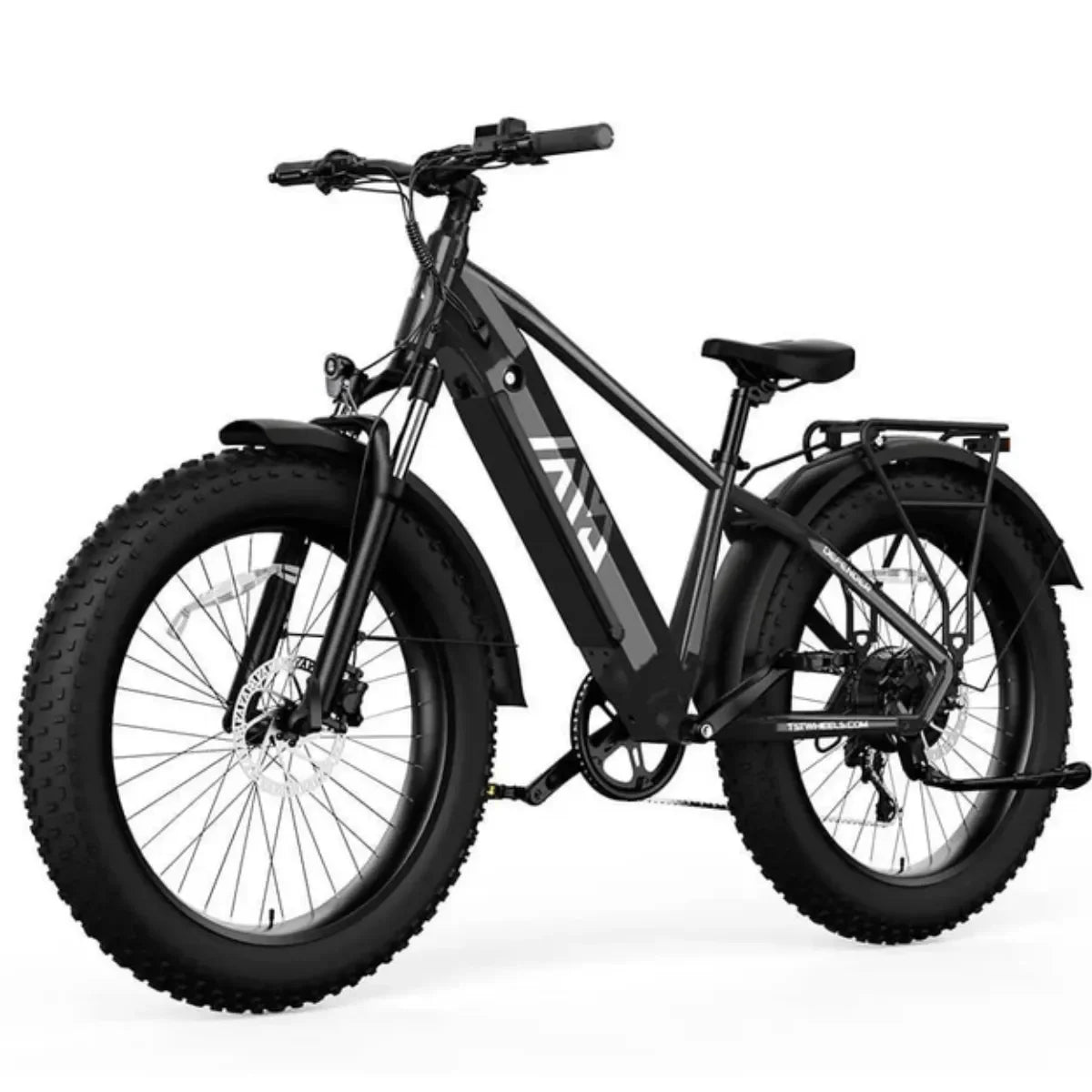
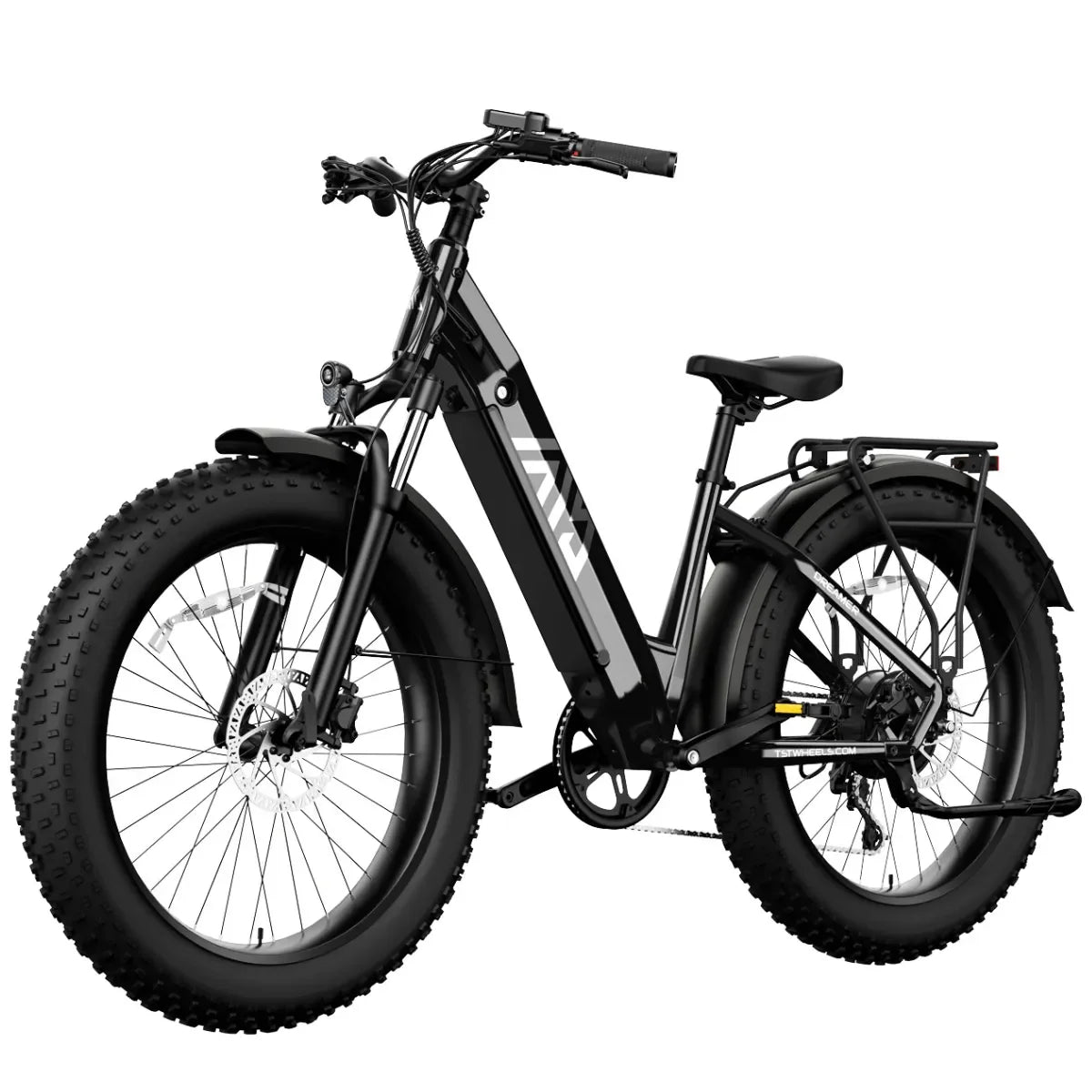
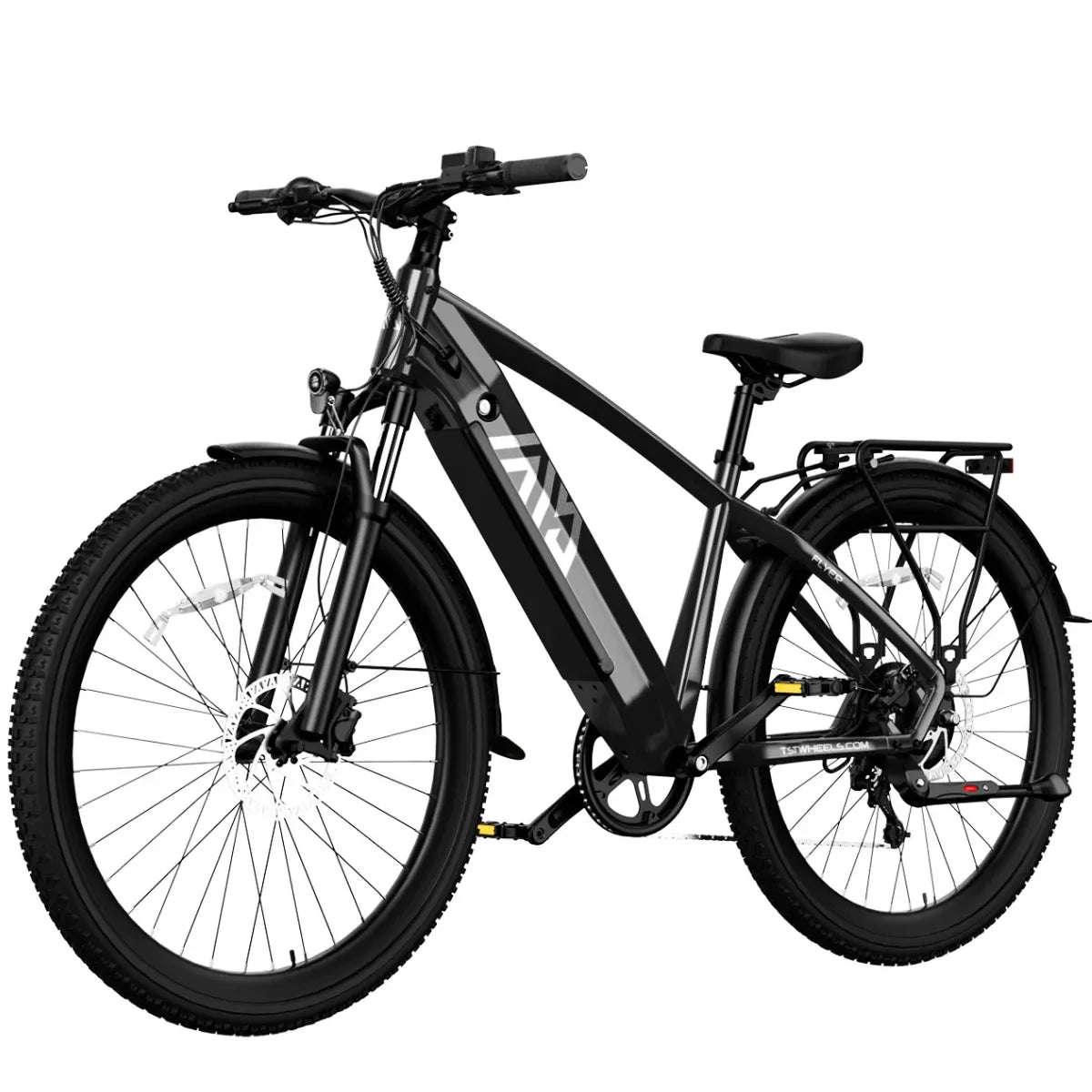
Next, be honest about skill level and appetite for maintenance. A bike capable of 68 mph and race power requires race‑grade protective gear, careful setup, and consistent upkeep. TST EBike’s approach is deliberately more forgiving: robust but simpler hardware, easier charging, and support through the same channels that serve their 26‑ and 27‑inch e‑bike customers. For many riders—and especially families—that balance of speed, safety, and practicality will be the winning combination.
Conclusion: What’s the smarter “fast” for your electric dirt riding?
The Stark Varg delivers breathtaking speed and power that can redefine what an electric dirt bike is capable of on a full‑size motocross track. TST electric dirt bikes trade that race‑level performance for more approachable 30–37 mph speeds, lower costs, and everyday usability that fit into real riders’ lives.
If your goal is to compete at the sharp end of motocross and you’re prepared to invest in the machine, the gear, and the venues, the Varg is a compelling future‑proof weapon. But if you want regular seat time—after work, with friends, in your own space—TST EBike’s high‑power yet controlled dirt platforms likely offer more “fast fun per dollar” and far less friction between you and your next ride. In the end, the smarter choice is the bike you’ll ride the most, not just the one with the biggest top‑speed headline.
FAQ
Is the Stark Varg faster than TST electric dirt bikes?
Yes, the Stark Varg is much faster, with restricted speeds around 68 mph and race‑bike power, while TST electric dirt bikes typically top out around 30–37 mph for controlled off‑road fun.
Can a TST electric dirt bike handle real off‑road trails?
TST electric dirt bikes are designed for off‑road use, including backyard tracks and trail riding, with chassis and brakes tuned for rough terrain at more manageable speeds than full race bikes.
Which is better for beginners, Stark Varg or TST dirt bikes?
For beginners, a TST electric dirt bike is usually better thanks to lower speed, gentler power, and simpler ownership, whereas the Stark Varg is targeted at experienced riders with motocross backgrounds.
Do both bikes require the same protective gear?
You should wear full off‑road protective gear on both, but the Stark Varg’s higher speeds and race intent make motorcycle‑grade helmets, armor, and boots absolutely essential.
How does TST EBike support its electric dirt bike customers?
TST EBike supports dirt bike owners through its e‑bike‑focused warehouses, international distribution, and network of more than 20 offline stores, offering parts, service, and practical upgrades.

Leave a comment
This site is protected by hCaptcha and the hCaptcha Privacy Policy and Terms of Service apply.