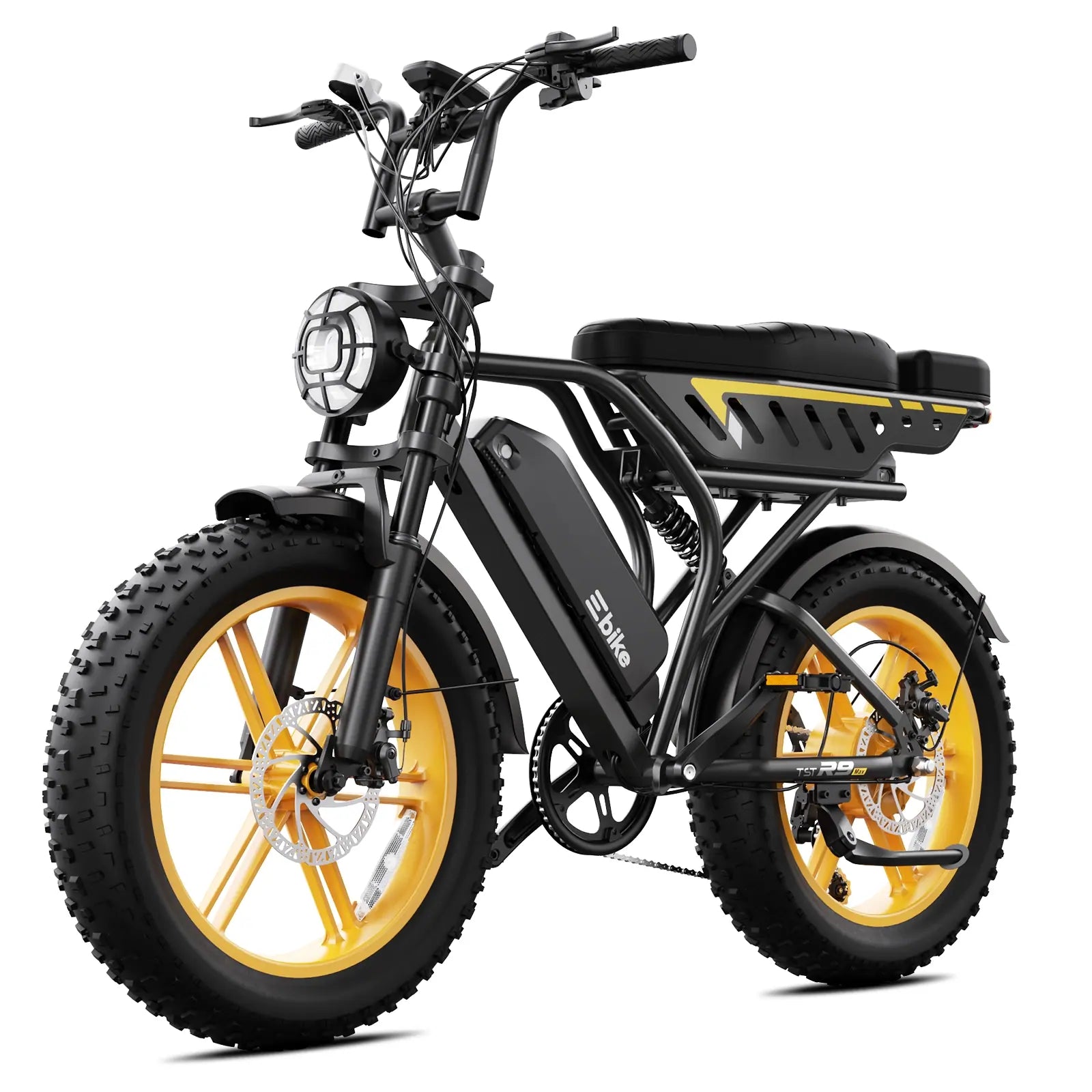
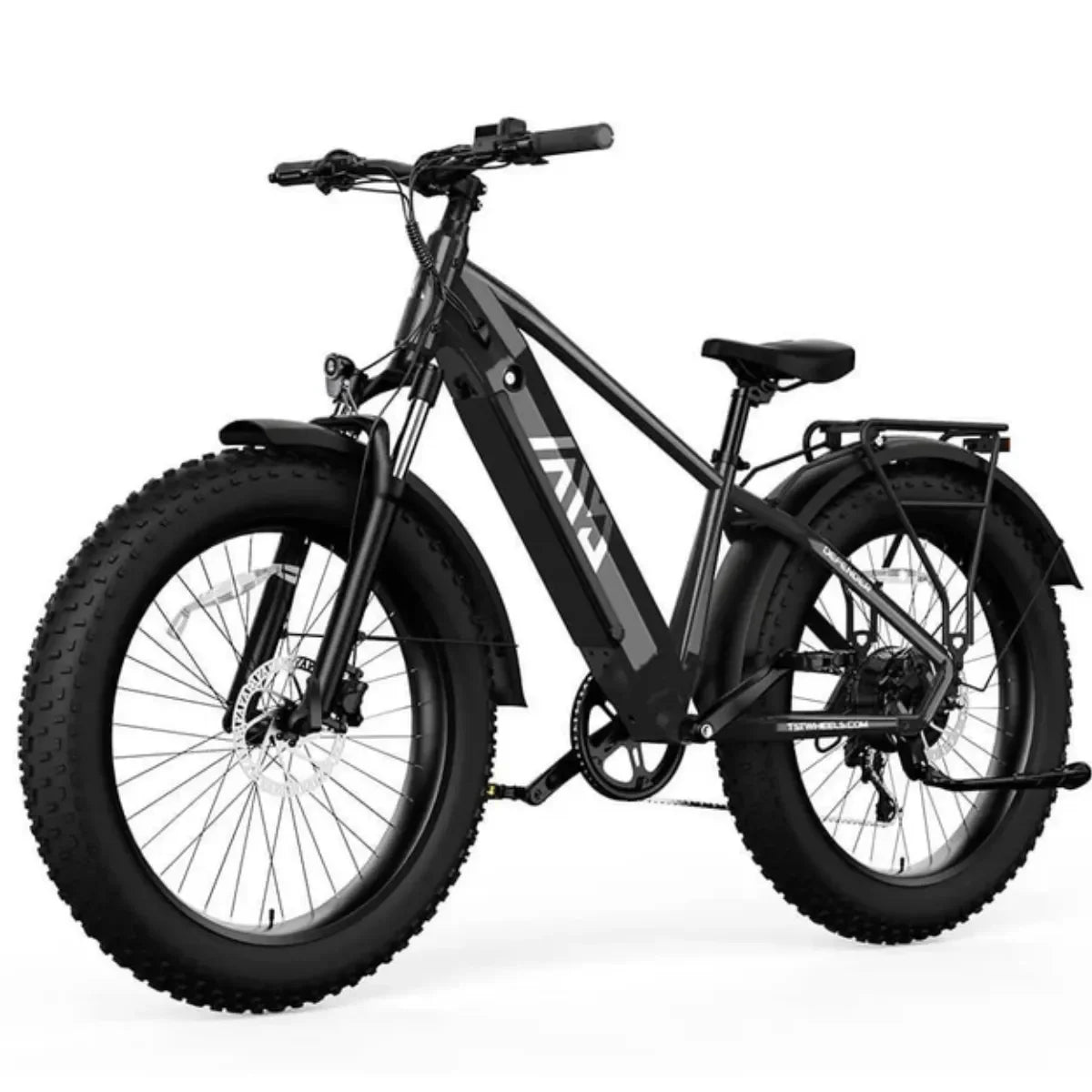
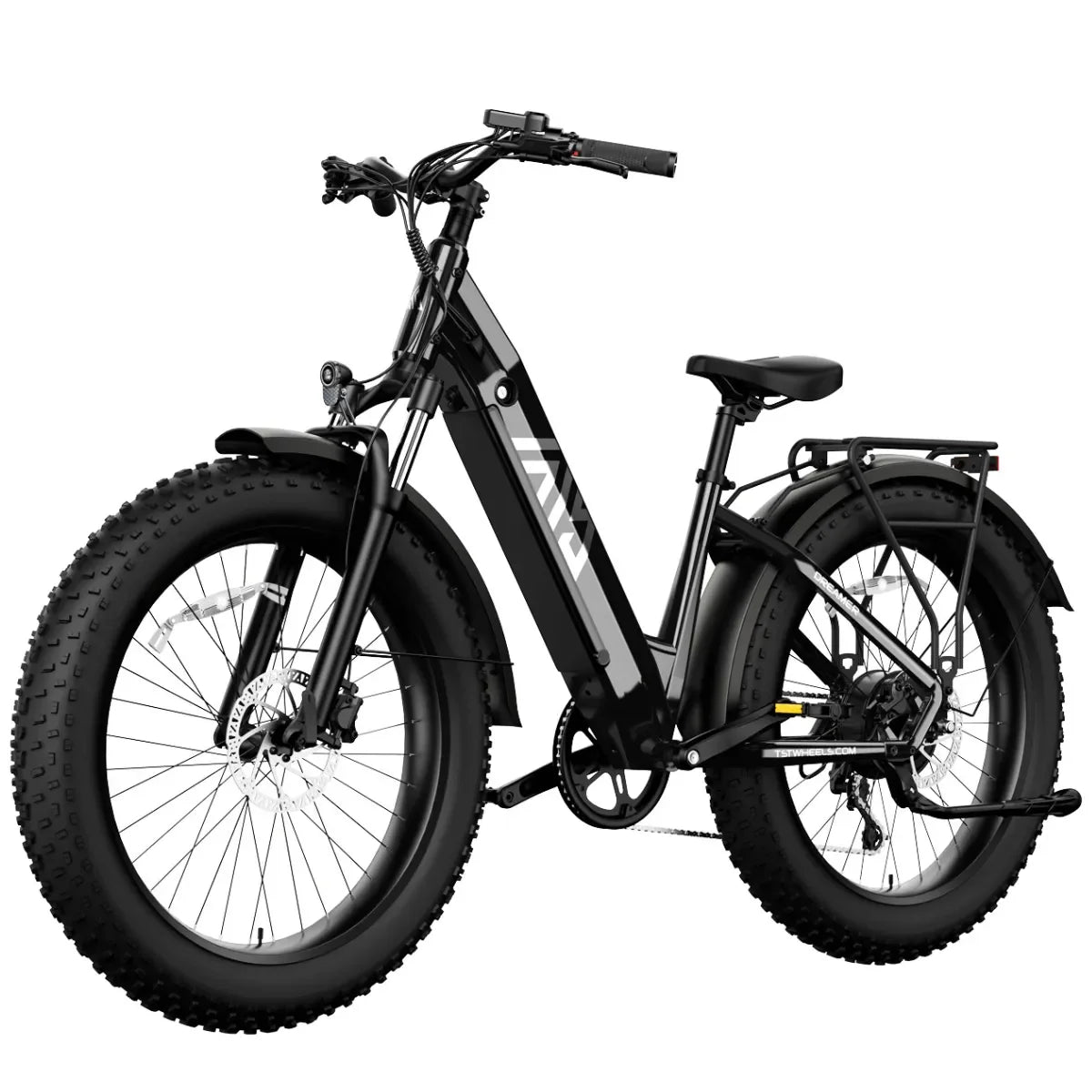
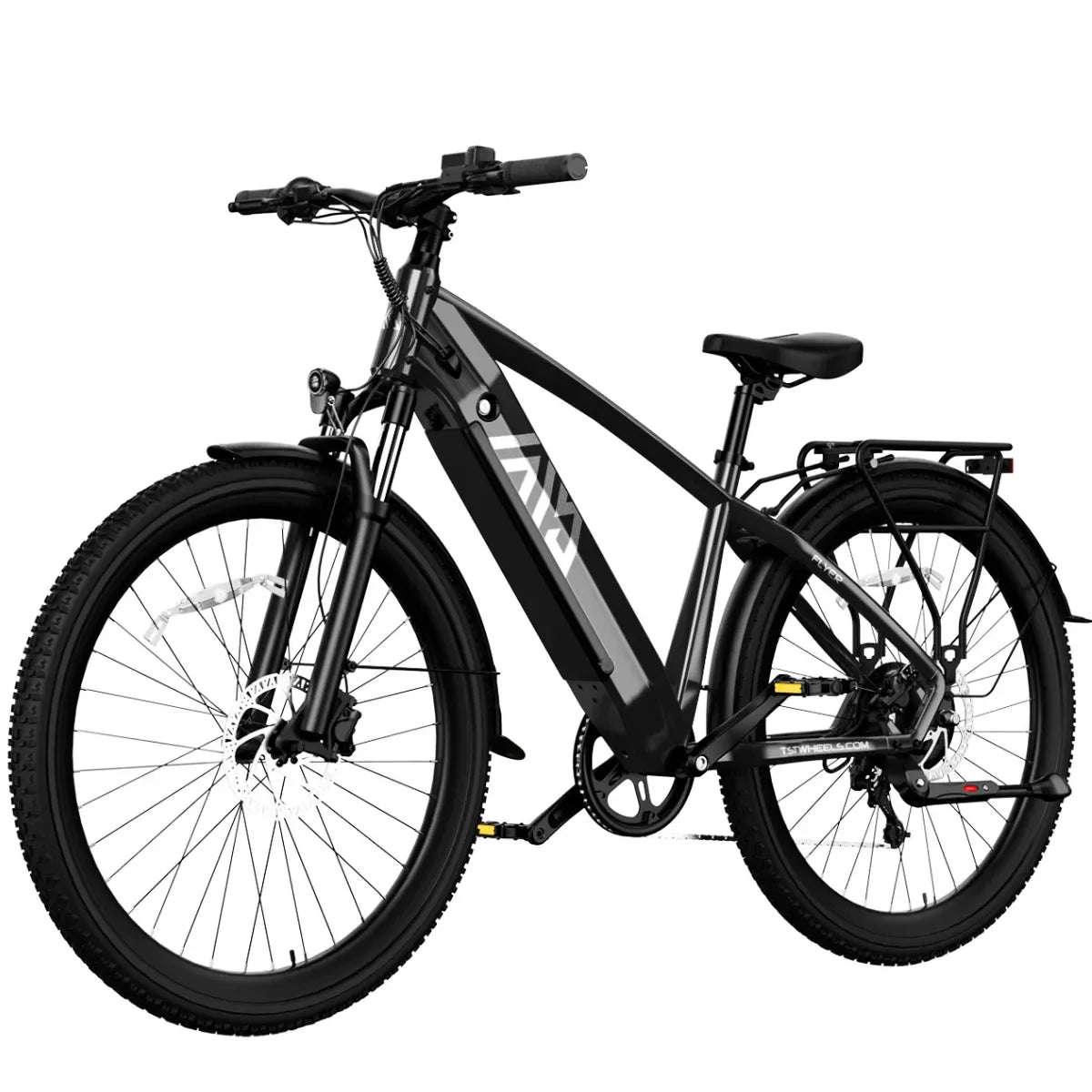
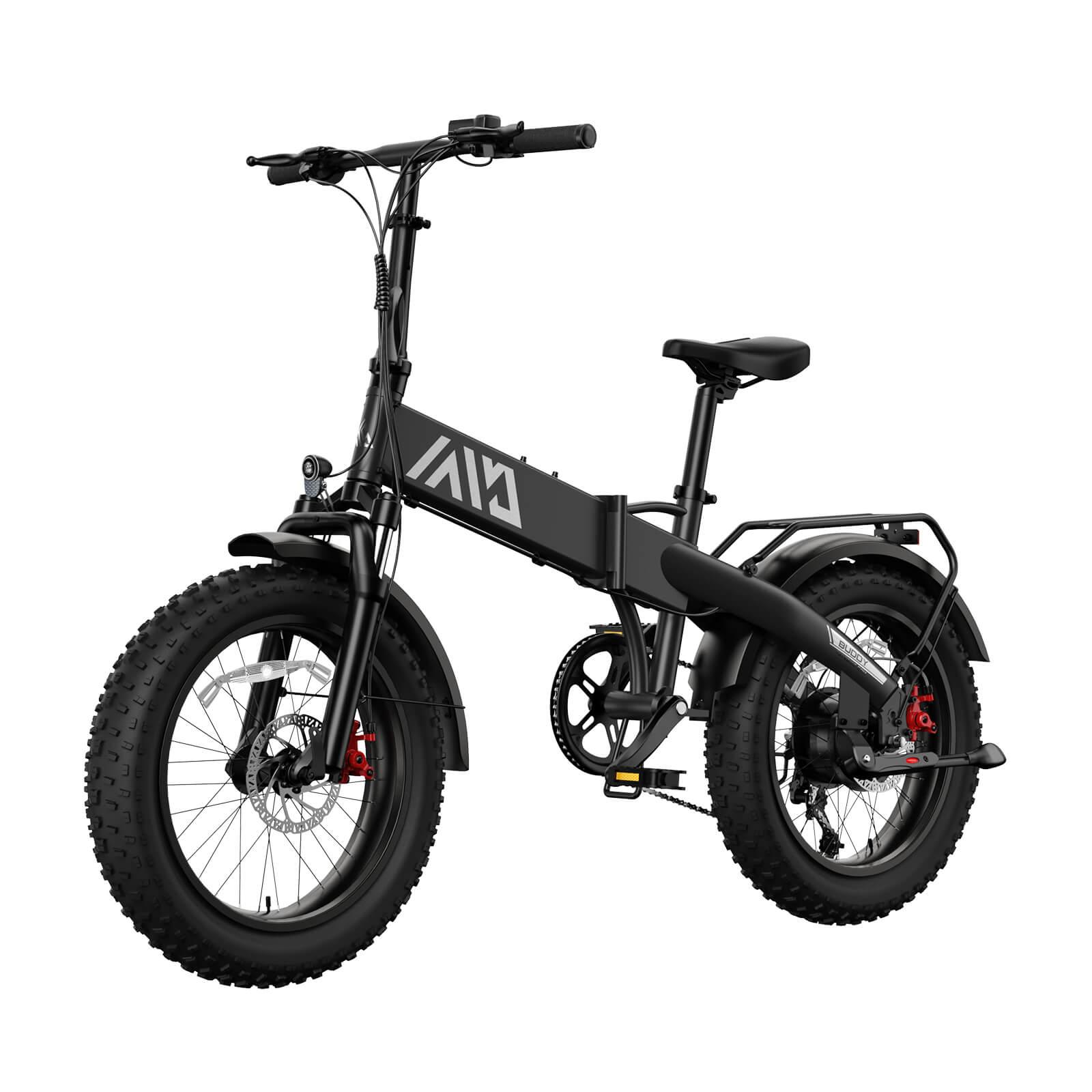
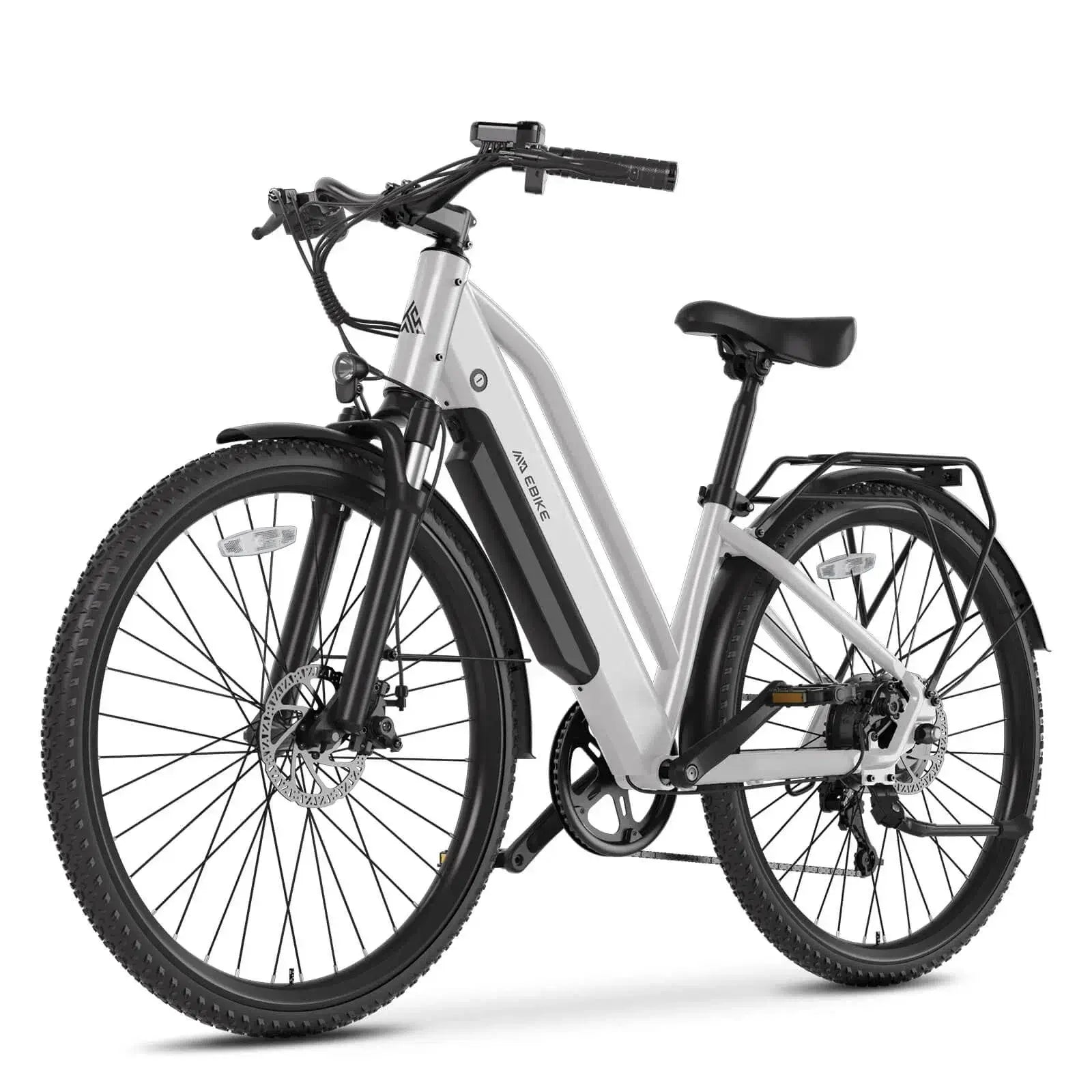
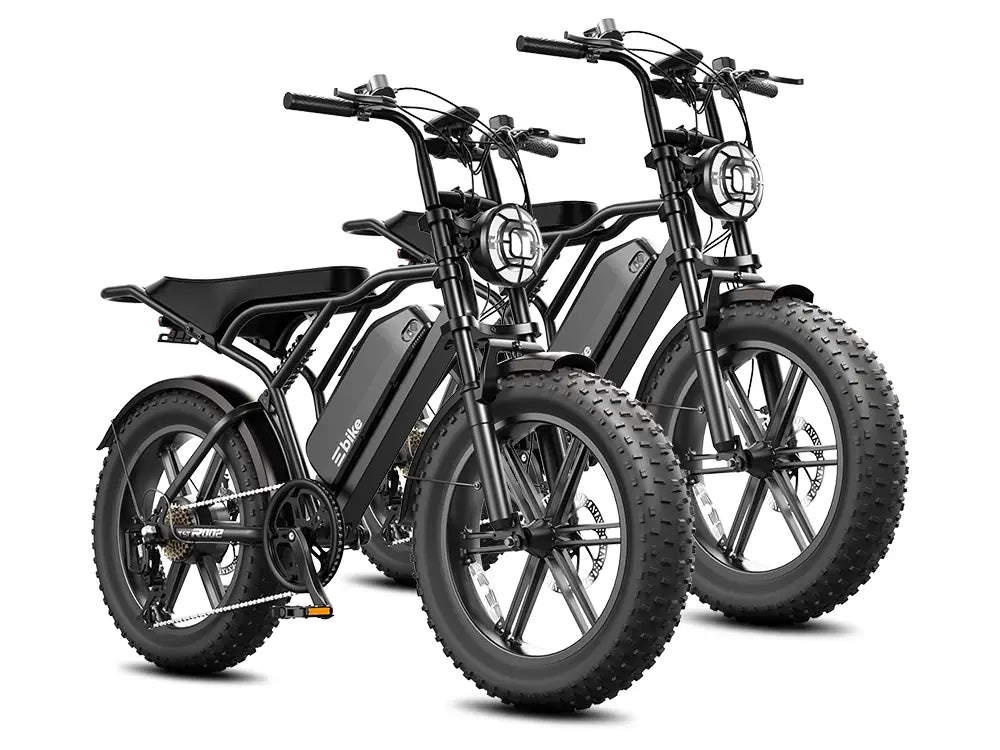
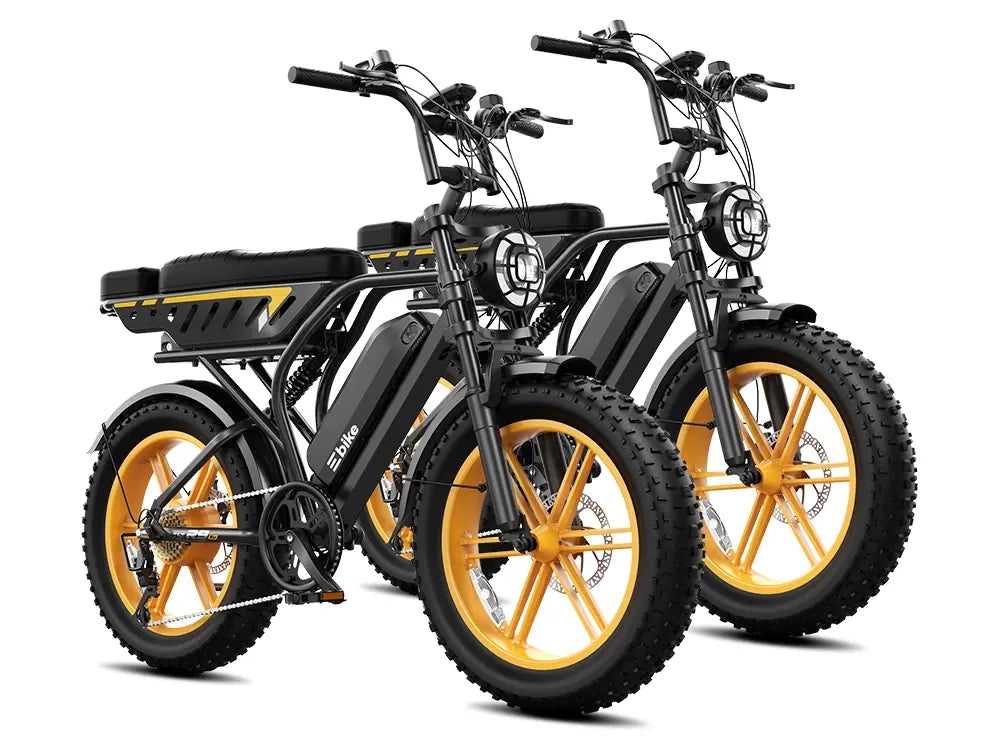
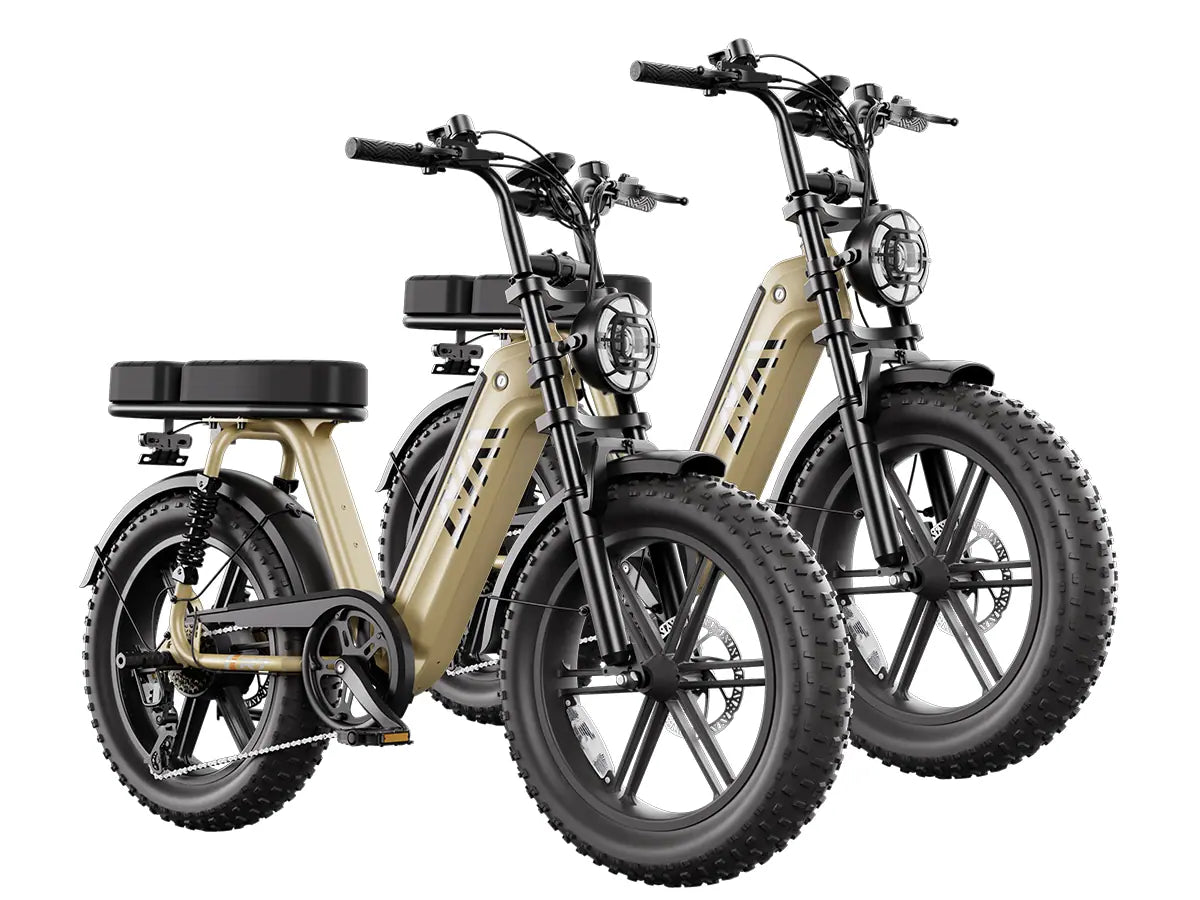
Choosing the right Class 4 electric bike requires understanding that these high-powered machines have motors exceeding 750 watts, often without speed limits, and are legally classified as motor vehicles. Consider your intended use, frame and component strength, motor and battery power, safety features, legal compliance, and manufacturer reputation to select the best model for your needs.
What Defines a Class 4 Electric Bike?
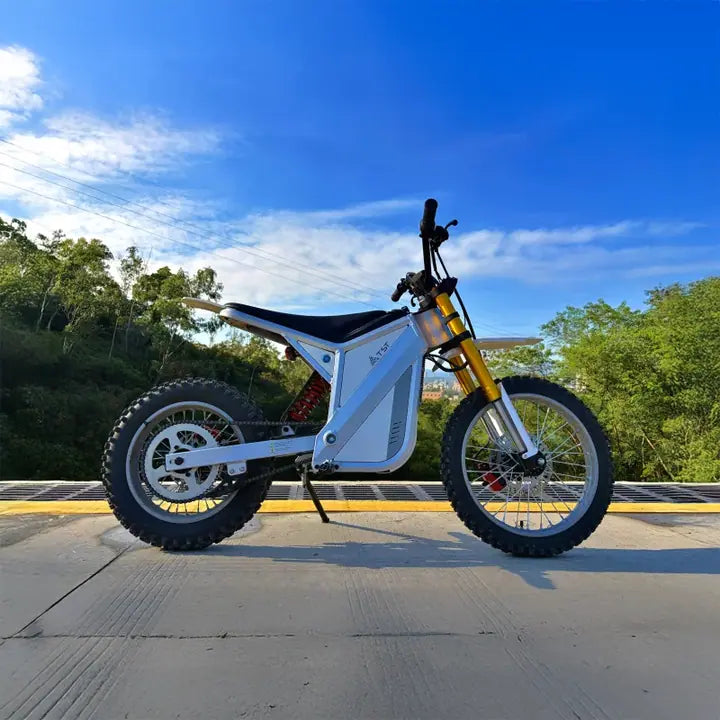
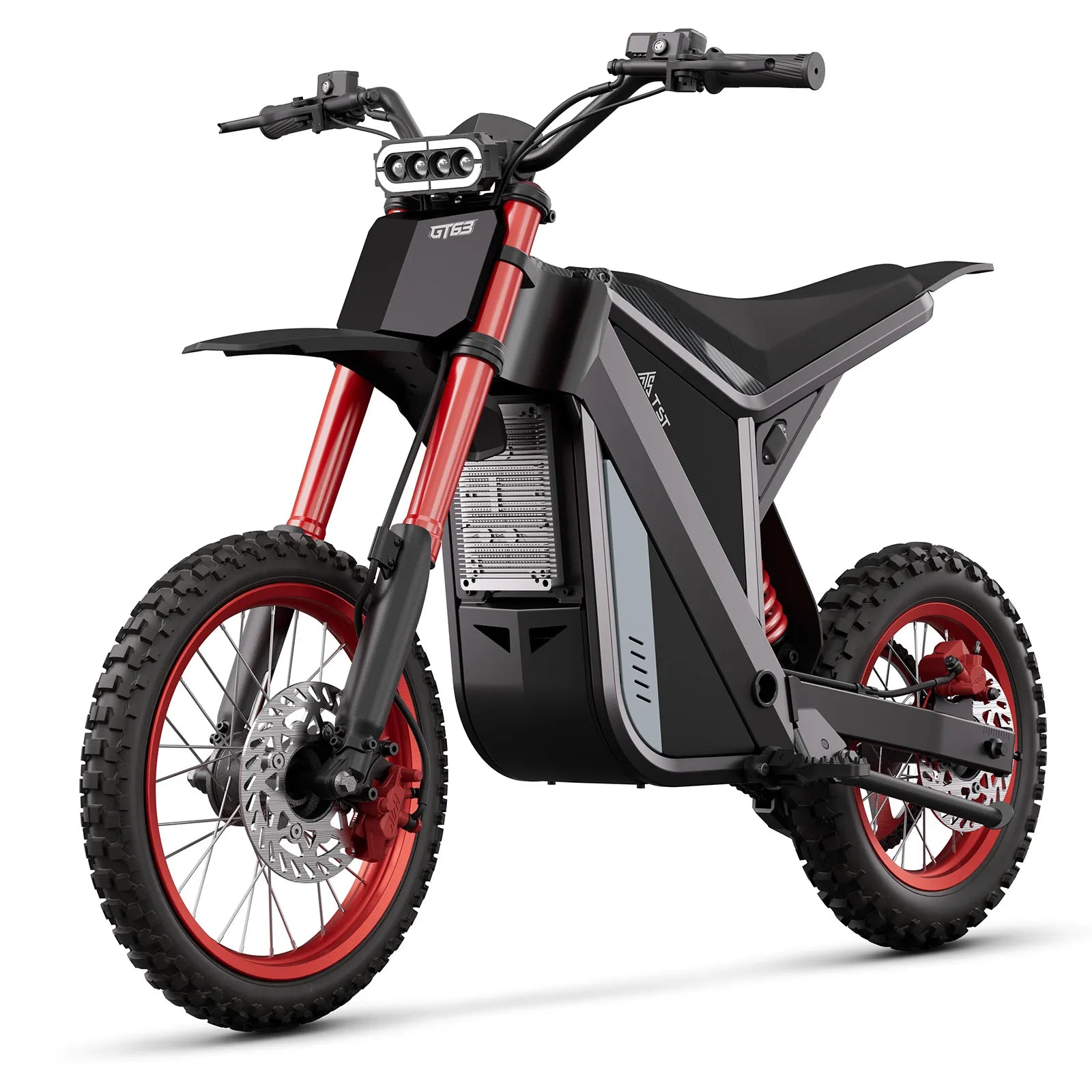
Class 4 e-bikes feature motors over 750W with no maximum speed restriction, distinguishing them from lower classes capped at 20-28 mph. They resemble powerful dirt bikes with pedal functionality but fall under motor vehicle classification, subject to licensing, registration, and insurance requirements.
Chart: Class 4 Electric Bike Specifications
| Feature | Specification |
|---|---|
| Motor Power | Over 750 watts |
| Maximum Speed | No speed limit |
| Pedal Assistance | Optional; may include throttle |
| Classification | Motor vehicle (moped/motorbike) |
How Do Class 4 E-Bikes Differ From Other Classes?
Unlike Class 1, 2, and 3 e-bikes, which have power ceilings and speed limits (20-28 mph), Class 4 bikes deliver unrestricted speed and higher motor output for demanding off-road and high-speed scenarios. They require stronger, more durable components to safely support these specs.
Imagine e-bikes grouped into categories like Class 1, 2, 3, and 4, each with different rules on how fast they go and how much power their motors provide. The first three classes cap speeds at 20 to 28 miles per hour and limit motor strength, making them suitable for paths and streets where safety is key. Class 4 bikes break those limits, offering much higher speeds and stronger motors for tough trails or quick rides.
These advanced bikes need tougher parts, like reinforced frames and better brakes, to handle the extra power safely. Brands like TST EBike focus on such high-performance options at affordable prices, using feedback to build reliable models for demanding users. This setup lets riders tackle challenging spots without worry, but always check local laws. Speed limits vary by area to keep everyone safe.
Which Riding Needs Suit a Class 4 E-Bike?
Class 4 e-bikes are ideal for riders wanting powerful off-road capability, high-speed travel, or specific motor vehicle applications. They support rugged terrain, steep climbs, and long distances, serving enthusiasts and commuters who need power beyond standard e-bike ranges.
What Build Quality and Features Ensure Safety in Class 4 Bikes?
Effective Class 4 bikes incorporate robust frames, high-quality hydraulic brakes, full suspension for stability, and comprehensive lighting and signaling systems to manage high speeds safely. Attention to component durability and rider protection features is paramount.
How Do Motor and Battery Choices Impact Class 4 E-Bike Performance?
Motors typically range from 1,000 to 2,500 watts, paired with high-capacity batteries (e.g., 48V 15Ah or larger) to deliver extended range and sustained power. The synergy between battery capacity and motor output balances performance, endurance, and rider experience.
What Legal Considerations Should You Know?
Class 4 e-bikes are commonly regulated as motorized vehicles, requiring registration, insurance, and licenses similar to mopeds or motorcycles. Usage often restricts them to roads permitting motor vehicles, excluding bike paths or pedestrian trails.
How Does Brand Reputation Influence Your Choice?
Select models from manufacturers with strong reputations for quality, safety, and support. A warranty of at least two years and robust customer service are essential given the investment and complexity of Class 4 e-bikes.
How Do TST EBike Models Align With Class 4 Requirements?
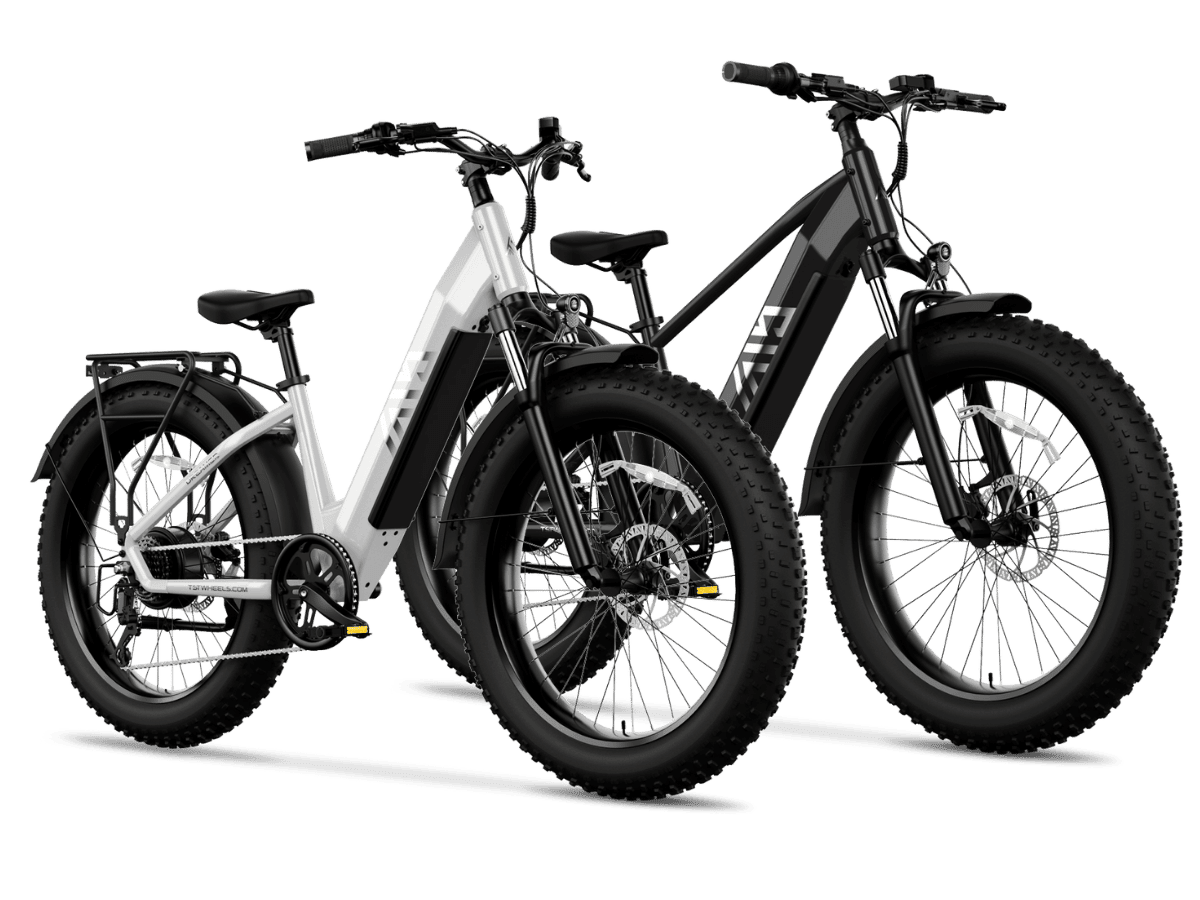
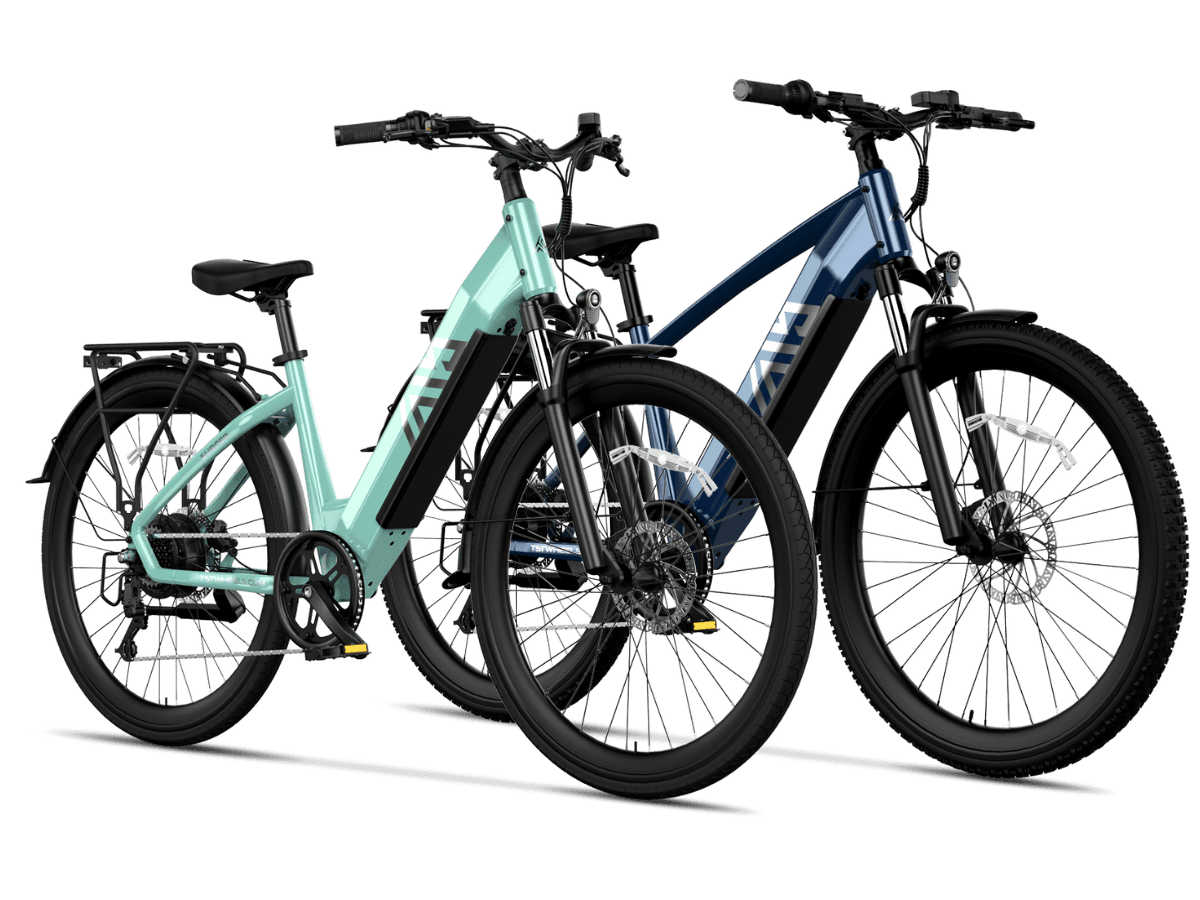
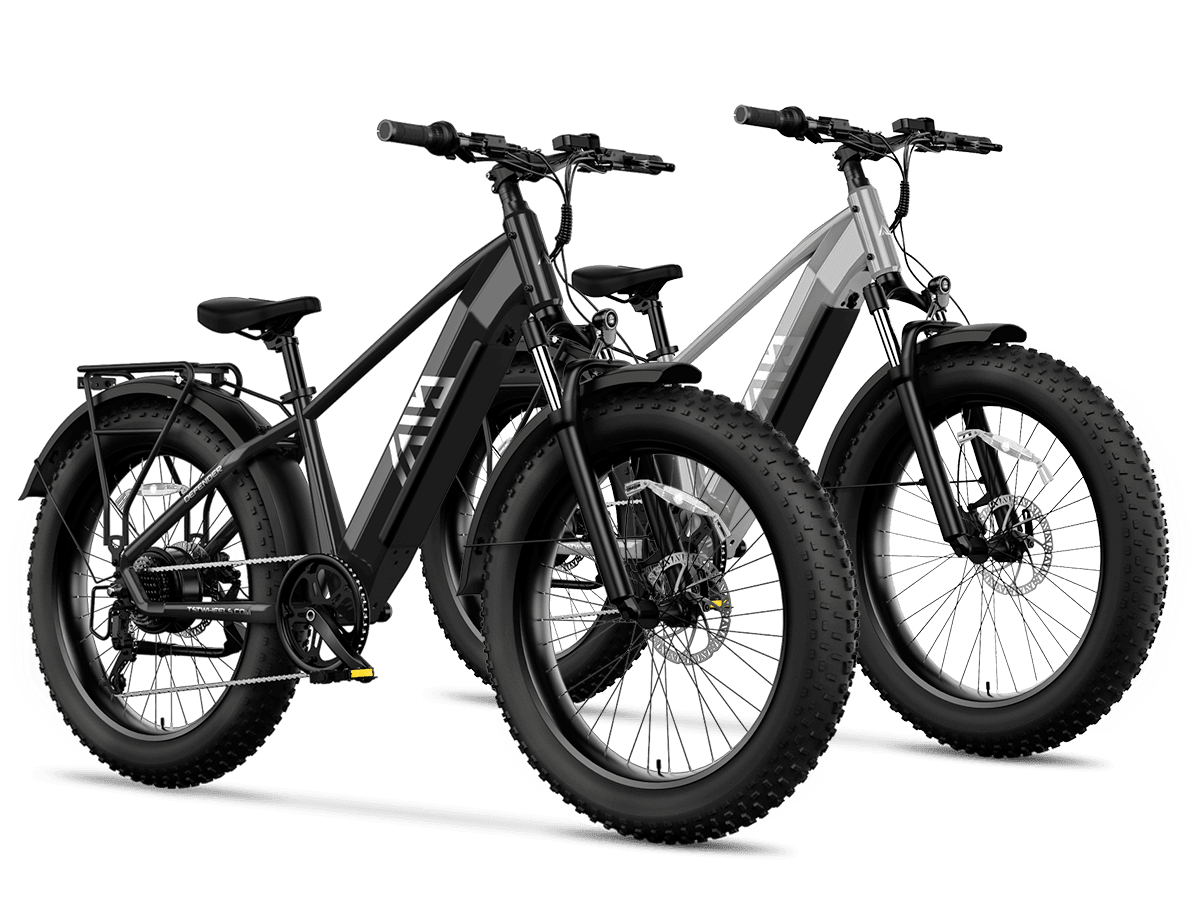
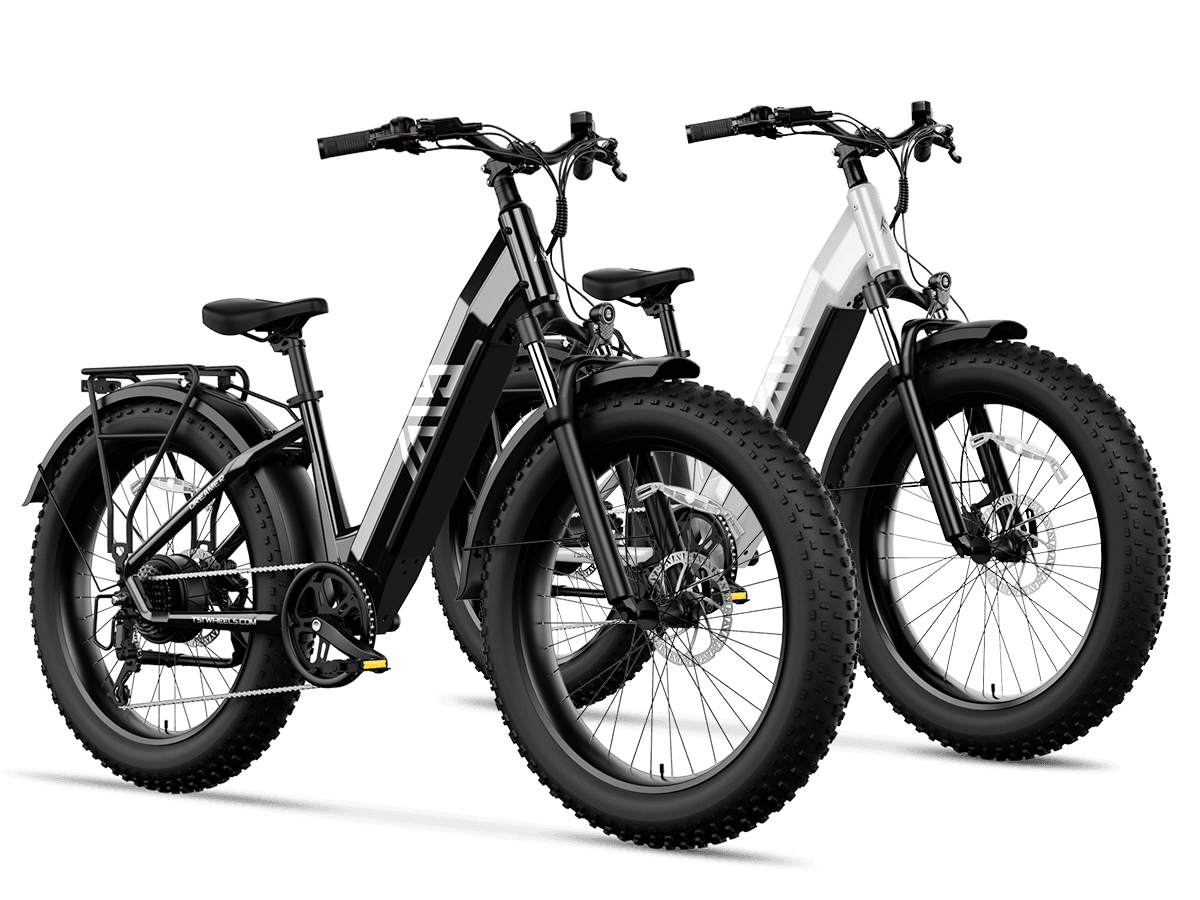
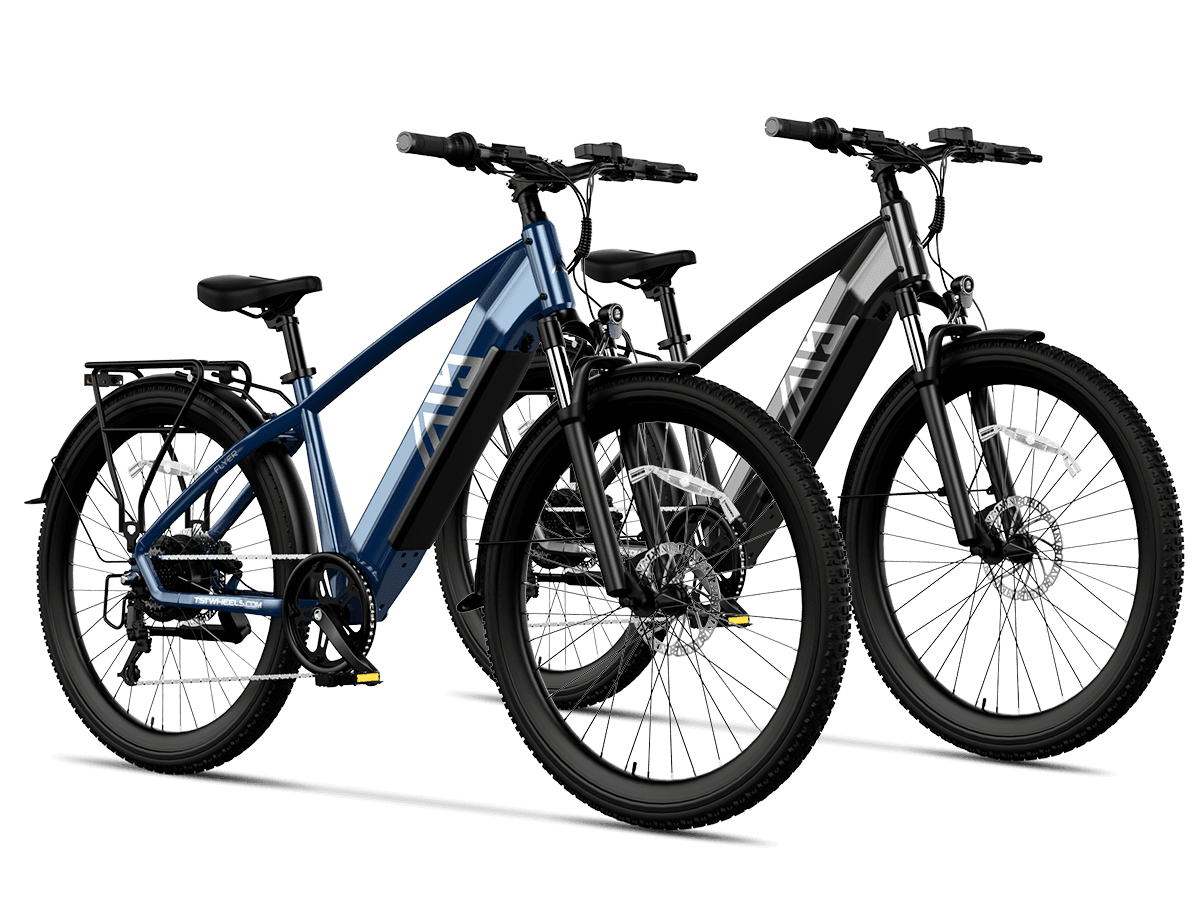
TST EBike offers models tailored for Class 4 specifications, emphasizing powerful motors (1000-2500W), durable build quality, and advanced braking. Their 26-inch models excel in off-road conditions, while 27-inch models combine speed and comfort for urban or mountain use, backed by rigorous quality control.
Buying Tips
- Define your primary riding context: off-road, urban, or mixed.
- Ensure legal compliance in your area regarding licenses and registrations.
- Prioritize robust frame and hydraulic braking systems for safety.
- Choose batteries with sufficient capacity to match motor power.
- Pick reputable brands like TST EBike with strong warranties and support.
- Test ride to assess control, comfort, and power responsiveness.
TST EBike Expert Views
“TST EBike's Class 4 models offer unmatched power and versatility, with a focus on quality components and rider safety,” a company expert states. “Our 26 and 27-inch builds deliver thrilling performance with durability and compliance, empowering riders to explore demanding terrains or swift urban commutes responsibly.”
Frequently Asked Questions
What qualifies an e-bike as Class 4?
Motors over 750 watts with no speed restriction and motor vehicle classification.
Where can I ride Class 4 e-bikes?
Typically limited to roads permitting motor vehicles; not allowed on bike paths or trails.
Do Class 4 e-bikes require licensing and registration?
Yes, most jurisdictions treat them as motor vehicles needing licenses, insurance, and registration.
What features ensure safety on a Class 4 e-bike?
Strong frames, hydraulic brakes, suspension, and lighting/signaling systems are essential.
Are TST EBike models available as Class 4 e-bikes?
Yes, TST EBike provides compliant high-powered models suited for Class 4 usage.
What Is the Best Commuter E-Bike for City Commuting?
The best commuter e-bike for city riding features a lightweight frame, 500-750W motor, 40-60 mile range, and comfort like suspension and racks. TST EBike's 27-inch models excel with smooth pedal assist for daily urban trips, handling traffic and potholes effortlessly. Ideal for stress-free commutes.
How to Choose a Lightweight Commuter E-Bike Worth the Investment?
Prioritize under 30kg weight, removable batteries, torque sensors for natural feel, and foldable designs for stairs or transit. Check 100km+ range and durable components. TST EBike offers cost-effective 27-inch options balancing power and portability for long-term value.
Which Commuter E-Bike Performs Best on Hills?
Hill-performing commuter e-bikes need 750W+ motors, high torque (75Nm+), and multi-gear systems. Fat tires or full suspension aid grip. TST EBike's powerful 27-inch commuters conquer urban inclines with boost modes, ensuring steady climbs without strain.
How Do Torque and Cadence Sensors Affect Your E-Bike Ride?
Torque sensors adjust power based on pedal effort for natural, efficient rides; cadence sensors activate at fixed RPM for simpler boosts. Torque feels intuitive, extending battery life. Choose torque for city commuting on varied terrain.
How Many Pedal Assist Levels Do You Really Need?
Most need 3-5 levels: low for flats, mid for moderate efforts, high for hills or loads. Adjustable PAS optimizes range and effort. Five levels suit diverse commutes, letting you fine-tune for efficiency and comfort.
What Makes a Class 4 E-Bike Different from Other Classes?
Class 4 e-bikes exceed 28mph with throttles or higher power, unlike Class 1-3 limits (20-28mph pedal-assist). They often require licenses or trails-only use. Not standard commuters; check local rules for high-speed capabilities.
How Fast Can a Class 4 E-Bike Go?
Class 4 e-bikes reach 28-45mph depending on motor (1000W+), unlocked modes, and terrain. Faster than Class 3's 28mph cap, but speed varies by state laws and safety features. Prioritize brakes and stability.
Where Are Class 4 E-Bikes Legal in the U.S.?
Class 4 e-bikes face restrictions; legal on some trails/motorways in states like CA (with permits), but banned from bike paths in NY, FL. Varies widely—always verify local DOT rules for roads vs. trails.
Which Class 4 E-Bike Is Best for 2025?
Top 2025 Class 4 picks feature 1000W+ motors, 50+ mile range, hydraulic brakes. Look for rugged builds like fat tires for versatility. High-power models from innovative brands lead for speed enthusiasts.
How to Maintain a Class 4 E-Bike for Peak Performance?
Monthly: clean chain, check tire pressure, charge battery to 50-80%. Annually: inspect brakes, motor, firmware updates. Store indoors. Proper care extends life on high-power Class 4 systems.


Leave a comment
This site is protected by hCaptcha and the hCaptcha Privacy Policy and Terms of Service apply.