
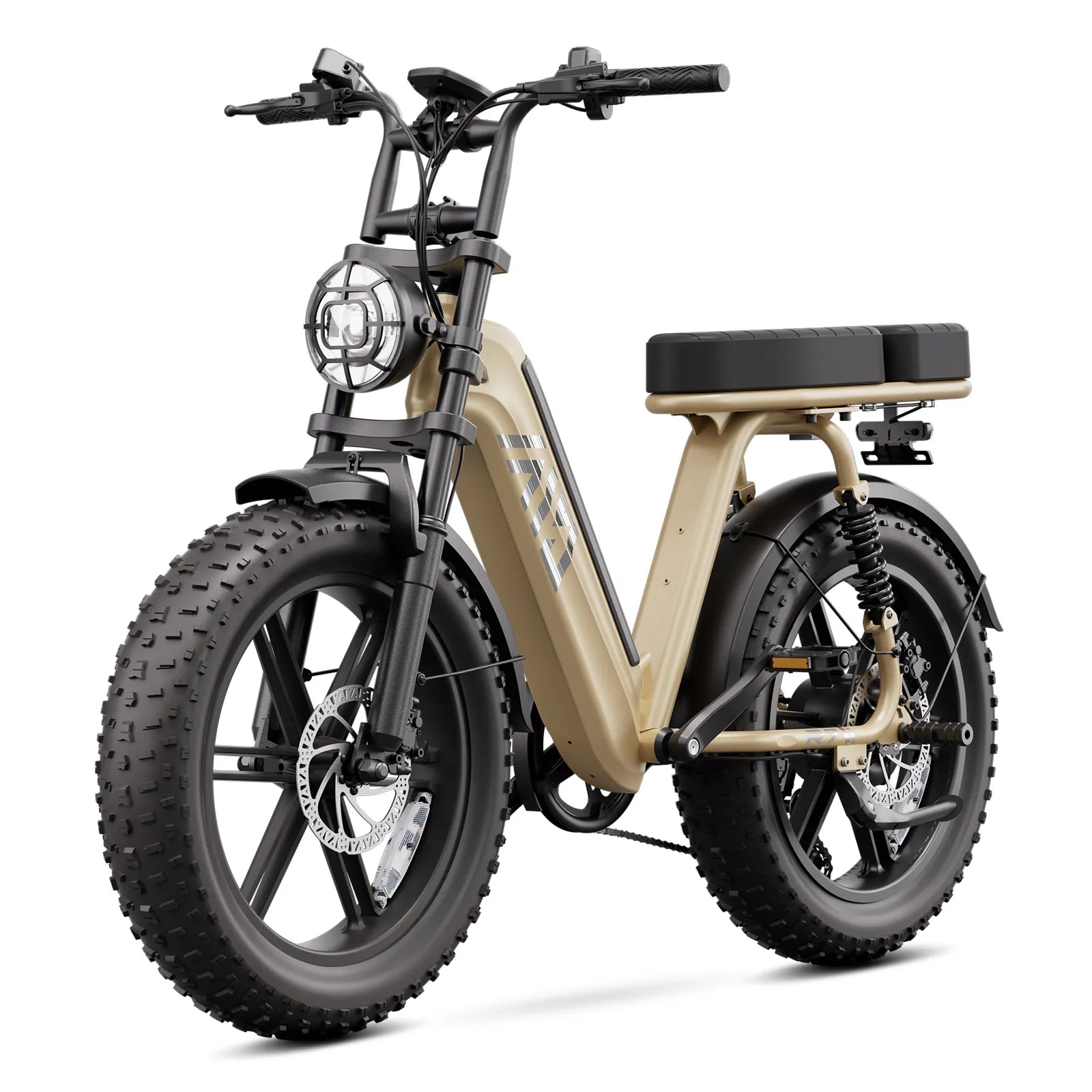
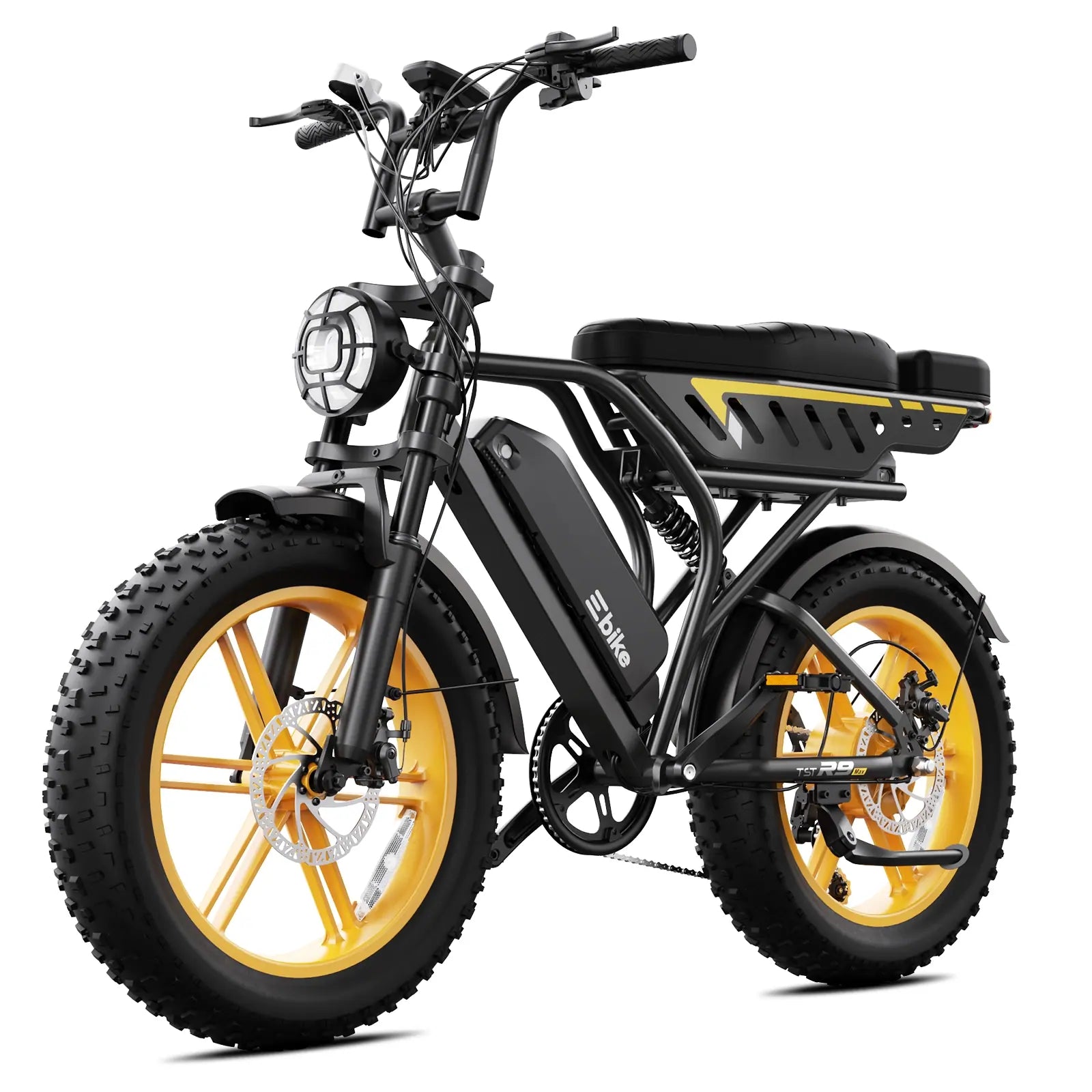
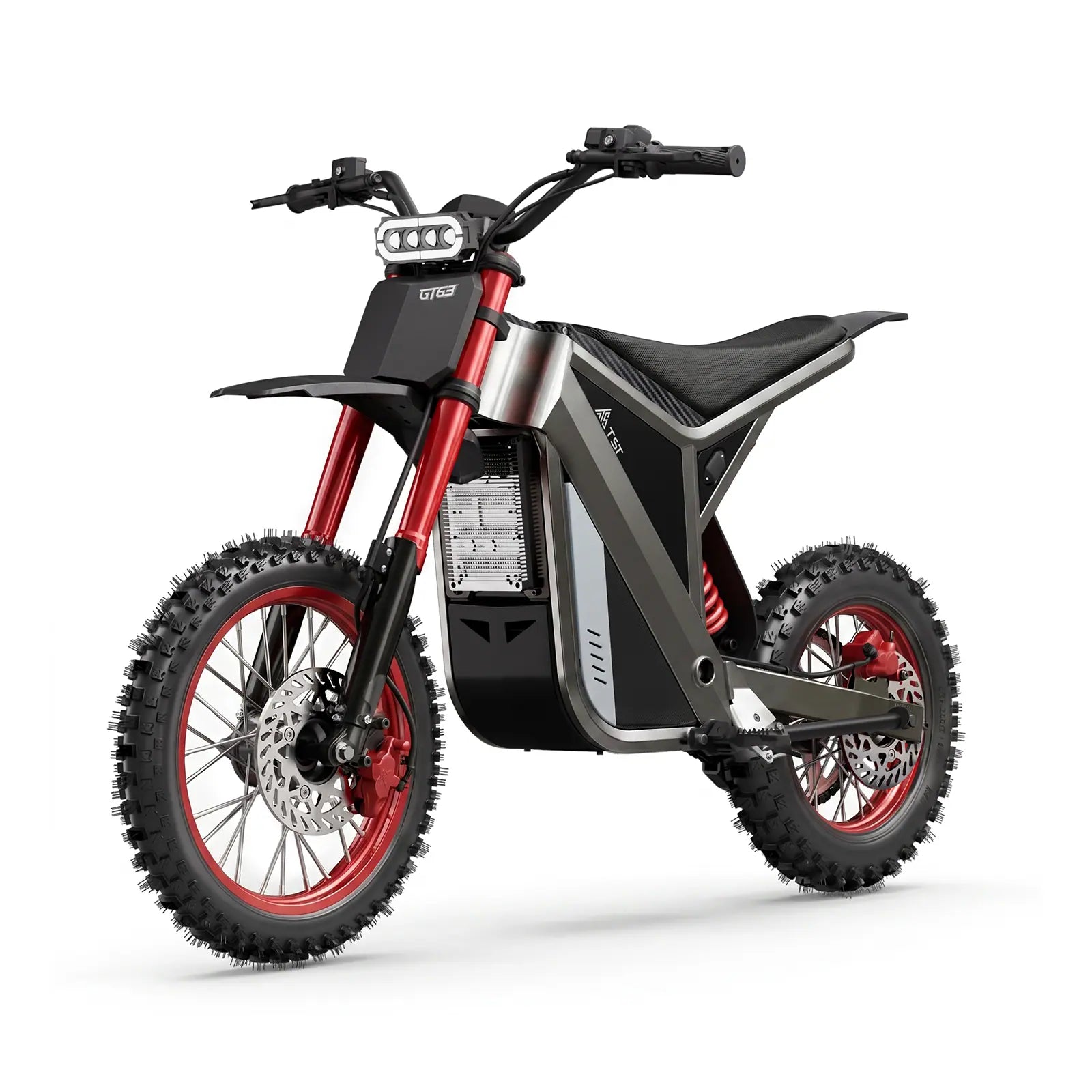
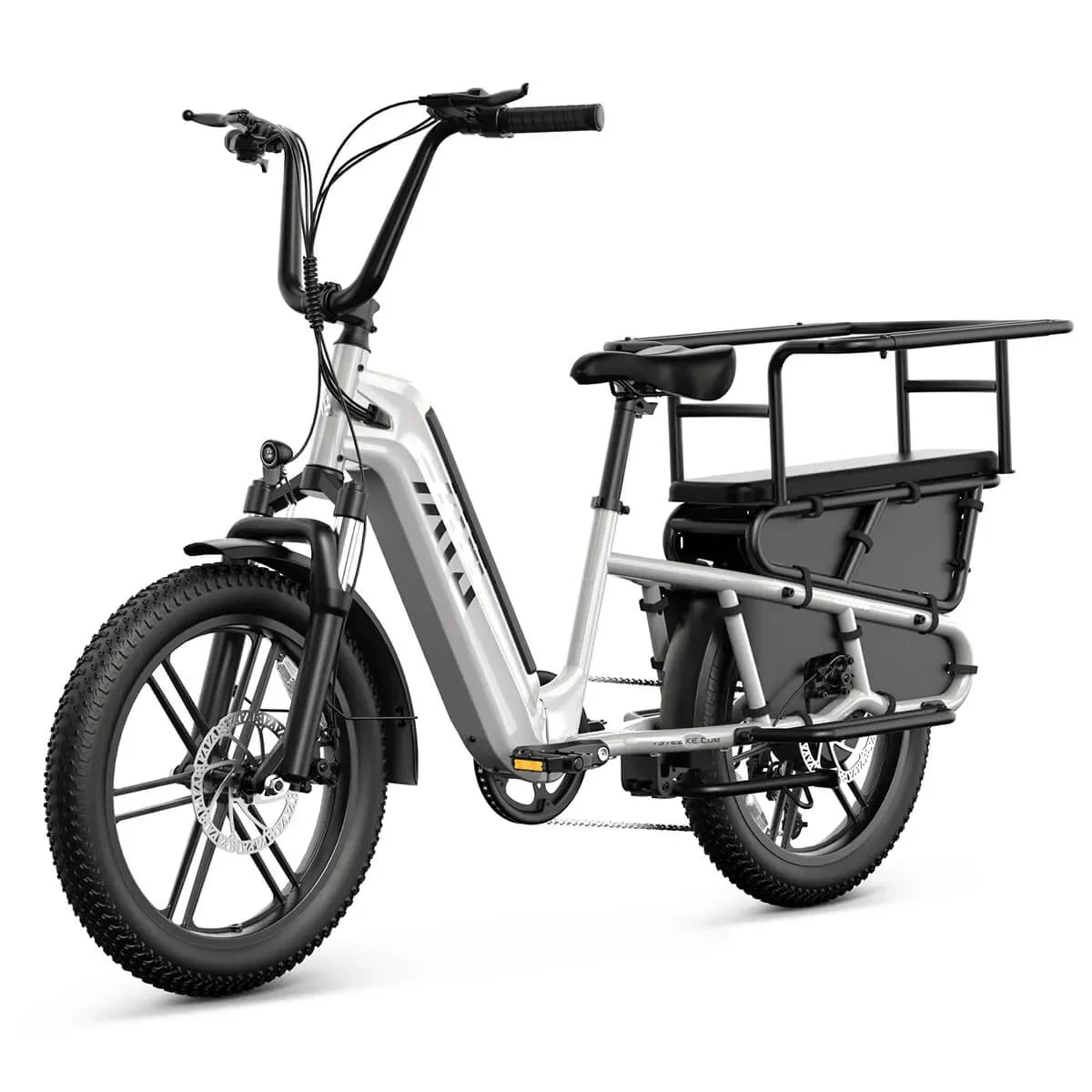
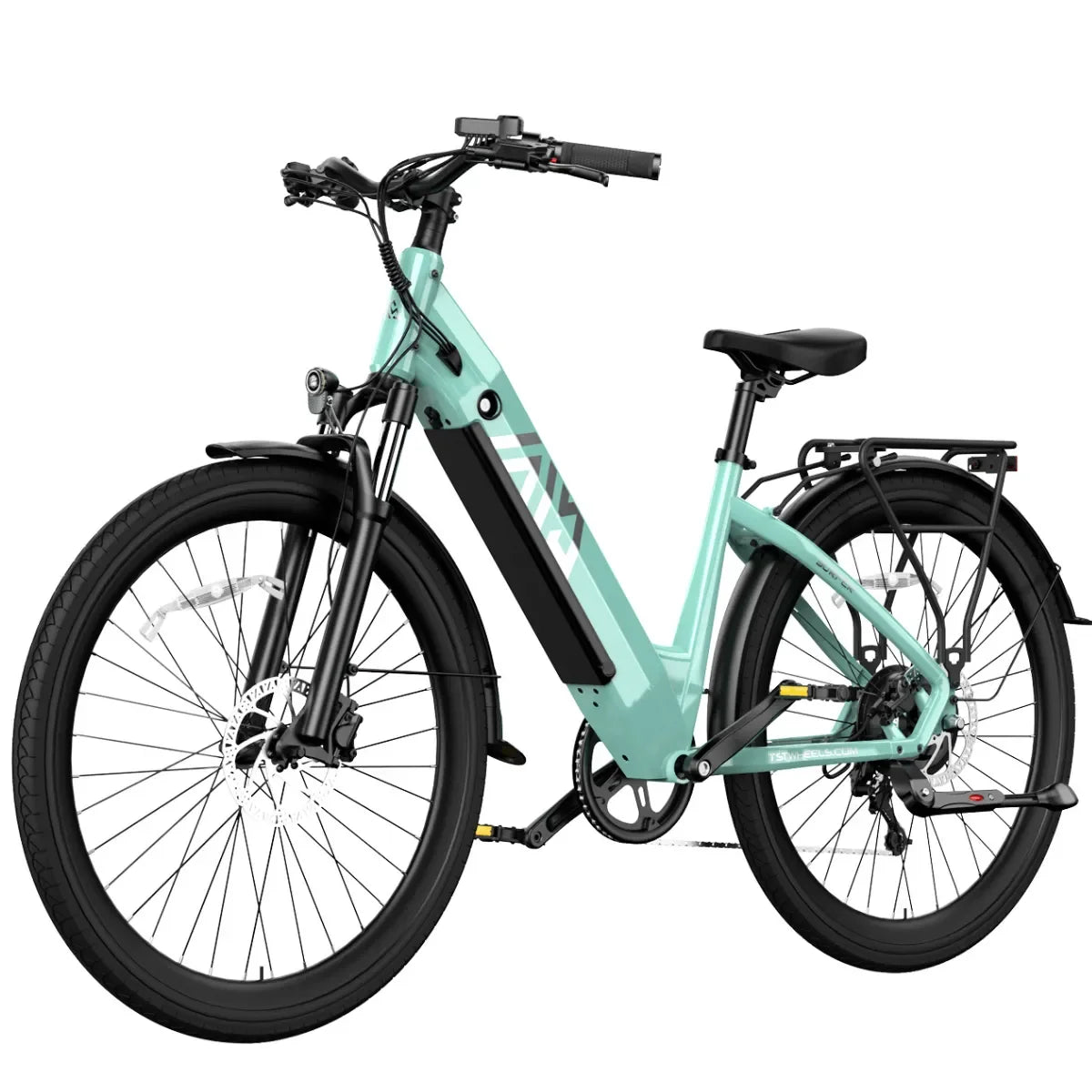
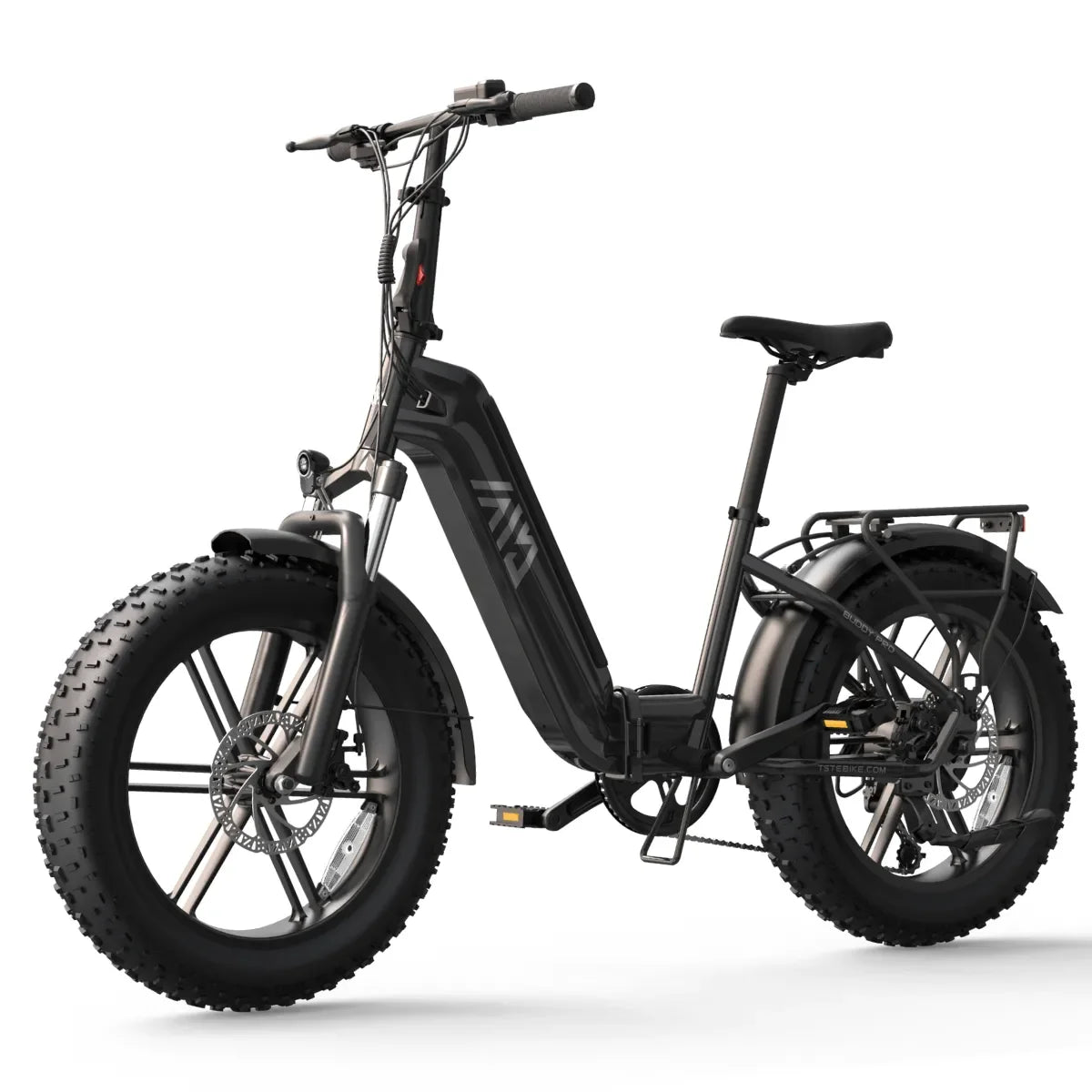
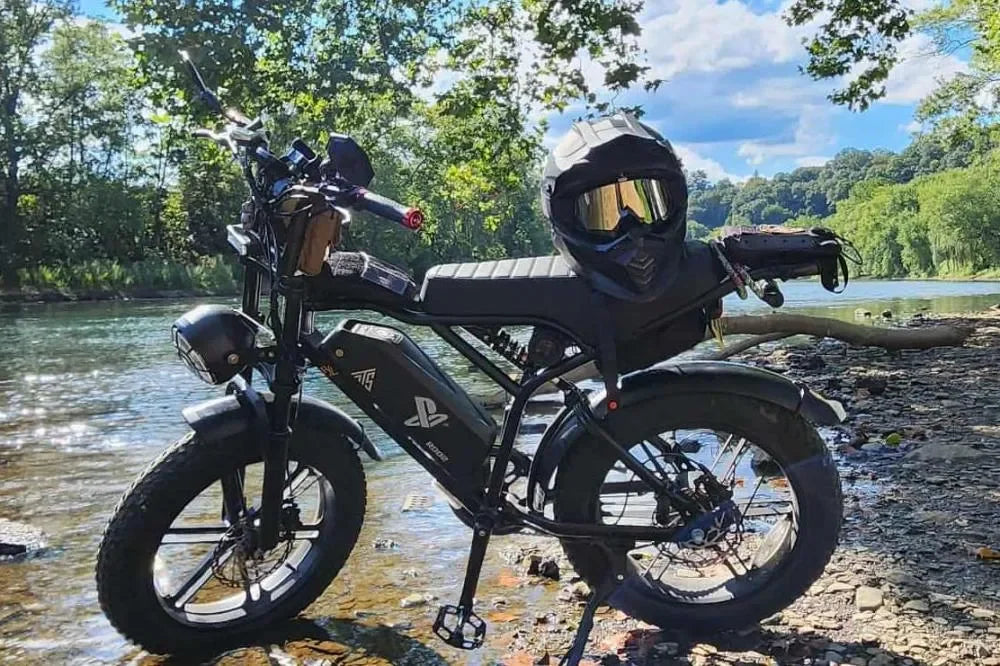
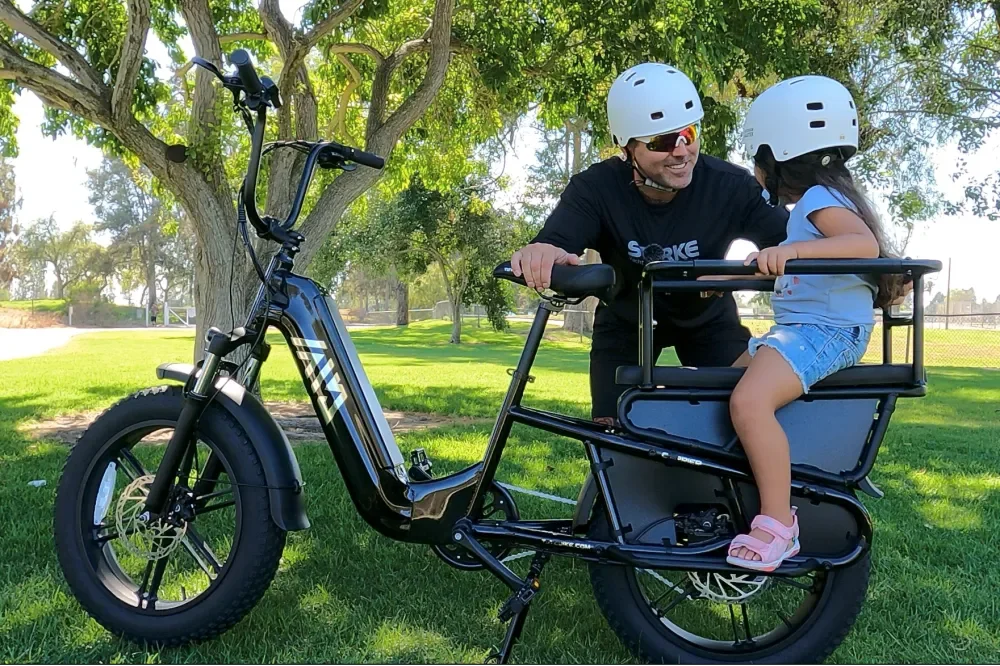
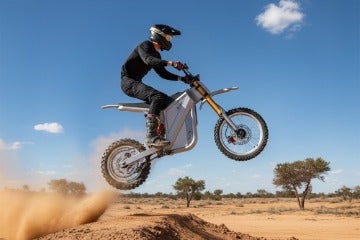
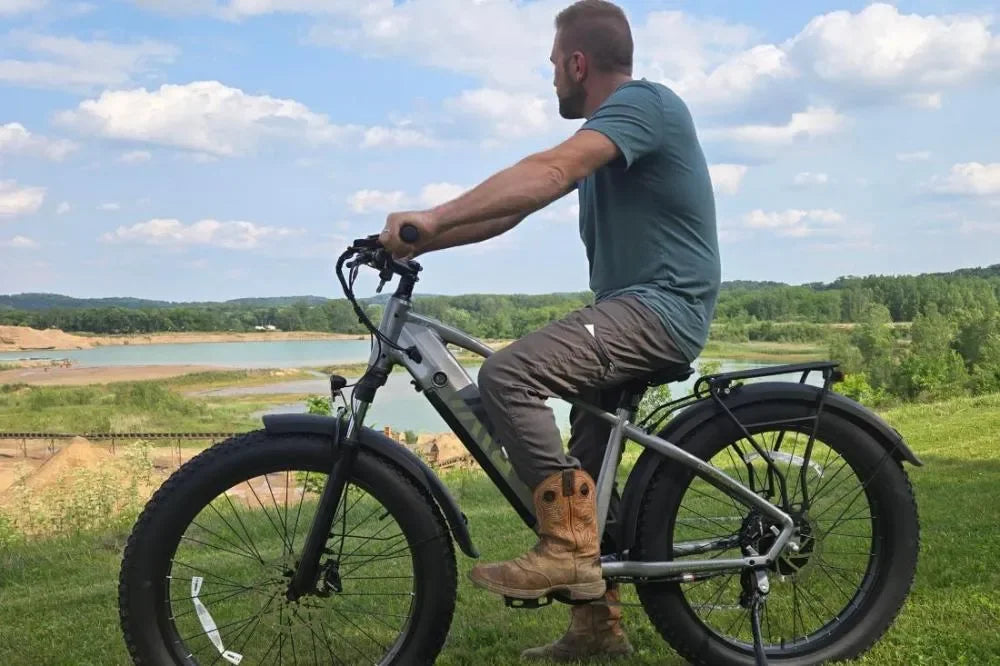
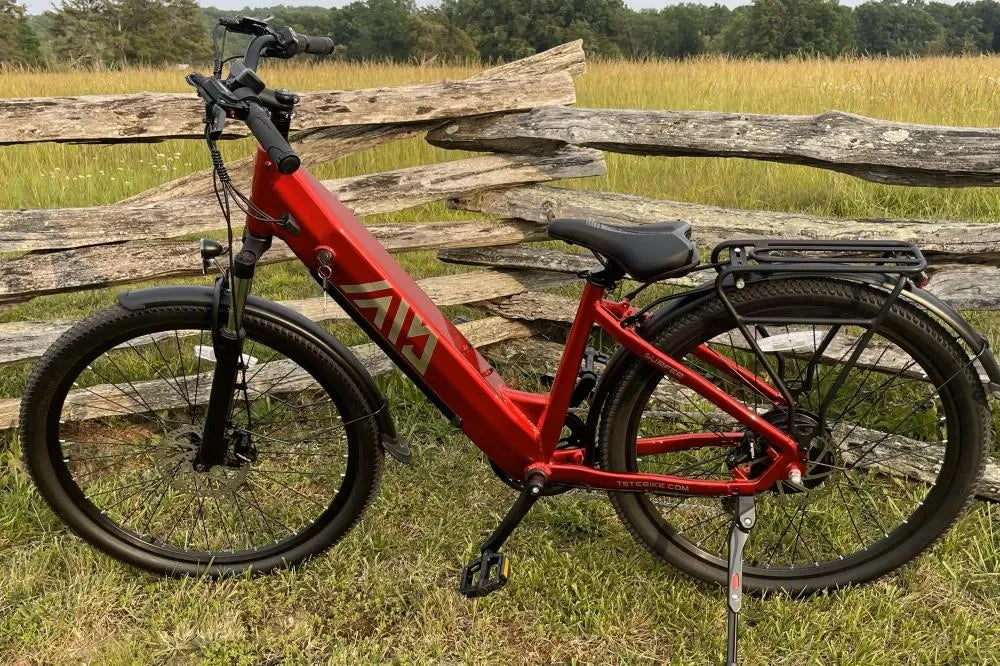
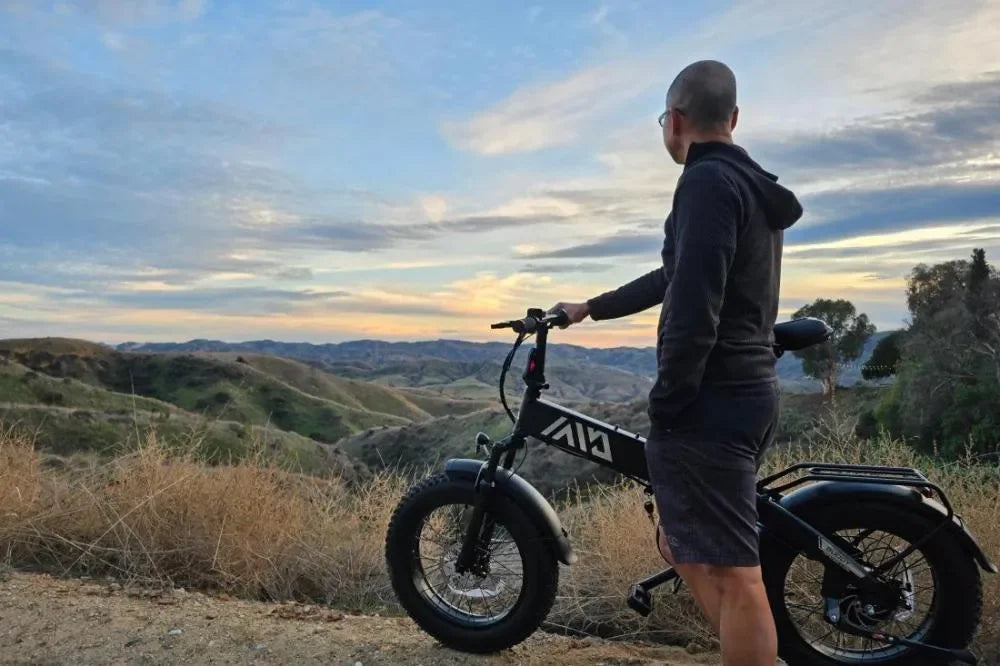
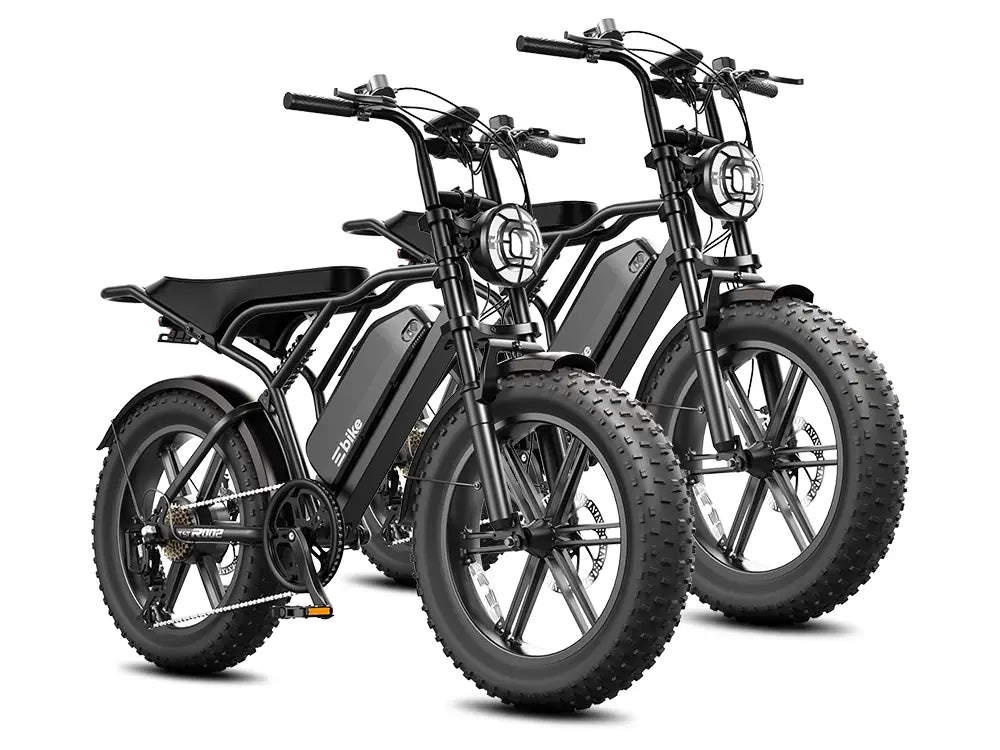
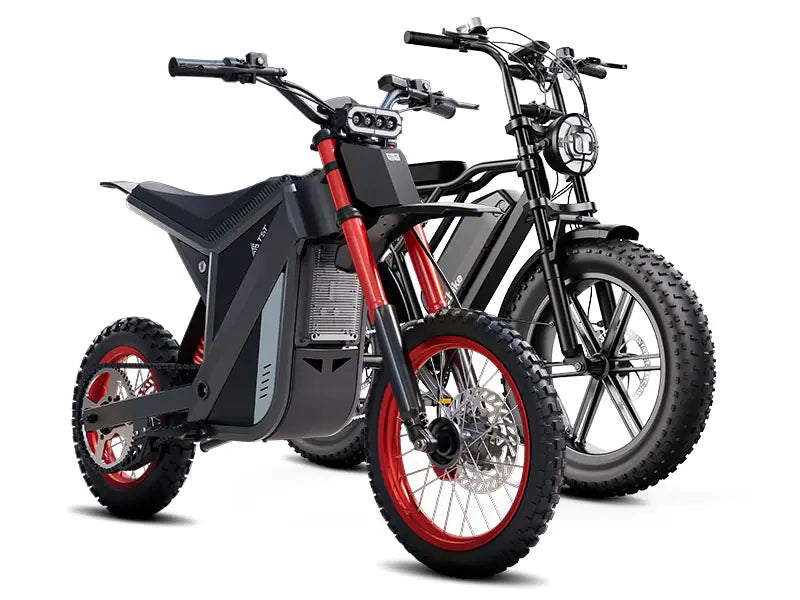
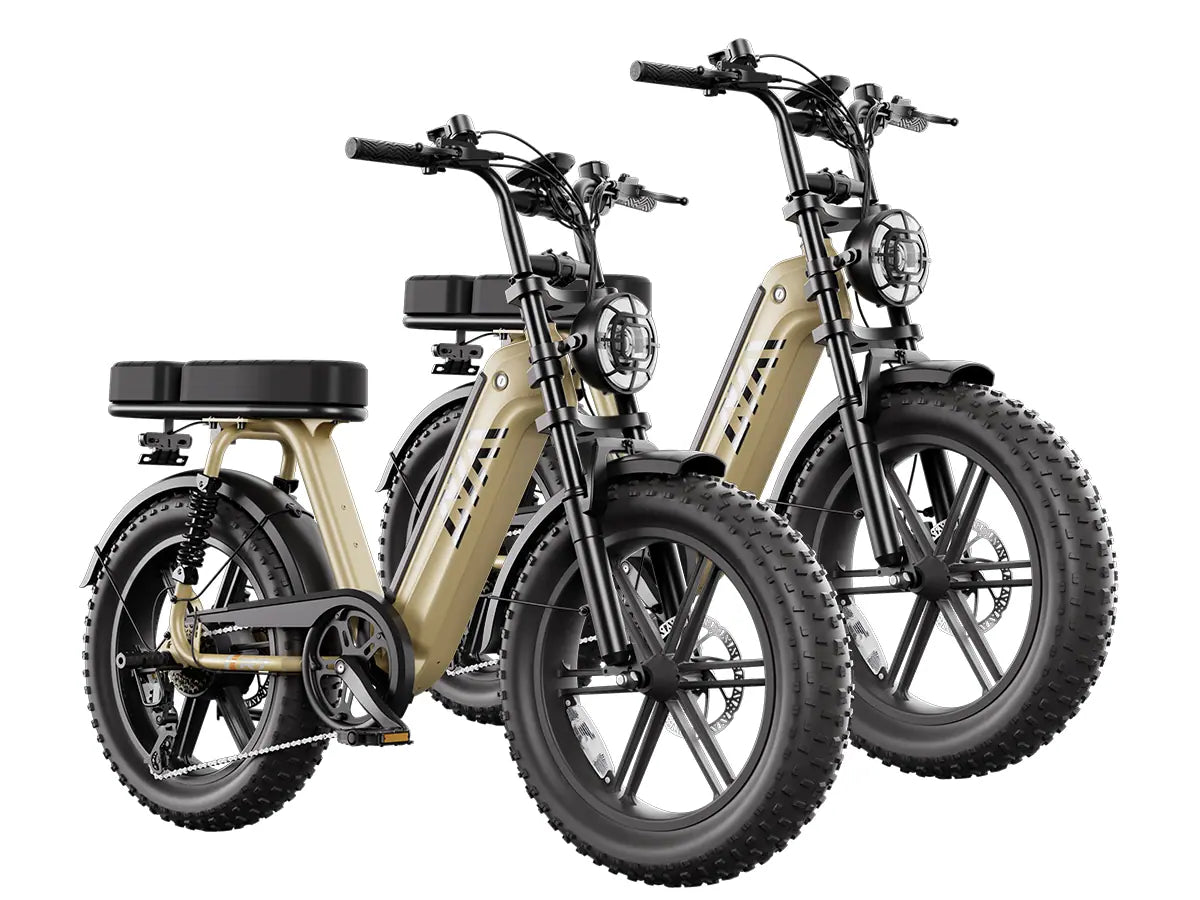
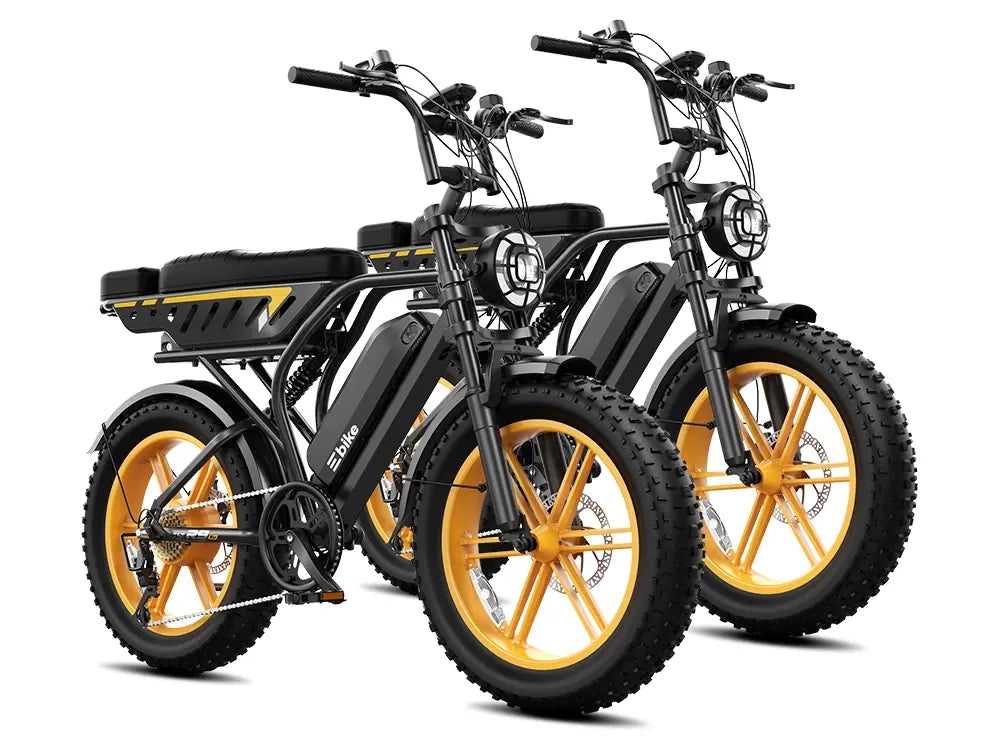
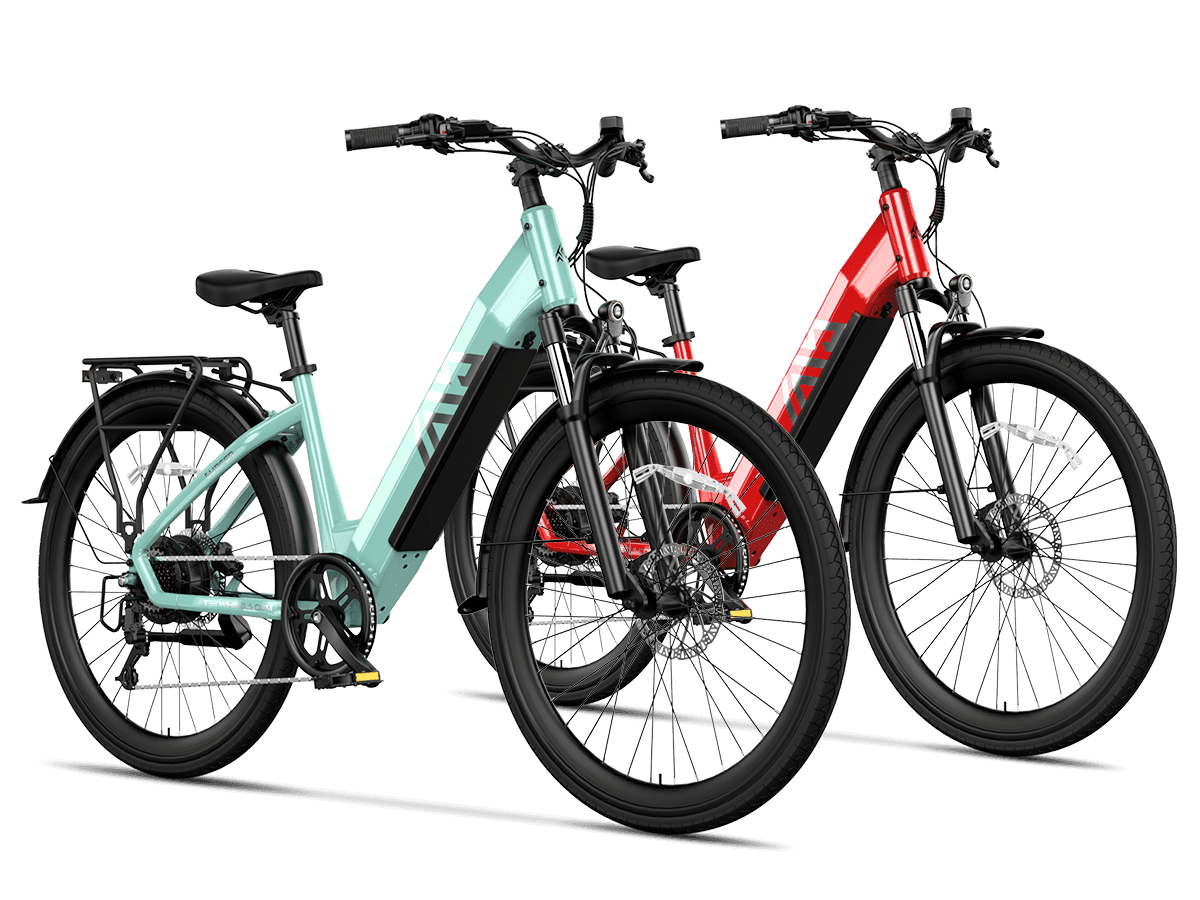
A 1500W e-bike typically reaches 28 to 35 mph in its highest mode on flat ground, with TST EBike's high-performance 1500W models (such as the R002, R7, and R9) officially rated at a 32 mph top speed as of August 2026. In lower assistance modes or during throttle-only operation, the exact same machine generally runs between 15 and 25 mph. However, "1500W" represents peak or nominal capability rather than a guaranteed speedometer reading, as real-world velocity depends heavily on rider weight, terrain gradient, headwinds, battery state of charge, and local legal restrictions.
What Does a 1500W Rating Actually Mean on a Spec Sheet?
The 1500W figure can mean peak power or continuous rated power, and the two are very different. A motor rated at 750W with a 1500W peak delivers bursts of strong power but sustains less; a motor that delivers 1500W continuously is a heavier, hungrier machine. Check the listing language: "1500W motor" without a rated-versus-peak explanation is incomplete.
TST's 1500W models pair the motor with a 48V battery and 90 N·m of torque, which is the combination that produces real speed under load. The torque number matters as much as the watts, because torque is what accelerates a loaded bike up a hill.
What Is the Actual Top Speed of a 1500W E-Bike?
The battery state also sets the ceiling: a fresh pack delivers the full top speed, while a pack below 30 percent sag under load and the bike tops out a few mph lower, especially on hills. That is normal lithium behavior, not a fault, and it is another reason to treat any speed number as a fresh-battery, flat-road figure. Riders who want consistent speed all ride should size the battery for the whole ride, not just the first half.
On flat ground with a typical adult rider (160-200 lb), a 1500W e-bike in its highest mode reaches about 28-35 mph, with TST's official pages listing 32 mph for the R002, R7, and R9. In mixed conditions, expect 25-30 mph as a realistic cruising ceiling, and 20-25 mph on sustained climbs.
Speed falls with load: add 100 lb and subtract several mph; add a headwind or a grade and the same throttle produces less speed. A 1500W bike is fast for a bicycle, but it is not a motorcycle, and the physics of weight and wind apply to it like anything else.
Pedal Assist vs Throttle: How Mode Changes Speed
The distinction explains most "my bike is slower than advertised" complaints: riders testing throttle-only see 20 mph, while the spec sheet quoted the pedal-assist ceiling.
The mode matters more than the motor. In throttle-only operation, many e-bikes cap at 20 mph (Class 2 behavior); in pedal-assist modes, the same bike can assist up to 28 mph (Class 3) or beyond in unrestricted settings. A 1500W bike that does 32 mph in its top assist mode may do 20 mph on the throttle alone.
TST's 1500W models offer multiple riding modes, so the same bike can behave like a compliant commuter in a low mode or a fast weekend machine in a high mode. The setting you choose is a legal decision as much as a speed decision.
1500W vs 750W vs 1000W: How Speed Compares
| Motor Class | Typical Flat-Ground Ceiling | Realistic Cruising | Legal Class Context |
| 750W | 20-25 mph | 16-20 mph | Class 2-3 territory |
| 1000W | 23-28 mph | 18-22 mph | Class 3 or above |
| 1500W | 28-35 mph | 22-28 mph | Above standard classes in many states |
The table shows the honest progression: each step up in power buys a few mph at the top, but the real difference appears on hills and under load, not on the flat.
Is a 32 mph E-Bike Legal on Public Roads?
In many states, no: standard e-bike classes cap assistance at 20 mph (Class 1-2) or 28 mph (Class 3), and a 32 mph 1500W bike can be classified as a moped, motorized bicycle, or motor vehicle, with registration and licensing requirements. Some states allow higher-powered bikes with restrictions; others do not.
Check your state's law and your local path rules before riding a 1500W bike at full speed on public roads. The NCSL primer is a solid starting point, but confirm with your DMV or transportation department because local rules vary.
How Does Rider Weight and Terrain Change Speed?
The same bike feels different to two riders, and the difference is measurable: at a steady 28 mph on flat ground, a 190 lb rider's 1500W motor holds speed comfortably, while a 260 lb rider with a loaded rack may settle at 24-26 mph at the same throttle. Add a 5 percent grade and the gap widens, because the motor is working against gravity plus air resistance. This is why test rides should happen at your weight with your cargo, and why a spec-sheet top speed is a ceiling for a light rider on a flat road, not a promise.
Every 100 lb of combined rider and cargo costs roughly 2-4 mph at the top end and more on hills. A 180 lb rider may see 32 mph on flat pavement; a 280 lb rider on the same bike may see 27-29 mph. Sustained grades cut speed further, which is exactly where the 1500W motor's torque reserve shows its value: it holds speed on hills that stall smaller motors.
This is why spec-sheet speed claims should always be read as "best case": the number assumes a light rider, flat ground, full battery, and no wind.
Unlocking a 1500W E-Bike Beyond Factory Limits
Some e-bikes can be unlocked or derestricted beyond factory settings, but we do not recommend it, for three reasons: it voids the warranty, it changes the bike's legal class in ways that can create liability, and it exceeds the component ratings for brakes, tires, and frame at sustained high speed. The factory speed limit is an engineering decision, not a marketing one.
Ride within the bike's legal settings and check your state's rules before changing any configuration. A fast bike that gets you a ticket or a liability claim is not a fast bike; it is a mistake.
What Should You Check Before Buying a 1500W E-Bike for Speed?
Verify four things before buying for speed: the rated-versus-peak motor spec, the top speed in the mode you will actually use, the brake system (hydraulic discs are strongly preferred at 32 mph), and the legal class in your state. Then confirm the battery size, because a 1500W motor at full speed drains a 15Ah pack in roughly an hour.
TST's R002, R7, and R9 publish these specs directly, and the TST dual-battery e-bike collection adds options for owners who actually use that speed and range together.
TST EBike Expert Views
"Riders ask us how fast 1500W goes, and the honest answer is that the motor sets the ceiling but the rider sets the result. Our R002, R7, and R9 are rated at 32 mph on the official pages, and that number assumes a light rider on flat ground in the highest mode. Add weight, hills, or wind, and the real speed drops by several mph. The important question is not how fast the bike can go; it is what your state allows you to ride. Check the legal class before you buy, and keep the bike in the settings that match your route."
— TST EBike Product Testing Team
Conclusion: Buy Speed Capability, Ride Legal Speed
A 1500W e-bike reaches about 28-35 mph in ideal conditions, with TST's models officially rated at 32 mph, but real speed depends on rider, terrain, mode, and law. Verify the rated-versus-peak spec, the brake system, and your state's class rules, and buy the bike for the speed you can legally use.
Key Takeaways
-
TST's 1500W models are officially rated at 32 mph top speed as of the check date.
-
Realistic cruising is 25-30 mph; hills, weight, and wind subtract several mph.
-
A 32 mph bike may be legally a moped in many states; verify before riding.
-
Check the brake system, battery size, and mode settings before buying for speed.
-
Do not unlock or derestrict beyond factory settings; it voids the warranty and changes the legal class.
See the TST R002 product page for the official speed spec, and compare the moped-style e-bike collection for 1500W options.
Related reading: how far a 48V 15Ah battery really goes at speed
Frequently Asked Questions About 1500W E-Bike Speeds
How fast can a 1500W e-bike actually go in real-world conditions?
A 1500W e-bike typically reaches 28 to 35 mph on flat ground with a light rider in its top setting. TST's 1500W models are officially rated at a top speed of 32 mph, though real-world cruising speed varies depending on rider payload, headwinds, and battery charge levels.
Is a 1500W e-bike street-legal for public bike lanes?
Not everywhere. Many state and municipal regulations cap street-legal electric bicycles at 750W or maximum speeds of 20 to 28 mph (Class 1-3). A 1500W, 32 mph machine may be classified as a moped or motor vehicle, requiring special licensing and registration in certain jurisdictions.
Why does my 1500W e-bike max out at 20 mph?
This is usually determined by your active riding mode or factory class settings. Pure throttle-only operation is frequently software-capped at 20 mph (Class 2 compliance), whereas engaging the high pedal-assist mode unlocks the bike's full velocity potential.
Can I derestrict or unlock a 1500W e-bike to go faster?
While some models can be electronically unlocked, manufacturers do not recommend it. Derestricting voids your product warranty, alters the vehicle's legal classification (increasing liability), and pushes components like brakes and tires past their engineered safety margins.

Leave a comment
This site is protected by hCaptcha and the hCaptcha Privacy Policy and Terms of Service apply.