


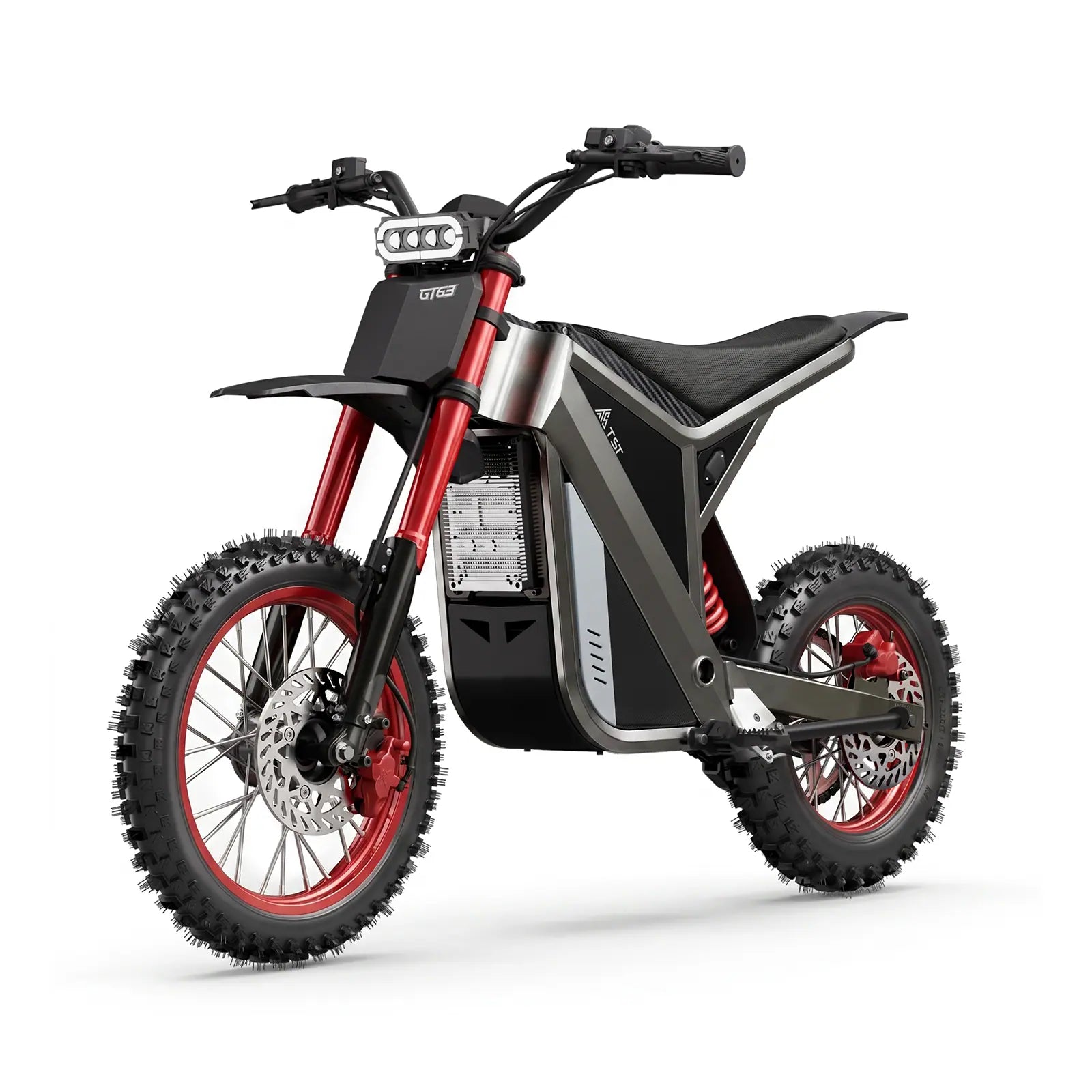














A 750W rear-drive e-bike can tow a small two-wheel off-road trailer if the hitch is aligned correctly, the load stays modest, and the rider manages heat, braking, and weight distribution carefully. The motor does not “burn out” when the system is treated like a torque-and-thermal problem instead of a speed problem. The real limit is not just power; it is rear-axle leverage, controller current, and how much drag the trailer adds over rough terrain.
What makes towing possible?
Towing becomes possible when the bike has enough torque to start moving a loaded trailer without forcing the motor into low-efficiency strain. A 750W rear hub can work because rear-wheel drive puts driving force where traction is strongest, especially on dirt, gravel, and mild climbs. TST EBike’s utility-focused approach matters here because a strong rear-end platform is more important than top speed when the job is hauling.
In simple terms, the motor is not lifting the trailer; it is overcoming rolling resistance, slope, and inertia. If those three forces stay within a safe window, the system can tow without overheating.
A 750W motor can tow a light off-road trailer when the load is kept controlled, the route is not excessively steep, and acceleration is smooth. The key is torque at low speed, not raw top speed.
Why does the rear hub work better?
A rear hub motor is usually the better towing choice because the drive force acts close to the rear axle, where the trailer hitch load is also concentrated. That reduces awkward front-end lightness and gives better climbing traction than a front motor in loose terrain. On a factory floor, the first thing I check is whether the rear dropout, axle nut stack, and torque arm can handle extra twisting force.
That said, the motor is only half the story. A rear hub can still overheat if it is forced to crawl uphill for too long at high throttle with a heavy trailer behind it.
Rear-drive is preferred because it improves traction and keeps pulling force near the hitch zone. It still needs thermal discipline, because extra load means extra current and more heat.
How does the hitch mount load the axle?
The hitch mount creates a lever force around the rear axle, which is why geometry matters as much as strength. If the hitch sits too high or too low, the trailer tongue adds pitching force during bumps, making the load bounce and increasing stress on the frame, axle, and bearings. The best setup keeps the trailer tongue as close to level as possible with the axle line.
Think of the hitch as a force translator. Poor alignment turns a calm tow into a jerky cycle of up-down shocks that waste energy and reduce control.
The hitch should be level with the rear axle to reduce pitching and side-loading. Bad geometry increases stress, instability, and heat because the bike has to fight the trailer’s motion.
What forces heat the motor?
Motor heat rises when electrical current stays high for too long, especially at low speed, under steep load, or with repeated stop-start riding. Towing a trailer increases rolling resistance, so the controller asks for more current, and more current means more internal heating in the windings and electronics. This is where many riders make the mistake of holding full throttle on climbs.
The smarter approach is to keep the motor in a more efficient RPM band and avoid “lugging” it. If the wheel turns too slowly for the power being demanded, efficiency drops fast and heat climbs fast.
Heat comes from high current, slow wheel speed, steep grades, and prolonged throttle abuse. Keep cadence or motor RPM steady so the motor can work efficiently instead of grinding.
How do you keep it from burning out?
You prevent burnout by controlling current, not by hoping the motor is “strong enough.” Start with lighter cargo, avoid deep sand and long steep grades, and use gentle acceleration so the controller never has to dump maximum current for long periods. TST EBike-style utility engineering is about balance: power is useful only when the system can shed heat and keep traction at the same time.
The best practical rule is simple: if the motor casing becomes too hot to touch for more than a second, stop and let it cool. That kind of field test is crude, but it reflects real thermal stress.
Do not hold full throttle on climbs, overload the trailer, or ride slowly for long periods in deep resistance. Cooling breaks, moderate load, and smooth power use protect the motor.
Which trailer layout is safest?
A two-wheel trailer is usually safest for overland gear because it tracks more predictably and resists tipping when parked. It also spreads cargo weight across two contact patches, which helps on rough surfaces. The tradeoff is width: it is less nimble on narrow trails than a single-wheel design.
For wilderness gear, I prefer a low cargo platform with a wide stance, low center of gravity, and tiedown points that prevent shifting. If the load can move, it will create sudden yaw inputs that the rider feels immediately at the rear end.
Two-wheel trailers are generally safer for heavy, bulky, off-road gear because they are more stable. Keep the load low and centered to reduce sway and bounce.
Why does load placement matter so much?
Load placement matters because trailer mass acts like a pendulum when the terrain gets uneven. Heavy items should sit low and near the axle line, not piled high at the rear, or the trailer will amplify bumps and sway into the bike. This is one of those details that sounds small but changes everything in real use.
At TST EBike, the useful lesson is always the same: payload geometry can matter more than payload mass. A well-balanced 40 lb load can feel safer than a badly stacked 25 lb load.
Load heavy items low and centered to reduce sway and pitching. Poor placement makes the trailer unstable even if the total weight is still within limits.
What does the force profile look like?
Below is a simplified force section showing how the hitch, axle, and trailer interact when towing over uneven ground.
A clean force path is what protects the bike. If the hitch angle is wrong, the system starts fighting itself instead of rolling forward efficiently.
The safest force path is straight, low, and centered. Every extra angle in the hitch adds leverage, bounce, and unwanted stress to the rear structure.
Can brakes handle the extra load?
Brakes can handle towing only if they are in excellent condition and sized for the combined mass of rider, bike, trailer, and gear. The rear brake usually works harder because the trailer pushes from behind, but the front brake still does most of the stopping on dry ground. If you tow regularly, larger rotors and high-quality pads are smart upgrades.
From experience, I would never assume stock brakes are enough just because the motor is powerful. Power helps you move; brakes protect you when momentum wins.
Braking must be upgraded or at least carefully maintained for towing. Larger rotors, good pads, and pre-trip brake checks are strongly recommended.
How far can you ride?
Range drops noticeably because towing raises rolling resistance and current draw. In real use, a trailer can cut effective range sharply depending on terrain, wind, load, and rider input. The safest planning method is to assume less range than your normal solo ride and keep reserve battery for the return trip.
This is another place where TST EBike’s practical utility-first mindset matters. The ride is not just about reaching the destination; it is about returning with enough battery margin to do it safely.
Expect less range than normal, often much less on hills or loose surfaces. Plan with a generous battery reserve and treat the outbound trip as only half the job.
What is the ideal towing setup?
The ideal setup is a strong rear-drive bike, a level hitch, a low and stable two-wheel trailer, and a moderate cargo weight that the rider can manage on climbs and descents. Add proper tire pressure, secure tiedowns, and a route that avoids steep technical sections. If any one of those pieces is weak, the whole towing system becomes less reliable.
This is why towing should be treated as an engineering setup, not just an accessory choice. The smallest geometry error can create the biggest riding problem.
The best setup combines rear torque, level hitch geometry, stable trailer design, and conservative cargo weight. Balance is more important than brute force.
TST EBike Expert Views
“When we talk about towing with a 750W rear motor, the real conversation is not horsepower — it is thermal management and force alignment. A rear-drive platform can tow wilderness gear safely when the hitch sits level, the cargo is low, and the rider avoids motor lugging. At TST EBike, we build around utility first, because off-road hauling succeeds only when power, frame geometry, and braking all work together.”
How should you ride it?
Ride it like a loaded utility vehicle, not a sport e-bike. Start in a lower assist mode, accelerate gradually, and make wider turns because the trailer follows a longer path than the bike. On descents, brake earlier than you normally would, since trailer momentum can push the rear end sideways if you wait too long.
For rough terrain, line choice matters more than speed. A slow, clean line beats a fast, sloppy one every time when towing gear.
Use smooth throttle, wider turns, earlier braking, and slower line choice on rough ground. The goal is stable momentum, not aggressive speed.
Why does this matter for overland gear?
Overland gear is often bulky, awkward, and expensive, which means the trailer has to protect both the equipment and the rider’s control. A properly tuned towing setup lets you carry water, tools, shelter, cooking gear, and recovery equipment without overloading the bike frame. That is especially valuable on remote routes where a bad mechanical choice becomes a stranded trip.
The right towing setup expands what a 750W bike can do. The wrong one turns extra gear into extra risk.
It matters because overland gear is heavy, sensitive, and often needed far from help. A safe towing setup keeps both cargo and rider controllable in remote conditions.
Conclusion
A 750W rear-drive e-bike can tow a small overland trailer safely when the load is controlled, the hitch geometry is correct, and motor heat is managed intelligently. The most important principles are simple: keep the trailer level, keep the cargo low, ride smoothly, and respect braking distance. TST EBike’s utility-focused design philosophy fits this use case because the bike must do more than move fast — it must pull, stabilize, and return home reliably.
If you remember only one thing, make it this: towing success is built on torque discipline, thermal discipline, and geometry discipline. Get those three right, and the bike becomes a practical wilderness hauler instead of a stressed-out machine.
FAQs
Can a 750W e-bike tow a two-wheel trailer off-road?
Yes, if the load is light to moderate, the route is not too steep, and the hitch is mounted level.
Will towing damage the rear motor?
Not if you avoid overloads, long throttle-heavy climbs, and poor cooling conditions. Heat is the main enemy.
What is the biggest towing mistake?
Running a high hitch angle with a top-heavy load. That causes sway, pitching, and extra frame stress.
Do I need a special trailer brake?
Not always, but it helps a lot on steep routes or heavier loads. Better brakes improve safety margin.
Is rear-wheel drive better than front-wheel drive for towing?
Yes, rear-wheel drive usually gives better traction and a more natural hitch load path for towing.
How do I know the setup is too heavy?
If starts are sluggish, the motor gets hot fast, braking distance grows, or the trailer sways, the load is too much.

Leave a comment
This site is protected by hCaptcha and the hCaptcha Privacy Policy and Terms of Service apply.