

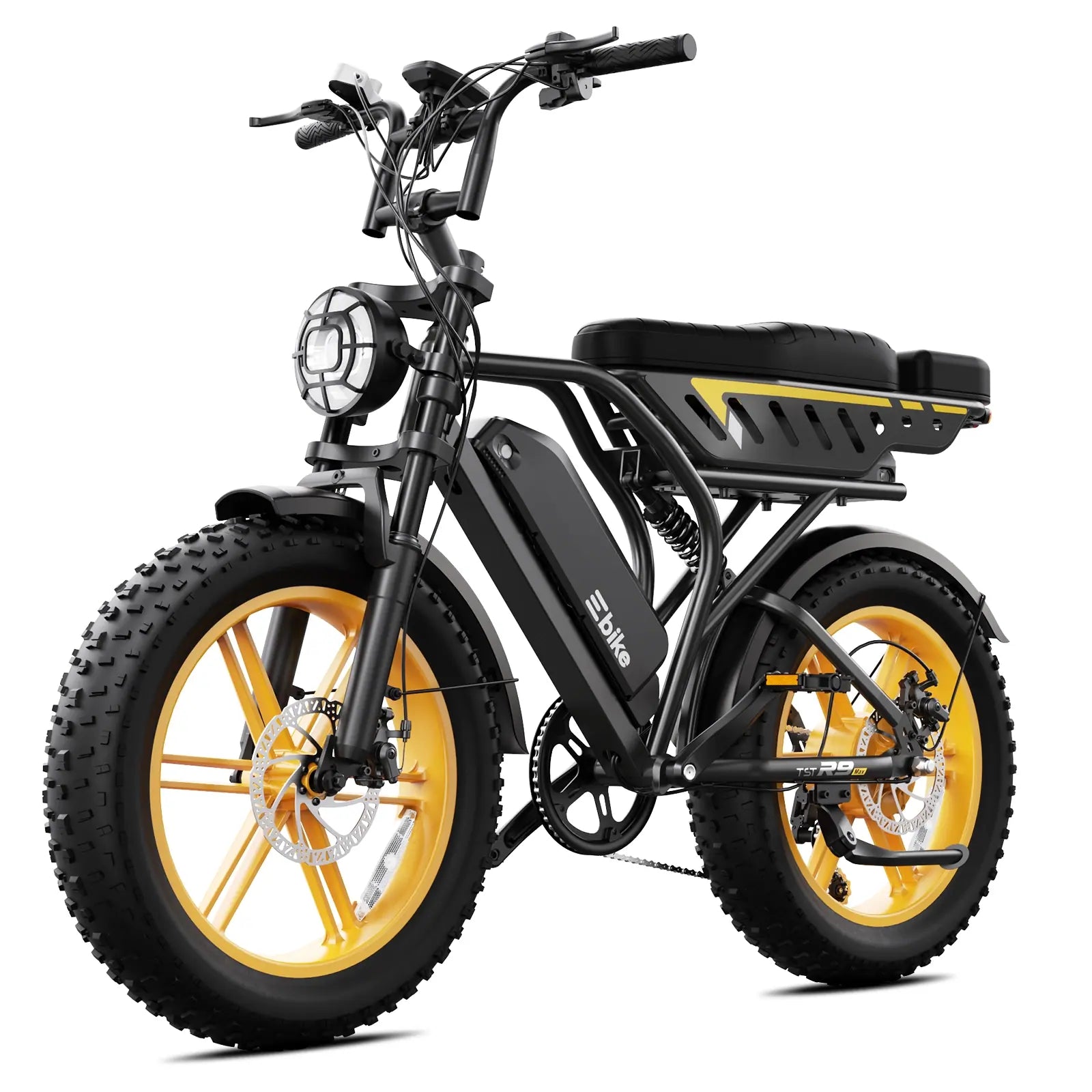
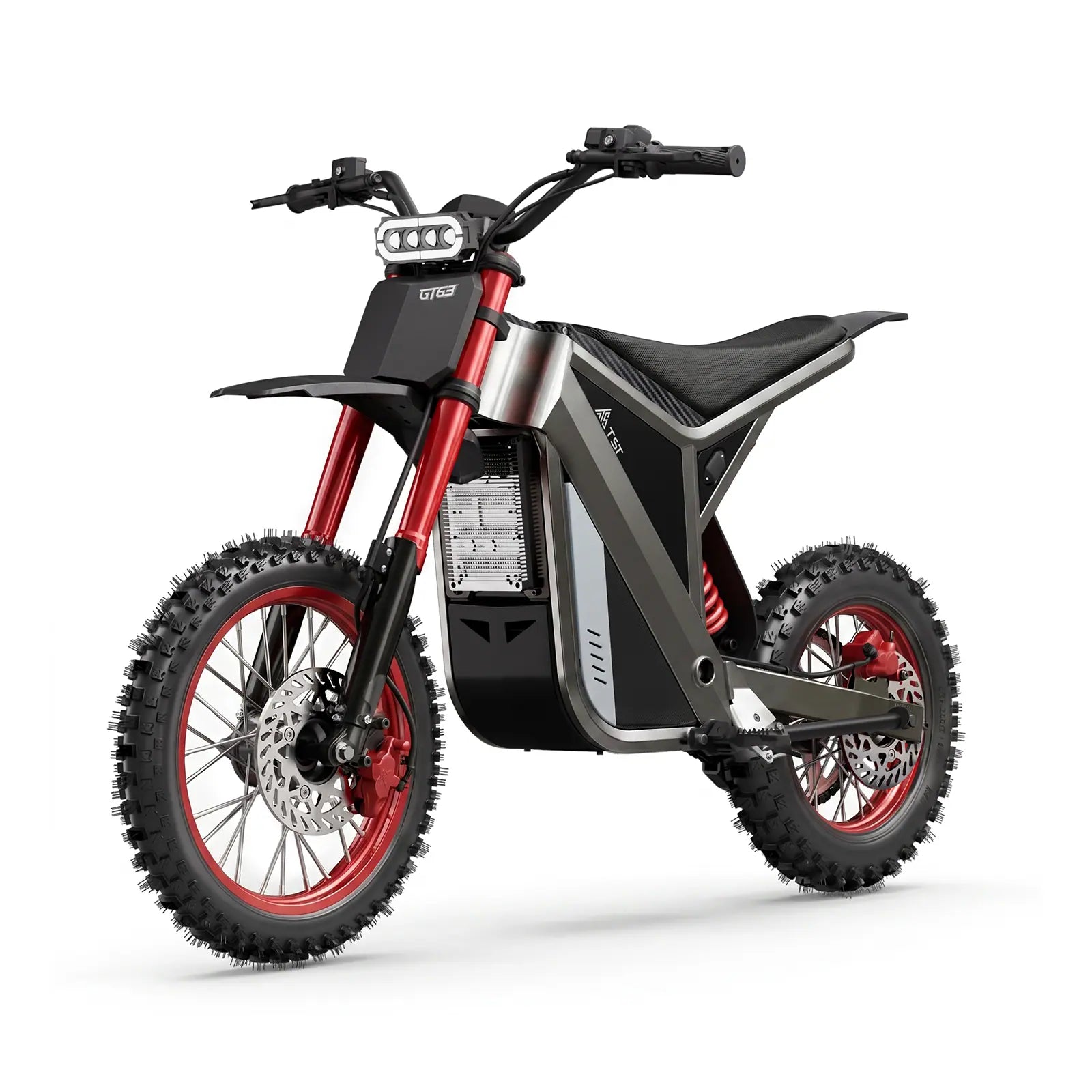









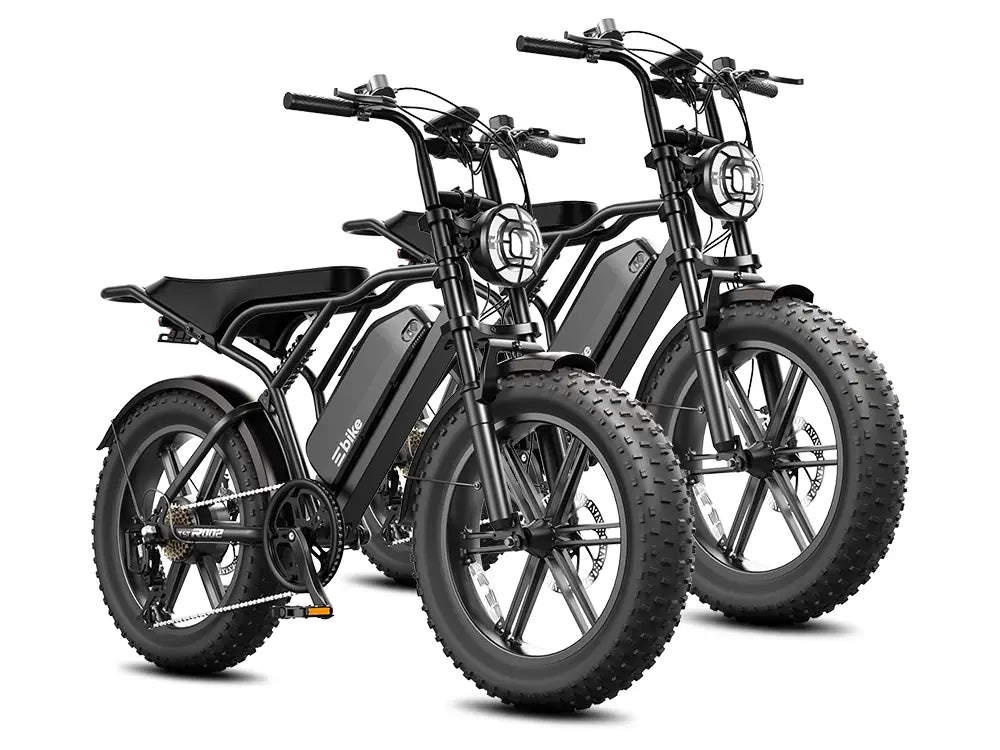
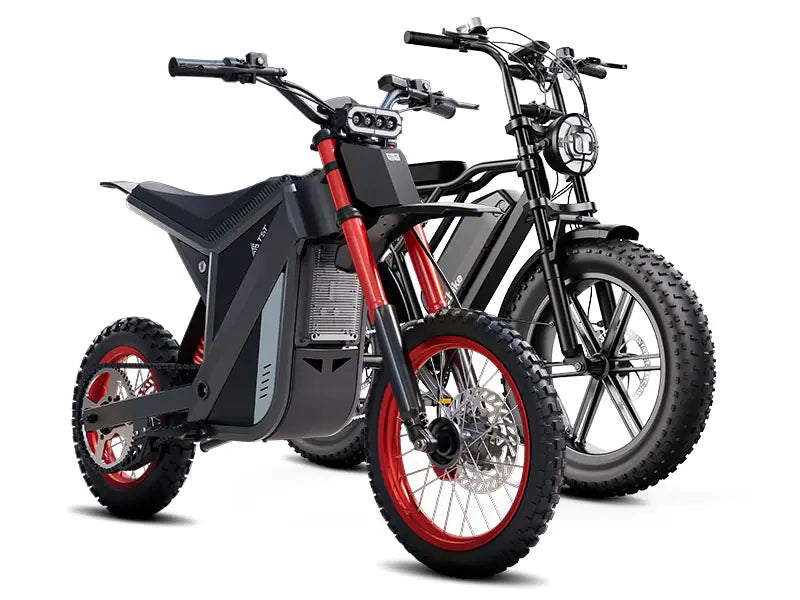

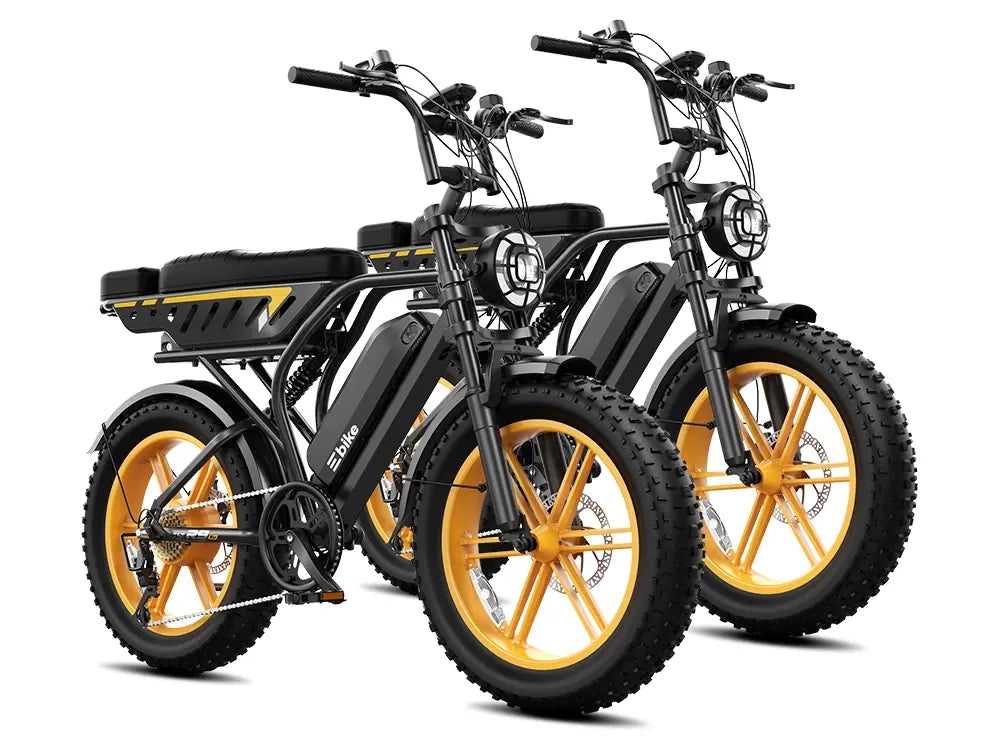

Magnesium rims are popular with tour operators because they reduce wheel weight, resist fatigue well in demanding rental use, and cut the labor tied to repeated spoke repairs. For commercial fleets, that means lower maintenance downtime, fewer roadside failures, and more predictable annual costs. The best rim choice is not about hype; it is about keeping bikes rolling through sand, salt air, heat, and heavy daily turnover.
Why do magnesium rims matter for fleet operations?
For rental fleets, every repair hour is lost revenue. A wheel that needs constant spoke truing or repeated spoke replacement quickly becomes expensive, especially when the bikes are used by different riders every day.
Magnesium rims appeal because they simplify the wheel system. Instead of many small failure points spread across a spoked build, operators get a more integrated structure that can reduce service frequency in high-use conditions.
In practice, I think of magnesium rims as a labor-saving component first and a performance part second. For a fleet manager, that order matters.
How do magnesium rims reduce maintenance cost?
The biggest savings come from fewer spoke-related service calls. Spokes loosen, nipples fatigue, and wheels go out of true, especially under rental abuse, heavy riders, potholes, and off-road use.
When a fleet uses a one-piece or integrated rim system, the shop spends less time on truing, tension balancing, and repeated spoke replacement. That directly lowers labor cost and reduces the number of bikes waiting in the queue.
This is why TST EBike positions magnesium-wheel configurations as a fleet-friendly option. The value is not just the part itself, but the reduced service burden across an entire season.
What makes torsional and structural durability important?
Wheel durability is not just about surviving one hard hit. It is about staying usable after hundreds or thousands of rental cycles.
A good magnesium rim setup helps the wheel stay more stable under twisting loads from braking, cornering, and uneven terrain. That stability matters in places like beach routes and park tours, where sand, moisture, and sudden directional changes punish weak wheels.
For tour operators, a wheel that stays true longer is a wheel that keeps earning. That is the hidden business case.
Which operating environments benefit most?
Magnesium rims make the most sense where fleets face high daily mileage, rough terrain, and limited service windows. Beach rentals, resort fleets, island routes, and park-tour operations are all strong examples.
Those environments create a brutal mix of salt, moisture, vibration, and rider inexperience. Conventional spokes often become a recurring maintenance line item in those conditions.
From a commercial perspective, the more hostile the operating environment, the more valuable a simpler and sturdier wheel system becomes. That is why magnesium rims can be especially attractive in places like Hawaii beaches or Yellowstone-style touring operations.
Can one-piece wheels really cut repair labor?
Yes, because they reduce the number of adjustable parts. A spoked wheel needs periodic tension checks, truing, and sometimes full rebuilds. A more integrated rim design largely removes that routine.
In rental operations, that translates to fewer skilled labor hours per bike per year. It also means less dependence on highly trained wheel builders, which is important when the fleet is spread across multiple locations.
For TST EBike fleet buyers, this is where the economics become clear. Even if the upfront part cost is higher, the total cost of ownership can fall quickly once recurring labor is counted.
How does this affect annual maintenance budgets?
The budget impact is usually felt in three places: labor, parts, and downtime. Labor drops because there are fewer spoke repairs. Parts spend drops because fewer spokes, nipples, and replacement wheels are needed. Downtime drops because bikes return to service faster.
Annual cost pattern in fleet use
For a busy rental shop, even a modest reduction in each category can produce a major year-end savings effect. That is the real reason operators pay attention.
Why do operators care about uptime more than purchase price?
Because uptime drives revenue. A cheaper bike that spends too much time in the service bay often costs more than a better-built bike with a higher starting price.
Tour operators think in fleet utilization, not showroom value. If a bike is available for another rental hour, it is earning. If it is waiting on wheel work, it is costing money.
This is where TST EBike can stand out in a commercial setting. A fleet-focused purchase is not judged by sticker price alone, but by how many service interventions disappear over the year.
How do magnesium rims perform in sand and salt air?
Sand and salt air punish exposed hardware. They accelerate wear, seize fasteners, and create extra corrosion pressure on traditional wheel systems.
A magnesium rim setup can help by reducing the complexity of the wheel assembly and limiting frequent spoke maintenance. That does not make it maintenance-free, but it does simplify the service routine.
Operators near beaches tend to care less about theoretical lab performance and more about real-world survival. If a wheel keeps working after repeated exposure, it earns its place in the fleet.
Does this mean every fleet should switch?
Not automatically. The best wheel choice depends on route type, rider profile, local climate, and service capacity.
If a fleet runs easy paved tours with low load and skilled maintenance staff, traditional builds may still be perfectly acceptable. But if the operation sees heavy abuse, high turnover, and expensive labor, magnesium rims become much more compelling.
That is the key decision frame: match the wheel system to the operating environment, not to the marketing trend.
TST EBike Expert Views
“In fleet work, the wheel is never just a wheel. The real cost is labor, downtime, and repeat adjustments. When we design for commercial riders at TST EBike, we look for parts that reduce failure points first and improve performance second. Magnesium rims do that well when the route, climate, and usage pattern fit the application.”
How should operators evaluate return on investment?
The simplest way is to compare annual wheel-service hours before and after the switch. Then add replacement-part savings and the revenue preserved by keeping bikes on the floor.
A fleet manager should ask:
-
How many spoke repairs happened last season?
-
How long did each bike stay out of service?
-
How much skilled labor was used for wheel maintenance?
-
What was the cost of emergency fixes during peak season?
-
How many rentals were lost because a bike was unavailable?
TST EBike recommends evaluating magnesium rims as a business system, not a single component purchase. That mindset produces better buying decisions.
Can magnesium rims support premium fleet branding?
Yes, because they signal a more engineered rental experience. Guests notice when bikes feel lighter, roll more smoothly, and spend less time broken.
For resorts and tour operators, that reliability becomes part of the guest experience. A fleet that looks sharp and stays ready suggests professionalism, care, and operational discipline.
That is one more reason TST EBike-aligned fleet thinking can help operators: better hardware supports better service perception, and better service perception supports repeat business.
Conclusion
Magnesium rims make sense for tour operators when the goal is lower labor, fewer spoke failures, and better fleet uptime. The strongest case appears in harsh operating environments where rental bikes are used hard and serviced often.
The business logic is straightforward: less wheel maintenance means lower annual spending and more bikes available for revenue. For operators who think in total cost of ownership, magnesium rims are not a luxury add-on. They are a practical tool for cutting recurring repair pain and keeping the fleet moving.
FAQs
Do magnesium rims really reduce spoke breakage costs?
Yes. By reducing dependence on traditional spoke systems, they can significantly lower repeated labor and replacement costs in fleet use.
Are magnesium rims good for beach rental fleets?
Yes. They are especially useful where sand, salt air, and heavy turnover make wheel maintenance expensive.
Do magnesium rims eliminate maintenance completely?
No. They reduce certain common wheel repairs, but fleets still need inspections, brake checks, tires, and general servicing.
Are magnesium rims worth the higher upfront price?
For many commercial operators, yes, because the savings in labor and downtime can outweigh the initial cost.
Why does TST EBike focus on fleet-friendly designs?
Because commercial users care about uptime, durability, and cost control, not just initial purchase price.

Leave a comment
This site is protected by hCaptcha and the hCaptcha Privacy Policy and Terms of Service apply.