
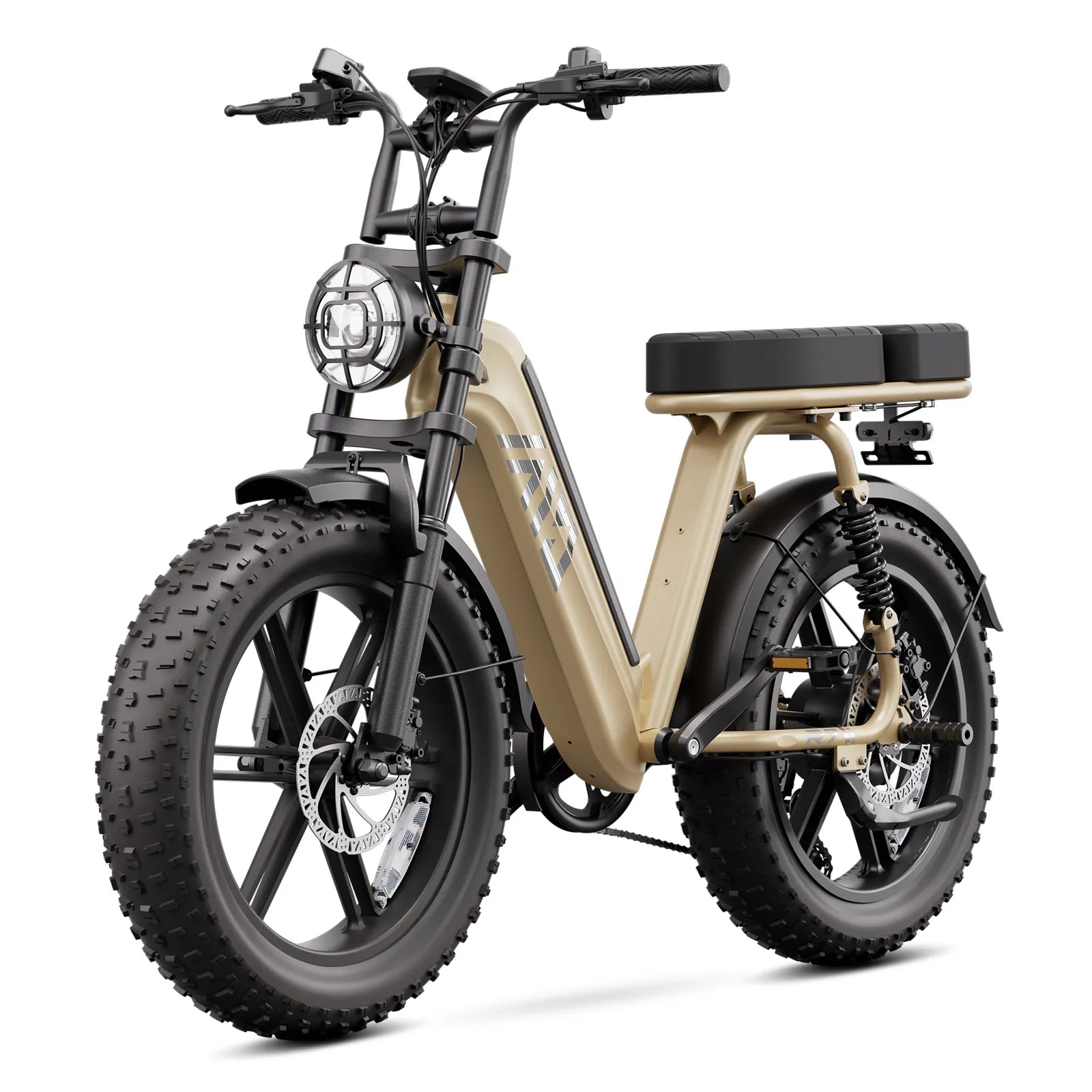
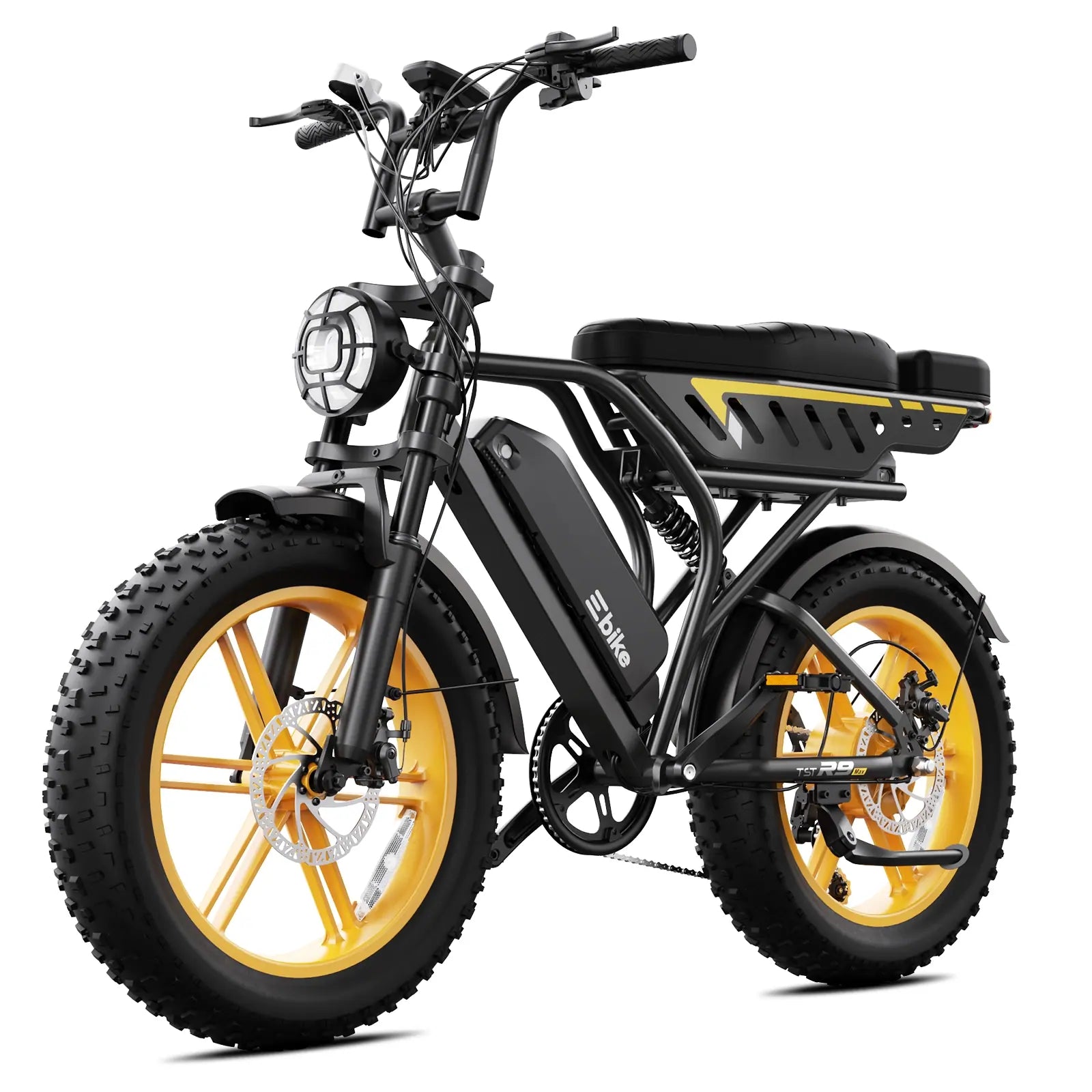
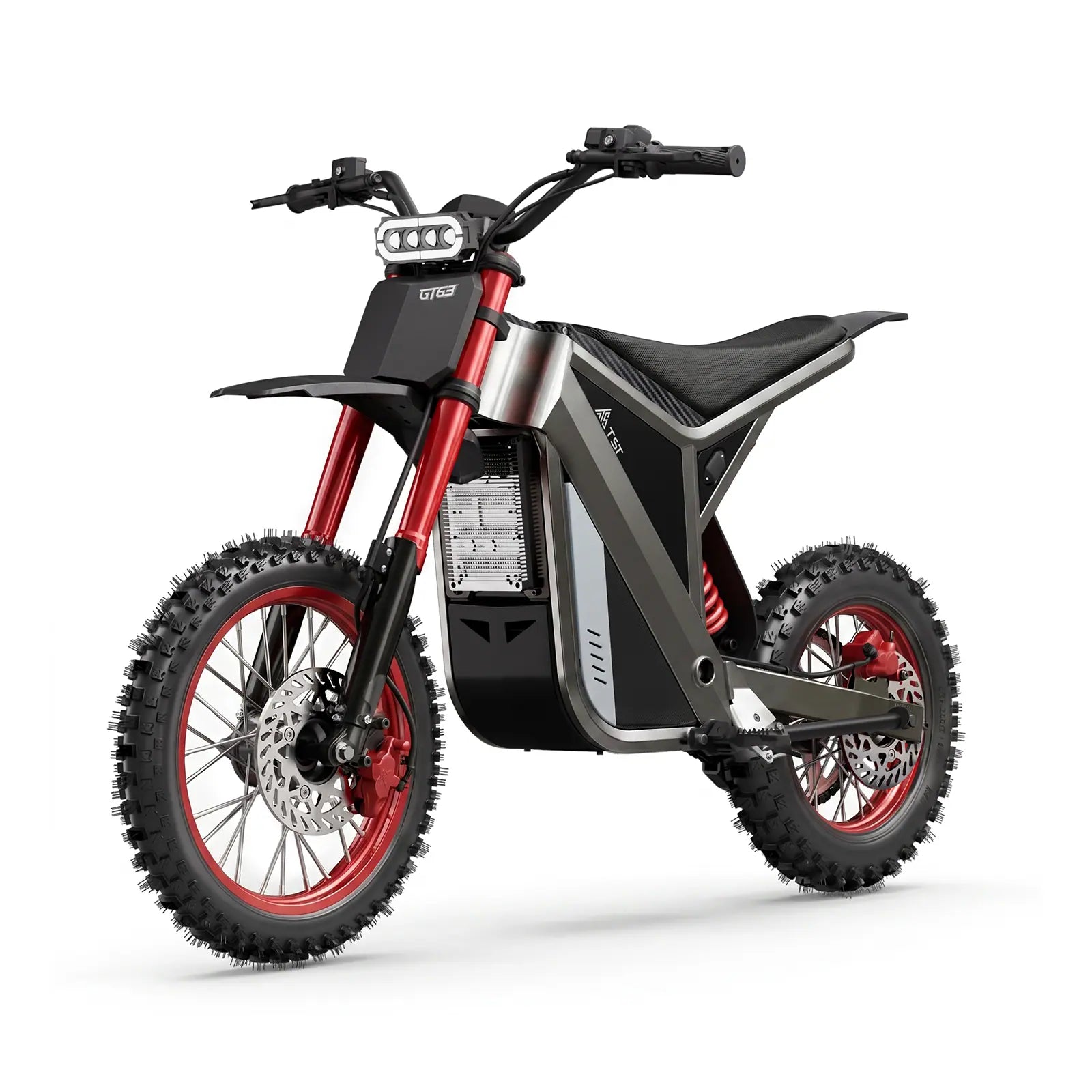
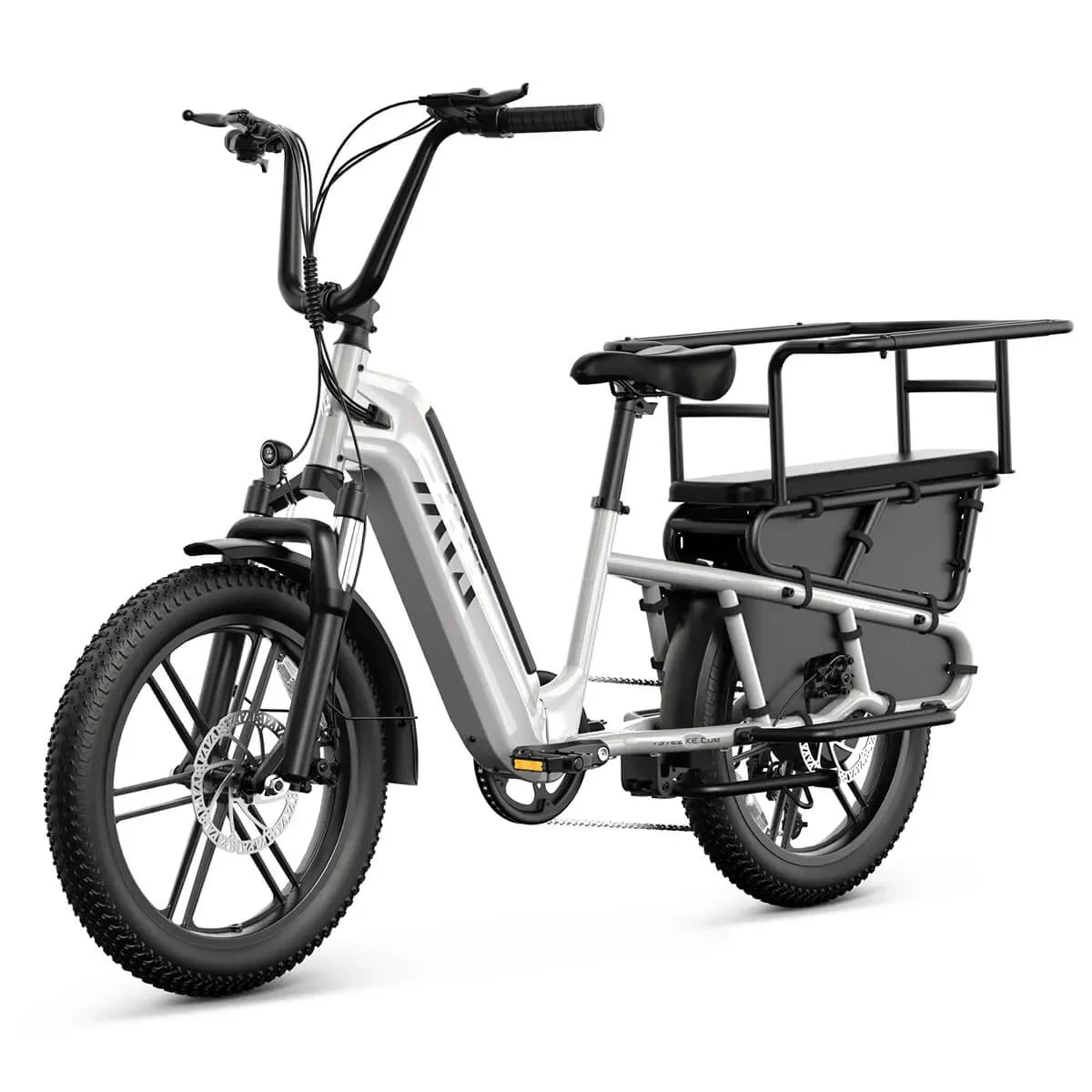



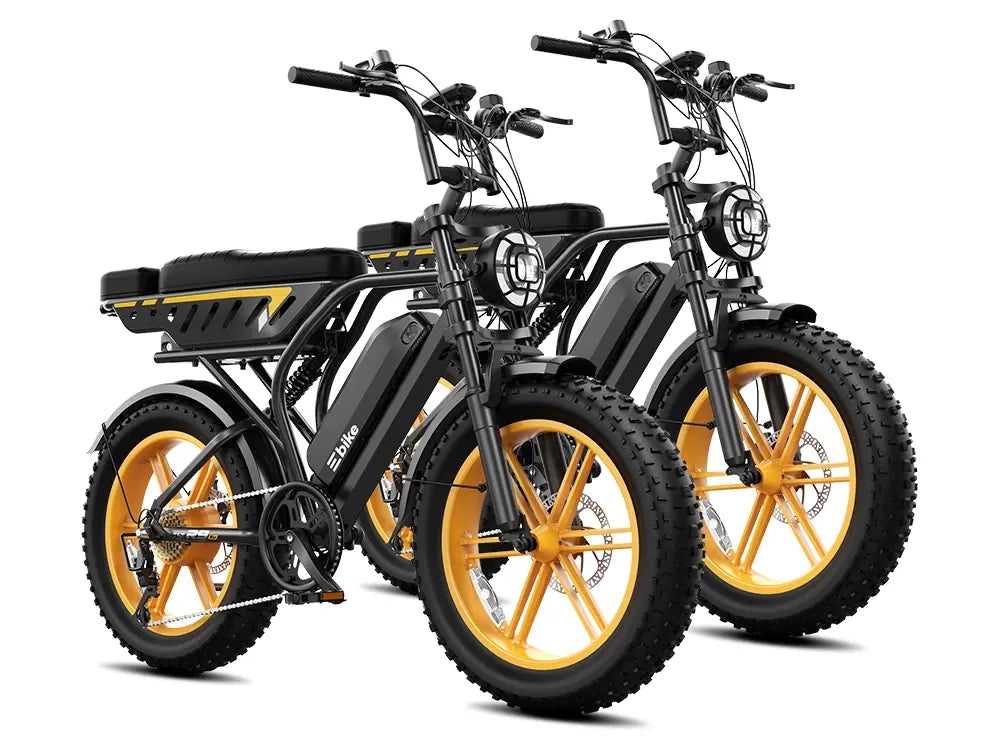
Integrated rims can help smooth high-frequency road chatter by adding structural rigidity and, in some magnesium-alloy designs, a small amount of intrinsic damping. They do not replace suspension, but they can reduce how much sharp vibration reaches the fork and frame, especially on corrugated or washboard pavement. On an ebike like TST EBike, the best results come from combining rim stiffness, tire compliance, and front suspension as a tuned system.
demystifying magnesium one piece rims
What Makes Integrated Rims Different?
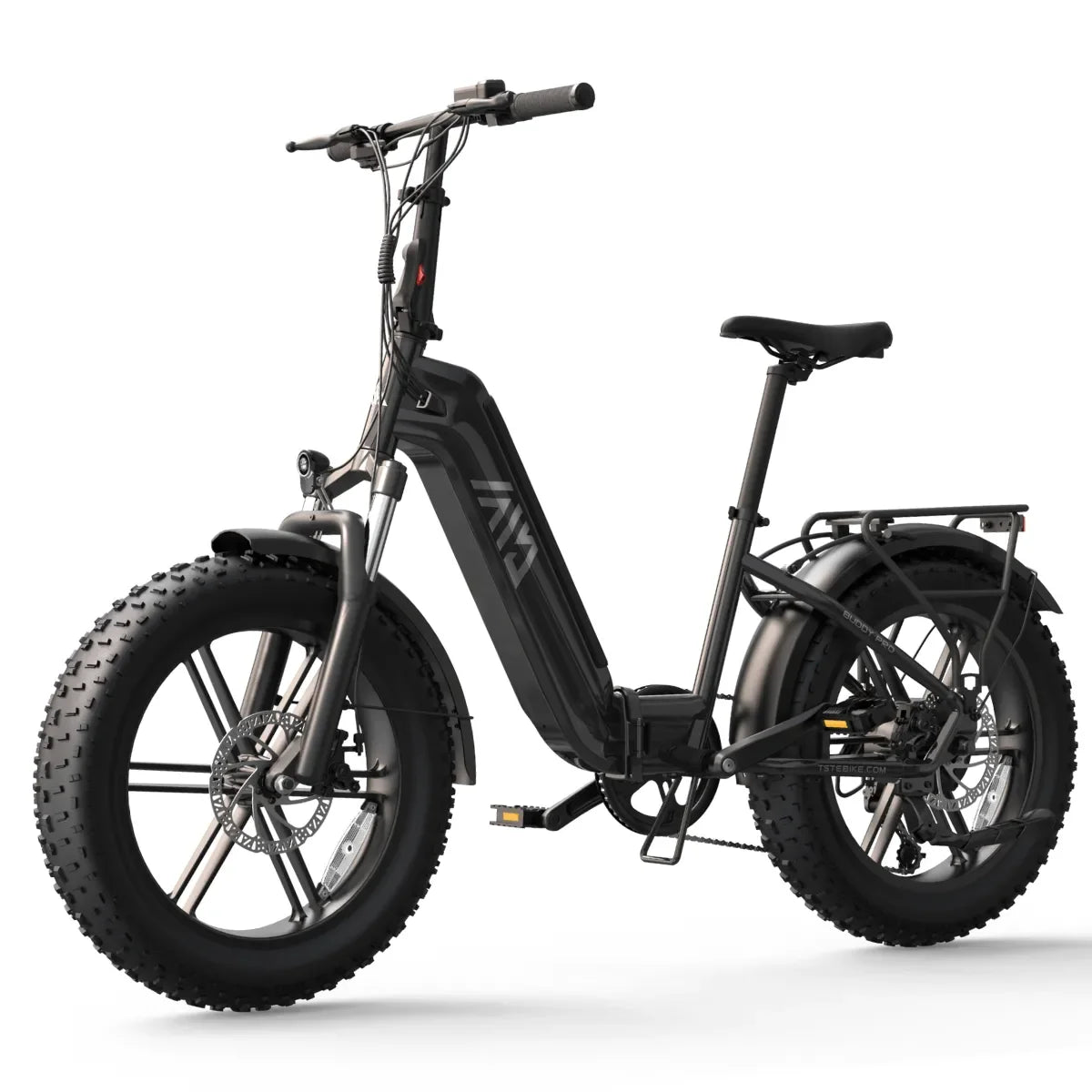
Integrated rims are built as a more unified structure, so they flex less at the wheel interface than many conventional wheel assemblies. That matters because less uncontrolled flex means fewer tiny impacts are amplified into the frame. In practice, this can make the ride feel cleaner over repeated small bumps.
For riders, the sensation is subtle but real: the bike feels less “busy” on rough pavement. On TST EBike models, that can complement the front fork by reducing the workload it has to absorb.
How Do They Filter High-Frequency Vibration?
High-frequency vibration comes from short, sharp road inputs such as chipseal, groove lines, and washboard ripples. When a rim and wheel structure is stiffer and better damped, some of that energy is dissipated before it reaches the rider. That is the basic idea behind vibration attenuation.
A useful way to think about it is this: the tire handles the first layer of impact, the rim influences how that force spreads, and the fork handles the remaining motion. If the rim reduces peak vibration even slightly, the fork can work more consistently and the handlebar feels calmer.
Vibration Attenuation Pattern
That kind of change may not look dramatic on paper, but on long rides it can reduce hand fatigue and improve control.
Why Does Magnesium Alloy Matter?
Magnesium alloy is often discussed because it combines low weight with useful internal damping. Unlike very stiff materials that transmit more vibration, magnesium alloys can absorb part of the oscillation energy and convert it into heat at the material level. That makes them interesting for rim design where comfort and responsiveness both matter.
In a practical ebike setup, this does not mean the wheel becomes a suspension unit. It means the wheel can act as a better first-stage filter, especially when paired with a properly tuned fork and the right tire pressure.
How Does It Work With Suspension?
The fork is still the primary suspension component, but the wheel assembly shapes the input before the fork reacts. If the rim reduces micro-shocks, the fork sees a cleaner signal and can move through its travel more efficiently. That is especially helpful on fast, repetitive bumps where suspension can otherwise feel overwhelmed.
From a factory-floor perspective, the real goal is not “maximum softness.” It is balanced energy management. Too much flex in the wheel can feel vague, while too much stiffness can feel harsh. The best designs sit in the middle.
Can This Cut 15% Of Small Bumps?
Yes, in a well-matched system, a meaningful reduction in high-frequency chatter is plausible. The exact number depends on rim material, tire pressure, fork quality, rider weight, and road surface. A 15% improvement in fine-bump filtering is best understood as a system-level effect, not a guarantee from the rim alone.
This is where TST EBike can stand out: a cost-effective platform benefits when the wheel, fork, and tire are designed to work together rather than as separate parts. For riders who split time between city pavement and rougher paths, that integrated approach matters more than any single component claim.
Which Riders Benefit Most?
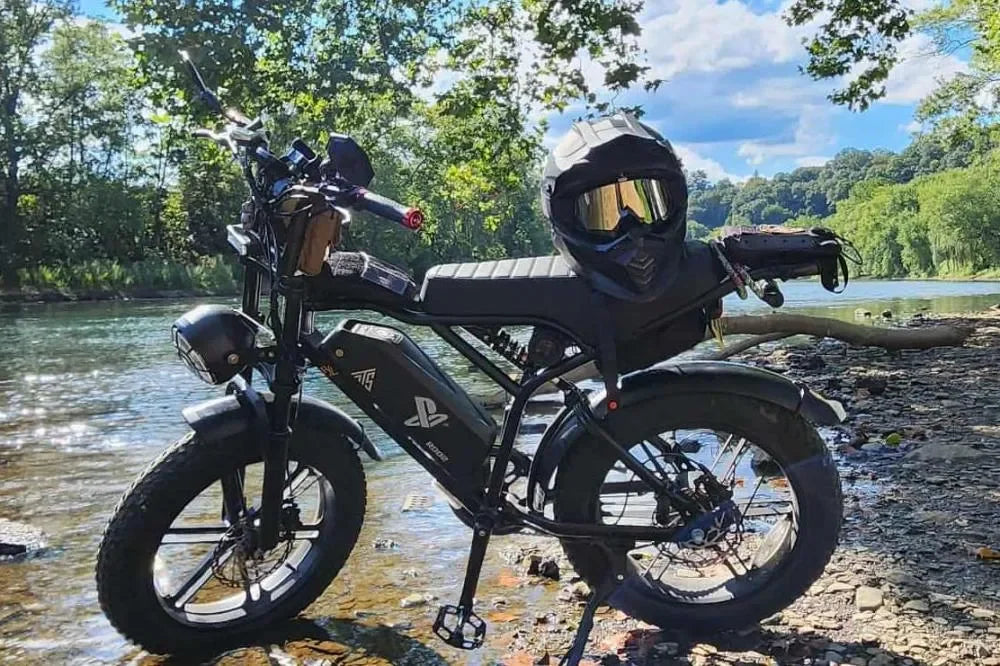
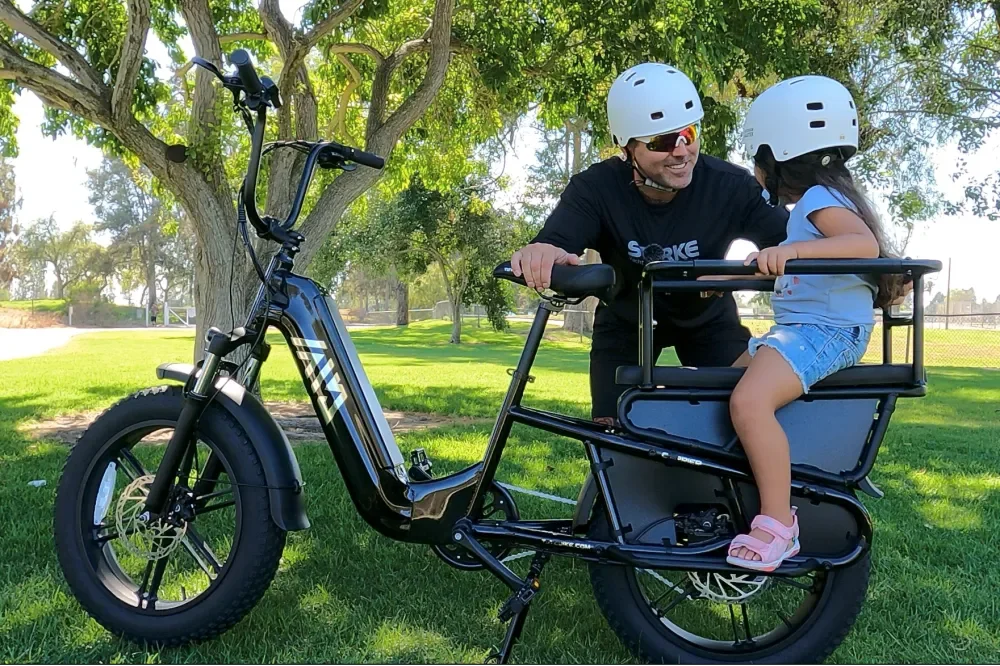
Riders who notice the biggest improvement are usually those on rough urban roads, light gravel, or repetitive washboard surfaces. Commuters often report less palm fatigue, while mixed-terrain riders feel improved steering stability at speed. Heavier riders also tend to appreciate the reduced “ping” from sharp pavement edges.
If your route includes broken asphalt or frequent expansion joints, wheel damping becomes more valuable. If your ride is already smooth, the benefit is still there, but less obvious.
What Should Buyers Check First?
The wheel is only one part of the comfort equation. Tire volume, inflation pressure, fork travel, and frame geometry all change the result. A stiff rim with overinflated tires can still feel harsh, while a good rim with a poor fork setup will not reach its full potential.
A practical buying checklist:
-
Look for wheel designs that balance stiffness and damping.
-
Match tire pressure to surface quality, not just sidewall maximums.
-
Choose front suspension with enough travel for your route.
-
Favor a frame and wheelset that feel stable under load.
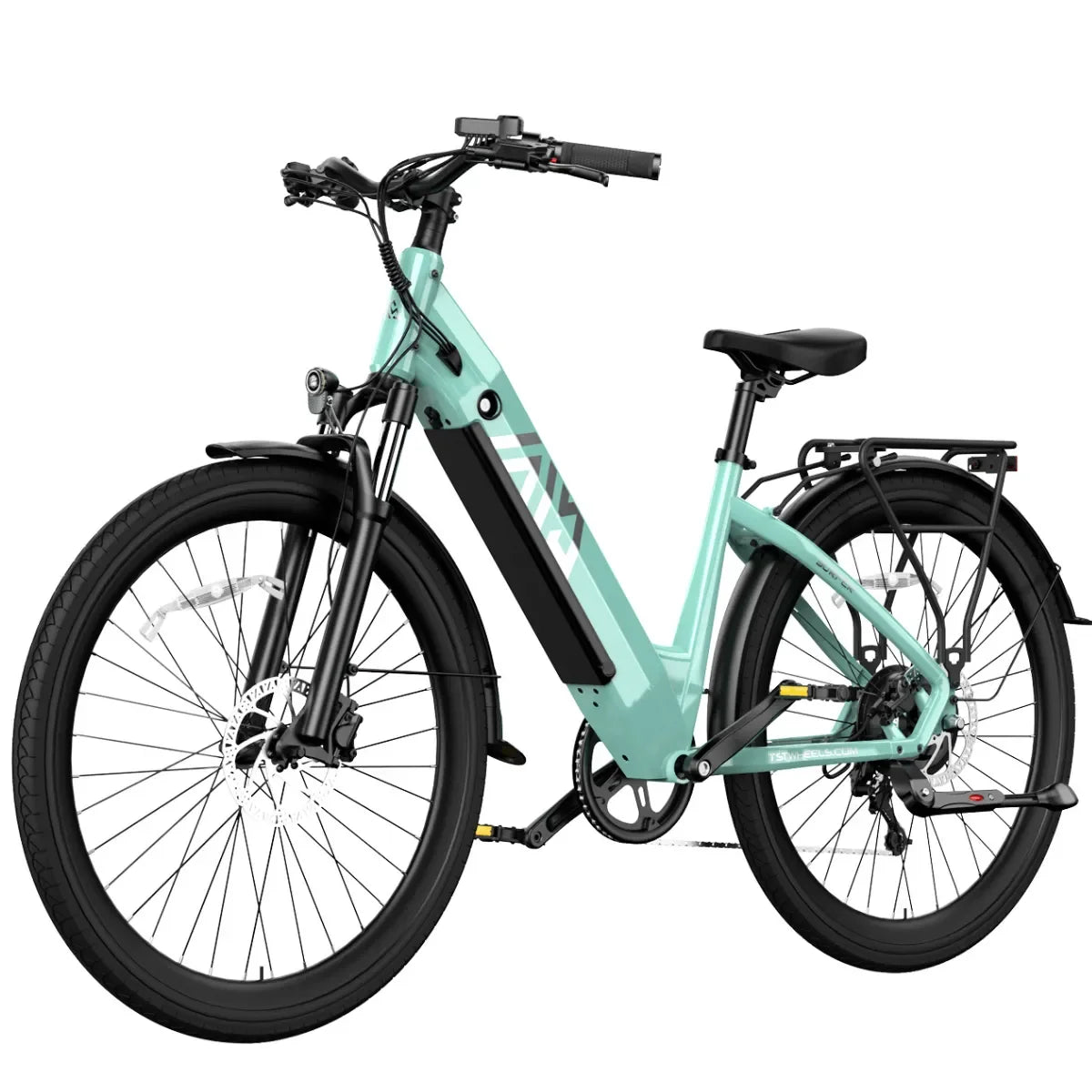
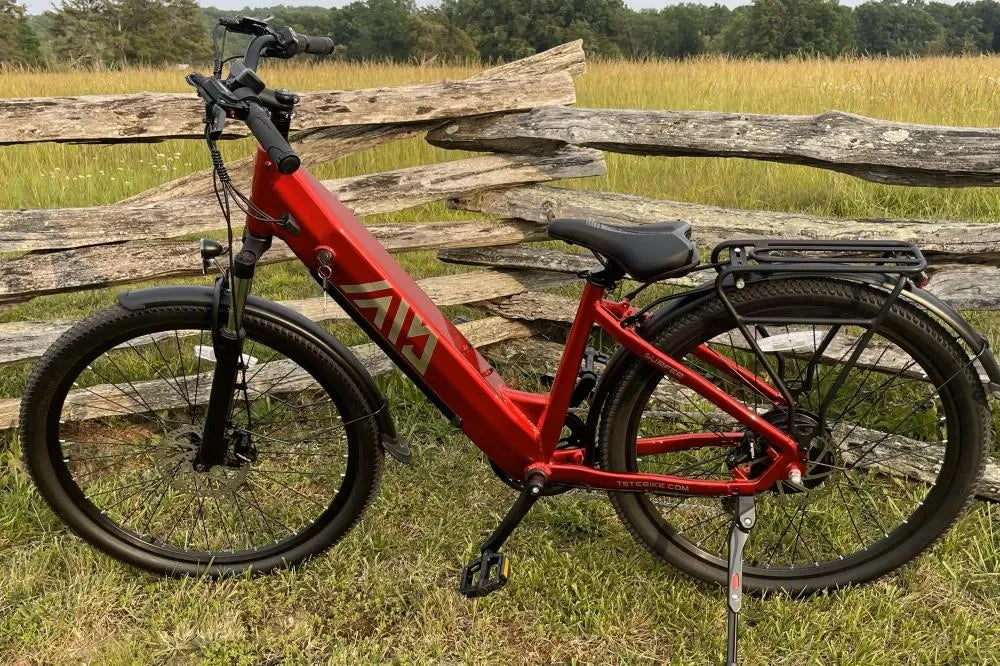
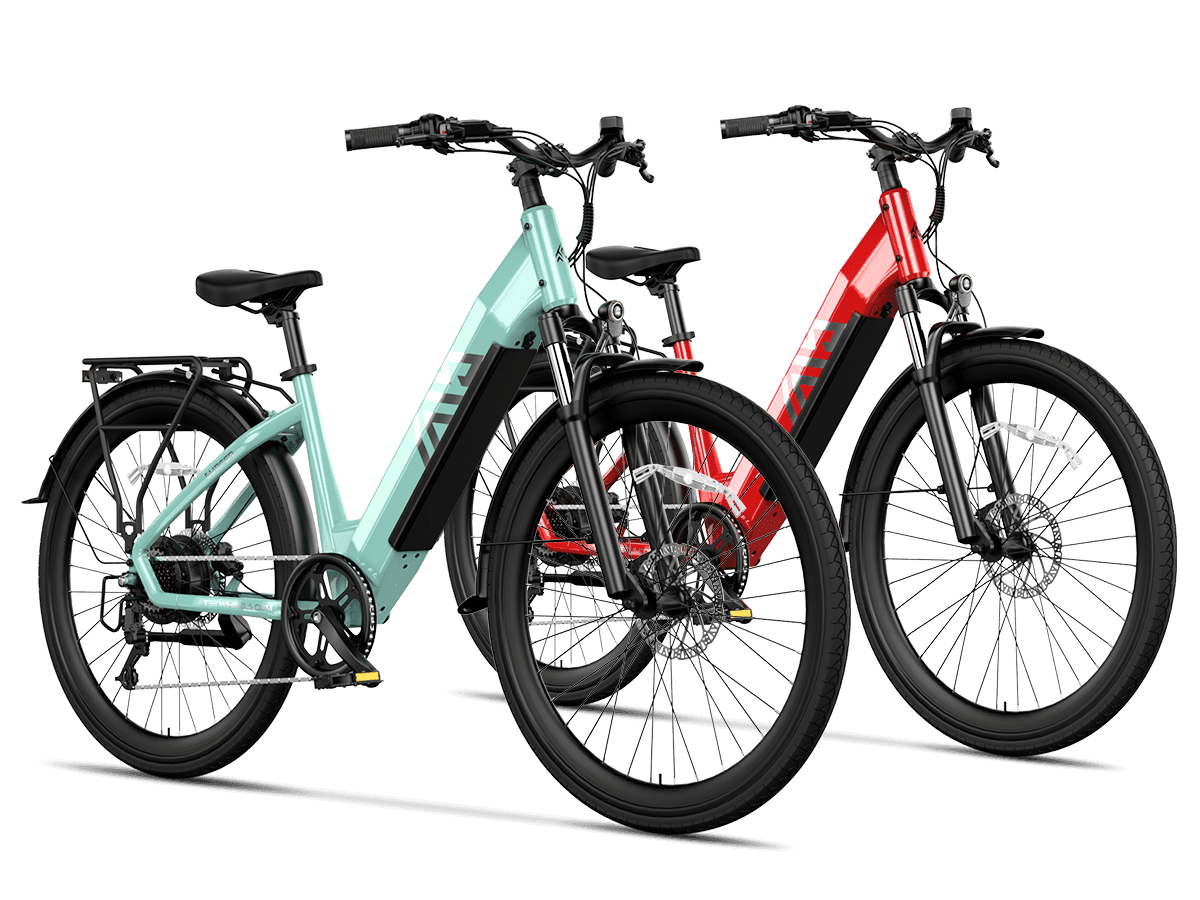
TST EBike positions its 26-inch and 27-inch options for different use cases, so the wheel behavior should be matched to where you ride most.
Why Does Road Surface Change The Result?
Not all roughness is the same. Short, sharp vibration from washboard pavement behaves differently from deep pothole impacts. Integrated rims help most with the first category because they reduce repeated small oscillations rather than big hits.
That is why riders often feel a bike is “smoother” even when the suspension travel has not changed. The wheel is simply reducing how much noisy vibration enters the system in the first place.
How Should You Interpret The Waveform?
On a vibration attenuation curve, the most important thing is not only peak reduction but also how quickly the oscillation decays. A well-designed rim should shorten the ringing effect after each bump. In simple terms, the wheel should stop “singing” faster.
This matters because repeated tiny vibrations can be more tiring than one large bump. That is why an integrated rim can feel calm and controlled on continuous rough pavement.
TST EBike Expert Views
“In real ride testing, the difference is rarely just about comfort. When the wheel structure damps fine vibration early, the fork stays more composed, the steering feels less nervous, and the rider uses less energy to stay relaxed. That is why we look at the wheel, tire, and fork as one system, not three separate parts. On TST EBike builds, the best setup is the one that keeps the bike efficient on the road while quietly taking the edge off the chatter.”
What Is The Best Setup For Comfort?
The best setup is a matched package: a damping-capable wheel, properly chosen tire volume, and suspension tuned for the rider’s weight and terrain. If any one of those is off, the comfort gains shrink quickly. This is why “better rims” alone are not a magic fix.
For many riders, the ideal outcome is not maximum softness but controlled absorption. TST EBike riders who want a stable everyday ride should think in terms of total system tuning, not single-part upgrades.
How Do 26-Inch And 27-Inch Builds Compare?
The 26-inch platform tends to feel more forgiving on broken surfaces, while the 27-inch platform is often the more efficient choice for daily roads. On TST EBike, that difference helps riders choose the wheel behavior that fits their routes.
What Should Riders Remember Most?
Integrated rims can support suspension by reducing micro-vibration before it reaches the fork and frame. Magnesium alloy can add helpful damping, but the real win comes from the full ride system working together. That is the key reason fine-bump comfort can improve without making the bike feel sluggish.
For buyers comparing comfort features, TST EBike should be judged by the whole package: wheel design, tire sizing, fork tuning, and real-world ride balance. The smartest choice is the one that turns rough pavement from a tiring buzz into a controlled, efficient ride.
Conclusion
Integrated rims help ebikes by filtering high-frequency chatter before it reaches the suspension, which improves comfort, control, and rider endurance. Magnesium alloy adds a useful damping advantage, but the best results come from a tuned system that includes tire choice, fork quality, and frame design. For riders evaluating TST EBike, the most valuable comfort upgrade is not one part alone, but a balanced ride platform that handles real roads with less vibration and less fatigue.
FAQs
Do integrated rims replace front suspension?
No. They reduce some vibration, but the fork still handles the main impacts.
Does magnesium alloy always ride softer?
Not always. It can help damping, but tire pressure and fork setup matter just as much.
Can I feel a 15% vibration reduction?
Often yes, especially on washboard pavement or rough city roads. The improvement is more noticeable over time than in one short test.
Are integrated rims worth it for commuting?
Yes, if your route has chipseal, broken asphalt, or repeated small bumps. They can reduce hand fatigue and make the bike feel calmer.
Is a 26-inch or 27-inch wheel better for comfort?
26-inch usually feels more forgiving on rough surfaces, while 27-inch often rolls more efficiently on smoother roads.

Leave a comment
This site is protected by hCaptcha and the hCaptcha Privacy Policy and Terms of Service apply.