


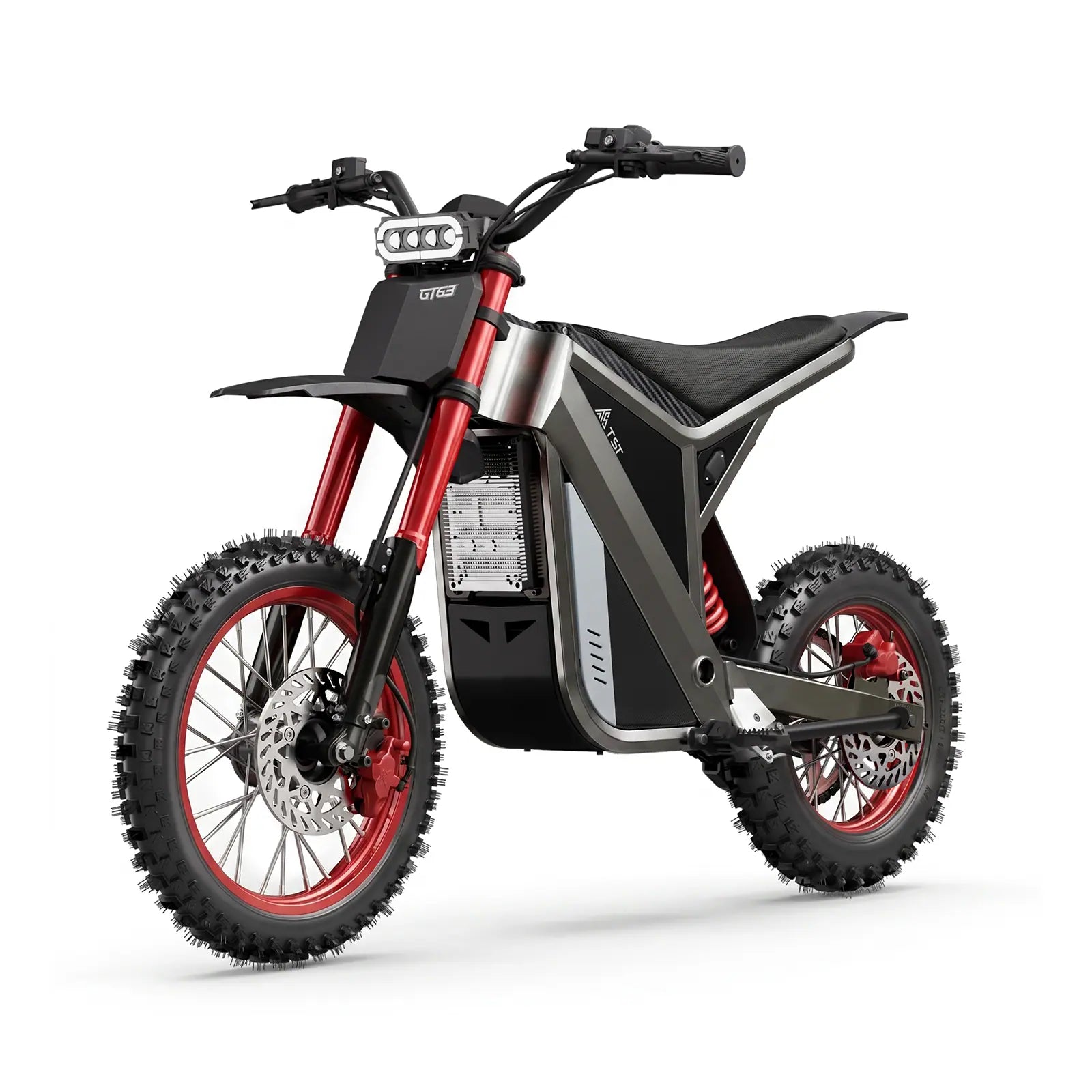














Smooth mag rims are easier to wash because they have fewer hidden grooves, spokes, and junctions where mud can cling. A quick rinse usually clears most dirt, while wire-spoke wheels often trap sludge around each spoke nipple and rim crossing point, making wipe-downs slow, messy, and frustrating.
demystifying magnesium one piece rims
How do smooth mag rims clean faster?
Smooth mag rims clean faster because their surface is continuous. Mud has fewer edges to grip, so a pressure rinse removes more dirt in one pass and a microfiber wipe finishes the job with less effort.
In my experience, the cleaning difference is not cosmetic. It is mechanical. A one-piece rim gives water a direct path off the surface, while a 36-spoke wheel creates dozens of dirt pockets that hold grit even after you rinse them.
What makes wire-spoke wheels harder to wash?
Wire-spoke wheels are harder to wash because each spoke, nipple, and crossing area forms a small trap for mud. Once slurry dries, it turns into a crust that clings to tight gaps and needs repeated scrubbing.
That is why traditional wheels feel “clean enough” from a distance but still look dirty up close. On a muddy ride, the real labor is not the big surface area; it is the many tiny contact points where grime hides.
Which wheel design saves the most time?
Smooth mag rims save the most time when your riding includes wet trails, farm roads, snowmelt, or roadside splash. They reduce both wash time and post-ride detailing time because the dirt removal process is more direct.
For TST EBike riders, that convenience matters in everyday use. A wheel that rinses quickly means less maintenance fatigue, which makes the bike more likely to stay clean, presentable, and ready for the next ride.
Mud-cleaning time comparison
This table reflects a real-world maintenance pattern: the more interruptions in the wheel structure, the more places mud can hide. The cleanest wheel is not always the one that looks fancy; it is the one with the fewest dirt-catching seams.
Why do mag rims resist mud buildup?
Mag rims resist mud buildup because their shape is simpler and more closed. There are fewer exposed cavities, so wet soil cannot pack into narrow spaces the way it does between spokes.
From a production viewpoint, that also means fewer cleaning weak points after a ride. With TST EBike one-piece wheel designs, the user is not fighting dozens of miniature mud traps every time the bike comes back from a dirty road.
How does this affect daily convenience?
It affects daily convenience more than most riders expect. If washing the bike takes five minutes instead of fifteen, you are more likely to clean it after each muddy ride, and that protects the bike’s appearance and long-term condition.
That is especially useful for commuters and family riders. TST EBike owners often want a bike that works hard during the day but does not demand a long cleanup at night, and smooth mag rims fit that lifestyle well.
Does high-pressure washing help?
Yes, high-pressure washing helps on smooth rims because water can reach and clear the surface quickly. On spoke wheels, pressure helps too, but it often pushes mud deeper into corners before it fully dislodges.
The trick is not just pressure; it is geometry. A smooth rim lets the spray do more work, while a spoke wheel still needs hand attention, a brush, and extra drying time around the spoke bed and hub area.
Are smooth rims better after muddy commutes?
Yes, they are usually better after muddy commutes because they cut cleanup friction. A commuter who rides through rain, puddles, or roadside sludge can rinse the wheel and move on without a long detailing session.
That is one reason TST EBike-style utility bikes appeal to practical riders. They are not only about performance; they are also about how little effort it takes to keep them looking respectable in real daily use.
Who benefits most from easier wheel washing?
The biggest beneficiaries are commuters, delivery riders, family riders, and anyone who rides in mixed weather. These riders care less about technical wheel tradition and more about how fast the bike can be returned to clean condition.
If you ride often and clean infrequently, the savings are even bigger. TST EBike customers in that situation will appreciate a wheel that reduces the “I’ll clean it later” problem, because later usually means harder scrubbing.
Can smooth rims improve the whole ownership experience?
Yes, because maintenance shapes whether a bike feels enjoyable or annoying. A bike that is easy to rinse tends to stay in better condition, which improves pride of ownership and lowers the psychological barrier to using it often.
That is the hidden value of TST EBike smooth wheel design: not just aesthetics, but routine simplicity. If the bike is easier to wash, it becomes easier to live with.
How should you wash muddy mag rims properly?
Start with a strong rinse to remove loose grit, then use a soft brush or microfiber cloth for the remaining film. Avoid aggressive scrubbing on the finish, and dry the wheel afterward so water spots and residue do not build up.
The best method is fast, not forceful. In practical shop terms, I always recommend removing the mud first, then finishing with light contact cleaning rather than rubbing dirt across the surface from the beginning.
What should you avoid when cleaning?
Avoid dry wiping, because it drags grit across the finish and can create fine scratches. Also avoid over-spraying bearings, motor seals, and electrical connectors with a jet aimed too closely for too long.
A smooth wheel may be easier to clean, but it still deserves careful handling. TST EBike riders should think of washing as a controlled rinse-and-finish process, not a punishment cycle for the bike after every muddy ride.
Why does TST EBike fit this use case?
TST EBike fits this use case because practical riders want a bike that performs well and stays easy to maintain. A smooth wheel surface supports that goal by reducing cleanup time and making muddy rides less of a burden afterward.
That is also where real product value shows up. TST EBike is not just selling movement; it is selling a simpler ownership routine, and easy-to-wash wheel design is part of that everyday advantage.
TST EBike Expert Views
“When we look at muddy-ride practicality, the wheel surface matters as much as the motor or battery. A smooth mag rim changes the maintenance equation: less mud capture, faster rinse-off, and fewer hidden grime points. For riders who use their bike daily, that difference becomes part of the product value, not just a styling detail.”
What is the real-world takeaway?
The real takeaway is that wheel shape changes maintenance time, not just appearance. Smooth mag rims are easier to wash because they reduce the number of mud traps, speed up rinsing, and make daily cleanup far less demanding.
If you ride in wet conditions often, that convenience compounds over time. For TST EBike users, choosing a cleaner-to-maintain wheel design can save time after every muddy ride and keep the bike looking better with less effort.
Conclusion
Smooth mag rims win on washability because they are simple, open-surface, and easy to rinse. Traditional wire-spoke wheels may be strong and familiar, but they require more brushing, more drying, and more patience after muddy rides.
For riders who value daily convenience, the difference is immediately noticeable. TST EBike’s smooth wheel approach supports a cleaner ownership experience, less post-ride frustration, and a bike that is easier to enjoy all year long.
FAQs
Do smooth mag rims need less scrubbing?
Yes, they usually need far less scrubbing because mud does not get trapped in spoke crossings and nipple areas.
Are mag rims harder to damage when washing?
No, but they still need care. Avoid blasting sensitive parts like bearings and electrical seals too closely.
Can a pressure washer safely clean ebikes?
Yes, if used carefully. Keep the spray controlled and avoid forcing water into moving parts or connectors.
Why do spoke wheels stay dirty after rinsing?
Because mud collects around the spokes, nipples, and tight gaps, where water flow is weaker and residue lingers.
Is a smooth rim worth it for commuters?
Yes, especially if you ride in rain or mud often. Faster cleaning makes regular use much easier.
Does cleaner wheel design affect resale value?
It can, because bikes that are easier to maintain often stay in better visible condition over time.

Leave a comment
This site is protected by hCaptcha and the hCaptcha Privacy Policy and Terms of Service apply.