
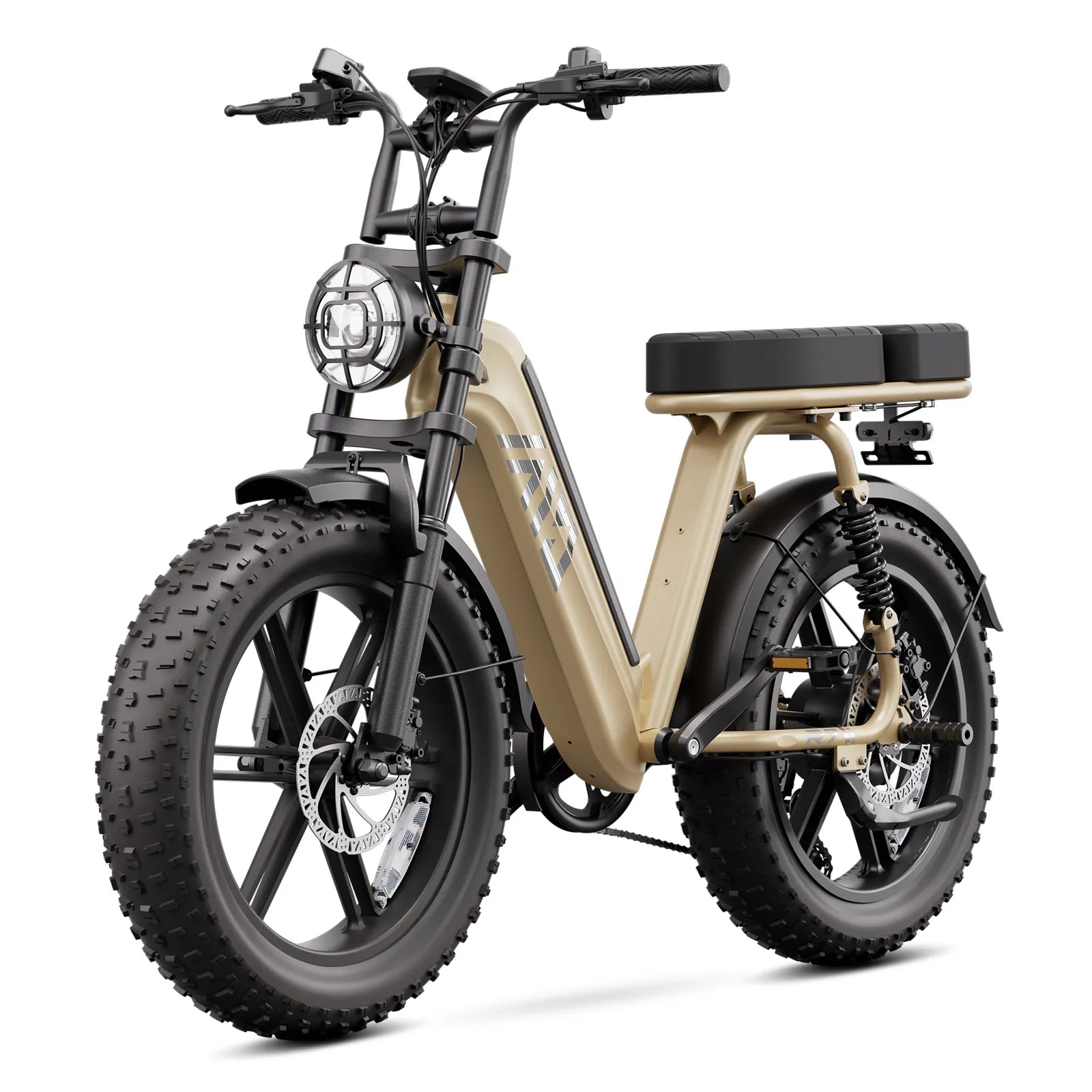
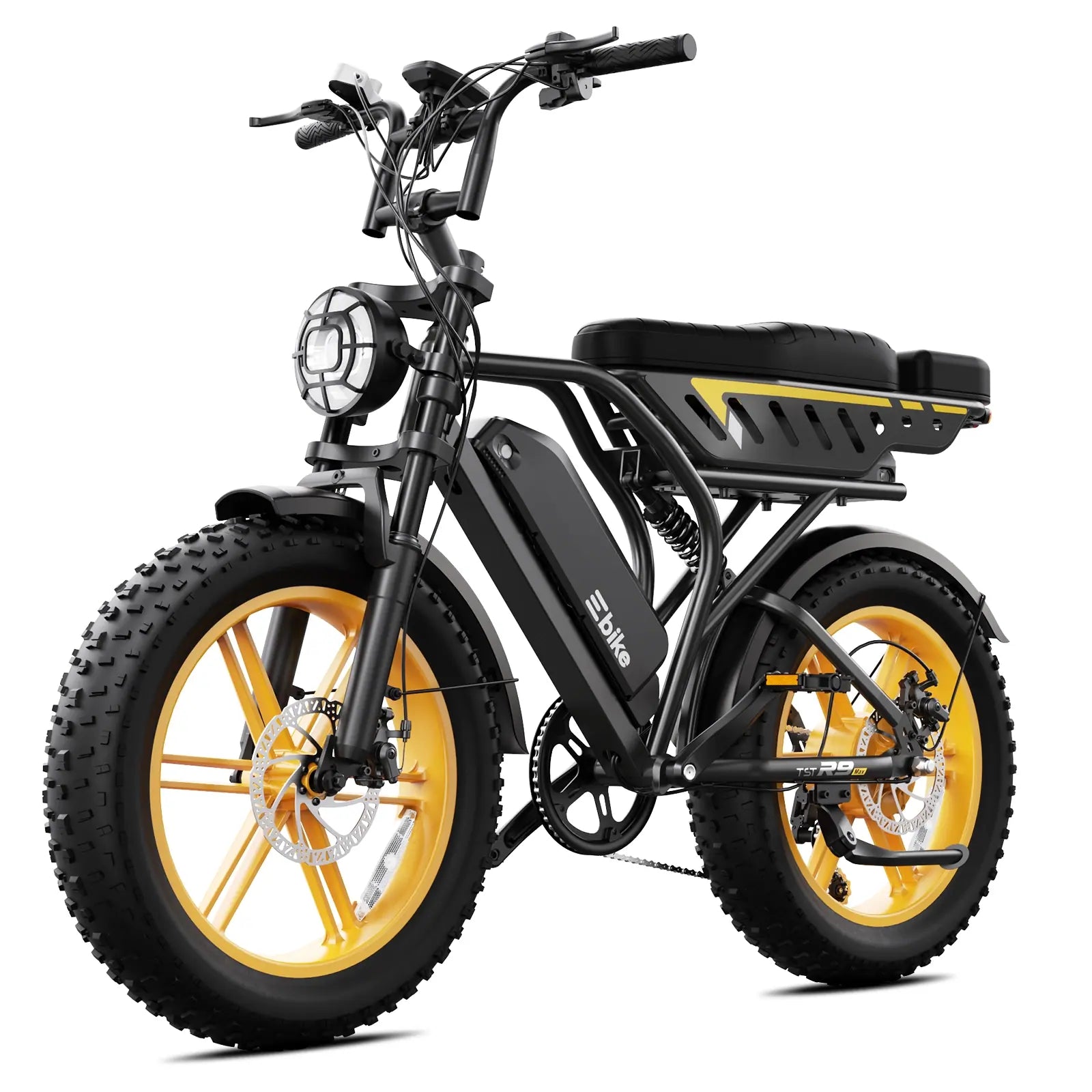
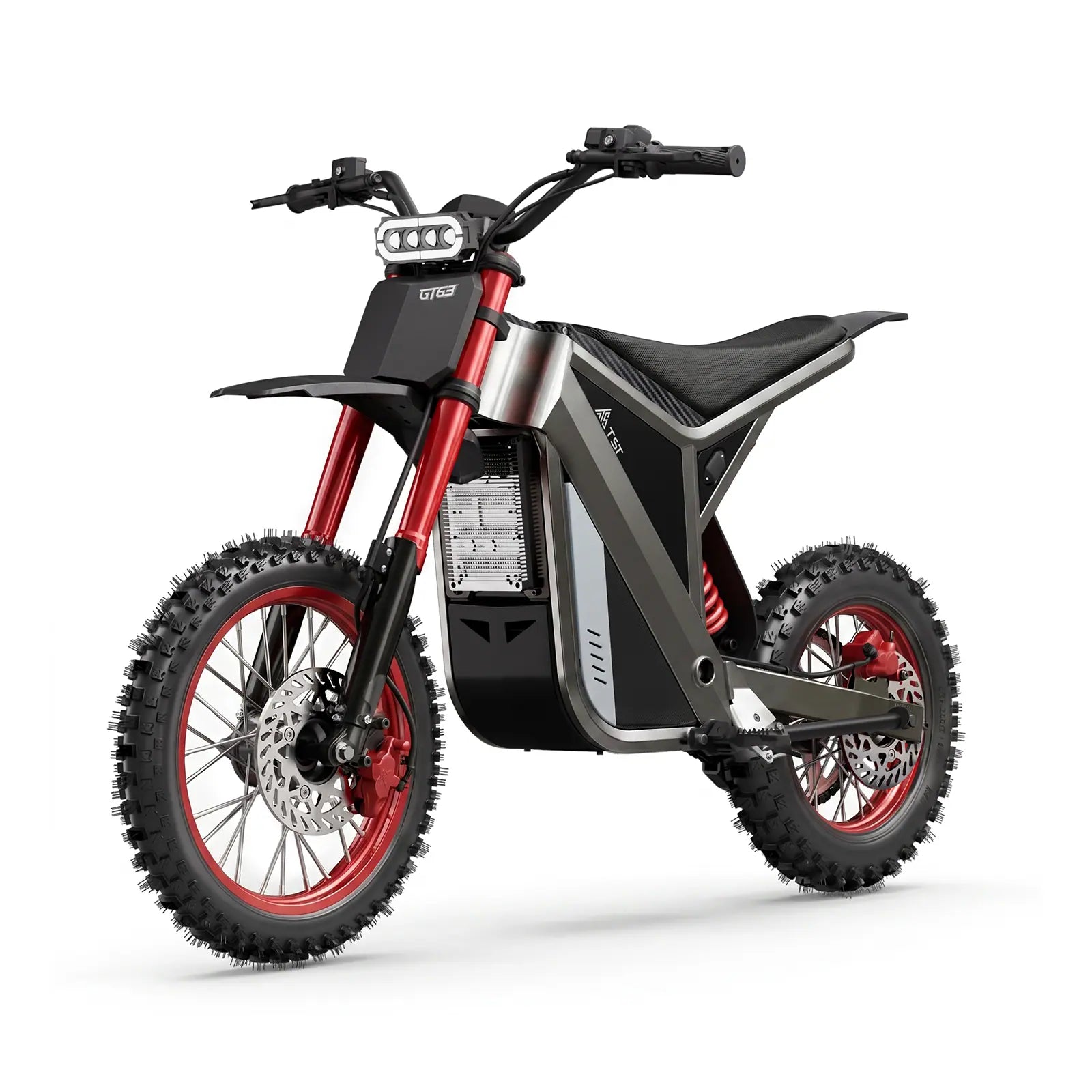
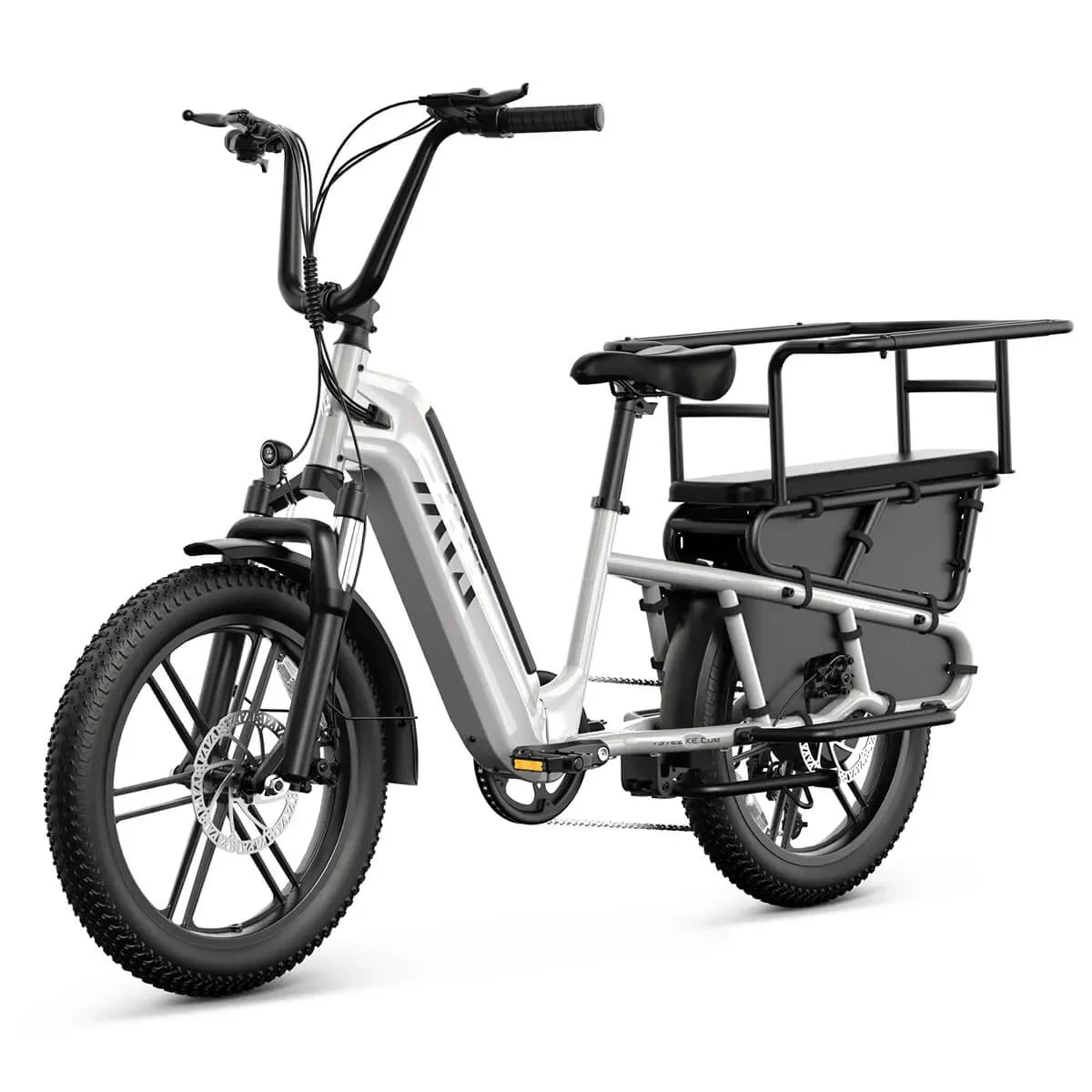
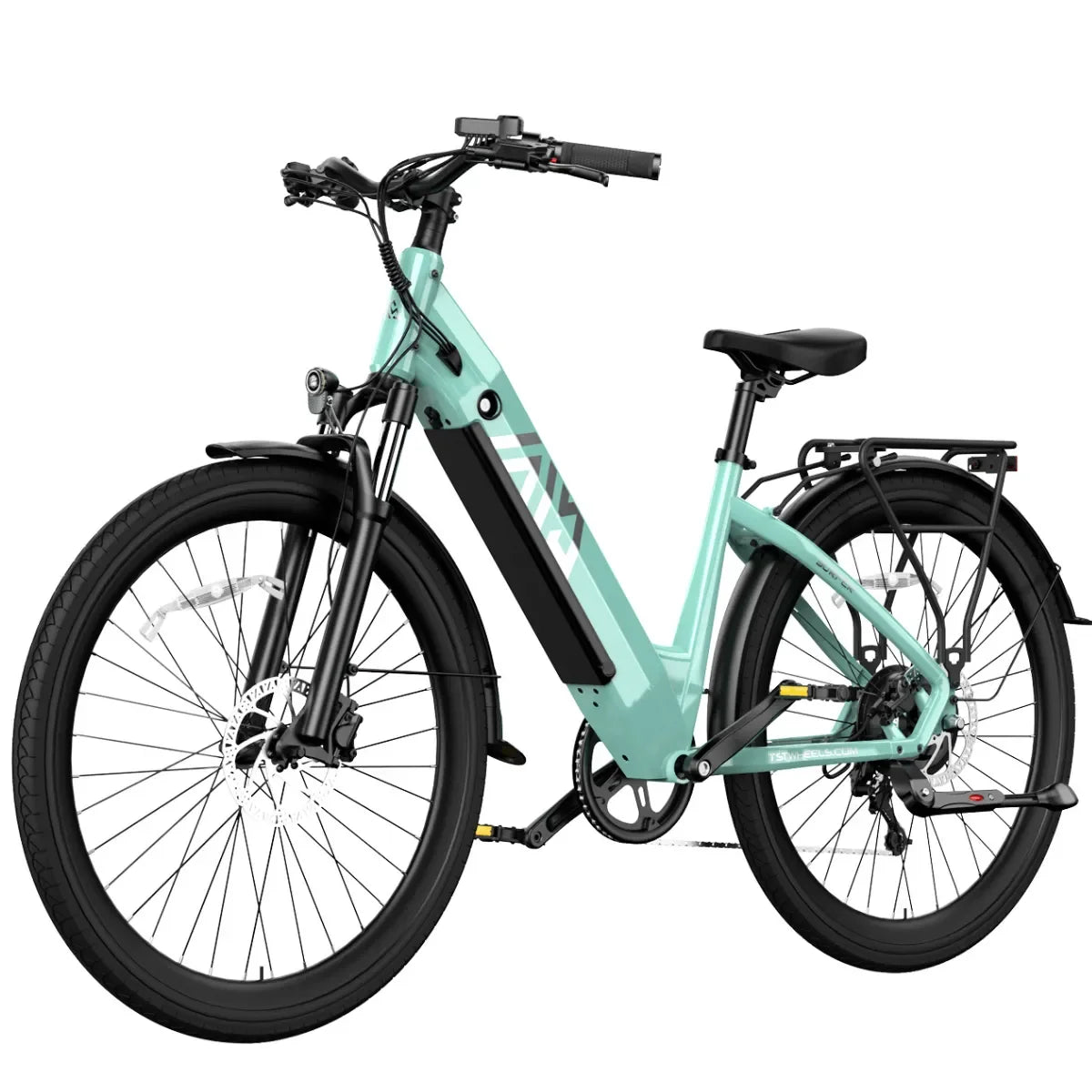
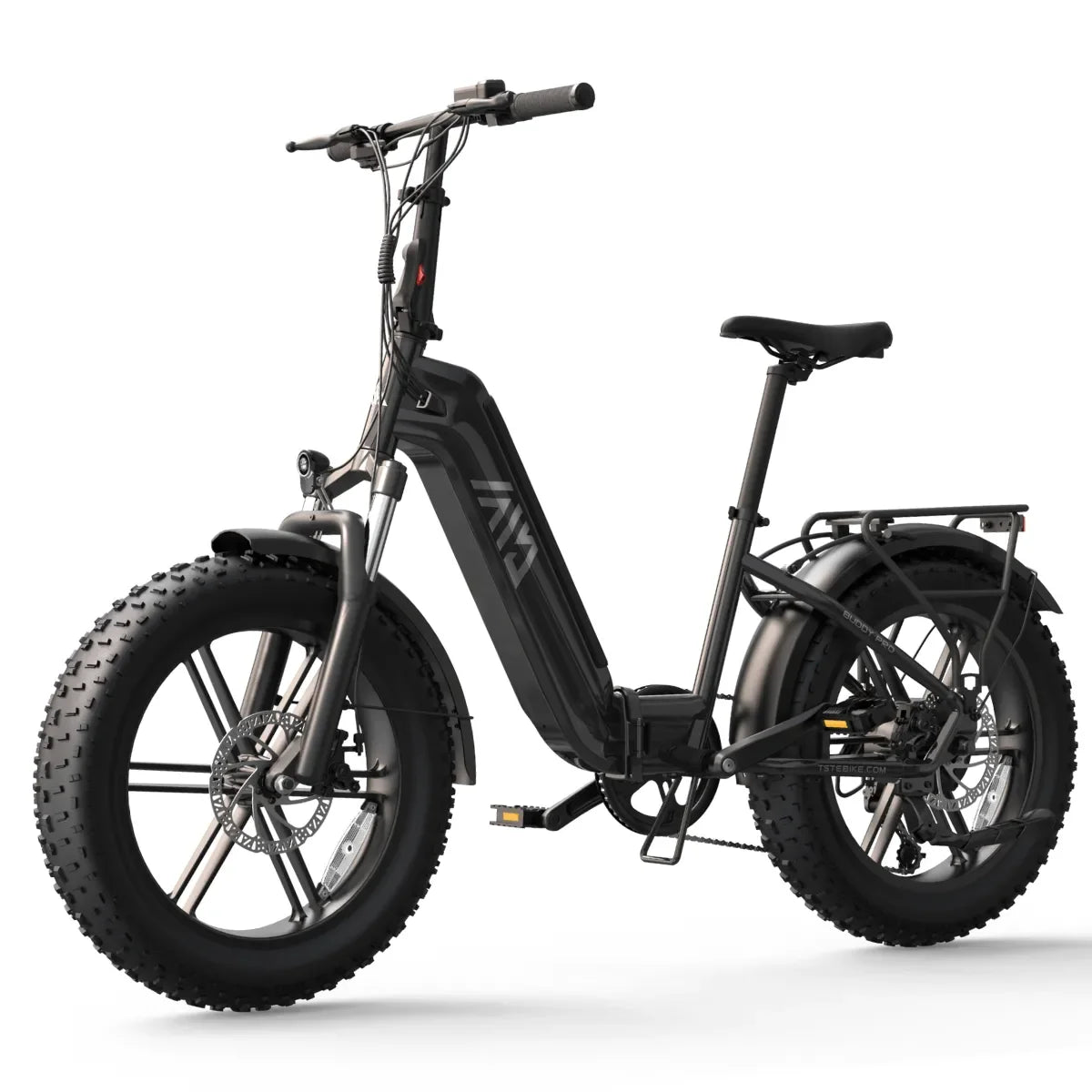
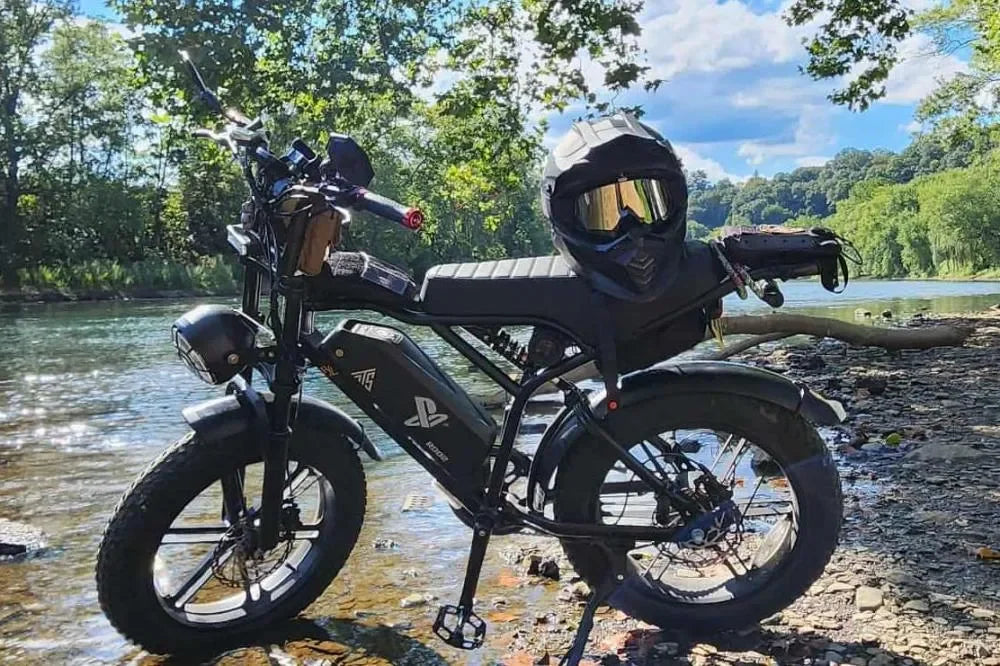
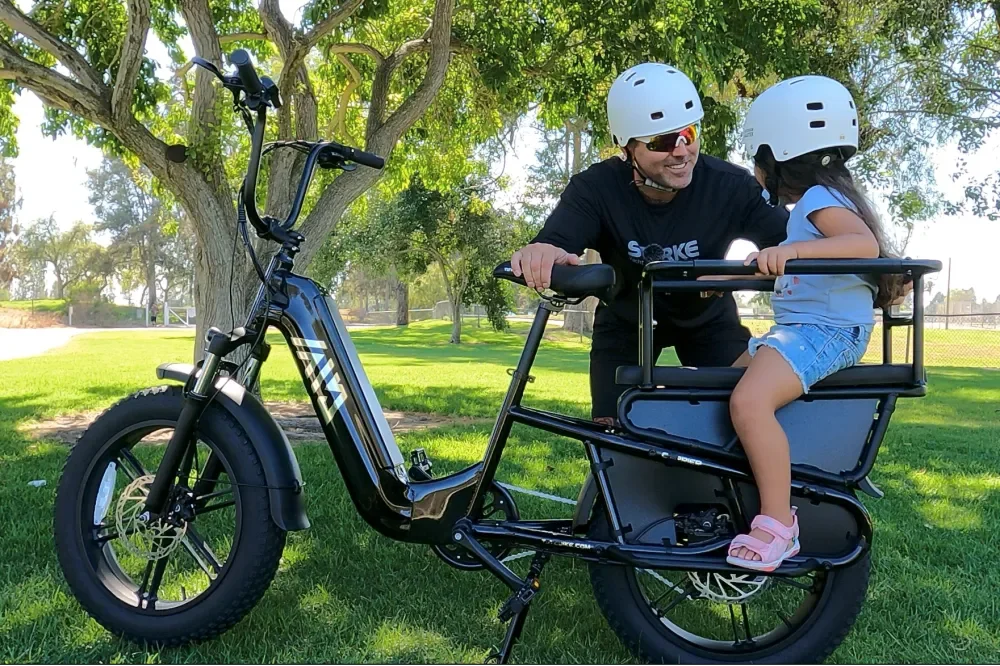
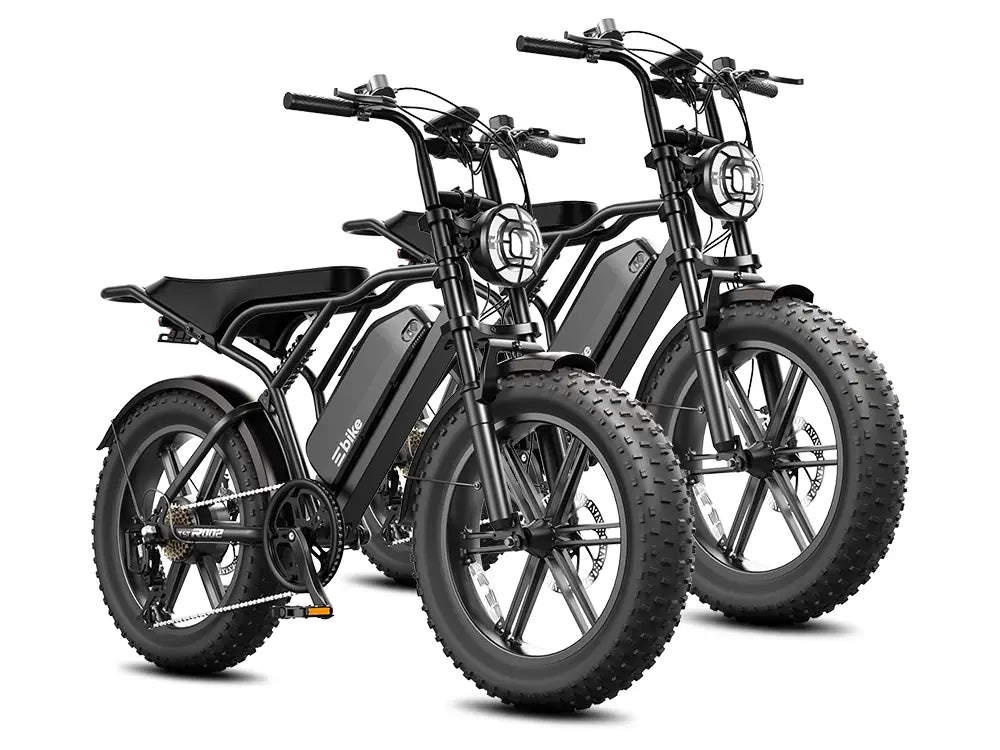
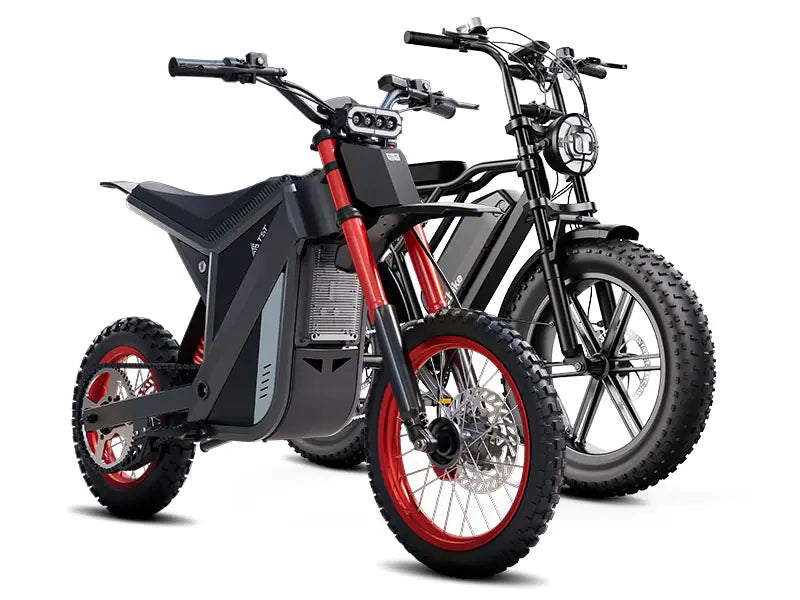
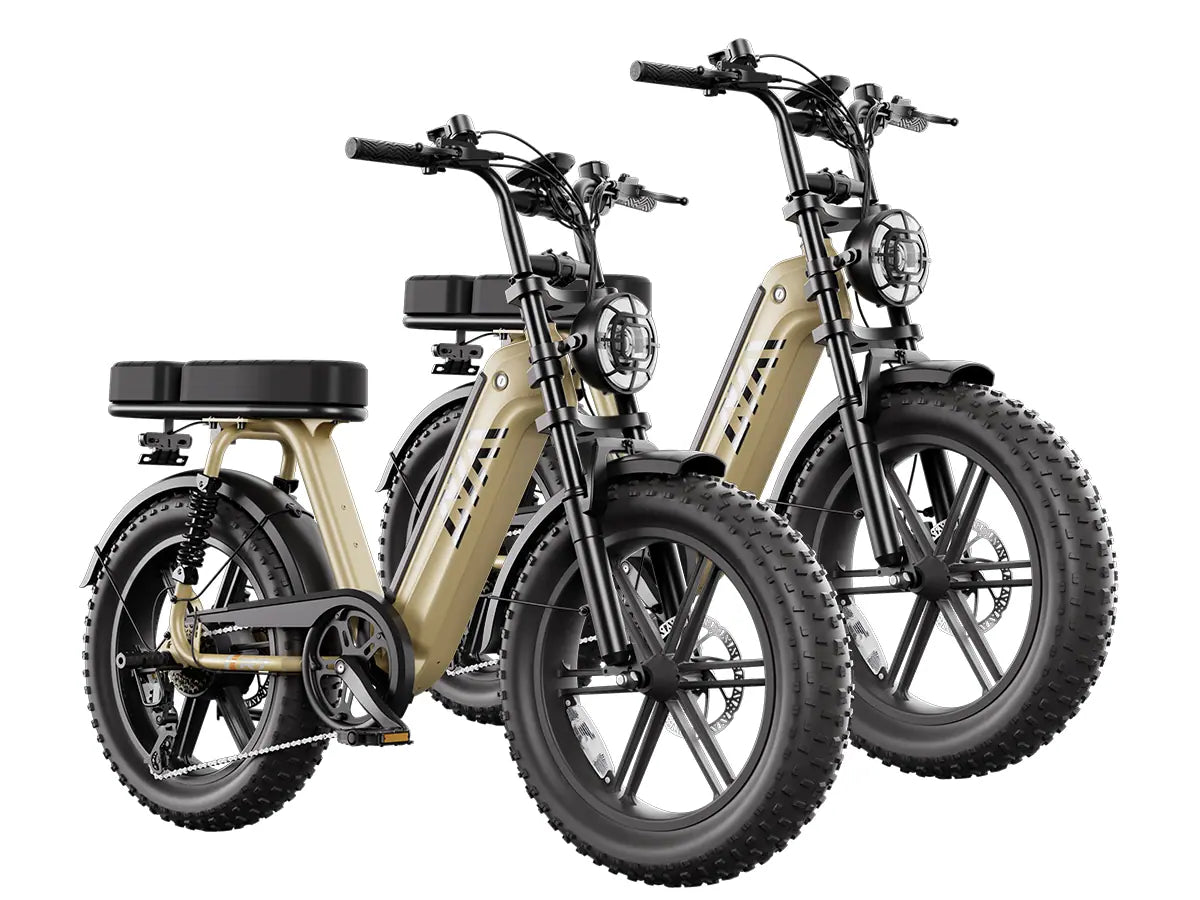
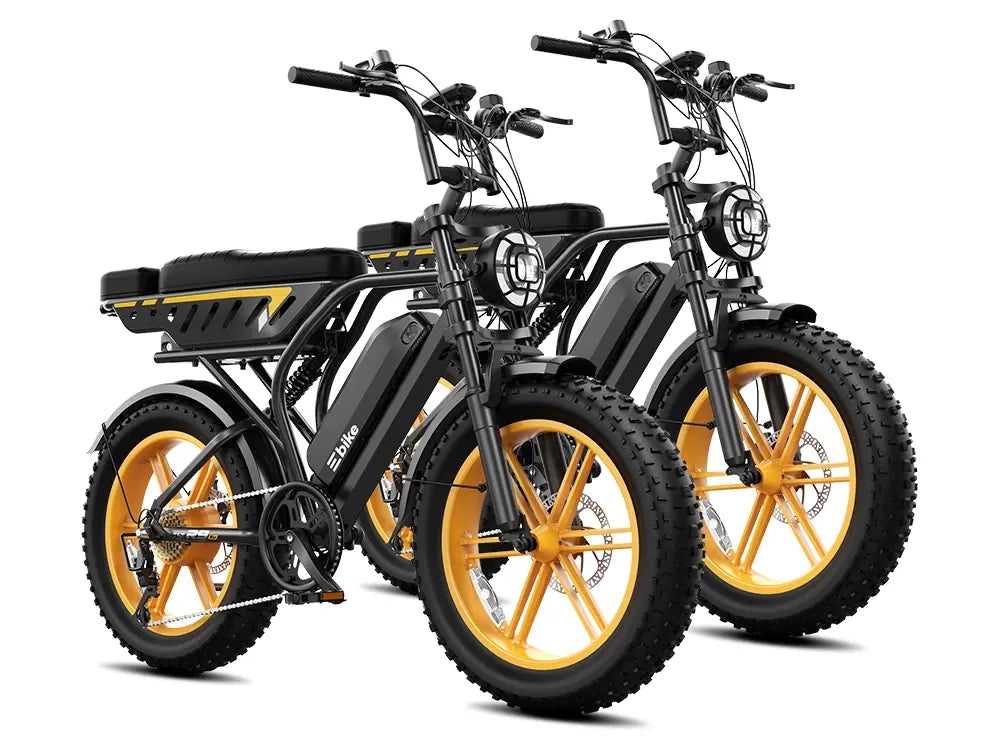
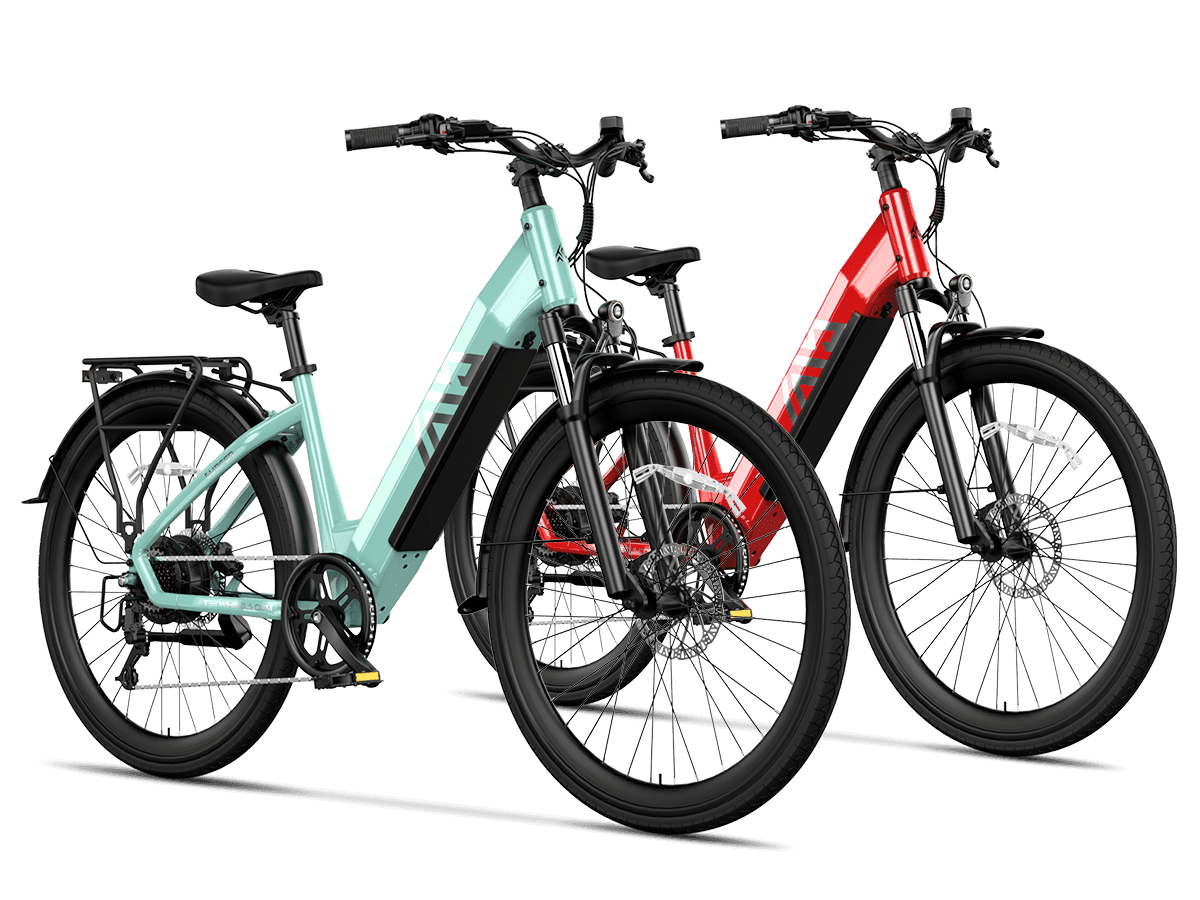
Fat-tire ebike torque is not just about watts; it is the product of controller current, motor design, and traction working together in milliseconds. When a sine-wave controller feeds a high-power hub with well-managed amps, it can deliver 85–100 N·m of smooth launch torque without spin-outs. The golden RPM band balances efficiency, temperature, and grip so TST EBike riders feel power, not waste.
How Does Fat Tire Torque Really Work on High-Power Hub Motors?
Fat tire torque comes from converting electrical power into wheel force through the hub motor, controller, and tire contact patch. The controller limits current in amps, the motor turns that current into magnetic torque, and the wide tire spreads it into usable traction. On a TST EBike, that chain is tuned so the rider feels strong yet controllable launches, not brutal surges.
Behind the marketing numbers, torque on a fat-tire hub motor is a three-part physics story. First, current through the windings generates a magnetic field; more phase amps mean more instantaneous torque, but also more heat risk. Second, the motor’s Kv (RPM per volt) and gear ratio set how that torque appears at the wheel. Third, the tire’s footprint and compound decide whether the ground can accept that torque without slipping.
In factory tuning, we do not chase maximum torque at all costs. We balance peak launch torque against thermal limits, controller MOSFET ratings, and the real traction that a 4-inch tire can provide on sand, snow, or asphalt. This is why TST EBike fat-tire torque feels dense and manageable rather than like an on/off switch. The controller’s ramp rate is as important as its peak amps.
Table: Motor Power, Current, and Wheel Torque (Conceptual)
Why Is Controller Current (Amps) More Important Than Just Voltage?
Controller current determines how much torque a motor can produce at low RPM, while voltage shapes top speed. In practice, amps decide how hard a fat-tire ebike “pushes” off the line. A TST EBike tuned for 85–100 N·m launch torque uses carefully limited phase current, rise time, and thermal safeguards so that this starting punch is repeatable and safe for daily use.
When we tune controllers on the bench, the first thing we watch is phase current versus time, not just the nominal battery voltage. A 48 V system with restrained amps can feel weaker than a 36 V system with aggressive current. What matters is how many newton-meters we can generate per millisecond and how smoothly that torque reaches the contact patch.
The sine-wave control strategy gives us a cleaner handle on current shaping. Instead of hammering the coils with step-like square-wave pulses, we feed them sinusoidal currents that keep torque output more linear and reduce mechanical shock. On a fat tire, this directly translates into less “digging” and more roll. TST EBike prefers this approach because it makes full-power starts feel professional, not unpredictable.
What Is a Sine-Wave Controller Actually Doing in Milliseconds?
A sine-wave controller continuously calculates the ideal phase current shape based on rotor position, target torque, and rider input, then drives the coils with near-sinusoidal waveforms. In milliseconds, it manages start-up alignment, current rise, and torque smoothing. This is how TST EBike can deliver strong fat-tire torque without the harsh buzz or jerks seen in older square-wave systems.
From the inside, a good sine-wave controller is really a fast mathematician. It estimates the rotor’s position using hall sensors or sensorless back-EMF detection, then uses space-vector or sinusoidal modulation to decide how much current each coil should receive at each micro-step. This control loop runs thousands of times per second.
At launch, this matters most. A square-wave controller slams current into the motor, which can cause cogging and abrupt torque pulses. A sine-wave unit “eases in” the current, ramping phase amps in a controlled curve. For fat-tire builds, that is crucial. The wide footprint magnifies any torque spike into either a clean push or a messy slip. TST EBike exploits sine-wave control to bias toward clean pushes.
Which Physics Principles Explain the 85–100 N·m “Beast Torque” Range?
The 85–100 N·m range comes from basic relationships between power, torque, and RPM: torque equals power divided by angular velocity. To achieve that range at low speed, TST EBike combines high phase current, appropriate winding design, and gearing so the motor can deliver strong mechanical leverage before RPM ramps into the efficiency band. This is real torque, not just marketing peak numbers.
On the bench, we often start from the simple formula: mechanical power equals torque multiplied by angular speed. To keep torque high at low speeds, we accept that instantaneous mechanical power spikes must be managed by the electrical system and thermal capacity. If the bike is advertised at, say, 1000 W continuous, we know that short bursts at 1500 W or more can be tolerated if cooling and duty cycle are correctly modeled.
For fat tires, the extra radius changes the leverage picture. A larger effective wheel radius reduces torque at the ground for the same motor torque, so we need to compensate with higher phase current or suitable gear ratio. TST EBike’s high-torque tuning takes this into account, ensuring the claimed “beast torque” is felt at the tire, not just measured at the motor shaft.
How Is RPM vs Efficiency Mapped for Golden Motor Speed?
Motor efficiency peaks at a specific RPM band where copper losses, iron losses, and mechanical resistance balance out. Below that band, torque is high but losses rise; above it, speed increases but torque falls. The golden RPM zone is where a TST EBike fat-tire hub translates electrical energy into forward motion with minimal waste, giving both strong pull and cool-running reliability.
In practice, we build RPM vs efficiency curves from dyno tests or simulation. At very low RPM, the motor behaves like a heavy load on the controller, drawing more current per unit of motion. As speed rises, efficiency improves until iron losses and drag begin to eat into gains. For hub motors, this sweet spot is usually a mid-speed region rather than right off the line.
For a fat-tire commuter, we aim to place the most common cruising speeds in that golden band. The controller then handles the transition: it uses higher amps to get the bike quickly out of the low-efficiency, high-torque region and into the efficient cruise. TST EBike designs this crossover to feel seamless, so riders notice “effortless” motion, not shifting behavior.
Chart Concept: RPM vs Efficiency Zones
Why Do Fat Tires Change Traction and Torque Translation So Much?
Fat tires change how torque is translated into real movement by widening the contact patch and altering the slip curve. They can accept more torque before losing grip on loose surfaces, but they also magnify torque spikes. TST EBike tunes torque ramps specifically for fat tires, prioritizing controlled buildup so the rider feels confident acceleration rather than sudden wheelspin or bogging.
On sand, snow, or crushed gravel, a narrow tire tends to dig, while a fat tire floats and spreads force. This gives a higher threshold before slip. However, if the controller dumps torque too abruptly, the wide footprint will still break loose or create a sideways push. Sine-wave torque shaping is essential here.
From an engineering standpoint, we look at the tire as a stress distribution tool. More area means less pressure per unit area for a given load, which is great for soft surfaces. But it also demands a more precise match between torque growth and ground shear strength. TST EBike approaches fat-tire builds with this in mind, shaping torque so that the tire’s advantages are used, not wasted.
Can Controller Tuning Make a High-Torque Fat Tire Ebike Easier to Ride?
Yes. Controller tuning can make a high-torque fat tire ebike feel calmer and more predictable by adjusting current limits, ramp rates, and pedal-assist curves. With the right sine-wave maps, TST EBike can deliver serious launch torque for heavy riders while keeping low-speed control intuitive, even on loose terrain or in stop-and-go traffic.
We do this by separating “peak capability” from “everyday behavior.” The hardware may support very high phase amps, but the mapping decides how often and how quickly they are used. For example, a commuter tune may favor gentle takeoffs and stronger mid-range, while an off-road tune allows more aggressive launch within set traction thresholds.
From the rider’s point of view, a well-tuned controller simply feels like the bike “understands” their intent. Small pedal inputs produce smooth acceleration, while larger efforts unlock deeper torque. TST EBike spends real time on this mapping because it is the difference between having a spec-sheet monster and having a bike that feels like a refined tool.
Is TST EBike Doing Anything Unique With Its High-Power Fat Tire Systems?
TST EBike emerges from a background of listening closely to real-world riders and tuning high-power systems around everyday use, not just laboratory conditions. That means torque targets, controller maps, and fat-tire choices are shaped by commutes, trails, and cargo needs in California and other markets where feedback loops are short and honest.
In practice, this shows up in several ways. Launch torque is calibrated with heavy loads and short hills in mind rather than only empty bikes on flat test tracks. The sine-wave controller configurations are adjusted to limit harsh low-speed pulses, reducing stress on spokes and dropouts over time. Battery, motor, and tire choices are then checked against this map to ensure the system feels coherent.
Because TST EBike sells across different terrains and climates, we also factor in how fat tires heat up and deform over long rides. High-torque systems that are too aggressive can lead to premature casing fatigue or rider fatigue. The brand coordinates geometry, tire spec, and controller tuning to prevent this, focusing on bike-level harmony rather than single-component bragging rights.
TST EBike Expert Views
“When we talk about 85–100 N·m on a fat-tire hub, we are not chasing a dyno record. We are shaping how that torque arrives over the first one or two wheel rotations. A good sine-wave controller will feed current fast enough to feel strong, but slow enough to let the tire bite instead of smear. That is the difference between a bike that scares new riders and one that quietly feels ‘sorted’ on sand, snow, and city pavement.”
Conclusion: Actionable Takeaways on Fat Tire Torque Physics
The core lesson from fat tire torque physics is that numbers on a spec sheet matter less than how current, RPM, and traction work together over time. A well-tuned sine-wave controller driving a high-power hub can make 85–100 N·m feel natural, not violent, if its ramps and limits respect what the tire and terrain can handle.
For riders, this means choosing systems where motor, controller, and tire are designed together. For engineers and builders, it means thinking in curves, not peaks: phase current vs time, RPM vs efficiency, and torque vs traction, all mapped realistically. TST EBike operates in that intersection, treating torque as a tool for usable speed, control, and confidence.
FAQs
Can a fat tire ebike have too much torque?
Yes. If torque ramps are too aggressive, the tire will slip or the bike will feel twitchy. Proper controller tuning keeps high torque usable rather than just impressive on paper.
Is sine-wave control always better than square-wave for fat tires?
For comfort and traction, sine-wave is generally better. It reduces vibration, smooths torque delivery, and makes launches more predictable on loose surfaces.
Does higher voltage automatically mean more torque?
No. Higher voltage mainly raises potential top speed. Torque at low speed depends more on controller current and motor design than voltage alone.
Are fat tires only about comfort, not performance?
Fat tires add comfort and stability, but they also change traction physics. When torque is mapped correctly, they can significantly improve usable grip on soft terrain.
Can I feel the golden RPM efficiency band while riding?
You often feel it as the point where the bike seems to “free up” and glide with less effort. Below it, the bike feels heavy; above it, speed rises but pull is lighter.
Does TST EBike tune torque differently for city and off-road use?
Yes. City-focused tunes prioritize smooth starts and efficient cruise, while off-road-focused maps allow more assertive low-speed torque within traction limits.

Leave a comment
This site is protected by hCaptcha and the hCaptcha Privacy Policy and Terms of Service apply.