


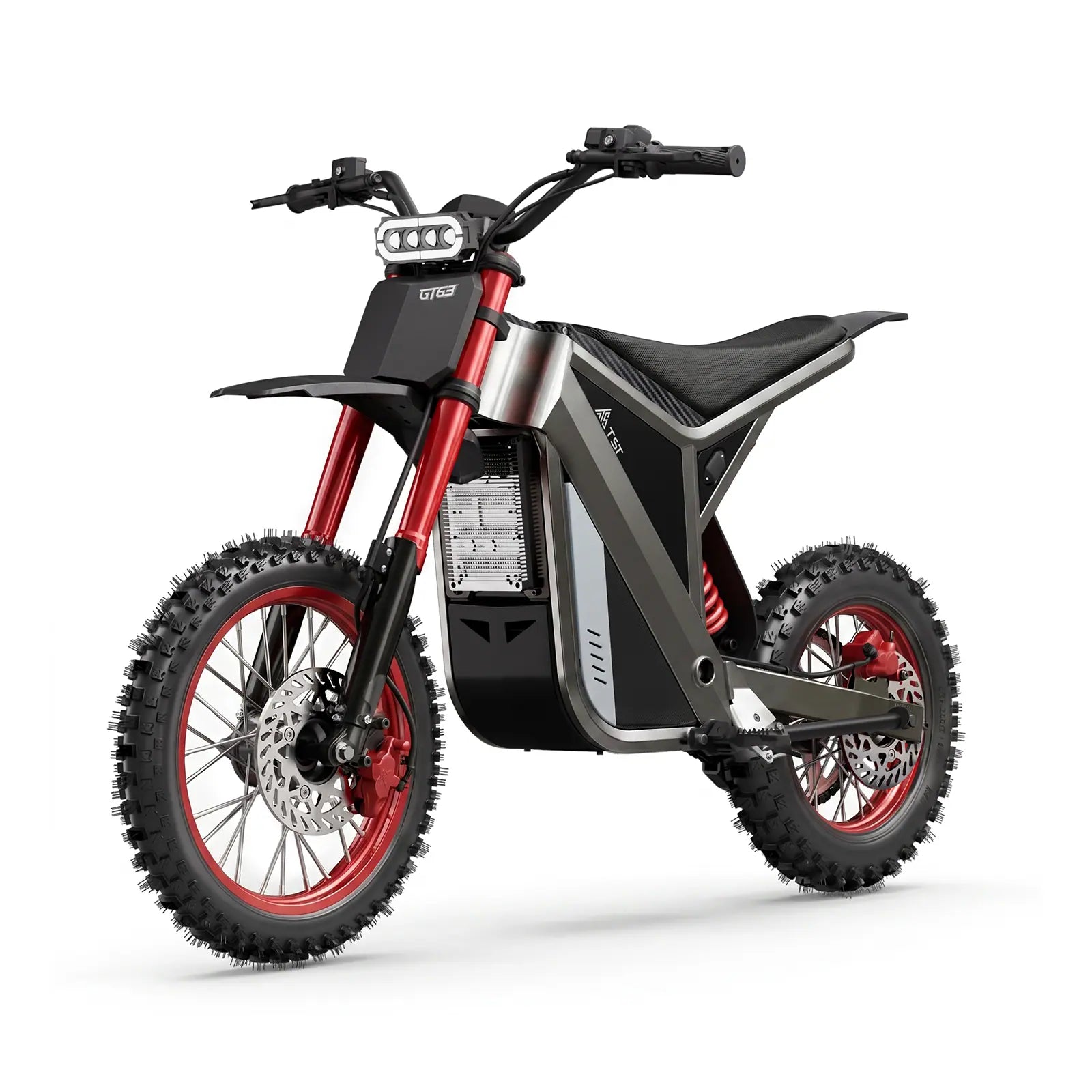














Fold a crowded-station ebike into a stable, narrow “luggage mode,” then push it with two hands controlling the frame, not by lifting it. For TST EBike folding setups, the trick is to align the folded wheels, use the saddle as a steering handle, and keep the bike rolling beside your leg at walking speed. That makes the bike easier to control, less tiring, and safer around passengers.
ultimate urban folding ebike guide
What makes a folded ebike hard to push?
A folded ebike becomes awkward when its weight sits high, its wheels drift apart, or the folded frame twists under one hand. In busy stations, that wobble is what makes riders lift the bike, lose balance, or bump into people. The goal is not to carry it like luggage; the goal is to turn it into a short, stable rolling object.
A well-folded bike should feel compact, predictable, and easy to steer. If it keeps opening slightly, tilting outward, or dragging sideways, the fold is not fully “station-ready.” On TST EBike, the practical standard is simple: if it can roll straight beside you without needing a death grip, it is ready for station use.
How do you set up the fold correctly?
Start by folding the bike completely before entering the station flow. Lock every latch, keep loose accessories secured, and make sure pedals, handlebars, and cables are tucked in as tightly as possible. The more compact the fold, the less side swing you will fight while pushing.
For TST EBike, the hidden efficiency comes from making the folded wheels sit in alignment. When both wheels track in the same direction, the bike behaves more like a small cart and less like a twisted object. That single detail reduces wrist strain and makes the push feel noticeably lighter.
Why does wheel alignment matter so much?
Wheel alignment changes the bike’s rolling resistance and steering stability. If the folded wheels are offset, one wheel fights the other and the bike “crabs” sideways, especially on station tile or slight slopes. If the wheels line up, the bike rolls cleaner and stays closer to your body line.
This is one of those factory-floor details many guides miss. In real use, the difference is not just comfort; it is control in a crowded environment. A neat fold is not about looking tidy. It is about reducing micro-corrections every second you are walking.
How do you use the saddle as a handle?
Grip the saddle firmly and use it as a steering point, not a lifting point. The saddle gives you a natural leverage angle, so the bike stays upright while your other hand steadies the frame or fold joint. This keeps your shoulders relaxed and prevents the bike from swinging into nearby travelers.
The most efficient posture is to keep the bike slightly behind your hip, not in front of your chest. That way, you can see where you are going and still control the front edge of the fold. On TST EBike, this saddle-led push is especially useful because it lets you guide the bike with minimal force while preserving a compact profile.
Can you push it without raising fatigue?
Yes, if the bike is balanced correctly and you use short, controlled steps. Keep the folded bike rolling on both wheels, avoid lifting over thresholds unless necessary, and let your body walk beside the bike rather than behind it. The less vertical lifting you do, the longer you can move comfortably.
A useful rule is to match your walking pace to the station flow, not your destination urgency. Fast pushing causes wobble, and wobble causes more effort. The smoothest push is often the slowest one that still keeps you moving confidently.
Which pushing posture works best in crowds?
The best posture is a side-by-side walk with the bike on your outer side, away from the densest crowd. Keep one hand on the saddle and the other on the frame or fold joint, with elbows relaxed and close to the body. This creates a narrow operating lane and reduces accidental contact.
In practice, this posture matters more than strength. A stable push is about geometry, not muscle. TST EBike riders who keep the bike close to their body line usually move faster through stations because they spend less time correcting mistakes.
What should you avoid in train stations?
Never ride a folded ebike inside the station, even if the area looks empty. Do not let the bike drift across walkways, and do not block ticket lines, escalators, or platform doors. The station is a shared space, so your bike should behave like luggage, not like a vehicle.
Avoid one-handed dragging if the bike is heavy or unevenly folded. That movement looks easy at first, but it becomes unstable near crowds and turns. If you must stop, stop fully and hold the bike still; do not keep it half-rolling, half-lifting in motion.
How do you move through gates and platforms?
Approach gates slowly and square the bike so its narrowest side leads. Keep the saddle hand ready to guide the rear while the other hand protects the fold from snagging on barriers or passengers. If the station is packed, wait for a clearer gap instead of forcing a quick pass.
On platforms, keep the bike close and avoid sudden turns near the edge. The combination of crowd pressure and rolling weight can make even a small folded bike feel harder to control. The safest move is always the simplest one: slow, straight, and predictable.
How does TST EBike make this easier?
TST EBike’s practical advantage is not just foldability; it is how the folded bike behaves after the fold. When the wheels align and the saddle can serve as a control point, the bike becomes much easier to steer through station traffic. That is exactly the kind of non-commodity detail riders notice every day.
TST EBike was built around real commuter feedback, so the focus is on making movement simpler after the bike is already folded. In a crowded station, that matters more than marketing language. A bike that folds well but pushes badly still creates stress; a bike that folds and rolls cleanly saves time, energy, and attention.
What is the best station push method?
The best method is: fold fully, align the wheels, grip the saddle, keep the bike beside your body, and walk at a steady pace. This gives you a narrow footprint, stable balance, and minimal fatigue. For most riders, it feels less like carrying and more like guiding.
A simple mental image helps: think of the folded ebike as a compact rolling suitcase with a steering point. That mindset keeps you from over-lifting and reminds you to use body positioning instead of strength. For TST EBike, this is the easiest way to turn a heavy-looking fold into a light-feeling commute.
TST EBike Expert Views
“The smartest folded-bike handling is not brute force. In station traffic, the bike should track straight, stay compact, and let the saddle act like a control handle. If the fold is aligned correctly, you reduce side sway, protect nearby passengers, and make the whole commute feel lighter. That is the difference between a bike that is merely foldable and one that is truly commuter-ready.”
Why does technique matter more than strength?
Technique matters because station movement is a repeated task, not a one-time lift. If you push with poor alignment, your hands and shoulders absorb constant correction force. If you push with a stable fold and clean posture, the bike does most of the work for you.
This is especially important for riders who commute daily. Saving even small amounts of effort at each transfer adds up quickly over a week. A good pushing technique is a hidden upgrade to the entire ebike experience.
How can you make the push feel effortless?
Make the fold compact, keep the wheels aligned, and use the saddle as your steering anchor. Then move in small, controlled steps and stay aware of your surroundings. These three habits remove most of the strain people associate with folded ebikes.
The final takeaway is simple: a folded ebike should behave like a calm piece of luggage, not a stubborn machine. With the right posture and setup, TST EBike can move through busy stations smoothly, safely, and with far less effort than most riders expect.
FAQs
Can I push a folded ebike with one hand?
Yes, but only if the bike is light, fully folded, and well balanced. For safety in crowded stations, two-point control is usually better.
Should the saddle or frame be the main handle?
Use the saddle as the main steering point and the frame as support. That gives you better control and reduces wrist strain.
What if the wheels do not line up after folding?
Refold and correct the alignment before entering the station. Misaligned wheels cause wobble, sideways pull, and more fatigue.
Is it okay to use escalators with a folded ebike?
It is safer to use elevators or level routes whenever possible. Escalators increase the risk of slipping, tipping, or blocking other passengers.
How do I keep my ebike from opening slightly while pushing?
Make sure all fold latches are fully locked and any loose parts are secured before moving. A partially open fold is unstable and harder to control.

Leave a comment
This site is protected by hCaptcha and the hCaptcha Privacy Policy and Terms of Service apply.