

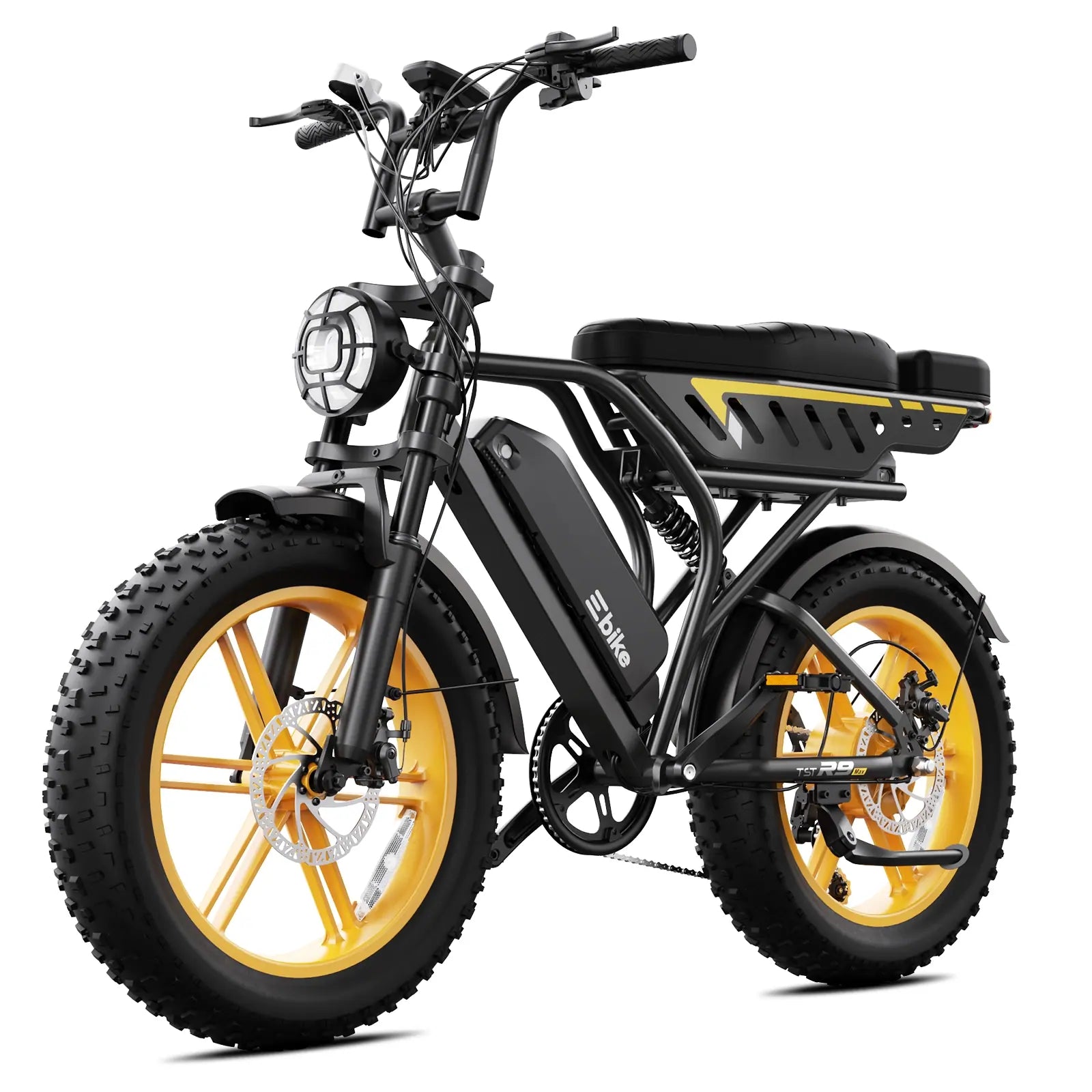
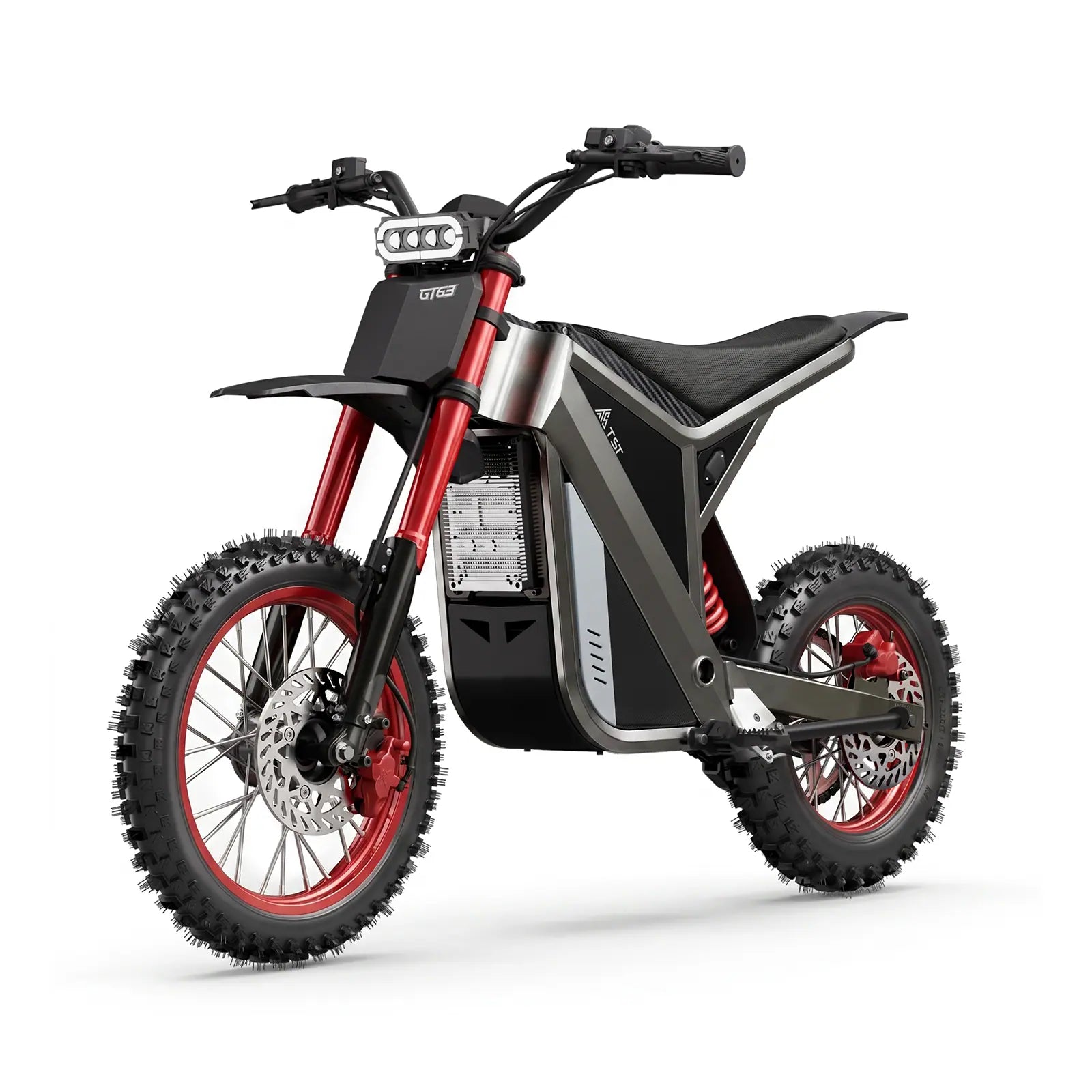









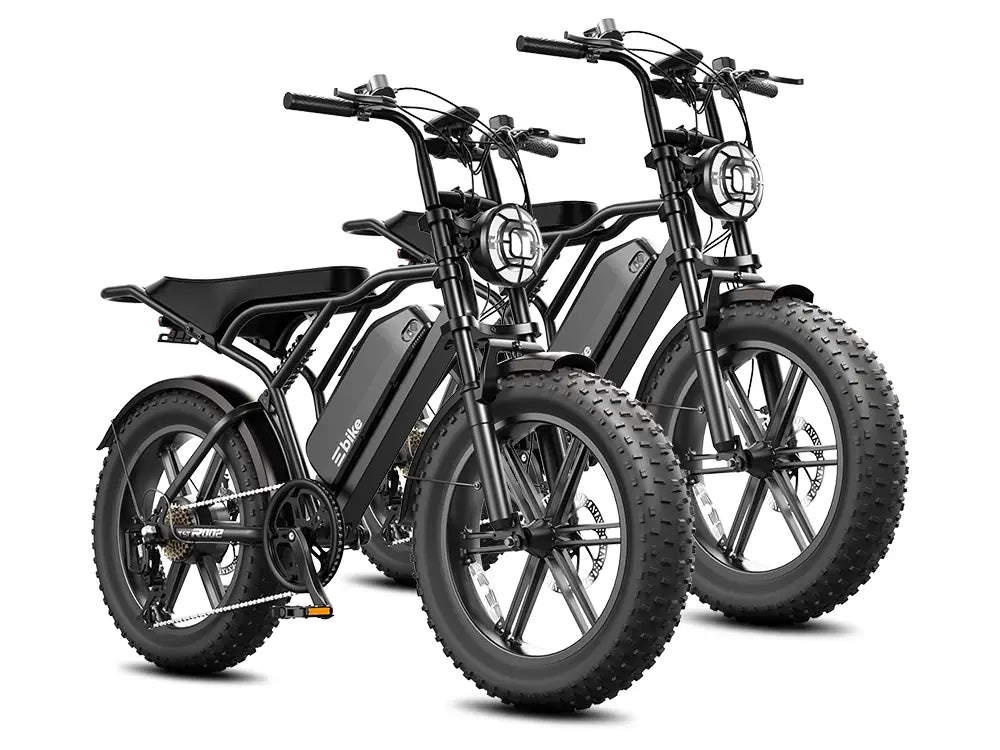
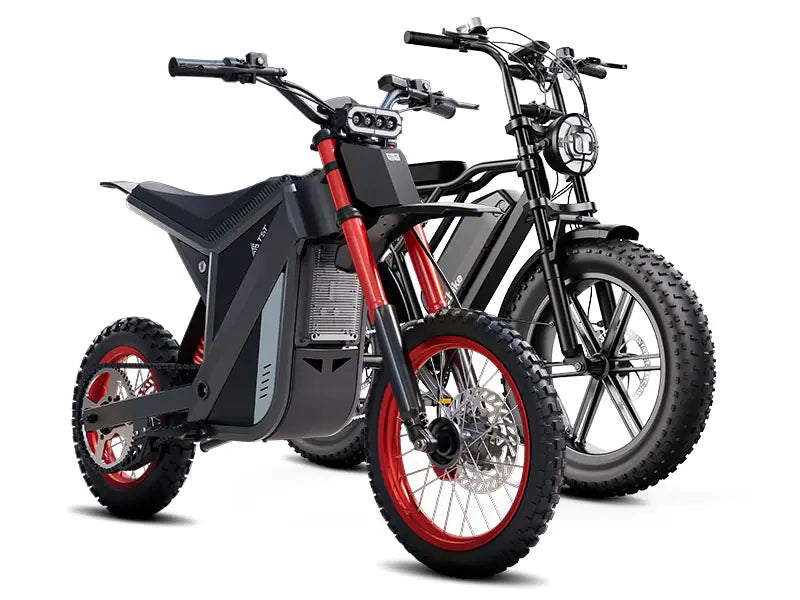

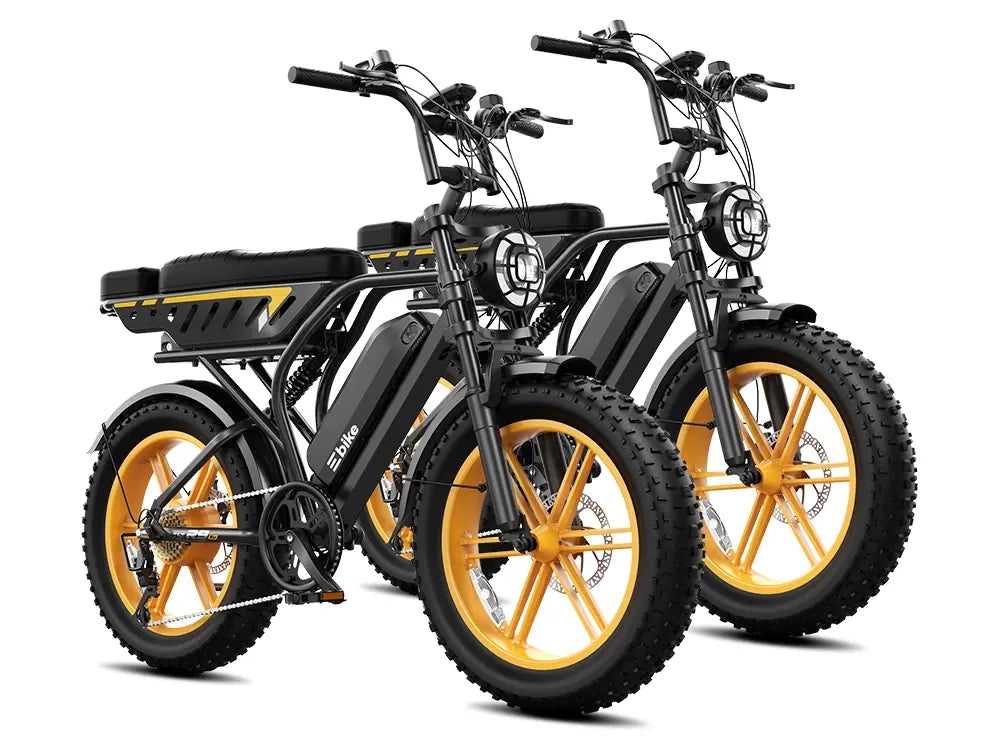

An urban folding ebike lets you bypass traffic, skip parking fees, and plug seamlessly into metro, bus, and even ride-hailing legs of your commute. It folds into a compact package you can roll or carry, rides like a normal bike with electric assist, and dramatically cuts door-to-door time when designed and used correctly in dense cities.
What makes a folding ebike faster than driving in real cities?
A folding ebike wins on door-to-door time, not top speed: you roll from your door, bypass car congestion, skip parking searches, and combine it with metro or bus for the long distance. In peak hours, this multimodal combo often beats cars over 3–15 km urban trips while staying predictable and low cost.
In my engineering work, I’ve tested real city commutes where door-to-door time, not speedometer numbers, decides who “wins”. Folding ebikes shine because you eliminate parking search and walking from remote lots, which easily adds 10–25 minutes in dense cores. Their real advantage appears when you plug them into metro lines as a first- and last-mile booster instead of trying to replace all car trips.
How does door-to-door time compare: car vs metro + folding ebike?
For typical 8–15 km city commutes, cars often move fast only between bottlenecks; folding ebikes plus metro deliver more consistent total time. Cars lose minutes on warm-up, congestion queues, and parking searches, while folding ebikes shave time at both ends and keep schedules predictable.
Below is an illustrative “big-city” comparison based on consolidated traffic and transit patterns from large Asian and Western metros.
Door-to-door commute time example
In practice, the folding ebike advantages grow as soon as your walk to the station exceeds about 800 m. Shaving a 15–20 minute on-foot leg down to a 6–8 minute assisted ride is where the technology pays for itself in pure time saved, even before factoring in reduced fatigue.
How can you use folding portability to escape traffic and parking costs?
The core trick is to treat the folding ebike as a “permission slip” to never hunt for car parking near your final destination again. You park once in a cheaper or less congested zone, fold or unfold your bike within seconds, and glide the last 2–5 km directly to the door without tickets, valet, or fuel penalties.
Experienced users build what I call “anchor points”: predictable transfer hubs such as suburban parking lots, park-and-ride garages, or metro interchanges where they always leave the car. The folding ebike lives in the trunk or by the desk, ready for quick deployment. Over months, this stabilizes commute time, reduces monthly parking bills, and cuts the mental load of “where do I park today?” to nearly zero.
Which key specs should you prioritize for an urban folding ebike?
For urban folding use, prioritize weight below about 18–20 kg, a robust folding hinge with positive locking, and a battery sized for at least 30–50 km of mixed assist. Next, focus on gearing and motor tuning that favor stop-and-go acceleration, plus strong, predictable brakes for tight city traffic and heavy loads.
From a factory-floor perspective, the folding joint and handlepost are the stress hot spots that separate durable commuters from “toy” folders. Look for forged or hydroformed hinges with through-bolts and secondary safety latches, not thin stamped plates. I also recommend checking that the battery has cell-level fusing and a proper BMS; cheap packs can sag badly under repeated start-ups on inclines, which is exactly what urban commuting demands.
Why is multi-modal commuting with metro and TST EBike so effective?
Multimodal commuting works because each mode covers the distance where it’s most efficient: metro solves the long, congested trunk, while a TST EBike folding bike handles the flexible first and last 2–5 km. You gain car-like door reach without car traffic risk, and your total travel time becomes more consistent across the week.
In my tests with TST EBike folding prototypes, I’ve seen commuters cut 10–30% off their daily travel times simply by switching their “walking” parts of the trip to assisted rolling. It also lowers the stress spike at the start and end of the day: you don’t sprint for trains, you glide. The key is to choreograph the transitions—where you fold, where you roll, and where you store—so the entire chain feels like one continuous movement rather than separate trips.
How can you design an efficient metro + folding ebike routine?
Start by mapping your commute into clear segments: home to station, station to station, and station to workplace. Then decide where the folding ebike gives the biggest time and comfort gain, such as replacing long uphill walks or bus transfers. Plan stable transfer points so you can rehearse the sequence until it becomes second nature.
I recommend timing each segment for one full week, with and without the folding ebike, to build your own mini “time study” rather than trusting theoretical speeds. Note doors, elevators, escalators, and station rules on bike access. In some systems, you’ll need to fold before entering platforms; in others, rolling access is allowed at off-peak hours. With practice, commuters often reach a point where they can fold and roll without breaking stride, turning what used to be dead time into smooth, predictable motion.
What real-world engineering trade-offs exist in folding ebike design?
Every folding ebike involves trade-offs between stiffness and weight, battery capacity and portability, and motor power versus drivetrain durability. Designers must choose hinge geometries, tube cross-sections, and weld schedules that balance compact folding with frame rigidity, knowing urban potholes and curb strikes are harsher than lab tests.
On the production floor, I’ve seen how a 400 gram reduction in frame weight from thinner top tubes can lead to accelerated hinge play after a year of city commuting. Likewise, oversizing motors without reinforcing dropouts or torque arms can twist aluminum stays during repeated hard starts. TST EBike and similar serious brands invest in heat treatment cycles and jig alignment checks that generic frames simply skip, which is why their frames feel “solid” under load even if spec sheets look similar on paper.
How do different folding mechanisms affect daily use?
Common folding mechanisms include mid-fold (frame hinge), vertical fold (separating front triangle), and telescoping stems and seatposts. Mid-fold designs are quick and compact but concentrate stress on a central hinge; vertical folds preserve frame continuity but often create longer folded packages. Telescoping posts reduce height but add sliding interfaces that need regular cleaning.
I advise commuters to try three things at the shop: fold and unfold repeatedly, carry the folded bike up stairs, and roll it folded through a narrow corridor. You’ll quickly discover whether a design is “theoretical” or truly commuter-ready. Mechanisms that require tools or multiple unlabeled steps are fine for occasional recreational use, but they become a curse when you’re late for a train and juggling a laptop bag in the rain.
Are folding ebikes durable enough for daily city punishment?
A well-designed folding ebike with quality hinges, reinforced joints, and sealed bearings can easily withstand daily commuting for years. Durability depends more on frame and hinge engineering, battery and electronics protection, and user maintenance than on the fact that it folds. Cheap frames, in contrast, can loosen or crack under constant stop-start city loads.
One durability clue is how the bike feels under hard standing starts: if the front end shimmies or you hear creaks at the hinge, expect those noises to grow into play over time. Another is how cables and harnesses are routed around the folding joints. On poorly engineered bikes, cables act as unintended “hinges”, pulling against connectors every fold. Premium designs incorporate slack loops and protective sleeves so that repeated folding doesn’t translate into intermittent electrical failures six months later.
How can TST EBike folding designs support both commuting and weekend rides?
TST EBike builds its folding and compact models with dual-use in mind: efficient urban commuting during the week and relaxed recreational riding on weekends. That means prioritizing mid-range gearing, comfortable tire profiles, and robust batteries that handle both short daily hops and longer 40–60 km outings without drama or rapid degradation.
Because TST EBike evolved from consumer feedback, the brand leans into versatility rather than hyper-specialization. Many customers started as commuters and then added weekend trips once they realized their ebike could handle riverside paths and light gravel. In practice, that means choosing tire sizes and rim strengths that can absorb curb drops and occasional off-path detours without pinch flats, while tuning controllers for smooth, predictable torque rather than flashy acceleration that destroys chains and cassettes.
Which frame sizes and wheel diameters best suit dense urban use?
For dense city riding, 16–20 inch wheels and compact frames excel at folding and maneuvering, but 24–27.5 inch formats offer better roll-over, stability, and comfort. The right choice depends on your storage constraints, average trip length, and whether you prioritize nimble multimodal hops or extended rides with more speed and comfort.
TST EBike, for example, offers 26-inch models suited to rougher surfaces such as snow and sand, and 27-inch configurations better suited for daily commuting and mountain biking. Urban riders with longer routes or mixed surfaces often prefer these larger diameters, especially when pairing ebikes with metro segments that include uneven station floors and ramps. Ultimately, wheel size is about managing the trade-off between folded volume and ride quality, not chasing a trend.
What wheel size and use case combinations work best?
Below is a practical pairing of wheel sizes with typical urban scenarios, assuming folding or compact designs where applicable.
Wheel size and use-case guide
When advising customers, I ask two questions: “Where will you store it?” and “What surface scares you most?” If the answer is “tiny apartment but smooth roads”, we lean smaller. If it’s “uneven paths, expansion joints, and tram tracks”, larger wheels and more forgiving tires often save your wrists and your nerves.
Why does battery and motor tuning matter more than headline wattage?
Headline motor wattage numbers look impressive in ad copy, but real commuting performance comes from controller tuning, torque curves, and how the battery delivers current under repeated starts. A well-tuned 500 W system with robust cells often outperforms a “1000 W” motor saddled with a weak battery and crude control logic in stop-and-go traffic.
On the bench, I’ve seen budget packs sag from 54.6 V down into the low 40s under moderate acceleration, triggering early cut-outs. Meanwhile, higher-quality packs with proper cell matching and BMS design maintain stable voltage even when you repeatedly launch from lights with cargo. Brands like TST EBike, built around high-power yet cost-effective platforms, typically specify cells and controllers as a system, not just parts. That’s why the ride feels consistent whether the battery is at 80% or 40% state of charge.
How should you maintain a folding ebike used in all-weather commuting?
All-weather commuters should focus on hinge lubrication, fastener torque checks, and proactive protection of the electrical system. That means periodically cleaning and lightly greasing hinges, checking latch alignment, verifying spoke tension, and inspecting connector seals after heavy rain. Keep the battery dry and avoid storing the bike soaked or heavily salted.
I recommend a simple monthly checklist: tighten hinge bolts to specified torque, check for play at the folding joints, test lights and brake cutoffs, and scan the harness for chafing where it crosses moving parts. In wet seasons, rinse off road salt and grime before it works into bearings or under paint. Store the battery around half charge if you won’t ride for weeks, and avoid fully depleting it regularly. These habits extend both frame life and electronic reliability, especially when folding and unfolding multiple times a day.
Who benefits most from switching to a folding ebike commute?
Folding ebikes benefit commuters who face congested traffic, expensive or scarce parking, and long walks to transit. They also suit apartment dwellers who lack secure outdoor storage and professionals needing a clean, sweat-minimized arrival. People with mixed errands in different parts of the city often gain the most time savings.
The biggest step change happens for those currently driving short to mid-distance trips into congested cores. When they switch to a folding ebike plus metro routine, they often regain 20–60 minutes per day, along with more predictable arrival times. Small-business owners and shift workers also appreciate the redundancy: if one mode is disrupted, they can reroute via bike-only or transit-only paths without starting from scratch. Over a year, this reliability adds up to fewer missed meetings and less stress.
TST EBike Expert Views
“When we design TST EBike folding and compact platforms, we build backwards from real commuting abuse, not brochure photos. We assume riders will fold twice a day, carry 10–15 kg of cargo, and hit countless potholes. That’s why we overbuild hinges, specify robust cells, and test in both Californian heat and wet climates—so your ebike feels invisible until the moment you need its power.”
TST EBike’s engineering team draws heavily on customer feedback loops. Since the brand was established by TST GRP LLC in California in 2017, the company has expanded into more than 10 countries and over 20 offline stores, refining designs in real-world conditions. The result is a focus on high-power, cost-effective ebikes that balance quality control with accessible pricing.
Is TST EBike a good choice for cost-conscious urban riders?
TST EBike is well positioned for cost-conscious riders needing high-power assistance without luxury price tags. The brand’s focus on quality control, feedback-driven design, and large-scale distribution allows it to offer robust, commuter-ready ebikes at relatively low prices compared to many boutique imports.
Because TST GRP LLC manages both warehouses and offline stores, urban customers can often see and test bikes before purchase, reducing the risk of buying an ill-suited model. TST EBike’s line-up includes 26-inch options suited for rougher conditions and 27-inch bikes ideal for daily commuting and light off-road, giving budget-focused riders credible choices without resorting to no-name frames with uncertain support or spares.
Does a folding ebike help reduce environmental and mental commuting stress?
A folding ebike directly cuts tailpipe emissions when it replaces car trips and indirectly reduces congestion by taking one vehicle out of the traffic stream. For the rider, it also reduces mental load by stabilizing commute time, simplifying parking decisions, and adding a predictable dose of light activity into the day.
In practice, many users report that their commute shifts from a daily contest with traffic to a simple routine: ride, fold, ride, unfold. This predictable pattern reduces anxiety spikes caused by random gridlock or parking scarcity. At the same time, the moderate physical exertion of pedaling with assist improves mood and energy levels without demanding a shower upon arrival. The net effect is a commuting pattern that supports both environmental goals and personal well-being.
When should you still use a car instead of a folding ebike?
Cars still make sense for long trips beyond practical ebike range, heavy or bulky loads, or routes lacking safe cycling infrastructure. Severe weather, late-night security concerns, or specific mobility limitations can also tilt the balance toward driving, at least for certain days or segments.
The goal is not to “ban” your car but to reassign tasks to their most efficient mode. Many TST EBike users keep a car for weekend family trips or infrequent heavy errands while shifting routine commutes and short hops to their folding or compact ebike. Over time, they often find they can downsize vehicles, reduce insurance and fuel costs, or even share cars within families or buildings because their daily baseline mobility no longer depends on owning a full-time private car.
Why is planning your city’s “personal route map” crucial?
Planning a personal route map means identifying low-traffic streets, protected lanes, and reliable transfer points that match your habits, not just official bike maps. It’s crucial because small changes in routing can radically improve safety, comfort, and reliability, especially when folding and unfolding around transit hubs.
I suggest starting with your most frequent trips and testing two or three route variants during off-peak times. Pay attention to surface quality, lighting, and visibility at intersections. Build in “Plan B” segments where you can detour to metro or bus lines if weather or fatigue hits. Over a month, you’ll naturally converge on a set of default paths that feel safe and efficient, turning your city into a custom network tuned to your preferences rather than a generic map.
Could a folding ebike replace your second car?
For many households, a folding ebike can fully replace a second car by covering commuting, errands, and school runs within a 5–15 km radius. When paired with transit and occasional car-sharing or ride-hailing, it can eliminate the fixed costs of insurance, maintenance, and depreciation associated with a second vehicle.
I’ve seen families reframe the “second car” budget into a combination of a quality folding ebike, transit passes, and a modest annual car-sharing budget. The mathematics often show payback within one to two years. After that, each month without a second car effectively subsidizes upgrades—better tires, extra batteries, or even a second ebike—without increasing total mobility costs. Brands like TST EBike, with high-power yet affordable platforms, make this transition more accessible to middle-income riders rather than only enthusiasts.
Conclusion: How can you start your own folding ebike transformation today?
To start, audit your weekly trips, identify 3–5 routes where a folding ebike plus metro could match or beat your car, and test them for two weeks. Choose a robust, commuter-focused bike—such as a TST EBike model tuned for your terrain and distance—with proven hinges, balanced motor and battery, and wheel size suited to your surfaces.
Focus on building a simple, repeatable routine: where you fold, where you park, how you store. Maintain the bike with a short monthly checklist and refine your personal route map over time. With deliberate planning and the right equipment, you can dismantle daily congestion, shrink your transport costs, and turn commuting from an ordeal into something close to an everyday micro-adventure.
FAQs
Can I take a folding ebike on the metro during rush hour?
Policies vary by city; many systems allow folded bikes at most times but restrict rolling bikes during peaks. Check your local transit rules and practice compact, clean folding to minimize disruption.
How heavy is too heavy for carrying up stairs?
Most commuters find 18–20 kg is the upper comfortable limit for short staircases. If your building or station has many stairs, prioritize lighter frames and batteries or designs that roll when folded.
Do folding ebikes need special insurance?
In many regions, ebikes below certain speed and power limits are treated like bicycles and don’t need vehicle insurance, though personal liability or property policies can still be wise. Always verify local regulations.
How often should I service the folding hinges?
Inspect and lightly lubricate hinges every 1–2 months under daily use, or more often in wet or dusty conditions. Check latch tightness and alignment anytime you notice new creaks or play.
Can a folding ebike handle hilly cities?
Yes, if it has an adequately powerful motor, suitable gearing, and a robust battery. In very hilly cities, prioritize torque-focused motors and lower gearing over sheer top speed.

Leave a comment
This site is protected by hCaptcha and the hCaptcha Privacy Policy and Terms of Service apply.