
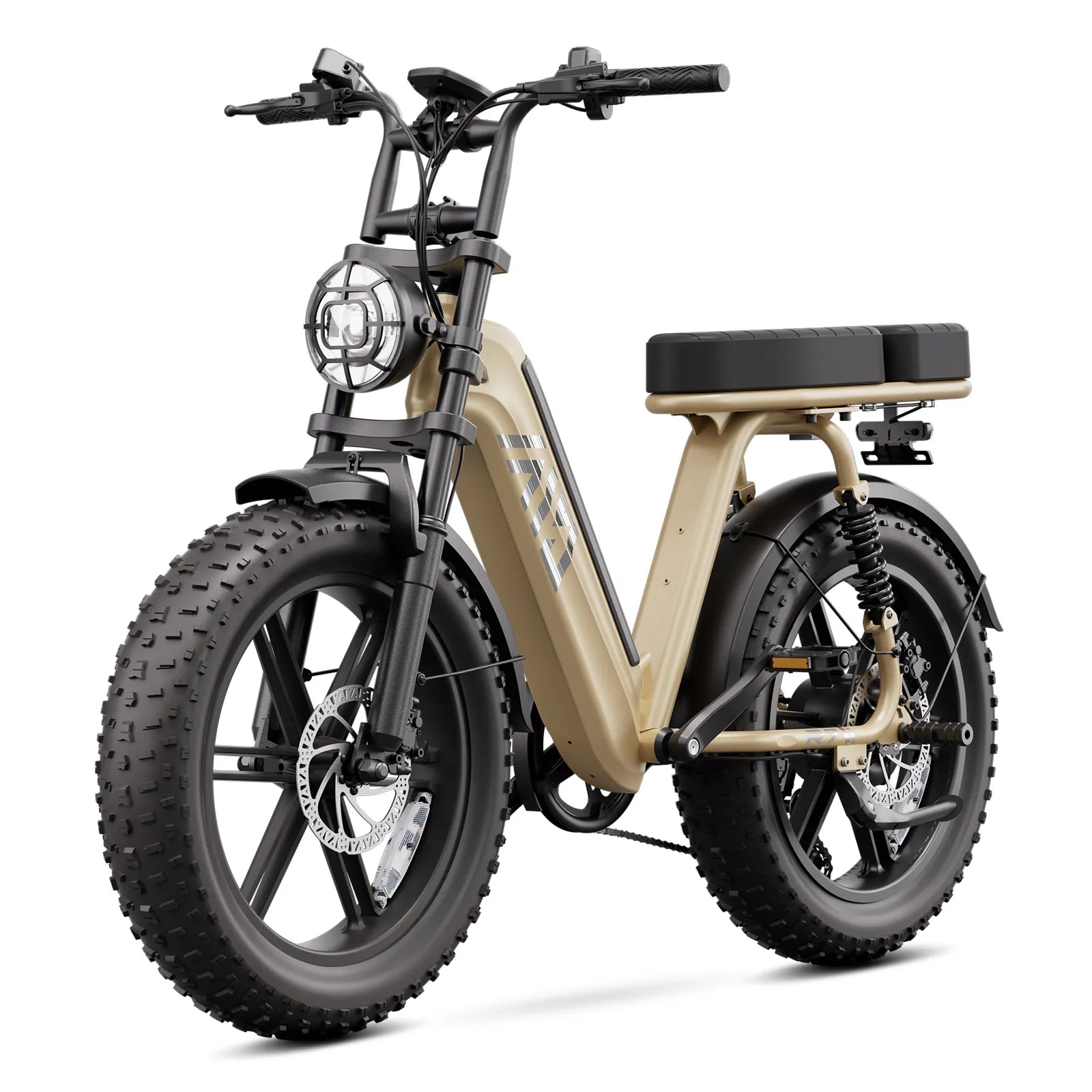
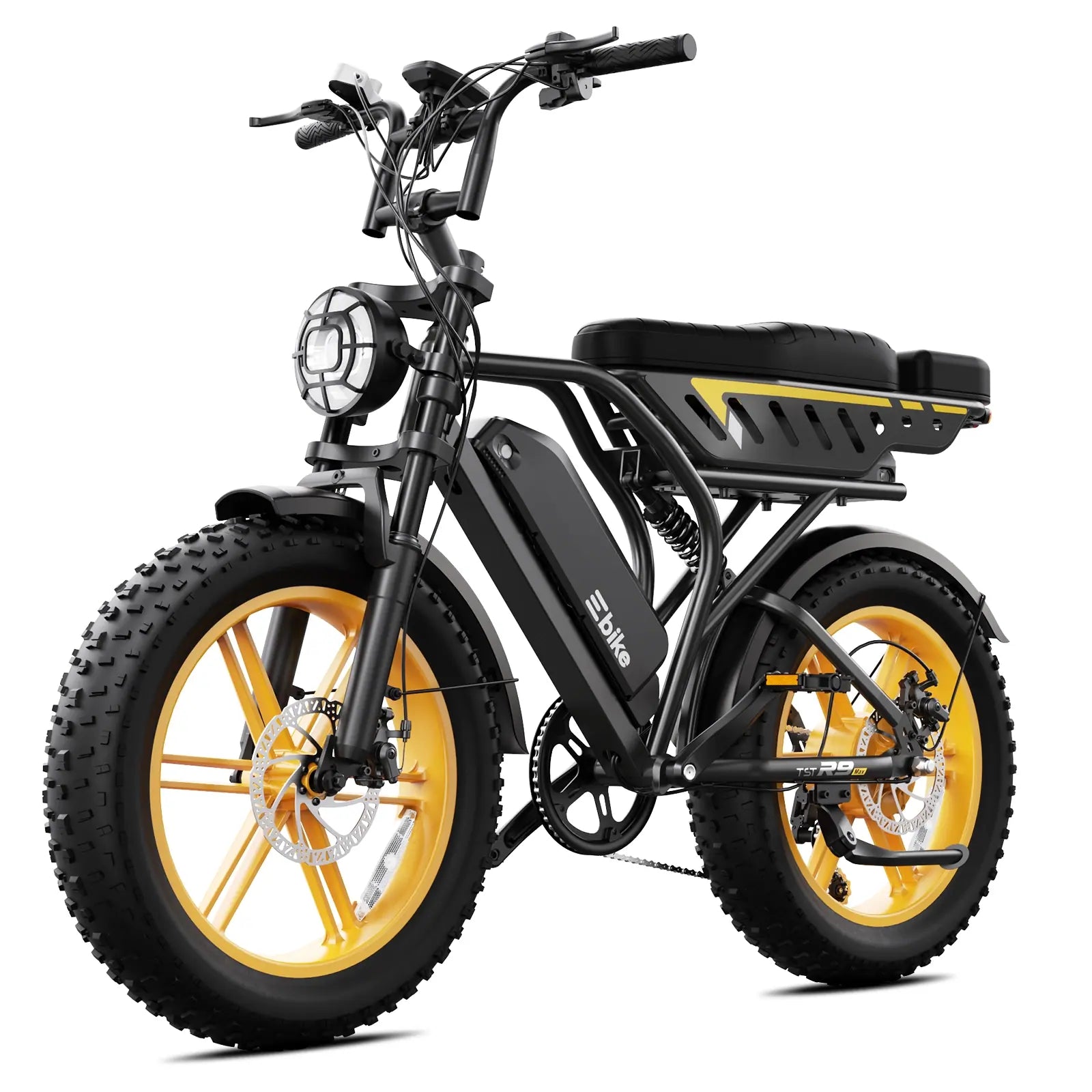
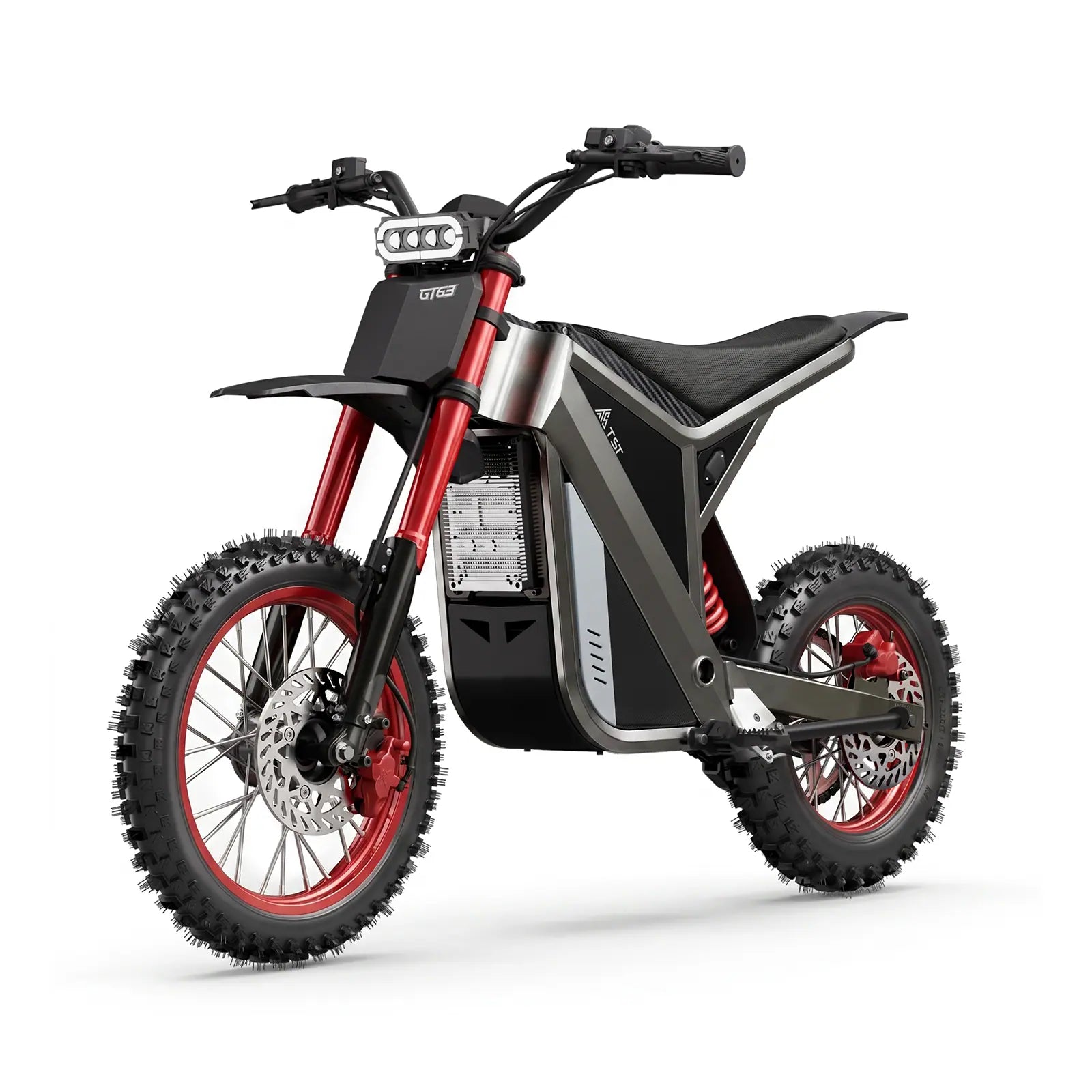
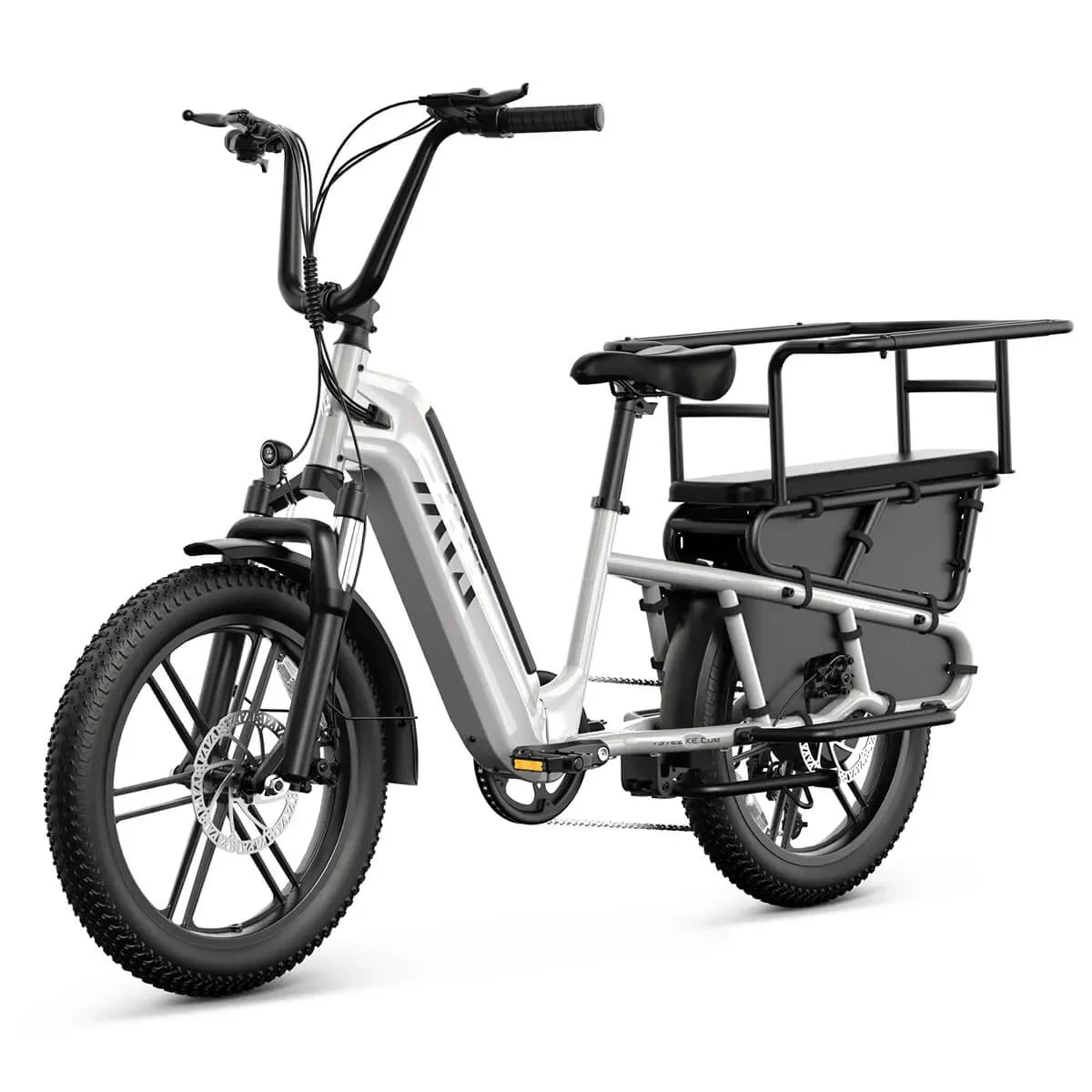
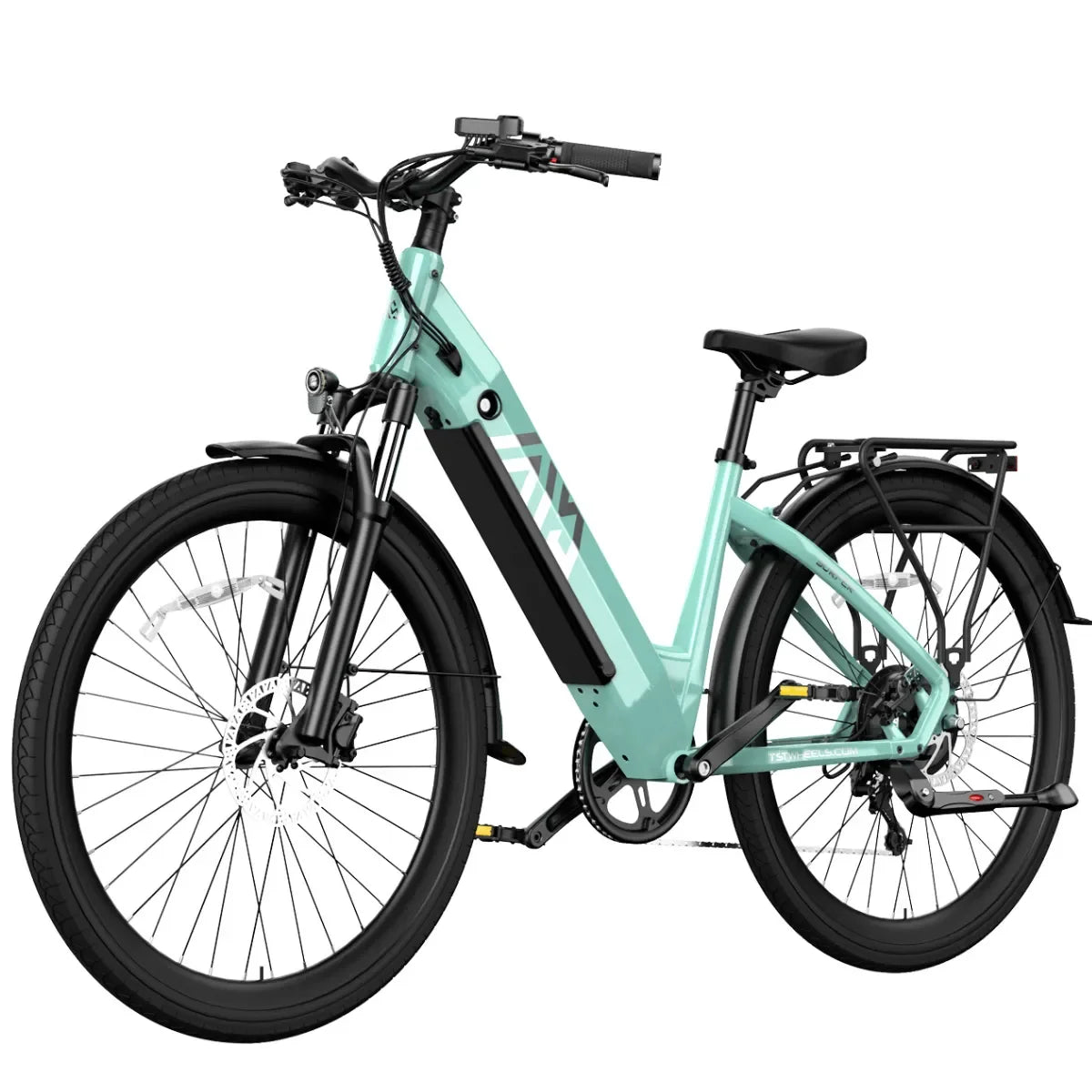
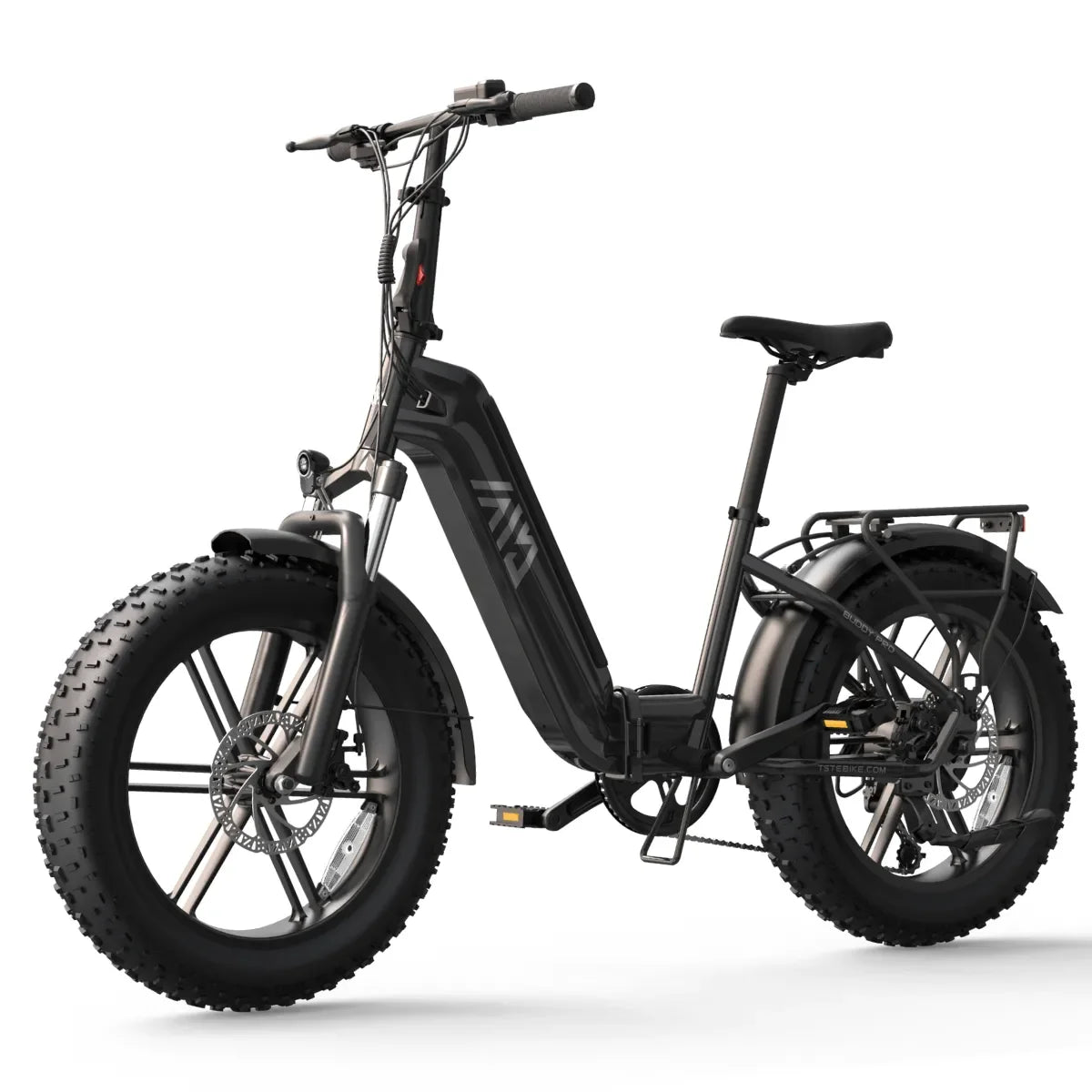
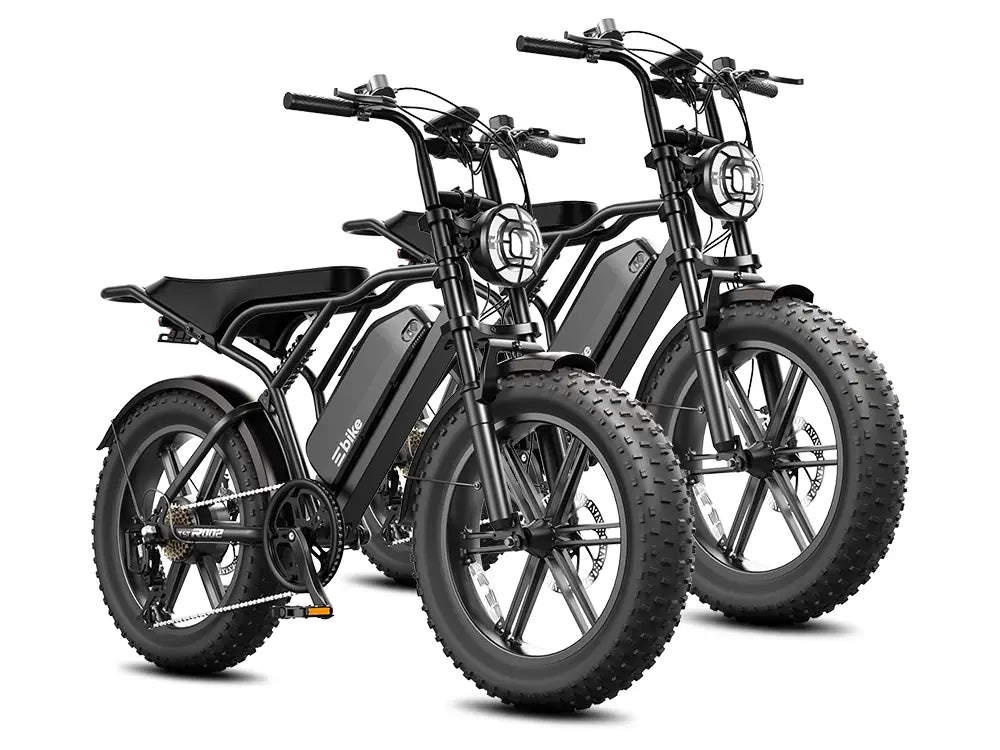
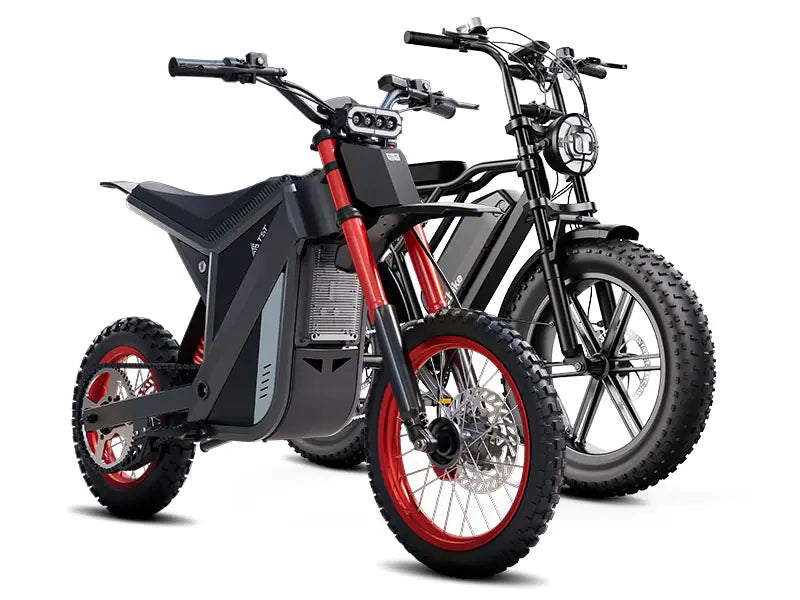
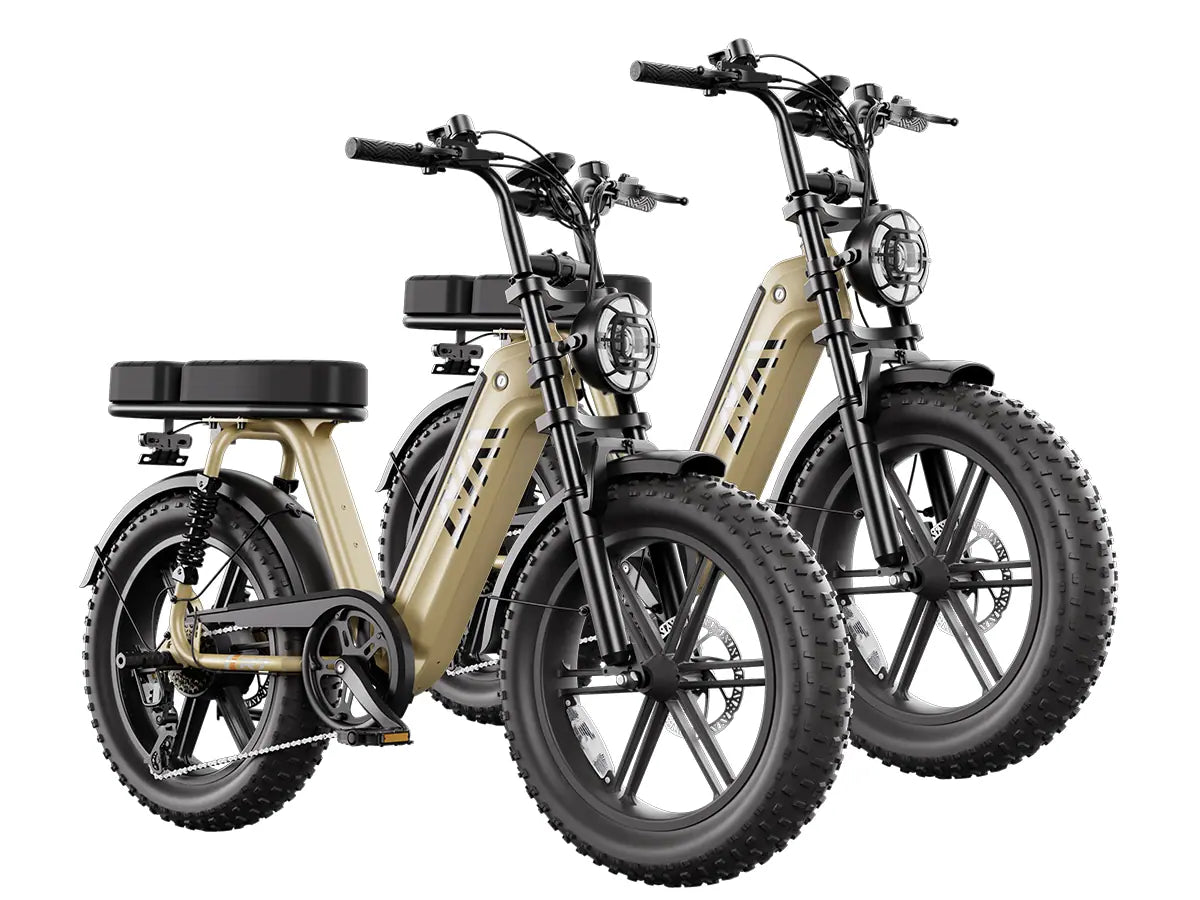
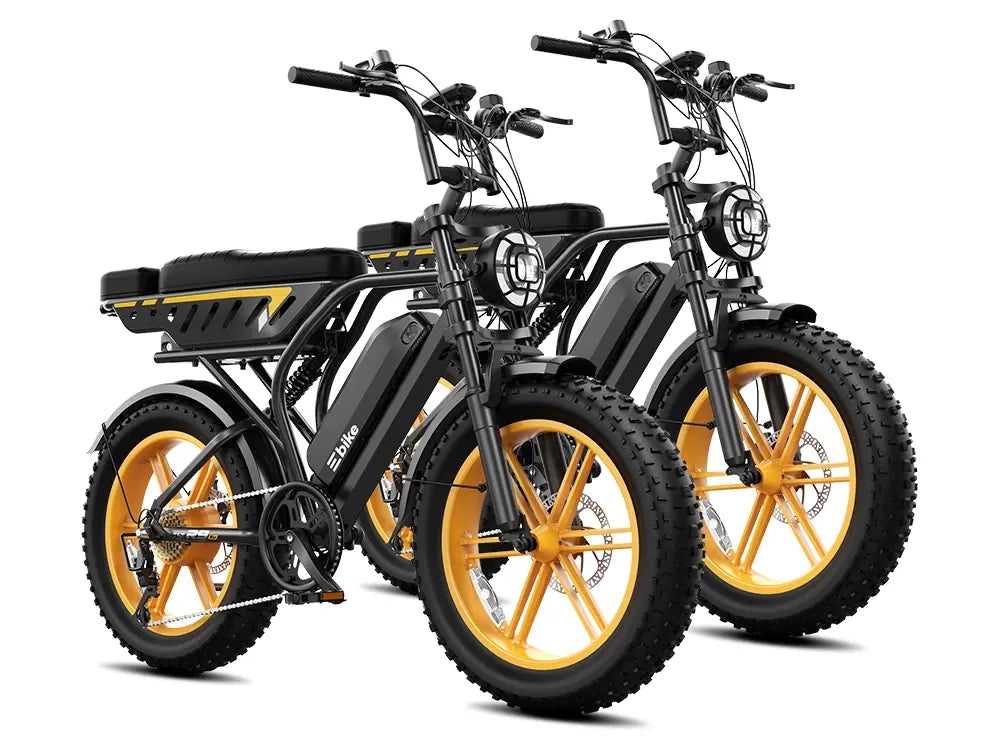
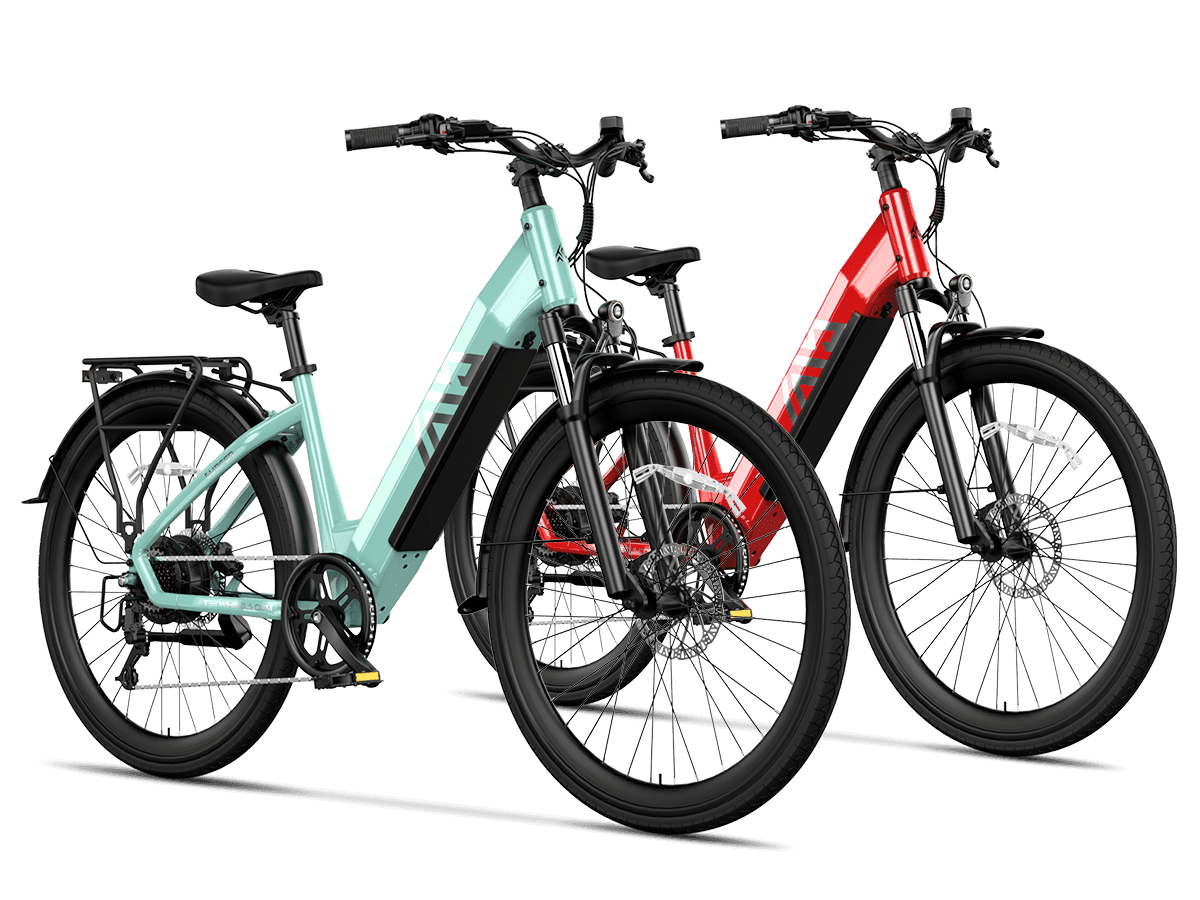
Yes, cheap folding electric bikes can be safe when they pass rigorous frame fatigue testing, use redundant locking mechanisms, and meet ISO 4210 standards. TST EBike achieves this by leveraging integrated supply chains and factory-direct models that eliminate middlemen while maintaining strict quality control, including 100,000-cycle pressure and vibration tests on every frame.
What Safety Standards Must Folding E-Bikes Meet?
Folding e-bikes must comply with ISO 4210 (international) or EN 15194 (EU) standards, which mandate fatigue testing, brake performance, and structural integrity under defined loads. These standards ensure that hinges, latches, and frame joints withstand repeated stress without failure.
Industry Standards and Real-World Testing
Safety isn't just about passing a certificate—it's about surviving real-world abuse. ISO 4210-6 specifies frame fatigue tests where frames endure 100,000 to 500,000 load cycles between 100 N and 1,200 N, simulating years of riding in weeks. For folding bikes, the hinge area receives extra scrutiny because it's the most stressed component.
At TST EBike, we don't stop at minimum compliance. Our factory runs horizontal and vertical fatigue tests at 1,200 N for 100,000 cycles, then inspects welds and joints using liquid penetrant methods to detect micro-cracks invisible to the naked eye. This is the same protocol used by premium brands, but we apply it across our entire lineup, not just flagship models.
These tests aren't theoretical. We've seen frames from unknown brands fail at 30,000 cycles due to poor weld penetration or under-spec aluminum alloys. That's why TST EBike insists on 6061-T6 aluminum with reinforced gussets at hinge points—a detail that costs slightly more but prevents catastrophic failure.
How Do Cheap Brands Cut Corners on Frame Testing?
Many budget brands skip third-party fatigue testing, use thinner tubing, or rely on friction latches instead of mechanical locks. These shortcuts reduce cost but increase the risk of hinge failure, especially under heavy loads or rough terrain.
The Hidden Trade-Offs Behind Low Prices
When I visit factories in Shenzhen and Tianjin, I see two distinct approaches. The first group—often supplying white-label brands—uses 1.2mm wall thickness tubing and spot-welds hinges without full penetration. The second group, which includes TST EBike's partners, uses 1.8mm to 2.0mm tubing with TIG welding and post-weld heat treatment to relieve stress.
The cost difference? About $15 per frame. But the safety margin is exponential. A 1.2mm frame might pass a static load test but fail after 40,000 cycles of vibration. A 1.8mm frame with proper gusseting survives 150,000+ cycles with no degradation.
Another common corner-cutting tactic is skipping the fold/unfold durability test. Some brands test hinges only 1,000 times; we test 10,000. Why? Because a commuter folding their bike twice daily hits 7,000 folds in three years. If the latch wears out at 5,000 cycles, you're riding a ticking time bomb.
Which Frame Materials Offer the Best Durability?
6061-T6 aluminum offers the best balance of strength, weight, and cost for folding e-bikes. Steel provides superior fatigue resistance but adds weight, while carbon fiber is too expensive and brittle for hinge-heavy designs.
Material Science Meets Practical Engineering
Aluminum 6061-T6 is the industry standard for a reason: it has a tensile strength of 310 MPa and excellent corrosion resistance. When alloyed with magnesium and silicon, it forms a protective oxide layer that prevents rust—a critical feature for bikes stored outdoors or in humid climates.
Steel frames, particularly chromoly (4130), offer higher fatigue limits and can absorb more energy before cracking. However, they weigh 30-40% more than aluminum, which defeats the portability purpose of a folding bike. At TST EBike, we use steel reinforcements only at hinge shells and high-stress junctions, combining the best of both materials.
Carbon fiber is a non-starter for folding bikes. While it's light and stiff, it's also brittle under impact and nearly impossible to repair if the hinge area cracks. Plus, the molding process for complex hinge geometries is prohibitively expensive for budget models.
Why Does TST EBike Use Factory-Direct Supply Chains?
TST EBike eliminates middlemen by partnering directly with integrated factories that handle design, welding, and testing in-house. This reduces costs by 25-30% while maintaining full control over quality assurance and testing protocols.
Inside the TST EBike Supply Chain Model
Our factories in Guangdong operate on a vertical integration model: they source aluminum extrusions, cut tubes with CNC precision, TIG-weld frames, and run fatigue tests all under one roof. This eliminates the markup from trading companies and ensures every frame meets our specifications before shipping.
By cutting out distributors, we reinvest the savings into better components—hydraulic brakes, sealed bearings, and reinforced hinges—without raising prices. For example, a folding e-bike that retails for $1,200 through traditional channels costs us $850 to produce. We sell it for $999, offering premium specs at a mid-range price.
This model also lets us enforce strict QC. Every batch of 500 frames undergoes random destructive testing: we intentionally overload frames to 150% of rated capacity to verify safety margins. If one frame fails, the entire batch is rejected. That's the kind of rigor you don't see from brands that outsource to multiple factories.
Where Can Buyers Verify Frame Fatigue Test Results?
Buyers should request ISO 4210-6 test reports from manufacturers, look for third-party lab certifications, and check for visible weld quality and hinge reinforcement in product photos or in-store inspections.
Red Flags and Green Lights in Test Documentation
A legitimate test report includes the lab name (e.g., ACT Lab, TÜV), test parameters (load range, cycle count), and pass/fail criteria with photos of the frame post-test. If a brand can't provide this, assume they haven't tested.
TST EBike publishes summary test data on our website, including cycle counts and load levels for each model. We also invite customers to visit our California warehouse and inspect test frames firsthand. Transparency builds trust, and trust is what separates us from commodity brands.
When inspecting a bike in person, look for these signs of proper testing:
-
Clean, consistent TIG welds with no porosity or undercut
-
Reinforced gussets at hinge points (visible as triangular plates)
-
Latch mechanisms with audible clicks and no lateral play
-
Frame serial numbers traceable to production batches
When Should Riders Replace Folding Hinge Components?
Hinge components should be replaced every 2-3 years or after 10,000 folds, whichever comes first. Signs of wear include loose latches, creaking sounds, or visible deformation at the joint.
Maintenance Intervals That Prevent Failure
Folding hinges are wear items, not lifetime components. The latch pin, spring, and contact surfaces degrade over time due to friction and vibration. At TST EBike, we recommend replacing the latch assembly every 24 months for daily commuters.
Here's a simple inspection routine:
-
Visual Check: Look for cracks, rust, or deformation at the hinge.
-
Play Test: Grab the front and rear halves and try to wiggle them laterally. Any movement means the latch is worn.
-
Sound Test: Fold and unfold the bike. A healthy hinge clicks firmly; a worn one sounds mushy or rattles.
-
Lubrication: Apply a drop of light oil to the pivot points every 3 months to prevent corrosion.
Replacing a latch costs $25-40 and takes 10 minutes with basic tools. Ignoring wear can lead to sudden hinge failure at speed—a risk no rider should take.
Who Conducts Independent Safety Testing for E-Bikes?
Independent labs like ACT Lab, TÜV Rheinland, and Intertek conduct third-party fatigue and safety testing for e-bikes. Brands that publish these reports demonstrate commitment to transparency and rider safety.
The Role of Third-Party Verification
Third-party testing removes bias. When a factory tests its own frames, there's pressure to pass batches quickly. An independent lab has no stake in the outcome and follows strict protocols.
TST EBike partners with ACT Lab in California for annual audits. They randomly select frames from our warehouse, ship them to the lab, and publish the results. This costs us $5,000 per year, but it's worth it to prove our bikes meet global standards.
Other reputable labs include:
-
TÜV Rheinland (Germany): Focuses on EN 15194 compliance for EU markets.
-
SGS (Switzerland): Provides comprehensive material and fatigue analysis.
If a brand can't name their testing partner, be skeptical.
How Does TST EBike Ensure Quality at Low Prices?
TST EBike maintains quality by using integrated factories, enforcing batch-level destructive testing, and reinvesting supply-chain savings into better components like hydraulic brakes and reinforced hinges.
The TST EBike Quality Control Framework
Our QC process has four layers:
-
Incoming Material Inspection: Every aluminum tube batch is tested for alloy composition and wall thickness.
-
In-Process Welding Checks: Welders are certified to AWS D1.1 standards, and every frame is inspected for penetration depth.
-
Fatigue Testing: 1 in 500 frames undergoes full 100,000-cycle testing; the rest get spot-checked.
-
Final Assembly Audit: Every bike is test-ridden for 5 km to verify brakes, motor, and folding mechanism.
This system catches defects before they reach customers. Last year, we rejected 3% of frames due to minor weld inconsistencies—frames that other brands would have shipped.
TST EBike Expert Views
"At TST EBike, we believe safety isn't a premium feature—it's a baseline requirement. Our factory-direct model lets us invest in 100,000-cycle fatigue testing for every frame, not just flagship models. We've seen too many budget bikes fail at hinge points due to poor weld penetration or under-spec alloys. That's why we use 6061-T6 aluminum with reinforced gussets and TIG welding across our entire lineup. The result? A folding e-bike that's as safe at 20 mph as it is portable in your trunk."
— TST EBike Engineering Team
What Pre-Ride Checks Prevent Folding Bike Accidents?
Before every ride, check that the hinge latch is fully engaged, brakes are firm, tires are inflated, and there's no lateral play at the fold joint. A 30-second inspection prevents 90% of accidents.
The 5-Minute Safety Routine
-
Hinge Lock: Pull the latch lever and listen for a solid click. If it feels loose, re-engage it.
-
Brake Test: Squeeze both levers. They should feel firm, not spongy. If they travel too far, adjust cable tension or bleed hydraulic lines.
-
Tire Pressure: Use a gauge to check PSI. Under-inflated tires increase rolling resistance and risk pinch flats.
-
Frame Alignment: Look down the top tube. If the front and rear halves aren't straight, the hinge may be worn.
-
Quick Releases: Ensure wheel axles and seatpost clamps are tight.
This routine takes less time than making coffee, but it's the difference between a safe commute and a roadside emergency.
Can Budget Folding E-Bikes Match Premium Safety?
Yes, budget folding e-bikes can match premium safety if they use the same materials, testing protocols, and component specs. TST EBike proves this by offering 100,000-cycle tested frames at mid-range prices through factory-direct sales.
The Price-Safety Myth Debunked
The idea that "cheap means unsafe" is outdated. What matters is how the money is spent. A $1,500 bike from a traditional brand might allocate $400 to marketing and distribution, leaving $600 for components. A $999 TST EBike spends $750 on components because we cut out the middlemen.
The key is transparency. Ask brands:
-
What alloy is the frame?
-
How many fatigue cycles were tested?
-
Are hinges reinforced with gussets?
-
Can I see the test report?
If they can answer these questions, price becomes irrelevant.
Conclusion
Cheap folding electric bikes are safe when they pass rigorous fatigue testing, use quality materials like 6061-T6 aluminum, and feature redundant locking mechanisms. TST EBike demonstrates that factory-direct supply chains can deliver premium safety at budget prices by eliminating middlemen and reinvesting savings into better components and testing. Riders should verify ISO 4210 compliance, inspect hinge quality, and perform pre-ride checks to ensure long-term safety.
FAQs
Are folding e-bikes safe for heavy riders?
Yes, if the frame is rated for 250+ lbs and passes 100,000-cycle fatigue tests. Look for reinforced hinges and 1.8mm+ tubing.
How often should I service the folding hinge?
Every 6 months for daily commuters, or after 5,000 folds. Replace latch pins and springs every 2 years.
Can I ride a folding e-bike in the rain?
Yes, but dry the hinge and latch after each ride to prevent corrosion. Use waterproof grease on pivot points.
What's the safest folding mechanism design?
Over-center levers with secondary safety pins. Avoid friction-only latches or single-point locks.
Is a 500W motor safe for folding bikes?
Yes, if the frame is tested for torque loads. TST EBike's 500W models pass 1,200N pedaling fatigue tests.
How do I know if my hinge is worn out?
Check for lateral play, creaking sounds, or difficulty engaging the latch. Replace if any of these signs appear.

Leave a comment
This site is protected by hCaptcha and the hCaptcha Privacy Policy and Terms of Service apply.