

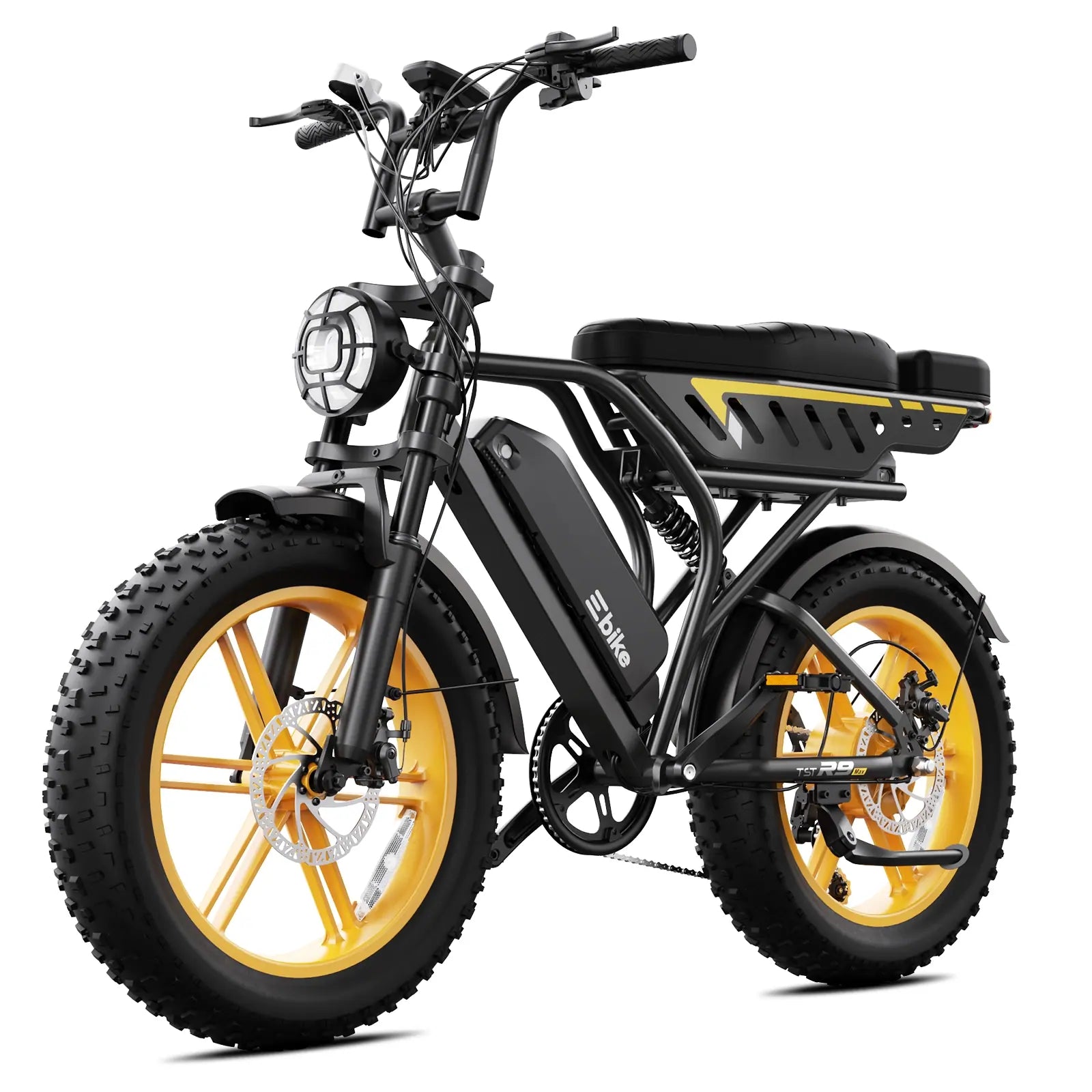
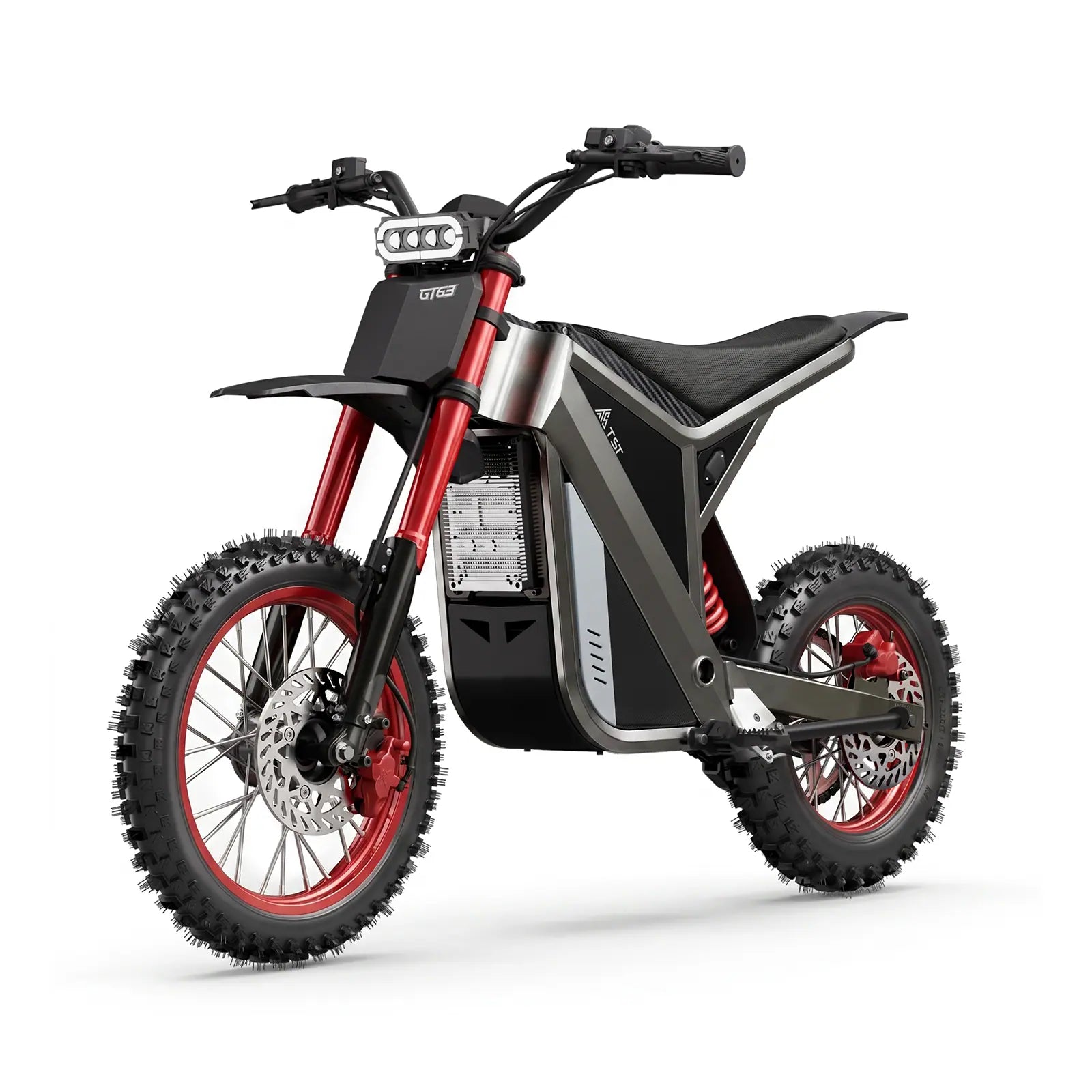









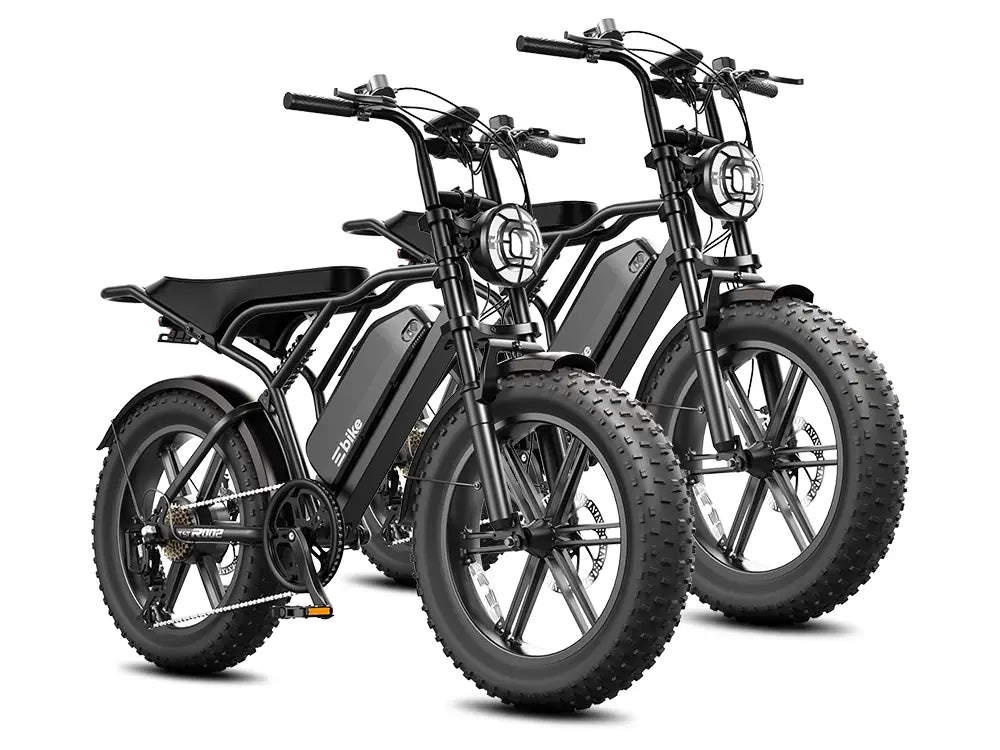
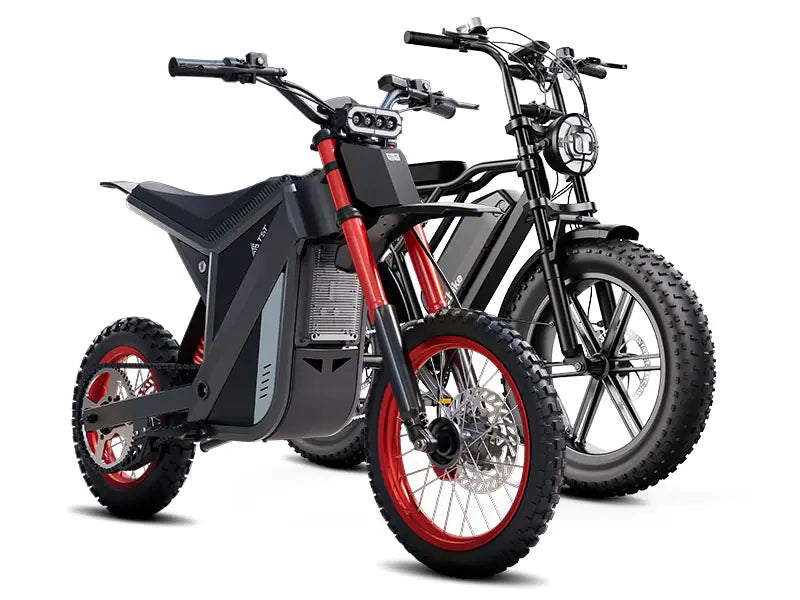

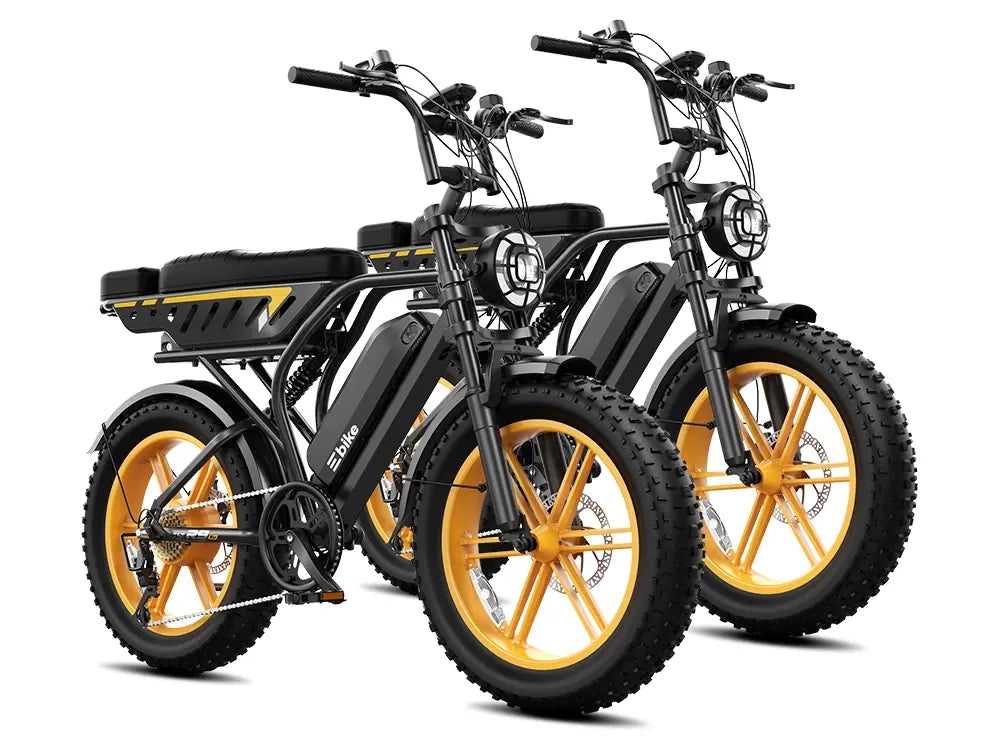

Your e-bike battery indicator drops on hills because of voltage sag—a temporary voltage drop caused by high current draw through the battery's internal resistance. When you climb a steep hill, the motor demands more power, increasing current and lowering terminal voltage. Once you ease off the throttle, the voltage rebounds, making the display jump back up.
maximizing folding ebike range
What Is Voltage Sag in E-Bikes?
Voltage sag is the temporary drop in battery voltage under high load, such as during acceleration or hill climbing. It's caused by internal resistance in the battery cells, which converts some energy into heat instead of usable voltage. This is a normal physical phenomenon in lithium-ion e-bike batteries.
Voltage sag is not a sign of a failing battery, but rather a predictable response to high current demand. In most cases, the voltage recovers quickly once the load is reduced. Understanding this helps riders avoid unnecessary worry and make smarter choices about battery care and riding style.
How Does Ohm's Law Explain Voltage Sag?
Ohm's Law explains voltage sag through the formula:
V = I × R
Where V is voltage drop, I is current, and R is internal resistance. As current increases during hill climbs, the voltage drop across the battery's internal resistance grows, lowering terminal voltage.
This relationship shows why high-power demands cause noticeable sag. Even a small increase in resistance or current can lead to a significant voltage drop. Riders can use this understanding to anticipate performance limits and manage throttle input on steep grades.
Why Does Battery Indicator Drop Suddenly on Steep Hills?
The battery indicator drops suddenly on steep hills because the motor draws maximum current, causing a sharp voltage sag. Most e-bike displays show voltage-based bars, so a quick drop in voltage makes the indicator fall by one or two bars instantly.
This effect is amplified when the battery is below 50 percent charge, in cold weather, or if the cells are aging. The display is reacting to real-time voltage, not actual remaining capacity, which is why the bars bounce back when you stop climbing.
Which Factors Make Voltage Sag Worse?
Several factors make voltage sag more pronounced:
-
Low state of charge: Below 50 percent, sag deepens.
-
Cold temperatures: Internal resistance rises in the cold.
-
Aging cells: Older batteries have higher resistance.
-
Heavy rider or cargo: More power is needed to climb.
-
Steep grades: Current demand spikes on sharp inclines.
Riders can mitigate these effects by keeping batteries warm, avoiding deep discharges, and reducing load where possible. Understanding these variables helps in planning rides and maintaining battery health.
How Can Riders Reduce Voltage Sag While Riding?
Riders can reduce voltage sag by managing throttle input and avoiding sudden power spikes. Gradual acceleration and maintaining a steady cadence on hills helps keep current draw lower. Using a lower assist level can also prevent extreme sag.
Keeping the battery warm in cold weather and ensuring it's above 50 percent charge before big climbs will minimize sag. Regular maintenance, such as checking connections and avoiding deep discharges, also supports stable voltage under load.
What Are the Signs of Harmful vs. Normal Voltage Sag?
Normal voltage sag recovers quickly once the load is removed, and the battery indicator returns to its previous level. Harmful sag is deeper, lasts longer, or causes the e-bike to shut off unexpectedly.
If the bike cuts out on hills even with a full display, or if voltage stays low after resting, the battery may be aging or imbalanced. In such cases, professional diagnosis or cell testing is recommended.
When Should You Worry About Battery Health?
You should worry about battery health if voltage sag causes frequent cutouts, the battery won't hold a charge, or the display shows rapid drops even on flat terrain. These are signs of cell degradation or BMS issues.
Regularly monitoring resting voltage and comparing it to nominal values can reveal aging. If sag is extreme or recovery is slow, it's time to consult a technician or consider a battery replacement.
Where Does Internal Resistance Come From in E-Bike Batteries?
Internal resistance comes from the battery's cell chemistry, interconnects, and the Battery Management System. Every cell has inherent resistance, which increases with age, cold, and deep cycling.
Poor connections or damaged wiring can add artificial resistance, worsening sag. High-quality packs use low-resistance cells and robust interconnects to minimize this effect, which is why pack design matters for performance.
How Does Temperature Affect Voltage Sag?
Temperature affects voltage sag by changing the battery's internal resistance. In cold weather, resistance rises sharply, making sag deeper and recovery slower. In warm conditions, resistance is lower, and sag is less noticeable.
Riders in cold climates should store batteries indoors and warm them before riding. Avoiding high-power demands until the pack is up to temperature can prevent excessive sag and protect cell health.
Can Battery Design Minimize Voltage Sag?
Yes, battery design can minimize voltage sag by using low-resistance cells, optimizing series-parallel layout, and ensuring high-quality interconnects. Packs with more parallel cells share current load, reducing per-cell stress and sag.
Advanced BMS systems can also balance cells and monitor resistance in real time. At TST EBike, we engineer our packs with these principles to deliver stable voltage even under heavy load, ensuring reliable performance on hills and rough terrain.
TST EBike Expert Views
Voltage sag is often misunderstood as a battery fault, but it's really a physics issue. At TST EBike, we design our packs with low internal resistance and robust BMS to handle high current demands. Riders should know that a temporary drop in bars on a steep hill is normal. If your voltage recovers quickly, your battery is healthy. For best results, keep your pack warm, avoid deep discharges, and don't demand max power on every climb. Our engineering team tests every pack under real-world load to ensure minimal sag and maximum reliability.
How Do You Test for Excessive Voltage Sag?
To test for excessive voltage sag, measure battery voltage at rest, then under load while climbing or accelerating. A drop of 1.5V to 3.5V is typical for a 48V system. Larger drops or slow recovery indicate issues.
Use a multimeter or a diagnostic app if available. Compare resting voltage to nominal values and check for cell imbalance. If sag is extreme, professional testing or pack rebalancing may be needed.
What Maintenance Helps Prevent Voltage Sag Issues?
Preventive maintenance includes keeping battery terminals clean and tight, storing at 50 to 60 percent charge, and avoiding extreme temperatures. Regularly check for loose connections or damaged wiring, which can add resistance.
Avoid charging immediately after high-demand rides; let the battery cool first. Periodic balance charging and using only certified chargers also help maintain cell health and minimize sag over time.
Conclusion
Voltage sag is a normal, physics-driven phenomenon that causes your e-bike's battery indicator to drop on steep hills. It's driven by high current draw and internal resistance, and it reverses when the load is removed. By understanding Ohm's Law, managing riding style, and maintaining your battery, you can minimize sag and enjoy reliable performance. TST EBike builds packs with low resistance and smart BMS to handle real-world demands, giving riders confidence on every climb.
FAQs
Is voltage sag a sign my battery is failing?
Not usually. Voltage sag is normal under high load. If voltage recovers quickly, your battery is likely healthy.
Why does my battery display jump back up after a hill?
The display shows real-time voltage. When you stop climbing, current drops and voltage rebounds, making the bars return.
Can cold weather make voltage sag worse?
Yes. Cold increases internal resistance, leading to deeper sag and slower recovery.
How can I reduce voltage sag on my e-bike?
Use gradual throttle, keep the battery warm, avoid deep discharges, and maintain good connections.
When should I replace my e-bike battery?
Replace if sag causes frequent cutouts, voltage stays low after rest, or the battery won't hold a charge.
Does TST EBike design batteries to handle voltage sag?
Yes. TST EBike uses low-resistance cells and advanced BMS to minimize sag and ensure stable performance on hills.

Leave a comment
This site is protected by hCaptcha and the hCaptcha Privacy Policy and Terms of Service apply.