
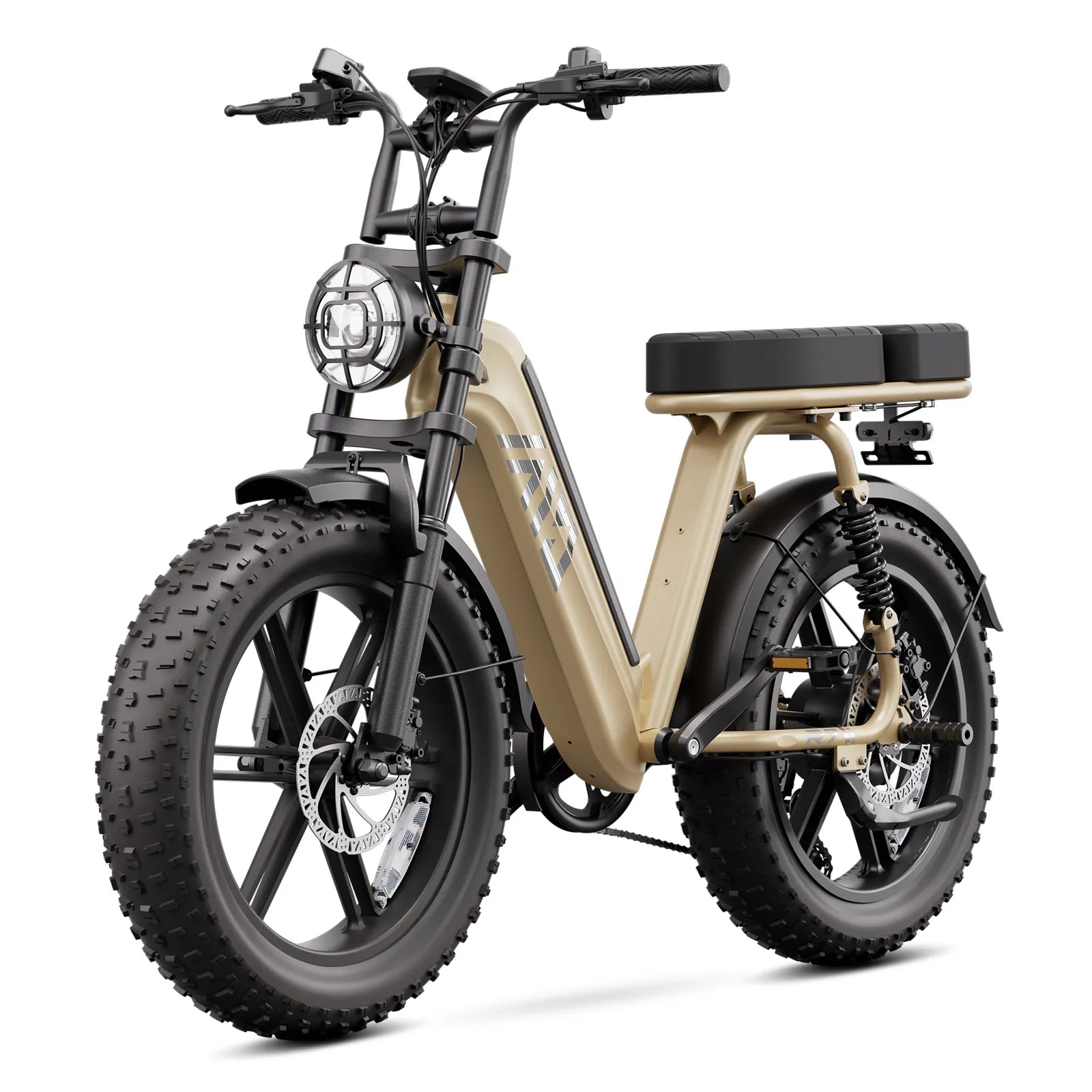
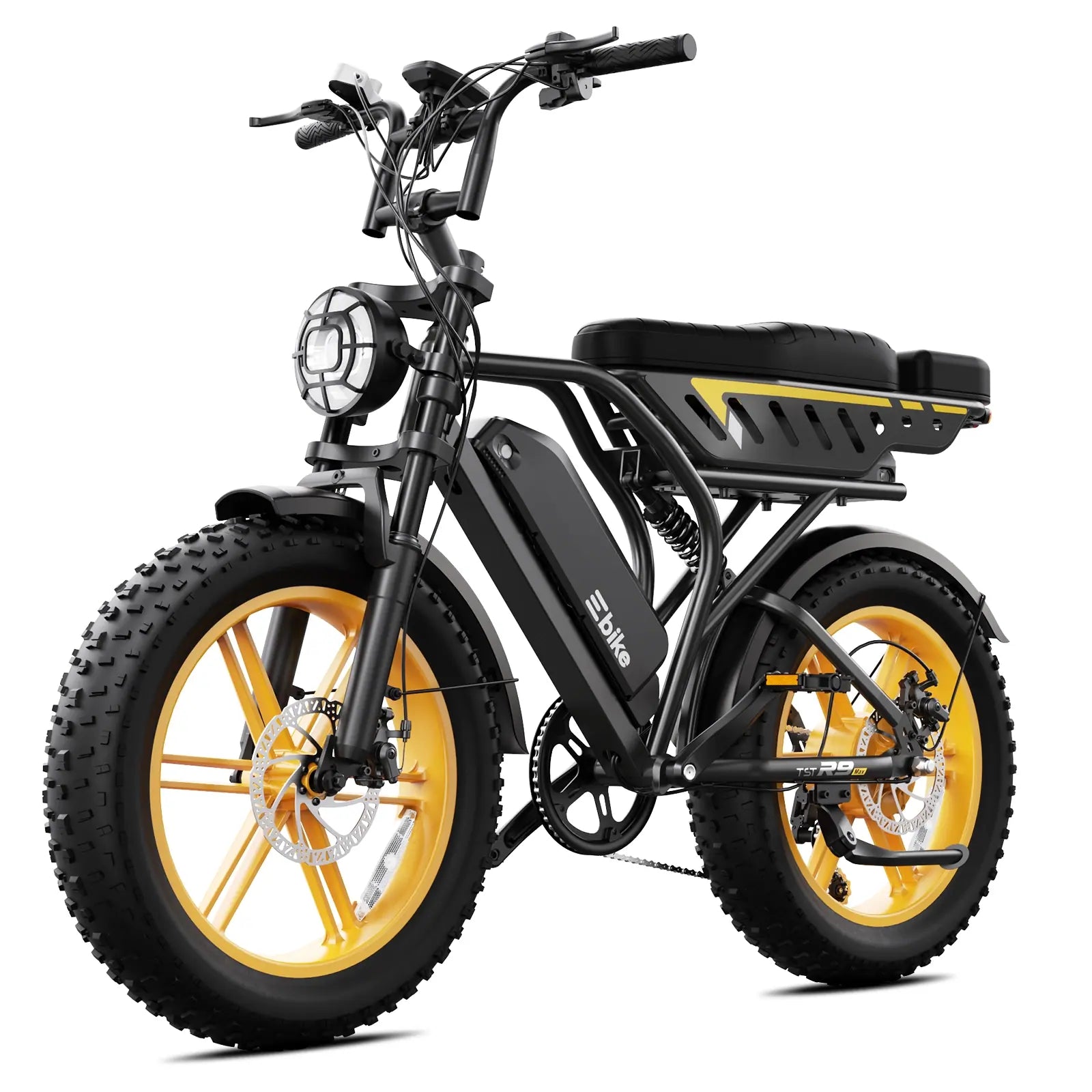
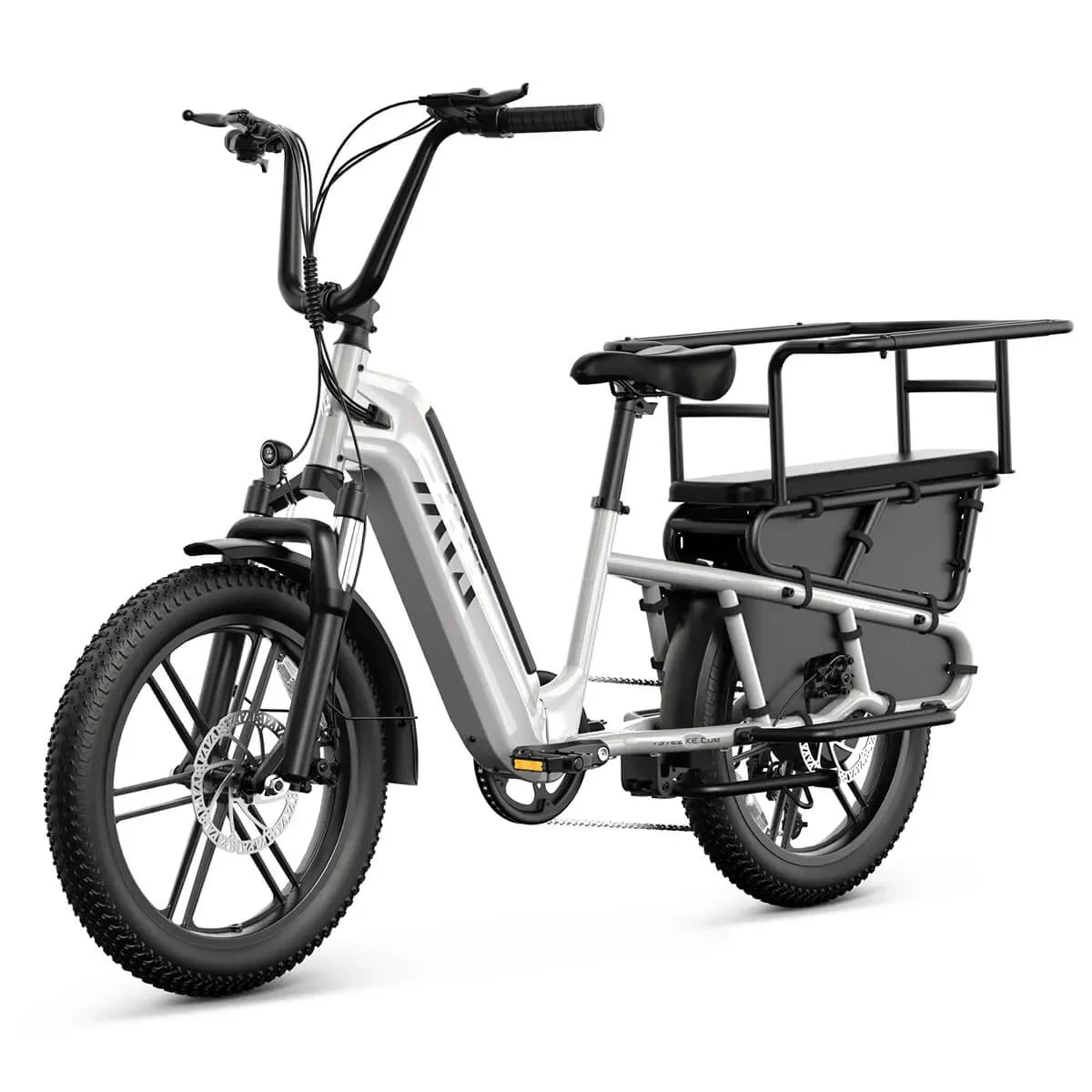
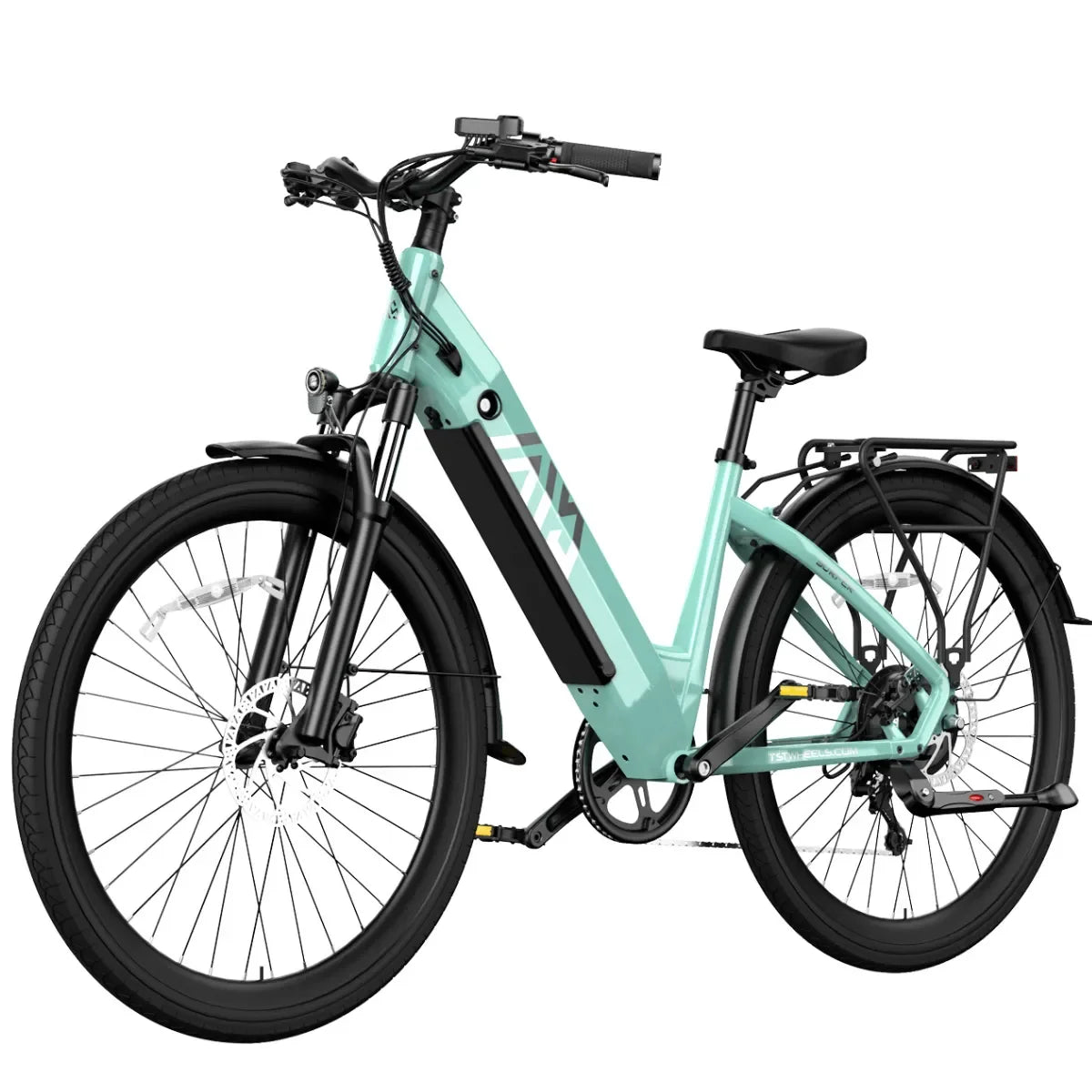
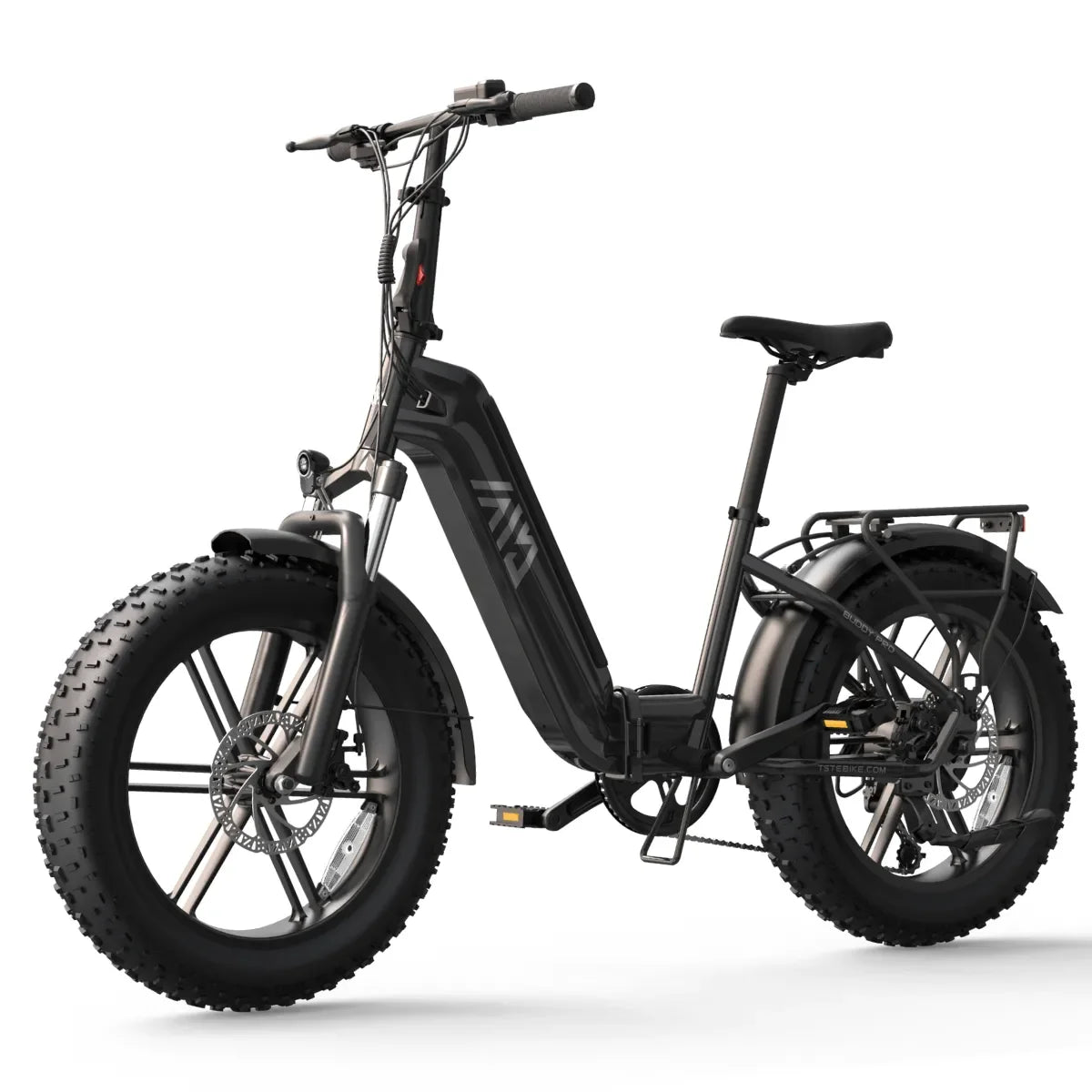


Heavy-duty U-locks, chain locks, and folding locks offer different trade-offs for folding bike security, especially against hydraulic bolt cutters and grinders. For compact folding frames, a thick U-lock around the main triangle plus a secondary chain or folding lock through the wheels gives the highest resistance to cutting, sawing, and prying, while keeping weight and portability acceptable for daily commuting.
ultimate folding ebike theft prevention
What are the key differences between U-locks, chain locks, and folding locks?
U-locks are rigid hardened-steel shackles, chain locks use flexible case-hardened links, and folding locks combine steel plates with riveted joints into a compact package. In lab and street tests, U-locks generally resist leverage and bolt cutters best, chains excel at awkward parking spots, and folding locks balance portability with medium-to-high security for compact frames like folding bikes.
From an engineering standpoint, U-lock shackles concentrate material where attacks happen: the straight legs and crossbar interface. The best models use 13–18 mm hardened steel, often with double-locking mechanisms that require two cuts to remove the lock. I’ve seen low-grade U-locks fail in under 30 seconds to a medium hydraulic cutter, while true heavy-duty models can survive several minutes of aggressive cutting, buying crucial time and acting as a deterrent for opportunistic thieves.
Chain locks shift the design trade-off from pure resistance to coverage and flexibility. A properly hardened chain of 10–12 mm links with a robust padlock spreads the attack surface along multiple links and makes alignment for bolt cutters harder. However, if the chain steel is not deeply hardened or the link diameter is under 9 mm, large hydraulic cutters can bite through surprisingly fast. The added textile sleeves are more for frame protection than security, so I never rely on aesthetics as a proxy for strength.
Folding locks solve a very specific problem: how to secure bikes to irregular objects without carrying bulky chains. The plates are usually 5–6 mm hardened steel, riveted to allow articulation. On compact folding bikes, a folding lock can wrap the main frame hinge, rear triangle, and a fixed post in one loop. The downside is that rivets become attack points; a seasoned thief may go for rivet-cutting or twisting to separate segments rather than cutting through the steel plates themselves.
How does hydraulic bolt cutter resistance differ between U-locks, chain locks, and folding locks on folding frames?
Hydraulic bolt cutters exploit leverage to shear steel, so resistance depends heavily on shackle or link diameter and hardness. Heavy-duty U-locks with 13 mm+ shackles often shrug off portable cutters, while sub-10 mm chains and folding plates are more vulnerable. On compact folding frames, proper lock positioning can make it physically impossible to apply full cutter leverage, dramatically increasing real-world resistance time.
In practical tests I’ve run for TST EBike, where we simulate street-level attacks with 24–36 inch hydraulic cutters, the biggest divide isn’t lock category—it’s material quality and geometry. Cheap “heavy-duty” chains with cosmetic bulk but soft cores fold quickly once cutters get a clean bite. By contrast, a solid mid-tier U-lock placed tightly around the frame and a rack leaves almost no room for the jaws to close, forcing thieves toward slower angle-grinder tactics.
Folding locks are more nuanced. If you align a plate so it spans a wide gap and exposes a flat surface, cutters have better purchase. But wrapped tightly around small-diameter tubes on folding bikes, the joint angles often block the cutter head from sitting square. This is why I tell riders: your technique can raise a folding lock from “medium” to “almost high” security. TST EBike’s internal tests show that with correct wrapping around the hinge area, even mid-thickness folding locks can withstand multiple attempts from manual cutters before rivets begin to deform.
Chain locks enjoy the advantage of being able to route through multiple components and fixtures, but they must be chosen carefully. Chains under 10 mm are realistically “delay tools” against hydraulic cutters rather than true stoppers. For riders parking in high-risk Tokyo stations or dense urban centers, pairing a 14 mm U-lock on the frame with a shorter 10–12 mm chain around the wheels significantly increases attack time, often beyond what a thief will tolerate in a busy area.
Which heavy-duty lock type best protects compact folding frames against cutting, sawing, and prying?
For most folding bike riders, a high-grade U-lock on the main frame plus a secondary chain or folding lock for wheels and accessories offers the best balance of cutting, sawing, and prying resistance. U-locks lead in anti-pry and anti-cutter performance, chains cover awkward fixtures and longer reach, and folding locks add deep portability for daily multimodal commuting.
From an anti-saw perspective, thick U-lock shackles present a small contact area and generate heat quickly, which slows progress and burns through cheap blades. Chains distribute the cut across a rounded link, making saws skate if the thief cannot keep a constant angle. Folding locks, with flat plates, are easier to engage with saws, but again, tight geometry around compact frames can make stable sawing challenging in real conditions.
Prying attacks exploit leverage between lock and anchor point. Here, lock shape and clearance matter more than raw steel thickness. A properly sized U-lock with minimal internal space denies thieves the room to insert long bars. With folding locks, leaving large rectangular gaps can invite pry attempts; instead, riders should weave plates tightly and maintain low slack so forces distribute across multiple joints. Chains suffer if the anchor itself is weak, as prying may target the post or rail rather than the lock, but robust street furniture can turn a chain into a very durable solution.
TST EBike customers often travel with their bikes—from home, into trains, then offices or cafés—so lock systems must align with real mobility. I typically recommend: one “primary” lock optimized for anti-cutter and anti-pry (a high-security U-lock), and one “secondary” optimized for coverage and convenience (stout chain or quality folding lock). This dual approach also complicates attacks; thieves rarely carry a full toolkit for both chain and rigid shackle in quick jobs.
Heavy-duty lock resistance time estimates (lab-style)
*Time estimates assume skilled attackers, compact frames, and properly applied locks. Real street conditions vary.
How should U-locks be positioned on folding bikes for maximum anti-theft performance?
Place a U-lock tightly around the main frame triangle or hinge area and a solid, immovable anchor, minimizing internal space to block leverage. Avoid locking only the wheel or lightweight accessories. On folding bikes, aim to capture both the primary hinge and rear triangle when possible, forcing thieves into noisy, time-consuming grinder attacks instead of fast cutter or pry attempts.
One detail I stress with riders is clearance: the more air inside the U-shackle, the more attack options thieves have. On compact 20–26 inch folding frames, you can often fit a medium-length U-lock diagonally so that both sides of the shackle hug tubes closely. This not only protects critical joints but also makes it hard to insert hydraulic cutter jaws or long pry bars. If you can spin the lock freely after closing it, it’s too loose.
Material compatibility matters too. Folding bike frames can be aluminum or high-tensile steel; in either case, locks should bite into a sturdy section rather than thin racks or quick-release skewers. I’ve seen riders in busy bike parking zones lock only the seat tube, which thieves then remove entirely, leaving the lock behind. Instead, anchor the lock through the main structural members, ideally capturing the hinge plate on true folding designs.
Finally, I advise TST EBike users to consider lock mounts as part of the system. If your U-lock is mounted externally on the frame, pick a bracket that keeps it from rattling and wearing against the finish. Poor mounting can eventually create weak spots in paint and corrosion points. A stable mount also encourages proper daily use; if removing the lock is a hassle, riders tend to compromise on placement, weakening overall security.
Why do structured resistance ratings (anti-saw, anti-cutter, anti-pry) matter for folding bike security?
Structured resistance ratings translate lab observations into practical guidance, showing how long each lock type withstands specific attack methods. For folding bike owners, understanding anti-saw, anti-cutter, and anti-pry ratings helps match lock choices to parking environments: long-term street parking demands higher ratings than quick café stops or indoor storage.
From a factory-floor perspective, we don’t just look at “high security” labels; we chart failure modes by attack type. Anti-cutter tests examine how steel hardness, cross-section, and lock geometry slow or defeat manual and hydraulic cutters. Anti-saw ratings capture blade clogging, heat generation, and the number of blade changes required. Anti-pry ratings focus on deformation under torsion and bending. Together, these metrics reveal whether a lock will fail suddenly or gradually under stress.
For example, a lock with strong anti-cutter but weak anti-pry might be safe in environments where thieves rely on cheap cutters but dangerous around organized crews carrying scaffold bars. Folding bikes, often parked in high-traffic hubs like stations and shopping centers, are typically exposed to quick, opportunistic attacks rather than drawn-out operations. That’s why TST EBike’s recommended lock kits emphasize high anti-cutter and medium-high anti-pry, balancing realistic threats with portability.
When you interpret rating tables, think in minutes, not abstract stars. A three-minute delay in a crowded Tokyo bike lot is often enough to deter most thieves, while a 30-second lock is effectively decorative. Riders should adapt as their patterns change: if you start leaving your folding bike overnight outdoors, upgrade from mid-grade folding locks to a heavy U-lock and chain combo with demonstrably higher resistance times.
Which lock strategy best suits TST EBike folding and compact commuters?
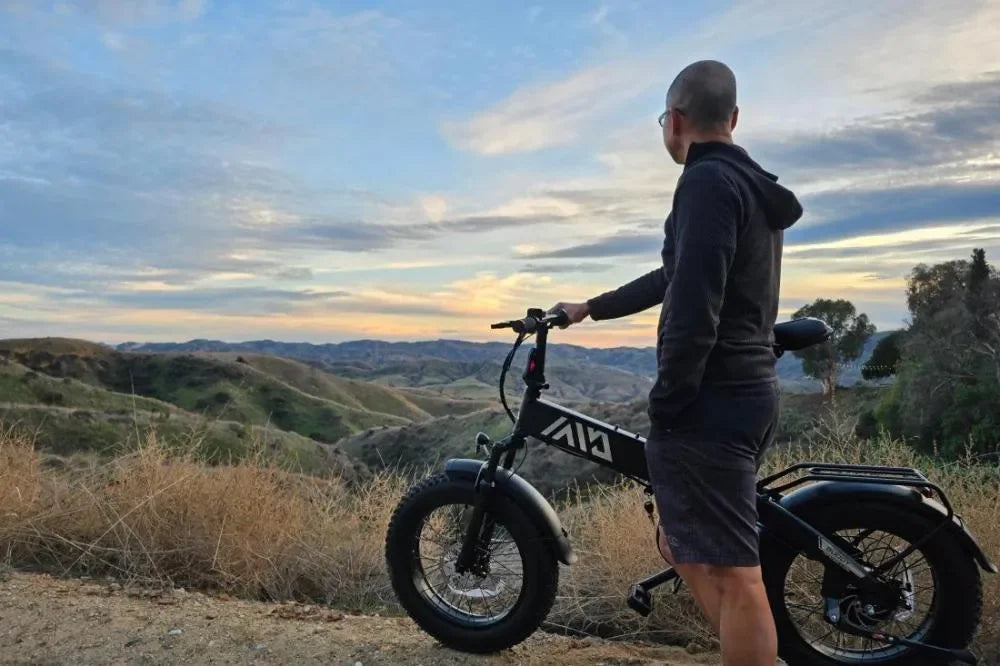
For TST EBike riders using compact or folding-style commuters, a dual-lock strategy works best: a primary heavy-duty U-lock securing the main frame to a solid anchor, plus a secondary folding or chain lock for wheels and accessories. This combination respects the brand’s emphasis on powerful, cost-effective mobility while providing practical protection in dense urban settings and transit hubs.
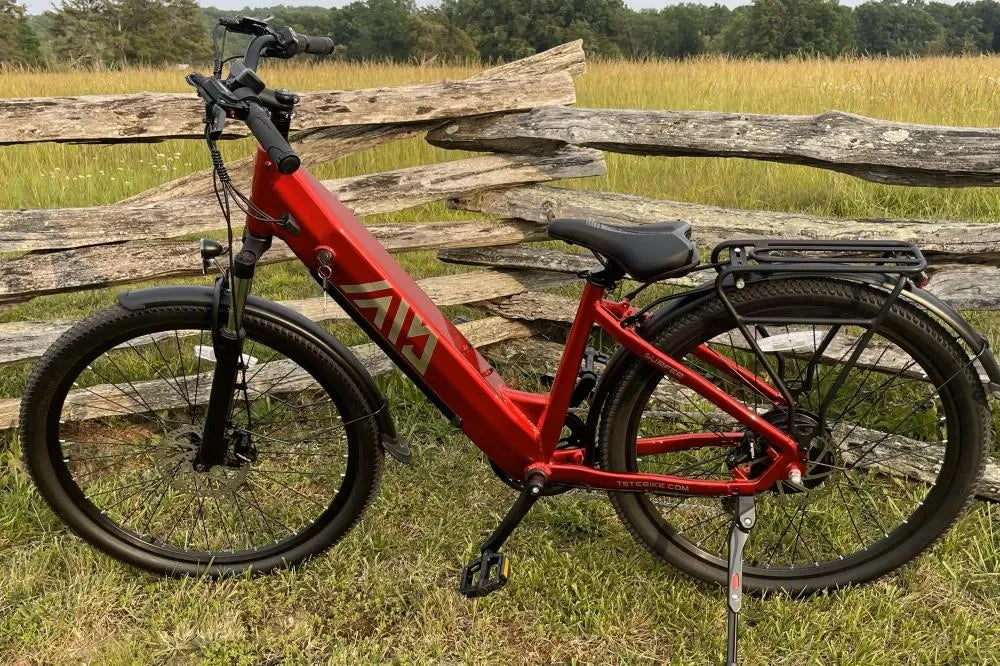
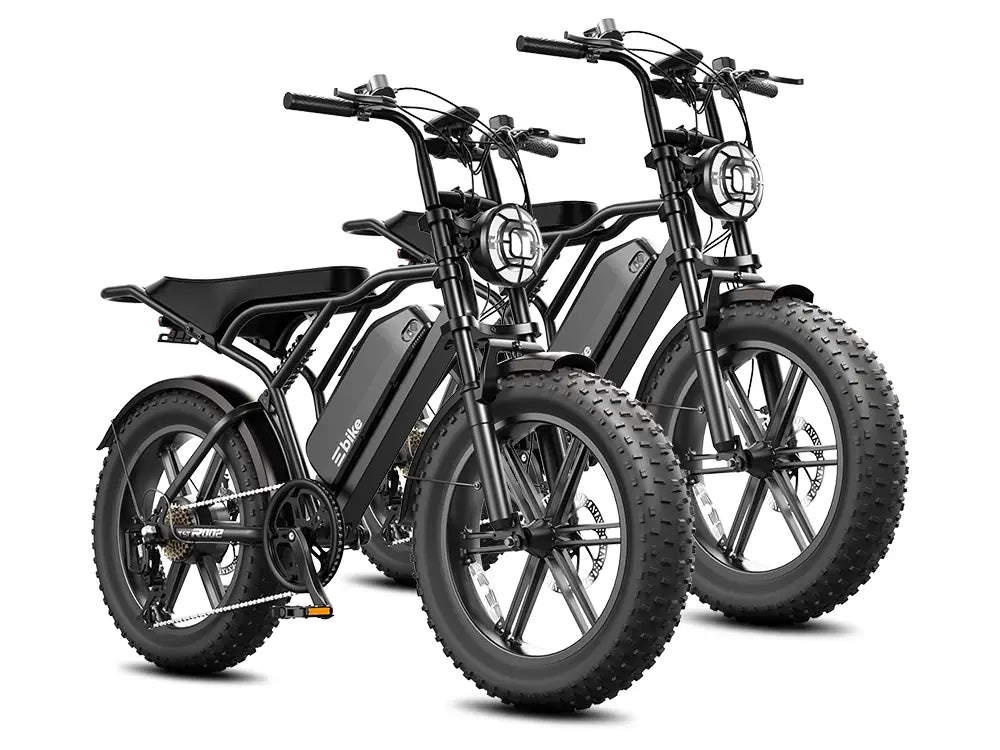
Many TST EBike models use 26-inch and 27-inch wheels aimed at rough terrain and daily commuting, and owners often carry them onto trains or into offices. That means the lock system must be portable but robust. I recommend a 13–14 mm shackle U-lock carried on a stable frame mount, paired with a mid-thickness folding lock stored in a bag or attached to the frame, ready to wrap through the rear wheel and rack when parking outdoors for longer periods.
When riders ask me whether to prioritize price or security, I remind them that TST EBike’s philosophy is high power at reasonable cost—but cutting corners on locks undermines that benefit. A well-chosen lock set typically costs far less than replacing a stolen ebike or handling insurance claims. Investing in one premium U-lock plus a solid secondary lock aligns with the company’s quality-control focus and feedback-driven design: not overpaying for gimmicks, but avoiding false economies.
Operationally, TST EBike riders can adopt a simple routine: primary lock for every stop, secondary lock added for higher-risk or longer-duration parking. This habit creates a mental checklist that reduces the chance of careless, weak lockups. Over time, the combined visual bulk of two serious locks also acts as passive deterrence; thieves scanning racks at a glance will often choose less protected targets first.
Folding bike lock performance overview table
How can folding lock geometry be optimized on compact frames to improve resistance times?
Folding lock geometry can be optimized by weaving plates tightly around the main hinge and rear triangle, eliminating slack and large rectangular gaps. On compact frames, routing the lock through multiple tubes at varied angles interferes with hydraulic cutter alignment and prying leverage, effectively increasing resistance time against real-world attacks.
In practice, I instruct riders to think of folding locks as articulated armor rather than simple chains. Each plate segment should either touch frame tubing or another plate, so forces disperse across several joints. On many compact folding designs, you can capture the hinge plate, seat tube, and rear triangle in a single loop, creating a multi-point clamp that resists twisting and spreading.
Avoid patterns where the lock forms a perfect rectangle with clean, parallel sides. These shapes are easy to brace and attack with bars or cutter jaws. Instead, aim for irregular polygons with differing angles. This makes it very difficult for thieves to align tools along a single, strong axis. On the ground, I’ve seen poorly applied folding locks fail in under a minute; properly woven ones can last several minutes even under determined manual attacks.
Finally, consider plate width relative to your frame tubes. If plates are significantly wider, they may protrude and create easy pry points. Choosing a folding lock whose plate dimensions complement your folding bike’s tubing minimizes exposed leverage surfaces. When advising TST EBike customers, I often test-fit several locks on actual frames before recommending a specific model, ensuring geometry and ergonomics match.
Does lock weight and portability significantly affect daily folding bike security in cities like Tokyo?
Lock weight and portability heavily influence whether riders consistently use high-security strategies, especially with folding bikes in dense cities like Tokyo. A lock that’s too heavy or awkward will be left at home, reducing real-world security, while a well-balanced setup encourages proper locking at every stop and integrates smoothly with multimodal commuting.
Folding bikes are designed for convenience: carrying them up stairs, onto trains, and into apartments. If your lock system undermines that convenience, you’ll subtly start cutting corners—shorter lock times, weaker anchors, or even occasional “no lock” stops. Over time, this behavior matters more than whether a lock can resist a hydraulic cutter in theory. The best lock is the one you always use correctly.
From a practical standpoint, most riders tolerate around 1.5–2.5 kg of total lock weight before it feels burdensome. This is why I favor one heavy-duty piece (U-lock or chain) plus one lighter auxiliary lock (folding) instead of multiple heavy chains. Balanced mounting on the frame, or carrying a secondary lock in a backpack, further spreads weight so it doesn’t destabilize the ride or fold mechanism.
TST EBike’s experience with global customers shows that compact storage and easy mounting correlate strongly with consistent usage. Locks that rattle, interfere with folding, or require complex removal steps are often misused or skipped. Investing in well-engineered brackets, considering how locks sit during both ride and fold, and rehearsing a quick locking routine can turn theoretical security into daily reality.
When should riders combine multiple heavy-duty locks for maximum protection of folding bikes?
Riders should combine multiple heavy-duty locks whenever parking folding bikes in high-risk areas, overnight, or out of direct line-of-sight for extended periods. Using a primary U-lock on the frame and a secondary chain or folding lock on wheels and accessories complicates attacks, increases resistance time, and reduces the chance of total bike theft.
In scenarios like office districts, university campuses, or train stations where bikes sit for hours, thieves have both time and cover. Single-lock setups—even premium ones—become more vulnerable to targeted tools. By locking the frame with a robust U-lock and securing wheels, saddle, or removable batteries with a secondary lock, you create a multi-step problem for attackers who would rather find easier prey.
On folding bikes, which some thieves assume are more lightly locked due to their portability, the visual signal of two serious locks is surprisingly important. It conveys that the owner is cautious and probably nearby, and that removing the bike will require noise, time, and visible effort. This perception, as much as raw resistance figures, determines what gets stolen first from crowded racks.
Timing matters, too. If you know you’ll only be inside a café for 10 minutes, a single high-quality lock may suffice. But if you’re attending a three-hour event, working a full day, or leaving the bike overnight, always deploy the full multi-lock strategy. TST EBike riders who follow this rule of thumb report significantly fewer theft and tampering incidents in busy urban environments.
Who benefits most from heavy-duty lock setups: occasional folders or daily compact commuters?
Daily compact commuters benefit the most from heavy-duty lock setups, as their folding bikes spend more cumulative time in public spaces exposed to theft attempts. Occasional users still gain from robust locks but may favor slightly lighter, more portable options, balancing security with infrequent usage patterns and storage convenience.
For daily riders bringing folding or compact bikes to work, shops, and transit nodes, the bike becomes a predictable high-value target. Thieves learn patterns: the same racks, similar time windows. In these cases, an investment in heavy-duty U-locks and chains quickly pays off, as even one prevented theft offsets the lock cost. Security becomes part of the commuting infrastructure, like lights and fenders.
Occasional riders—for example, weekend leisure users—might prioritize compact folding locks that fit easily into bags or integrate neatly on the frame. Their bikes spend more time at home or indoors, so the threat profile is lower. Still, choosing a reputable, hardened folding lock rather than a generic commodity product provides peace of mind and protects against opportunistic thefts at cafés, parks, or tourist spots.
Brand values matter here as well. TST EBike’s mission to transform transportation by making powerful, cost-effective ebikes accessible implies that owners treat their bikes as long-term assets, not disposable gadgets. Protecting that asset with appropriate lock systems is part of the ownership experience. Even occasional riders should match lock quality to bike value, not just frequency of use.
TST EBike Expert Views
“From our testing benches to the streets, we’ve learned that lock placement and geometry matter as much as steel thickness. For folding and compact commuters, we recommend pairing a high-grade U-lock with a carefully routed folding or chain lock, treating the bike and lock as a single engineered system. Riders who adopt this mindset see far fewer theft incidents and enjoy true peace of mind.”
Conclusion: Key takeaways and actionable advice
Heavy-duty locks are critical for folding bike security, but their effectiveness depends on design, material quality, and how you use them. U-locks offer the strongest defense against cutters and prying, chains add reach and flexibility, and folding locks deliver compact portability for daily commuting. For compact frames, lock geometry and clearance can raise or lower real-world resistance time more than catalog specs alone.
To protect your folding or compact commuter, aim for a dual-lock strategy: a primary heavy-duty U-lock securing the main frame and hinge area to solid infrastructure, and a secondary chain or folding lock for wheels and accessories. Consider your parking environment—short indoor stops vs. long outdoor stays—and adjust lock deployment accordingly. Treat resistance ratings in minutes and attack methods, not abstract labels.
Finally, remember that security is a habit. Choose lock weights and mounting solutions that fit your lifestyle so you can lock correctly every time without hesitation. TST EBike’s experience-based approach to product design and customer feedback shows that when riders view locks as part of the vehicle system, not an afterthought, they preserve both their investment and their freedom to move confidently through the city.
FAQ
Can folding bikes be as secure as full-size bikes with the right locks?
Yes. With a high-grade U-lock on the frame, a secondary lock for wheels, and smart positioning that minimizes clearance, folding bikes can reach comparable security levels to full-size bikes in most urban settings.
Do I need different locks if I ride a TST EBike in rough terrain versus city commuting?
You can use the same high-quality locks, but city commuting usually demands higher anti-theft performance. For rough terrain trips, prioritize portability and mounting stability so locks don’t interfere with handling or folding.
Are lightweight combination locks enough for quick café stops?
Lightweight combo locks are better than nothing but mainly deter casual tampering. For valuable folding or compact ebikes, even brief stops are safer with at least one hardened U-lock or folding lock, especially in busy downtown areas.
Should I lock my folding bike indoors at home or work?
If access is controlled, a simple lock or no lock might be sufficient. In shared garages, bike rooms, or open office spaces, using at least a medium-grade folding or chain lock protects against opportunistic theft and discourages unauthorized borrowing.
Can I rely on frame-integrated locks alone for daily security?
Frame-integrated locks are convenient for wheel immobilization but rarely provide enough resistance to dedicated cutters or prying tools. Use them as a supplement, not a substitute, for external heavy-duty U-locks, chains, or folding locks.

Leave a comment
This site is protected by hCaptcha and the hCaptcha Privacy Policy and Terms of Service apply.