

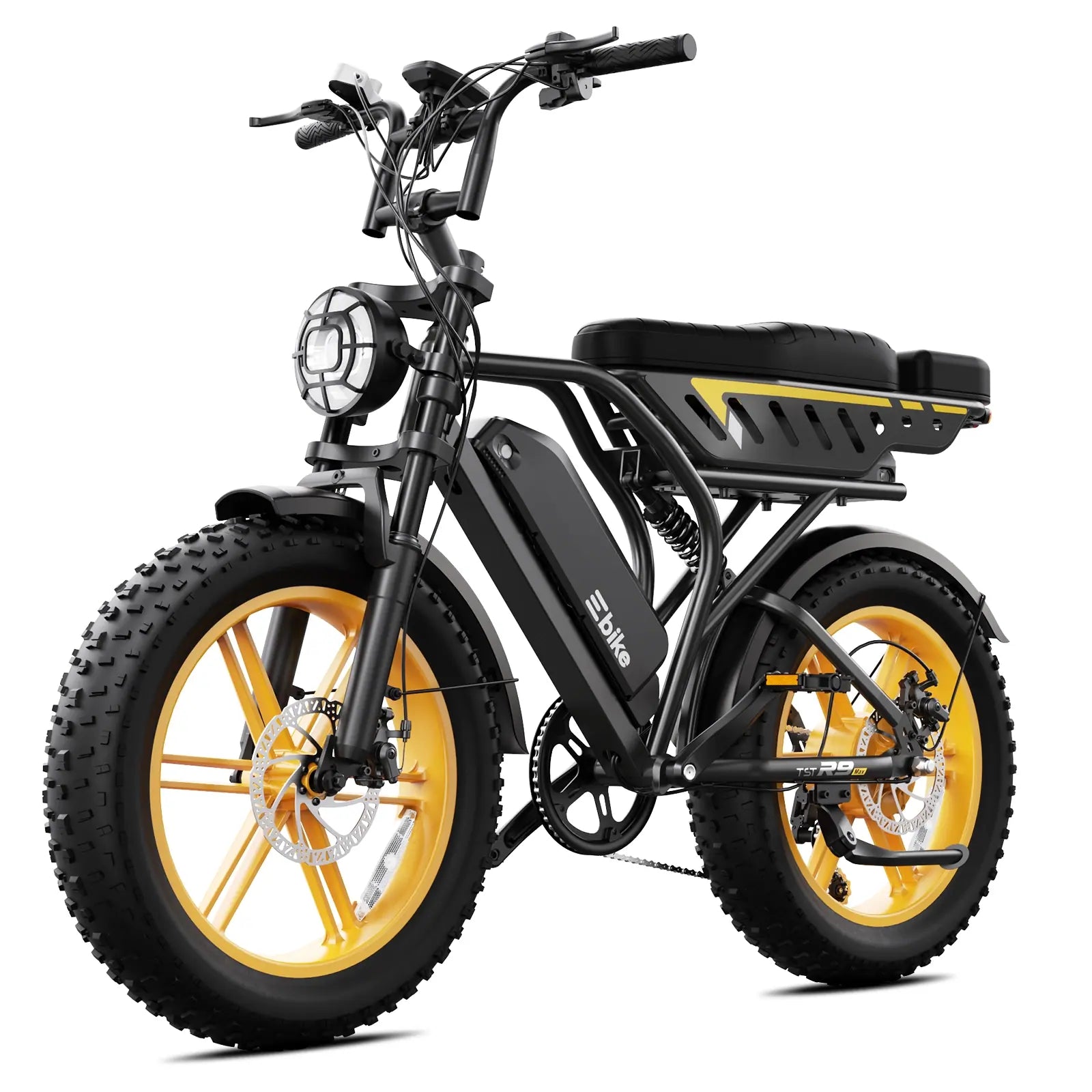
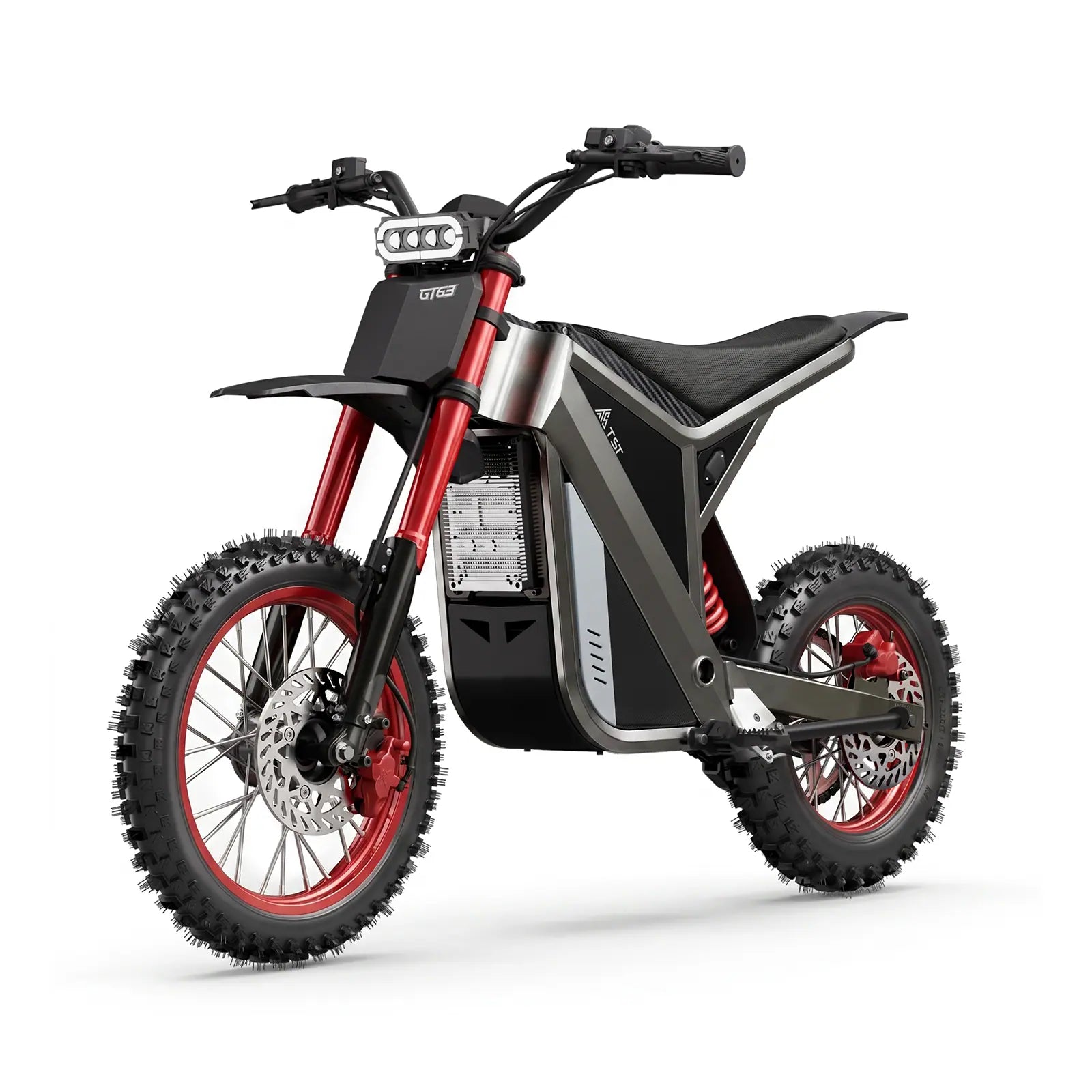









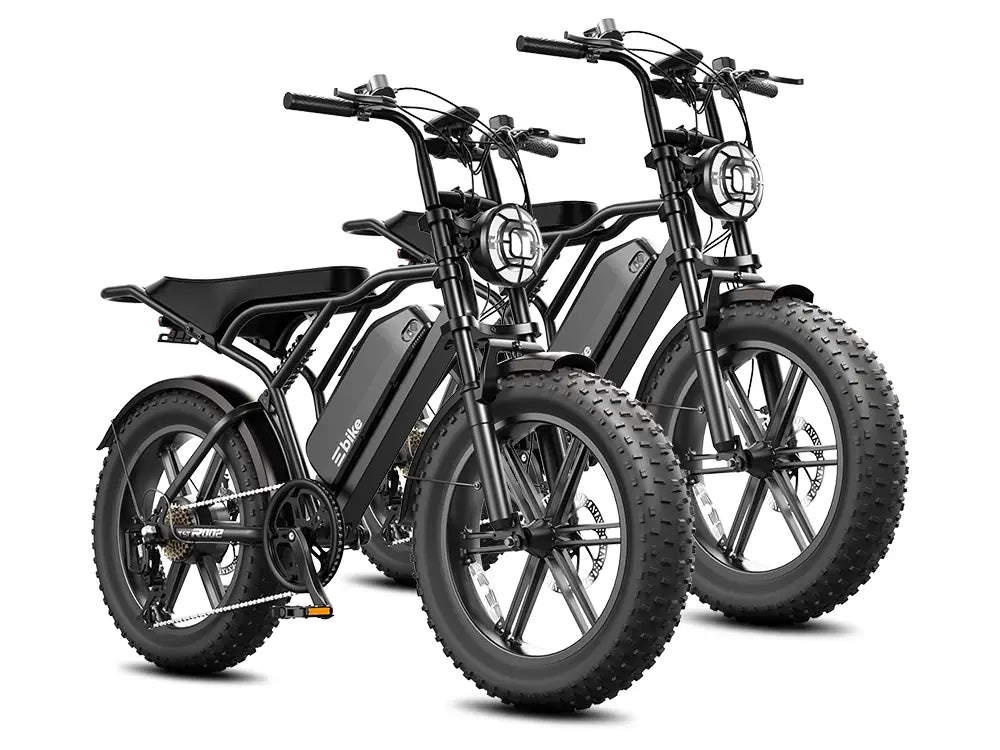
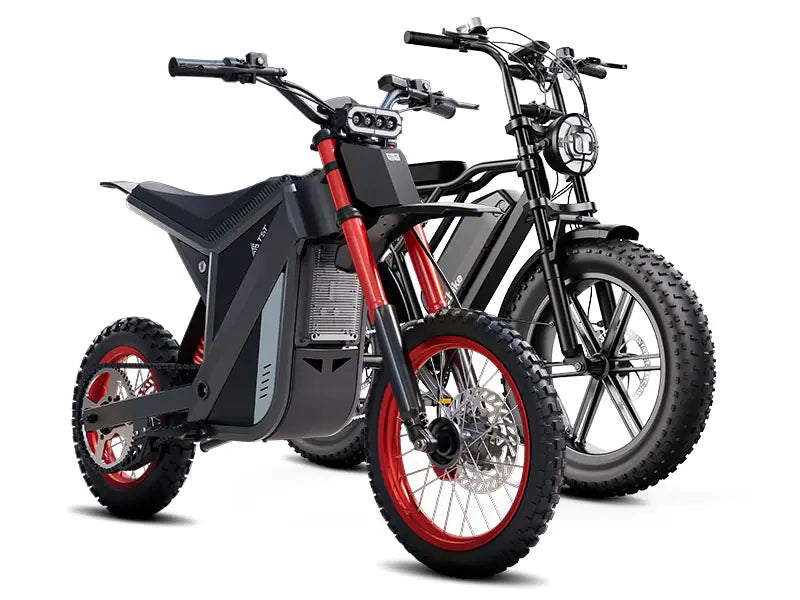

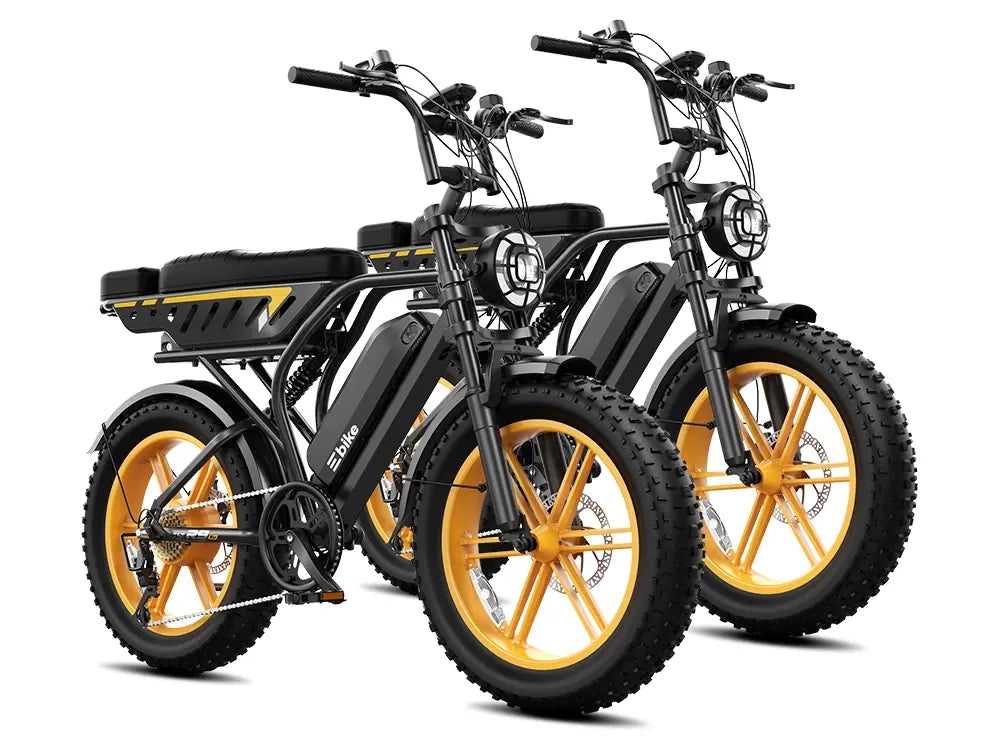

Yes, you can usually take a folding ebike on major U.S. subway and light-rail systems if it is fully folded, under about 40–70 inches in combined dimensions, powered off, and uses a certified, non-damaged lithium battery within local watt‑hour limits. Always avoid peak hours, keep aisles and doors clear, and follow each city’s specific transit rules.
ultimate urban folding ebike guide
What subway rules matter most for folding ebikes?
Most big-city transit agencies treat a folding ebike like a folding bicycle or small personal item if it is fully folded, reasonably compact, powered off, and not blocking doors or aisles. They may still restrict e-mobility devices during rush hours, set weight or battery limits, and can remove you if the bike creates a safety risk.
From an engineering and policy perspective, I always look at four rule pillars when advising TST EBike buyers who commute by subway: size, weight, fire safety, and passenger flow. Transit agencies do not actually care that your bike is “cool”; they care whether it behaves like luggage or like a hazard once on board. That means a compact frame, predictable handling even when rolled, and a battery system that won’t trigger the fire‑risk radar.
Many cities publish only generic “bike” rules, but enforcement on the platform is very practical: if staff see protruding pedals, sharp edges, or dripping cables, they will stop you long before asking whether your bike is technically legal. This is why TST EBike designs emphasize clean cable routing, recessed connectors, and robust latches that will not suddenly unfold in a crowded car. In practice, a folding ebike that looks controlled and contained gets far less attention than a budget frame with wobbling hinges and taped‑up packs.
How do New York City subway rules treat folding ebikes?
In New York, folding bikes are allowed on the subway at all times, and riders often bring folding ebikes if they are folded, powered off, and treated like luggage rather than ridden in stations. MTA staff can still restrict access during extreme crowding or if the device looks unsafe, oversized, or blocks doors or aisles.
New York is where transit fire-safety concerns are highest, especially after several high‑profile lithium battery fires. From my perspective, the unwritten rule is that your folding ebike must visually and functionally resemble a compliant folding bicycle with a clean. Technically, the MTA allows electric bikes and scooters on subways if they are powered off and not charged in stations, and the personal electric vehicle should weigh under about 100 pounds to avoid being treated as a bulky item in practice.
Real-world riders in NYC tell us that a compact, 20–22 inch wheel folding ebike with a frame height under roughly 27 inches when folded draws less operator attention than full-size folders. That is one reason TST EBike engineers obsess over hinge stiffness and fold geometry: a stable folded package is much easier to stand between your legs or beside a pole in a crowded car. As a rule of thumb, aim for a folded footprint you can occupy in a single standing position without touching neighboring passengers.
How are San Francisco Muni and BART rules different for folding ebikes?
On San Francisco Muni Metro and light-rail vehicles, only folding bikes are allowed, and they must be fully folded, carried, and kept out of aisles, doors, seats, and wheelchair spaces. BART allows bikes at most times, with more flexibility for folding bikes, but still prohibits gasoline-powered vehicles and can limit access in crowded cars.
The practical split in the Bay Area is that Muni treats folding devices like hand luggage, while BART is closer to a regional rail system with more space and looser folding-bike etiquette. On Muni, if your folding ebike does not close tightly or tends to roll open, operators will notice quickly; that is why I recommend riders choose frames with dual-safety latches and magnetic or mechanical retention for the rear triangle. On BART, the main constraint is crowding and car placement rather than the fact that it is electric.
Locally, there is also growing attention on battery capacity. San Francisco’s city guidance already calls out that ebikes brought onto systems like BART should keep battery capacity under roughly 300 Wh for unrestricted access, pushing manufacturers like TST EBike to design modular packs. A removable battery under this threshold keeps you compliant in sensitive zones while letting you carry a second pack in your bag for range. This modularity is an example of where subway rules directly shape engineering decisions.
How do Chicago CTA and Metra handle folding ebikes?
Chicago’s CTA rail allows bikes on trains, and riders commonly bring folding ebikes that can be walked on, fit without blocking doors, and are powered off. On Metra commuter rail, bikes, including ebikes, are allowed but must be lifted by the rider and placed only in designated areas, with crew discretion to deny boarding during crowding.
Chicago’s environment is a little more tolerant of full-size bikes than New York or San Francisco, but folding ebikes still enjoy a tactical advantage at rush times. In my experience, conductors focus less on whether the bike is electric and more on whether you can board quickly, control the bike in a narrow vestibule, and clear priority seating when needed. This means that a sub‑60 pound folding ebike—common among TST EBike commuters—is a practical upper limit; anything heavier becomes a wrestling match on the stairs.
Fire safety is emerging as a topic in Chicago as well, but it is less codified than in New York. That said, Metra’s requirement that you must personally lift your bike is a hidden engineering requirement: frames must manage weight without sacrificing stiffness. As an engineer, I pay close attention to how much weight is located in the front vs. rear of the bike; a rear‑heavy layout may ride fine but becomes unstable when you’re pivoting it up train steps.
Which folding size, weight, and dimensions are safest for U.S. subways?
For U.S. subways, folding ebikes with 16–20 inch wheels, folded dimensions roughly under 40–60 inches combined (length + height + width), and weight under 50–60 pounds tend to be accepted and manageable. They should fold securely without protruding parts, roll or carry easily through doors, and stand upright in a footprint similar to a medium suitcase.
From a design standpoint, I recommend targeting a folded footprint around 32–36 inches long, 24–28 inches high, and under 18 inches wide. This keeps you safely under the “oversized luggage” envelope in most U.S. transit systems, even when they do not publish explicit numbers. Many transit rules are written for generic bikes, but operators visually compare you to travelers with suitcases; if your bike occupies more than that footprint, you are pushing your luck.
Weight is equally critical. As someone who has tested hundreds of commuter ebike frames, I can say that once you cross 60 pounds, stairs, escalator avoidance, and quick boarding become significantly harder. This is why TST EBike’s commuter-oriented models emphasize aluminum frames and integrated, not bolt‑on, racks to avoid unnecessary weight. Ultra-low step-through frames are also not just a comfort feature; they give you more control when walking the folded bike in a crowd.
Recommended subway-friendly folding ebike envelope
The table above reflects what I recommend to riders who frequently mix subway and office commutes, balancing comfort with minimal operator attention.
What battery and fire-safety standards affect bringing ebikes on transit?
Transit systems increasingly focus on lithium battery fire risk, favoring ebikes with certified batteries, intact casings, and no DIY modifications. Many agencies either require, prohibit charging on board, and may set watt‑hour caps (for example, around 300 Wh) for unrestricted subway access in sensitive networks.
From a factory-floor perspective, the biggest red flag for transit agencies is any sign of non‑OEM modifications: taped packs, exposed BMS boards, or mismatched cells. When we spec packs for TST EBike, we choose cell chemistries and BMS hardware designed to pass abuse tests (crush, puncture, over‑charge), knowing that regulators and insurers are moving toward stricter standards.
Onboard charging is almost universally banned for good reason: charging is the most thermally stressful state for lithium packs. In engineering terms, you are stacking worst-case thermal load on top of confined ventilation. My advice is to treat your battery like airplane carry-on: keep it under published airline‑style Wh limits when possible, store it where you can quickly access it, and never ride or charge in stations or tunnels.
Where are ebikes banned or restricted more tightly on U.S. subways?
Some systems heavily restrict or temporarily ban ebikes after battery incidents, or treat them more strictly than analog bikes. Even where allowed, ebikes are often banned in rush-hour windows, from specific cars, or in crowded situations, and staff can deny boarding based on safety or space at their discretion.
It is important to understand that policies evolve rapidly after any fire or major incident. For example, some East Coast and West Coast systems have proposed or implemented temporary e‑device bans focused on scooters and throttle-only bikes while allowing pedal-assist bikes with certified batteries. Because rules can shift within months, I advise riders to think in terms of risk categories: the more your bike looks like a low‑power, pedal-forward commuter with a clean battery system, the less likely you are to be swept up in future restrictions.
Even when rules are permissive on paper, real enforcement is situational. Conductors will invoke “operational safety” if a car is crowded, if weather makes floors slippery, or if your folded ebike clearly cannot stand securely. In practice, this means designing and choosing bikes with good center-of-gravity management and a stable parking mode. A small detail like a reliable kickstand angle or magnetic wheel catch can be the difference between riding home and being left on the platform.
Which major U.S. cities allow folding ebikes on subway or light rail?
Many major U.S. transit systems allow folding bikes and, in practice, folding ebikes that meet size and safety guidelines, including New York (MTA), San Francisco (Muni/BART), Chicago (CTA/Metra), Washington D.C. (Metro), Boston (MBTA), and others. Riders must follow local rush-hour restrictions, avoid blocking access, and ensure their ebike is powered off.
Below is a quick-reference view focused on subway/light-rail style systems rather than commuter rail or buses. Policies can change, but these patterns reflect how riders are currently mixing folding ebikes and transit as of 2026.
U.S. subway & light-rail folding ebike quick guide
I have deliberately focused on subway and light-rail style services; buses can have much stricter ebike rules, especially where front racks are not rated for heavy e‑assisted bikes. In practice, folding ebikes are most subway‑friendly when you can carry them as a single unit rather than relying on exterior racks.
Why do engineering and design features matter for subway legality?
Engineering choices like hinge design, wheel size, frame geometry, and battery integration determine how subway staff perceive your ebike: as compact luggage or as a rolling hazard. A stable folded package, clean cable routing, and certified, non-modified batteries make it easier to comply with rules and avoid unwanted attention even when policies are vague.
From the inside, I can tell you that every time TST EBike designs a folding frame, we run mental “platform drills”: Can a rider grab the top tube one-handed, stand in a doorway recess, and keep the bike upright during acceleration? If the answer is no, that design is going to annoy transit staff. We tweak pivot locations and lock angles not just for ride comfort, but so the folded bike’s center of gravity sits directly above the ground contact patch, making subway sway a non-issue.
Battery integration is another subway-specific concern. An externally bolted pack may be fine for off-road use, but in a crowded car, it becomes a snag point for clothing and bags. That is why we prefer semi‑integrated down‑tube or seat‑tube pack designs for commuter‑oriented models. They both reduce visual clutter and reduce the chance that staff perceive the bike as “modified” or unsafe.
Are there best practices to avoid fines, conflicts, or being denied boarding?
Yes. Fold and power off your ebike before entering the station, keep it as compact as possible, use less crowded cars, and never block doors, aisles, or accessibility spaces. Make eye contact with staff, board confidently but courteously, and be prepared to wait for the next train if a car is clearly too full.
From years of watching commuters, I have learned that rider behavior is often more decisive than the bike itself. If you are clearly in control of your folded ebike, using one hand to steady it and another for a strap or handle, staff typically relax. Consider adding a simple carry strap or a small dolly wheel kit; these inexpensive accessories dramatically reduce awkward maneuvering on platforms and escalator detours.
Another pro tip: practice your folding sequence at home until you can complete it in under 15 seconds. Many conflicts start because someone tries to fold a bike at the doorway while others are boarding. TST EBike’s folding designs aim for a “three-move” pattern (pedals, frame, bars), precisely to minimize this threshold friction. The more you look like a regular commuter with a routine, the less likely anyone is to question your bike.
TST EBike Expert Views
“When we design a TST EBike folding commuter, we start on the subway platform, not the bike path. We assume the rider has one hand on a coffee, one on the frame, and 20 seconds to board. That is why our hinges over-lock instead of under-lock, our cables hug the frame, and our batteries avoid bulky external cases. A subway-safe ebike is engineered from the latch outward, not from the motor inward.”
Who should consider a folding ebike for subway commuting?
Folding ebikes are ideal for urban professionals who combine subway or light rail with 3–10 km first/last‑mile rides, have limited office storage, or want to avoid bike-theft hot spots. They particularly suit riders in dense networks like New York, San Francisco, Chicago, Boston, and D.C. who routinely face crowded streets and bus delays.
If your commute involves a hill at one end and a crowded station at the other, a compact folding ebike is one of the few tools that solves both problems at once. Riders who already carry a backpack and laptop should look for frames with built‑in front racks or low step-through designs, reducing strain when walking the folded bike. Many TST EBike customers are office workers who replaced their second subway line or bus transfer with a 10–15 minute ebike leg, halving their door‑to‑door time.
On the other hand, if you frequently need to climb long flights of stairs without elevators, consider the lighter end of the folding ebike spectrum or even a non‑assist folder. In engineering terms, every additional kilogram you add to the bike must pay for itself in real comfort or range; otherwise, you are just making your station transitions harder. Test-lifting any candidate bike for at least 30 seconds before buying is a simple but revealing experiment.
Conclusion: What are the key takeaways for taking folding ebikes on U.S. subways?
Across major U.S. cities, folding ebikes are generally welcome on subways and light rail when they behave like compact, safe luggage: fully folded, powered off, and kept out of the way. Choosing a subway‑friendly design—compact size, reasonable weight, secure hinges, and certified batteries—will matter as much as reading official rules, especially as fire-safety policies tighten.
For riders, the most practical steps are to learn your city’s specific timing restrictions, avoid crowded cars, and practice quick folding and boarding techniques. For brands like TST EBike, the responsibility is to engineer frames, batteries, and latches that naturally comply with these evolving standards so commuters can ride with confidence instead of rule anxiety.
FAQs
Can I ride my folding ebike inside the station?
No. Walk your ebike with the power off inside stations, on platforms, and in trains; riding is almost always prohibited and can get you removed quickly.
Do I need to remove the battery before boarding the subway?
Usually you do not need to remove it, but it must be powered off, undamaged, and non‑modified; in very strict systems, a smaller or removable pack can reduce scrutiny.
Will my folding ebike cost extra to bring on the subway?
In most U.S. cities, a folded ebike counts as regular carry‑on and does not incur extra fares, as long as it stays within acceptable size and safety limits and is not a fire hazard.
Are throttle-only folding ebikes treated differently from pedal-assist models?
Some systems scrutinize throttle-only bikes more harshly, especially after incidents; choosing pedal-assist and keeping the throttle locked or removed can reduce conflict risk.
How can I check if my folding ebike is subway-legal in a new city?
Look up the local transit agency’s bike and e-mobility rules, then match your bike’s folded size, weight, and battery specs to their guidelines; when in doubt, email or call for confirmation.

Leave a comment
This site is protected by hCaptcha and the hCaptcha Privacy Policy and Terms of Service apply.