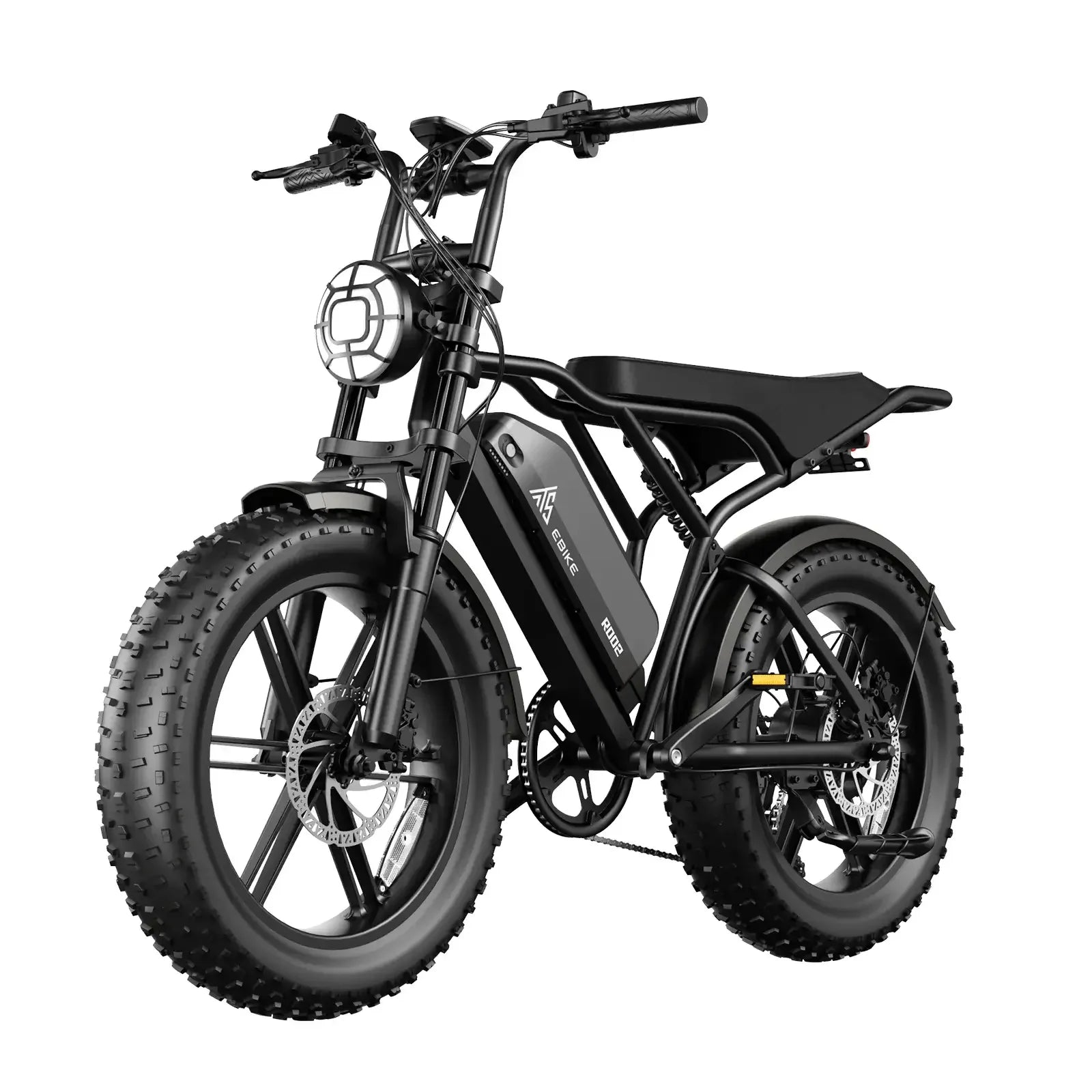
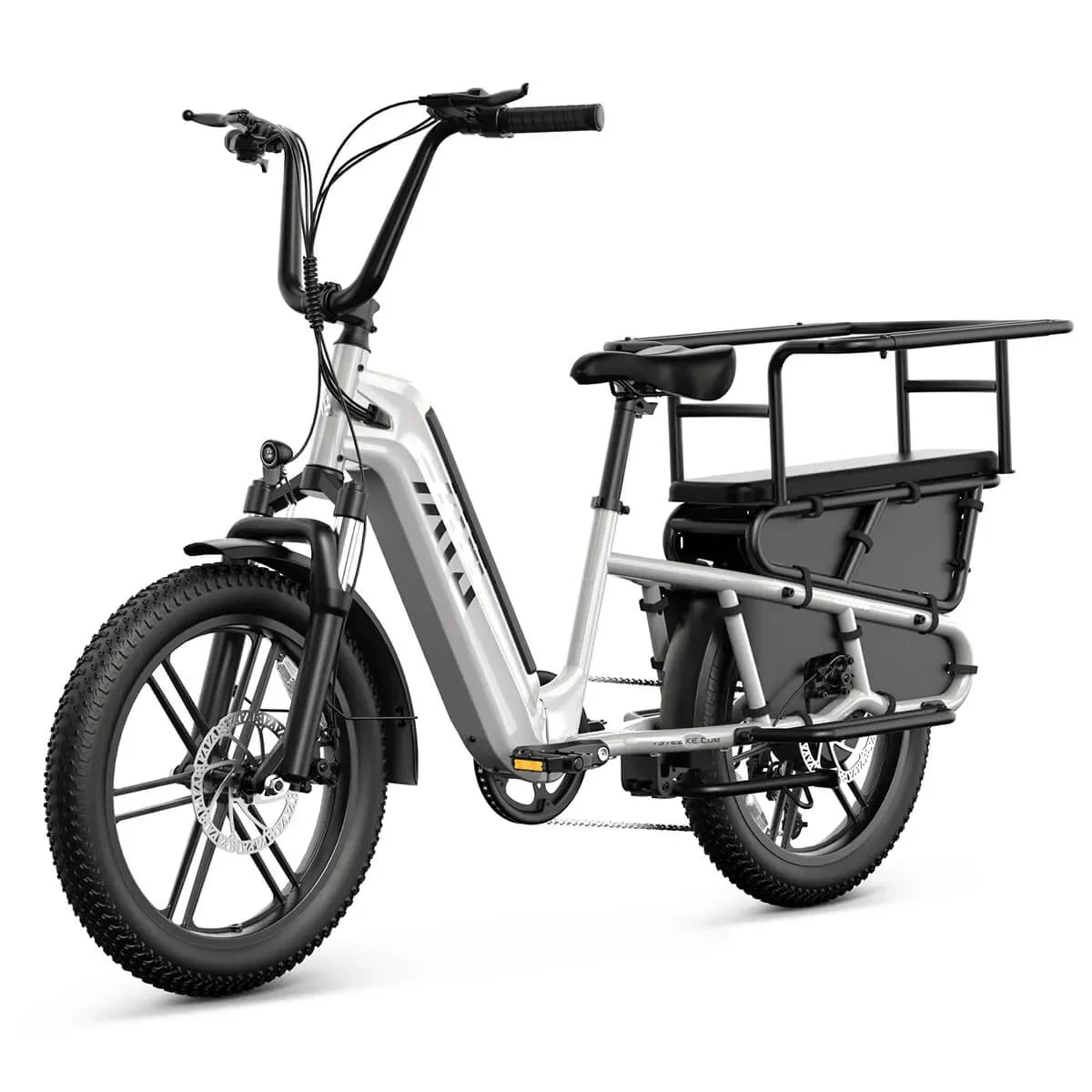
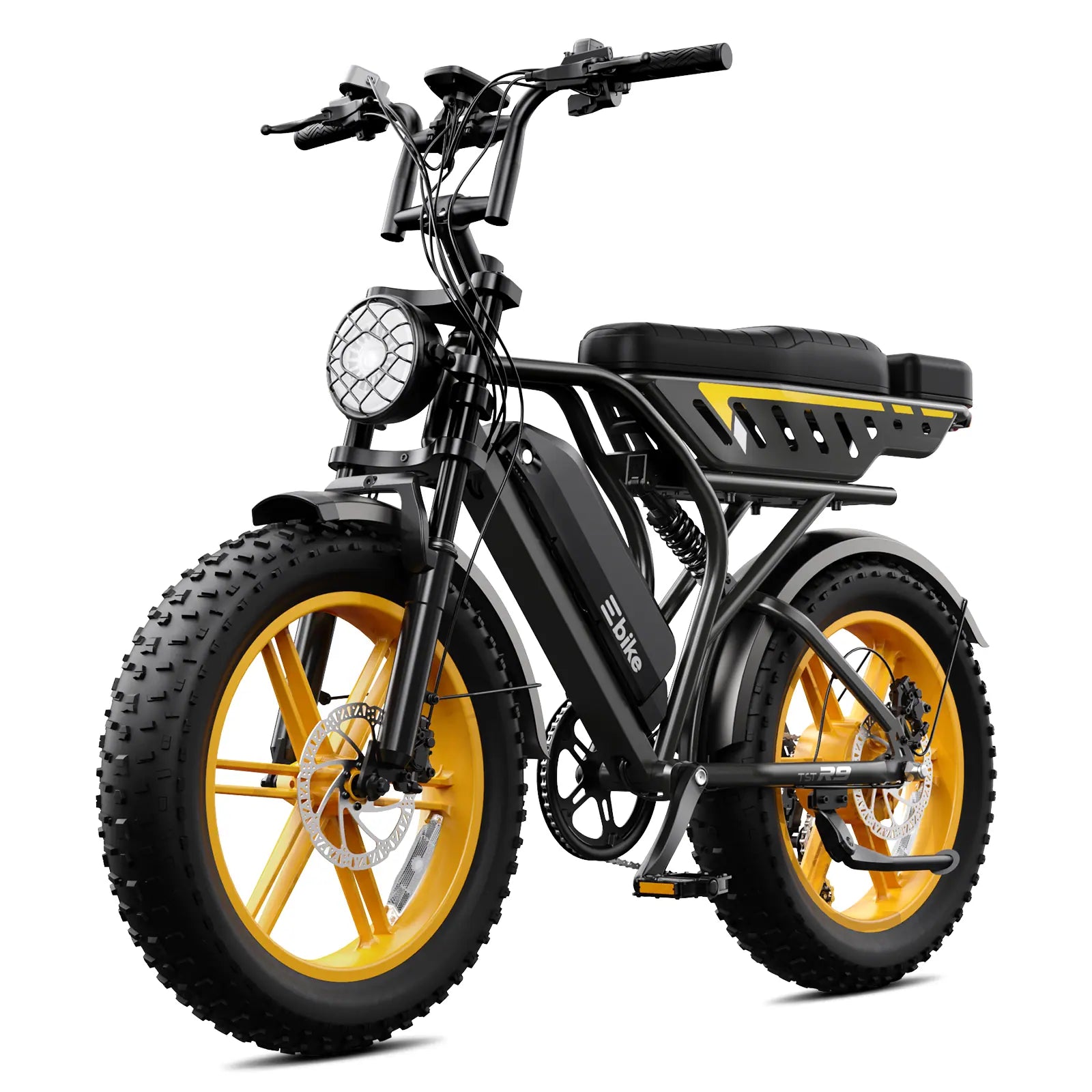
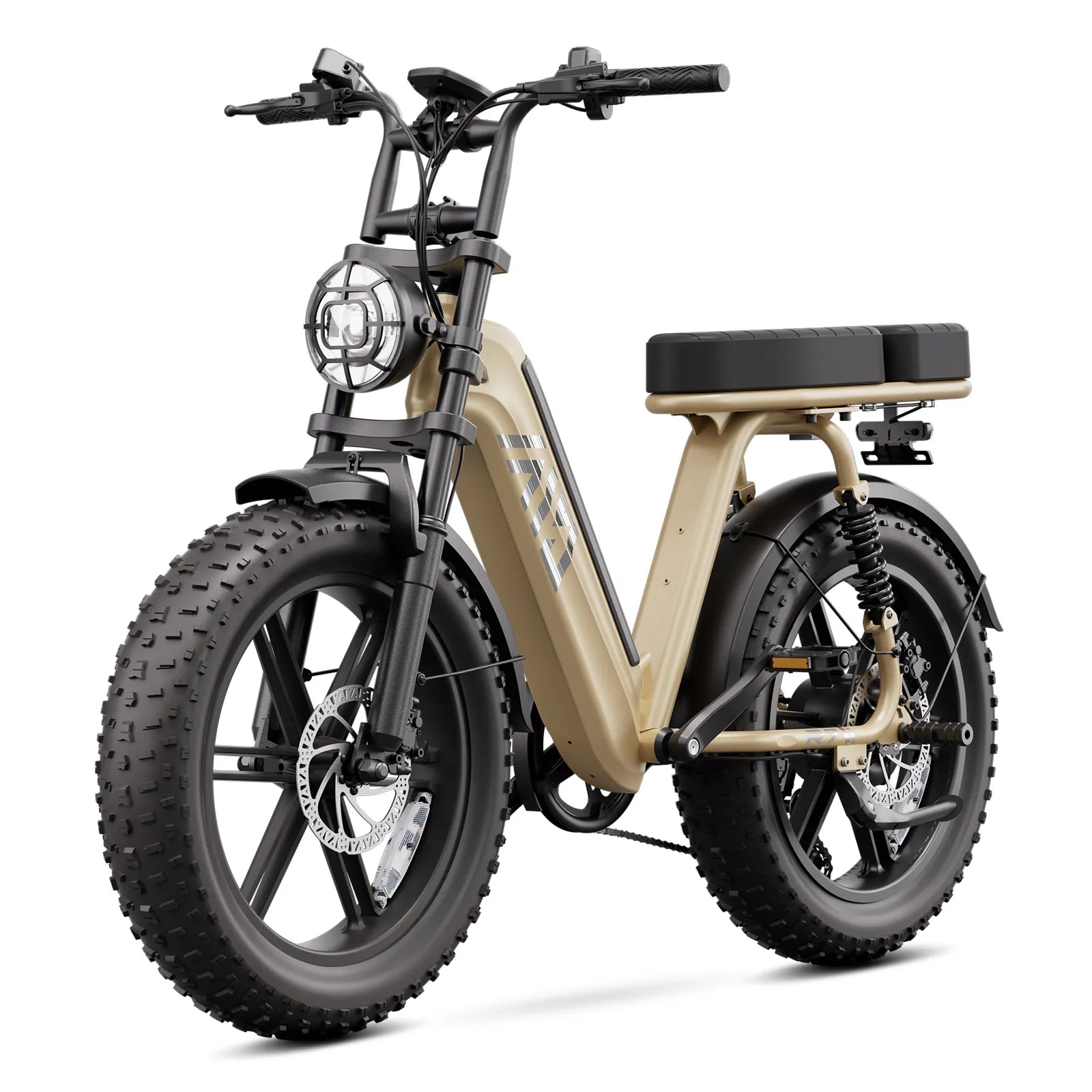
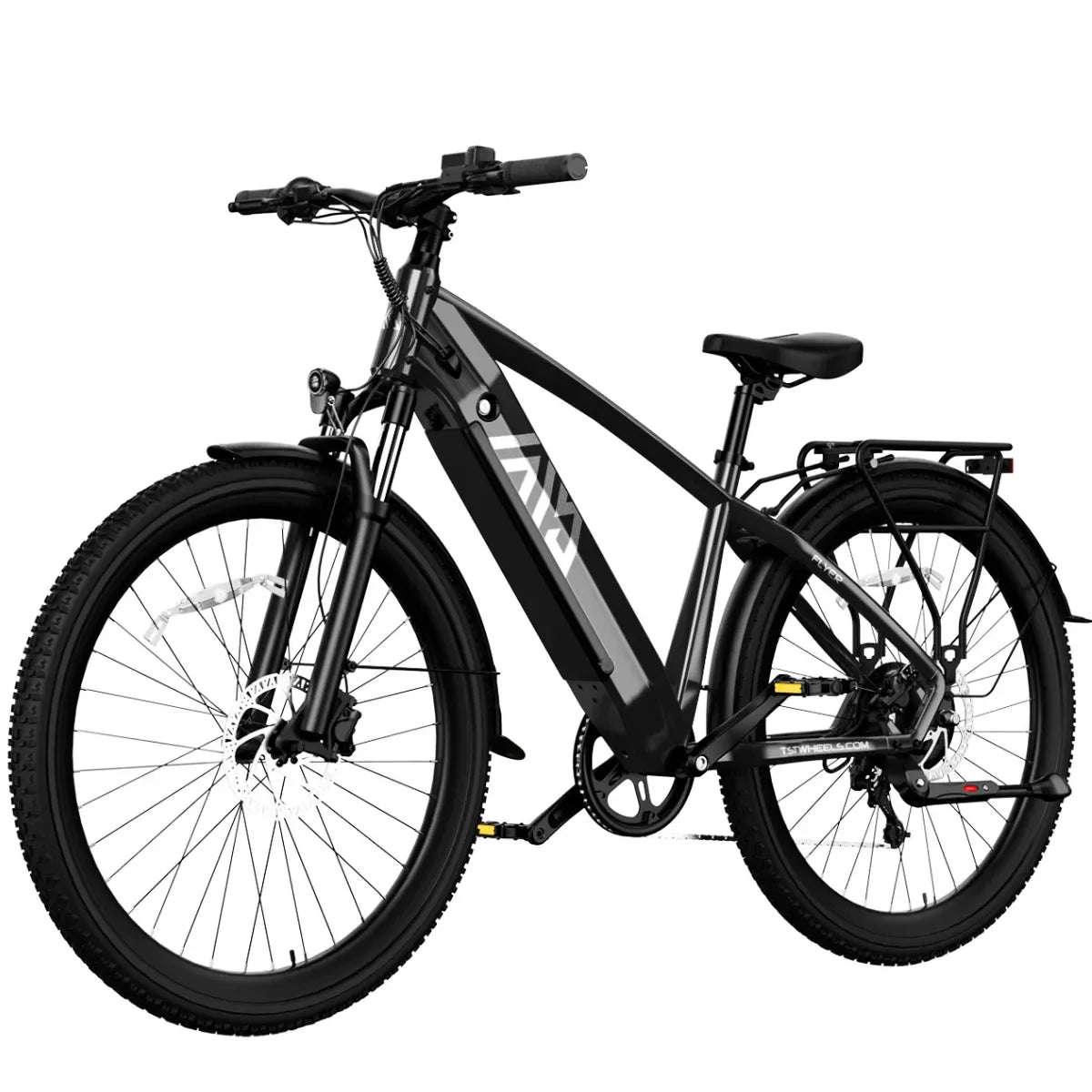
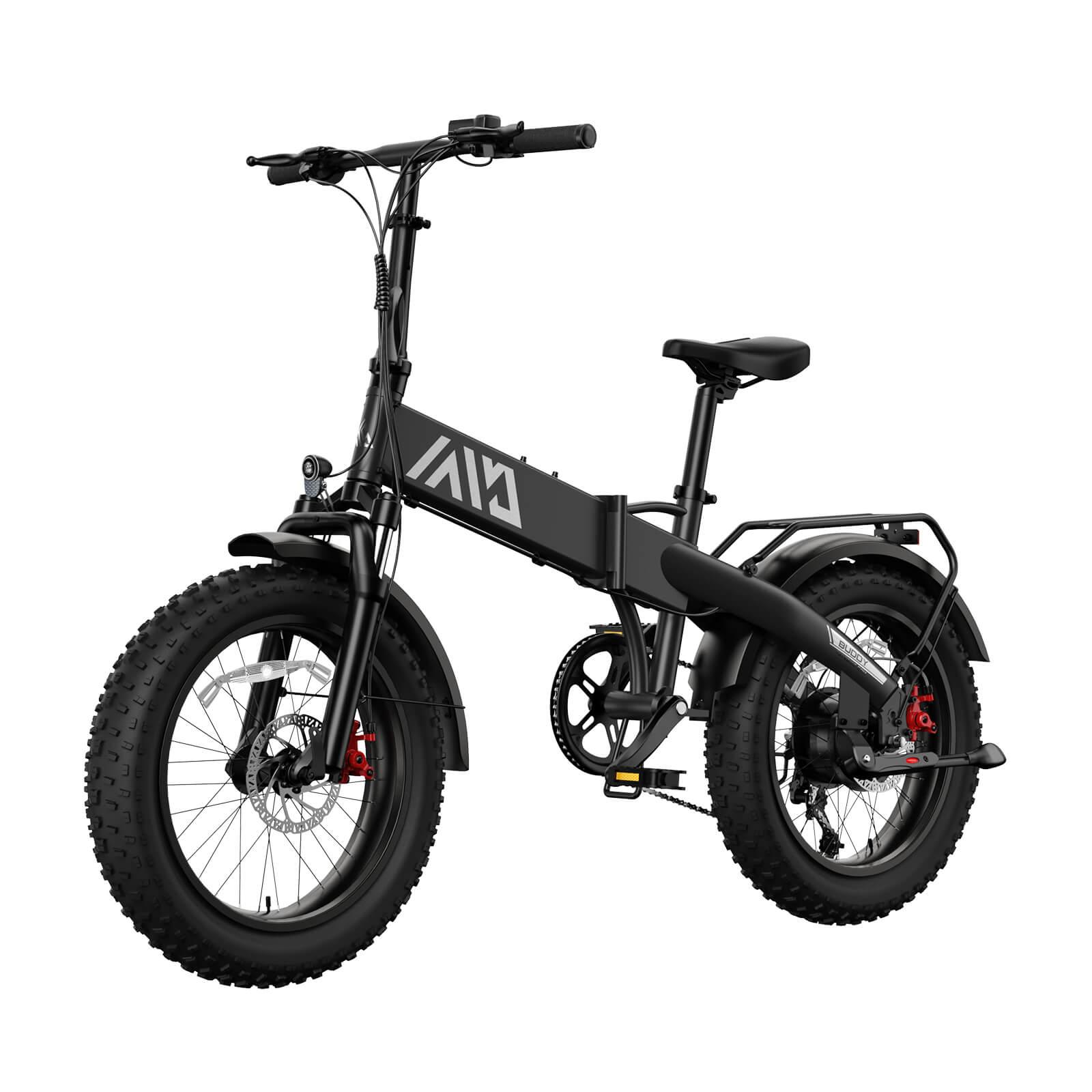
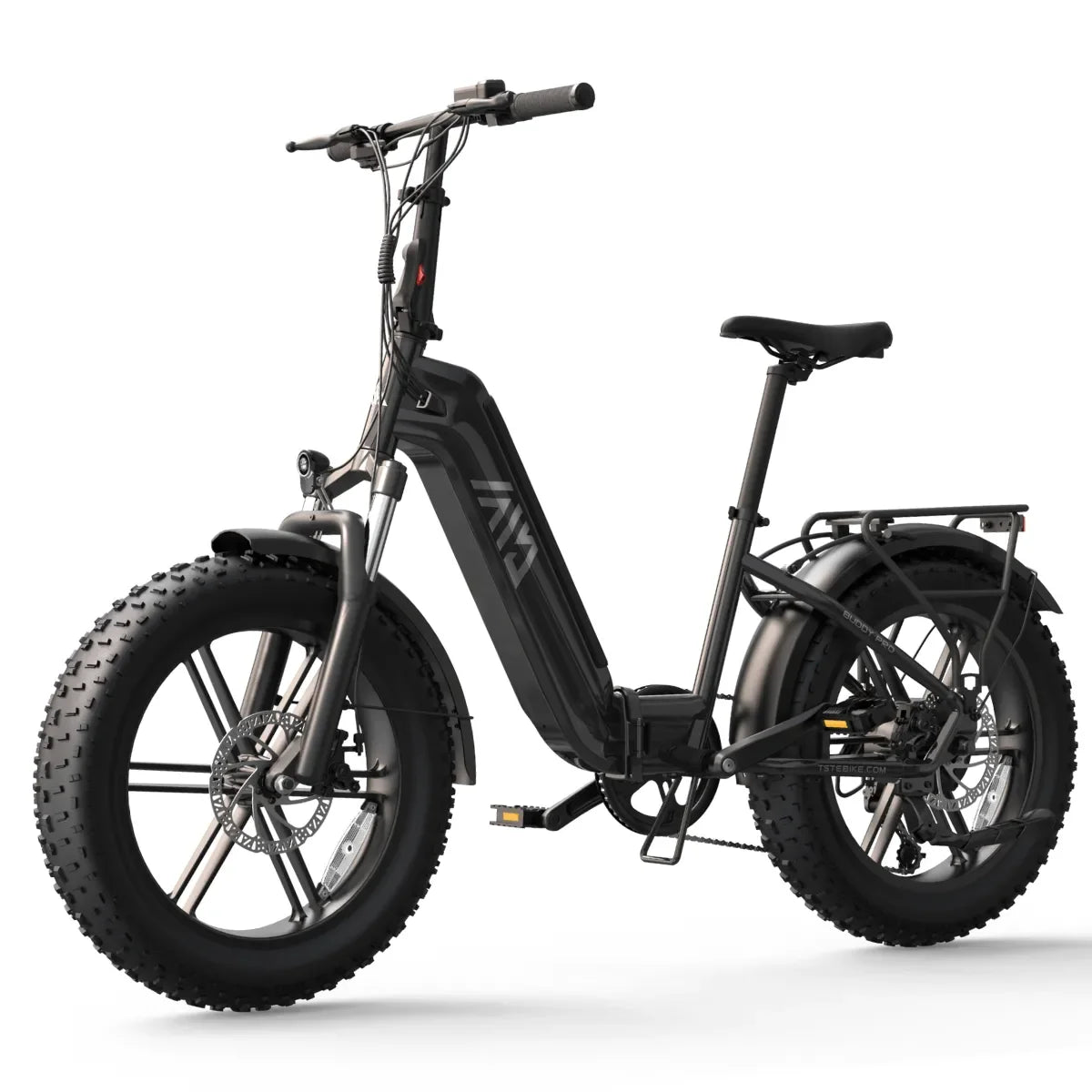
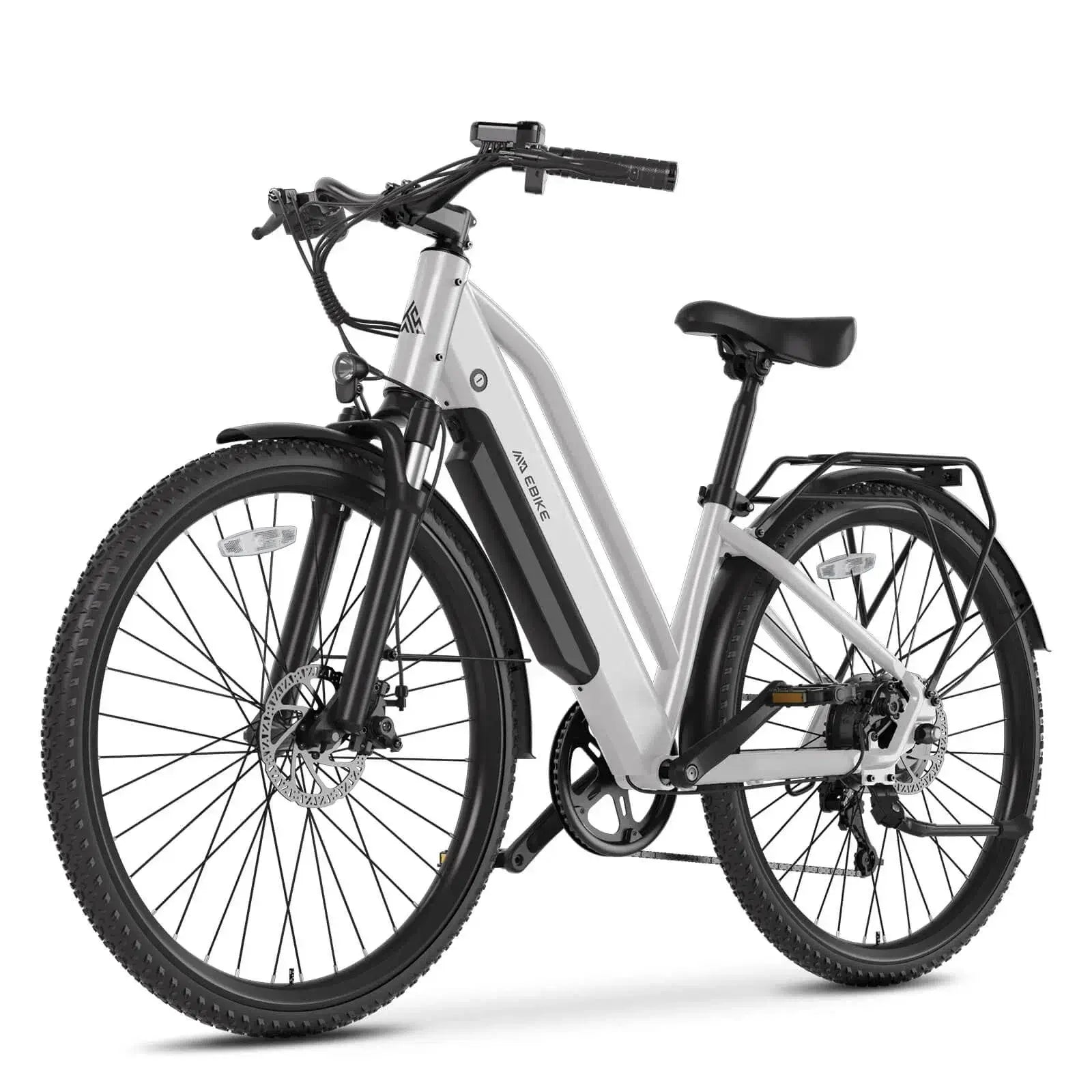

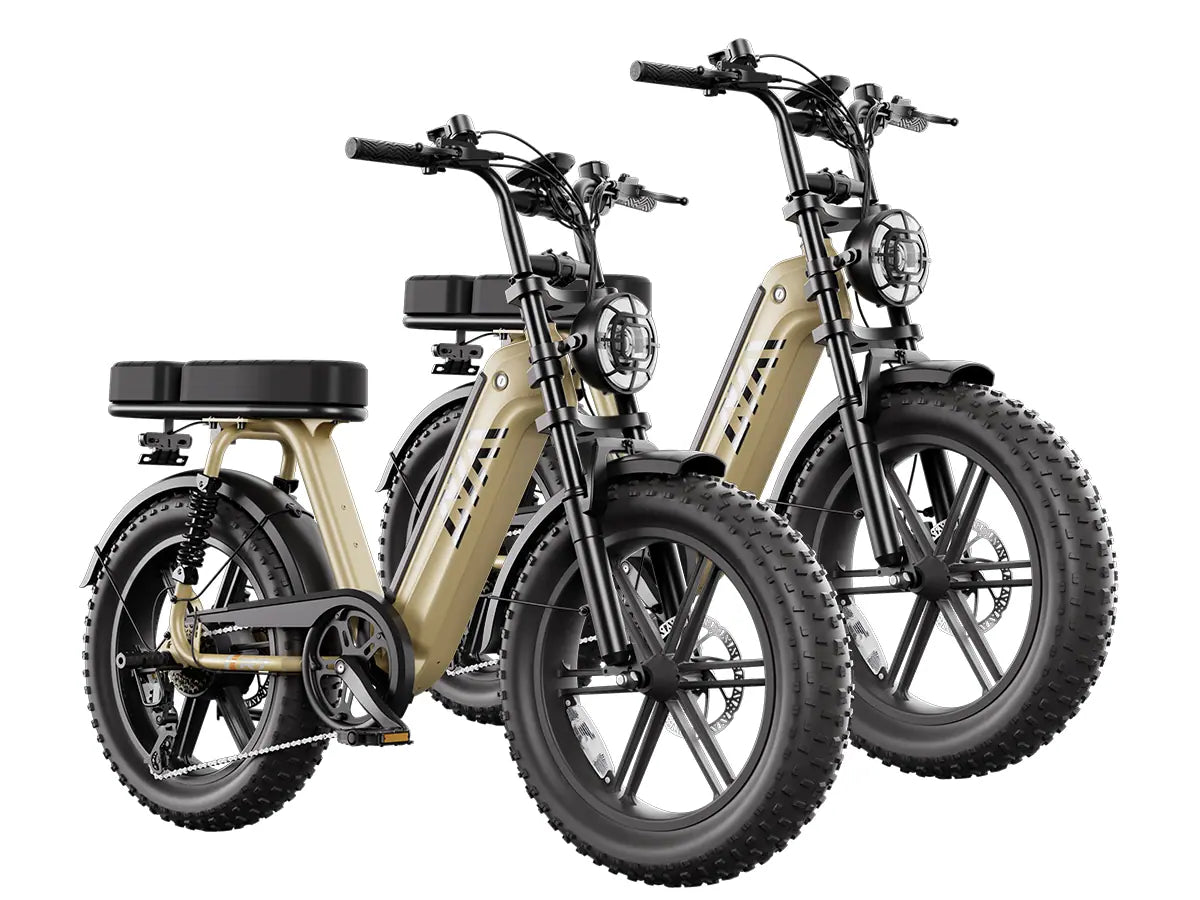
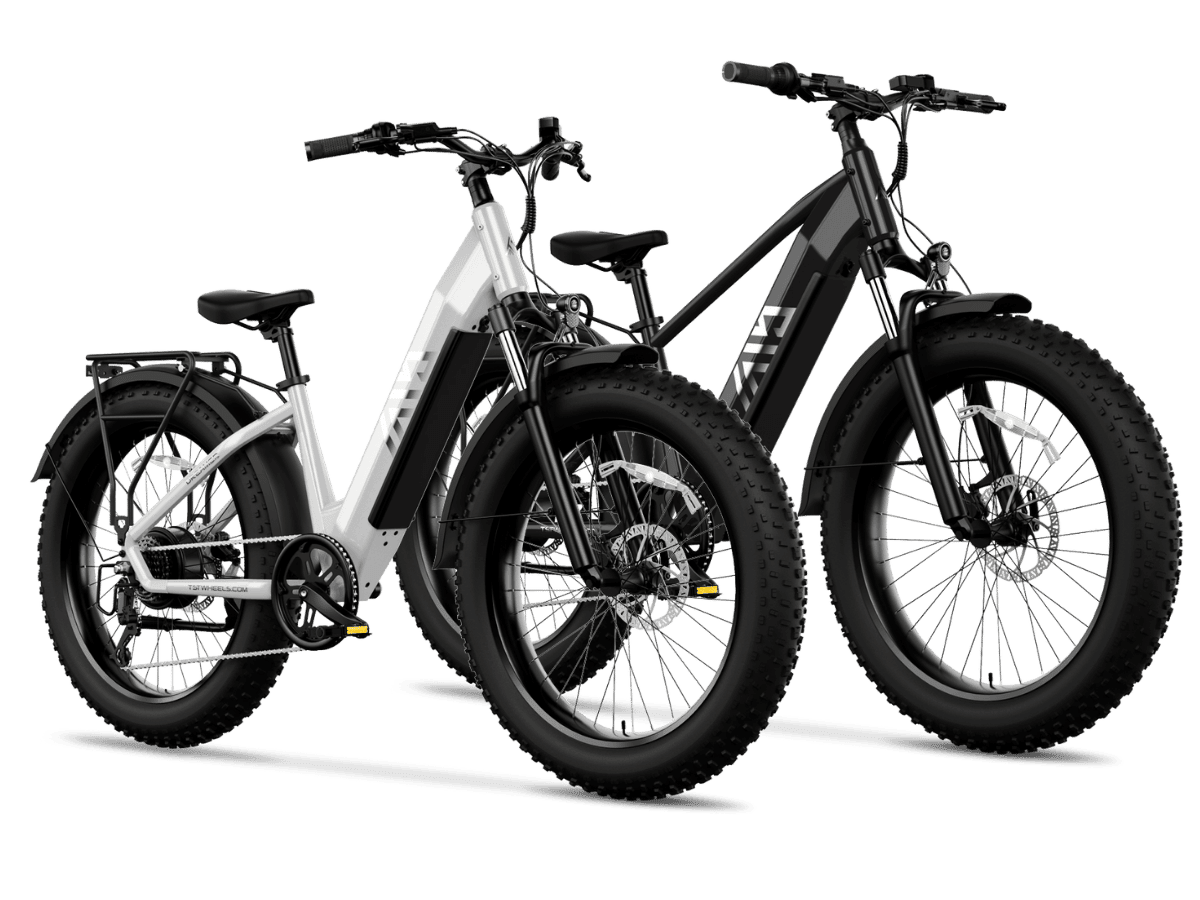
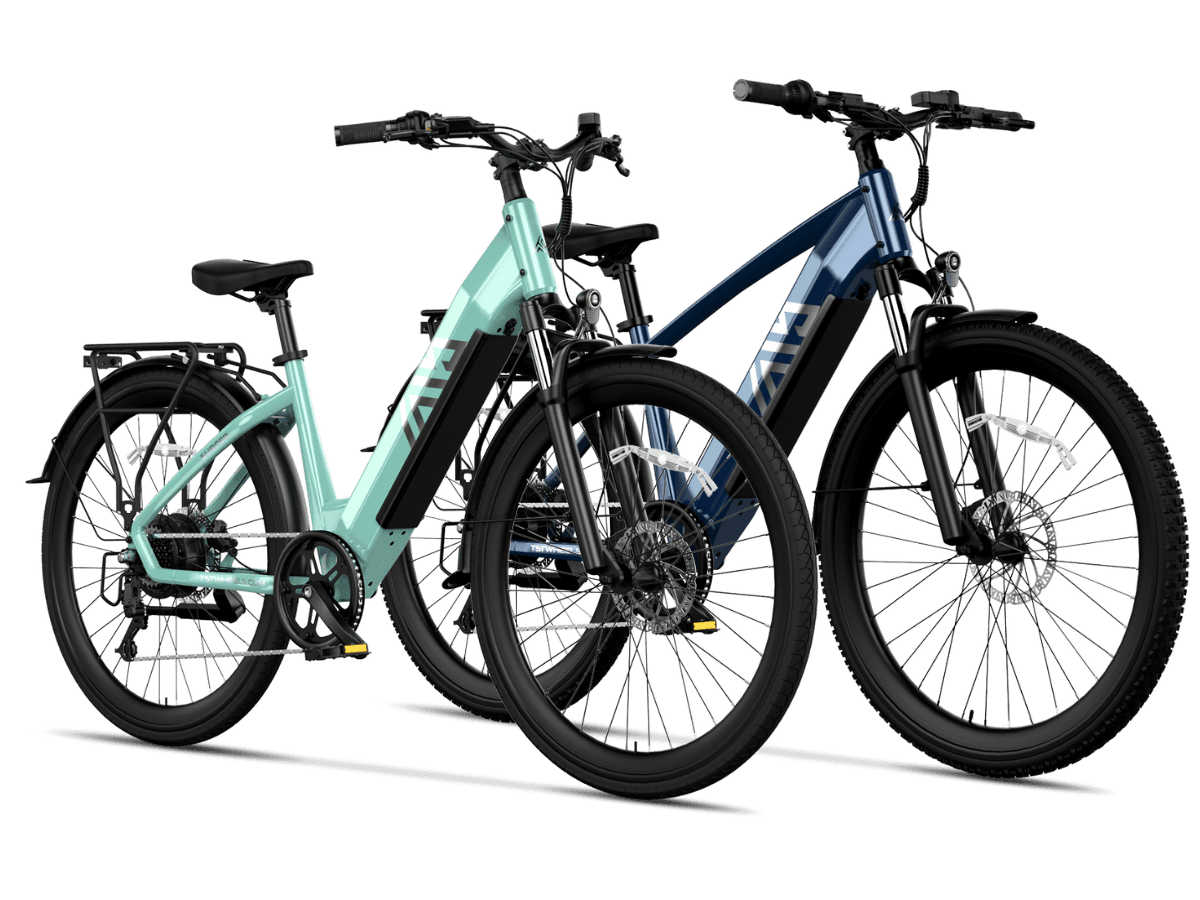
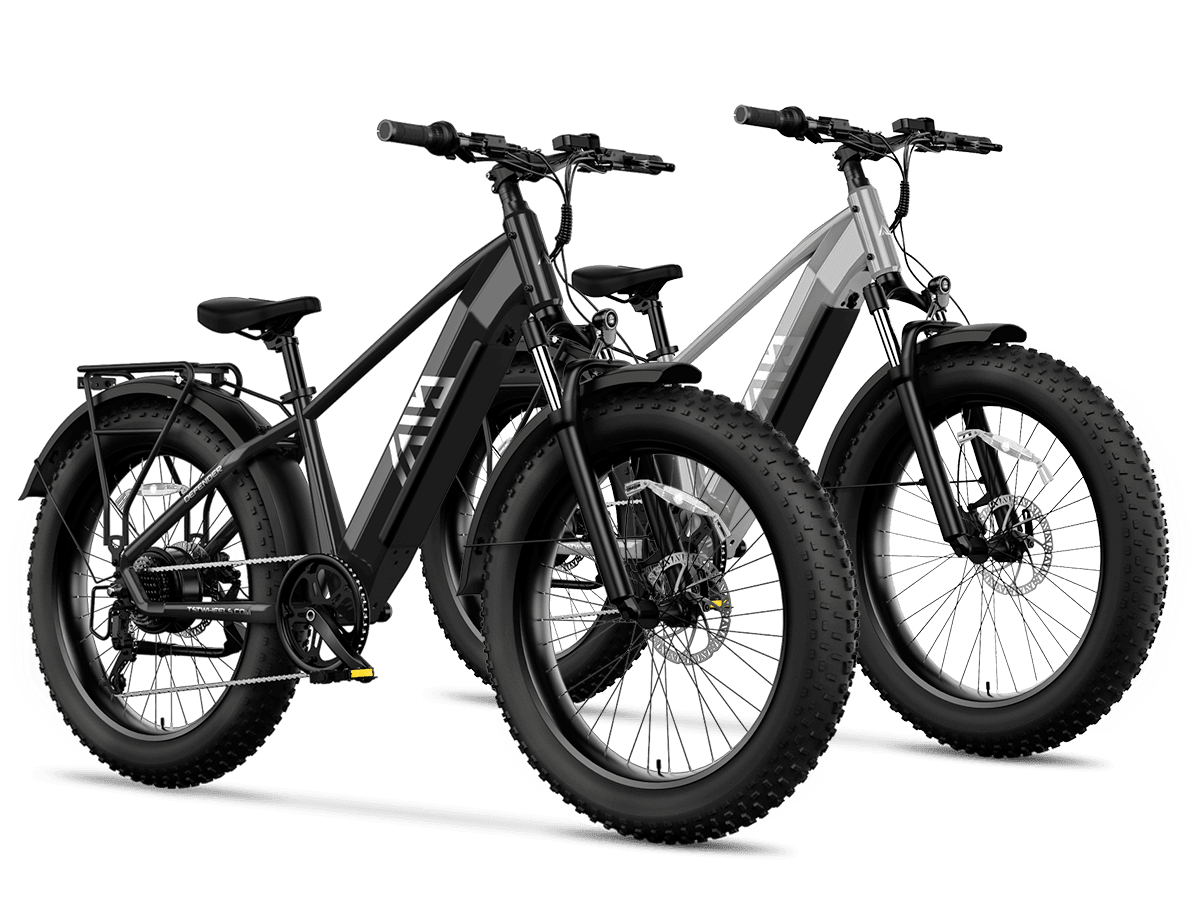
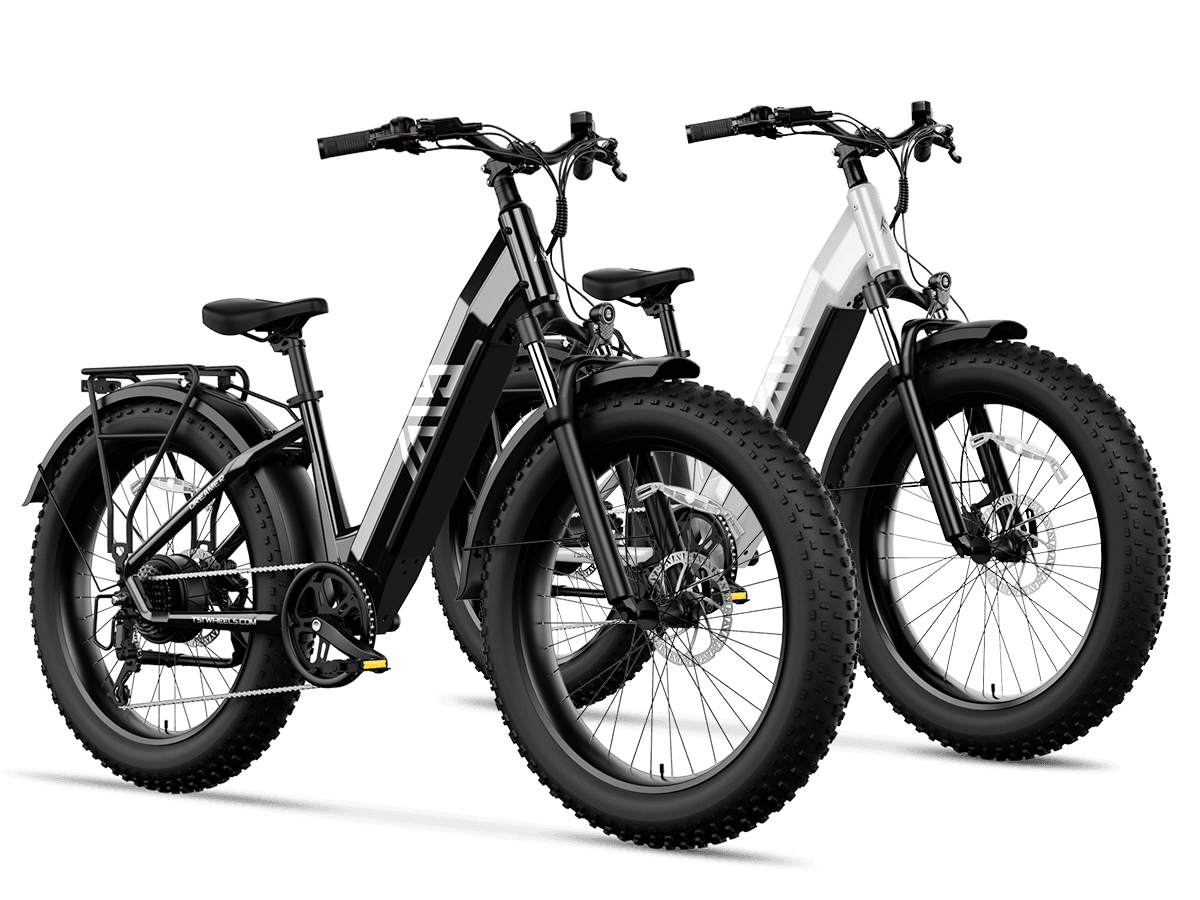
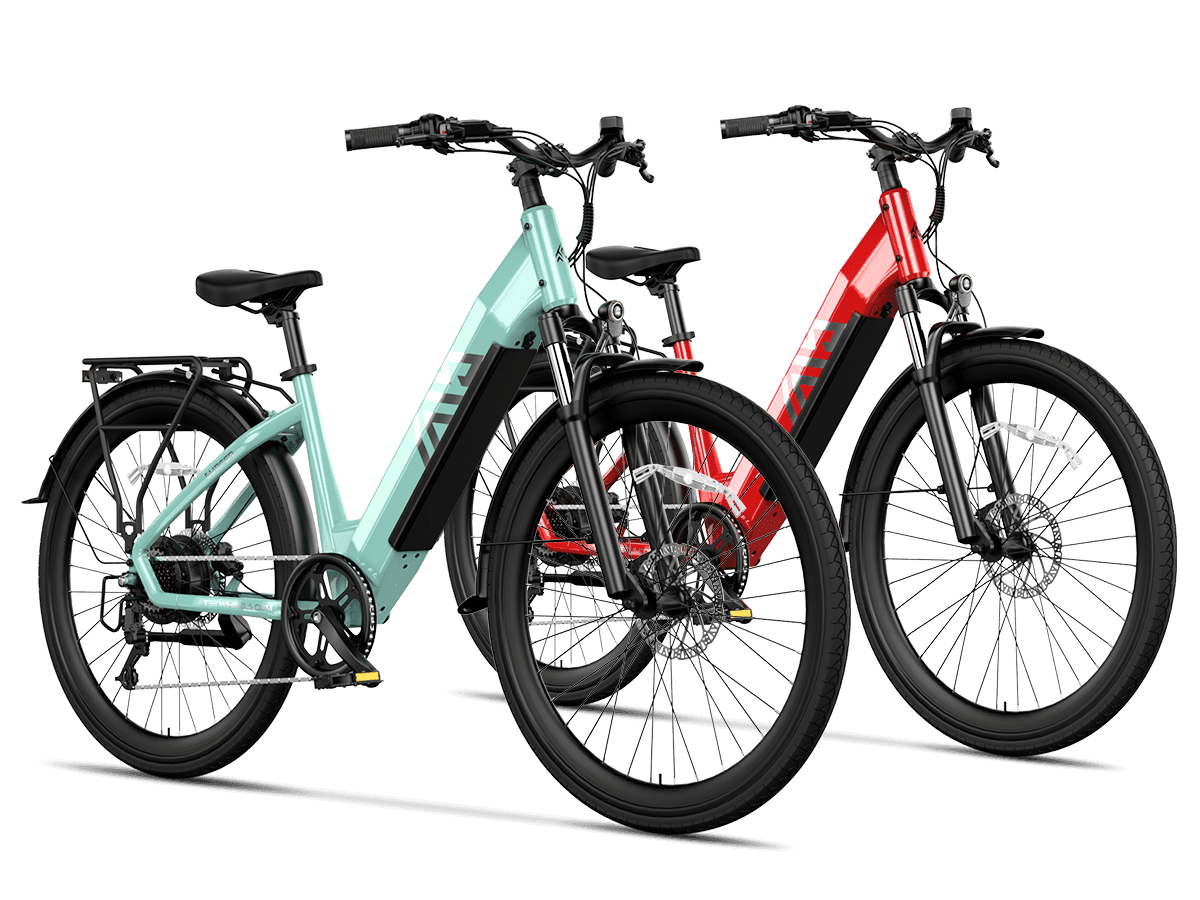
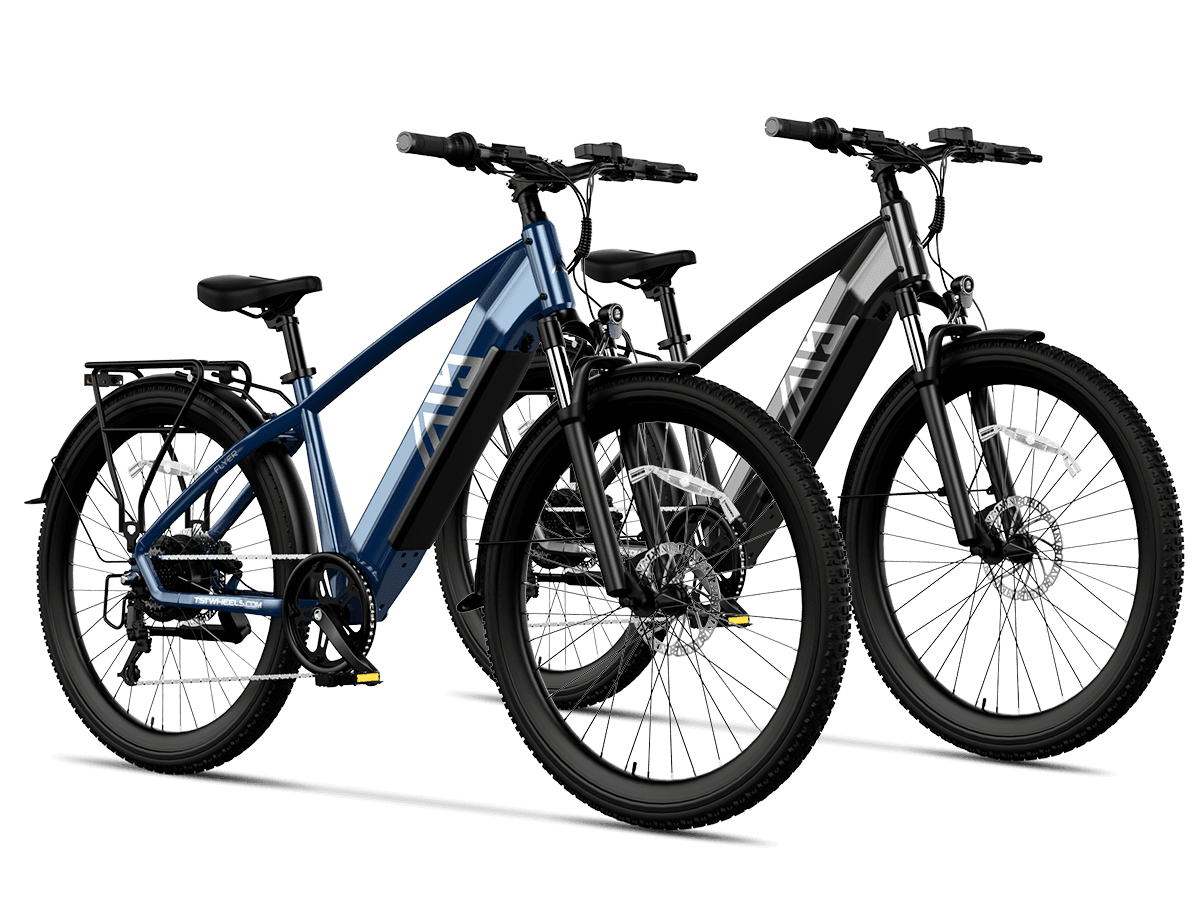
The best electric bike combines performance, battery range, comfort, and reliability to suit a rider’s specific needs. A high-quality e-bike allows daily commuting, off-road adventures, and long-distance rides with minimal effort, while offering eco-friendly transport and reducing reliance on cars. Features like pedal-assist, throttle, durable frames, and wide tires help define the best electric bike for urban and recreational use.
How Do You Define the Best Electric Bike for Your Needs?
The best electric bike depends on the rider's preferences, terrain, and intended use. Commuters may prioritize lightweight frames and longer battery range, while off-road enthusiasts need fat tires, powerful motors, and durable suspension. Identifying your main use case ensures you select a model that balances speed, comfort, and battery life for maximum satisfaction.
What Are the Key Features of the Best Electric Bike?
The best electric bike should include:
- Motor: 250W–750W hub or mid-drive motor for reliable power
- Battery: 48V, 14Ah or higher for extended range
- Frame: Durable aluminum or steel, accommodating rider size
- Brakes: Hydraulic or mechanical disc brakes for safety
- Tires: Options for fat, hybrid, or road tires depending on terrain
- Accessories: Fenders, racks, lights, and digital displays for convenience
Chart Title: Key Features of the Best Electric Bike
| Feature | Typical Specification | Benefit |
|---|---|---|
| Motor | 250–750W hub/mid-drive | Efficient power on hills |
| Battery | 48V 14Ah Li-ion | 50–90 mile range |
| Frame | Aluminum/Steel alloy | Lightweight yet durable |
| Brakes | Hydraulic disc | Reliable stopping power |
| Tires | 26"–27.5" fat or hybrid | Grip on multiple terrains |
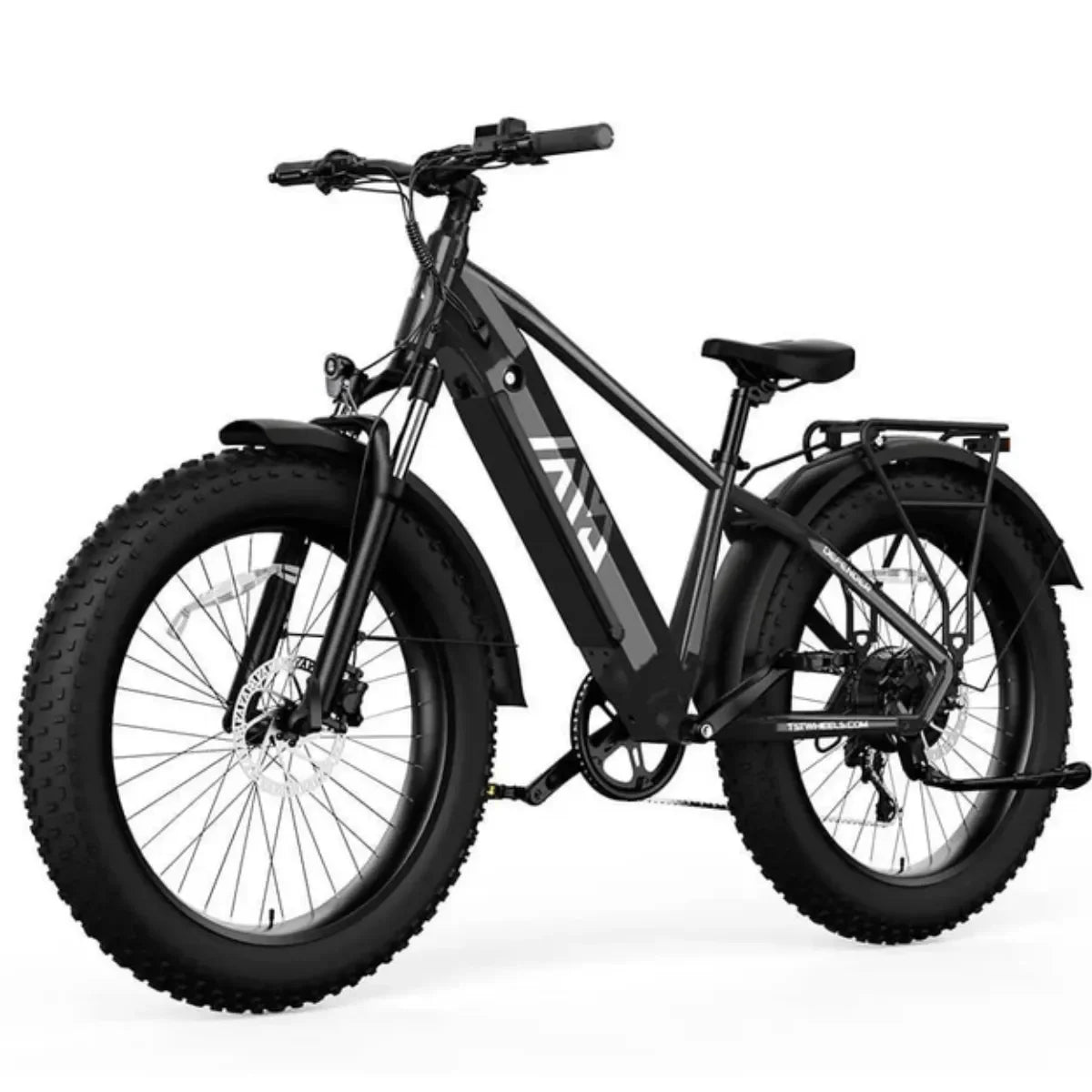
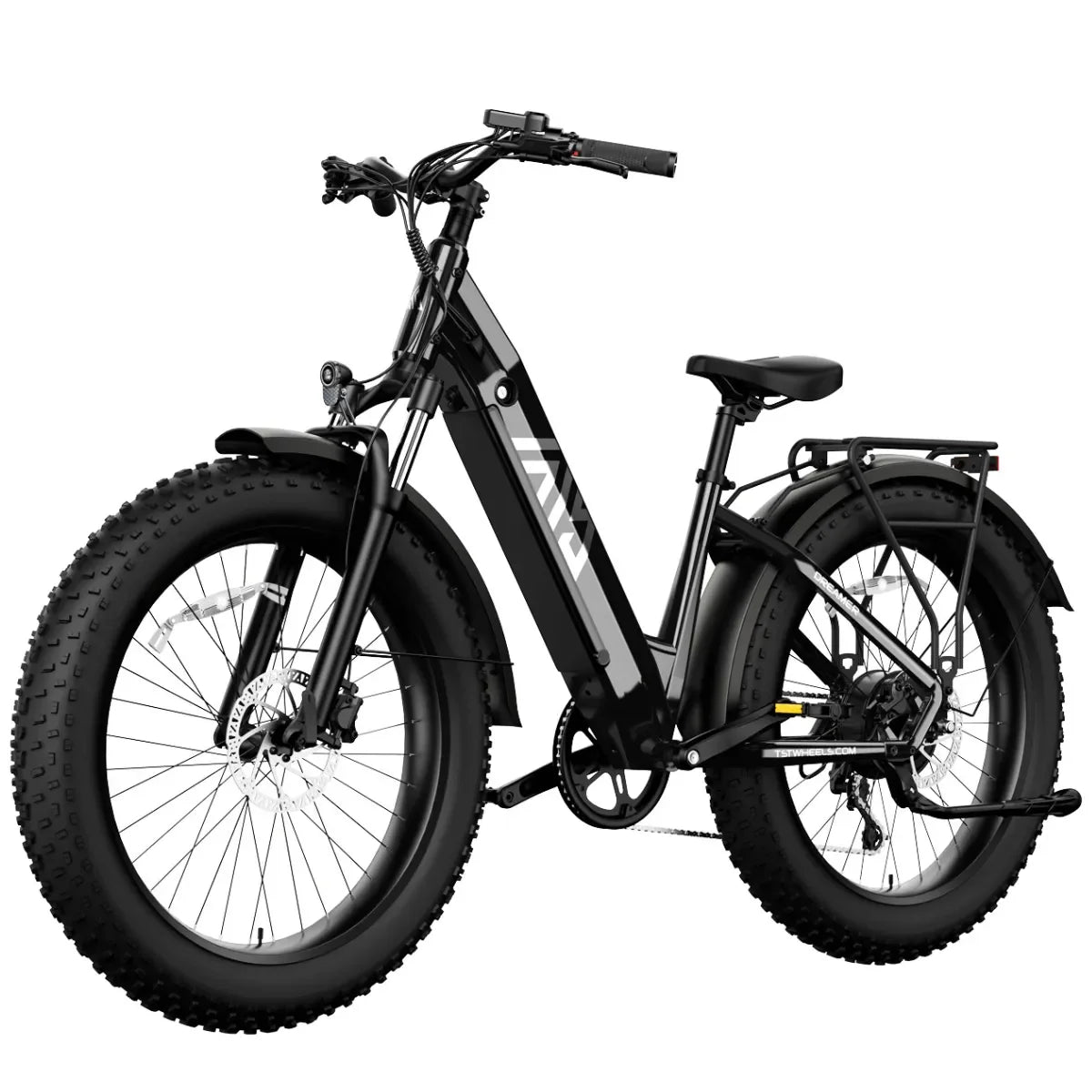
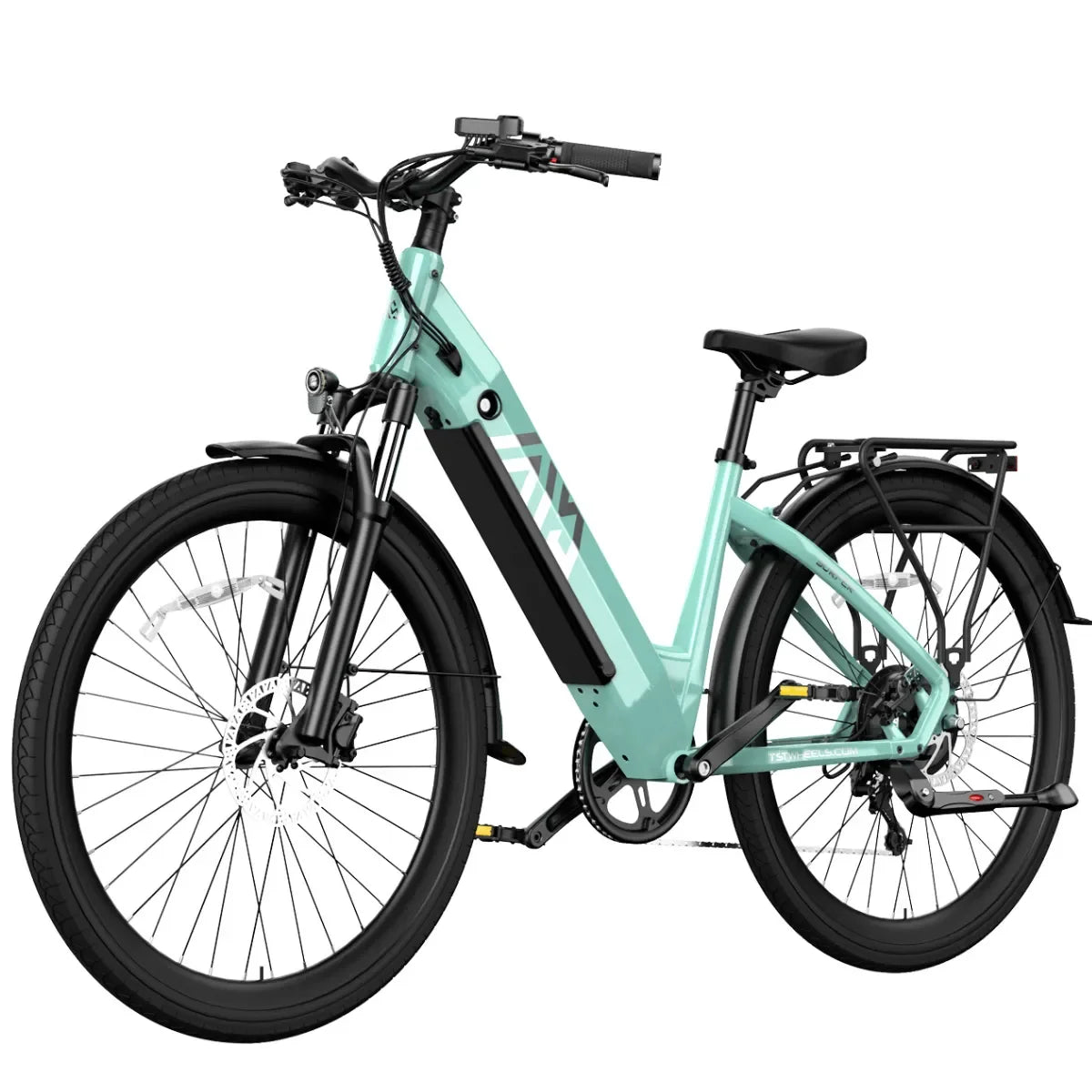
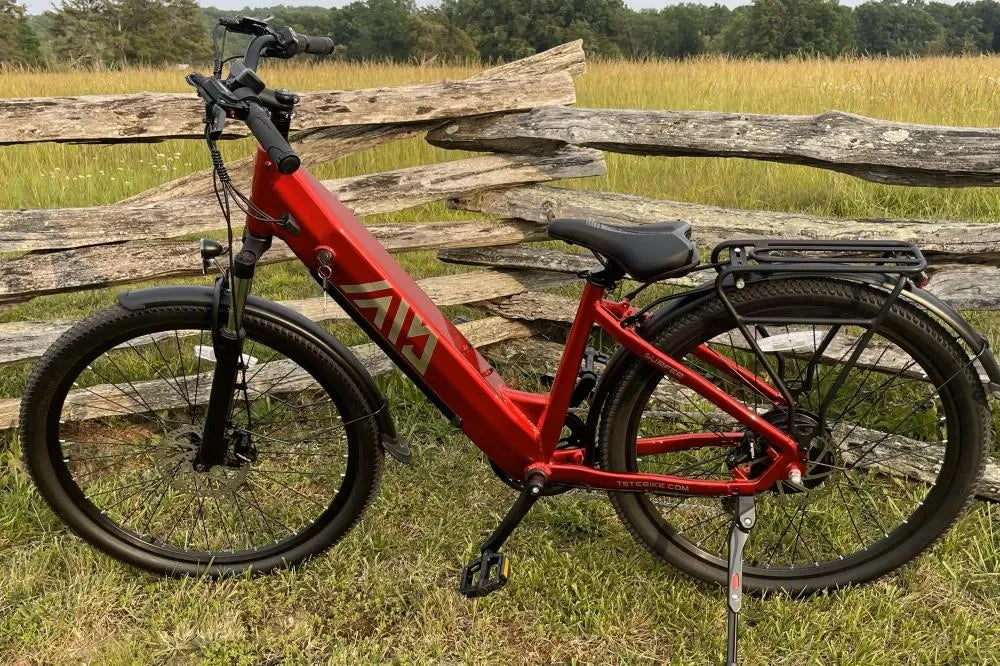
Elctric bikes, like those from TST EBike, combine a motor, battery, and sturdy frame to create a smooth and efficient ride. The motor gives extra push—especially useful on hills—while the battery powers the system for long distances, often lasting between 50 and 90 miles. The frame is made of tough materials such as aluminum or steel, designed to stay strong yet light. For safety, the brakes ensure quick stops, and the tires are chosen based on where you ride—fat tires for rough paths or slimmer ones for city streets.
The best electric bikes don’t just focus on power; they also add practical features like lights, racks, and digital screens for comfort and convenience. TST EBike considers real rider needs when designing their bikes, providing affordable, high-quality models that can handle both adventurous trails and everyday commutes. Altogether, these features make electric biking a smarter, greener way to travel.
Which Types of Electric Bikes Are Considered the Best?
The best electric bike can vary by style:
- Commuter e-bikes: Designed for city streets, efficiency, and comfort
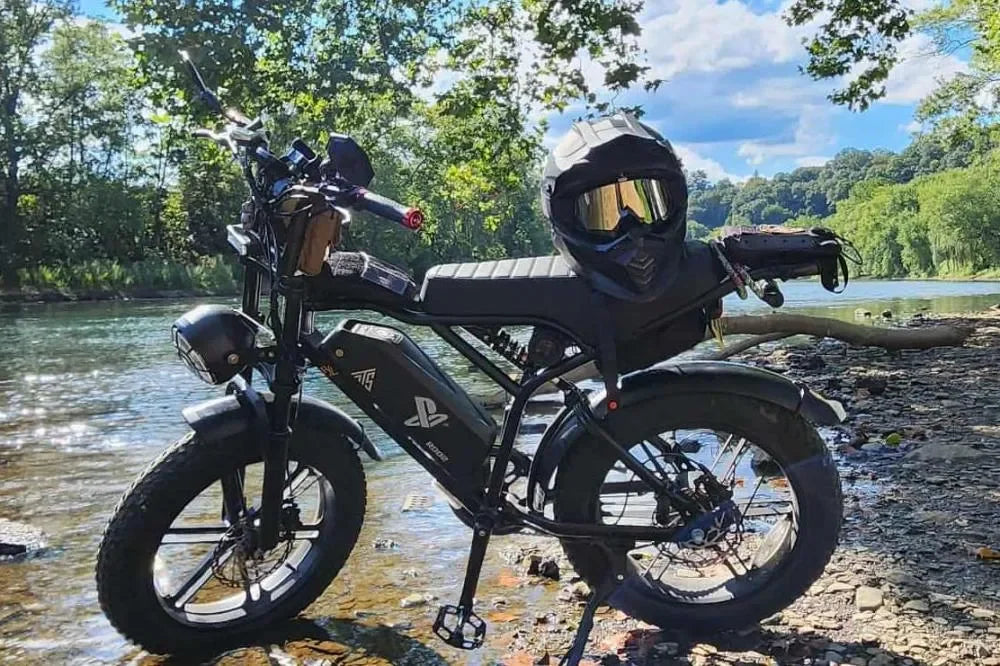
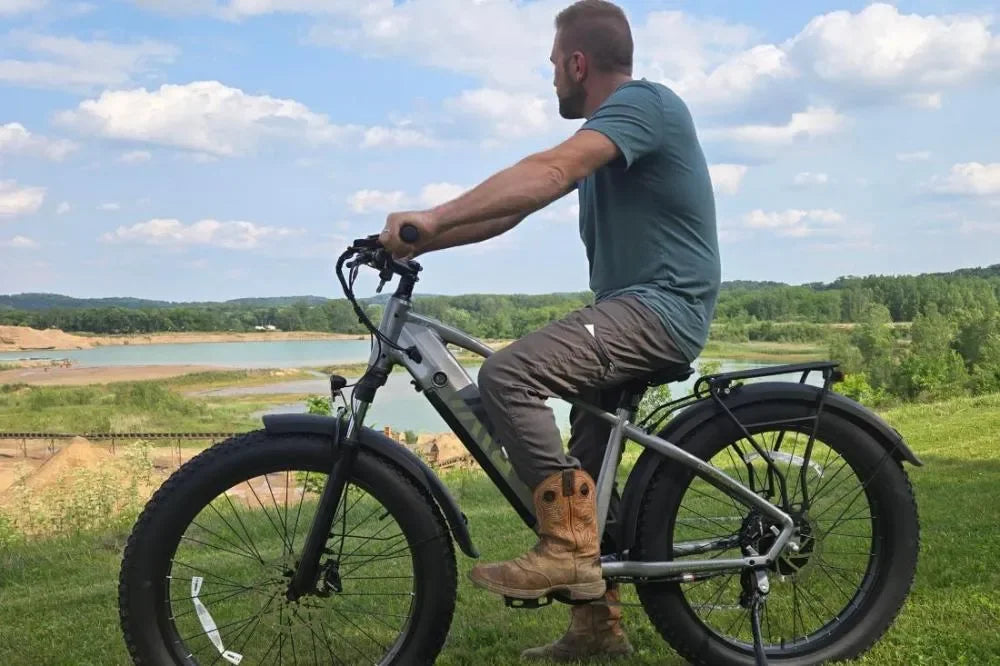
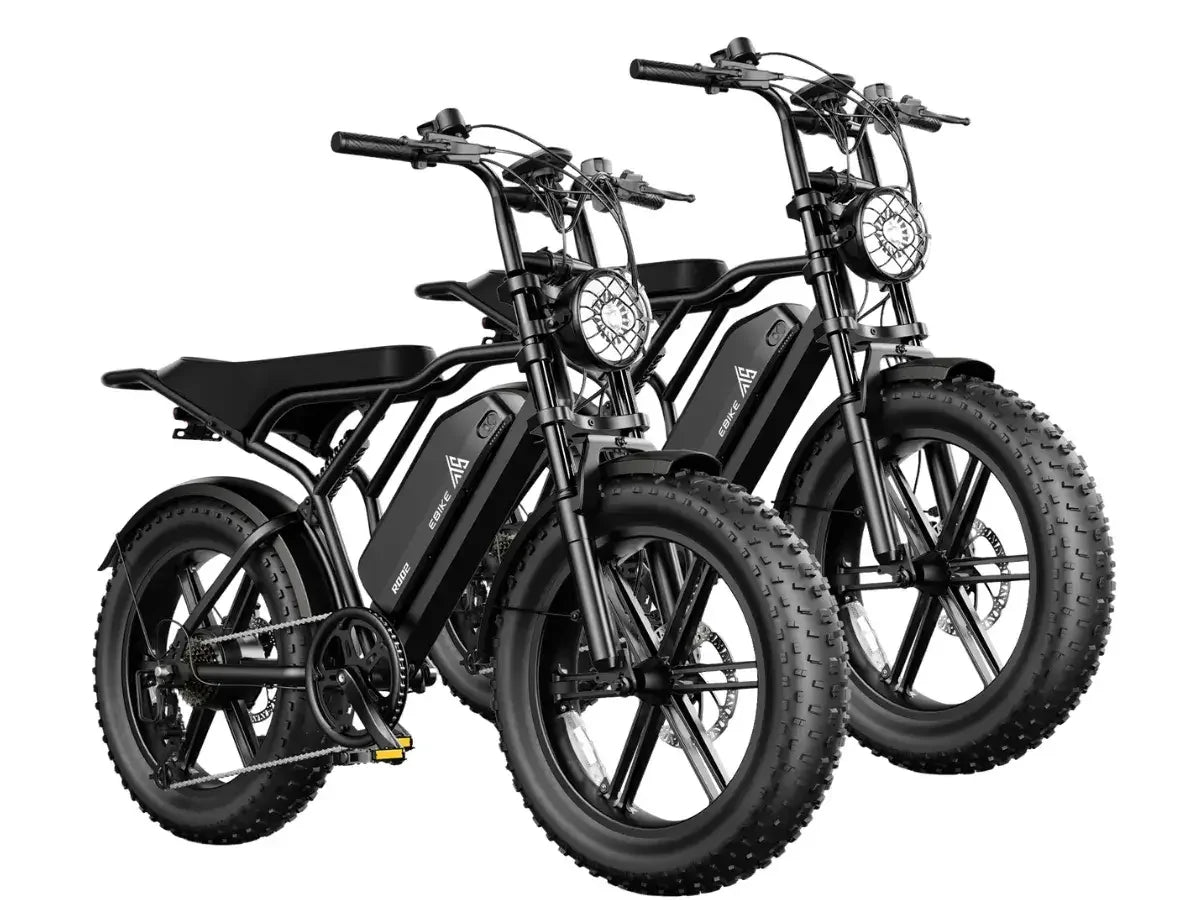
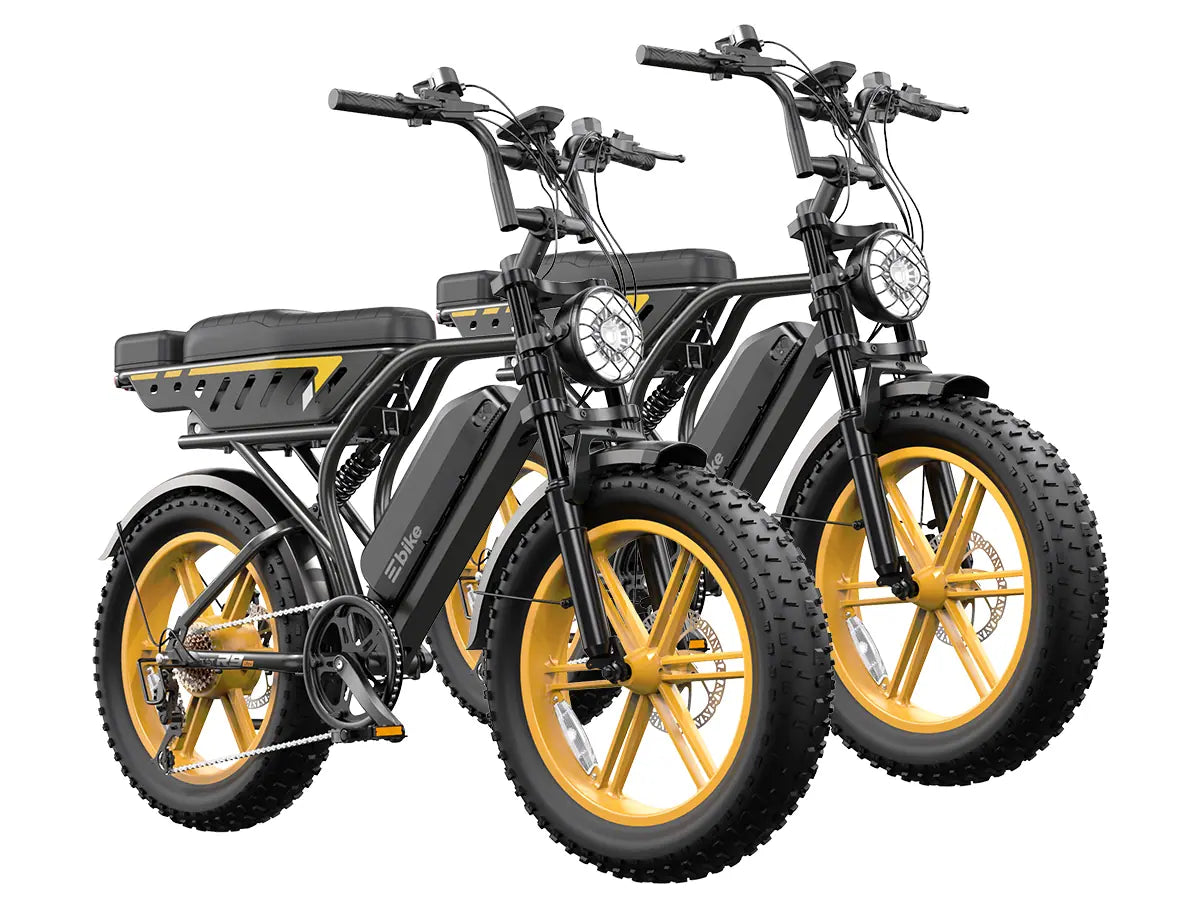
- Fat tire e-bikes: Ideal for off-road trails, sand, and snow
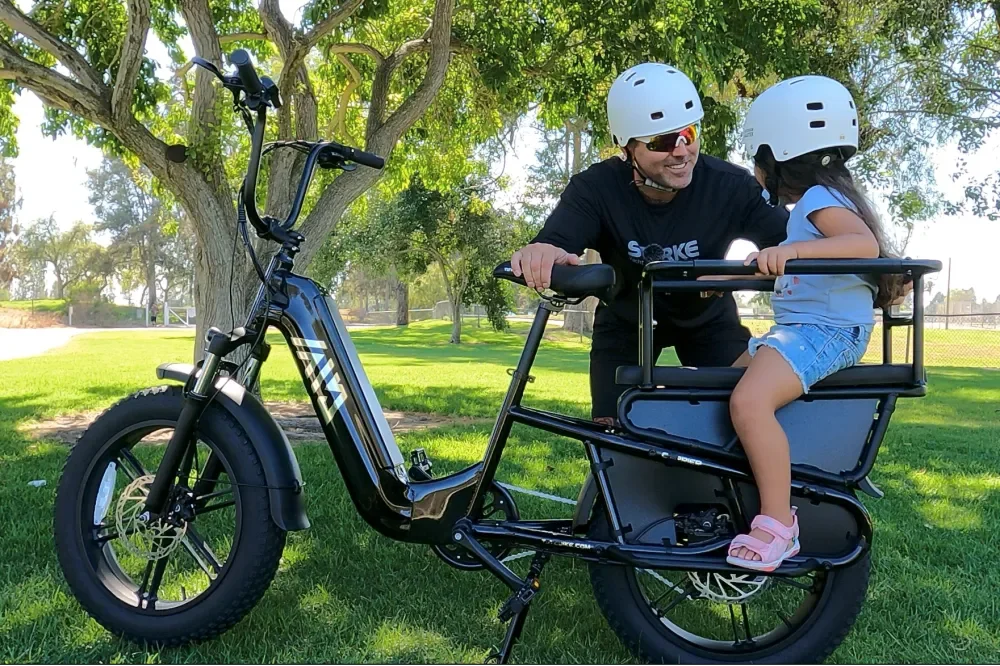
- Cargo e-bikes: Excellent for transporting goods or children
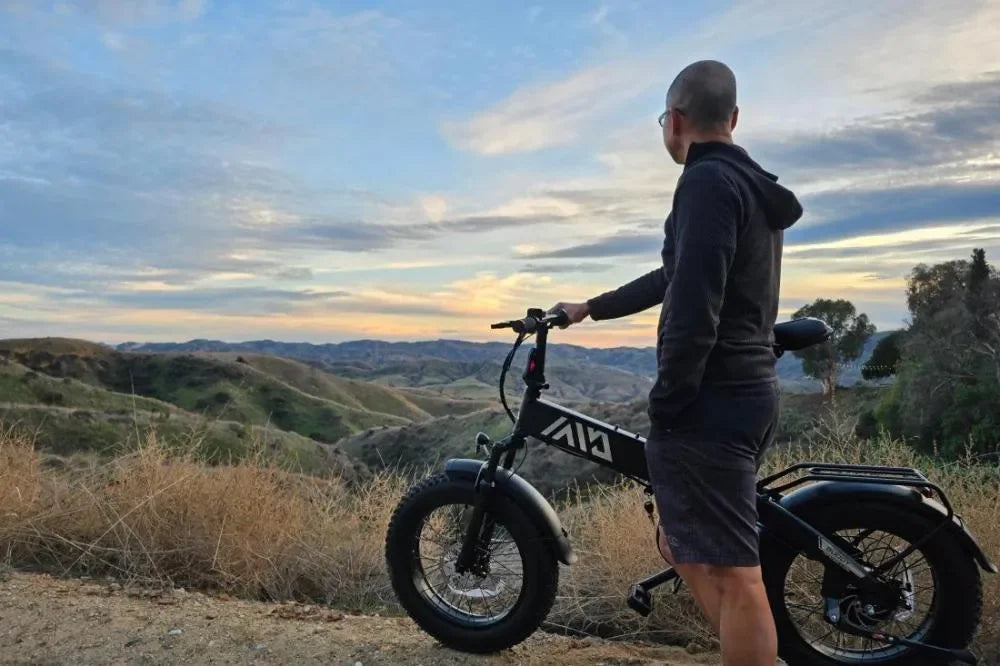
- Folding e-bikes: Compact and portable for urban riders
Different kinds of electric bikes are designed for different needs, so the “best” choice depends on how you plan to ride. For everyday city travel, commuter e-bikes offer comfort and efficiency on smooth roads. Fat tire e-bikes work better for rough paths, sand, or snow since their wide tires provide better balance and grip. Cargo e-bikes are excellent for carrying groceries, pets, or kids, while folding e-bikes suit city riders who want something light and compact for easy storage or transport.
Brands such as TST EBike design models that fit each lifestyle—from sturdy off-road bikes to sleek city commuters. Choosing the right type helps you save energy, travel comfortably, and enjoy the ride no matter your route. TST EBike focuses on giving riders high-quality, versatile designs so everyone can find an e-bike that matches their daily needs and adventures.
Selecting a type that aligns with your lifestyle ensures you get the best electric bike for both daily use and recreational adventures.
Why Is Battery and Range Important for the Best Electric Bike?
Battery capacity and range are critical factors in defining the best electric bike. A higher-capacity battery, such as 48V 14Ah, enables long commutes or extended off-road rides without needing frequent recharges. Efficient motors combined with pedal-assist technology optimize energy usage, while lightweight frames further extend range and improve handling.
Chart Title: Battery Range Comparison
| Battery Type | Voltage & Ah | Typical Range (miles) |
|---|---|---|
| Standard Li-ion | 48V 10Ah | 30–50 |
| High-capacity | 48V 14Ah | 50–90 |
| Extended Range | 52V 17Ah | 70–110 |
How Does Motor Power Affect the Best Electric Bike?
Motor power determines the bike’s ability to handle inclines, headwinds, and heavy loads. A 500W–750W motor provides robust torque for climbing hills and carrying cargo, while smaller 250W motors are ideal for flat urban environments. The combination of motor power and pedal-assist modes defines the responsiveness and overall performance of the best electric bike.
What Comfort Features Should You Look For in the Best Electric Bike?
Comfort features contribute to an enjoyable ride, including:
- Adjustable seats and handlebars for ergonomic posture
- Suspension forks or seat posts to absorb shocks
- Wide tires for stability on diverse surfaces
- Integrated accessories like racks, fenders, and lights
Prioritizing comfort ensures long rides remain enjoyable, making a high-performance electric bike practical for everyday use.
Buying Tips
When purchasing the best electric bike, consider the following:
- Identify Your Riding Style: Commuting, off-road, cargo, or casual rides
- Check Motor and Battery Specs: Ensure power and range match your routes
- Inspect Frame and Components: Durability and comfort matter
- Test Ride: Assess handling, braking, and ride feel before buying
- Consider Warranty and Support: Reliable after-sales service is essential
These factors help ensure your purchase aligns with lifestyle needs and provides long-term value.
TST EBike Expert Views
“The best electric bike is a combination of battery efficiency, motor performance, and rider comfort. At TST EBike, we prioritize user feedback to design high-power, reliable e-bikes that are affordable yet high-quality. Our models, with 26-inch and 27-inch options, cater to both urban commuters and outdoor enthusiasts, making daily rides more sustainable and enjoyable.”
FAQ
Q1: What is the typical range of the best electric bike?
A1: Most high-quality e-bikes offer 50–90 miles per charge, depending on terrain, rider weight, and pedal-assist usage.
Q2: How fast can the best electric bike go?
A2: Class III e-bikes can reach up to 28 MPH on pedal assist and around 20 MPH on throttle-only mode.
Q3: Can the best electric bike handle hills and rough terrain?
A3: Yes, motors of 500–750W, paired with wide tires and pedal assist, allow smooth climbing and stability on uneven surfaces.
Q4: Are electric bikes expensive to maintain?
A4: Routine maintenance is similar to traditional bikes, including tire checks, brake servicing, and occasional battery care. Costs are typically lower than a car.
Q5: Can the best electric bike replace a car for commuting?
A5: Yes, for many riders, e-bikes offer a practical, eco-friendly, and cost-effective alternative to short and medium-length car commutes.
What Are the Best Budget Electric Bikes for Commuting in 2025?
Lectric XPress 500, Ride1Up Roadster V3, and Aventon Level 3 top the list under $1,500. They offer 28 mph speeds, 40+ mile range, hydraulic brakes, and torque sensors for smooth urban rides. TST EBike's 27-inch models excel in daily commutes with cost-effective power.
Which Are the Most Affordable Electric Mountain Bikes in 2025?
Ride1Up Turris at $1,195 and Lectric XP 3.0 under $1,000 lead with 750W motors, suspension, and hybrid tires for trails. These budget e-MTBs handle rough paths affordably. Velotric Discover 2 adds premium torque for value.
Where Can You Find the Best E-Bikes Under $1000?
Shop Lectric XP 3.0, E-Trends Fly, and Ride1Up Portola directly from brands or Amazon. These deliver 500W power, folding designs, and 40-mile range. TST EBike offers high-quality 26-inch options for terrain at low prices.
What Are the Best Cheap Electric Bikes in 2025?
Top picks include Ride1Up Roadster V3 ($1,295), Lectric XPress 500 ($999), and Wing Freedom 2 for comfort and speed up to 28 mph. They feature premium tires and sensors at budget prices for versatile riding.
Which Electric Bikes Offer the Best Value for Your Money?
Aventon Solterra 2.5 ($1,199) and Ride1Up Prodigy V2 provide mid-drive motors, belts, and 50+ mile range under $2,000. Exceptional components like Schwalbe tires maximize performance per dollar.
What Are the Best American-Made E-Bikes of 2025?
Rad Power Bikes Radster Road and Ride1Up models shine with USA assembly, 750W motors, and security features. They prioritize durability and local support for commuters seeking reliable builds.
What Is the Fastest Electric Dirt Bike in 2025?
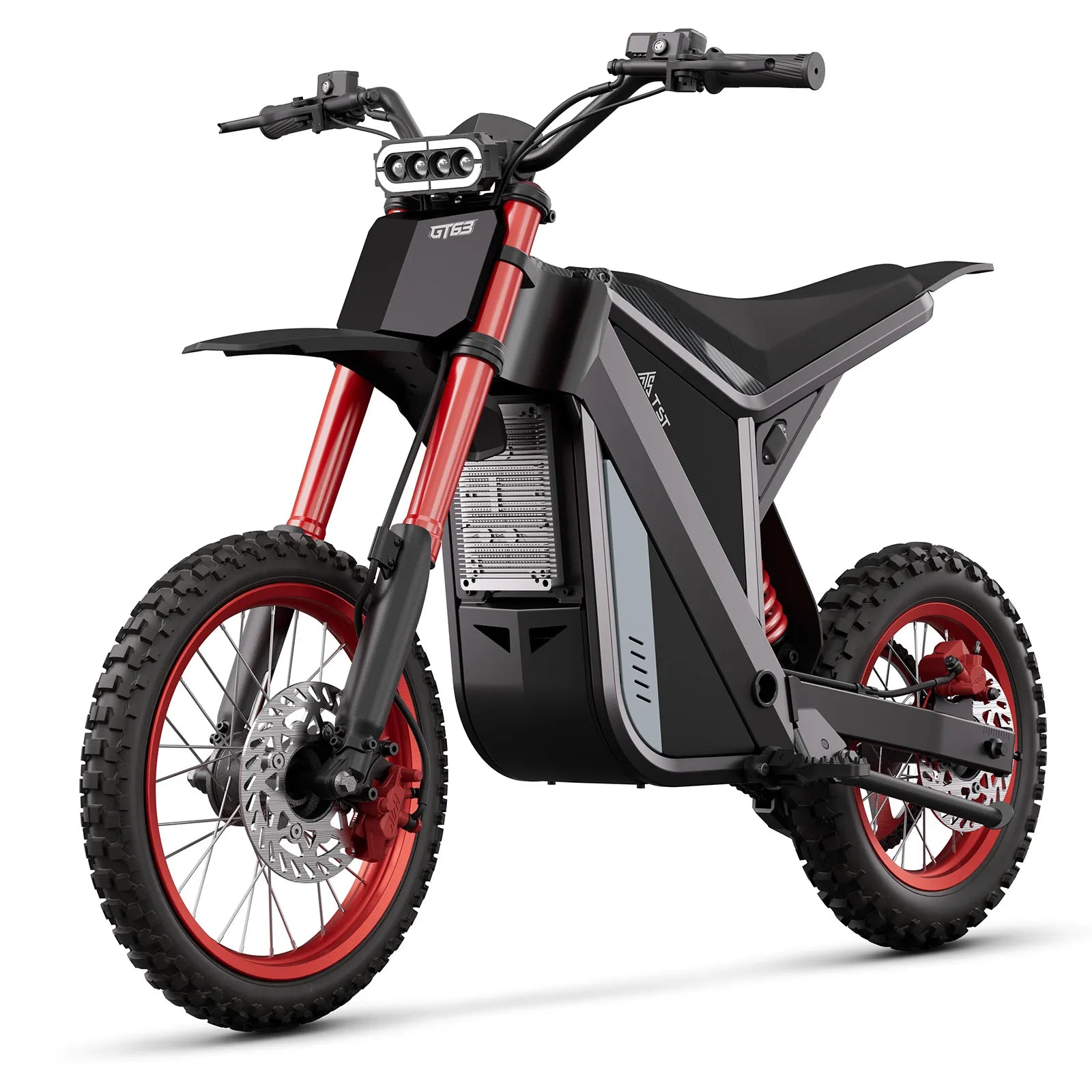
Sur-Ron Light Bee X and Talaria Sting R top at 47+ mph with 6kW motors for off-road thrills. Lightweight frames and torque deliver quick acceleration on dirt trails safely.
Which Electric Bikes Are Best for Daily Commuting?
Velotric Discover 2, Aventon Pace 500.3, and Radster Road excel with lights, racks, 750W power, and 50-mile range. Weatherproof designs suit urban daily use effortlessly.
What Are the Must-Have E-Bike Accessories in 2025?
Prioritize helmets, locks, racks, fenders, lights, phone mounts, and panniers. These boost safety, storage, and convenience for commutes; brands like Quad Lock lead quality.
What Are the Latest E-Bike Laws by State in the USA?
Class 1-3 rules vary: most states cap Class 3 at 28 mph, 750W, age 16+. California requires helmets under 18; check DMV sites for trails, pedals mandates, and local bans.

Leave a comment
This site is protected by hCaptcha and the hCaptcha Privacy Policy and Terms of Service apply.