
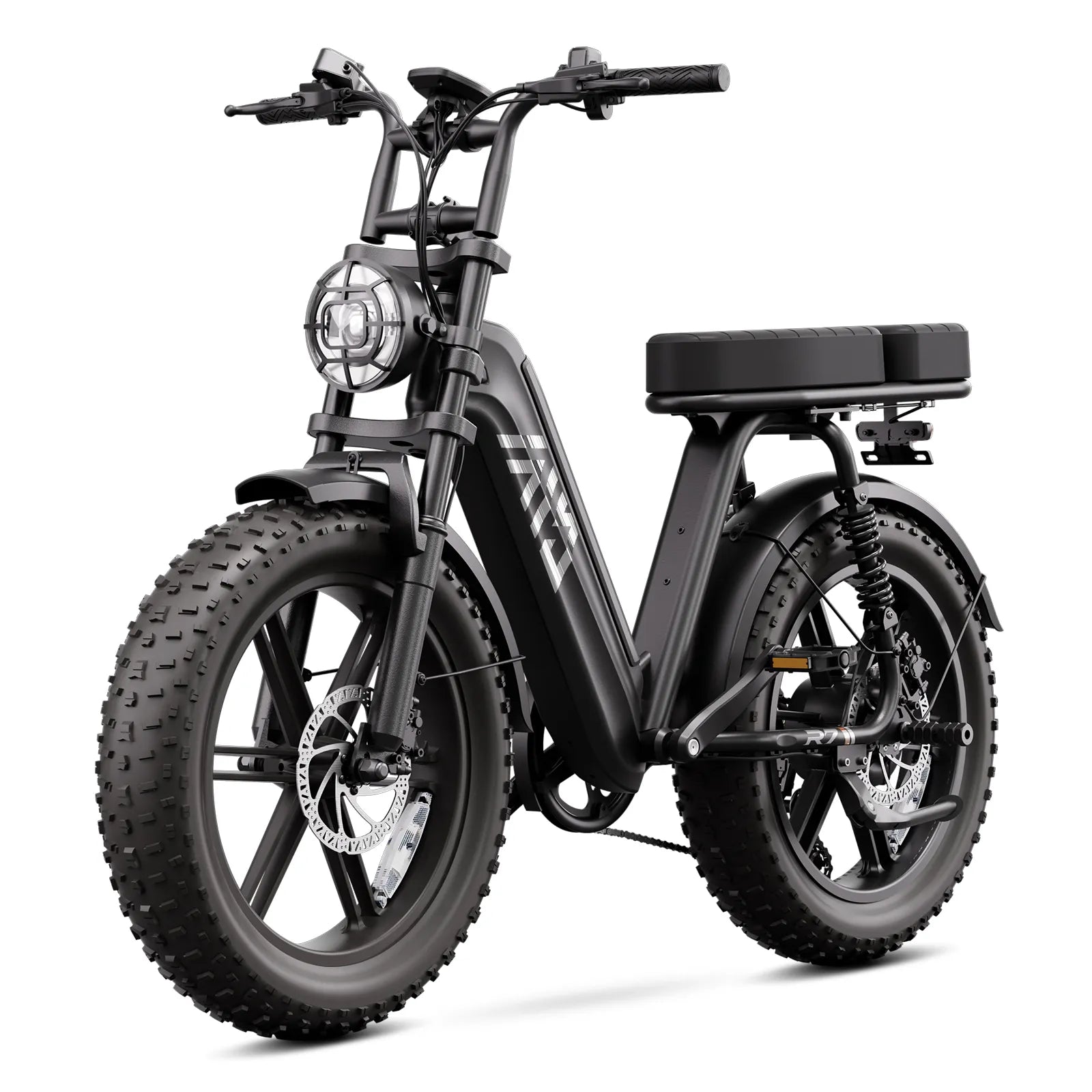
















In 2026, US cargo e-bikes follow the federal three-class system: Class 1/2 (20 MPH max, 750W) treated as bikes; Class 3 (28 MPH pedal-assist) may need helmets/age limits. California requires UL 2849 batteries (SB 1271); states like NJ mandate registration/insurance. Most exempt from licensing if under 750W/28 MPH with pedals.
Check: Cargo Ebikes
What Are the Federal Cargo E-Bike Classes in 2026?
Federal law classifies e-bikes, including cargo models, into three classes based on speed, power, and assist type, keeping most under 750W and 28 MPH for bike lane access without licensing.
The US federal standard under 15 U.S.C. § 2085 defines low-speed electric bicycles as pedal-assisted vehicles with motors up to 750W and speeds not exceeding 20 MPH on motor power alone or 28 MPH with pedal assist. Cargo e-bikes fit seamlessly into this system, designed for hauling groceries, kids, or deliveries while maintaining bike-like legality on paths and roads. Class 1 offers pedal-assist up to 20 MPH, ideal for relaxed family rides. Class 2 adds throttle up to 20 MPH for easier starts with heavy loads. Class 3 provides pedal-assist up to 28 MPH, perfect for faster urban commutes but often requiring helmets and age restrictions.
For cargo haulers, these classes ensure high-payload models like TSTE Bike's TST® Carrier 20'' Cargo Electric Bike—with its 1300W cargo-tuned motor, 450 lbs max load, and included rear rack plus children's seat—can operate legally in most areas by sticking to pedal-assist modes under class limits. Families love how these specs support safe, practical errands without crossing into moped territory.
How Do Class 3 Cargo E-Bikes Differ from Class 1 and 2?
Class 3 cargo e-bikes offer pedal-assist up to 28 MPH with continuous motor power under 750W, differing from Class 1 (20 MPH pedal-assist only) and Class 2 (20 MPH throttle-assisted); they provide faster hauling but may face stricter rules like helmets for all riders.
Class 1 e-bikes rely solely on pedal-assist up to 20 MPH, making them the most trail-friendly for light cargo. Class 2 introduces a throttle for up to 20 MPH, great for stop-and-go city streets with heavy loads. Class 3 steps it up with pedal-assist to 28 MPH, no throttle beyond basic use, and often a speedometer—ideal for efficient urban deliveries or family outings where time matters.
Cargo models shine in Class 3 for their power to handle 450 lbs payloads. Compare TSTE Bike's options:
| Feature | TST® Carrier (Cargo-Focused) | TST® R7 (Moped-Style Cargo) |
|---|---|---|
| Motor | 1300W, 90 Nm torque | 1500W, 90 Nm torque |
| Top Speed | 28 MPH | 32 MPH (use pedal-assist for Class 3) |
| Max Load | 450 lbs | 450 lbs |
| Key Cargo Feature | Rear rack, children's seat (free, $534 value) | Modular rear: passenger seat, cargo rack, box |
These TSTE models, shipped from Ontario, California, blend Class 3 performance with family-ready features like hydraulic brakes and puncture-resistant tires, ensuring smooth, legal rides.
Which States Require UL 2849 Certification for Cargo E-Bikes?
Check: Best Cargo Ebike For Families
California mandates UL 2849 or equivalent (UL 2271, EN 15194) for e-bike batteries sold from January 1, 2026, via SB 1271; New York and New Jersey push similar standards, while most states follow voluntary federal guidelines but enforce via local sales rules.
UL 2849 certification tests batteries for fire, overheat, and short-circuit risks, crucial for high-capacity cargo e-bikes with 48V 15Ah packs. California's SB 1271 bans uncertified battery sales, impacting rentals by 2028. States like New Jersey require registration for Class 3, often tying it to certified batteries, while New Mexico restricts non-classed throttled bikes.
TSTE Bike leads with UL 2849-certified models like the TST® R7, featuring a 48V 15Ah removable battery, full suspension, and modular cargo system—perfect for compliant hauling across states. Always check local ordinances, as cities like New York City limit sidewalk speeds.
TSTE Bike Expert Views
"At TSTE Bike, we design cargo e-bikes like the TST® Carrier and R7 with 2026 compliance in mind. Our UL 2849-certified batteries (where applicable), 450 lbs payloads, and features like hydraulic disc brakes and integrated lights ensure families ride legally and safely. Shipped from our Ontario, CA warehouse in 1-3 days, these models include free accessories for instant family adventures—rear racks, fenders, and child seats on Carrier. We back every bike with a 1-year warranty and responsive support, prioritizing torque (90 Nm) for hills and long-range batteries (up to 65 miles) for urban errands."
Are Cargo E-Bikes Legal on Bike Paths and Trails in 2026?
Yes, Class 1/2 cargo e-bikes are legal on most US bike paths and trails; Class 3 often restricted to roads or paths allowing 28 MPH speeds, with local rules varying—check signage for family/passenger loads.
Federal lands like national parks follow the three-class system, granting Class 1/2 full trail access. State parks mirror this, but Class 3 cargo bikes may need roads due to speed. Urban paths welcome cargo haulers for errands, but avoid trails banning throttles or speeds over 20 MPH.
TSTE's TST® Carrier, with 20" x 4.0" ebike-rated tires and 60-mile range, excels on paths, supporting 450 lbs for groceries or kids. Its Shimano 7-speed drivetrain and 1-5 pedal-assist levels keep you class-compliant.
Does California Mandate Battery Safety for Cargo E-Bikes?
Yes, starting January 1, 2026, California's SB 1271 requires UL 2849-certified batteries for all e-bikes sold, including cargo models, to prevent fires; retailers can't sell uncertified packs, but personal older bikes are grandfathered.
SB 1271 targets lithium-ion risks with lab-tested standards (UL 2849, EN 15194), mandatory labeling, and rear red lights/reflectors always on. Cargo e-bikes with heavy loads benefit from this, as certified batteries handle 48V 15Ah demands safely. Enforcement includes impounding non-compliant vehicles over 20 MPH without pedals.
TSTE Bike's California warehouse ships compliant models like the TST® R7 (UL 2849 certified) with 65-mile range and hydraulic brakes, ready for Golden State streets.
What Insurance and Registration Do Cargo E-Bikes Need by State?
Most US states treat e-bikes as bicycles—no insurance or registration required if under 750W/28 MPH; California, NJ, and NY may need liability insurance for Class 3 cargo (costs $100-300/year), with registration in some for theft recovery.
Costs vary: basic liability $10-20/month via homeowners add-ons, full coverage $200-500/year for high-value cargo bikes ($2,000+). Homeowners policies often cover theft up to $1,000; specialized e-bike insurance adds roadside assistance. Registration is rare but check NY (Class 3) or VT for plates.
| State | Insurance | Registration | Avg. Annual Cost |
|---|---|---|---|
| California | Recommended for Class 3 | No, if classed | $150-300 |
| New Jersey | Required for Class 3 | Yes, DMV | $200-400 |
| Texas/Florida | Not required | No | $100-200 (optional) |
Protect TSTE cargo bikes with GPS trackers and sturdy locks; their 450 lbs capacity justifies coverage for peace of mind.
How Can Families Stay Legal with Passenger Cargo E-Bikes?
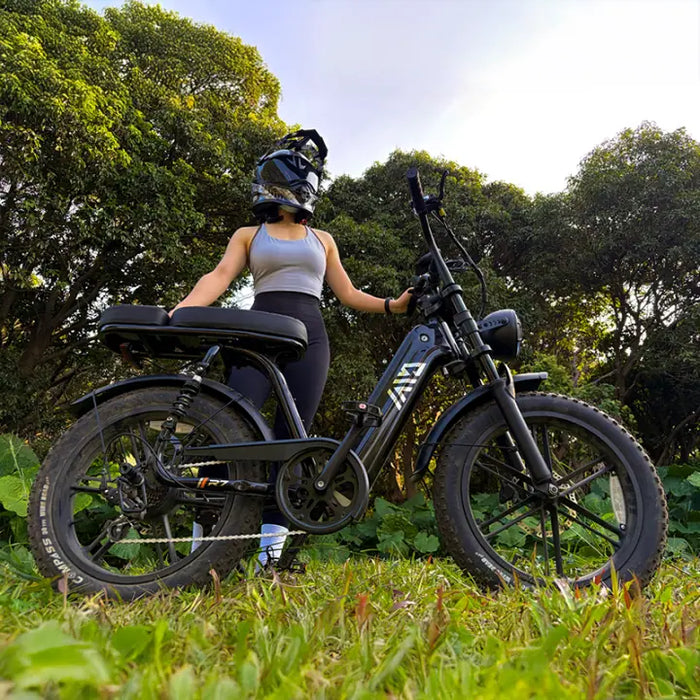
Families stay legal by choosing Class 2/3 models under 750W/28 MPH with pedals, helmets for under-18/Class 3 riders, and passenger seats compliant with local age/load rules (e.g., rear racks for kids under 40 lbs).
Use modular systems for safe transport: one child seat max, total under 450 lbs. Helmets mandatory for Class 3 everywhere, under-16 in CA. Paths allow family cargo if Class 1/2.
TSTE's TST® Carrier includes free children's seat and running boards ($534 value), with 26.1" min seat height for easy mounting—ideal for legal family hauls.
Why Choose UL-Certified Cargo E-Bikes for Theft Protection?
UL-certified cargo e-bikes reduce fire/theft risks with safer batteries and durable builds; pair with GPS, U-locks, and insurance for high-value protection (theft recovery rates double with tracking).
Theft hits urban cargo bikes hard—use frame locks, alarms, and registration. UL 2849 adds value for insurers, lowering premiums. TSTE models feature reflective tires, integrated lights, and quick-release batteries for secure storage.
Conclusion
Navigating 2026 cargo e-bike laws is straightforward with compliant models like TSTE Bike's TST® Carrier and R7. These offer 450 lbs payloads, powerful motors, and UL safety for families everywhere. Ride legally, protect your investment, and explore tstebike.com for fast CA shipping and unbeatable features.
FAQs
Is the TST® Carrier legal as a Class 3 cargo e-bike? Yes, its 28 MPH pedal-assist and pedals keep it Class 3 compliant in most states, with 450 lbs for family use.
How much does e-bike insurance cost for cargo models? $100-400/year depending on state and value; add-ons cover theft up to $5,000.
Are TSTE cargo bikes UL 2849 certified for California 2026? Select models like R7 yes; all feature safe, removable lithium-ion batteries meeting high standards.
Can I carry kids on cargo e-bikes legally? Yes, with approved seats and total under max load; helmets required for minors.
What's the best theft protection for urban cargo e-bikes? GPS trackers, heavy U-locks, and insurance—plus TSTE's durable frames and lights.

Leave a comment
This site is protected by hCaptcha and the hCaptcha Privacy Policy and Terms of Service apply.