


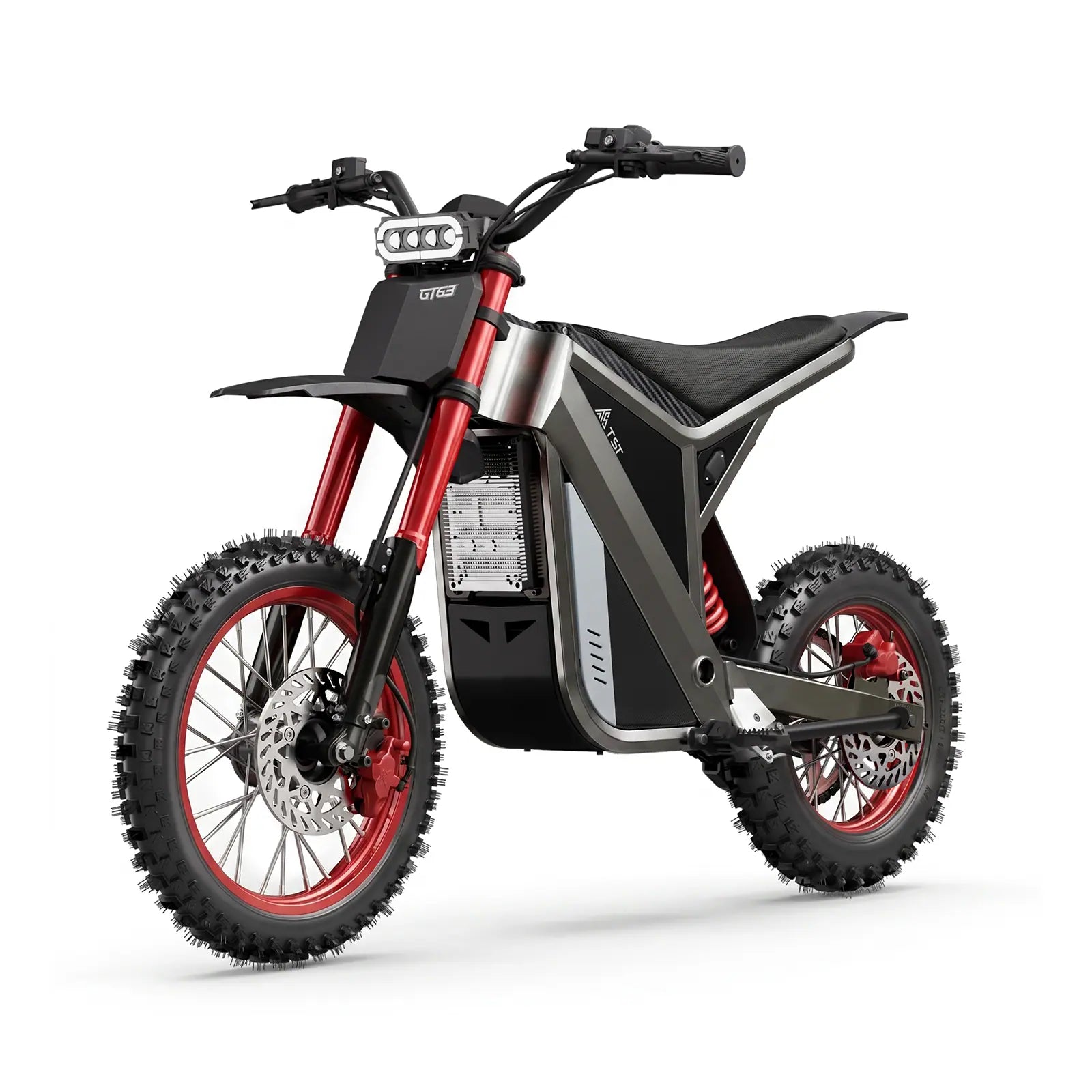


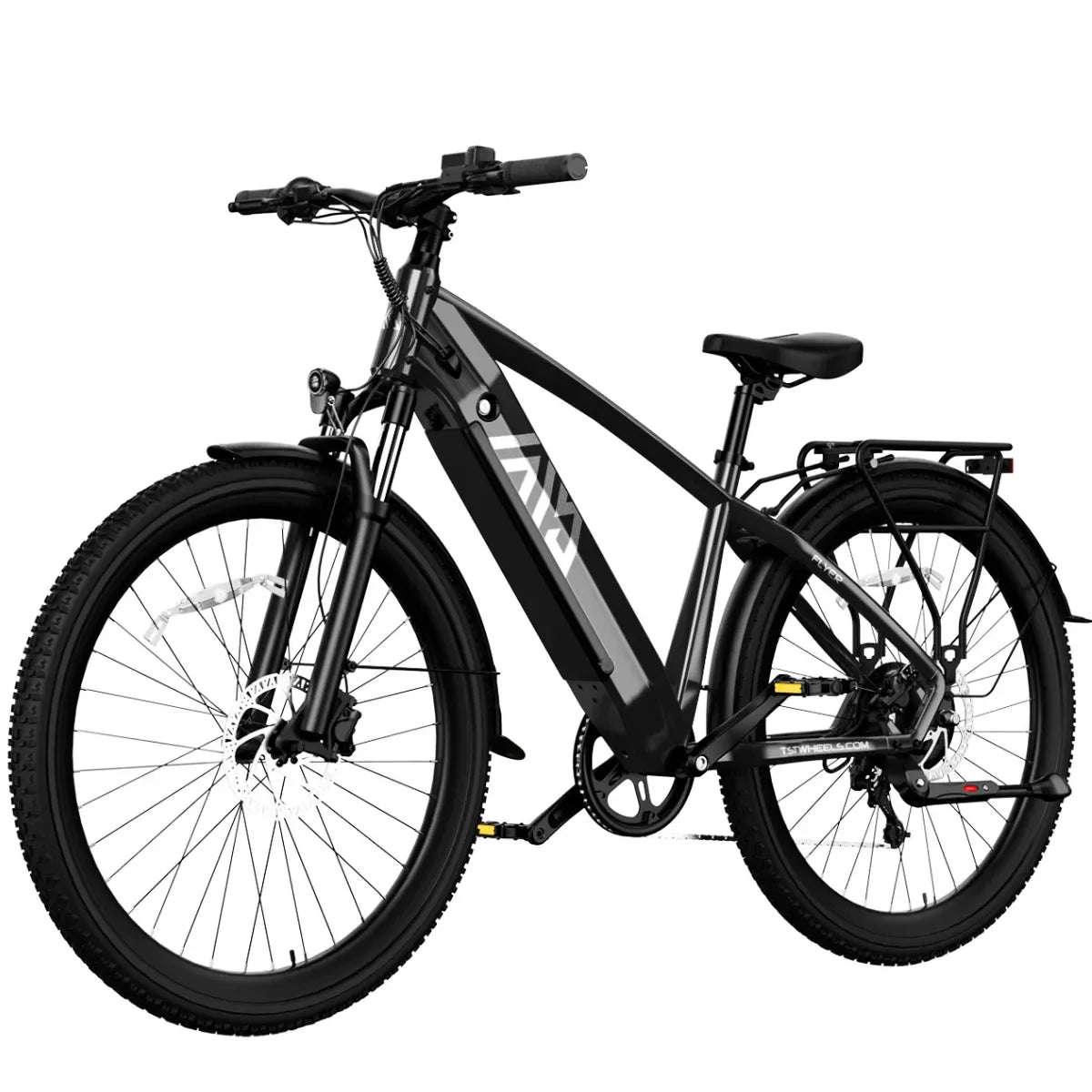












To ensure e-bike battery safety and prevent fires: Use UL 2849-certified batteries with smart BMS like TSTE's GT63 (IP65, 48V 22.5Ah); charge only in 32–104°F using included 54.6V chargers; never leave unattended or overcharge; store at 60% in cool, dry areas; inspect for damage before rides.
Check: Off-Road Dirt EBikes
What Causes E-Bike Battery Fires and How to Avoid Them?
E-bike battery fires often stem from overcharging, physical damage, or extreme temperatures, but using certified batteries and following safe practices eliminates most risks.
Lithium-ion batteries power your TSTE e-bike with incredible efficiency, delivering ranges up to 65 miles on models like the TST Flyer or even 130 miles with the dual-battery R9. However, when mishandled, they can overheat due to thermal runaway—a chain reaction where damaged cells generate excessive heat, potentially leading to fire. Common culprits include using incompatible chargers, charging on flammable surfaces like beds or couches, or exposing batteries to sub-zero or scorching heat.
For US riders hitting mountain trails on the TST GT63 electric dirt bike or commuting on the TST Defender fat tire eBike, avoidance is simple: always use the manufacturer-provided charger, such as the 54.6V/3A unit for most TSTE models, and inspect batteries for dents, swelling, or leaks before rides. Charge on hard, non-flammable surfaces away from kids and pets, and unplug once full to prevent overcharge. TSTE's removable lithium-ion batteries make this easy—pop them out for safe indoor charging after a muddy off-road session on your GT73.
Why Is UL 2849 Certification Essential for E-Bike Batteries?
UL 2849 certification ensures e-bike batteries meet rigorous US safety standards for electrical, fire, and mechanical hazards, making them far safer than uncertified alternatives.
In the US e-bike boom, UL 2849 stands out as the gold standard, testing batteries for overcharge, short-circuit, and crush resistance—critical for high-torque models like TSTE's R002 moped-style eBike with its UL 2849, SGS, and cUS 803623 certifications. This certification verifies that batteries won't ignite under abuse, giving peace of mind to off-road enthusiasts ripping trails on the GT63 or families hauling cargo on the TST Carrier.
TSTE Bike prioritizes this for models like the R002, R7, R9, and GT series, ensuring your 48V 15Ah or larger packs withstand real-world demands. Without it, generic batteries risk fire from manufacturing defects. Choose UL 2849-equipped TSTE e-bikes shipped fast from Ontario, California, to ride confidently across US streets and dirt paths.
How Does a Smart BMS Protect Your TSTE E-Bike Battery?
A smart Battery Management System (BMS) in TSTE e-bikes monitors voltage, temperature, and current to prevent overcharge, over-discharge, and short circuits, significantly reducing fire risks.
Think of the BMS as your battery's guardian angel. In TSTE models like the Flyer, Defender, and Dreamer, the intelligent BMS balances cells, cuts power during faults, and protects against extremes—essential for the 720Wh packs in step-thru commuters or the IPX6 waterproof battery in the Dreamer. For dirt bike fans, the GT63's 48V 22.5Ah battery relies on BMS to handle IP65 waterproofing and rugged trails without overheating.
Unlike basic systems, TSTE's smart BMS enables features like auto-switch in the R9's dual 48V 15Ah setup, seamlessly transitioning batteries for up to 130-mile range while maintaining safety. This tech extends battery life and prevents the thermal runaway seen in uncertified packs, letting you focus on adventure.
TSTE Bike Expert Views: "At TSTE Bike, our commitment to rider safety starts with every battery. Our intelligent BMS, standard across models like the GT63 electric dirt bike and R9 dual-battery moped, actively monitors cell health in real-time, shutting down operations if anomalies like overheating or imbalance are detected. Paired with UL 2849 certifications on key models, this ensures US riders get off-road performance without compromise. We design removable, quick-release batteries for easy inspection and home charging, minimizing risks post-trail. Trust TSTE for batteries built to last and protect."
— TSTE Bike Engineering Team
What Are the Safest Ways to Charge E-Bike Batteries at Home?
Charge e-bike batteries at home using the included charger on a hard surface in 32–104°F, never unattended, and unplug when full—ideal for TSTE's quick-release designs.
Post-ride charging for your TSTE electric dirt bike like the GT73? Remove the 72V 25Ah battery (7-8 hour charge with 84V/4.5A charger) and place it on a concrete garage floor, away from flammables. For commuters like the Surfer, the 54.6V/3A charger takes 4-5 hours—monitor it, especially after off-road splashes thanks to IP65 ratings.
Step-by-step for safe home charging:
- Cool the battery to room temp if hot from a ride.
- Use only TSTE's matched charger—never aftermarket.
- Plug directly into a wall outlet, not extensions.
- Charge in a ventilated area, 32–104°F.
- Unplug at 100% and store at 60% for long-term.
TSTE's single-hand quick-release on the Buddy Pro makes this effortless, perfect for urban US riders.
Do's and Don'ts for E-Dirt Bike Charging
| Do | Don't |
|---|---|
| Use included 54.6V/3A charger for GT63 | Charge on carpet or near beds |
| Remove battery post-trail for home charging | Leave unattended, even overnight |
| Monitor for heat or swelling | Use fast chargers not rated for 22.5Ah pack |
| Charge in 32–104°F garage | Expose to water during charging (despite IP65) |
Which TSTE Models Offer Top Battery Safety for Dirt Bikes?
Check: Affordable electric dirt bikes
TSTE's GT63 (48V 22.5Ah IP65) and GT73 (72V 25Ah), plus UL 2849-certified R002, R7, and R9, deliver superior battery safety for dirt bikes with smart BMS and rugged designs.
For US off-road warriors, the TST GT63 electric dirt bike shines with its 2200W motor, 50-mile range, and IP65 waterproof 48V 22.5Ah removable battery—BMS-protected against mud and jumps. The GT73 ups it with 6000W power and 45-mile range on a 72V 25Ah pack, both featuring heavy-duty hydraulic brakes for control.
Moped-style alternatives like the R002 (UL 2849, 48V 15/25Ah options, 65-100 miles) and R9 (dual-battery up to 130 miles) offer full suspension and smart BMS for trail-to-street versatility. All ship from Ontario, CA, in 1-3 days.
| Model | Battery | Key Safety Features | Range (Pedal Assist) |
|---|---|---|---|
| GT63 | 48V 22.5Ah, IP65 | Removable, BMS, waterproof | Up to 50 miles |
| GT73 | 72V 25Ah | BMS, heavy-duty brakes | Up to 45 miles |
| R002 | 48V 15/25Ah | UL 2849, smart BMS | 65–100 miles |
| R9 | Dual 48V 15Ah | UL 2849, auto-switch BMS | Up to 130 miles |
How Should You Store E-Bike Batteries to Prevent Fires?
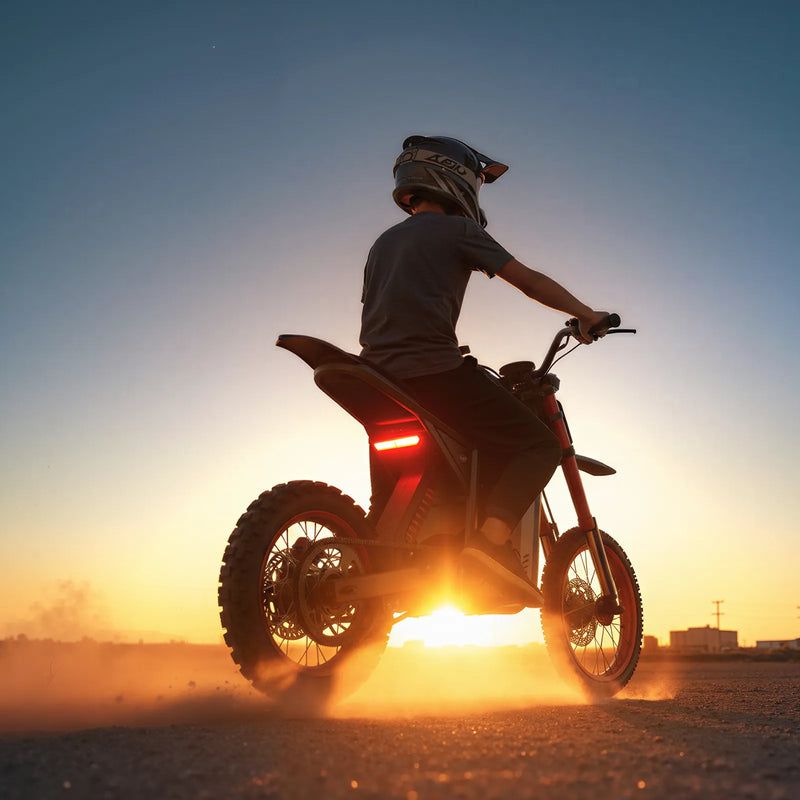
Store e-bike batteries at 60% charge in a cool (32–77°F), dry place away from flammables, fully detached from the bike for safety.
Between adventures, detach your TSTE battery—like the R002's 25Ah pack—and store indoors at half charge to minimize stress. Avoid garages over 104°F or freezing sheds. For winter storage, check monthly. TSTE's removable designs make this routine simple, preserving life for next season's trails.
What Temperature Ranges Are Safe for Charging and Riding?
Safe charging is 32–104°F (0–40°C); riding operates best 14–113°F (-10–45°C), with BMS halting extremes in TSTE models.
TSTE batteries thrive in US climates: charge GT63 post-desert ride only after cooling to 32°F+, and ride Defender fat tires through snow without worry. BMS protects against outliers, but stick to ranges for optimal 65-mile performance.
Why Avoid Aftermarket Batteries and Chargers for E-Bikes?
Aftermarket batteries and chargers lack TSTE-matched BMS compatibility, risking overheat, fires, and voided warranties—stick to originals for safety.
TSTE's 54.6V chargers pair perfectly with 48V packs; generics spike voltage, triggering failures. Protect your investment—1-2 year warranties demand OEM parts.
Conclusion
Mastering e-bike battery safety means certified gear, smart habits, and TSTE's proven protections. From GT dirt bikes to R9 mopeds, ride worry-free with fast US shipping from tstebike.com. Explore UL 2849 models today for secure adventures.
FAQs
Can I charge my TSTE e-dirt bike battery overnight?
No—unplug when full to avoid overcharge; 4-8 hours max with included chargers.
Is the GT63 battery waterproof for trails?
Yes, IP65 rated handles splashes and dust, with BMS for added protection.
What if my TSTE battery swells?
Stop using immediately, contact support—do not charge or ride.
Does TSTE offer battery recycling?
Yes, follow US guidelines; contact support for local certified centers.
Are dual-battery TSTE models safer?
Absolutely—R9's auto-switch BMS provides redundancy without manual swaps.

Leave a comment
This site is protected by hCaptcha and the hCaptcha Privacy Policy and Terms of Service apply.