
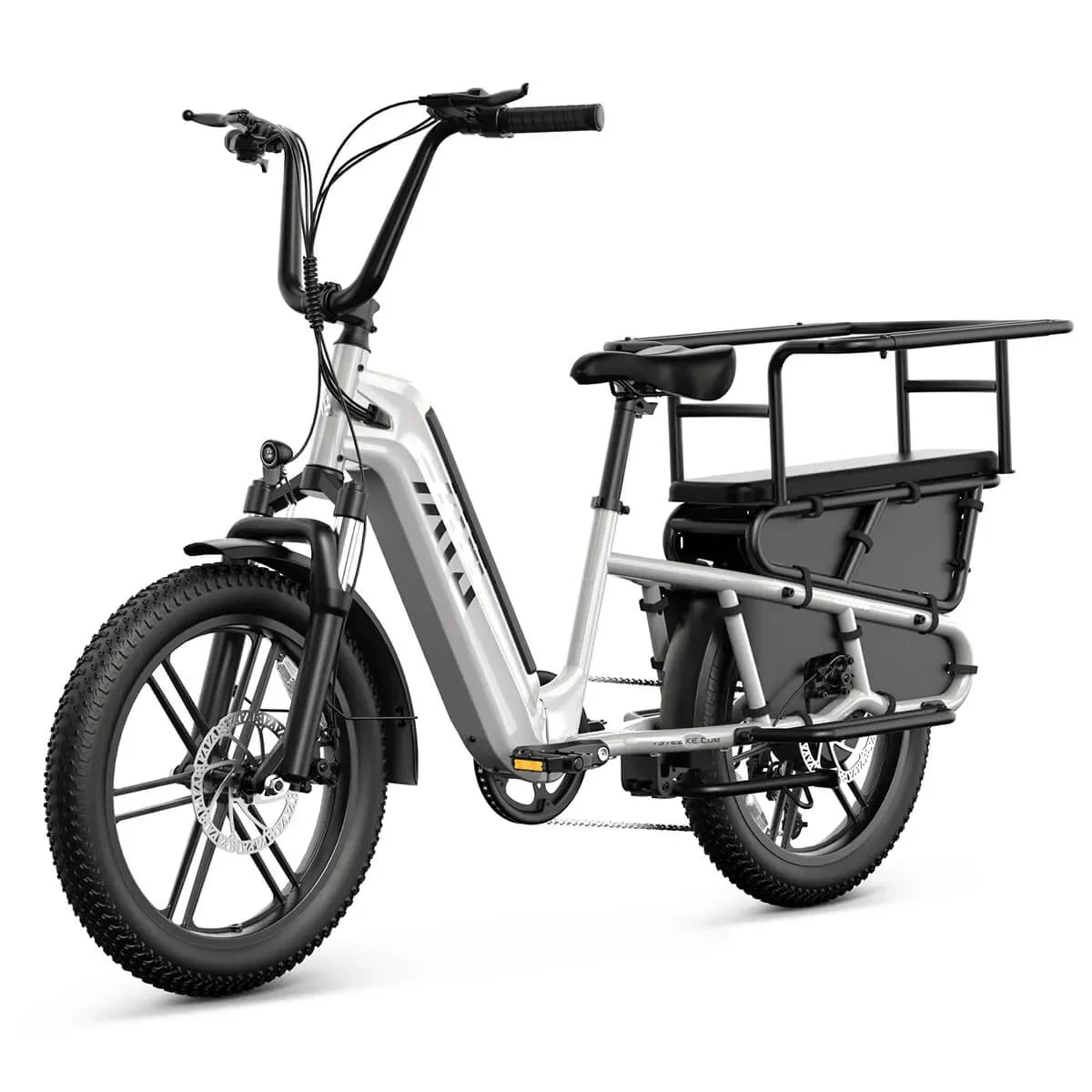
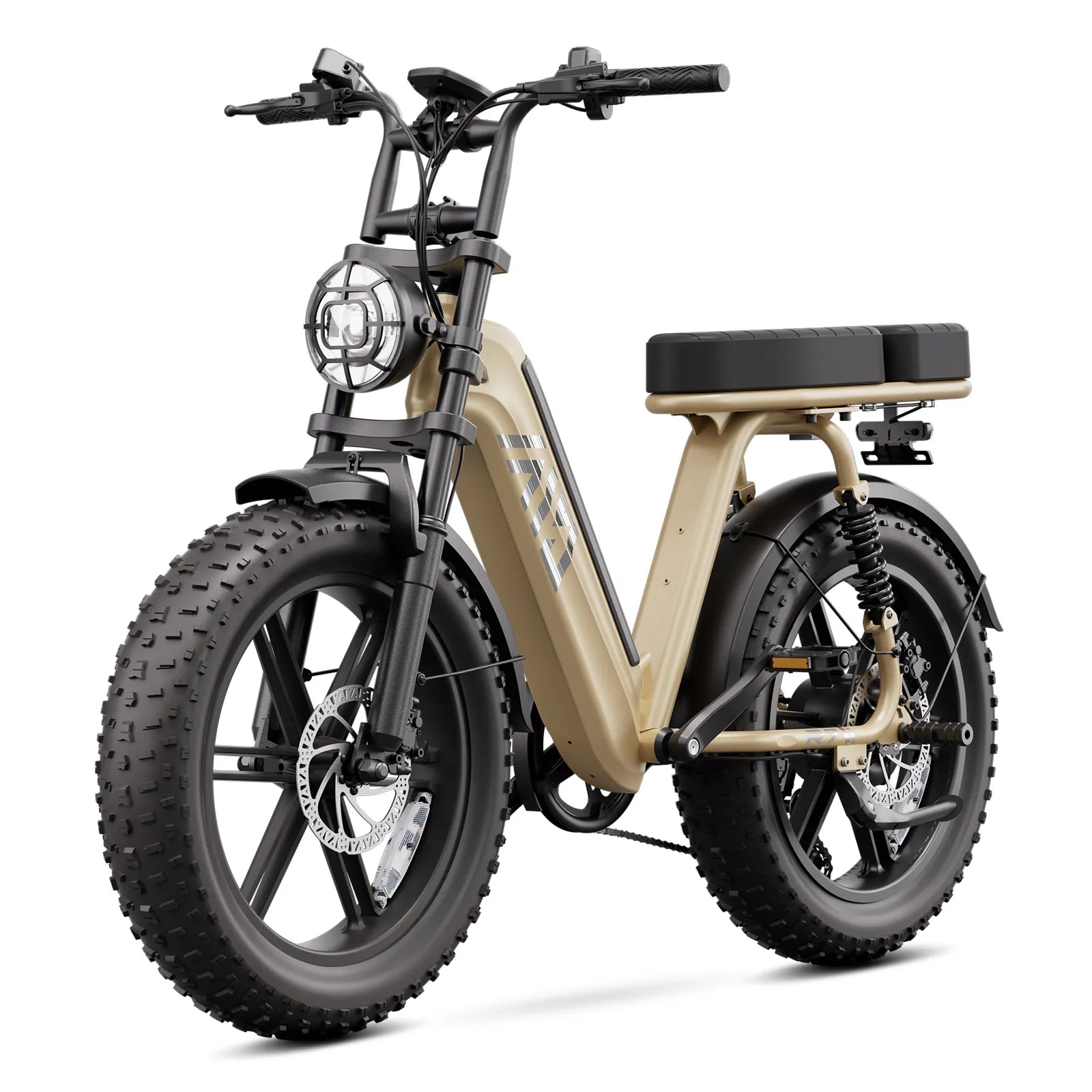
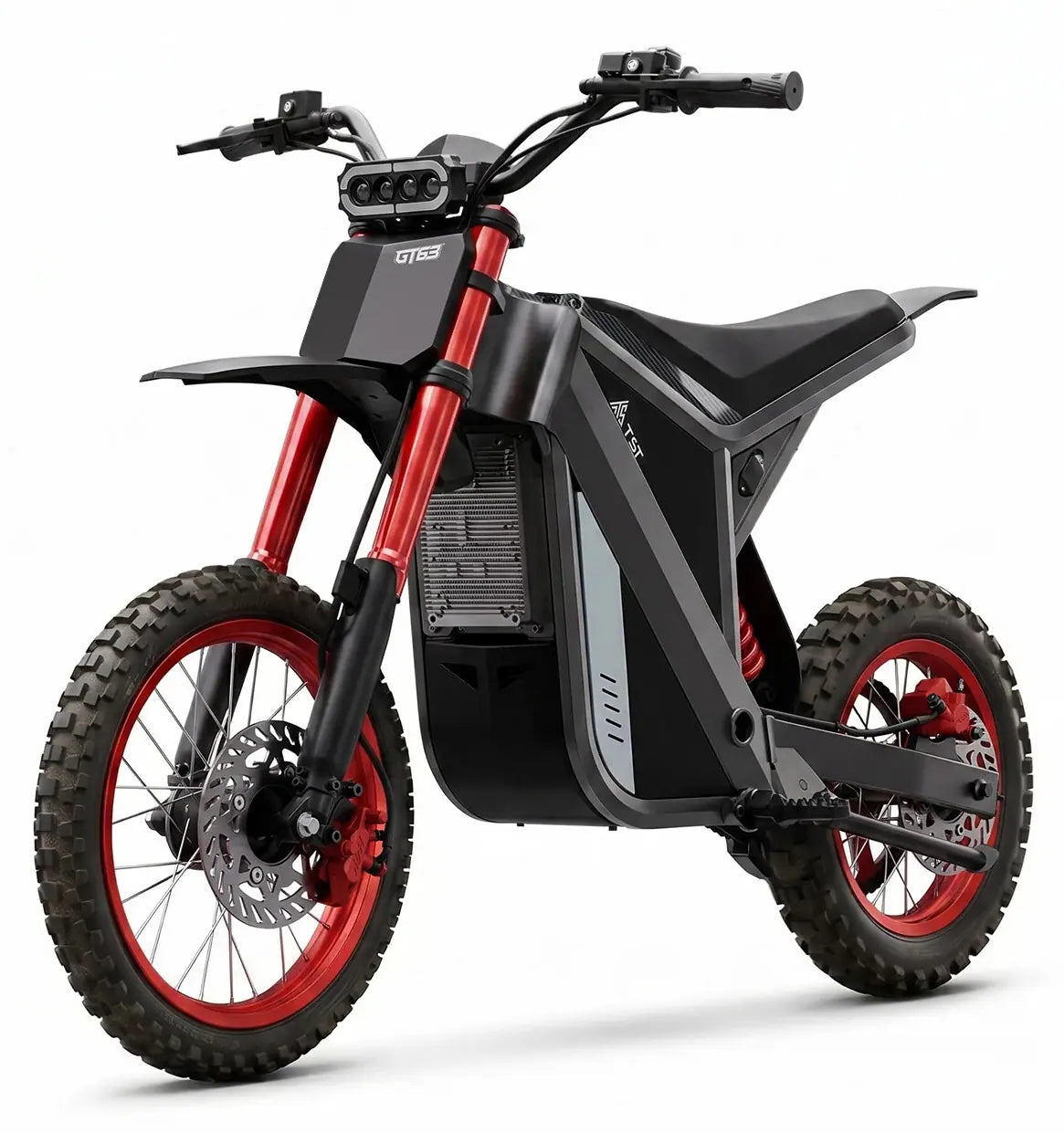
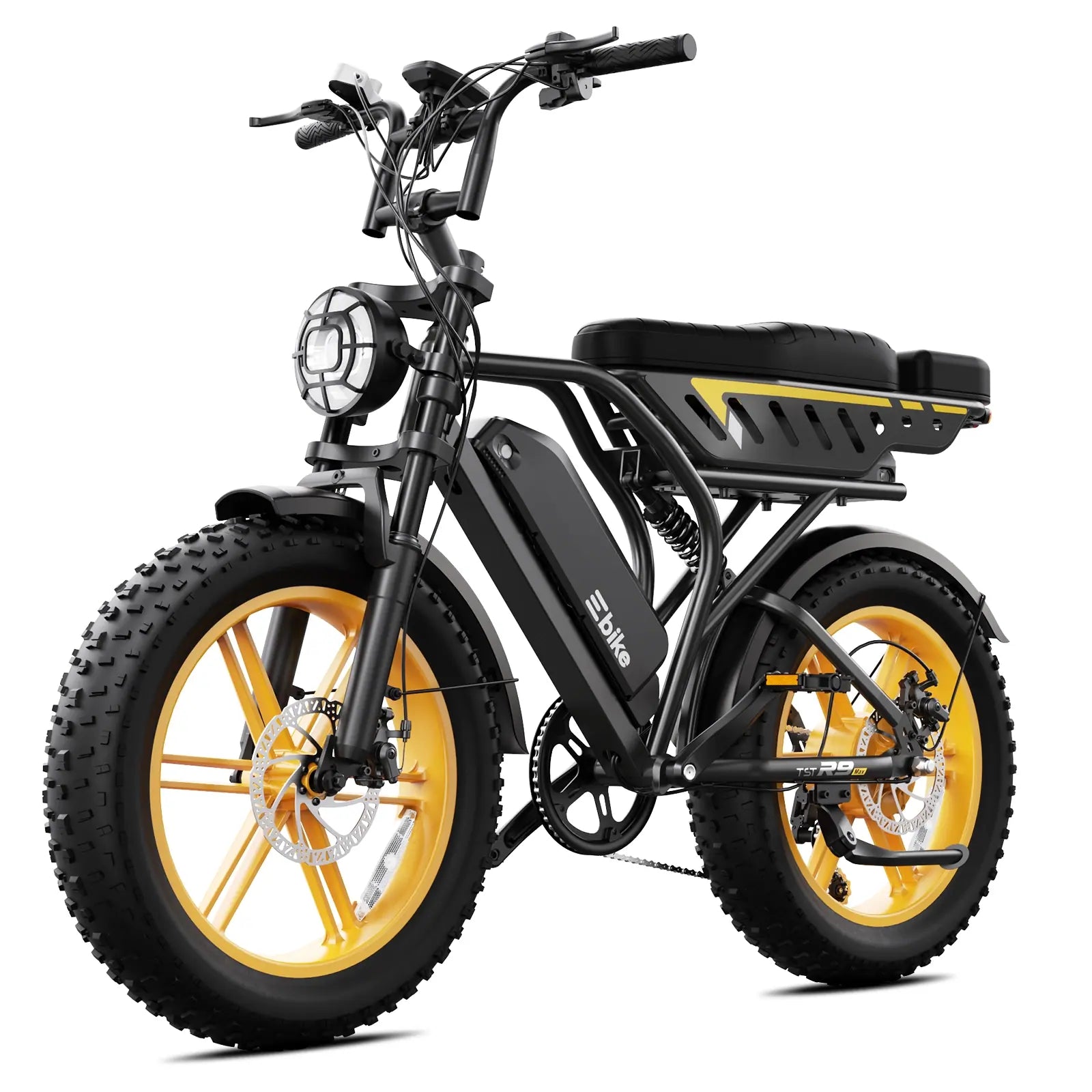
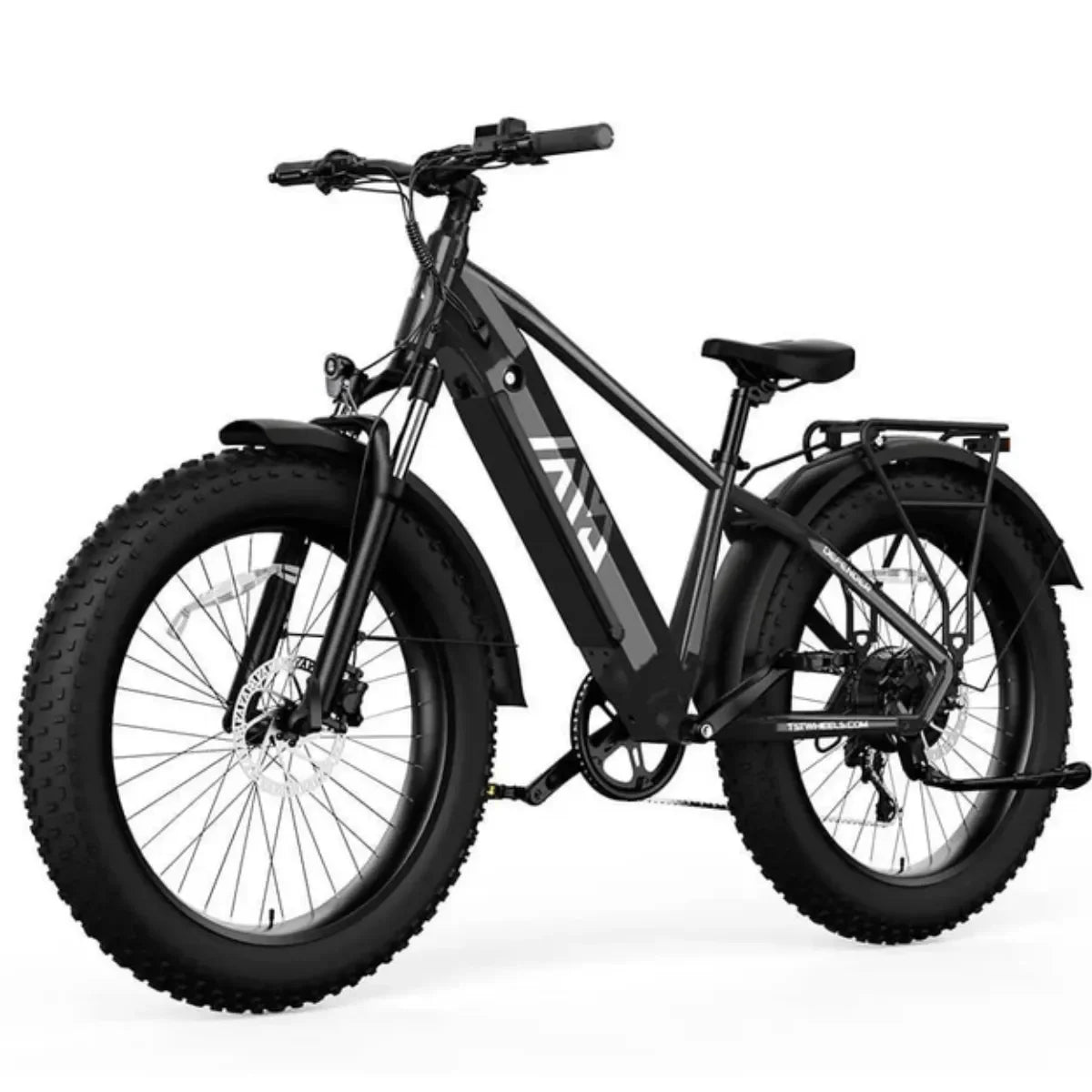
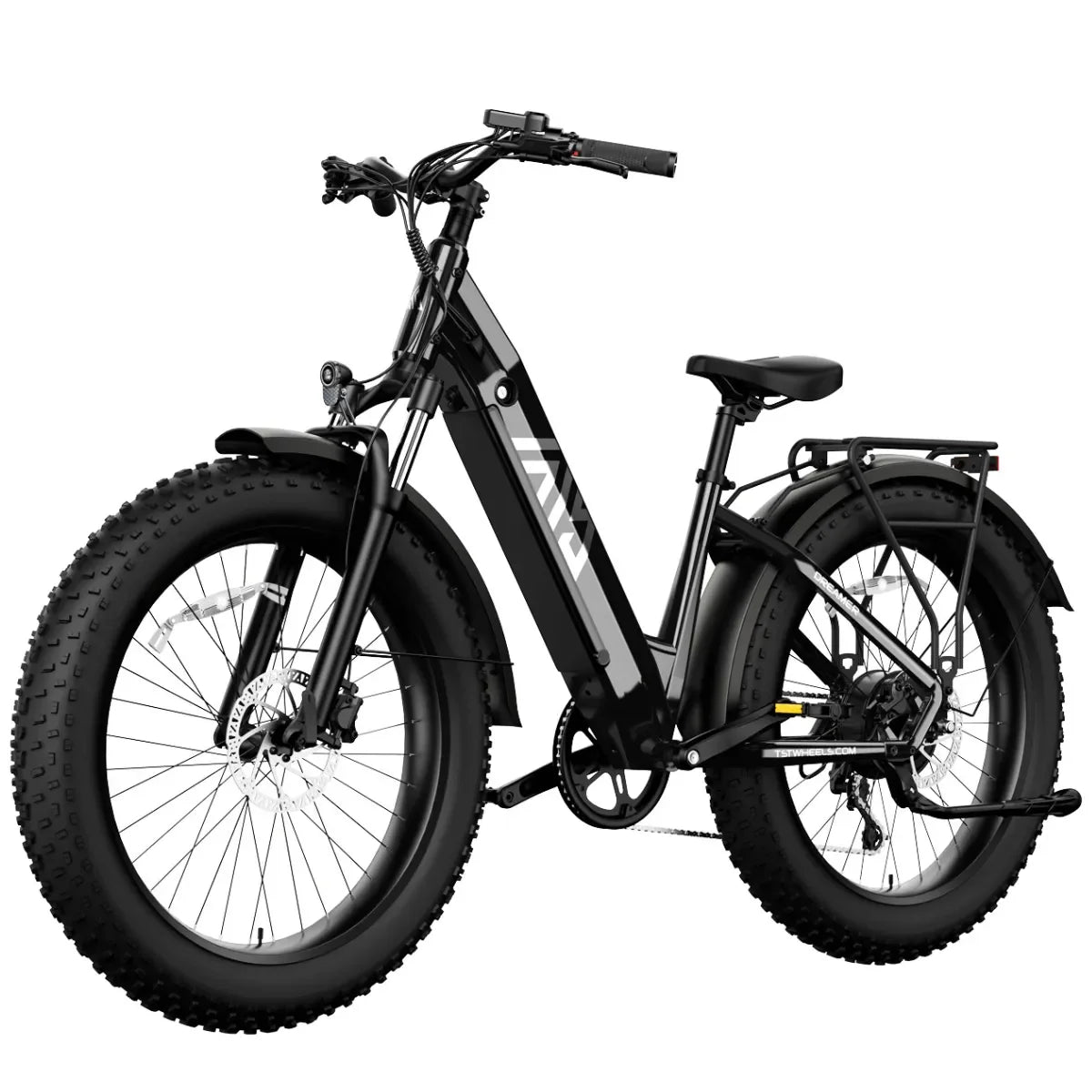
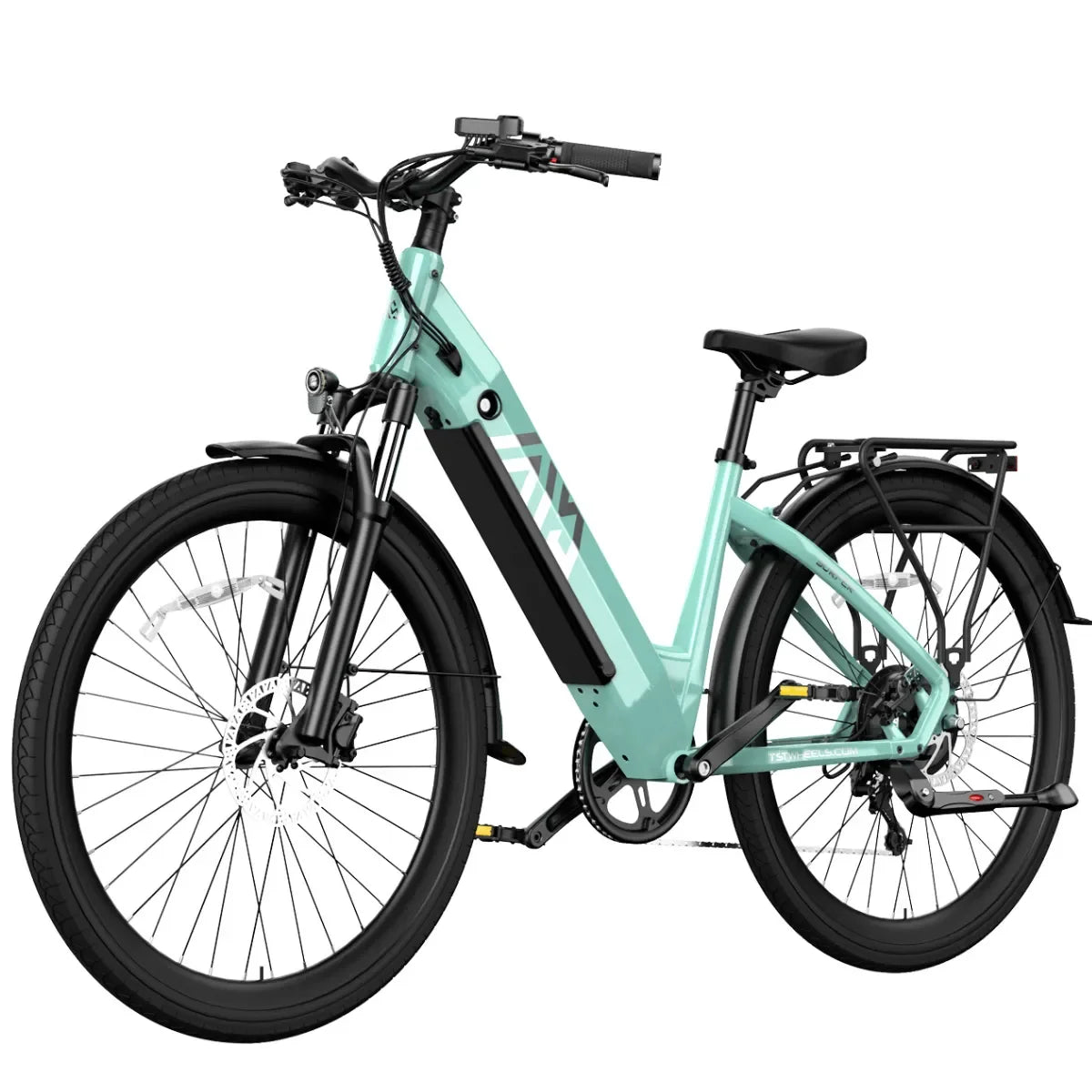
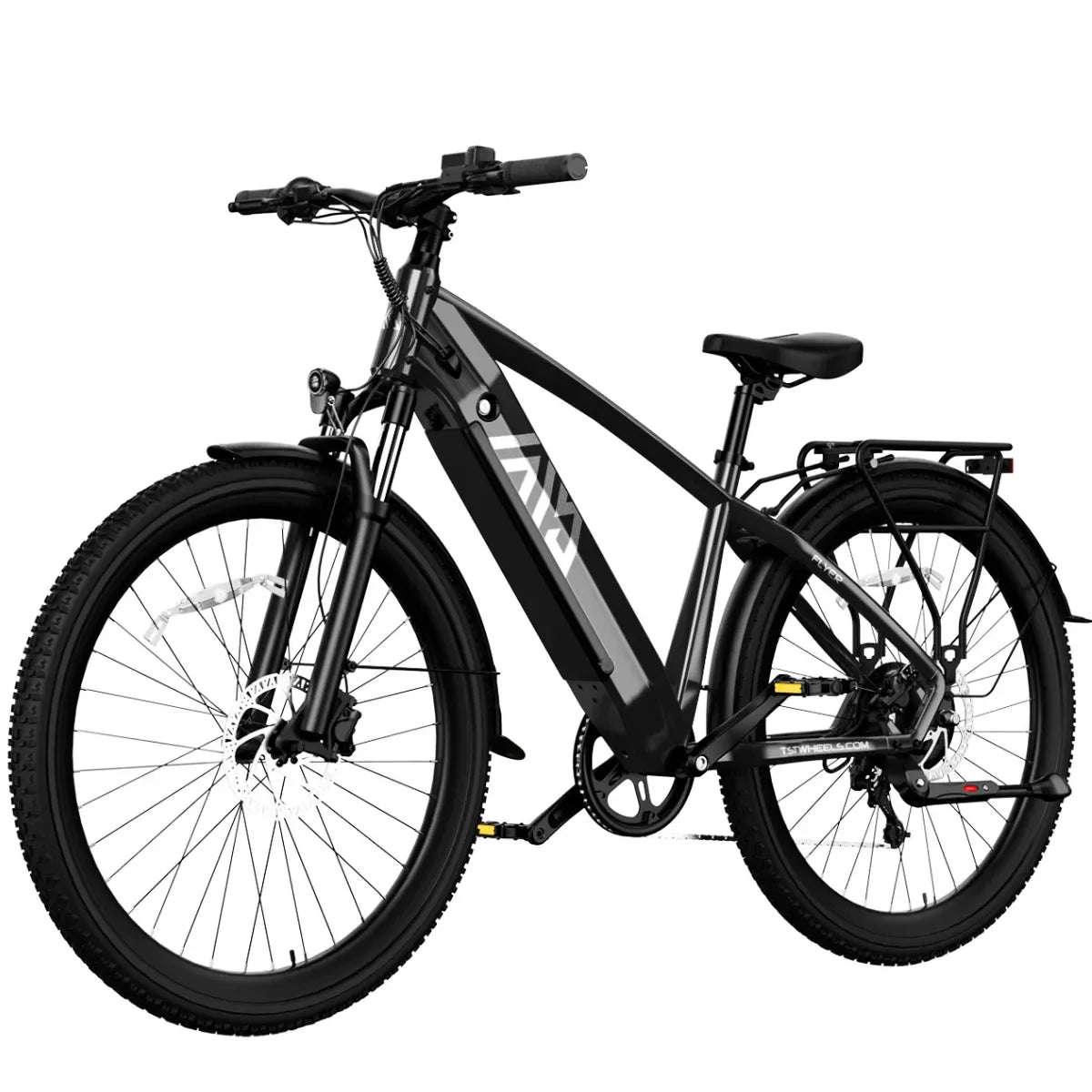
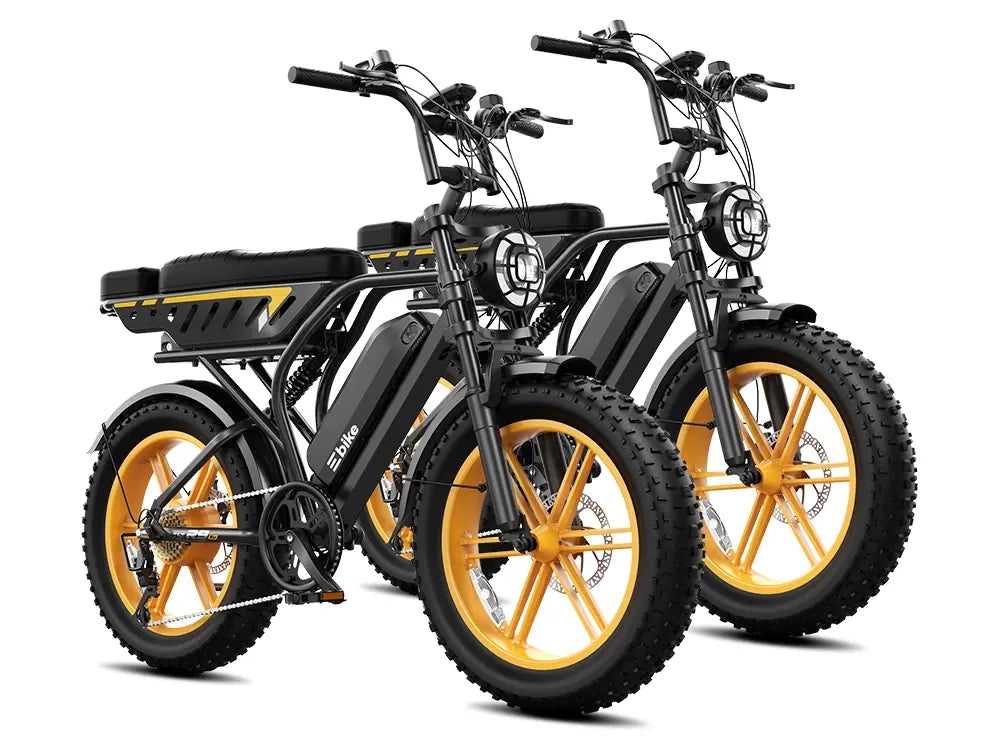
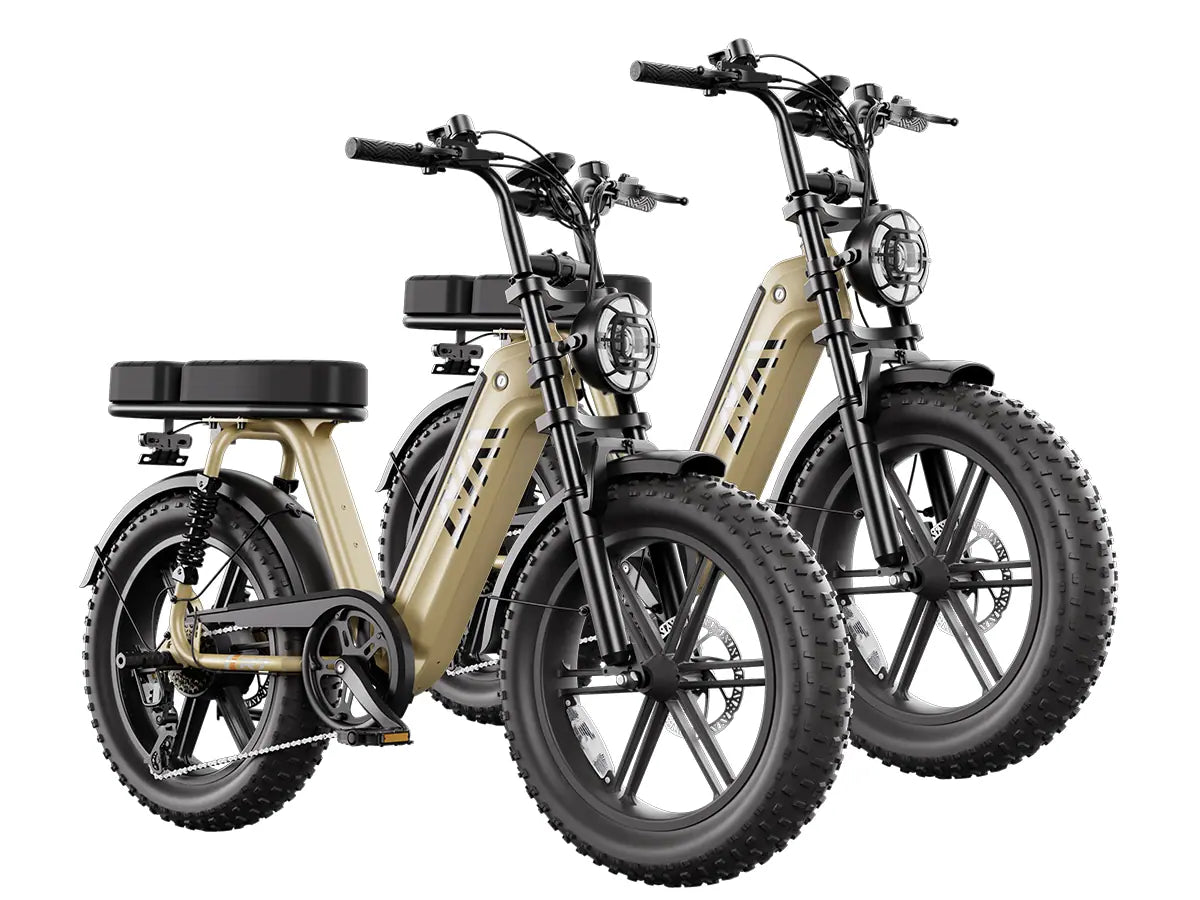
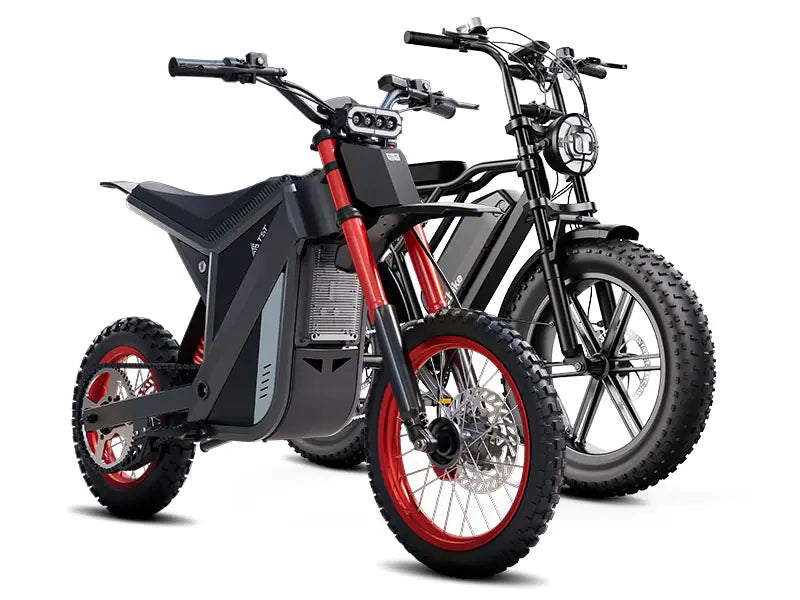
Moped ebike laws in 2026 clarify regulations for riders nationwide, especially as moped style ebikes gain traction. Understanding class 2 vs class 3 ebike rules helps you ride legally without surprises from local enforcement.
Check: Moped Style Ebikes
US Moped Ebike Laws Overview
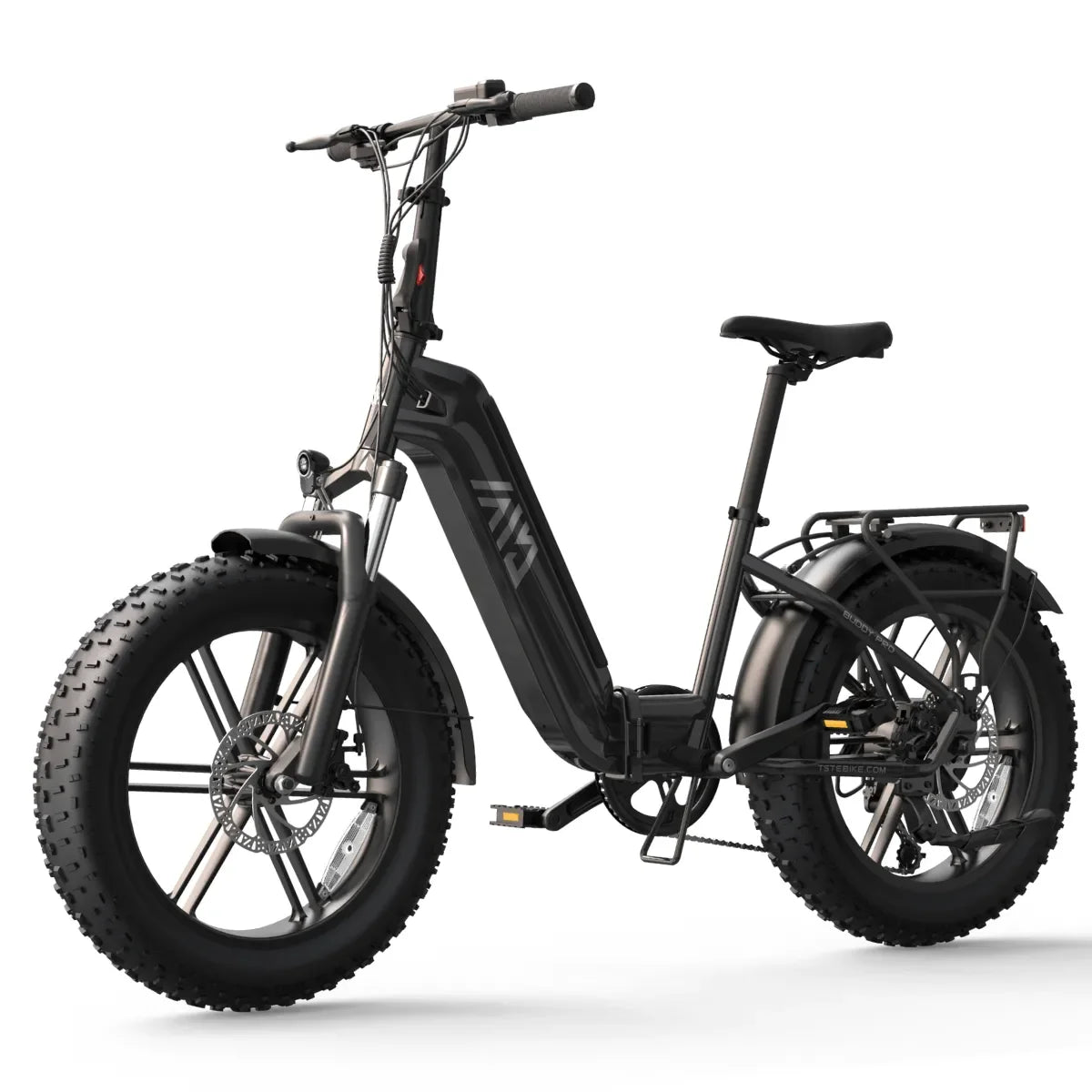
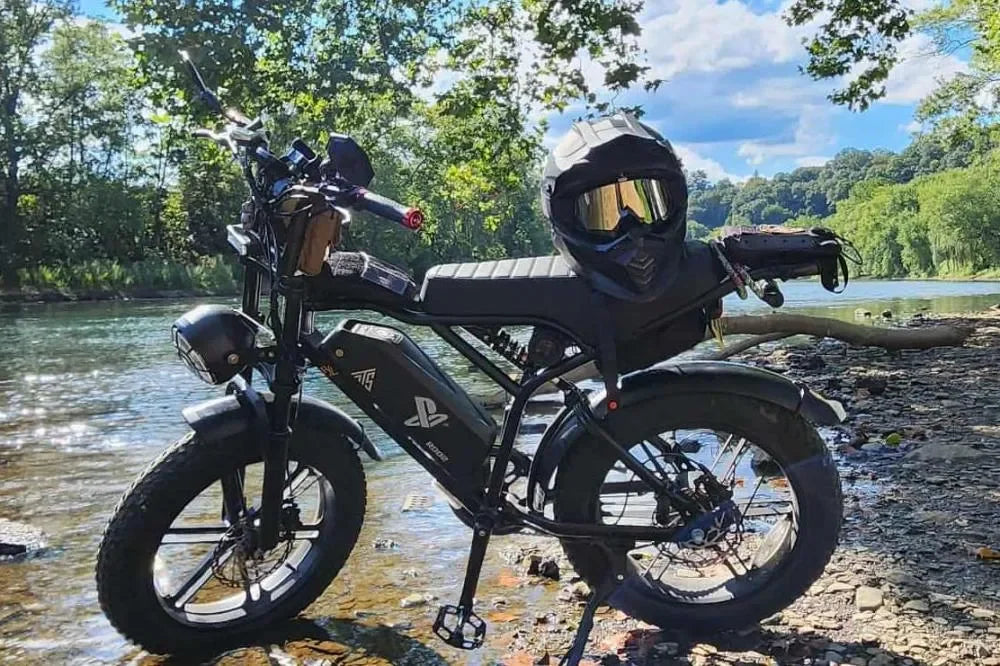
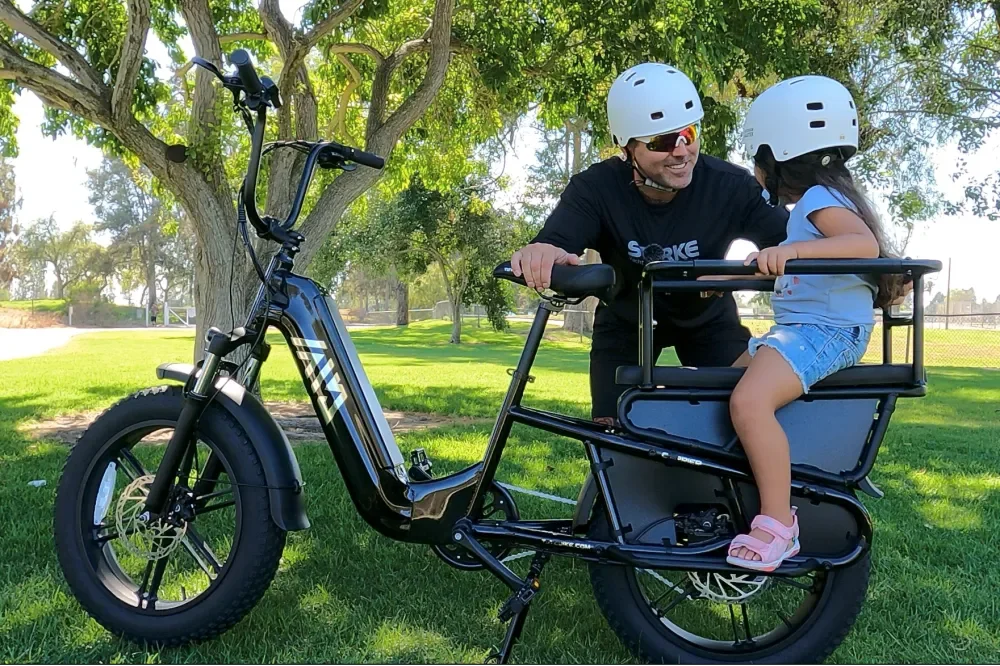
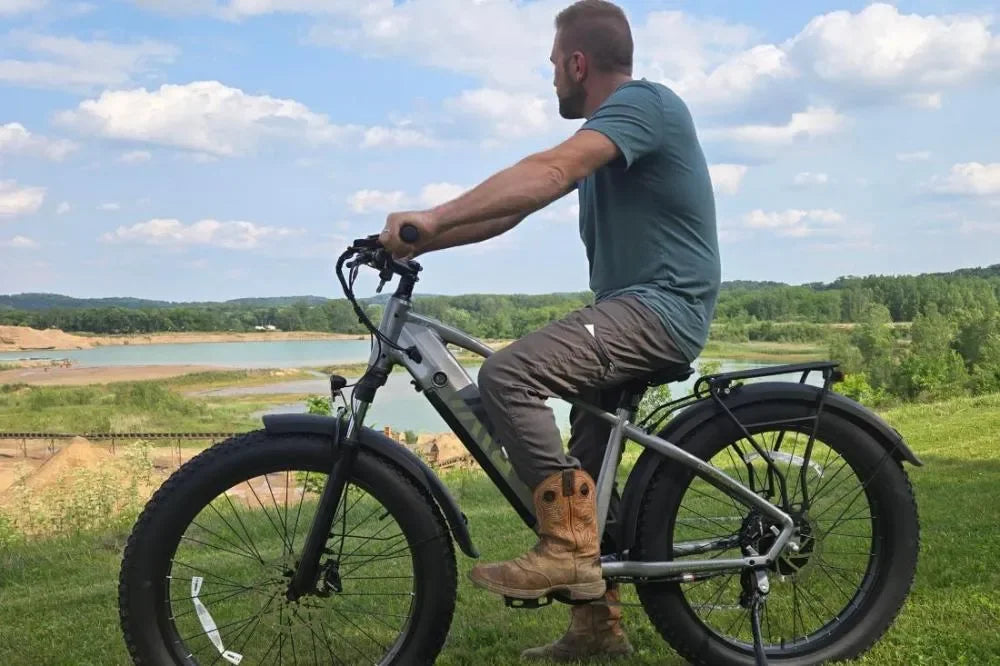
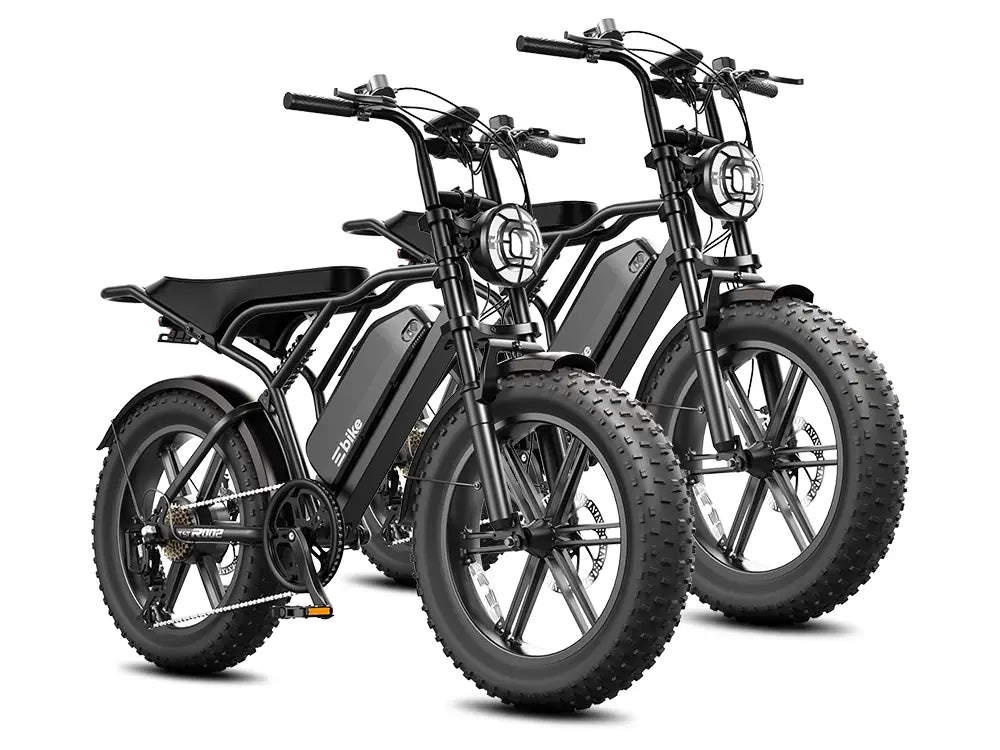
Moped ebike laws vary by state but follow a federal three-class system for electric bicycles. Class 1 ebikes offer pedal-assist up to 20 mph, Class 2 ebikes add throttle up to 20 mph, and Class 3 ebikes pedal-assist to 28 mph. Moped style ebikes qualify as Class 2 or 3 if they have operable pedals and stay under 750W power, avoiding moped classification.
No federal license or insurance is needed for Class 1-3 ebikes, but 11 states like Alabama, New Jersey, and Louisiana require operator licenses for certain models. Washington state, home to many riders, treats Class 2 ebikes as bicycles on paths, with recent 2026 bills clarifying e-bike vs e-moto lines through speed caps and labeling.
Class 2 vs Class 3 Ebike Breakdown
Class 2 vs class 3 ebike differences center on speed and throttle use under moped ebike laws. Class 2 ebikes allow throttle-only cruising to 20 mph, ideal for urban moped style ebikes with fat tires and bench seats. Class 3 ebikes demand pedaling for 28 mph top speeds, suiting commuters but restricting some trails.
Both classes skip license and insurance in most states, unlike true mopeds over 28 mph or 750W. Labels must show class compliance; unlocked speeds on moped style ebikes risk reclassification as motor vehicles needing registration.
State-Specific Moped Ebike Laws 2026
California's SB 1271 mandates UL-certified batteries for new sales, impacting moped style ebike imports. New Jersey scrapped classes, treating many ebikes as motorized bicycles needing licenses and insurance. Seattle follows Washington rules allowing Class 2 ebikes on sidewalks in some areas but bans high-speed Class 3 from multi-use paths.
Always check local DMV for moped ebike laws; 2026 updates emphasize labeling and youth helmet rules. Parental fines apply for minors on non-compliant bikes.
Europe Moped Ebike Laws Explained
European moped ebike laws use EPAC standards: 250W motors with assist to 25 km/h count as bicycles, no license required. Speed pedelecs over 45 km/h fall under moped rules needing plates, insurance, and helmets. UK EAPC rules mirror this, with throttles limited to walking speed on standard ebikes.
Moped style ebikes comply if pedals engage fully, distinguishing them from e-mopeds. Post-Brexit UK guidance stresses permanent labels for legal sales.
Top Compliant Moped Style Ebikes
Compliant moped style ebikes hit Class 2 standards with capped throttles and pedals. Himiway Cruiser offers 20 mph throttle in Class 2 config, perfect for legal city rides. Super73-Z2 locks to 20 mph for paths, with app speed limits.
Engwe Engine Pro ships Class 2 ready, with fat tires thriving under moped ebike laws.
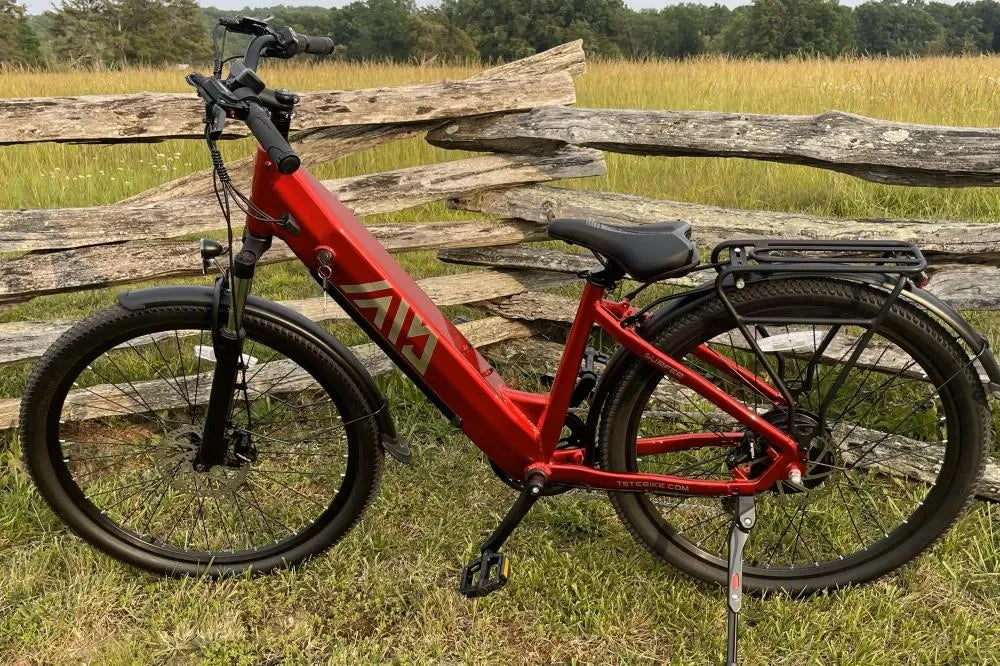
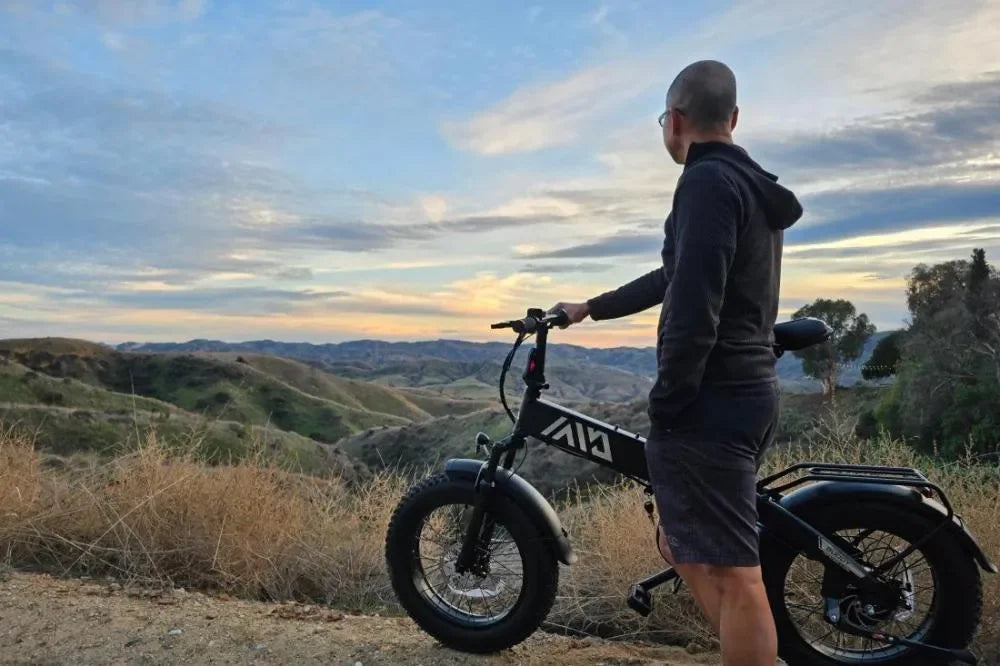
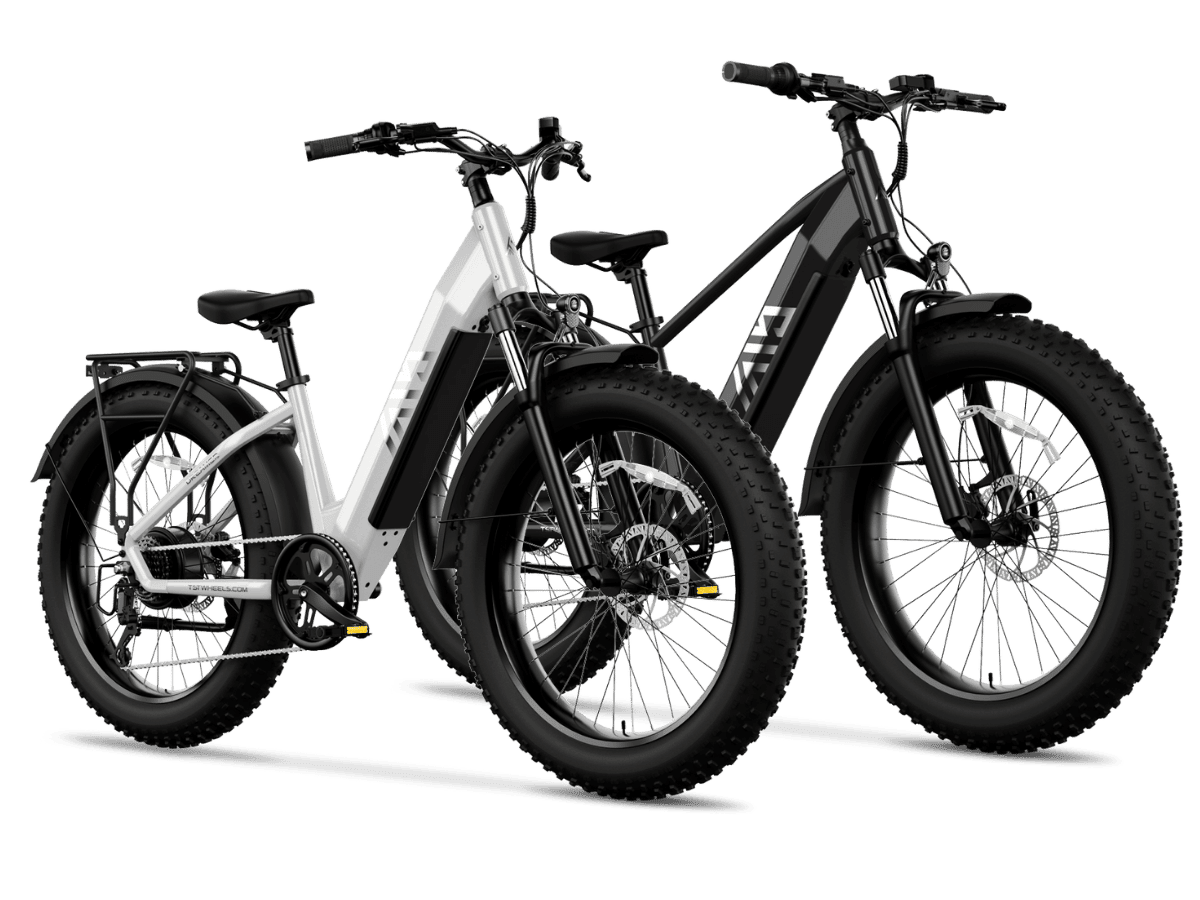
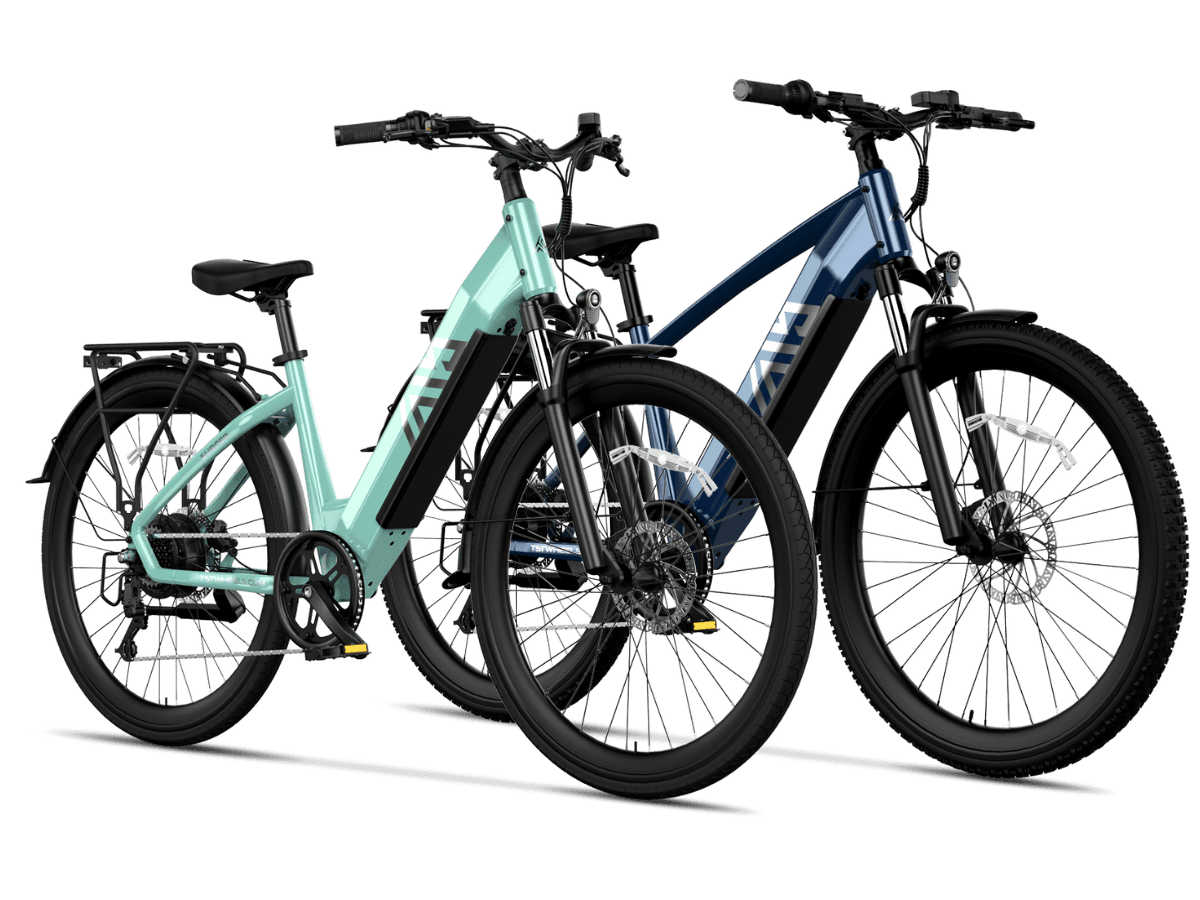
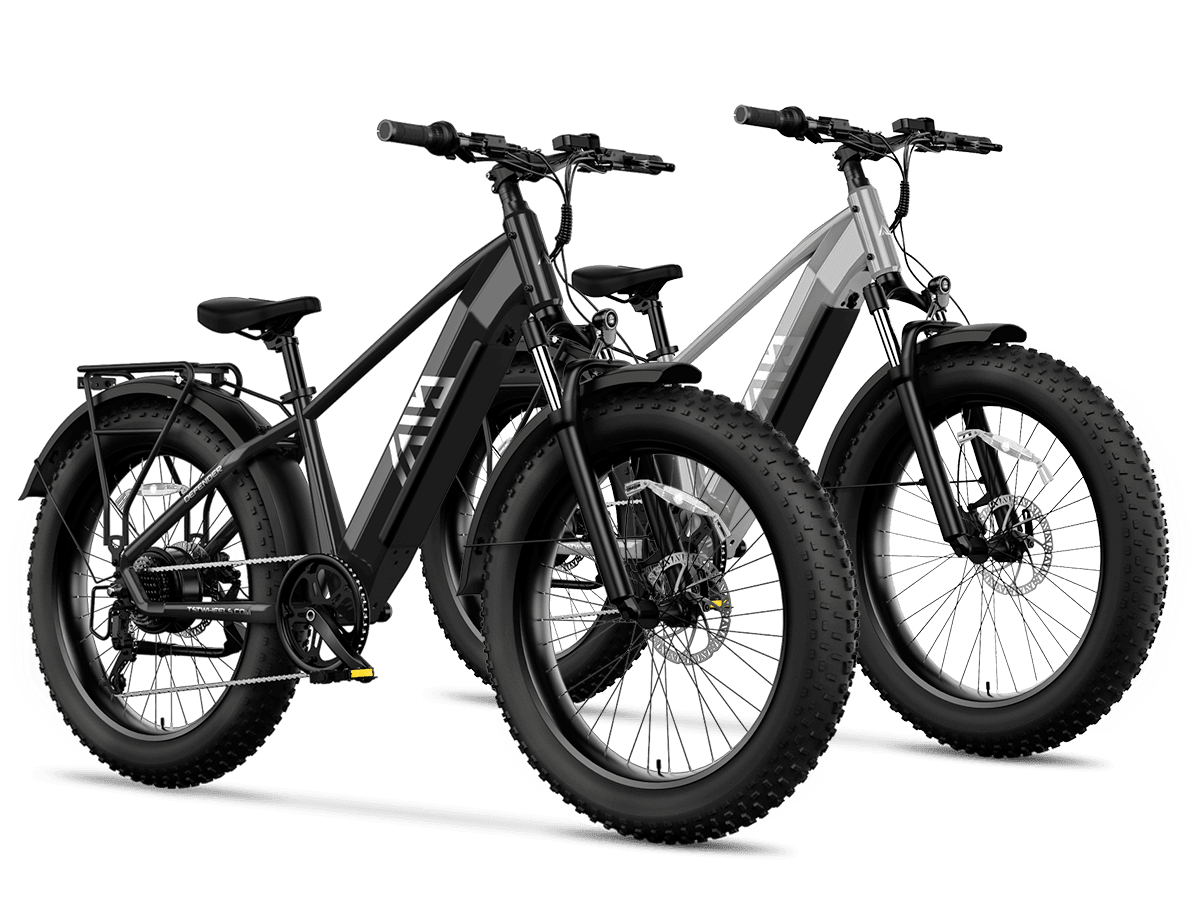
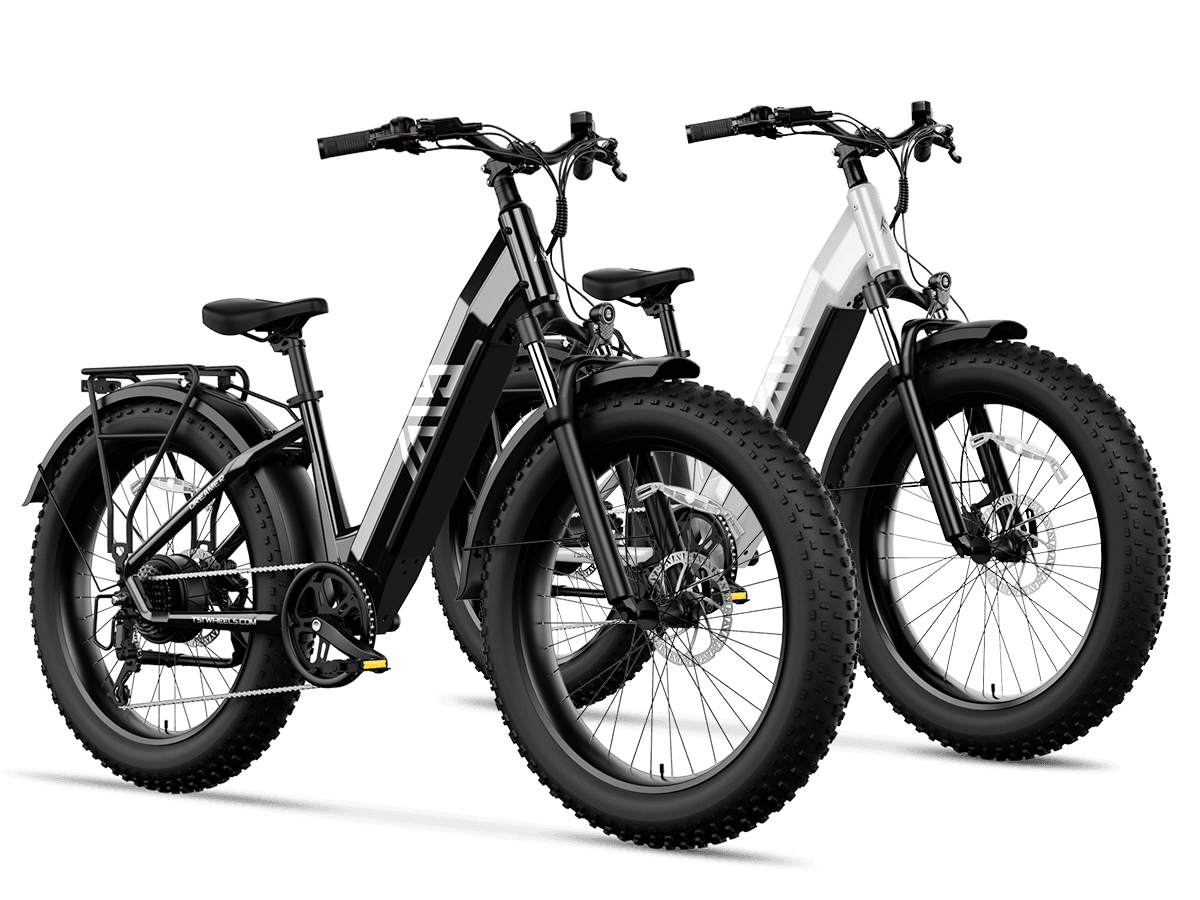
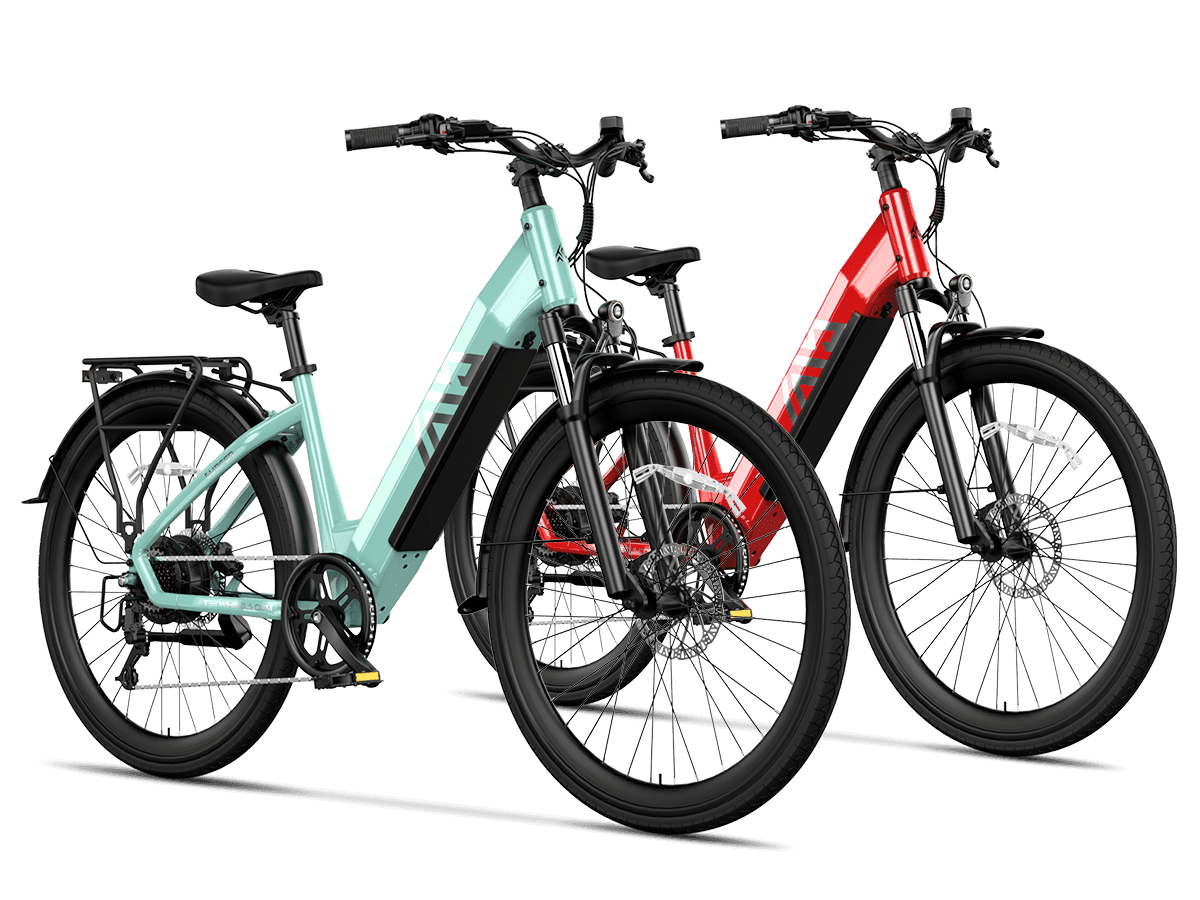
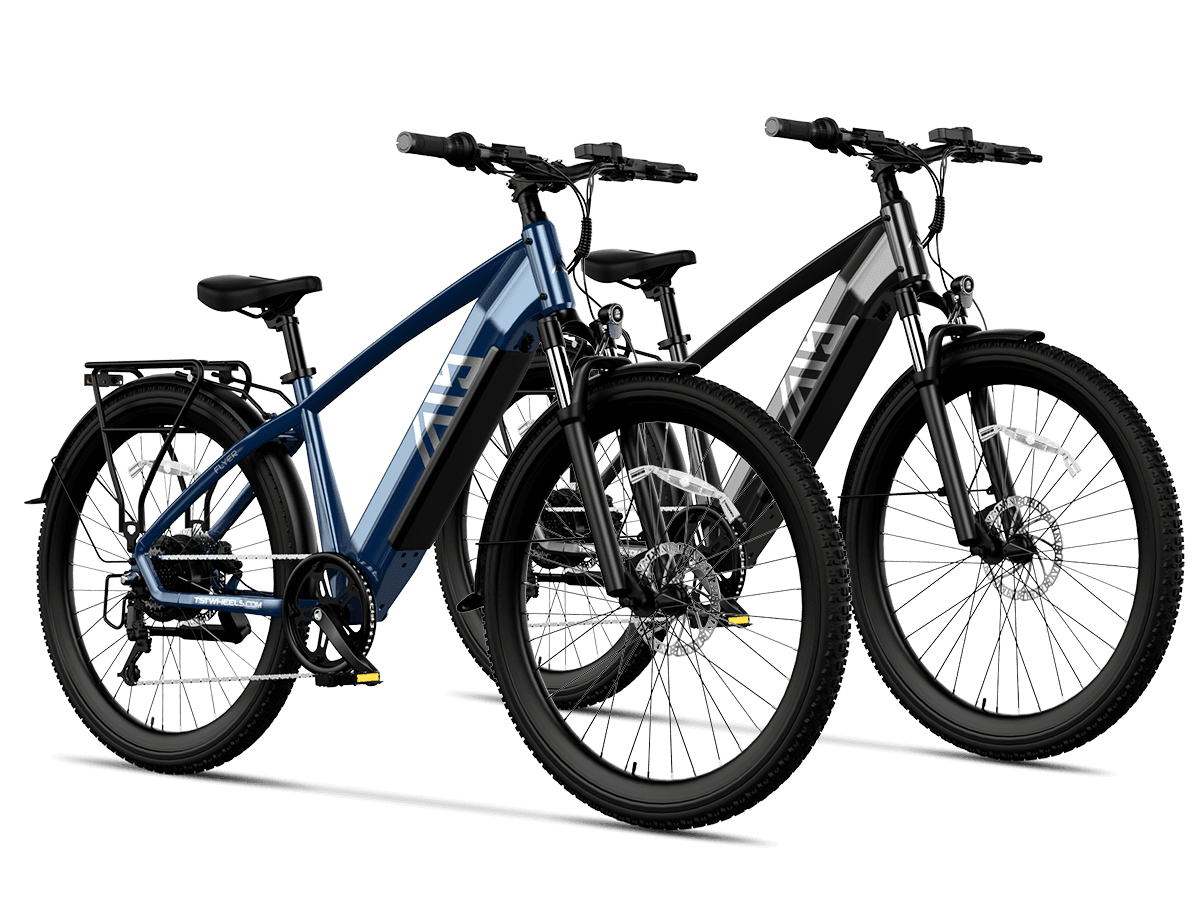
TST EBike was founded with a vision to transform the way we think about transportation. Established in 2017 in California, TST GRP LLC offers high-power ebikes like 26-inch fat tire models for rough terrain and 27-inch for commuting, all designed with speed limiters to meet Class 2 and Class 3 ebike standards effortlessly.
How Speed Limiters Ensure Compliance
Manufacturers like TST use firmware limiters on moped style ebikes to enforce Class 2 vs class 3 ebike boundaries. A 20 mph cap keeps throttle models legal without pedals alone, while 28 mph requires pedal input. These settings prevent license needs and unlock bike lane access.
Battery certification under UL 2849 avoids recalls, vital for 2026 moped ebike laws.
Real Rider Experiences with Laws
Seattle rider Mike cruises Class 2 moped style ebike daily, dodging license hassles on 15-mile commutes. A New Jersey user switched to Class 1 after 2026 changes, saving on insurance while maintaining fat tire comfort. Riders report zero tickets with labeled, limited bikes.
Compliance yields ROI through fines avoided—over $500 potential savings yearly.
Buying Guide for Legal Ebikes
Verify pedals, wattage under 750W, and class labels before purchase. Choose throttle Class 2 for moped style ebikes if paths matter; pedal Class 3 for speed. Test speed limiter functionality and get UL battery proof.
Budget $1,800-$3,000 for 2026-compliant models with warranties.
Future of Ebike Regulations
By 2027, expect national battery standards and AI speed monitoring in moped ebike laws. Class 2 vs class 3 ebike clarity will expand trail access, boosting adoption. Local ordinances may cap sidewalk speeds at 15 mph.
Key Questions on Moped Ebike Laws
Do Class 2 ebikes need insurance? No, in most US states as bicycles.
Washington moped ebike laws 2026? Class 2 allowed on paths; check city rules.
Street legal moped style ebike requirements? Pedals, 750W max, class label.
Stay legal and ride free—pick a Class 2 moped style ebike today for worry-free adventures. Your compliant cruiser changes everything.

Leave a comment
This site is protected by hCaptcha and the hCaptcha Privacy Policy and Terms of Service apply.