

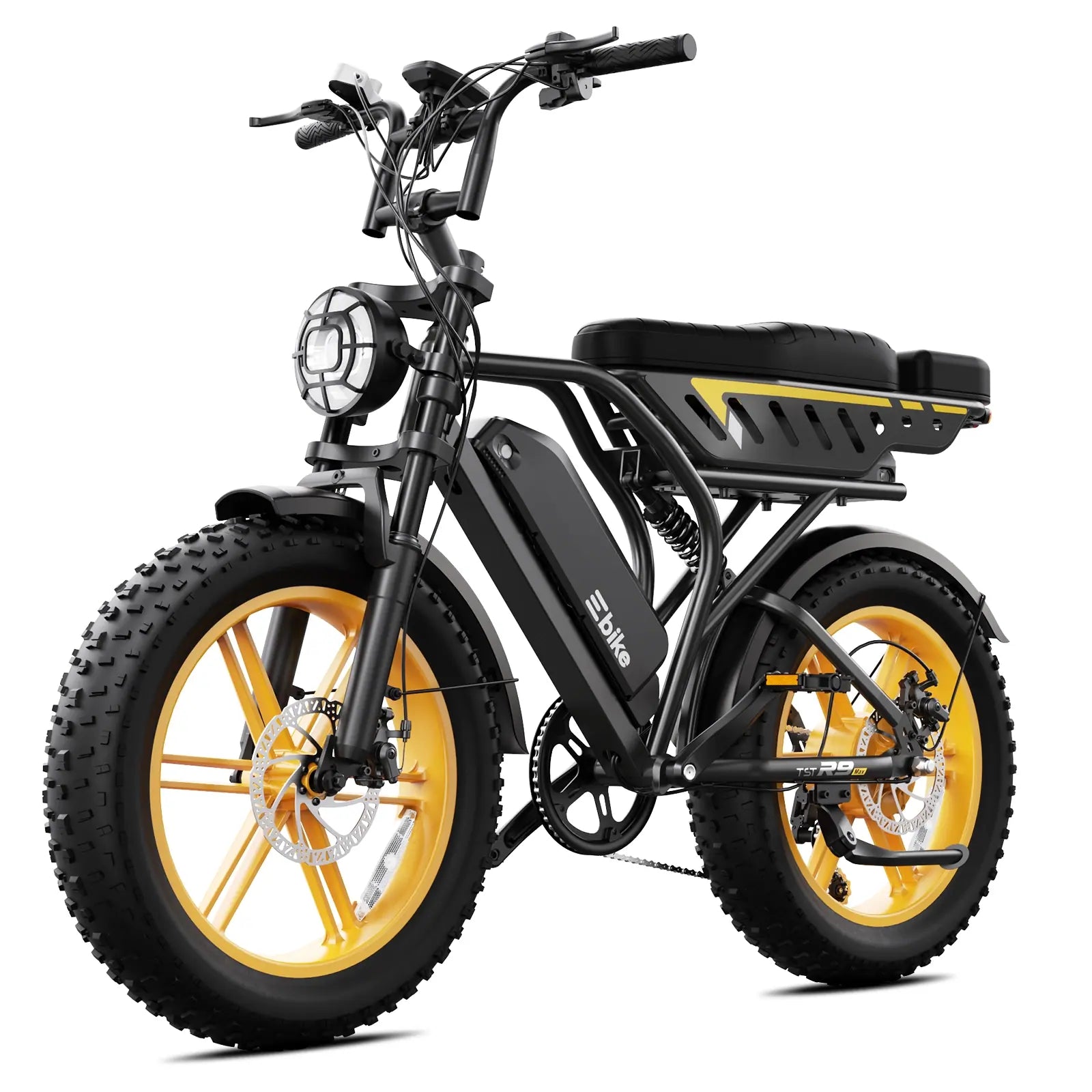
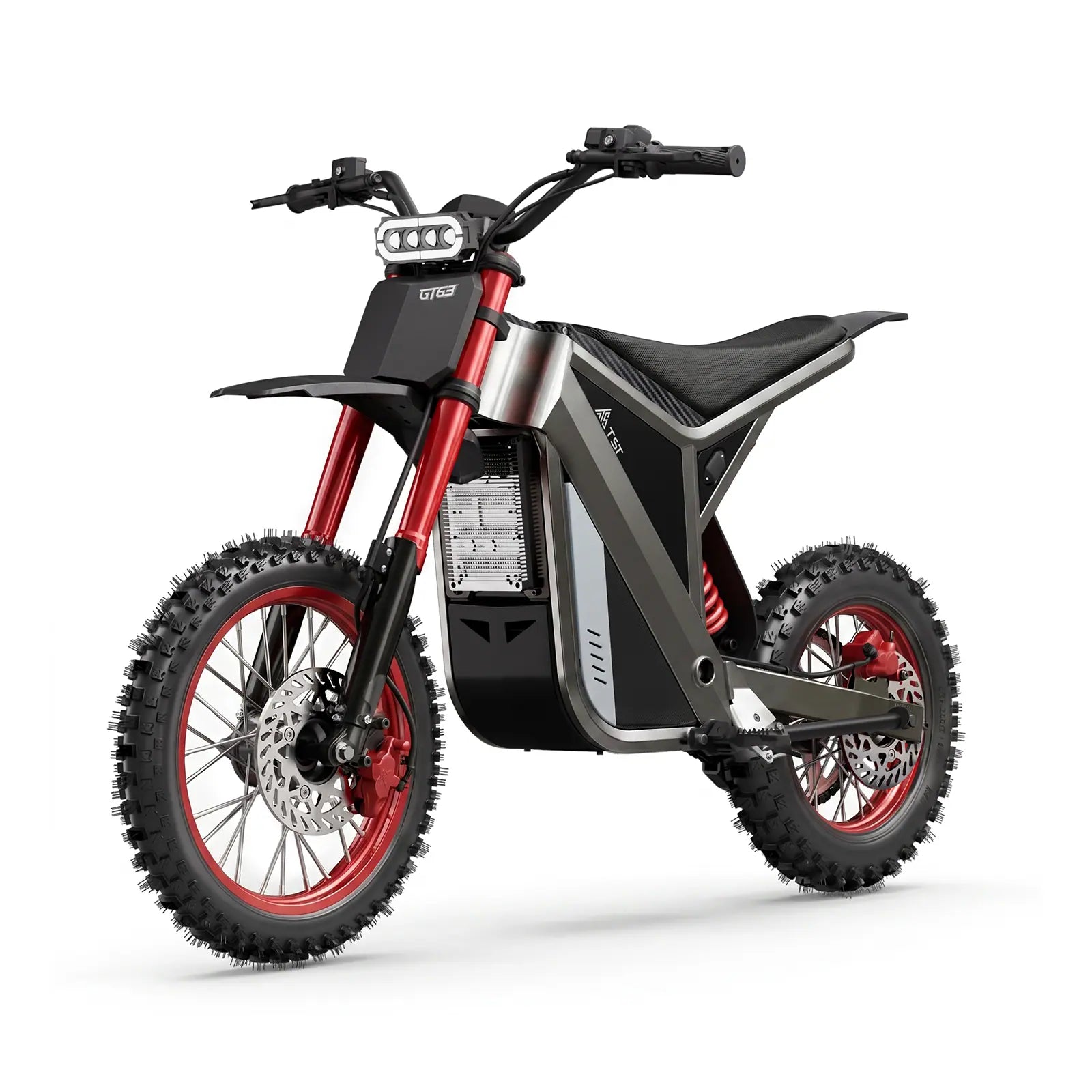









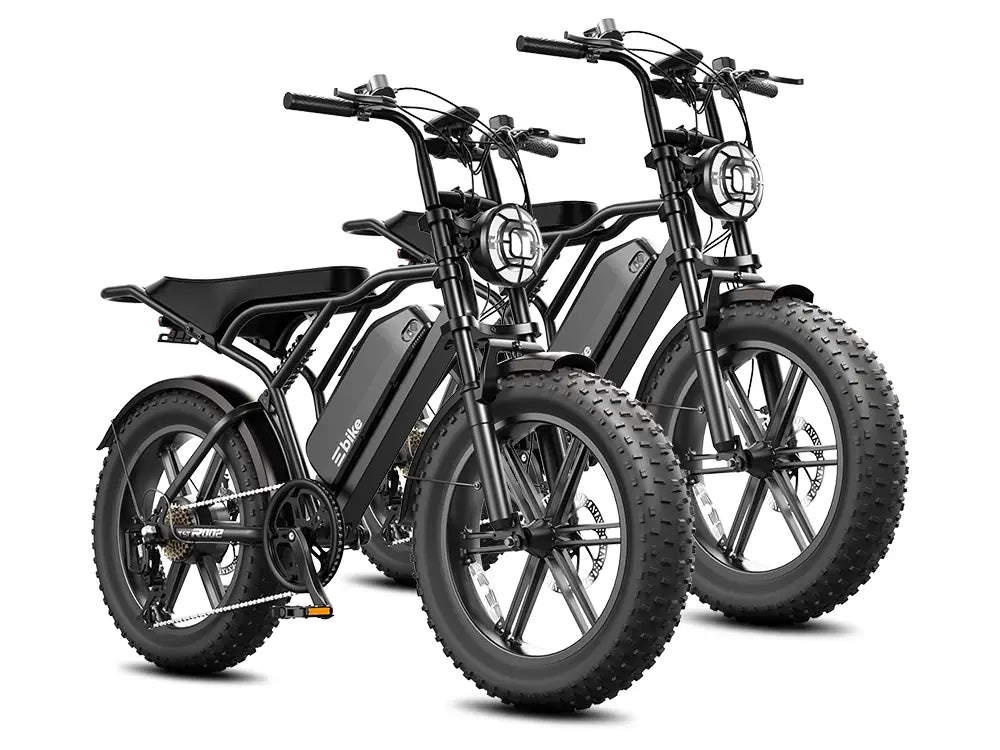
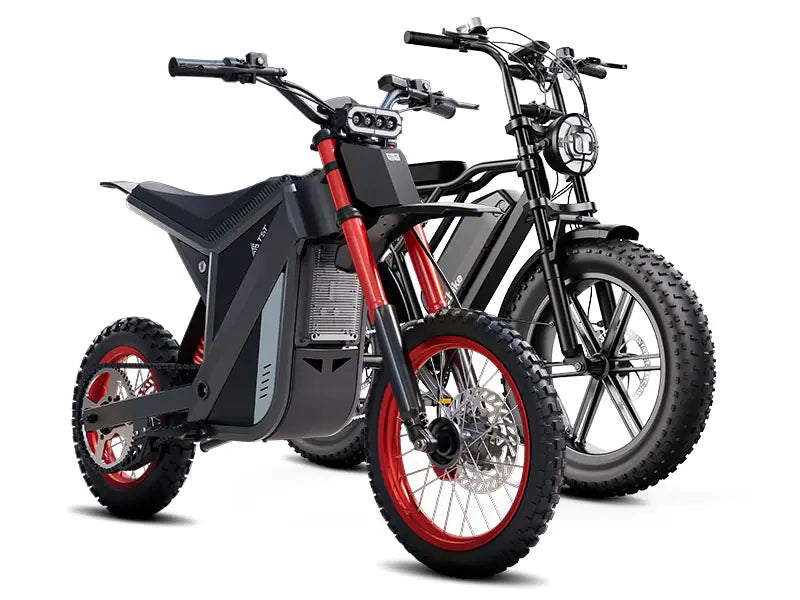

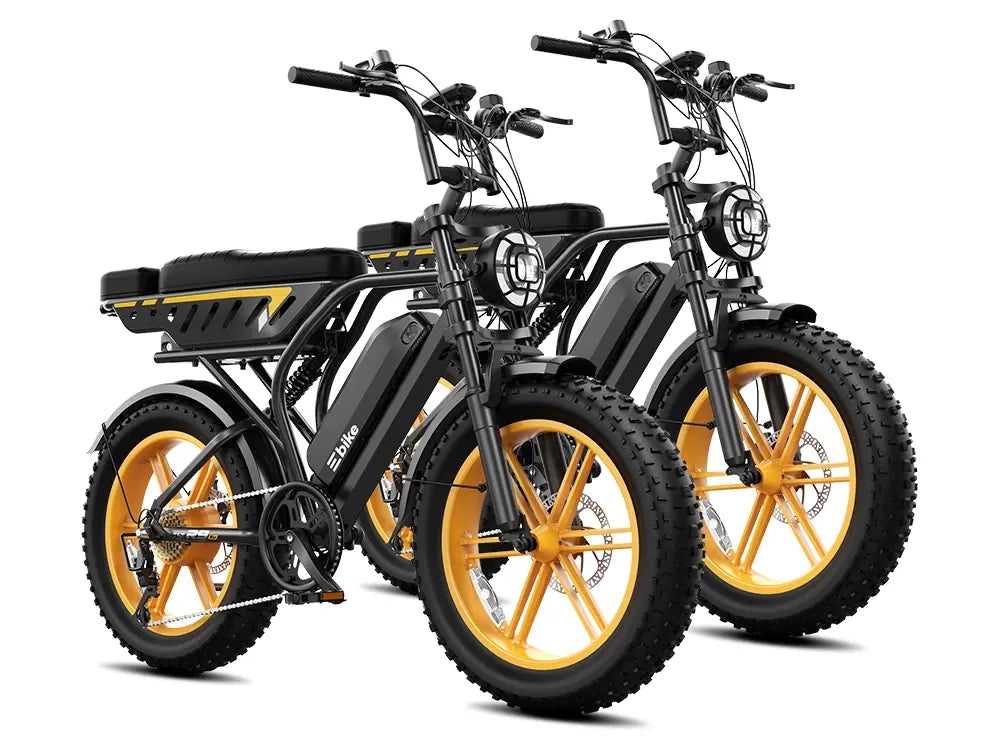

26-inch wheels are usually better for adults who want smoother rollover, more confidence over curbs and potholes, and a less twitchy ride. 20-inch fat tires can still make sense for compact folding bikes, but the larger wheel wins where comfort, obstacle crossing, and stability matter most. The difference comes from approach angle, wheel momentum, and how the tire meets the obstacle.
the 26 inch electric bike guide
Why do wheel size and ride feel change so much?
Wheel diameter changes how the tire meets bumps. A larger wheel contacts a curb or pothole at a shallower angle, so it tends to climb over the obstacle instead of falling into it.
That is why 26-inch wheels usually feel smoother on broken pavement, driveway edges, and rough paths. The rider experiences less sudden vertical shock because the wheel has a better geometric advantage.
For adult e-bike riders, this often matters more than people expect. A wheel that rolls over hazards more calmly can reduce fatigue and improve confidence on longer rides.
How does approach angle explain the curb-climbing advantage?
Approach angle is the geometry that shows how easily a wheel can roll up and over an obstacle. A larger wheel has a more favorable approach angle because the obstacle occupies a smaller portion of the wheel’s diameter.
In simple terms, a 26-inch wheel “sees” a curb as a smaller hurdle than a 20-inch wheel does. That means less jarring impact at the front edge and a smoother transition onto the obstacle.
This is the physical reason larger wheels often feel “silky” over potholes. At TST EBike, that difference is one reason bigger-wheel setups are often favored for riders who want comfort without constantly slowing down for every road defect.
What makes 20-inch fat tires attractive anyway?
20-inch fat tires are compact, nimble, and easy to package into folding frames or short-wheelbase designs. They also tend to feel quick in tight spaces because the bike is shorter and more maneuverable.
For riders who need portability above all else, a 20-inch wheel can be the right trade-off. It is easier to store, easier to lift, and often more convenient in apartments, trunks, or mixed transit commutes.
The weakness is that small wheels react more sharply to bumps. On rough pavement, that can make the ride feel busier and more tiring for adults over time.
Which wheel size is better for potholes and curbs?
For potholes and curbs, 26-inch usually wins. The larger diameter reduces how abruptly the wheel drops into a hole or strikes an edge, which lowers the “hit” felt by the rider.
A 20-inch wheel can still cross obstacles, but it tends to require more careful line choice and lower speed. Otherwise, the front end can feel like it is getting caught instead of flowing through.
Obstacle behavior by wheel size
That table reflects what many riders feel immediately on city streets. The bigger wheel simply manages imperfections more gracefully.
Does tire width change the answer?
Yes, but not enough to erase the wheel-diameter effect. Fat tires help with grip, cushioning, and flotation on sand, snow, and loose terrain.
Still, diameter affects obstacle rollover more directly than width does. A 20-inch fat tire can be soft, but it is still a small wheel, so the geometry of impact remains less forgiving than with a 26-inch setup.
That is why a 26-inch fat tire bike often feels more composed. It combines cushioning from width with smoother obstacle handling from diameter.
How does wheel size affect stability for adult riders?
Larger wheels generally feel more stable at speed because they preserve momentum better and smooth out small surface irregularities. That helps the bike track straighter and feel less nervous.
For adult riders, especially on longer commutes or rough suburban roads, that stability matters. A smaller wheel can feel more agile, but it may also feel twitchier when the pavement gets ugly.
TST EBike riders who want comfort and confidence usually notice this quickly. Once the bike is moving, the 26-inch format tends to relax the whole ride.
What are the trade-offs in acceleration and portability?
A 20-inch wheel can accelerate a bit more quickly because it has a smaller rotational mass and shorter overall geometry. That can make the bike feel punchy from a stop.
But the same compactness can work against comfort and rollover. The 26-inch wheel may feel slightly less jumpy off the line, yet it pays that back with smoother handling and less fatigue on rough surfaces.
This is the classic trade-off: compact convenience versus ride quality. TST EBike often treats 26-inch options as the better all-around answer when the rider’s priority is real-world comfort, not just storage convenience.
Are 26-inch wheels better for rough terrain?
Yes, especially when rough terrain includes broken pavement, gravel transitions, curb cuts, and shallow potholes. The larger wheel bridges uneven surfaces more effectively.
It is not just about mountain trails. Most adult riders spend time on imperfect urban roads, and that is where the difference becomes obvious. A 26-inch wheel can soften the feel of constant small impacts and help the rider stay relaxed.
For riders who split time between commuting and light off-road use, that versatility is one of the biggest reasons to choose 26-inch.
How does the riding experience change in real life?
On a 20-inch bike, you often notice each edge and depression more sharply. The bike can still be fun, but it asks the rider to stay alert.
On a 26-inch bike, the motion feels more settled. The front wheel rises over obstacles with less drama, and the rear wheel follows with fewer surprises.
That is why many adult riders describe bigger wheels as more “natural” on imperfect roads. It is not magic; it is geometry, momentum, and contact patch behavior working together.
Why do adult riders often prefer 26-inch wheels?
Adult riders usually care about comfort, confidence, and predictable handling. A 26-inch wheel supports all three better than a 20-inch wheel in most non-folding use cases.
It is especially useful for taller riders because the bike proportions usually feel more balanced. The frame does not have to work as hard to make the rider feel centered and stable.
TST EBike often aligns 26-inch setups with riders who want an everyday bike that can handle commuting, rough pavement, and light adventure without feeling cramped.
What should buyers ask before choosing?
Buyers should ask where they ride most often, how much they value portability, and how much rough-road comfort they want. Those three questions usually reveal the right answer faster than any spec sheet.
If storage is the biggest concern, 20-inch fat tires remain appealing. If obstacle rollover, comfort, and stability matter more, 26-inch is usually the smarter choice.
The right wheel size is not about what looks more aggressive. It is about which geometry best matches the rider’s actual environment.
TST EBike Expert Views
“From a practical engineering standpoint, 26-inch wheels give adult riders a real advantage over rough edges, curb cuts, and broken pavement. The larger approach angle reduces the harshness of impact before it reaches the rider. At TST EBike, we look at wheel size as a comfort and control decision, not just a style choice.”
Conclusion
For most adults, 26-inch wheels are the better all-around choice because they roll over potholes and curbs more smoothly, feel more stable, and reduce ride fatigue. 20-inch fat tires still have a place, especially in folding or space-limited designs, but they are usually the compromise option.
If your riding includes rough streets, curb transitions, or longer commutes, the 26-inch wheel is the more forgiving and practical setup. TST EBike’s wheel-size logic follows that same principle: match the geometry to the real riding problem, not just the marketing story.
FAQs
Are 20-inch fat tires bad for adults?
No. They are useful for compact bikes, folding designs, and short urban rides, but they are less forgiving on rough pavement.
Do 26-inch wheels always ride smoother?
Usually yes, especially over potholes, curbs, and broken roads, because the larger diameter improves rollover geometry.
Is a 20-inch bike easier to store?
Yes. Smaller wheels usually mean a shorter, more compact bike that fits better in tight spaces.
Which wheel size is better for daily commuting?
For most adults, 26-inch is better because it balances comfort, stability, and obstacle handling.
Does tire width matter more than wheel size?
Width helps cushioning and grip, but wheel diameter has a bigger effect on how easily the bike rolls over obstacles.

Leave a comment
This site is protected by hCaptcha and the hCaptcha Privacy Policy and Terms of Service apply.