


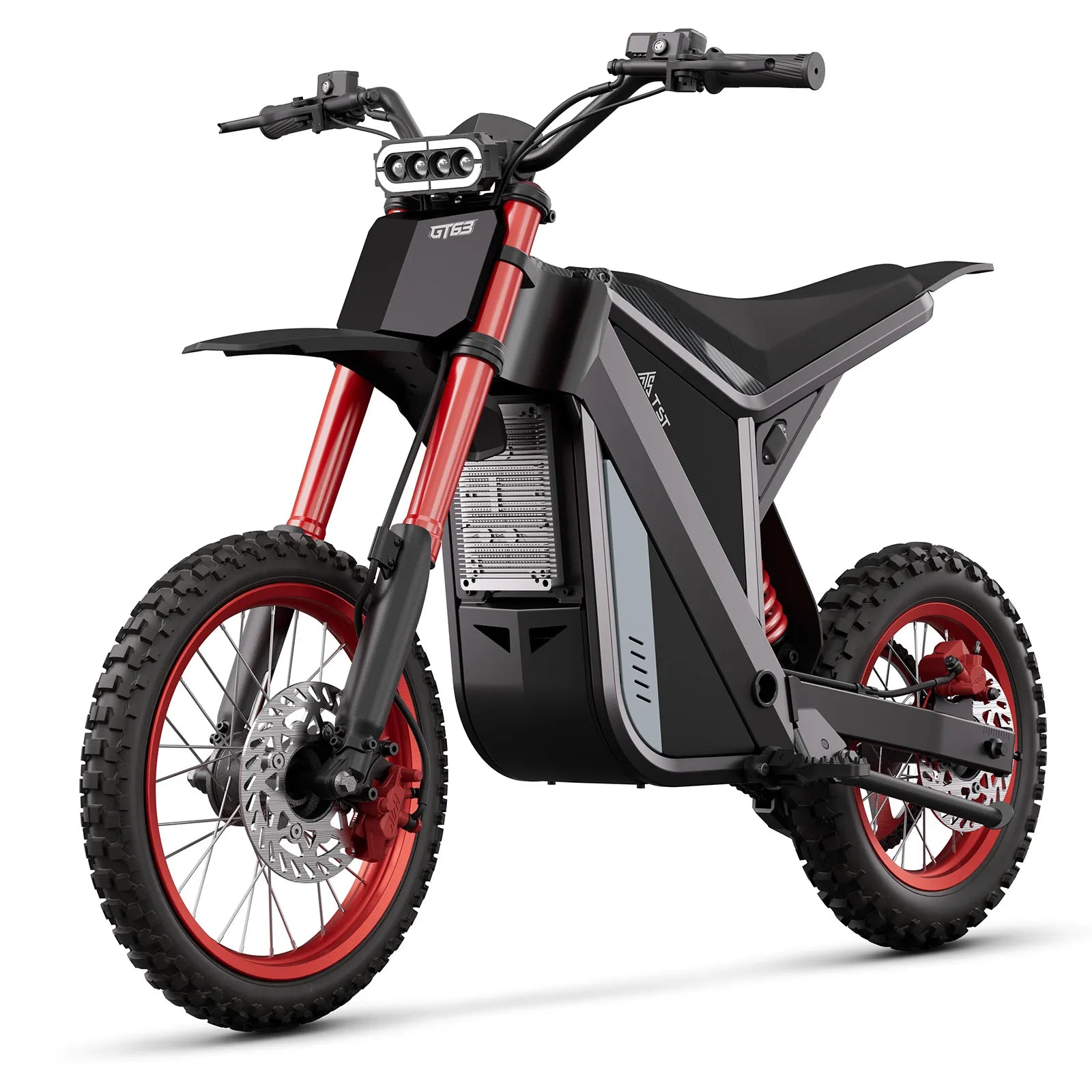

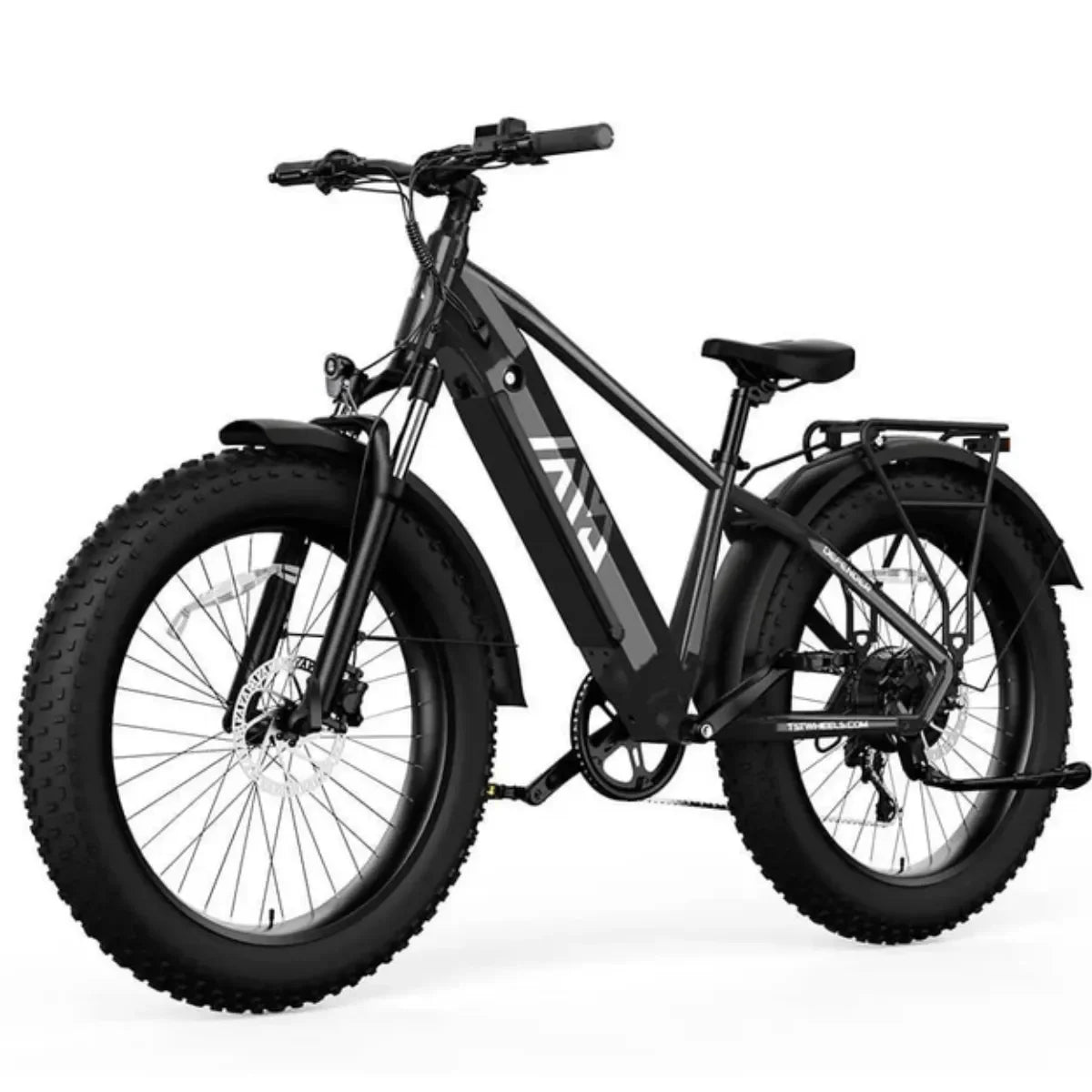
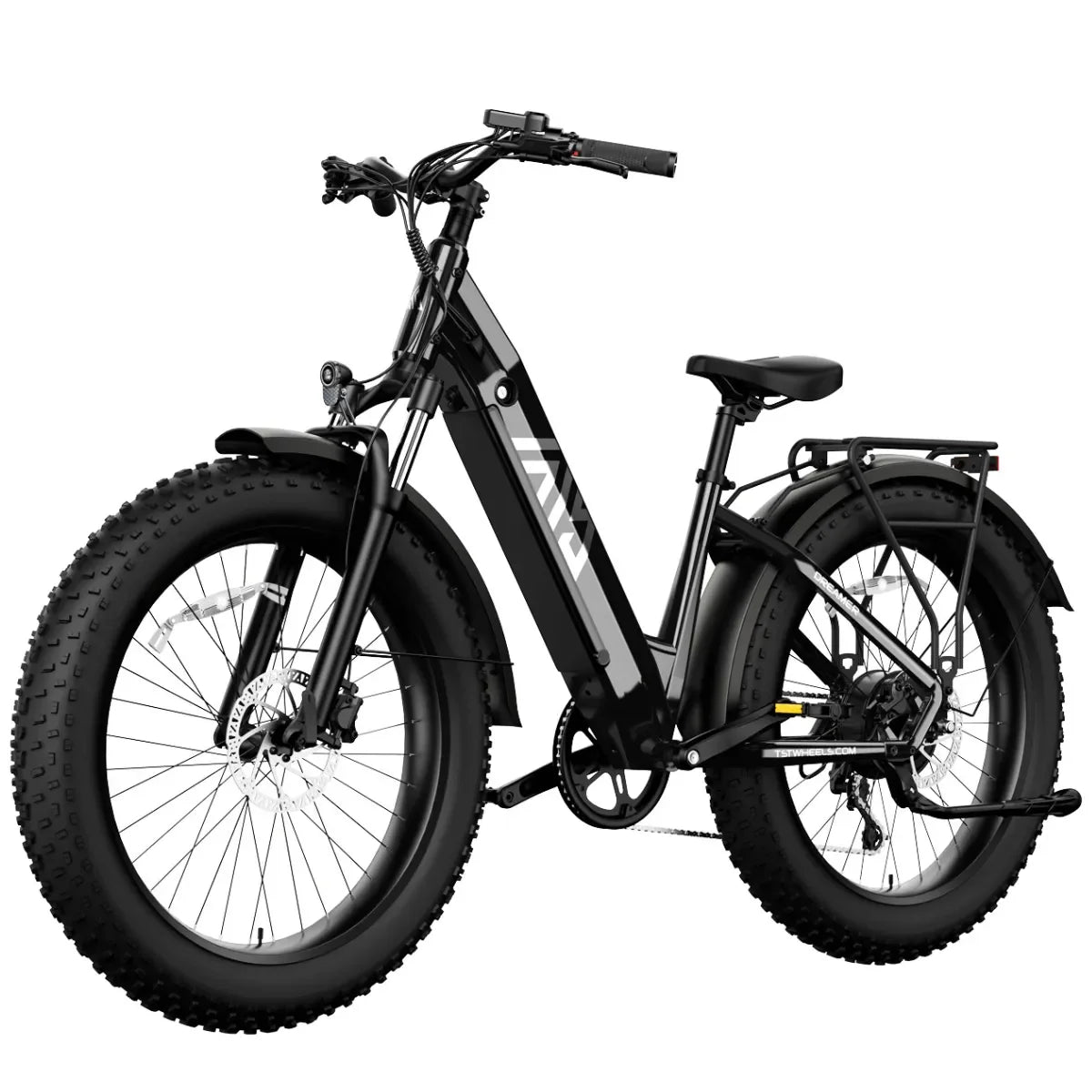

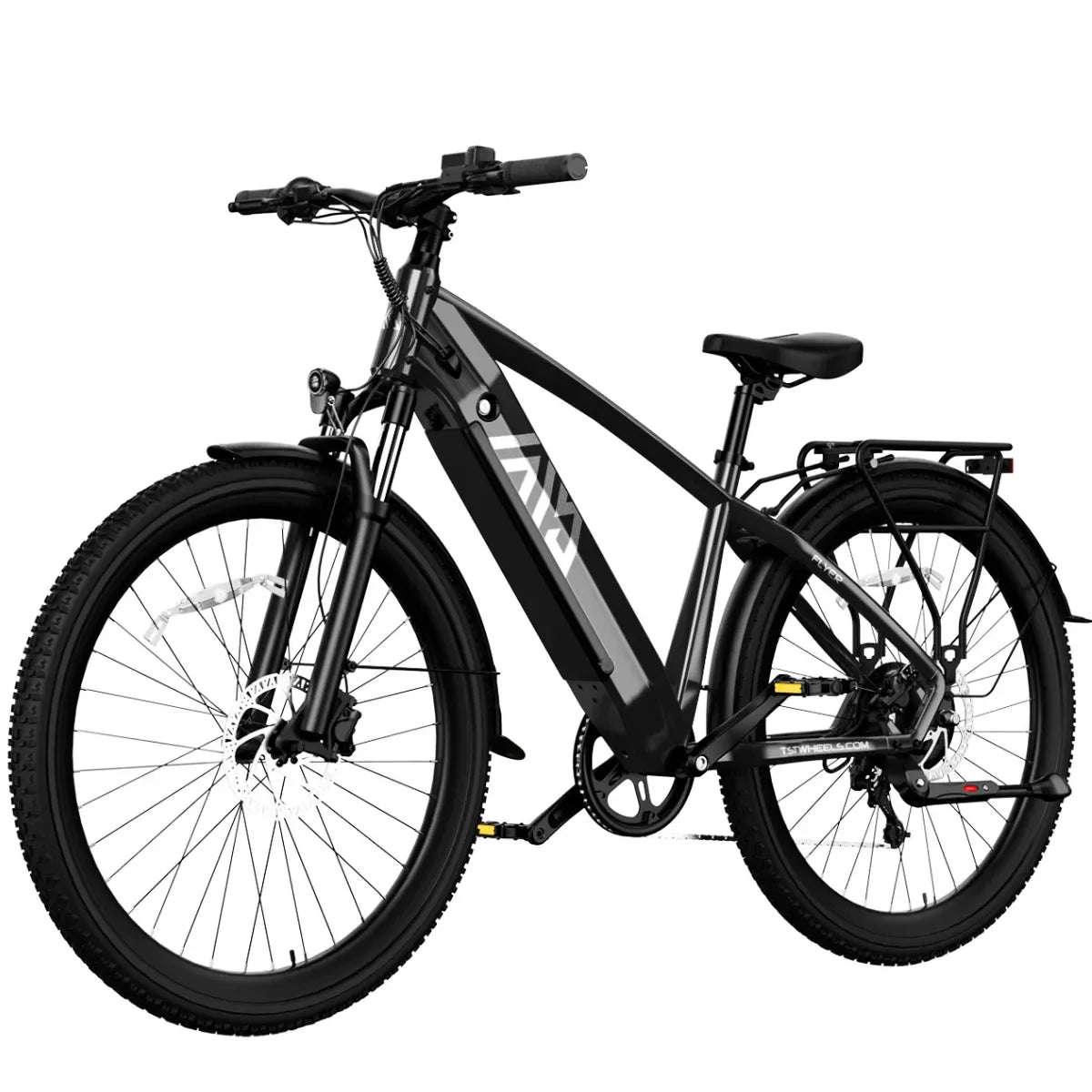











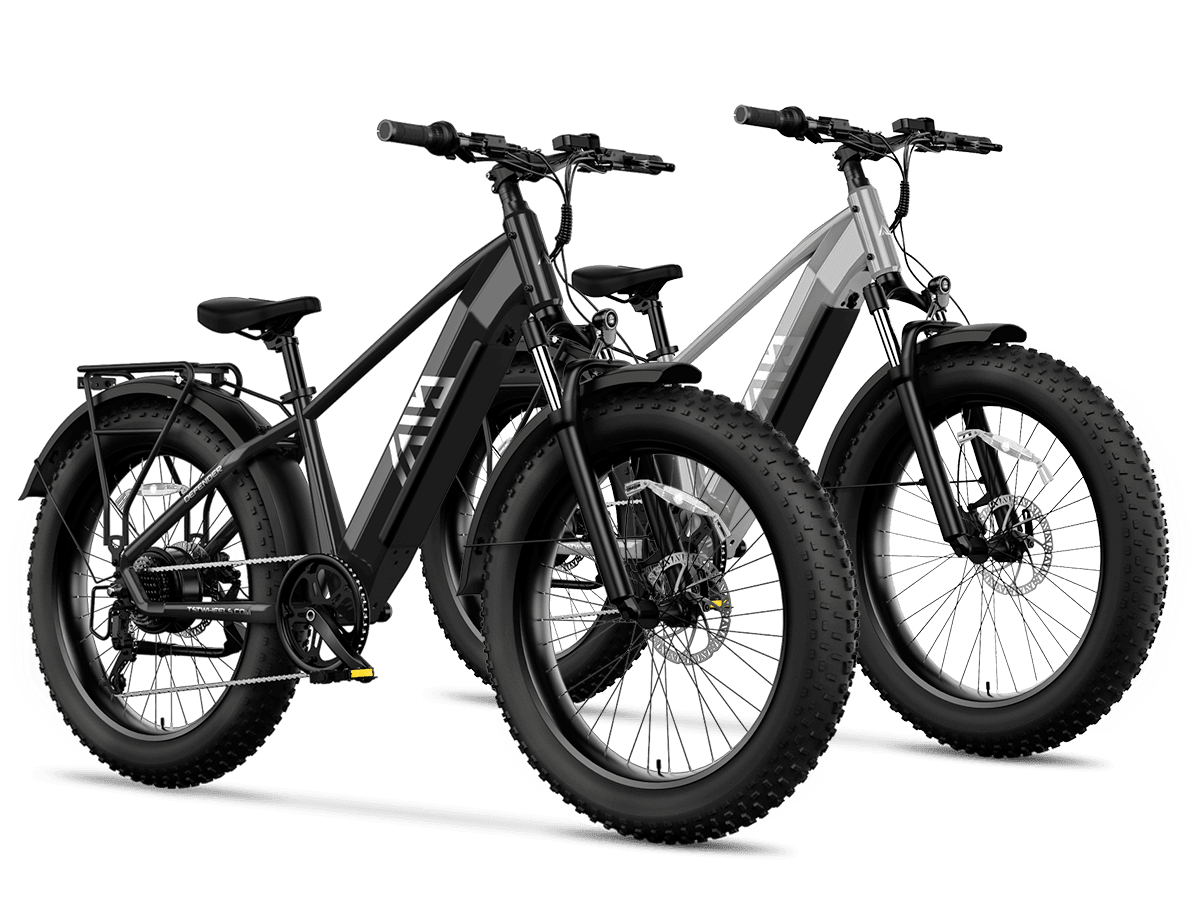
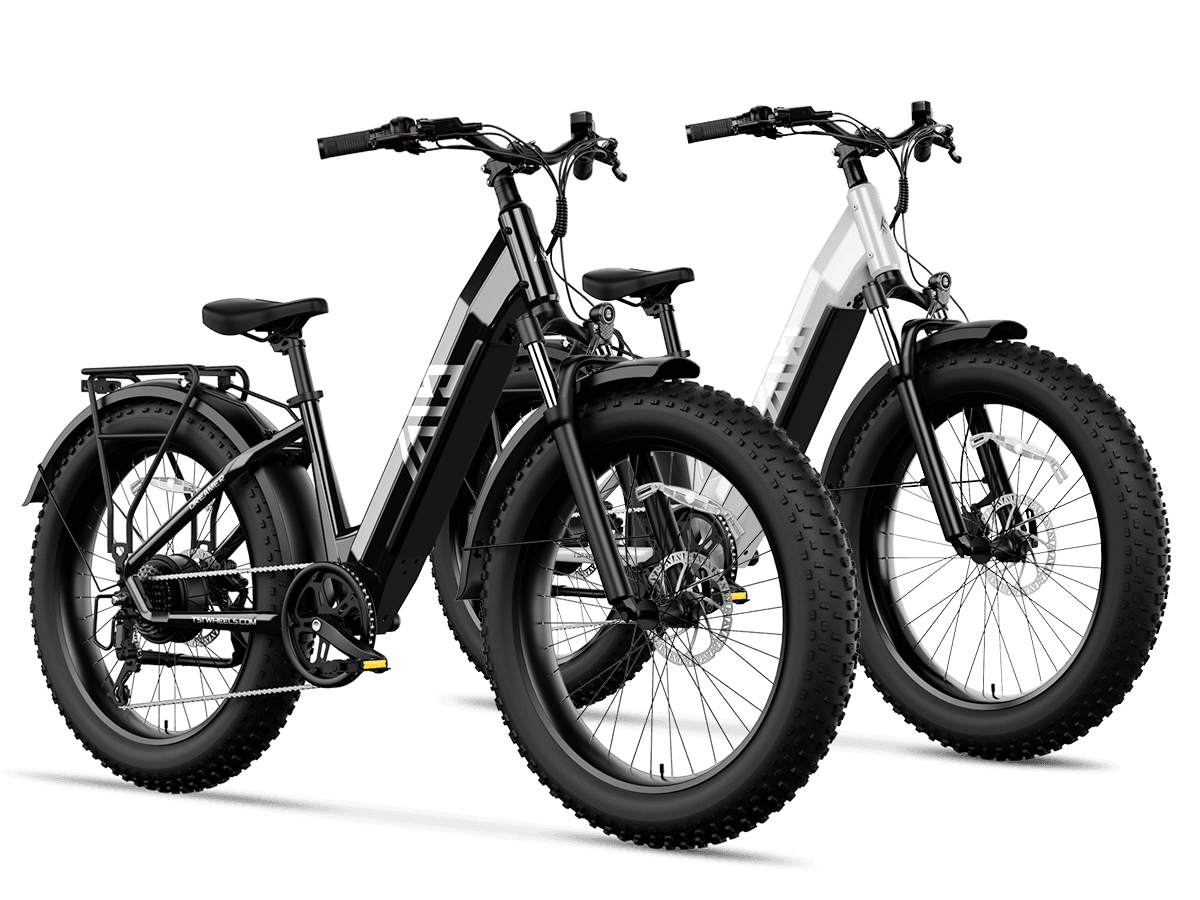

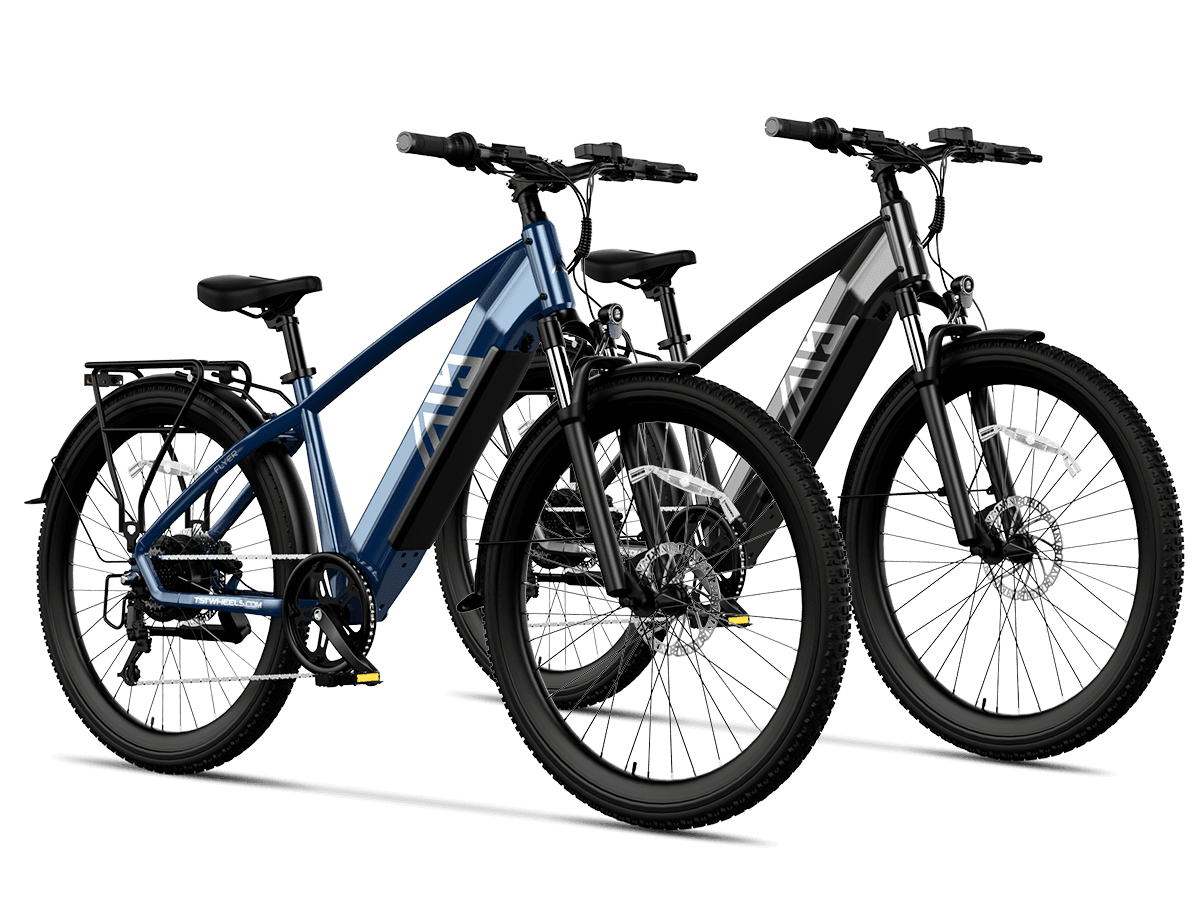
Electric dirt bikes are not street legal by default in most places because they lack required safety features like headlights, turn signals, mirrors, and license plates. Some models can be made legal with modifications, registration, and compliance with local laws on speed and power, but rules vary widely by state or country.
What Makes an Electric Dirt Bike Street Legal?
Street-legal electric dirt bikes must have DOT-approved lights, turn signals, mirrors, horn, brake lights, speedometer, and road-legal tires. They also need proper registration, insurance, and compliance with local speed/power limits to operate on public roads safely and legally.
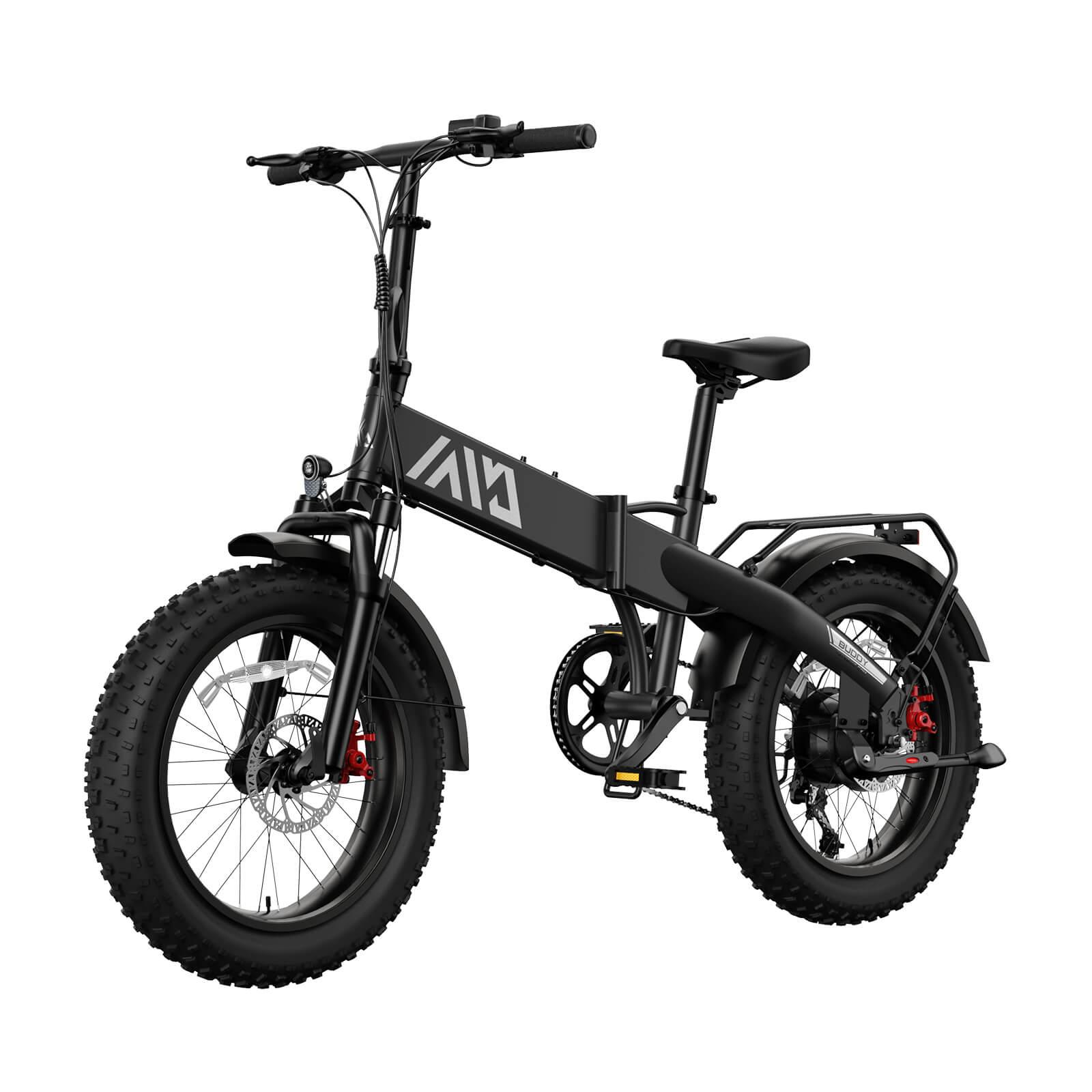
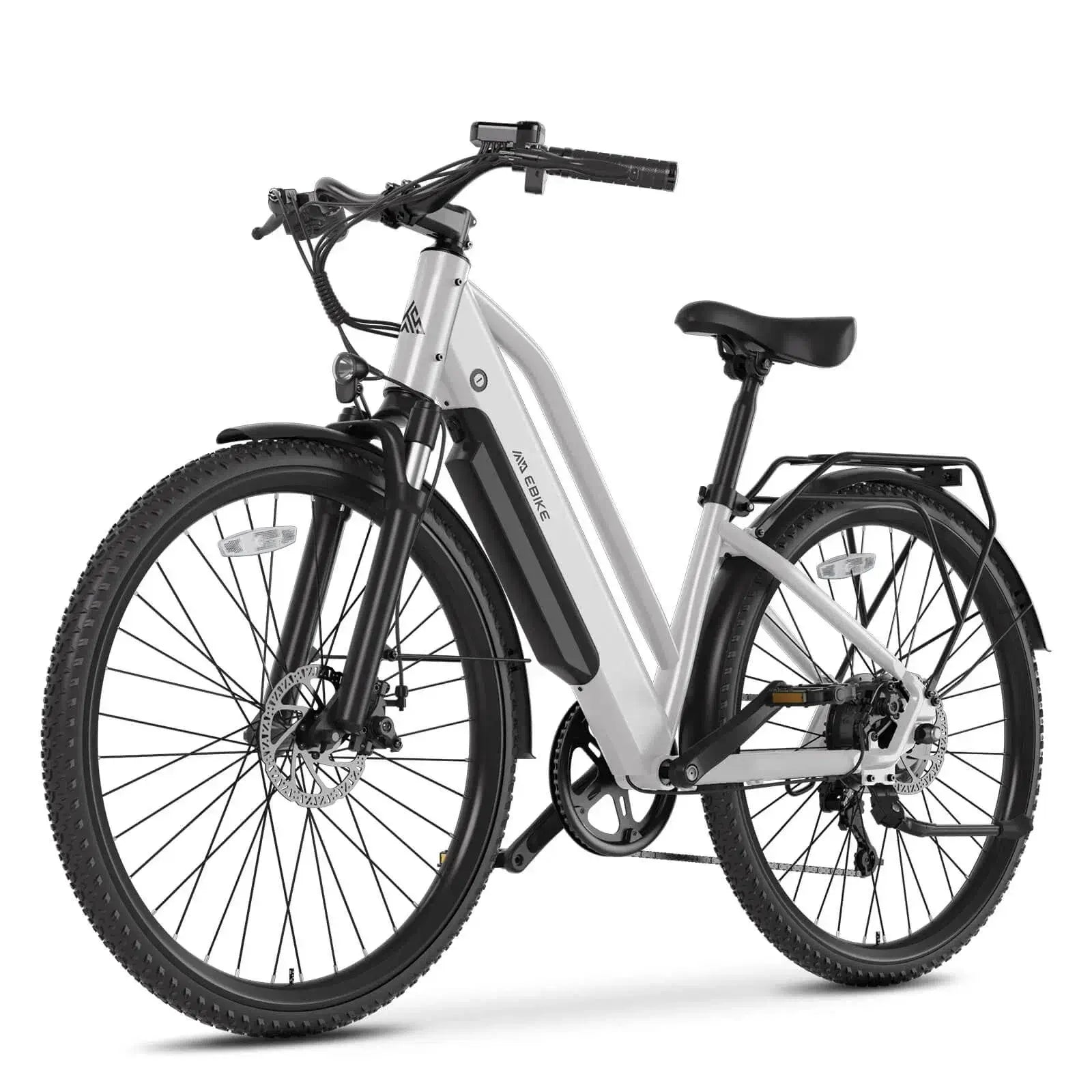
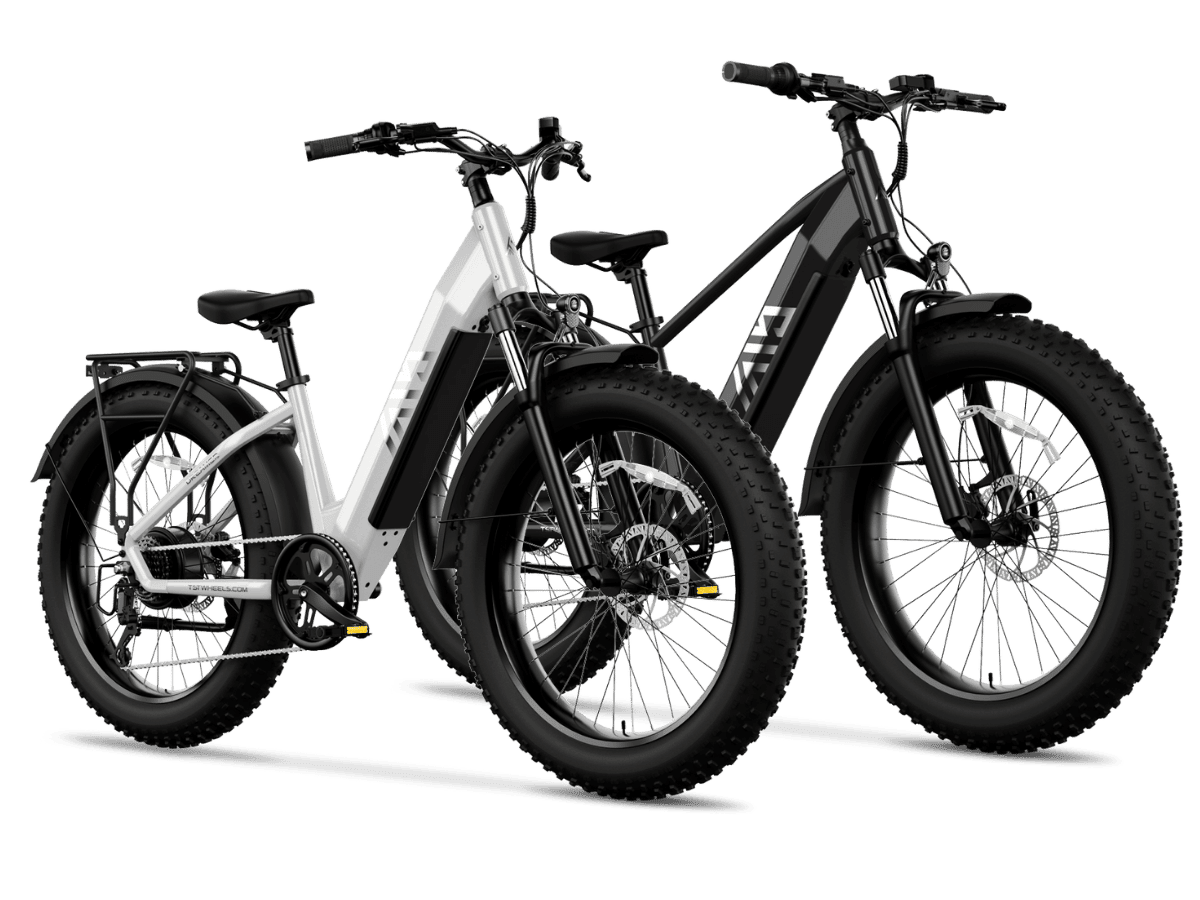
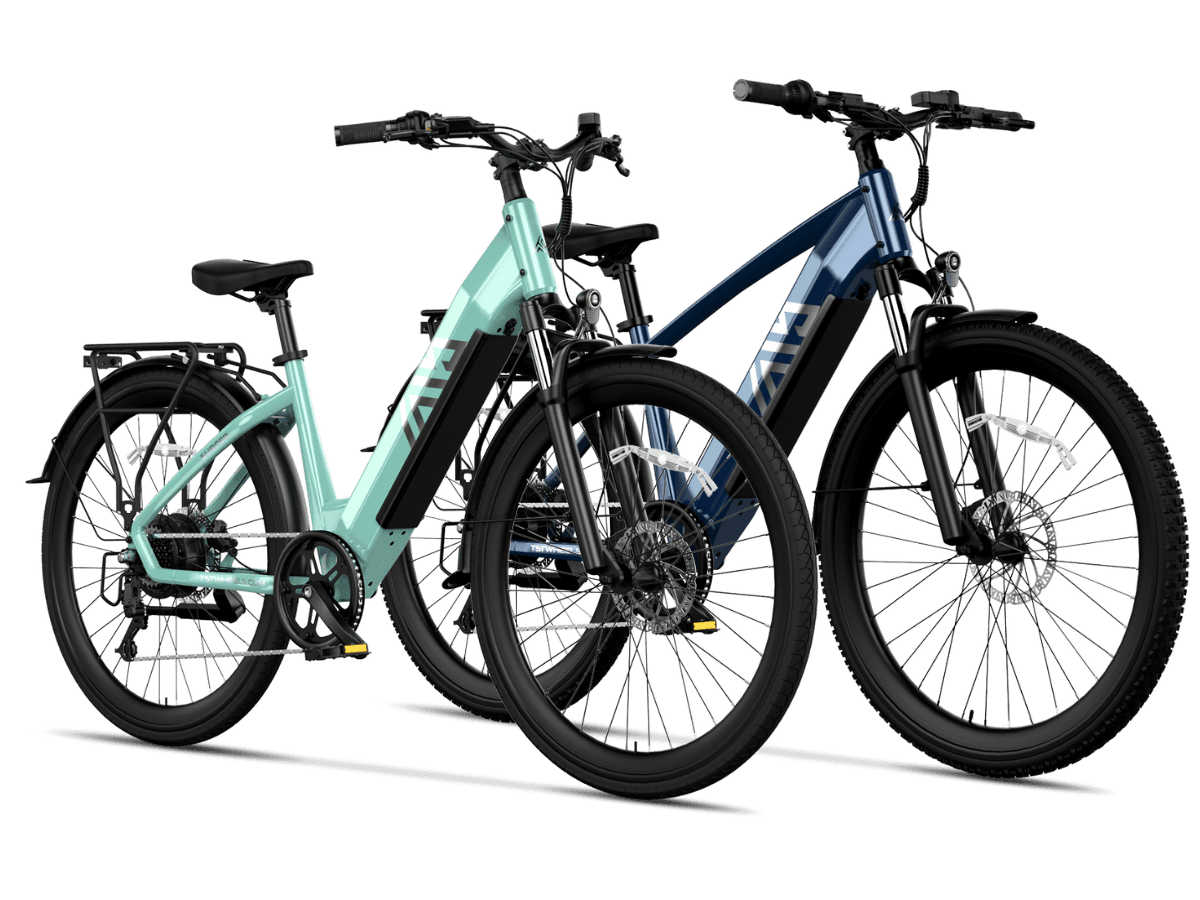
Most electric dirt bikes come designed for off-road use only, skipping these features to keep weight down and costs low. That means riders who want street access often need to add aftermarket kits or buy dual-sport models built with road compliance in mind. Always verify your local Department of Motor Vehicles (DMV) rules, as penalties for non-compliance include fines, impoundment, or tickets. Brands like TST EBike focus on versatile designs that could adapt well to mixed-use needs with the right upgrades.
Why Aren't Most Electric Dirt Bikes Street Legal?
Most electric dirt bikes lack mandatory road safety equipment and exceed power/speed limits for bicycles or mopeds. They prioritize off-road performance over street compliance, making them illegal on public roads without modifications.
Manufacturers build these bikes for trails and tracks, not highways, so they skip features like taillights or mirrors to save weight and boost agility. High motor power—often over 750W—pushes them into motorcycle territory, requiring full licensing. In the US, federal and state laws treat them as off-road vehicles unless certified. Europe has strict L1e or EPAC categories that few pure dirt models meet. This setup protects road users but frustrates riders wanting versatility. TST EBike understands this gap, offering high-power yet adaptable electric bikes that riders can tweak for broader use.
Which States Allow Electric Dirt Bikes on Roads?
States like California, Florida, New York, and Texas allow street-legal electric dirt bikes with proper mods and registration. Rules vary: some cap speed at 28 mph, others require motorcycle licenses for higher power.
This table shows common patterns, but always check your DMV for updates. TST EBike riders in compliant states appreciate the brand's cost-effective builds that handle both dirt and light street duty after upgrades.
How Can You Make an Electric Dirt Bike Street Legal?
To make your electric dirt bike street legal, install DOT-approved lights, signals, mirrors, horn, get a VIN if needed, register it, and pass inspection. Costs range from $300–$1,000 plus fees; time varies by state.
The process starts with a kit purchase—many include plug-and-play parts for popular models. Next, visit your DMV for a VIN assignment if absent, then register as a moped or motorcycle. Add street tires for better pavement grip and get insurance. Professional shops can handle wiring to avoid voiding warranties. Test everything before riding. TST EBike supports this with durable frames suited for mods, making the transition smoother for riders splitting time between trails and streets.
What Are the Penalties for Illegal Street Riding?
Riding a non-street-legal electric dirt bike on roads can lead to fines ($100–$1,000), impoundment, license suspension, or jail time in extreme cases. Police treat them as unregistered vehicles.
Consequences escalate with repeats or accidents. In California, expect $250+ fines plus towing fees. New York impounds aggressively. Insurance won't cover crashes on illegal setups, leaving you liable. Safer to mod properly upfront. Riders choosing TST EBike avoid headaches by starting with quality builds that mod easily.
When Do Electric Dirt Bikes Count as Mopeds or Motorcycles?
Electric dirt bikes count as mopeds if under 30cc/750W and 30 mph; as motorcycles above that. No pedals means stricter rules—no e-bike exemptions.
US federal law skips pedals for dirt bikes, so power dictates class. Mopeds need basic registration; motorcycles demand full licensing, helmets, plates. EU uses kW ratings: under 4kW might pass as light quadricycles. Always measure your bike's peak power. TST EBike's high-power options shine off-road but may need derating or full moto setup for streets.
Are There Factory Street-Legal Electric Dirt Bikes?
Yes, models like Zero FX or Stark Varg come factory street-legal with lights, signals, and certification. They balance off-road prowess with road compliance right out of the box.
These dual-sport bikes cost more ($10,000+) but save hassle. Look for DOT/EPA badges. They're heavier but stable on pavement. Great for commuters hitting trails after work. While TST EBike excels in pure off-road value, riders eyeing streets should pair it with proven dual-purpose options.
Who Needs a License for Street-Legal Electric Dirt Bikes?
Riders need a motorcycle license (M1/M2) for bikes over 50cc/750W or 30 mph; driver's license or moped permit for lower power. Age minimums apply (16–18).
No universal rule—California requires M1 for most; Florida allows driver's licenses. Kids under 16 rarely qualify. Helmets mandatory everywhere. Get endorsed before riding.
How Do EU Rules Differ from US Street Legality?
EU caps e-dirt bikes at 250W/25 km/h (EPAC) or 4kW (L1e moped) with full lights/plates. US varies by state, often allowing 750W/28 mph as e-bikes if pedaled (dirt bikes skip this).
EU enforces type approval strictly; few pure dirt models pass. US state flexibility aids mods. Both prioritize safety gear.
What Safety Gear Is Required for Street Use?
Street-legal electric dirt bike riders must wear DOT helmets, eye protection, and often jackets/gloves. Bikes need mirrors and horns; some states mandate vests.
Layer up: full-face helmet, armored jacket, boots. Visibility saves lives amid cars.
TST EBike Expert Views
"At TST EBike, we see riders pushing boundaries between trails and streets. Street legality boils down to smart mods: prioritize DOT lights, signals, and local registration. Our high-power, cost-effective bikes handle upgrades well, thanks to robust frames built on rider feedback since 2017. Don't risk fines—invest in compliance for safe, versatile riding that transforms your commute and adventures."
— TST EBike Engineering Lead
Could Electric Dirt Bike Laws Change Soon?
Laws could evolve with EV adoption, potentially easing rules for low-emission bikes. Watch for federal pushes like Class 4 e-bikes allowing 45 mph without pedals.
2026 may bring clarity as sales rise. Stay updated via DMV sites.
Conclusion
Electric dirt bikes street legal? Only with mods, registration, and local compliance—most aren't out of the box. Key takeaways: Add lights/signals, check state rules, get licensed, and prioritize safety. Actionable advice: Start with your DMV, budget $500 for kits, test off-road first. TST EBike delivers value for modders wanting power without premium prices. Ride smart, stay legal.
FAQs
Do all electric dirt bikes need modifications for streets?
Most do—add lights, signals, mirrors. Factory dual-sports skip this.
What's cheaper: buying street-legal or modding?
Modding saves $5,000+ vs. premium dual-sports, but factor fees/time.
Can kids ride street-legal electric dirt bikes?
Usually 16+ with permits; helmets always required.
Do electric dirt bikes need insurance on roads?
Yes, as mopeds/motorcycles—liability minimums apply.
How fast for street-legal status?
Typically 25–30 mph cap; higher needs full motorcycle licensing.

Leave a comment
This site is protected by hCaptcha and the hCaptcha Privacy Policy and Terms of Service apply.