
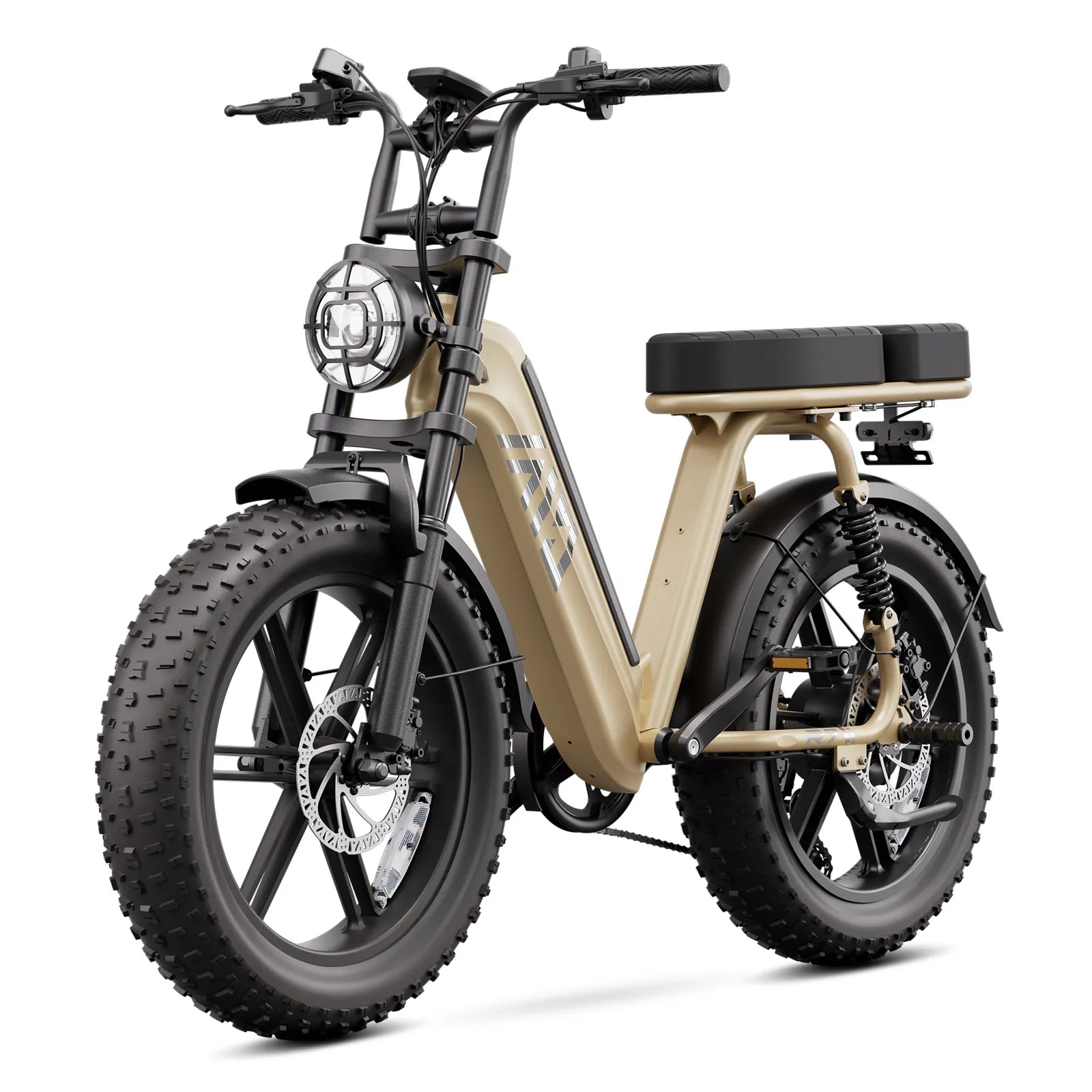
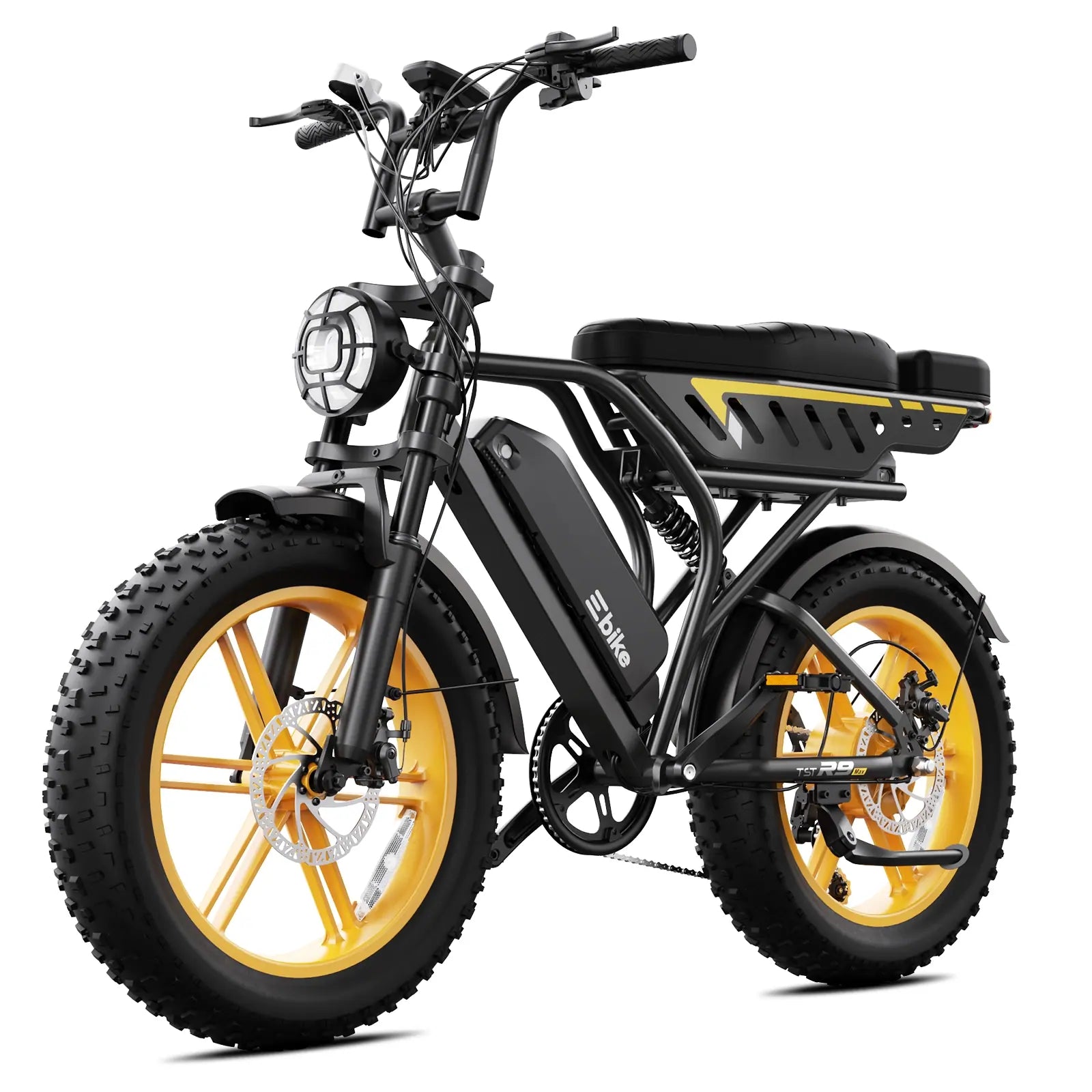
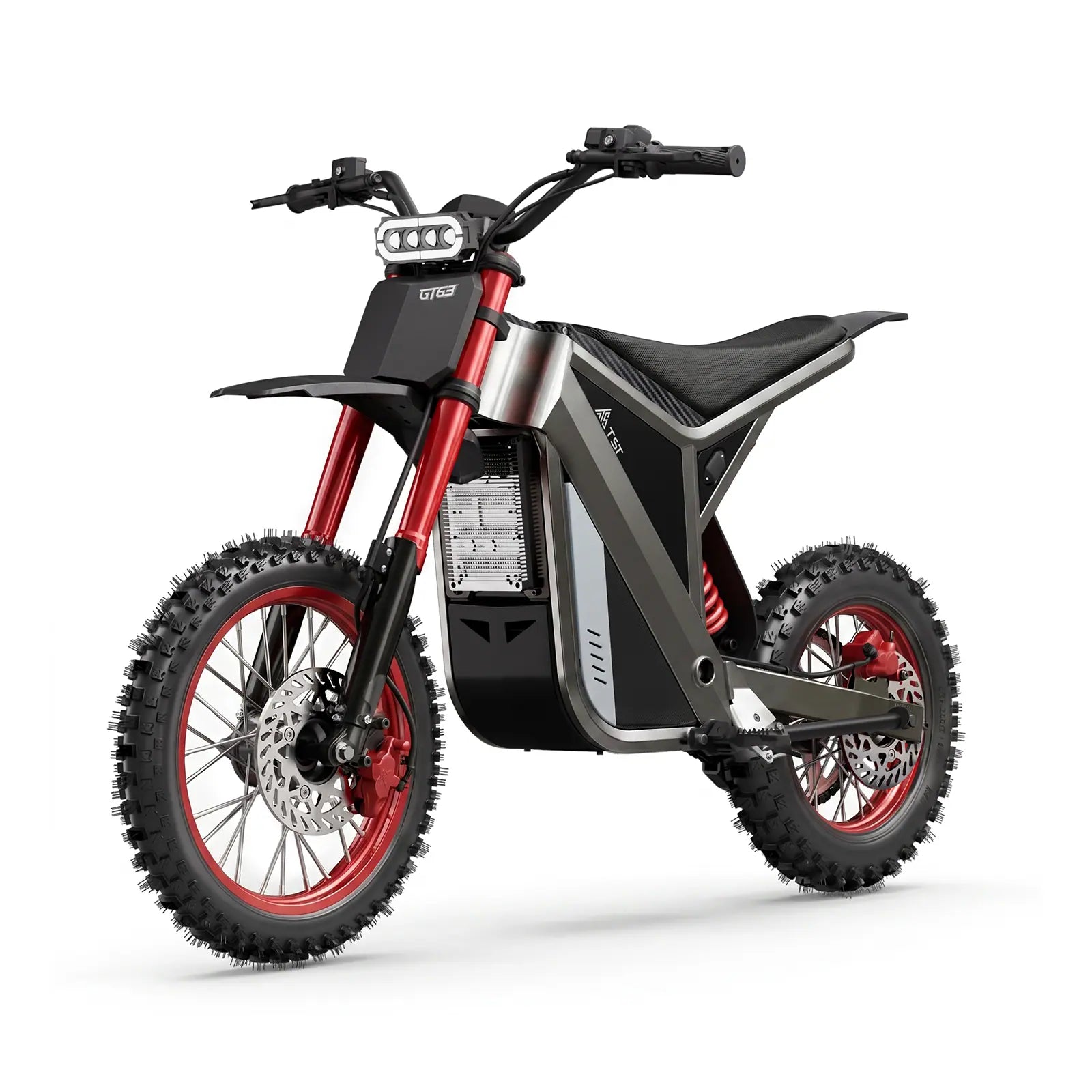
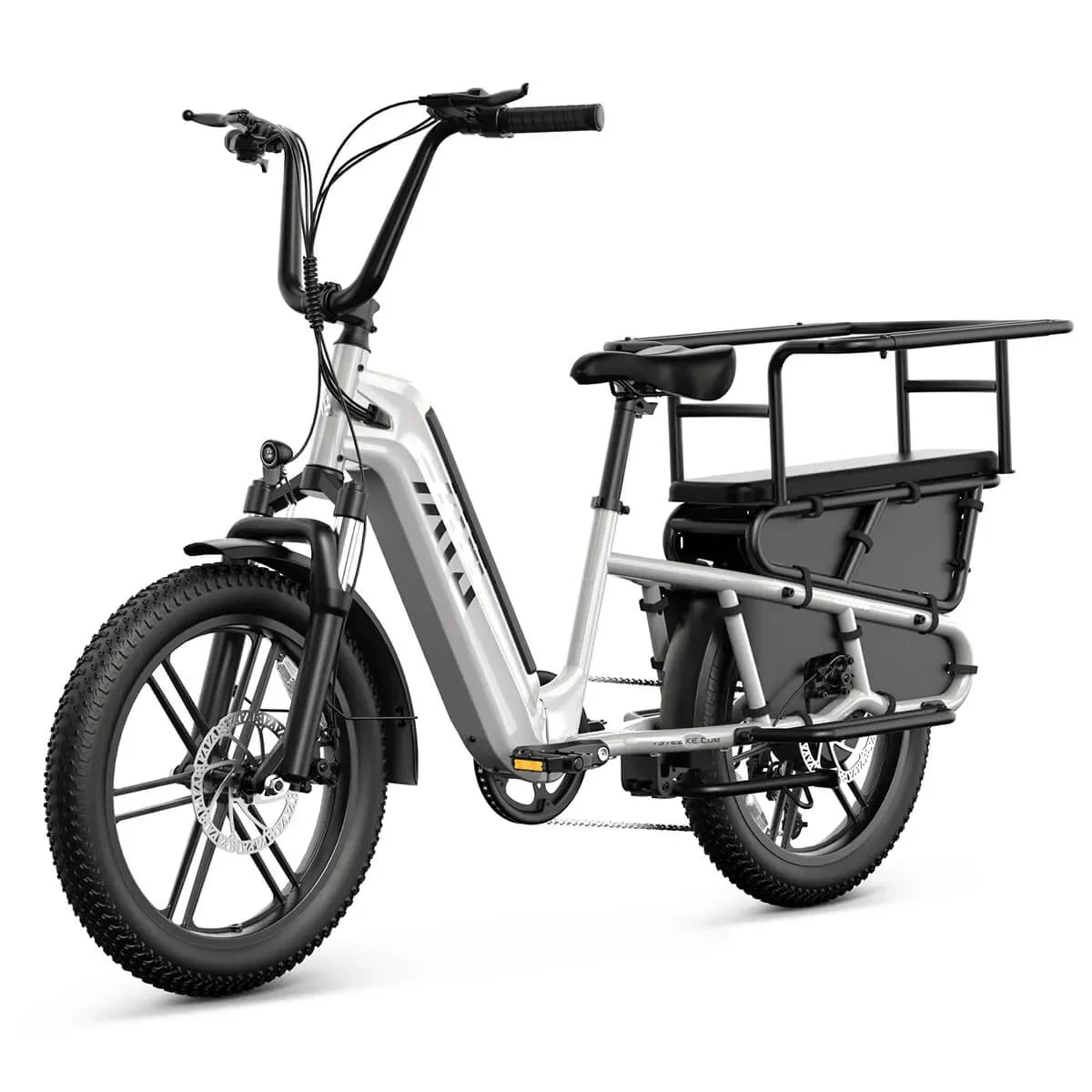
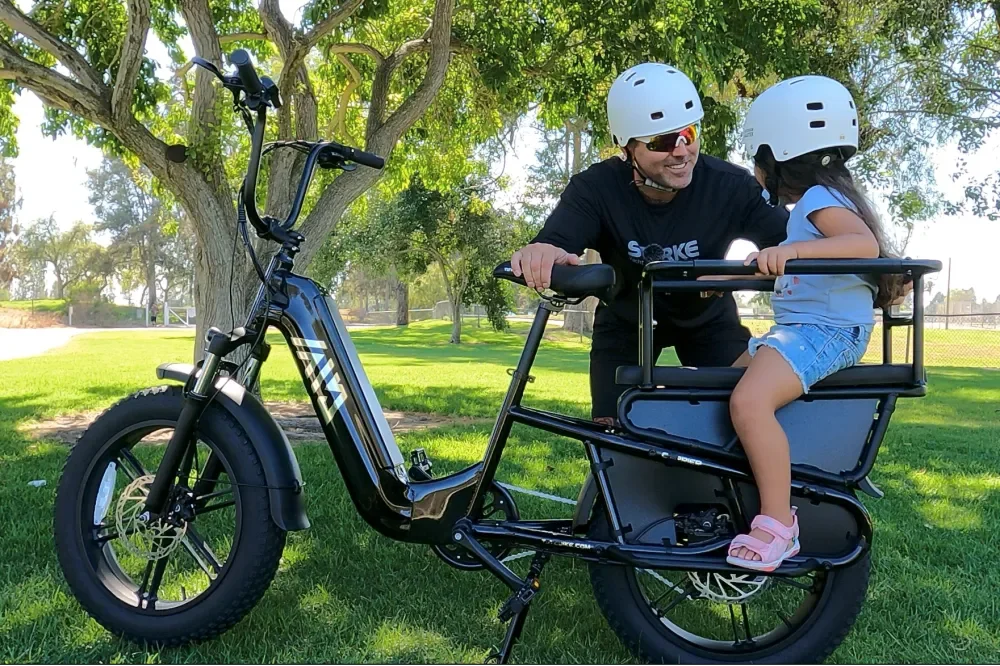
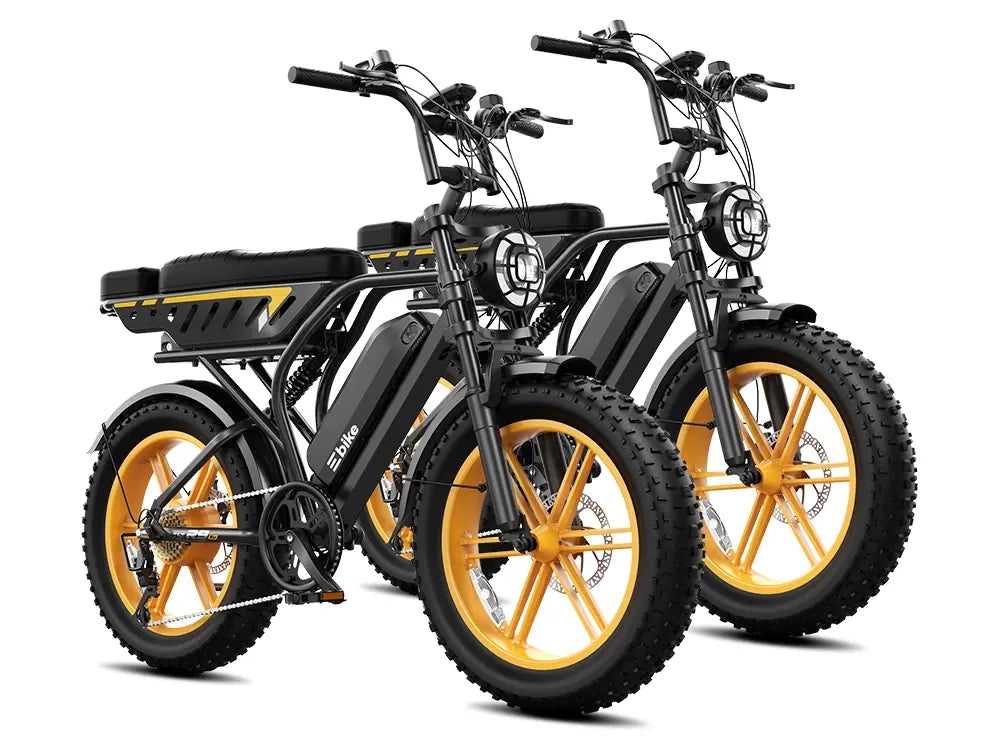
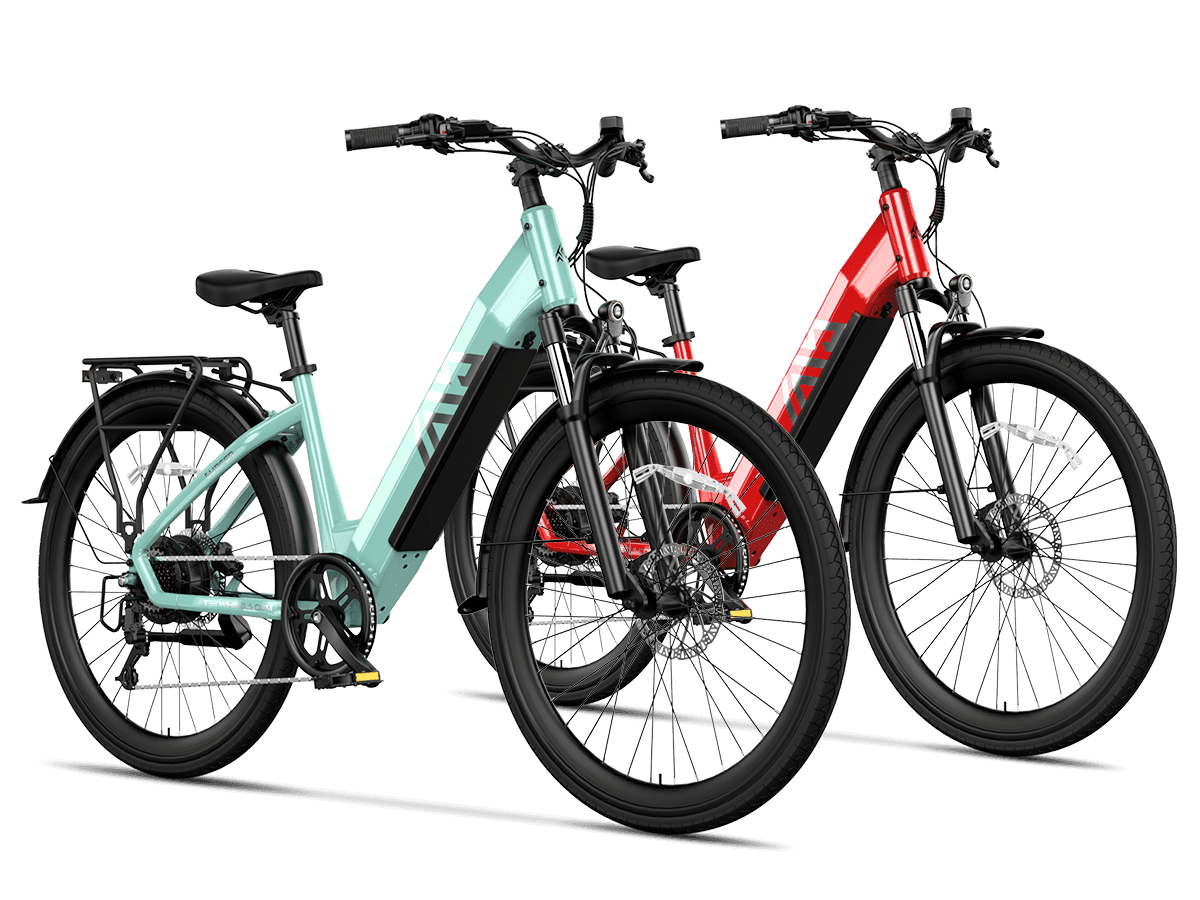
Kids’ electric bikes can be safe when parents treat them like light motor vehicles, not toys, and control speed, fit, and supervision carefully. With proper size, a speed limiter near 15 mph or less, high‑quality brakes, UL‑certified electrical systems, and full protective gear, youth e‑bikes become a controlled training tool rather than an uncontrolled risk.
What makes kids’ electric bikes riskier than regular bikes?
Kids’ e‑bikes are riskier than regular bikes because they combine higher speeds, extra weight, and quick acceleration that young riders can’t always predict or control. In crashes, that extra mass and speed means harder impacts, especially to the head and upper body, so design, training, and rules matter more than on a standard pedal bike.
From a factory-floor perspective, the biggest difference between a kids’ e‑bike and a standard kids’ bike is kinetic energy. A 55 lb e‑bike with a 90 lb rider at 15 mph carries roughly double the energy of a 25 lb pedal bike at 10–12 mph, so the same “small mistake” produces a much bigger crash. That’s why I treat youth e‑bikes as low‑speed vehicles when testing, not as toys.
In real-world crash investigations that manufacturers quietly run on returned frames, two patterns show up again and again: front‑wheel washouts from grabbing too much front brake, and loss of control on throttle or high assist when kids turn sharply from a stop. Both issues are manageable, but they require deliberate speed control and braking setup, not just “ride carefully” advice.
How fast should a kids’ e‑bike go to stay safe?
For most children, a safe top speed for a kids’ e‑bike is around 10 mph for riders under 12 and 12–15 mph for early teens, with parental limits set in the controller. Slower speeds dramatically reduce braking distance and impact energy, and they give kids more time to react to cars, doors, and pedestrians in real-world conditions.
Inside e‑bike controllers, speed limiting is straightforward: the motor cuts power once the wheel sensor reports a preset speed, often adjustable in a hidden menu. For youth setups, I recommend treating 15 mph as an upper ceiling, then creating a “junior mode” at 10–12 mph for daily use, only raising it after weeks of clean riding and demonstrated braking control.
Parents sometimes worry that a low speed cap makes the bike “boring,” but on the test track, kids focus on acceleration and handling, not raw top speed. A well‑tuned bike that reaches 12 mph smoothly, with strong but predictable braking, feels exciting yet controllable, especially when you mix in short hills, safe paths, and skills drills like figure‑eights and emergency stops.
How does a speed limiter for kids’ e‑bikes actually work?
A speed limiter works by reading wheel speed from a sensor and cutting or tapering motor power once the preset limit is reached, while still allowing normal pedaling. On kids’ e‑bikes, you want a “soft” limiter curve that gradually reduces assistance near, say, 12–15 mph so the bike doesn’t feel like it hits a wall and destabilize a young rider.
From an engineering standpoint, I look at two things: the control algorithm and the user interface. A good youth controller lets parents set a numeric limit (for example 12.5 mph) and defines a ramp zone where assistance is linearly reduced over 1–2 mph instead of instantly shutting off. That ramp is what prevents the awkward surge‑then‑stall feeling kids complain about on poorly tuned bikes.
Practically, you also want a child‑resistant way to lock those settings. On higher‑spec bikes, that may mean a PIN‑protected display or mobile app; on simpler youth e‑bikes, the speed profile can be hard‑coded at the factory and switched only by technicians. When I work with parents, I suggest they verify the limiter by riding beside the child with a GPS app and adjusting if the real top speed overshoots the claimed number.
Why are hydraulic brakes so important for children’s e‑bikes?
Hydraulic disc brakes matter on kids’ e‑bikes because they give strong, consistent stopping power with very light lever force, which small hands can manage more safely. Compared with mechanical discs or rim brakes, hydraulics hold performance better in wet conditions, on hills, and after repeated stops, all of which are critical on heavier, powered bikes.
When I test youth bikes on a closed course, the difference shows up in emergency stop drills. With mechanical brakes, children often “pump” the lever and fatigue quickly, lengthening stopping distance after just a few repetitions. With a decent two‑piston hydraulic system and short‑reach levers, they can repeatedly stop from 12–15 mph within a predictable distance without straining or changing their grip.
Another subtle benefit is modulation: the ability to finely control how hard the brake bites. On the bench, you can see a child produce a smooth ramp in hydraulic line pressure, but a more jagged pattern on cable setups due to friction and housing flex. Out on the path, that translates into fewer front‑wheel lockups and less skidding, especially on gravel and wet leaves.
Which safety gear does a young e‑bike rider really need?
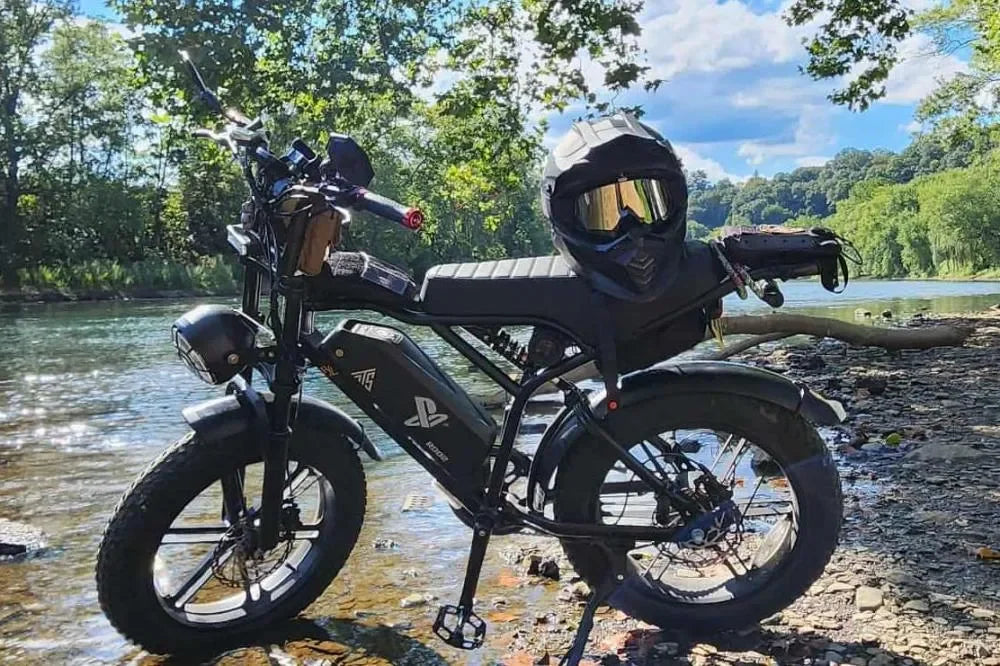
A young e‑bike rider should always wear a correctly fitted, e‑bike‑rated helmet, closed‑toe shoes, and at least knee and elbow pads for the first months. As speeds and distances increase, add full‑finger gloves, bright or reflective clothing, and front and rear lights so drivers, cyclists, and pedestrians can see the child from all directions.
On the manufacturing side, we design kids’ e‑bikes assuming a fall at 12–15 mph is plausible on any given ride, so I recommend gear that’s actually engineered for that energy level. That means helmets that meet higher‑speed standards (often marketed as e‑bike or NTA‑rated), pads with hard shells over impact foam, and abrasion‑resistant glove palms that won’t blow through on the first slide.
Parents sometimes ask whether pads make kids overconfident. In the field, I see the opposite when gear is framed as “pilot equipment” rather than “baby armor.” If you consistently check strap tension, shell placement, and helmet position together—using quick rituals like the two‑finger rule at the chin and “V” straps at the ears—kids internalize that preparation is just part of riding an electric bike.
Essential youth e‑bike safety gear checklist
What should parents check in a UL 2849 certified kids’ e‑bike?
In a UL 2849 certified kids’ e‑bike, parents should look for a clearly labeled certification mark, a well‑secured battery with no excessive play, and tidy, strain‑relieved wiring without exposed copper. This standard focuses on electrical system safety—reducing fire, overheating, and wiring risks—so it’s an important baseline, but it must be paired with good frame design and brakes.
From an insider perspective, UL 2849 testing doesn’t tell you whether a bike fits your 10‑year‑old, but it does tell you the manufacturer has passed thermal, charging, and wiring safety tests that many cheaper imports quietly skip. In the lab, we push batteries and controllers to high temperatures, short‑circuit conditions, and prolonged load cycles, then inspect for insulation breakdown and runaway behavior.
When I inspect a kids’ bike claiming certification, I don’t stop at the sticker. I check that the battery clicks solidly into place with no rattle, that the charge port has a robust cover, and that cables are anchored so crashes don’t yank on solder joints. A UL‑tested system paired with sloppy connectors or unsecured harnesses is a red flag; true child‑friendly design carries that same discipline into every detail.
How can parents choose the right size and fit for a kids’ e‑bike?
Parents should choose a kids’ e‑bike where the child can straddle the frame with both feet flat, reach the bars with relaxed elbows, and cover both brake levers without shifting their hands. If your child has to stretch to reach the ground or can only grab the levers with fingertips, the bike is too big or the cockpit needs adjustment.
In the fitting room, I walk families through three tests. First, the stand‑over test: with the top tube between the legs, there should be a couple of centimeters of clearance and both heels down. Second, the reach test: hands on the grips, the bars should not pull the shoulders forward or lock the elbows. Third, the brake test: with fingers resting naturally, the child should be able to fully actuate each lever using just one or two fingers.
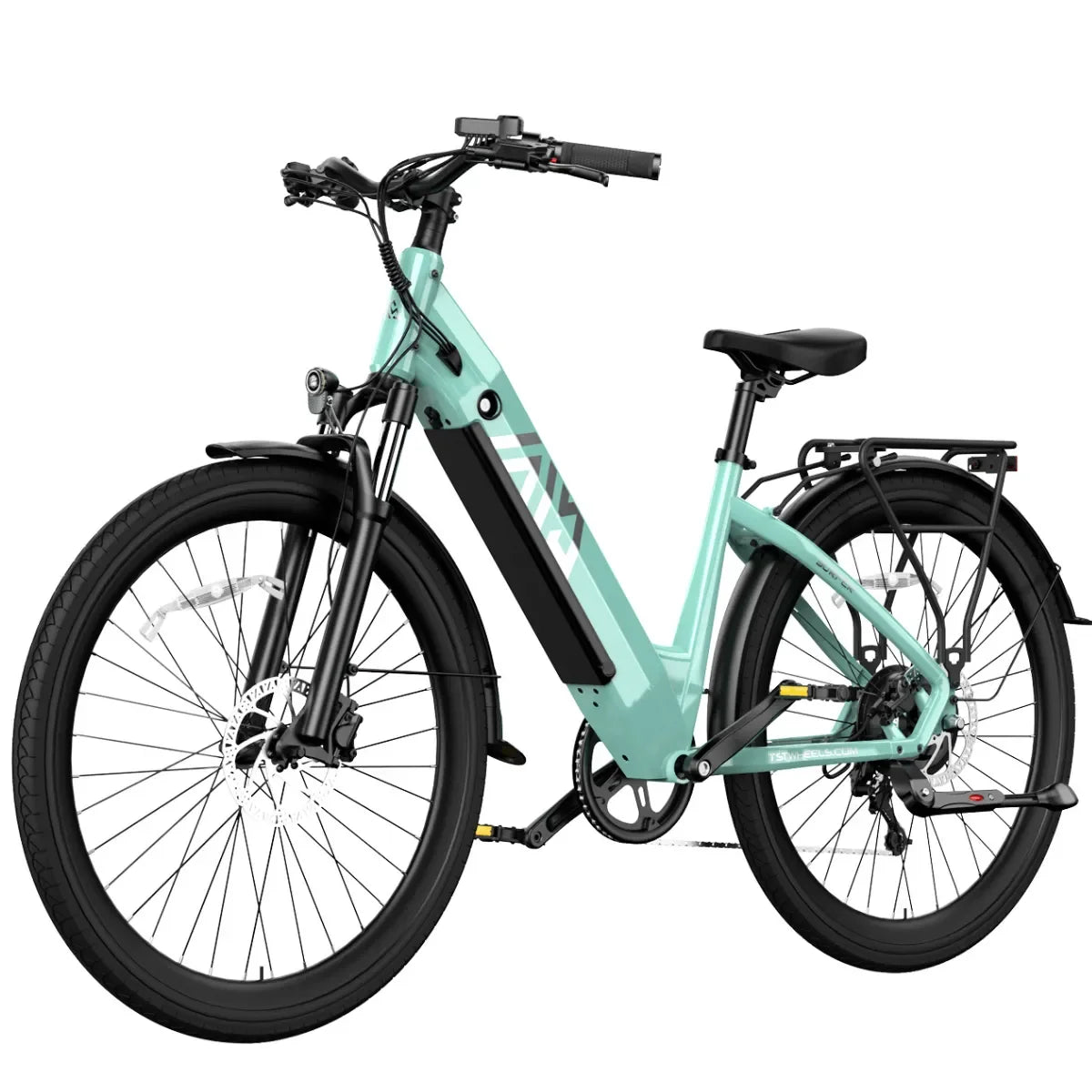
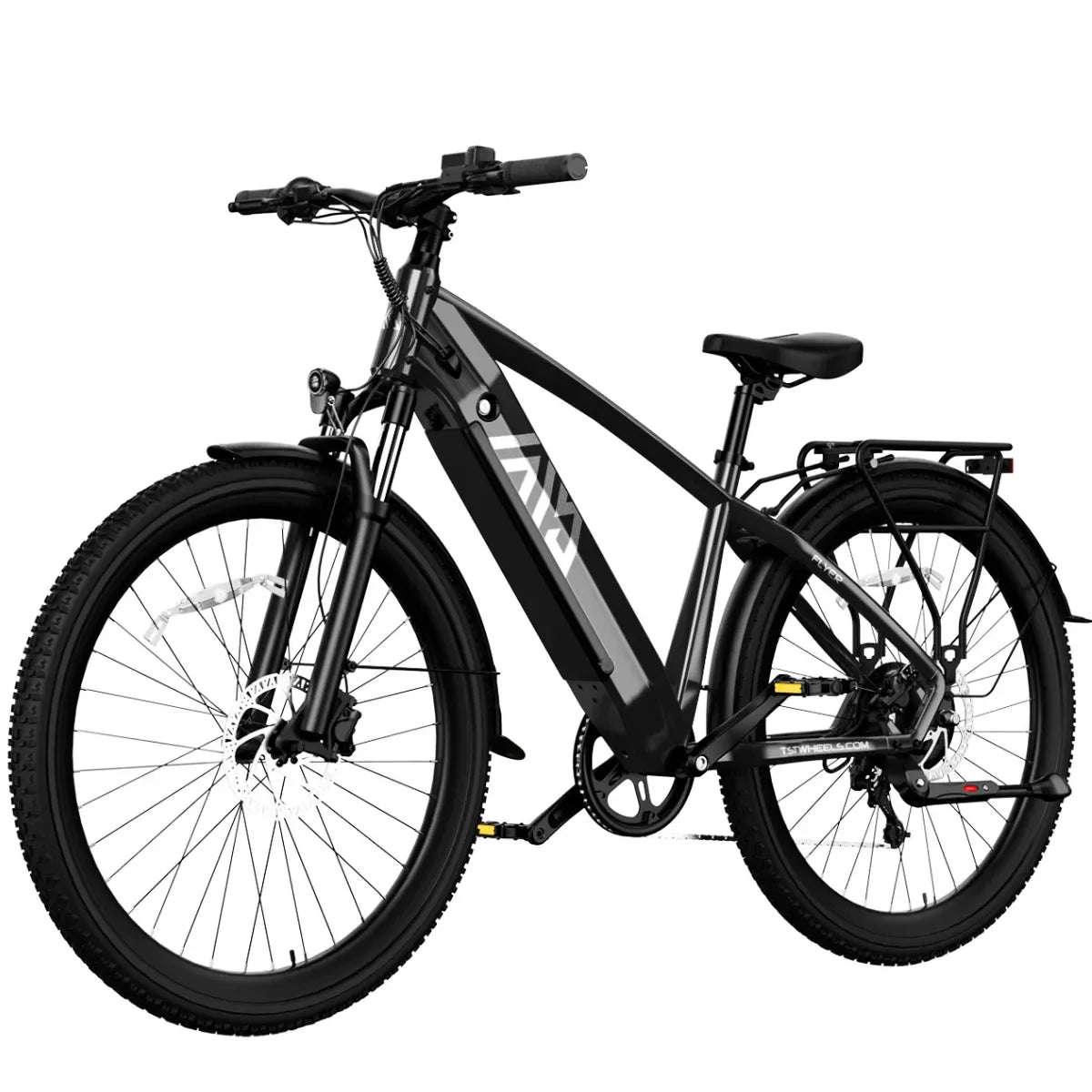
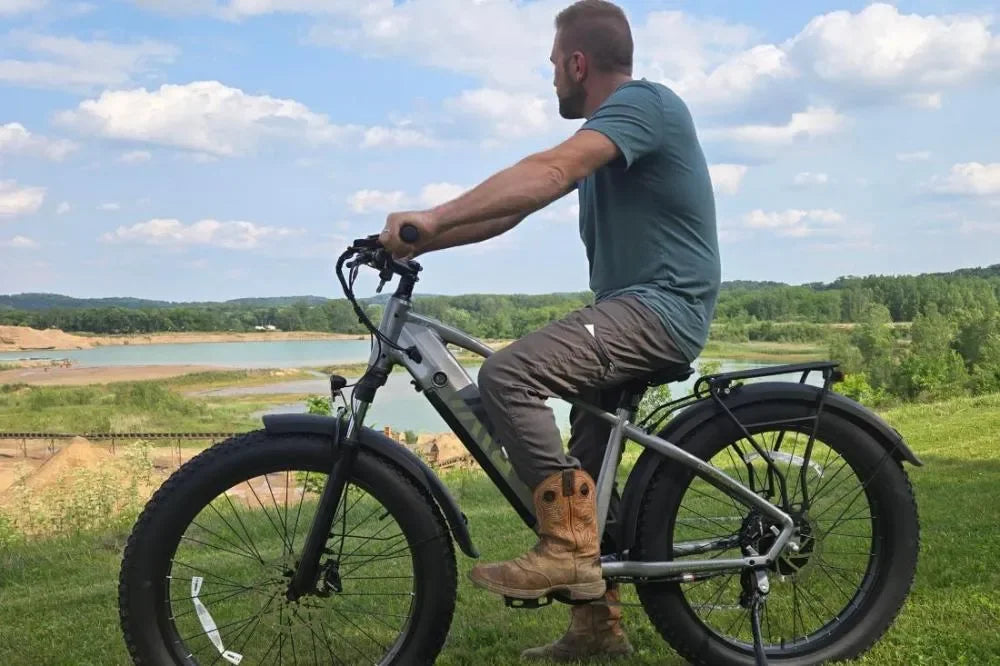
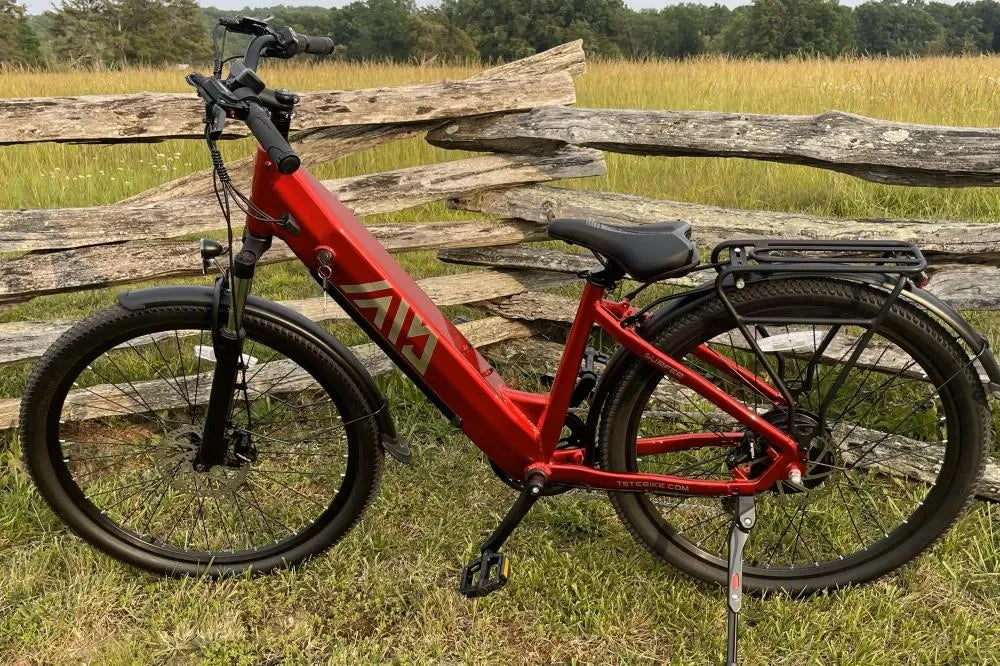
Wheel size is part of the picture but not the whole story. For example, TST EBike offers 26‑inch models tuned for rougher terrain and 27‑inch bikes aimed at commuting and light trail use, and in both cases we adjust bar sweep, stem length, and seat tube angle so smaller riders can find a neutral, confident position. A good shop will let your child sit on several setups, even within the same wheel size, to find the best match.
Why does terrain matter when selecting a kids’ e‑bike?
Terrain matters because it dictates what motor, tires, and brakes a kids’ e‑bike must have to remain controllable at safe speeds. Smooth neighborhoods and bike paths favor lighter, lower‑power bikes with narrower tires, while hilly or loose‑surface routes demand better hydraulic brakes, wider rubber, and more careful speed limiting so kids don’t get overwhelmed on descents and climbs.
On the factory test loops, we run kids’ bikes over three main profiles: flat pavement, mixed gravel and grass, and moderate hills. The same 12 mph feels completely different on each. On loose gravel, for instance, overly narrow tires or aggressive power delivery can cause front‑end push and falls, while on steep downhills, under‑spec brakes can fade and force children to rely on foot‑dragging and panic steering.
For brands like TST EBike that build both “fun” and “utility” models, we deliberately pair 26‑inch setups with more aggressive tread patterns and suspension for snow, sand, and rough paths, and 27‑inch configurations with faster‑rolling tires and commuter‑friendly geometry. As a parent, match the bike to where your child actually rides most days, not where you imagine the “big adventure” happening once a year.
Are TST EBike youth‑friendly designs different from generic kids’ e‑bikes?
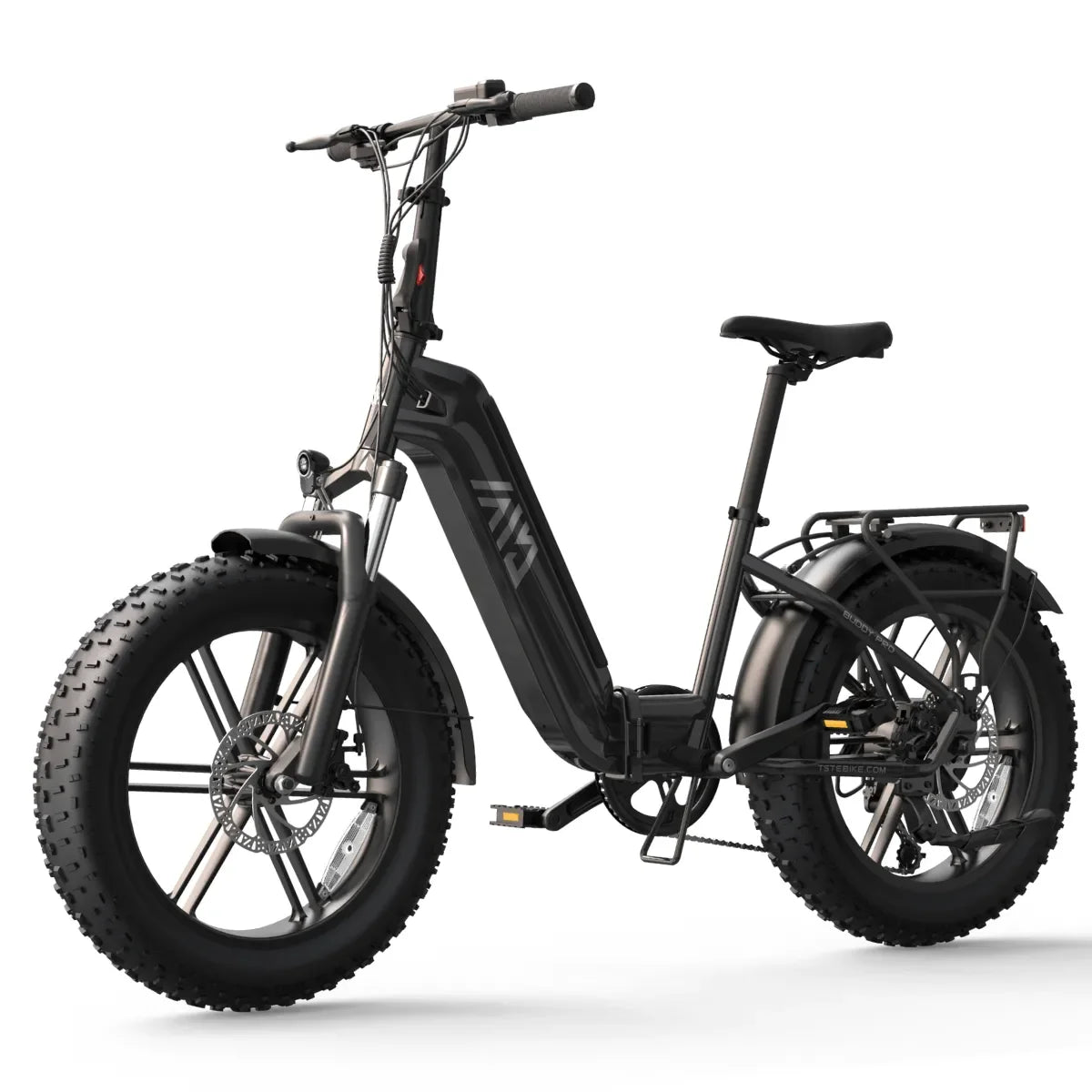
TST EBike youth‑friendly designs differ from generic kids’ e‑bikes by combining high‑power capability with conservative, configurable settings and robust component choices. Instead of chasing flashy top‑speed numbers, the brand emphasizes cost‑effective frames, strong hydraulic brakes, and carefully tuned assist profiles that can start gentle and scale with a growing rider’s skills.
Because TST EBike grew out of rider feedback, many of the changes I’ve seen over model generations come directly from parents: shorter‑reach brake levers for smaller hands, easier‑to‑read displays, and harness routing that keeps cables away from curious fingers yet accessible for service. Behind the scenes, we track warranty returns for things like loose spokes or failing pedals and feed that data back into child‑use scenarios—which are often harsher than adult commuting.
For families, another practical difference is logistics. With TST GRP LLC operating warehouses in California and a network of offline stores, getting a kids’ e‑bike assembled, fitted, and serviced locally is much easier than with anonymous imports. When you mix that support structure with the brand’s focus on high‑power yet controllable bikes, you get a platform that can follow a child from their first assisted rides to more demanding terrain.
How can parents build safe riding habits and rules for youth e‑bike use?
Parents can build safe habits by progressing from motor‑off practice to low‑assist rides, setting clear route and speed rules, and doing regular pre‑ride checks together. Start in car‑free zones, require full gear every time, and emphasize smooth braking, signaling, and awareness over speed; reward consistent, calm riding rather than distance or top‑speed milestones.
When I coach families, we use a simple five‑step progression. First, kids ride the e‑bike with the motor off to learn weight, balance, and braking. Second, we enable the lowest assist and ride straight lines with controlled stops in chalk “stop boxes.” Third, we add gentle turns, then figure‑eights, always braking before the corner. Fourth, we practice hand signals and shoulder checks on empty streets. Finally, we rehearse the school or park route on quiet days before allowing independent trips.
House rules should be written and visible—on the garage wall works well. Common ones include daylight‑only riding at first, no headphones, no passengers, and mandatory check‑ins by text on arrival. Some parents tie speed‑limit increases to a “no‑incident” streak, using the controller settings as both carrot and safety net. The key is consistency: if rules only apply sometimes, kids treat them as suggestions, not standards.
TST EBike Expert Views
“From an engineering standpoint, a safe kids’ e‑bike isn’t the one with the lowest motor wattage—it’s the one whose whole system is balanced for a small rider: frame fit, hydraulic brakes, gentle power ramp‑up, and a speed limiter that parents can actually use. At TST EBike we design our 26‑ and 27‑inch platforms so they can be dialed down for early riders today and carefully opened up as their skills and judgment grow.”
Conclusion: What are the key steps to keep kids’ e‑bikes safe?
To keep kids’ e‑bikes safe, treat them like motorized vehicles: choose a well‑fitting, UL‑certified bike with hydraulic brakes, lock the speed around 10–15 mph, and insist on full gear and structured training. Match the model to your terrain, create clear written rules, and adjust settings only after your child demonstrates calm, consistent control—turning e‑biking into a supervised skill progression, not a risky free‑for‑all.
FAQ
Are kids’ e‑bikes safe for 8–10‑year‑olds?
They can be under strict supervision, low speed limits around 10 mph, and in car‑free areas, but many parents prefer starting this age group on balance or pedal‑only bikes before adding power.
Which age is best to start riding a kids’ e‑bike?
Most families find 10–14 works if the child already rides confidently, follows rules, and rides mainly off‑street; younger kids are usually safer as passengers rather than independent e‑bike riders.
Do kids need a special helmet for e‑bikes?
Yes, a helmet rated for higher‑speed cycling or e‑bike use is strongly recommended, because it offers better impact protection at the speeds and weights typical of youth e‑bikes.
Can I let my child use the throttle freely?
For early riders, it’s safer to disable or limit throttle and rely on low assist levels; once they show consistent control and braking, you can gradually introduce throttle with strict rules.
Is a heavier e‑bike automatically more dangerous for kids?
Extra weight increases crash forces and makes low‑speed handling tougher, so for most kids it’s better to choose the lightest bike that still has strong brakes, quality components, and a reliable battery.

Leave a comment
This site is protected by hCaptcha and the hCaptcha Privacy Policy and Terms of Service apply.